

Seema Chishti’s Sumitra and Anees: Tales and Recipes from a Khichdi Family, published in 2022, chronicles her parents’ interfaith marriage through personal memories and family recipes. The book acquires renewed significance in an India where religious polarisation increasingly intrudes into personal choices about love, marriage and food. Revisiting the book, Zahira Rahman explores how the story of Sumitra and Anees challenges the politics of division and reminds us of the strengths of India’s pluralist heritage.
Two Lives, Many Traditions, One Shared Table
Haasil-e-husn au’ ishq bas itna,
Aadmi aadmi ko pehchaane.
(The essence of beauty and love lies in this alone: that one human being recognises another.)
These lines from the great Urdu poet Firaq Gorakhpuri, one of the two epigraphs with which Seema Chishti opens her book, are more than a poetic prelude to the narrative that follows. They are its very soul, illuminating a story in which the recognition of another human being becomes an act of love, and love itself becomes a way of transcending the boundaries that history, religion and society have drawn between people.
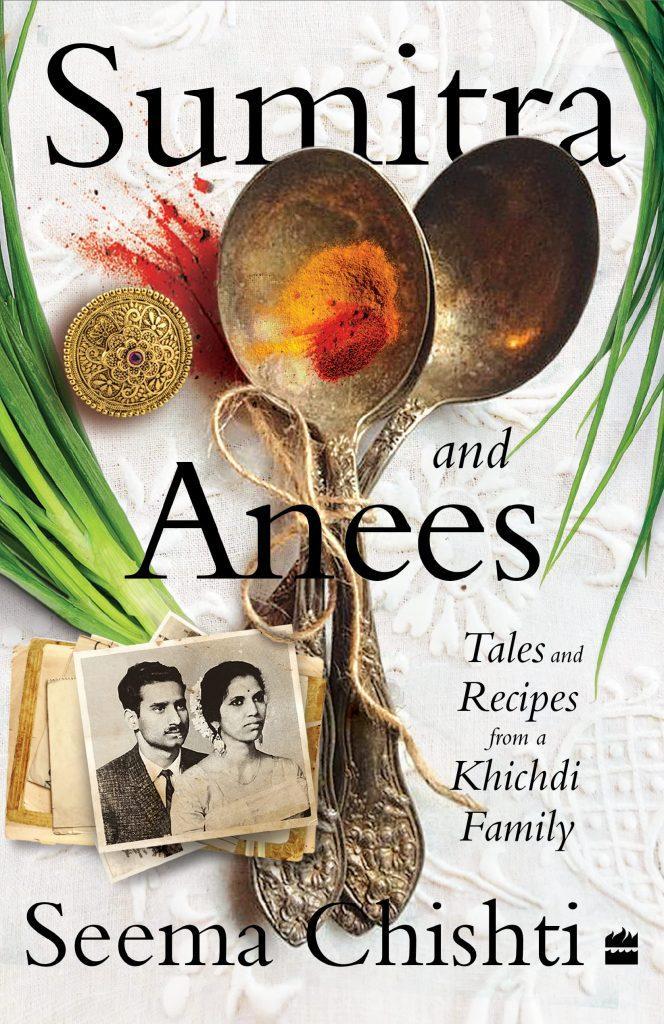
Sumitra and Anees is the written record of a union that seems almost impossible in the times we live in, a testament to the quiet audacity of two people who chose to recognise each other beyond the identities they had inherited. It is many books in one: the first part, titled Sumitra, tells the heroine’s story; the second unfolds the tale of the hero, interspersed with Professor Shahid Ameen’s affectionate recollections of his life with his uncle Anees. And then, woven into these narratives, is a book of recipes—a celebration of the mingling of flavours, the discovery of unfamiliar tastes and the slow, intimate process by which seemingly disparate cultures come together.
In the meeting of two lives, in the mingling of spices and memories, in the everyday intimacies of a shared kitchen, emerges something larger than a love story: the possibility of India itself. Here, the ‘idea’ of India is not an abstract political formulation but a lived experience, nourished by the simple, profound human recognition that Firaq immortalised in his verse.
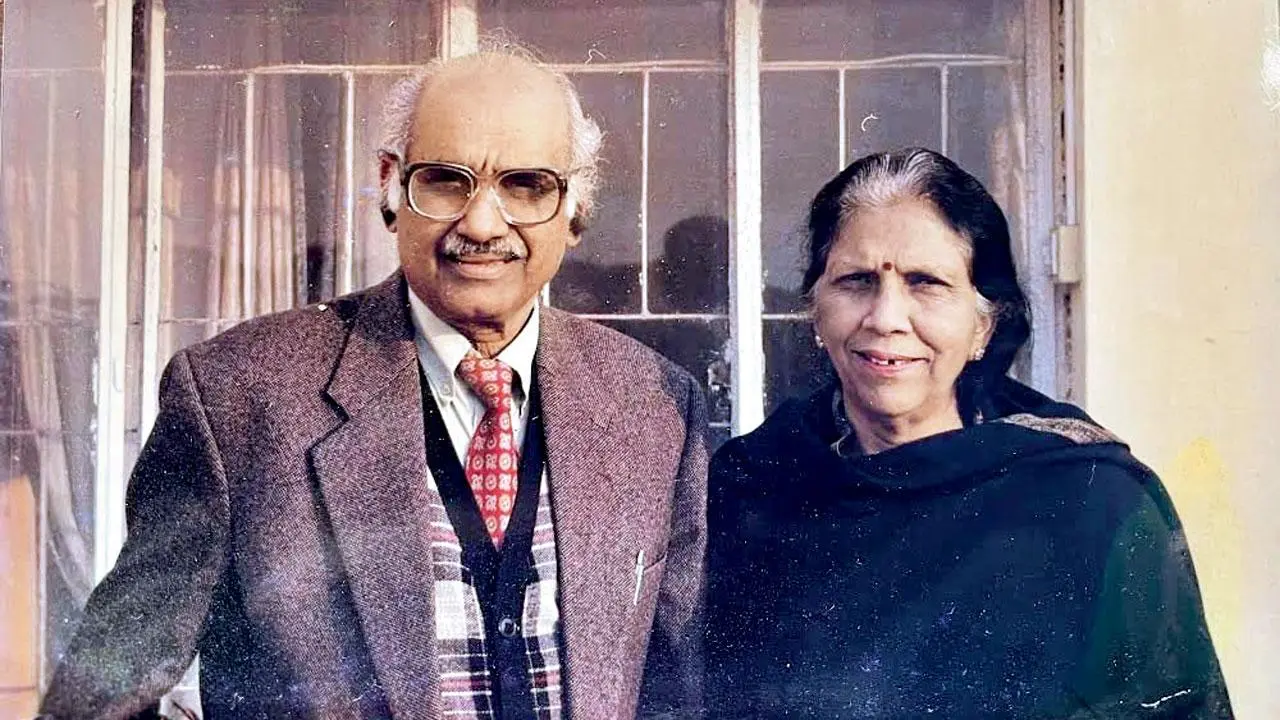
Anees and Sumitra lived the grand idea of India as a great nation celebrating numerous different traditions, languages, religions, stories, songs and people. However this book is also a testimony to the fact that this narrative of hatred and fear is manufactured elsewhere.
It’s a story of love that gains significance in the atmosphere of hate that has spread across the country.
In the introduction to the book, Seema writes:
‘Marriages in India have been the primary means of keeping caste alive and not just caste but religious and class differences too, with endogamy being the norm across society…In less fraught times, attempts have been made to minimalise social divides but they are now amplified by majoritarian governments at the Centre and in the states.’
An interfaith marriage between a Syed Muslim from UP and a Kshatriya Hindu from Karnataka seems the stuff of fantasyand the narrative evokes an old-world setting where miracles mixed with the everyday. Anees was the son of the well-known lawyer Syed Mohammad Chishti from Deoria, UP.
Sumitra was the youngest of 12 children and spent her childhood in the small town of Arsikere. Her unusual thirst for knowledge took her to Mysore and later to The Haguewhereat the International Institute of Social Studiesshe pursued her postdoctoral studies. They were from small towns and belonged to middle-class familiesand their sympathies were with the working class.
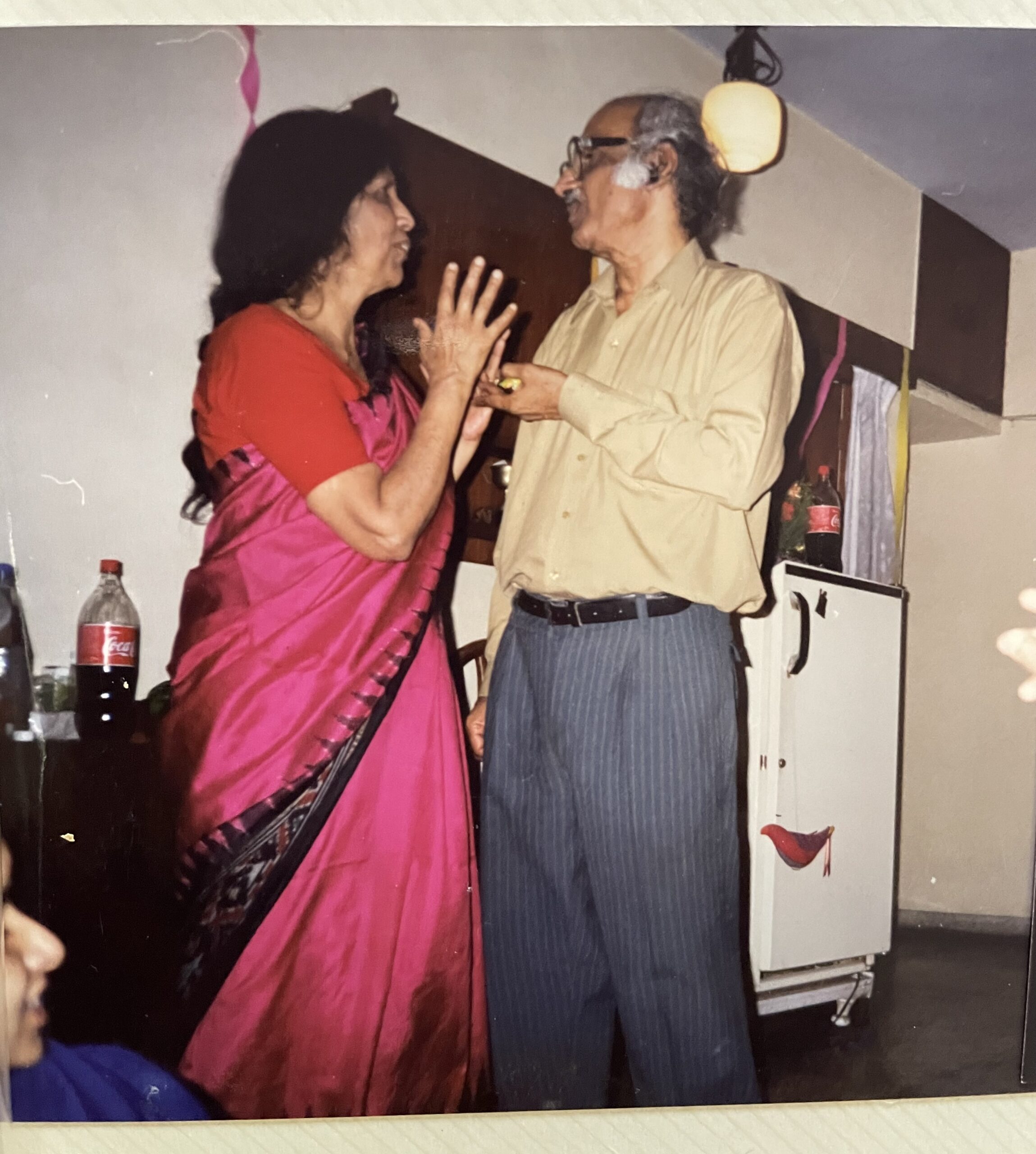
Anees, much younger and struggling to establish himself as a journalist, first met her at the basement office of Mainstream in Connaught Place. They were both writing for this progressive magazine. They recall having been drawn to each other even at their first meeting. Seema Chishti recalls her mother confessing that she ‘was first struck by Anees’s quietude, and a sense that still waters ran deep’.
Anees was on a fellowship at the Pusa Institute of Agriculture and Sumitra was working at the Indian Institute of Foreign Trade, and as they got to know each other better, they frequented the cultural scene in the capitalgoing to the theatre and classical dance recitals for which Anees got passes as the theatre and art critic at Shankar’s Weekly.
However, their religious backgrounds added to their woes in the hostile city of the 1960s. It was a young independent nation, full of hope and anticipation, building institutions that would move it forward but also swayed by doubt. Nehru’s death in 1964 brought to the fore the social and cultural divides that were simmering beneath the modern scientific temper.
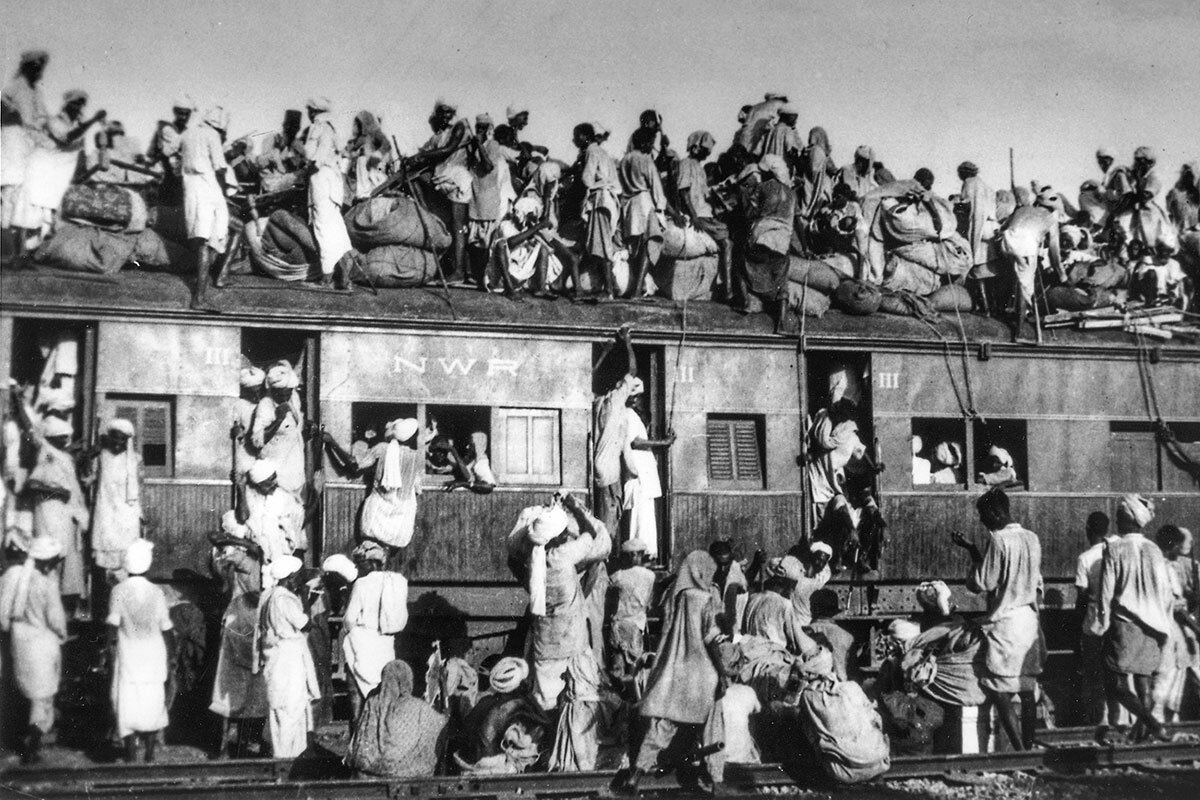
They grew up in the euphoria of a new country albeit one traumatised by a bloody Partition. Though Anees’s family might have flourished in the newly created Pakistan, they decided not to leave India refusing to believe in the fearmongering and sectarian propaganda. Anees’s diary entry from those days recounts how a regular music session featuring songs from the late 1930s played on a gramophone was mistaken for some subversive activity and reported to the intelligence department.
Yet the many-hued weft and weave of the nation called India withstood the hate propaganda and flowed forward like the myriad rivers of this vast land. The diverse community around them did not betray their faith, and when Anees and Sumitra married against all odds both families accepted one another and a confluence of cultures emerged out of this extraordinary union.
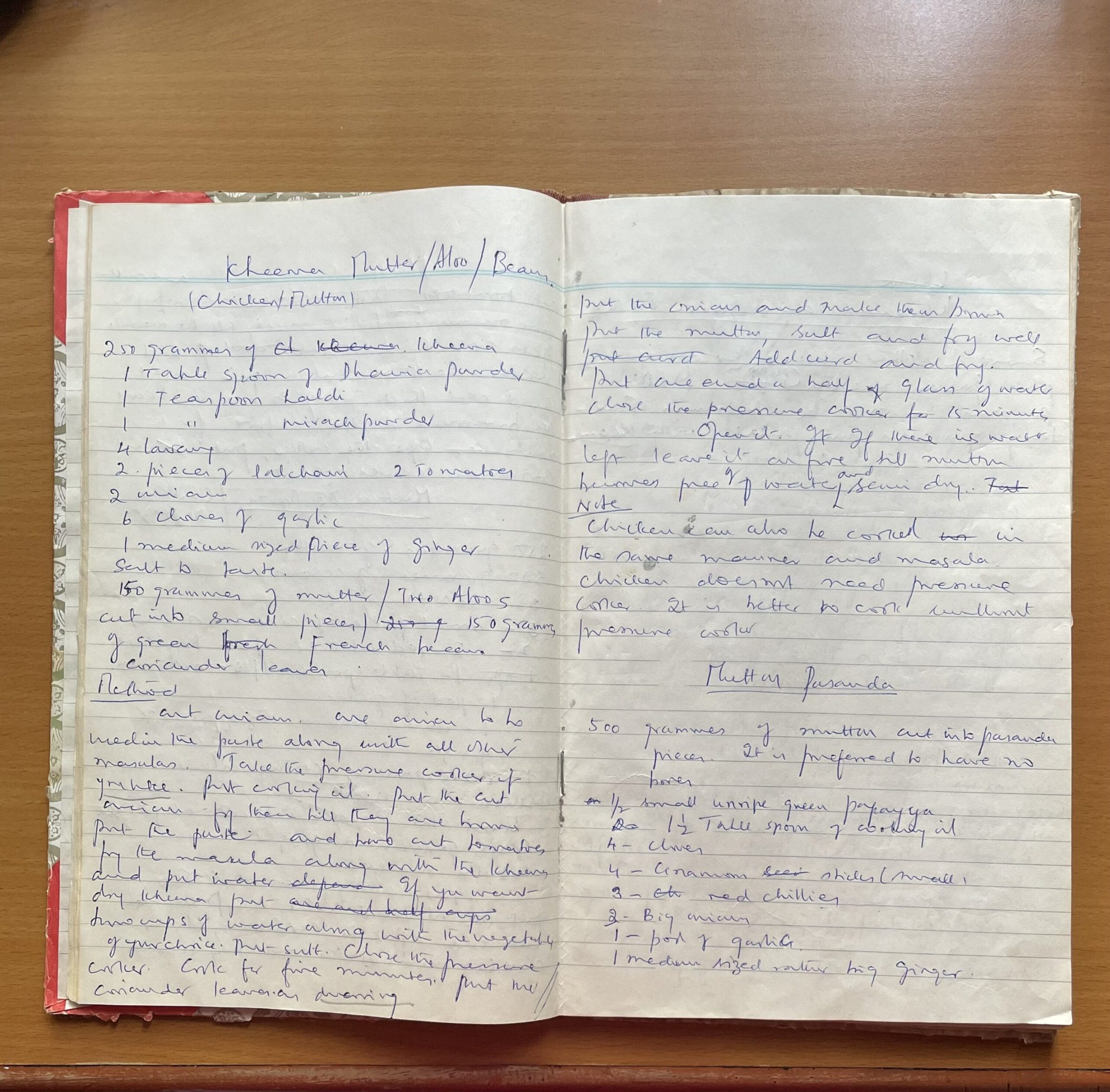
The final pages of the book are filled with recipes that appear to be a synthesis of cultures. Sumitra’s first visit as a bride to the Chishti household was during Bakrid when a plethora of meat dishes welcomed her. Interestingly some of the dishes in the recipes blend spices and names: mutton korma made with sambar powder various types of rasam, and koftas and kebabs all seamlessly cooked in the same kitchen.
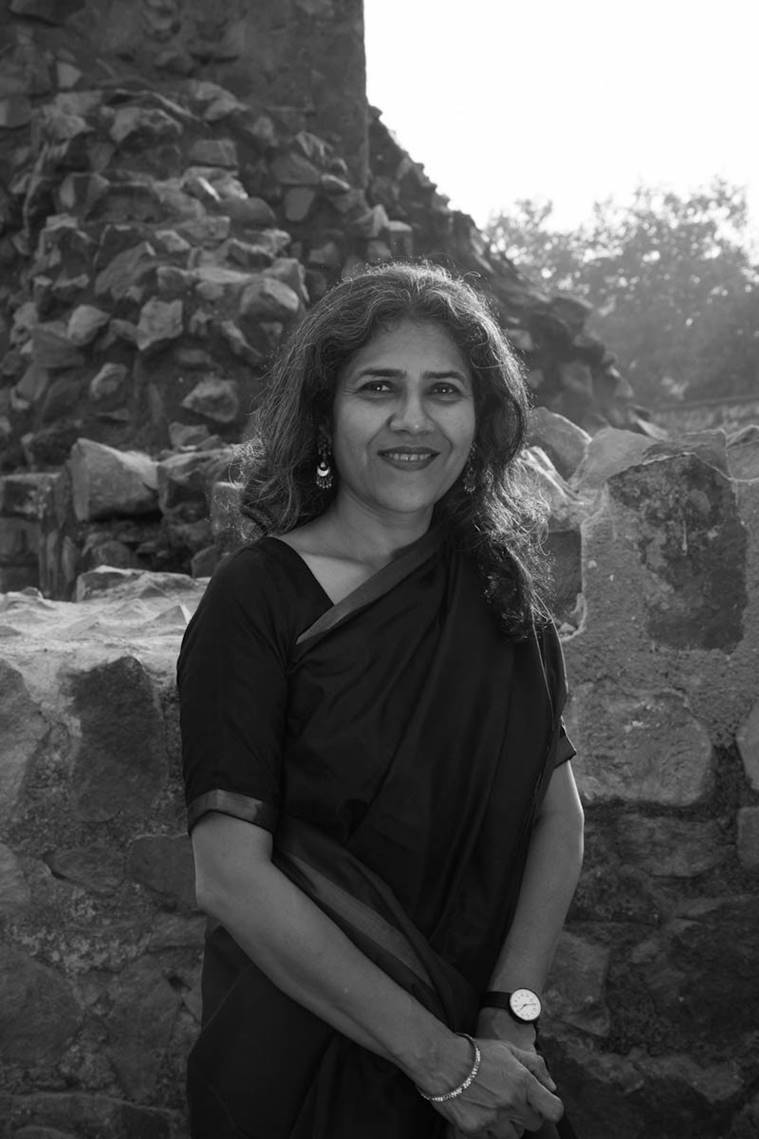
The author, Seema Chishti, the only daughter of Sumitra and Anees and an accomplished writer in her own right, writes, “This book of dishes, of all kinds routinely put down for a daughter…has acquired a different meaning now that people are being attacked for what they choose to eat, drink, read, and, of course, who they befriend or choose to spend their lives with.”
Sumitra and Anees: Tales and Recipes from a Khichdi Family
Author: Seema Chishti
Published by HarperCollins, 2022. Pages: 189