
What the Genocide Ruling Means for the Rohingyas

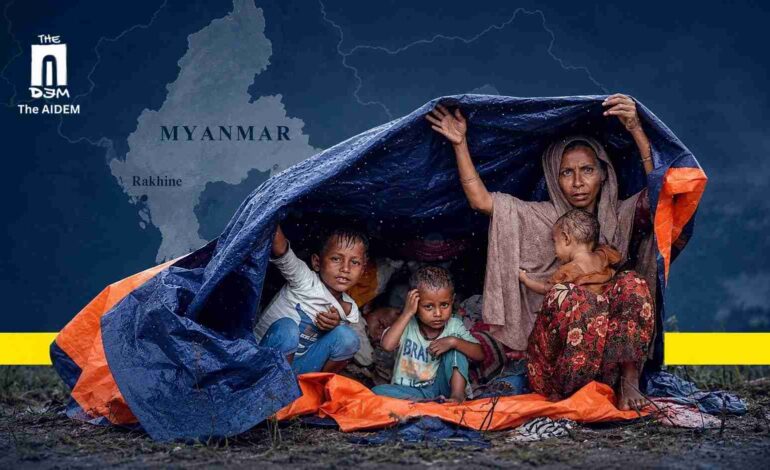
On 19 November 2026, the International Court of Justice (ICJ) ruled that Myanmar committed genocide against the Rohingya in northern Rakhine State in 2017. The court ordered Myanmar to enable displaced Rohingya to return safely and voluntarily, reunite families and compensate survivors and the community for harm that restitution cannot remedy. For Rohingya families in Bangladesh and those displaced within Myanmar, the test is whether the ruling brings them closer to returning home with rights and security.
The Rohingya, a predominantly Muslim ethnic minority with deep roots in Myanmar’s Rakhine State, have faced decades of discrimination and state repression. Myanmar’s 1982 Citizenship Law effectively excluded most Rohingya from citizenship, leaving them stateless and vulnerable to restrictions on movement, education and access to public services. The authorities’ refusal to recognise the name ‘Rohingya’ was part of a wider denial of the community’s place in Myanmar.
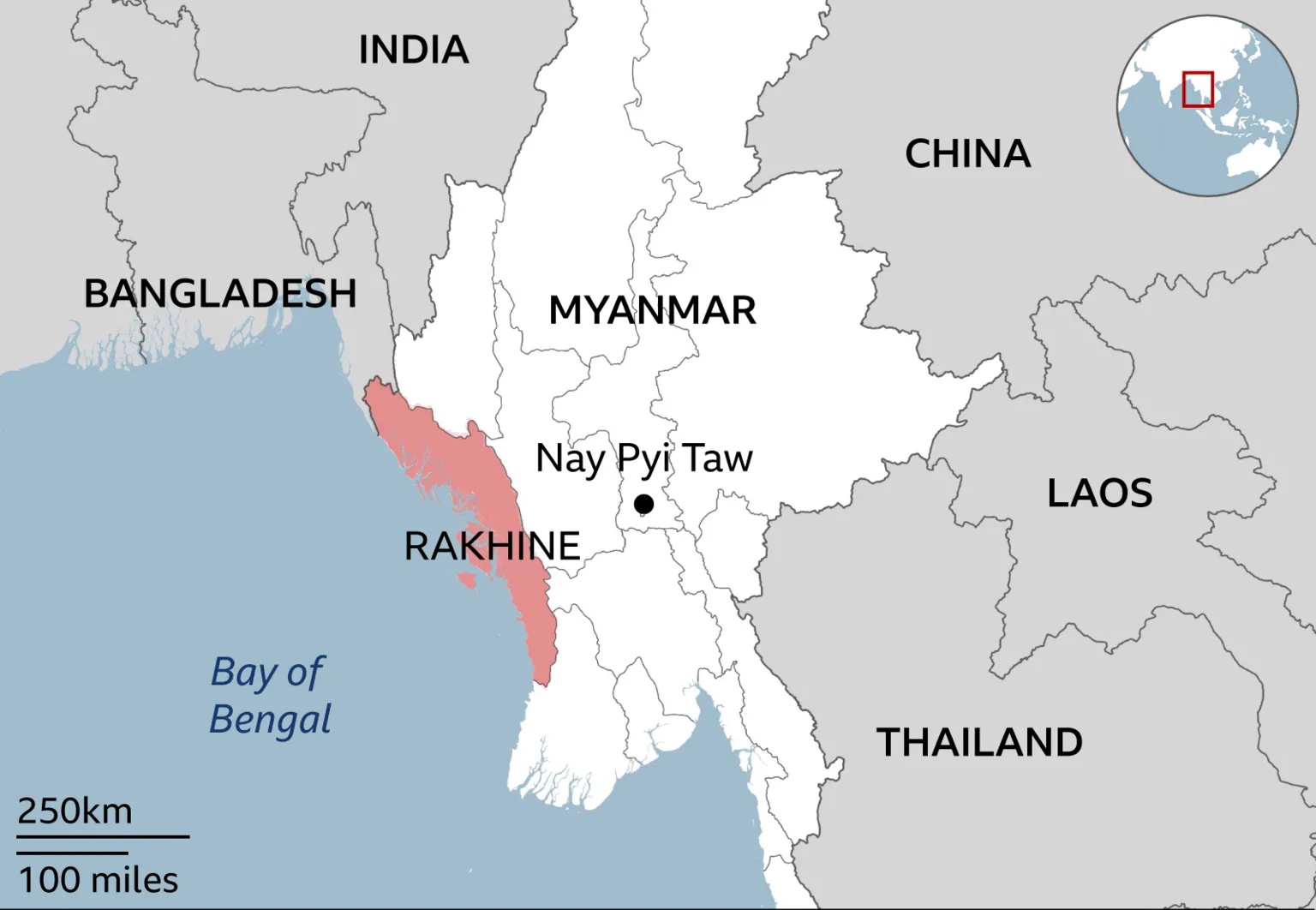 A map showing Rakhine State (highlighted in red) in western Myanmar, bordering Bangladesh and the Bay of Bengal—the epicenter of the 2017 military crackdown and mass displacement of the Rohingya population.
From Exclusion to Mass Flight
The crisis displaced Rohingya in successive waves, including in 1978, 1991 and 2012. In 2016, military operations followed attacks on security posts by the Arakan Rohingya Salvation Army (ARSA). After ARSA attacked police and military positions on 25 August 2017, the military launched operations during which security forces burned villages, killed civilians and committed widespread sexual violence. More than 700,000 Rohingya fled to Bangladesh.
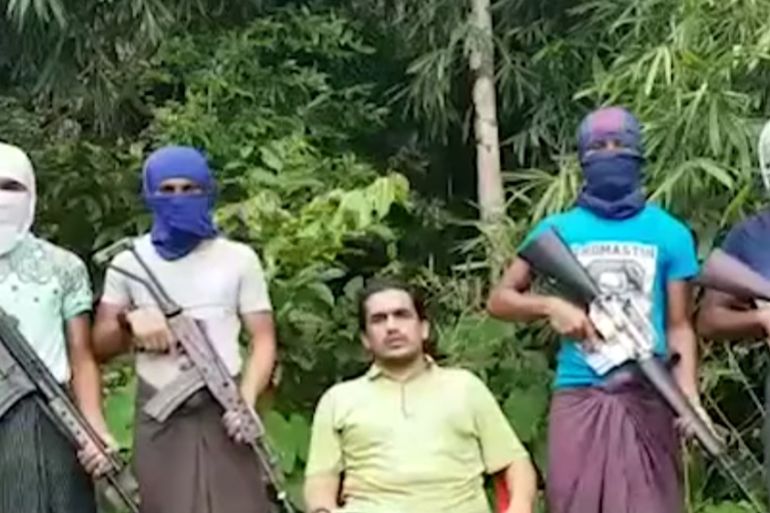 Ataullah abu Ammar Jununi (center), leader of the Arakan Rohingya Salvation Army (ARSA)
Hundreds of thousands of Rohingya who remained in Myanmar continued to face severe restrictions. The UN’s 2018 fact-finding mission described the violence as widespread and systematic and called for senior military leaders to be investigated and prosecuted. Myanmar rejected the allegations of genocide and defended the operations as a response to ARSA attacks.
Myanmar’s Responsibility Under the Genocide Convention
In November 2019, The Gambia, backed by the Organisation of Islamic Cooperation, brought the case before the ICJ, alleging violations of the 1948 Genocide Convention. The proceedings addressed Myanmar’s responsibility as a state. Establishing the criminal liability of individual officers or other perpetrators requires separate proceedings.
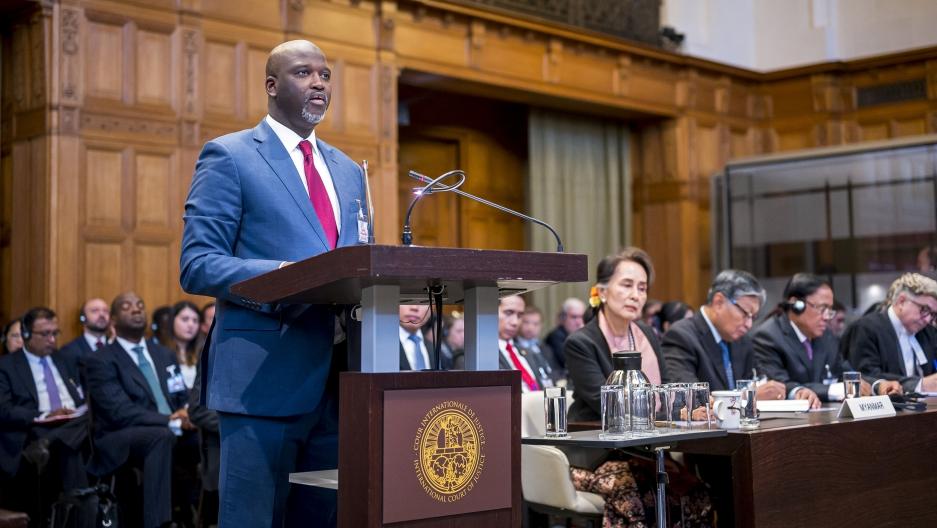 Gambian Attorney General and Minister of Justice Abubacarr Marie Tambadou delivers opening statements at the International Court of Justice (ICJ) in The Hague, Netherlands, on Dec. 10, 2019, as Myanmar’s State Counsellor Aung San Suu Kyi, (right) listens during hearings on the Rohingya genocide case.
In January 2020, the court ordered Myanmar to take provisional measures to protect the Rohingya and preserve evidence. Myanmar challenged the court’s jurisdiction and The Gambia’s right to bring the case. In July 2022, the judges dismissed those objections, allowing the case to proceed to hearings on the merits in January 2026, when the court heard testimony from witnesses.
By nine votes to six, the court found that Myanmar committed genocide during the military’s 2017 ‘clearance operations’ in northern Rakhine. The majority concluded that Myanmar acted with intent to destroy a substantial part of the Rohingya population and that its counterterrorism argument could not account for the pattern of violence. The court separately found that Myanmar had failed to prevent genocide by individuals acting alongside its security forces, to punish genocide and other acts covered by the convention, and to enact legislation giving effect to the convention. It also found that Myanmar had breached the 2020 order on preserving evidence.
What the Court Ordered
The court directed Myanmar to enact legislation giving full effect to the convention, investigate those reasonably suspected of acts covered by it in connection with the 2017 operations and, where warranted, prosecute and punish them. The court ordered guarantees against recurrence and measures to enable safe, voluntary and dignified return and family reunification. It will determine the amount and terms of compensation, and any other reparation, in a later phase. Myanmar must report within two years on the restitution measures it has taken and on the amount and terms of compensation.
The International Court of Justice’s landmark ruling ordering Myanmar to pay reparations, return land, and allow displaced Rohingya to rebuild their homes.
The judgment binds Myanmar. If Myanmar fails to comply, The Gambia can take the matter to the UN Security Council under Article 94 of the UN Charter. The Council has discretion over whether to act, and any of its permanent members can veto substantive measures. Diplomatic pressure and sustained scrutiny will therefore matter to implementation.
How Survivors and Governments Responded
UN Secretary-General António Guterres welcomed the ruling as recognition of what Rohingya victims had suffered and called on Myanmar to comply. For Rohingya survivors following the case from Bangladesh, the judgment gave public recognition to what they had endured. Rohingya advocates have called for survivors, including women, to have a say in decisions about their future.
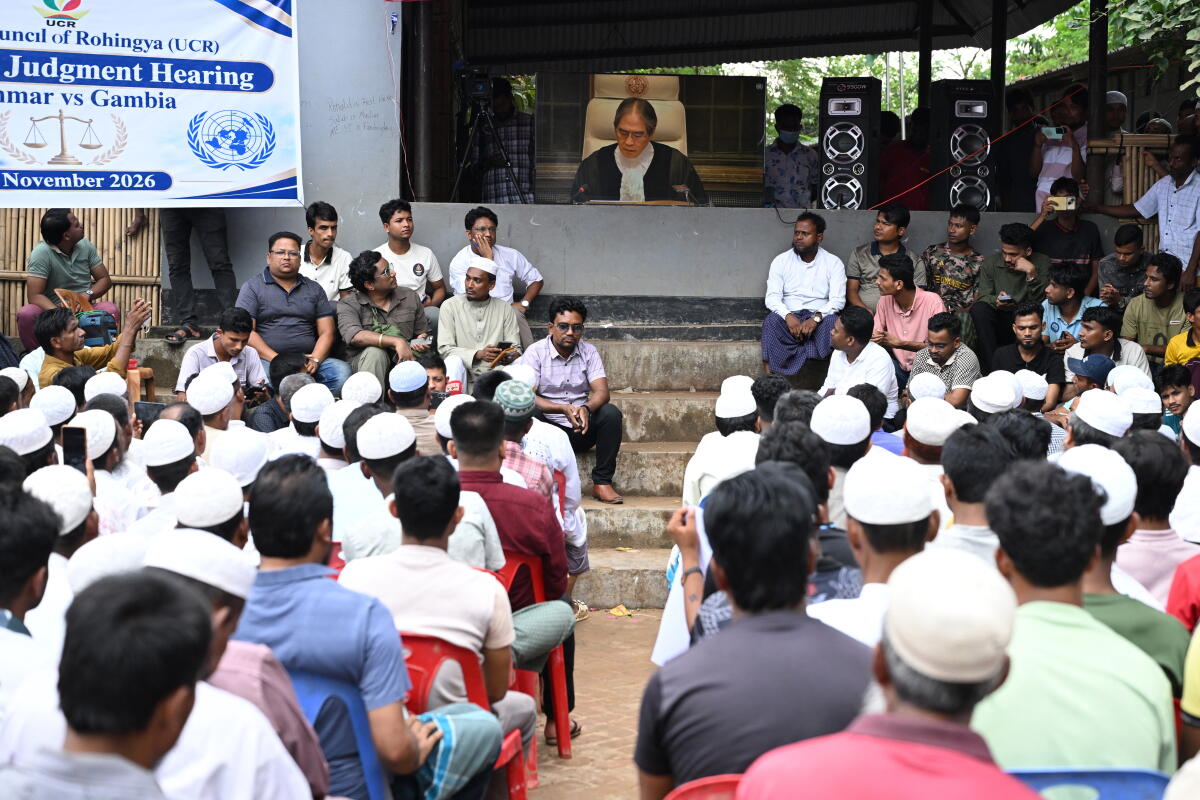 Rohingya refugees watch the International Court of Justice (ICJ) ruling over whether Myanmar committed genocide against Rohingya Muslims, on a screen at a camp in Bangladesh’s Cox’s Bazar on November 19, 2026.
The United States took a more guarded position. In 2022, the Biden administration determined that Myanmar’s military had committed genocide and crimes against humanity. Responding to the ruling, the US State Department said it was studying its implications and stressed the importance of avoiding politicisation of the court. Washington’s response showed that its own genocide determination could coexist with caution about the court’s ruling.
Myanmar’s opposition National Unity Government said it respected the court’s authority and its judgment. Implementing the orders will require action by the authorities exercising power in Myanmar.
The Dangers Facing Rohingya Today
Myanmar’s 2021 military coup ousted the civilian government led by Aung San Suu Kyi and was followed by a widening armed conflict. In Rakhine, Rohingya civilians have been caught between the military and the Arakan Army, both accused of grave abuses. The Arakan Army controls much of the state, where Rohingya continue to face repression, including reported forced labour and arbitrary detention.
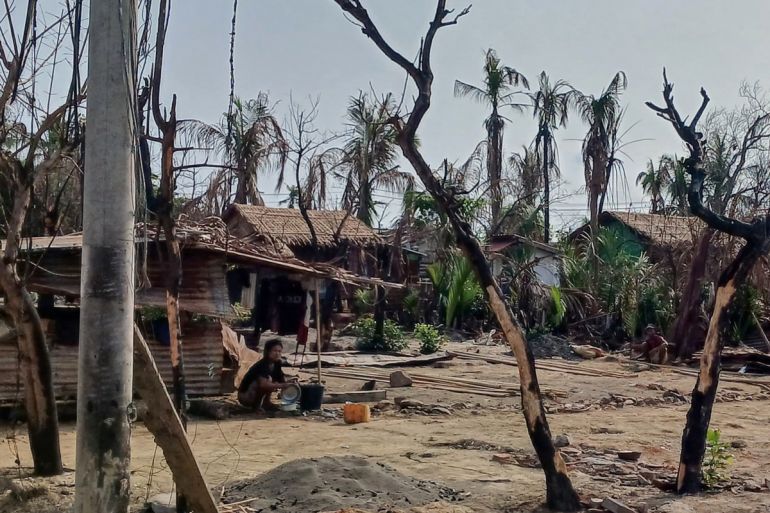 A woman cooks next to destroyed houses and burned trees following the fight between Myanmar’s military and the Arakan Army in a village in Minbya Township in Rakhine State on May 21, 2024.
In Bangladesh, Rohingya refugees remain in overcrowded camps, dependent on humanitarian aid and without a clear path home. A safe, voluntary and dignified return will require security, freedom of movement, restored rights and credible guarantees against renewed persecution.
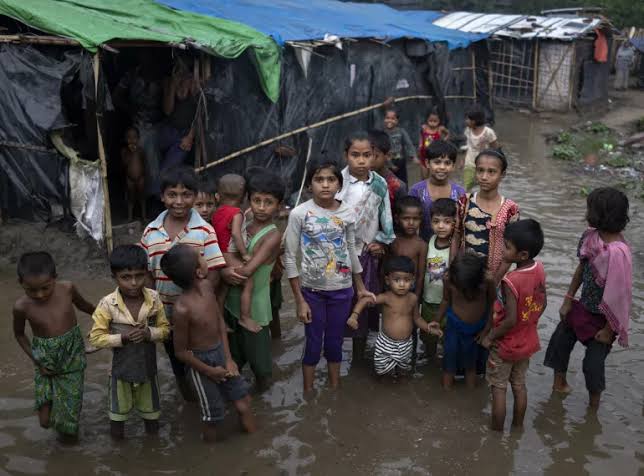 Rohingya refugee children wade through flood waters surrounding their families’ shelters following an intense pre-monsoon wind and rain storm in Shamlapur Makeshift Settlement, Cox’s Bazar district, Bangladesh.
The Test of Implementation
The Gambia and supporting states can press Myanmar to comply. The UN and other governments can help preserve evidence, track progress on investigations and press for Rohingya participation in decisions on return and restitution. The reparations phase will determine how compensation addresses the losses suffered by both individuals and the community.
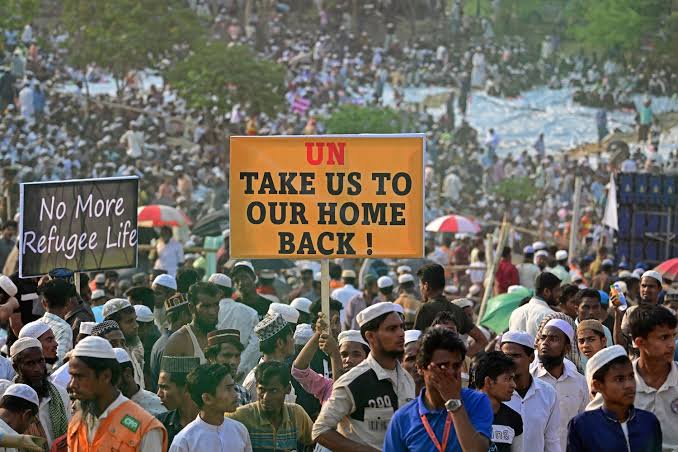 Rohingya refugees in Bangladesh demand UN support to return home—a practical test of what the ICJ’s genocide ruling will mean for displaced families seeking safety and rights.
This is the first time the ICJ has found that a state committed genocide, a distinction from its earlier rulings on failures to prevent it. For the Rohingya, the practical value of that finding will depend on whether those responsible are brought to justice and whether displaced families can decide their future in safety, with their rights secured.





The ICJ’s genocide ruling against Myanmar is a historic victory for the Rohingya people, but justice must go far beyond a court verdict. Those responsible must be held accountable, displaced families must be allowed to return safely, and their citizenship, rights and dignity must be restored. The international community cannot afford to remain a silent spectator. A historic judgment must lead to real justice, accountability and a future of equality for the Rohingya.