


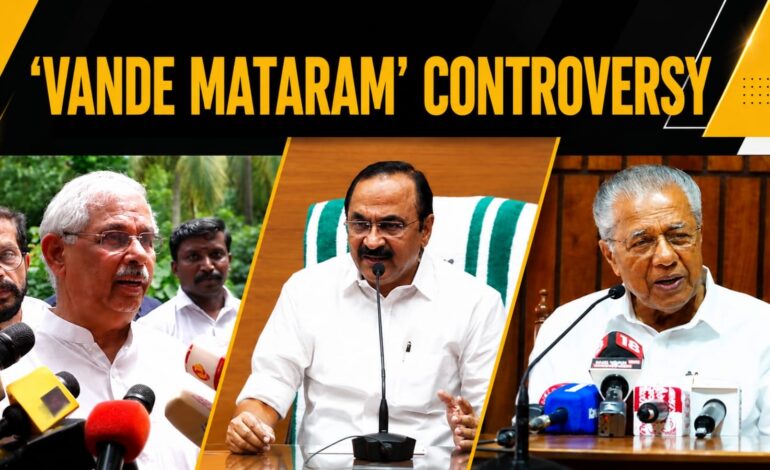
The song Vande Mataram has a long history of provoking political controversies and disagreements since the days of the freedom struggle. In contemporary Keralam politics, however, it has acquired a distinctive dimension. What unfolded in the state was a multi-layered political episode that simultaneously revealed both conflict and consensus between the ruling and opposition fronts, alongside ideological polarisation over Hindutva politics.
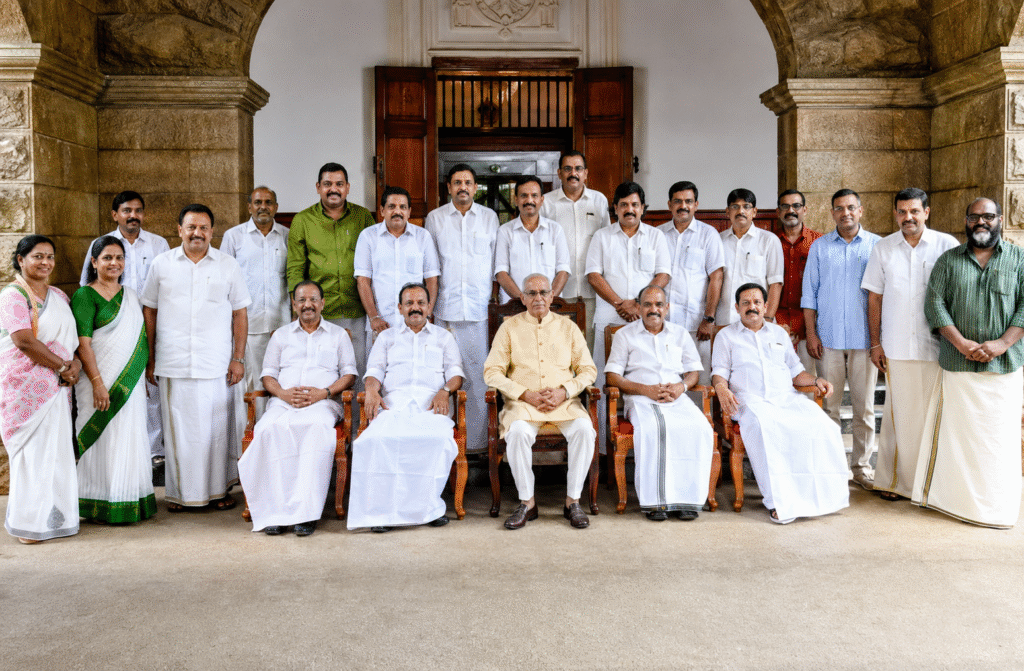
This Vande Mataram controversy smouldered from the oath-taking ceremony of the United Democratic Front (UDF) government led by V. D. Satheesan to the very first session of the 16th Legislative Assembly. Whenever controversies surrounding Vande Mataram have surfaced since the independence movement, they have invariably evolved as part of broader political agendas and ideological debates.
The Beginning of the Controversy: The ‘Full Version’ at the Oath-Taking Ceremony
The seeds of the controversy were sown during the ceremony at which V. D. Satheesan took the oath of office as the new Chief Minister. On that day, Vande Mataram was sung in its entirety during the official function. Following this, leaders of the defeated Left Democratic Front (LDF) launched sharp criticism.
Their principal allegation was that this reflected a secret “deal” between the Congress and the BJP during the election period. They argued that the full version of Vande Mataram was sung solely to appease the BJP.
Chief Minister V. D. Satheesan, however, immediately and firmly rejected these allegations. He clarified that he had absolutely no prior knowledge of the organisation of the event or the decision to render the song in its full version, and that it had occurred merely as part of the routine proceedings.
Several political observers and media commentators questioned the credibility of the Chief Minister’s explanation, particularly because programmes for an oath-taking ceremony are typically finalised after detailed discussions between the Government and the Governor’s office.
Be that as it may, the government’s position appeared to shift visibly on the day of the Governor’s Policy Address, marking its formal entry into the Legislative Assembly.
The Shift in the Assembly and the Governor’s Strong Discontent
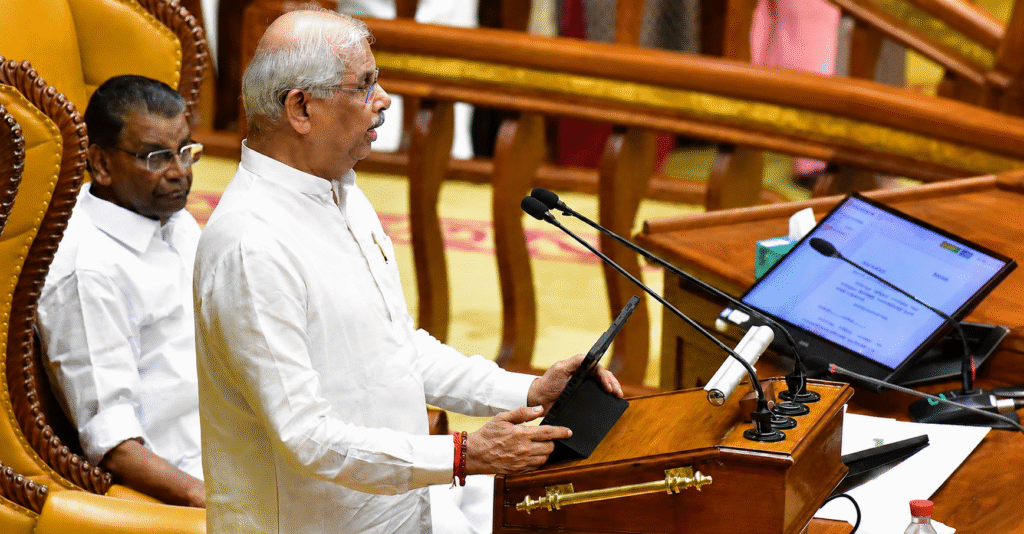
The story changed during the first session of the new Assembly, when only the first four lines (two stanzas) of Vande Mataram were sung.
The decision not to render the song in its entirety angered the Governor of Keralam, Rajendra Vishwanath Arlekar, who was present in the House. Arguing that the move violated directives issued by the Union Ministry of Home Affairs, the Governor expressed strong displeasure. He also directly conveyed his protest and disagreement to Speaker Thiruvanchoor Radhakrishnan. The incident consequently escalated once again into a major constitutional and political controversy.
An Unexpected Twist: The Opposition Leader Shields the Government
The most striking moment in these developments emerged through the reaction of the Opposition Leader and former Chief Minister, Pinarayi Vijayan. The opposition, which would ordinarily seek to place the ruling front on the defensive over any issue, came forward to support the government in this instance. Endorsing Chief Minister V. D. Satheesan’s decision, Pinarayi Vijayan issued a public statement: “There is no obligation to implement the RSS agenda of reciting Vande Mataram in its entirety. The Government’s stance is the right one.”
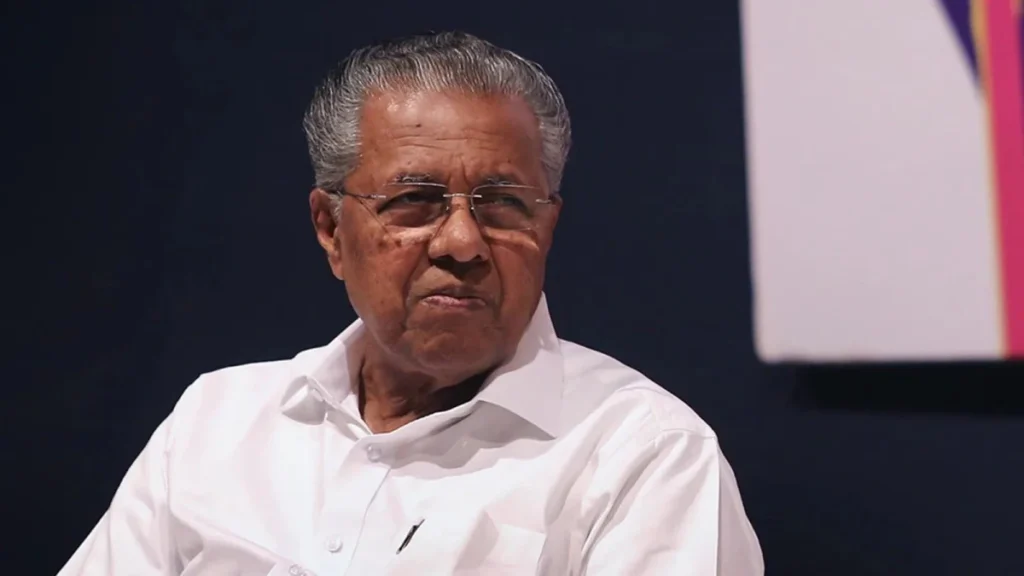
The Opposition Leader emphasised that secular Keralam has consistently resisted the divisive politics advanced by the Sangh Parivar in the name of Vande Mataram. Continuing that resistance, he argued, remains essential for Kerala, making the government’s position entirely justified.
A curious yet strategic political equation thus emerged. The very opposition that had accused the government of maintaining links with the BJP during the oath-taking ceremony stood shoulder to shoulder with the government when the Governor intervened.










A well-researched and thought-provoking article. Revisiting the history of the Vande Mataram debate reminds us that nation-building has always involved dialogue, diversity, and the search for common ground.
The stand taken by Com Vijayan was absolutely correct. He criticised the UDF when it allowed Vande Mataram to be sung in its entirety at the time of its oath taking and then supported it when it changed its stance when the Assembly session commenced and only the first stanzas were sung. Com Vijayan is to be congratulated on his principled stand and the UDF should be criticized on its ideological opportunism