


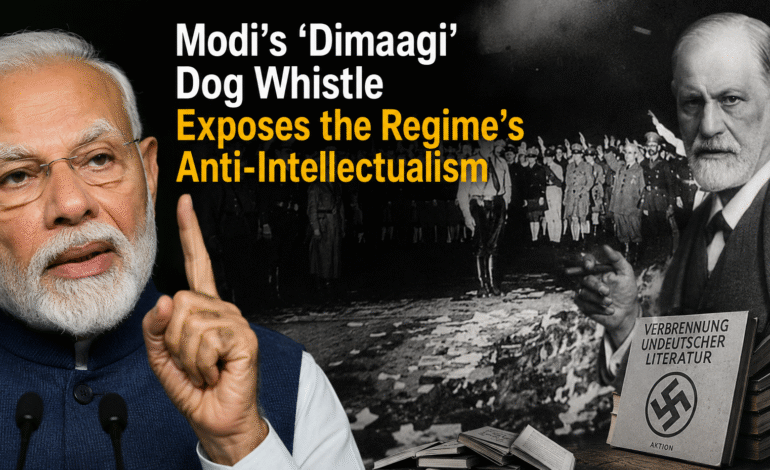
Regardless of subsequent official spin, the ‘ Dimaagi Naxal’ label operates as a dog whistle for RSS foot soldiers, turning critical thought into a target for vigilantism and criminalising dissent across Indian civil society.
In the mid-1970s, Equatorial Guinea under Francisco Macías Nguema descended into a uniquely grotesque chapter of totalitarian rule. Paralyzed by a deep-seated insecurity about his own administrative failures and terrified of the educated class, Nguema launched an unsparing, systematic war against literacy, independent thought and technical competence. The regime criminalised the very word intellectual, shut down printing presses, outlawed private education, and systematically executed civil servants, teachers, jurists and anyone whose reading habits aroused suspicion. The paranoia reached its surreal zenith when the mere act of wearing eyeglasses was treated as conclusive proof of bourgeois intellectualism, treason and subversion, punishable by torture in the notorious Black Beach prison or execution.

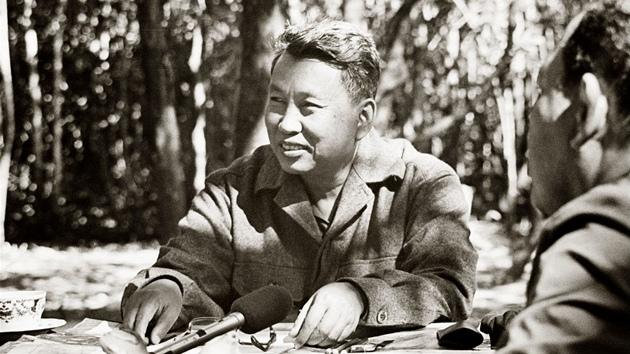
This primal urge to purge the mind found a contemporaneous and even bloodier parallel in Pol Pot’s Cambodia. Under the fanatical agrarian fundamentalism of the Khmer Rouge, society was brutally forced into “Year Zero” through the industrialised extermination of the country’s educated classes. Pol Pot’s cadres systematically murdered doctors, engineers, professors and schoolteachers; soft hands, an urban dialect, knowledge of a foreign tongue or a pair of spectacles served as an immediate death warrant. The killing fields of Cambodia were built on the premise that an unthinking, compliant population was the prerequisite for total social engineering. While Nguema’s spectacle purge and Pol Pot’s killing fields represent the most extreme, pathological caricatures of 20th-century despotism, the underlying pathology—the deep, existential dread that authoritarian regimes experience when confronted with critical thought—is universal.
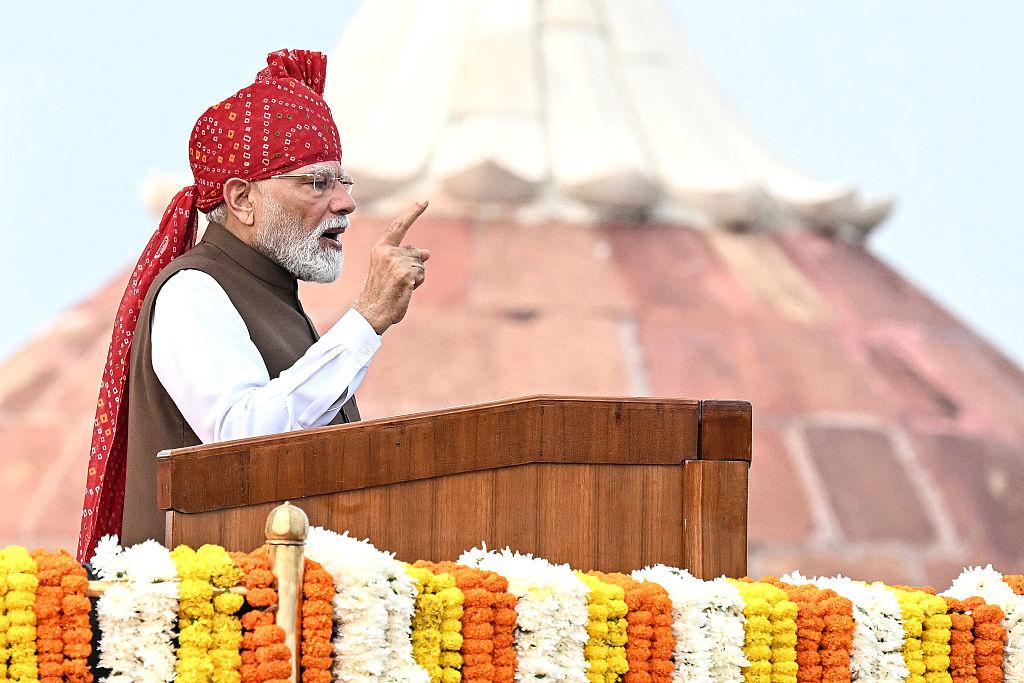
In contemporary India, that same instinct is increasingly weaponised from the highest pulpits of power. Prime Minister Narendra Modi’s rhetoric warning the nation against what he termed “dimaagi” (intellectual) subversives—urging that they be “identified, isolated and neutralised”—marks a perilous escalation in the regime’s vocabulary. What began years ago with dismissive, mocking slurs like “Andolanjeevi” (professional agitators) and the broad-brush criminalisation of civil rights defenders as “Urban Naxals” has now evolved into an explicit demonisation of cerebral activity itself. By attaching the stigma of violent insurgency and treason directly to the dimaagi—the domain of the mind, independent inquiry and ideological contemplation—the ruling dispensation is laying bare the foundational anti-intellectualism that animates both its governance style and its ideological mothership, the Rashtriya Swayamsevak Sangh (RSS).
The Lineage of Anti-Rationalism
This hostility towards rational inquiry is not an accidental rhetorical excess or a fleeting political manoeuvre; it is an ideological inheritance. The intellectual foundations of right-wing nationalist movements have historically positioned themselves in direct opposition to Enlightenment rationality. When Italian fascists in the 1930s famously declared that “1789 is dead”, they were not merely rejecting the political legacy of the French Revolution; they were announcing a comprehensive war against liberté, égalité, fraternité, scientific humanism, universal human rights and the culture of critical scepticism. Fascist philosophers like Giovanni Gentile and Benito Mussolini argued that individual rights, intellectual detachment and debate weakened the organic unity of the nation.
Fascism demanded the total subordination of individual conscience to the collective myth of the state, replacing empirical critique with irrationalism, vitalism, blind obedience and martial conformity.
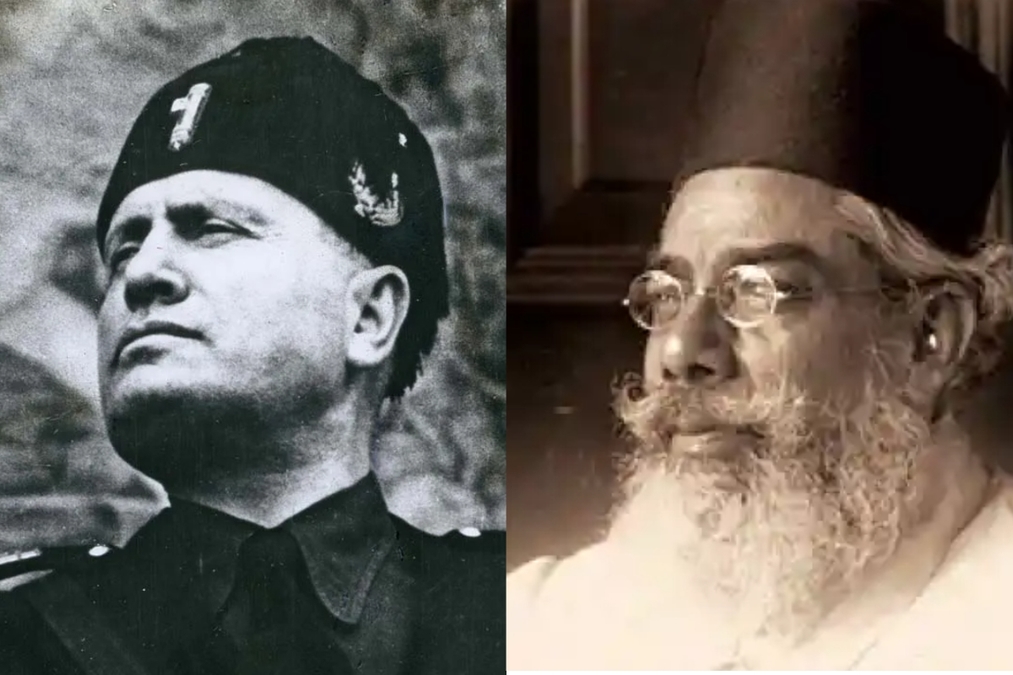
It was precisely this regimented, anti-liberal apparatus that drew the admiration of early Hindu nationalist leaders. In March 1931, Dr B.S. Moonje, a senior leader of the Hindu Mahasabha and a key mentor to RSS founder K.B. Hedgewar, travelled to Rome to meet Benito Mussolini. Moonje’s personal diaries reveal his deep fascination with the Opera Nazionale Balilla—the fascist youth wings designed for physical regimentation, ideological conditioning and unquestioning discipline. Moonje envisioned replicating this exact model in India to construct a militarised, compliant social order capable of subduing ideological dissent. To construct an obedient collective, however, one must first dismantle the culture of questioning. Totalitarian movements require spectacle, physical drill and dogma; they demand unquestioning devotion (bhakti) and conformity, while viewing analytical scepticism as a paralysing disease.
Hollowing Out of the Intellectual Ecosystem
Viewed through this historical lens, the ongoing assault on dimaagi thinkers in India is structural, methodical and relentless. Over the last decade, India has witnessed a deliberate, institutionalised hollowing out of its intellectual ecosystem. Premier public universities—long celebrated as incubators of critical debate, progressive thought and social mobility—have been subjected to administrative assaults, police clampdowns and financial strangulation. Autonomous research bodies, historical councils, statistical agencies and judicial institutions have had their autonomy compromised to produce state-sanctioned narratives and politically convenient data rather than rigorous empirical truth.
The rhetoric of demonising the intellectual serves a vital populist function: it constructs a false, toxic dichotomy between the “authentic, hard-working masses” and the “corrupt, alienated intelligentsia.” More dangerously, it relies on the historic grammar of dehumanisation. In Rwanda, the genocidal rhetoric broadcast over the radio explicitly characterised the Tutsi minority as inyenzi (cockroaches) to legitimise extermination. In recent years, during political crackdowns against pro-democracy movements, the dehumanising “cockroach” rhetoric resurfaced as a state tool to strip protesters of their moral and political agency.
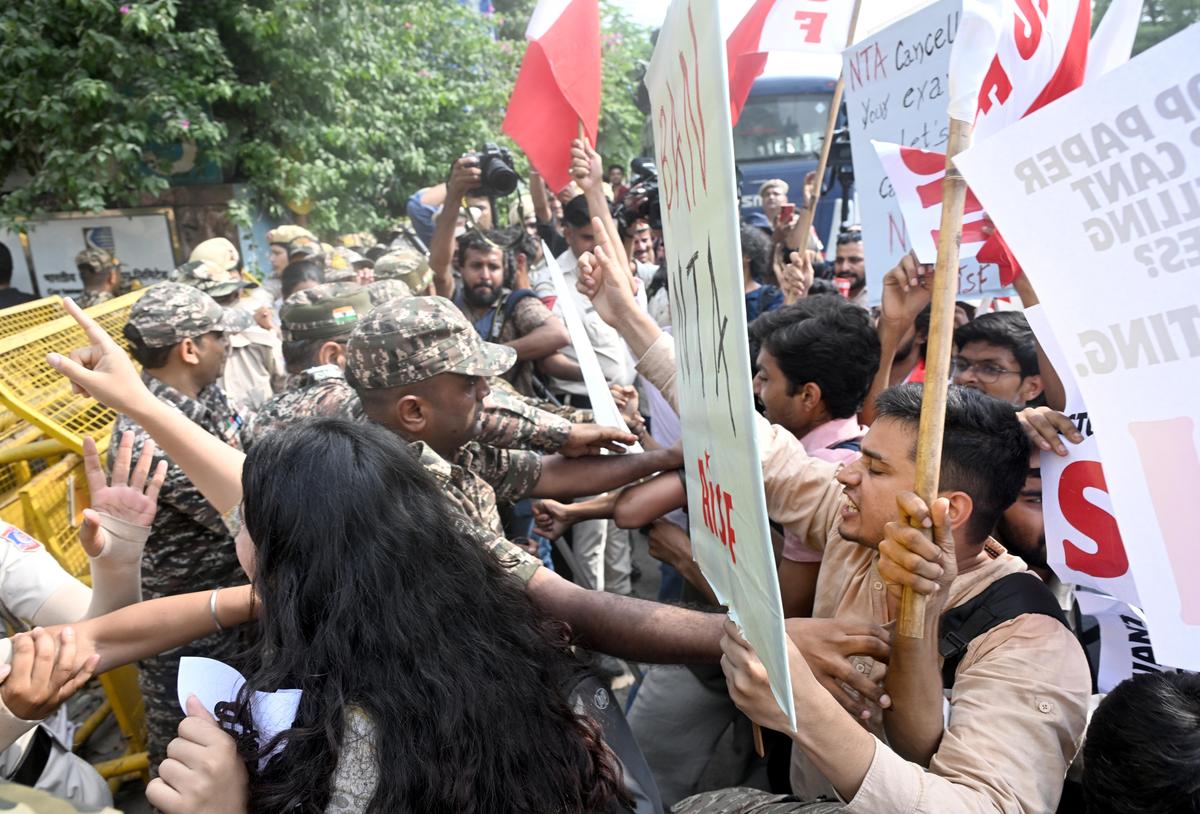
In India, the linguistic reduction of intellectuals to viral, subversive agents acts as the proverbial last straw on the camel’s back for an already embattled civil society. When the highest executive office labels ideological and academic critics as dimaagi subversives, it serves as an unmistakable dog whistle for the foot soldiers, troll armies and vigilante networks of the Hindu nationalist ecosystem. Regardless of whatever diplomatic spin or semantic backtracking is offered later by official spokespersons, the cadre on the ground receives the message clearly: those who think critically, write dissentingly or question state policy are legitimate targets for legal harassment, digital lynching, social boycotts and physical violence.
Burned Books Are a Bad Omen
The ultimate consequence of this rhetoric is the creeping establishment of fear and self-censorship across the republic. When the state signals that the human intellect itself is suspect, universities retreat into timid conformity, scholars abandon controversial research, publishers pulp dissenting manuscripts, and public discourse degenerates into sensationalist propaganda. A constitutional democracy cannot survive without its dimaag—its capacity for self-reflection, empirical verification, institutional accountability and philosophical contestation.
In May 1933, as Nazi students and stormtroopers hurled the works of progressive writers, scientists and psychoanalysts onto bonfires in Berlin, Sigmund Freud observed the spectacle with biting Viennese irony: “What progress we are making. In the Middle Ages they would have burned me; nowadays they are content with burning my books.”
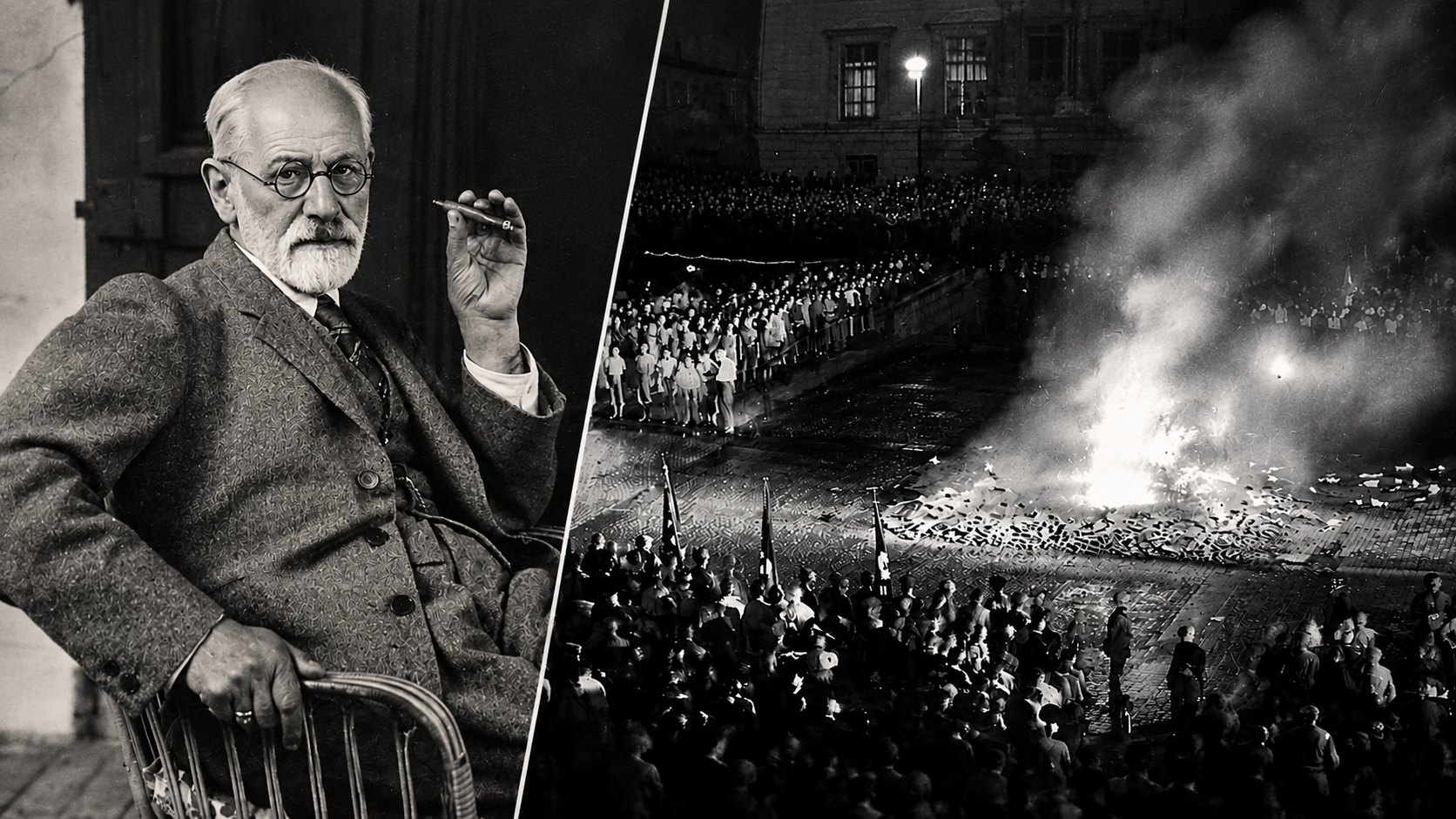
Freud’s mordant quip, meant as a reflection on the supposed civility of the modern age, proved to be a tragic, catastrophic miscalculation. Within a few short years, the symbolic destruction of ideas transformed into the industrialised physical machinery of the concentration camps, consuming millions of human lives—including four of Freud’s own sisters. History offers an unyielding, tragic lesson: the demonisation of the intellectual mind is never an end in itself; it is the vital, preparatory stage for the dismantling of democratic institutions and the complete suppression of human freedom. India must confront this assault on free thought before critical thinking and democratic dissent are completely crushed.

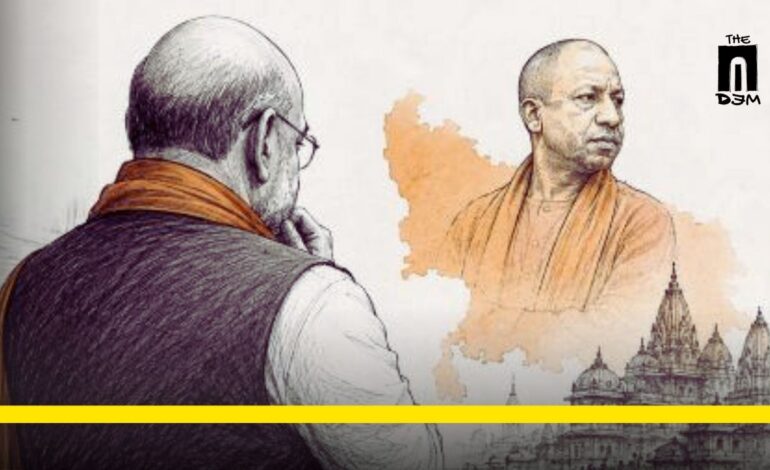
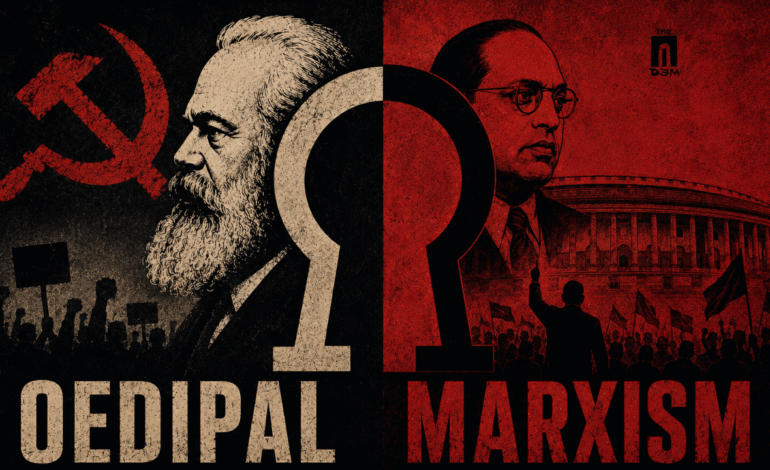







This is not merely about politics—it is about the battle for the freedom to think. Faisal CK’s powerful piece exposes the dangerous rise of anti-intellectualism, where questioning authority is treated as disloyalty and independent thinkers are mocked, targeted, or branded as enemies. A democracy cannot survive on slogans, fear and unquestioning obedience. Power may control institutions, but it can never permanently control an awakened mind. The strongest resistance to authoritarianism is an informed citizen who refuses to stop questioning. This is exactly why intellectual freedom matters