


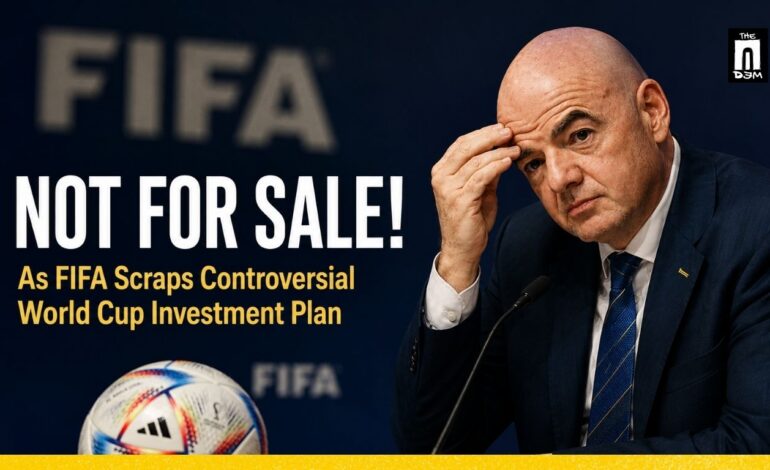
Football is a game of shifting momentum, where fortunes can change in an instant. This week, FIFA President Gianni Infantino discovered that the same principle applies in the boardroom. In less than six days, he was compelled to abandon a controversial multibillion-dollar proposal to privatise some of FIFA’s most valuable commercial assets. What began on Monday with a defiant Instagram post ended in the early hours of Saturday with a quiet retreat. The episode has underscored the limits of executive authority within world football and reaffirmed that, despite the sport’s increasing commercialisation, there remain boundaries that many of its stakeholders are unwilling to cross.
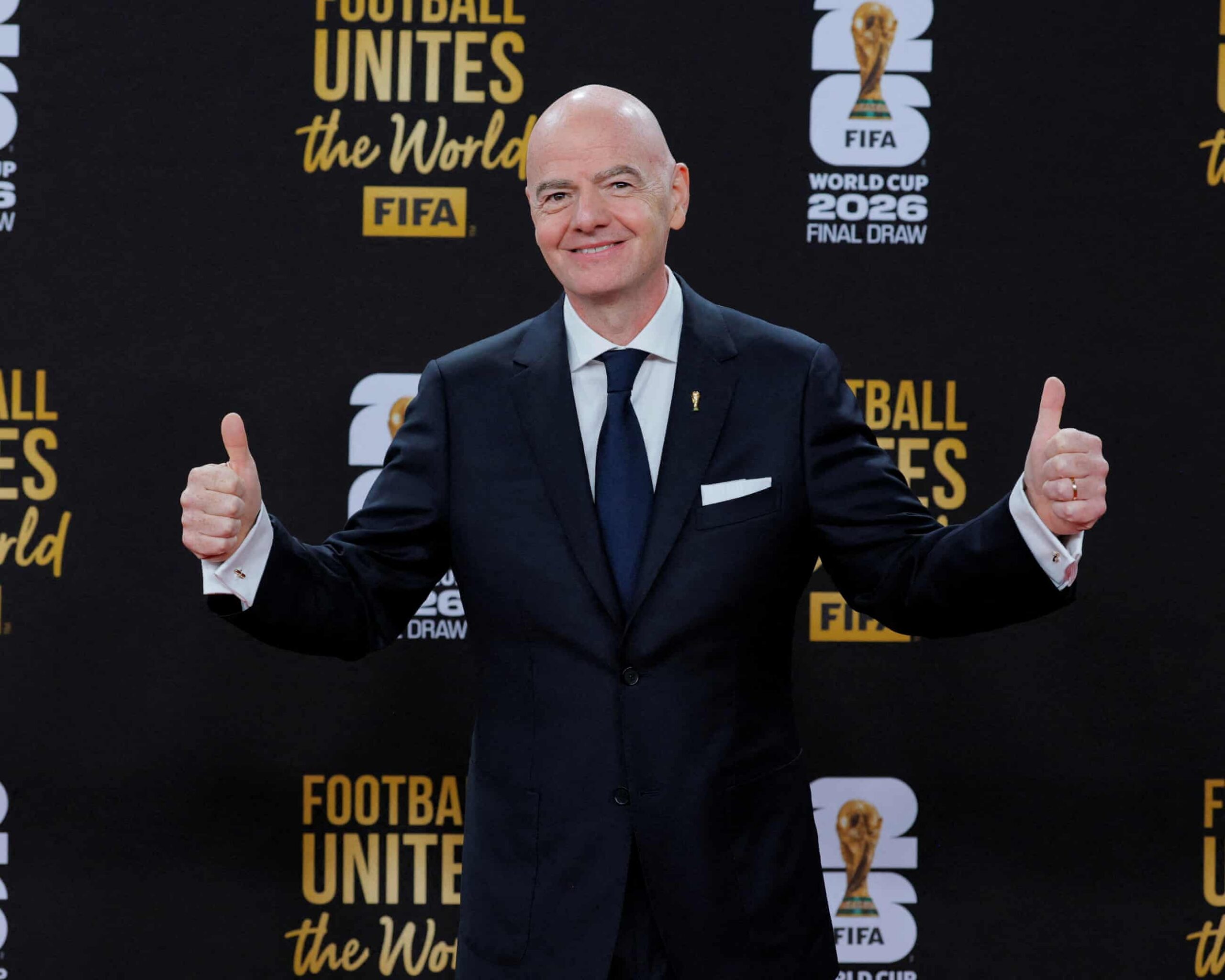
The sequence of events serves as a reminder that even a powerful FIFA presidency cannot always override the collective will of football’s governing bodies. Infantino’s proposal was not simply an administrative restructuring. It represented a significant shift in the commercial philosophy underpinning the World Cup, prompting strong opposition across several football confederations and raising questions about his political standing within the organisation.
The Proposal
At the centre of the controversy was a plan to monetise what investment advisers described as an “under-monetised” global sporting property. Infantino proposed the creation of a new commercial subsidiary, FIFA Forward Enterprise (FFE), which would assume responsibility for FIFA’s principal competitions, including the men’s and women’s World Cups. External investors would then be invited to acquire minority, non-controlling stakes in the new entity, introducing private equity into the commercial management of FIFA’s flagship tournaments.
The proposal was outlined in a 25-page document prepared by JP Morgan. Its projections suggested that expanded tournaments and new commercial initiatives could increase distributions to FIFA’s member associations to €24 million (£20.5 million) each during the 2035–2039 cycle. The document also proposed incentive-based remuneration to attract senior commercial talent. Critics noted, however, that despite including the women’s World Cup within the proposed structure, the document made no substantive reference to the development of the women’s game.
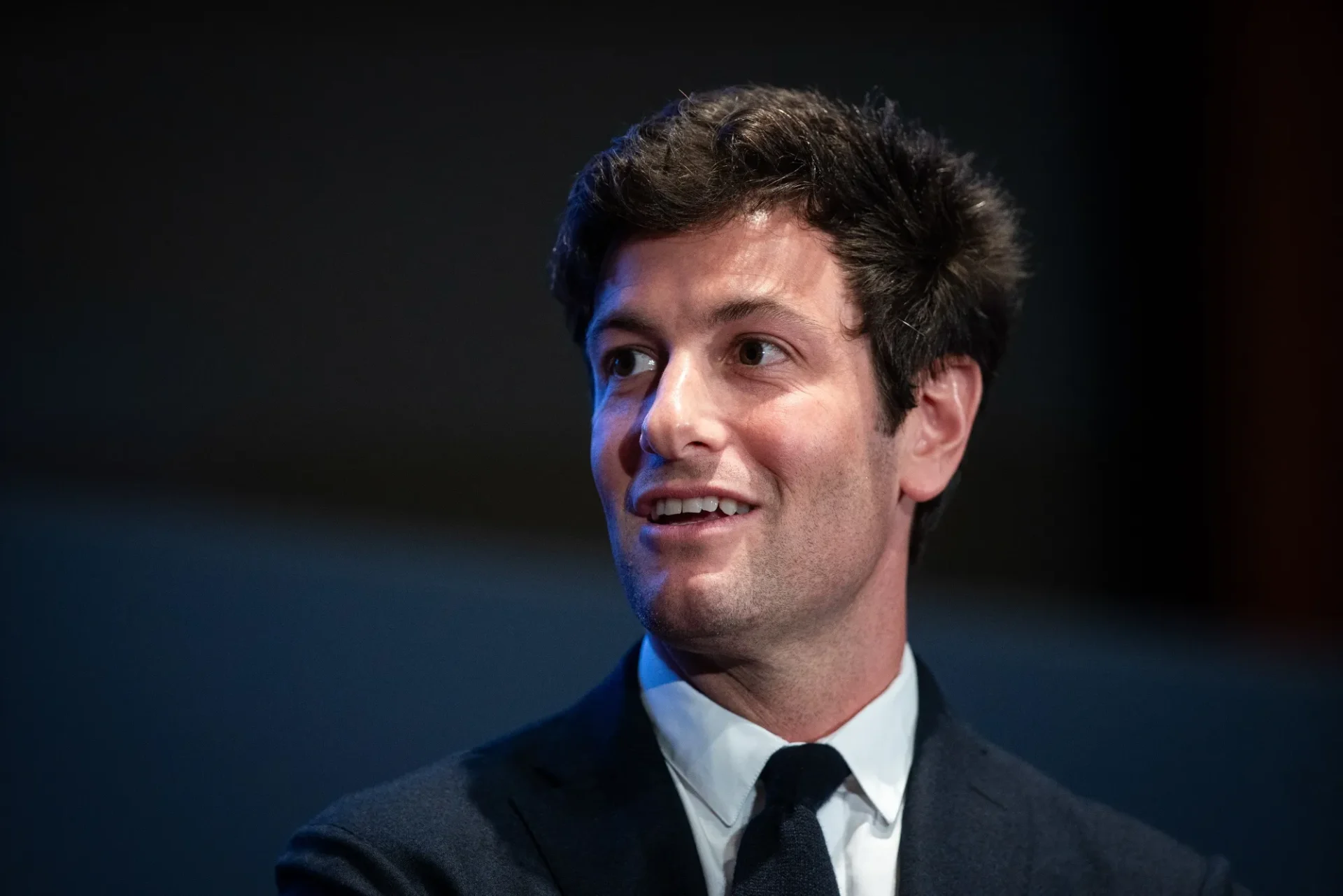
Leading the proposed investment was Thrive Eternal, an American venture capital firm founded by Joshua Kushner. The political associations surrounding the proposal attracted attention because Kushner is the brother of Jared Kushner, son-in-law of US President Donald Trump. Although Trump, who began his second presidential term in 2025 and has maintained a close relationship with Infantino, publicly distanced himself from the proposal on Friday, the association contributed to growing scepticism surrounding the plan.
Resistance Builds
To secure approval, Infantino needed the support of a simple majority—106 of FIFA’s 211 member associations. In correspondence circulated on Wednesday, FIFA offered each member association up to $40 million (£30 million) if the proposal received the necessary backing. Associations were informed that those approving the plan by 19 September would receive an immediate advance of $20 million.
Rather than securing support, the proposal prompted coordinated resistance. UEFA, representing Europe’s 55 member associations, led the opposition, arguing that FIFA was attempting to commercialise assets that belonged to the wider football community rather than to the governing body alone. By Thursday, UEFA had voted unanimously to boycott the World Cup if the proposal proceeded.
Opposition soon extended beyond Europe. CONCACAF, representing North America, Central America and the Caribbean, also rejected the proposal. The decisive moment came when the Asian Football Confederation (AFC), with its 46 member associations, joined UEFA and CONCACAF in opposing the initiative.
At that point, the numbers left little room for manoeuvre. Together, Europe, Asia and North America accounted for 136 votes—well beyond the threshold required to block a proposal that needed only 106 affirmative votes to pass. The political pressure also spread beyond football administration, with criticism emerging from public figures, including UK politician Andy Burnham, who questioned Infantino’s leadership of FIFA.
A House Under Strain
The strongest criticism of the proposal came not only from FIFA’s member associations but also from within the organisation itself. Reports suggested that several of FIFA’s eight vice-presidents had not been fully informed about the proposed $10 billion restructuring before it was circulated, raising questions about the decision-making process within the governing body.
The internal disagreement soon became public. Carlos Cordeiro, Infantino’s senior adviser on global strategy and an important liaison with the White House Task Force for the 2026 World Cup, resigned from his position. In his resignation statement, Cordeiro distanced himself from the proposal, describing it as “a bad deal for football” that would effectively mortgage the sport’s future in return for a short-term financial gain.
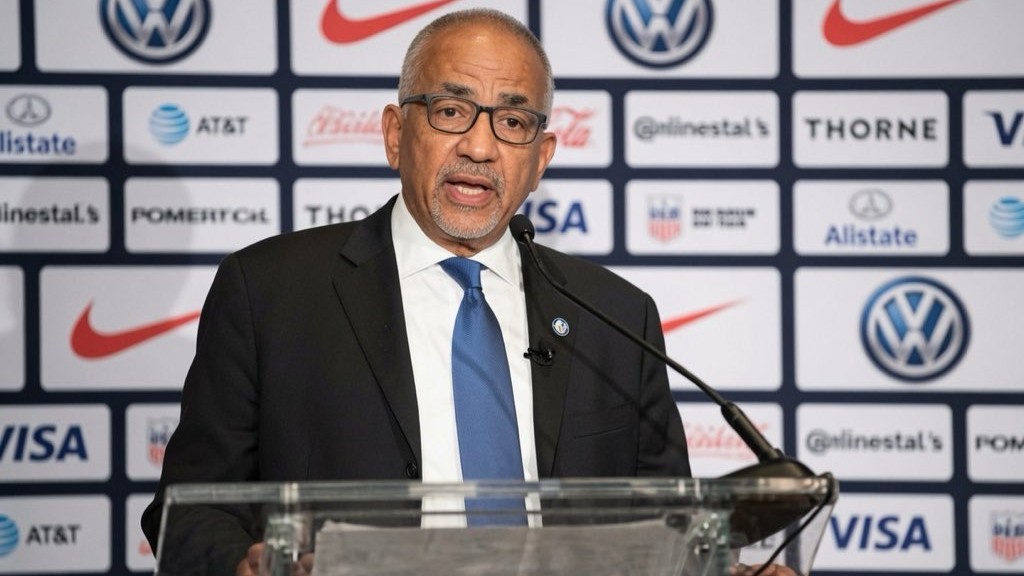
The criticism extended to FIFA’s senior management. Chief Operating Officer Kevin Lamour publicly questioned the manner in which the proposal had been developed, saying that members of FIFA’s own staff had been “deceived”.
“A president must bring people together, unite them, and inspire them. This was the opposite… If that means I lose my job, then so be it. I will understand and respect that decision. At least I’ll sleep well tonight.”
— Kevin Lamour, FIFA Chief Operating Officer
Withdrawal and Its Consequences
The reversal stood in sharp contrast to Infantino’s public position at the beginning of the week. On Monday, 27 July, he used his Instagram account to dismiss criticism of the proposal, urging detractors to “meditate, pray or watch a football match” instead of spreading what he described as “hate and false rumours”. Even on Friday, as opposition mounted, FIFA maintained that “nobody is selling football”.
Within hours, however, that position became untenable. At 00:30 BST on Saturday, 1 August, Infantino announced that the proposal would not proceed, acknowledging that it had created divisions within world football. Confirming that FIFA would abandon plans to establish FIFA Forward Enterprise, he said the organisation would instead seek to rebuild consensus and continue supporting member associations through existing institutional mechanisms.
The immediate confrontation has ended, but its political consequences are likely to extend well beyond this episode. Infantino, now 56, is expected to seek a fourth term as FIFA president at the 77th FIFA Congress in Morocco next March. Until this controversy emerged, his re-election had appeared largely uncontested, with many member associations having already expressed their support. The collapse of the proposal has altered that political landscape.
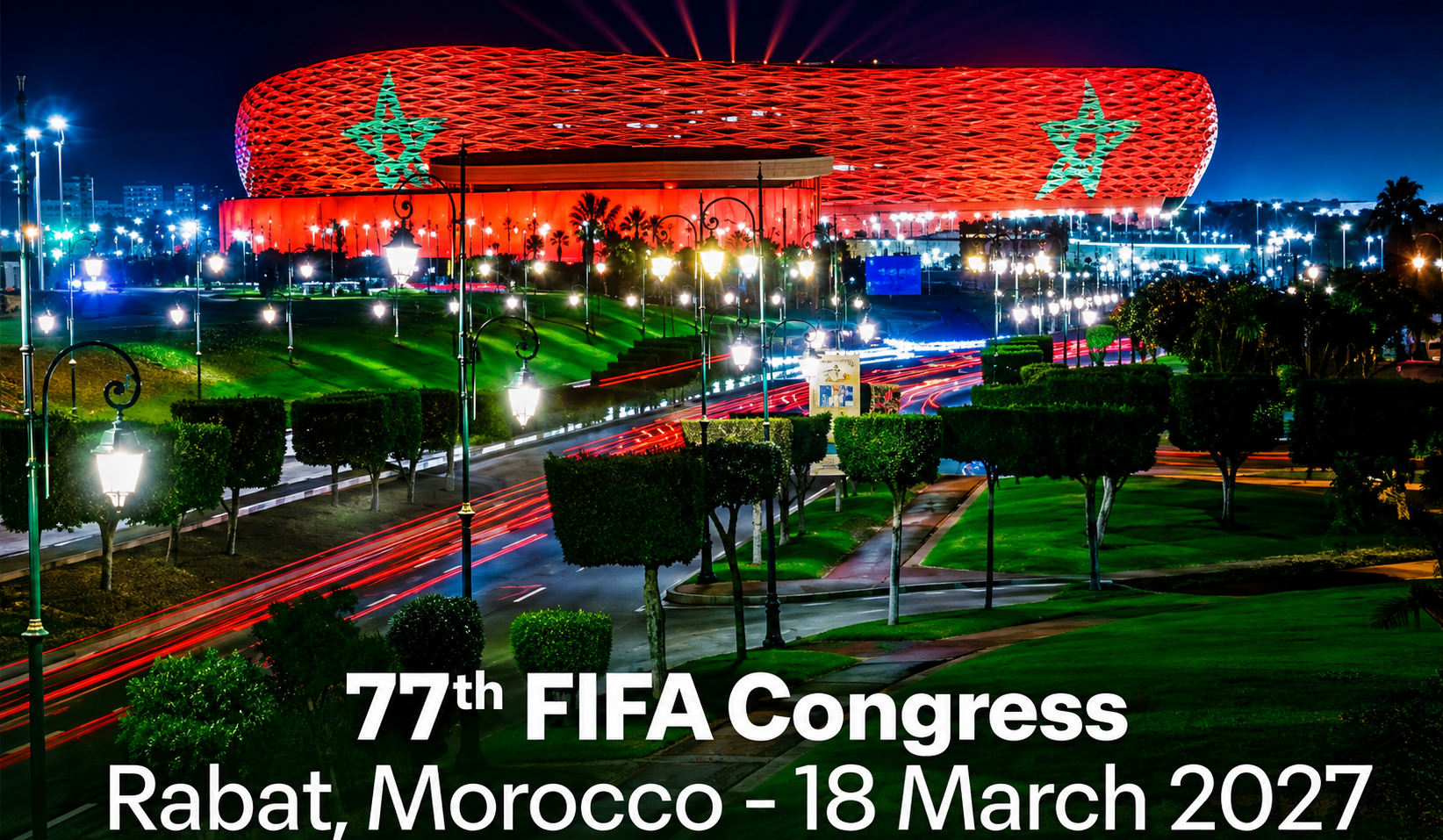
Candidates have until 18 November to enter the presidential contest. Whether the events of this week represent a temporary setback or the beginning of a broader challenge to Infantino’s leadership will become clearer in the months ahead. What is already evident is that the proposal encountered resistance not simply because of its financial structure, but because many within world football viewed it as redefining the relationship between the game’s institutions and its most valuable competitions. The withdrawal of the plan marks the end of one proposal, but it has also reopened a wider debate about governance, commercialisation and accountability within FIFA.








Football belongs to the fans, the players, and the communities that have built its legacy—not to private investors. This article powerfully reminds us that protecting the integrity of the World Cup is about safeguarding the spirit of the game over commercial interests. A timely and important read