


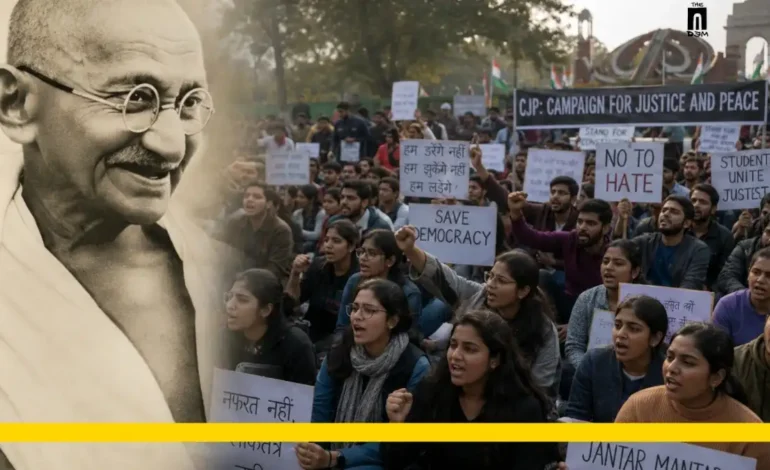
Every mass democratic movement creates its own political language. Sometimes it is articulated through slogans and speeches; at other times, it reveals itself in quieter moments of friendship, trust and shared purpose. The ongoing CJP protests have offered many such moments. Alongside the visible acts of resistance, they have brought into view an uncommon camaraderie among a generation of young leaders who, despite coming from different ideological, social and regional backgrounds, have forged enduring bonds through a shared democratic commitment.
At its core, the CJP agitation is best understood not only as an organisational or ideological mobilisation but also as a politics of relational trust. Its moral strength lies not merely in its demands but in the relationships that have developed through the movement itself. In this respect, it recalls an enduring feature of Mahatma Gandhi’s public life: his understanding that democratic politics flourishes when organisations are held together by trust between individuals.
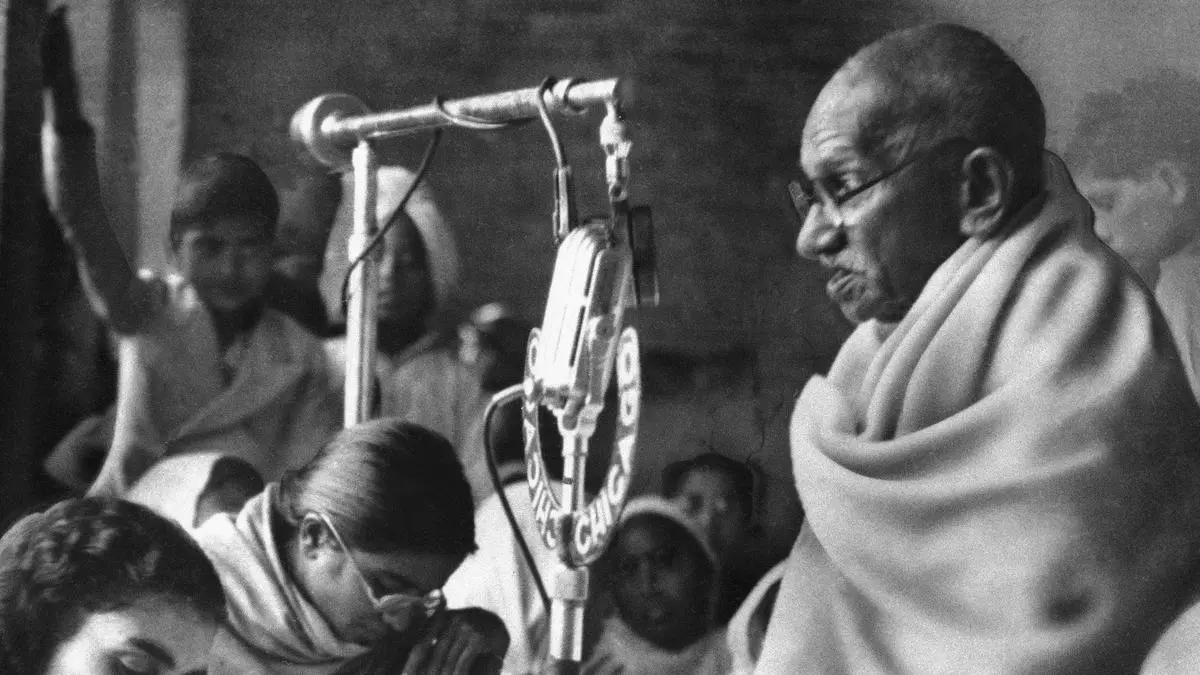
Gandhi’s political influence rested not merely on his ideas or campaigns but also on his extraordinary ability to cultivate deep personal relationships across seemingly disparate worlds—workers and industrialists, lawyers and peasants, writers and journalists, artists, scientists and religious leaders. Those relationships did not eliminate disagreement; they made disagreement productive. They created the confidence that enabled collective action to survive moments of crisis.
The protest site at Jantar Mantar became one such crucible. Days merged into weeks. Meetings gave way to impromptu discussions over tea. Decisions had to be taken collectively. Fatigue, uncertainty and the constant pressure of sustaining a national movement gradually dissolved the formal boundaries between organisers. Political colleagues became trusted friends.
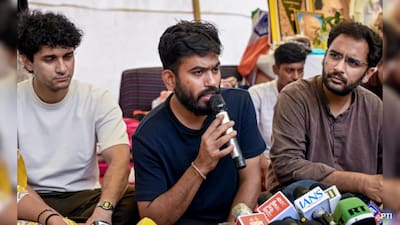
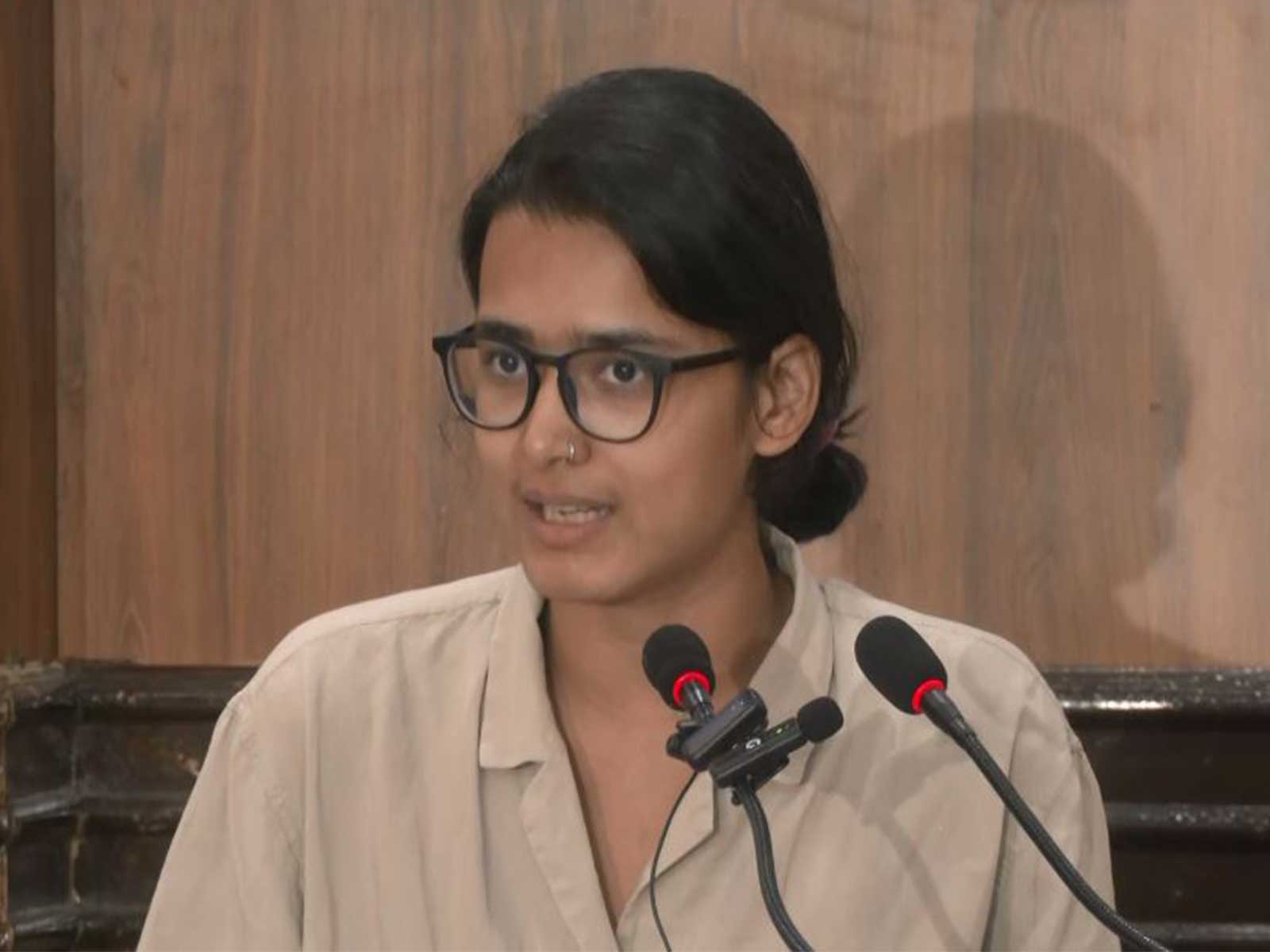
It was in this atmosphere that Abhijeet Dipke, founder of the CJP movement; Saurav Das, investigative journalist and one of its principal spokespersons; Ashutosh Ranka, one of its key organisers; and Neha Bora, the JNU scholar and student leader, forged relationships that extended well beyond the immediate demands of the agitation. Each arrived with a different political journey. Each brought distinct organisational experience. What emerged was not ideological uniformity but a culture of mutual confidence.
One of the striking features of the CJP movement has been the absence of rigid hierarchies in its day-to-day functioning. Leadership has often been exercised collectively, through discussion, persuasion and mutual accommodation rather than command. That process has required patience, humility and, above all, trust. It is within that process that friendships have acquired political significance.
Such moments rarely dominate headlines. Yet they often explain why some movements acquire durability while others dissipate after the initial surge of public attention. The visible movement is sustained by an invisible architecture of relationships.
This was equally true of Gandhi’s politics. His close association with Jamnalal Bajaj and Ghanshyam Das Birla was built not merely on financial support but on deep personal trust. His exchanges with Rabindranath Tagore, C. Rajagopalachari, Jawaharlal Nehru and Mahadev Desai reveal something equally important: Gandhi surrounded himself with people who could question him. Their disagreements did not diminish the movement. They enriched it.
The same democratic ethic appears, in a different historical context, within the CJP agitation. The friendships forged at Jantar Mantar demonstrate that successful movements are sustained not only by manifestos and organisational discipline but also by the willingness of individuals to listen, argue, trust and care for one another.

In the context of the CJP agitation and its Gandhian resonances, writer and research scholar Anu Jain revisits some of the significant relationships that Gandhi nurtured, exploring how they shaped the national movement. Rather than treating these simply as associations between public figures, Jain examines how such relationships fostered a collective political culture rooted in trust, disagreement and shared purpose. In doing so, the series seeks to illuminate a dimension of democratic movements that is often overlooked: the quiet, enduring friendships that make public courage possible.
As India’s democratic traditions repeatedly remind us, organisations matter. Ideas matter. Leadership matters. But history also shows that the resilience of democratic struggles often rests upon something less visible, yet no less profound—the human relationships that sustain them. In the first of the series— Gandhi and Tagore: Reverence, Argument and Intellectual Courage— Anu Jain delineates the nuances of the relationship between Gandhi and Rabindranath Tagore.
Make sure to check back tomorrow for as we examine the deep-rooted mutual respect and intellectual bonding between Gandhi and Tagore.







Awaited
A timely reflection on how lasting democratic movements depend not only on inspiring individuals but also on resilient organizations. Revisiting Gandhian principles in today’s context offers valuable lessons on ethics, collective action, and the importance of sustaining institutions beyond moments of agitation. Thought-provoking and deeply relevant. �