
Shenzhen’s Three-Man Order

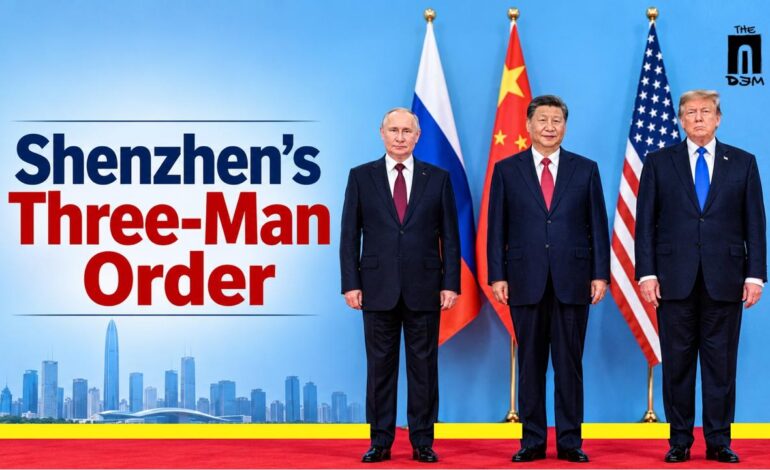
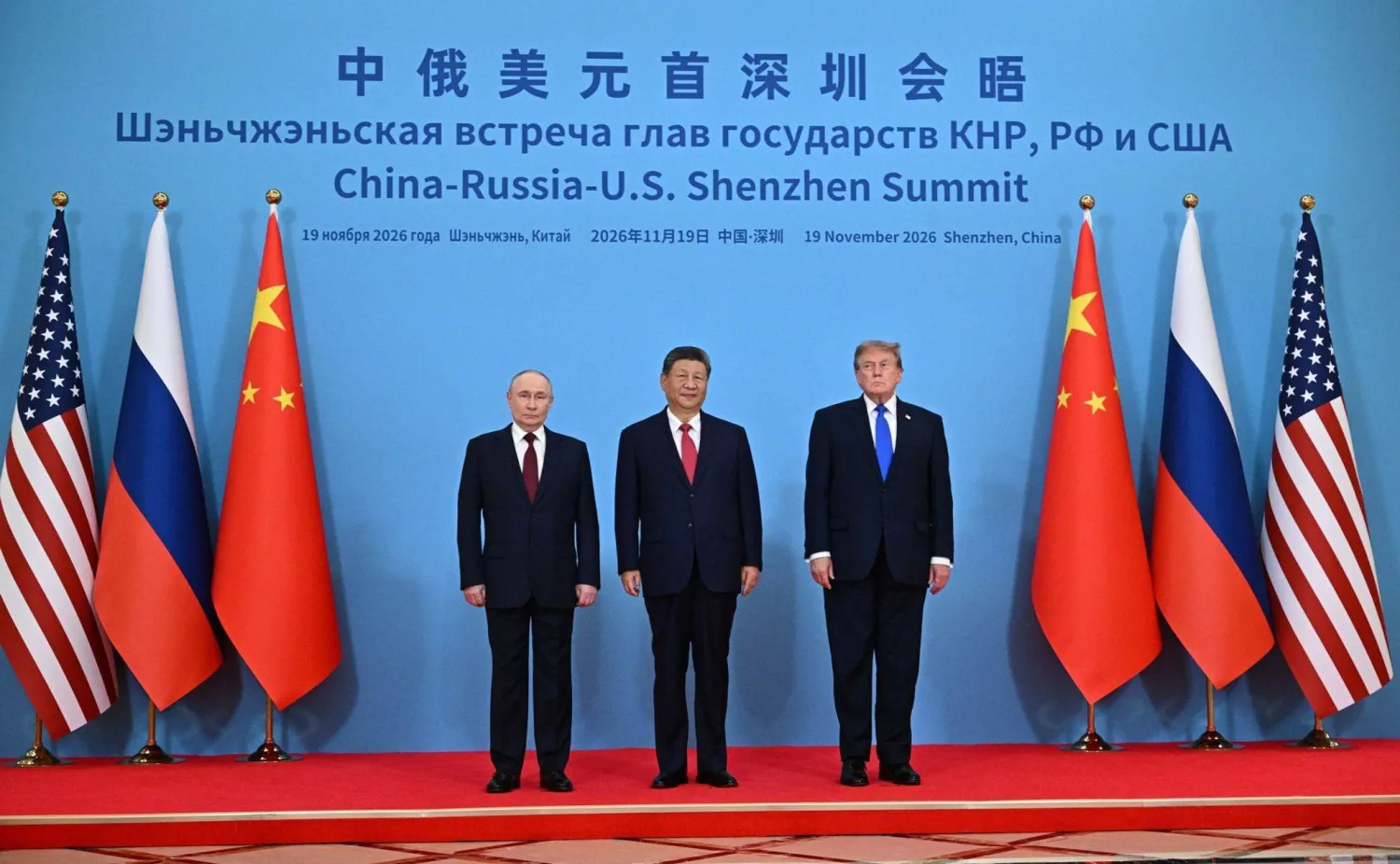
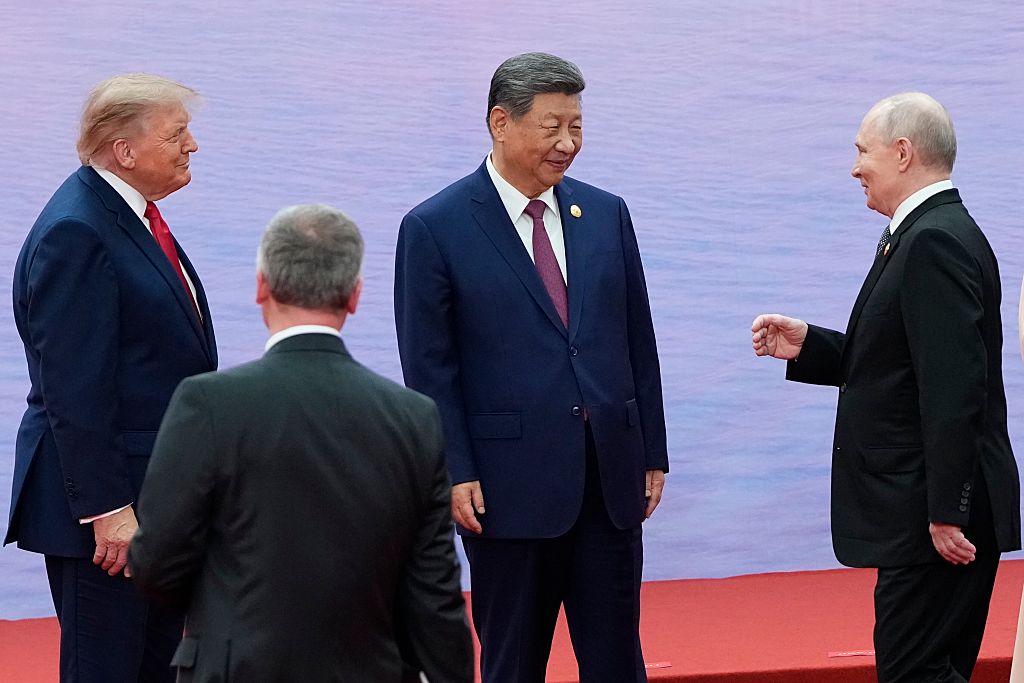
On 19 November, Donald Trump, Xi Jinping and Vladimir Putin met in Shenzhen for the first-ever trilateral meeting of the sitting leaders of the United States, China and Russia. The encounter produced a declaration and left the major disputes unresolved. Its significance lay in who convened the meeting, who took part and who was left out.
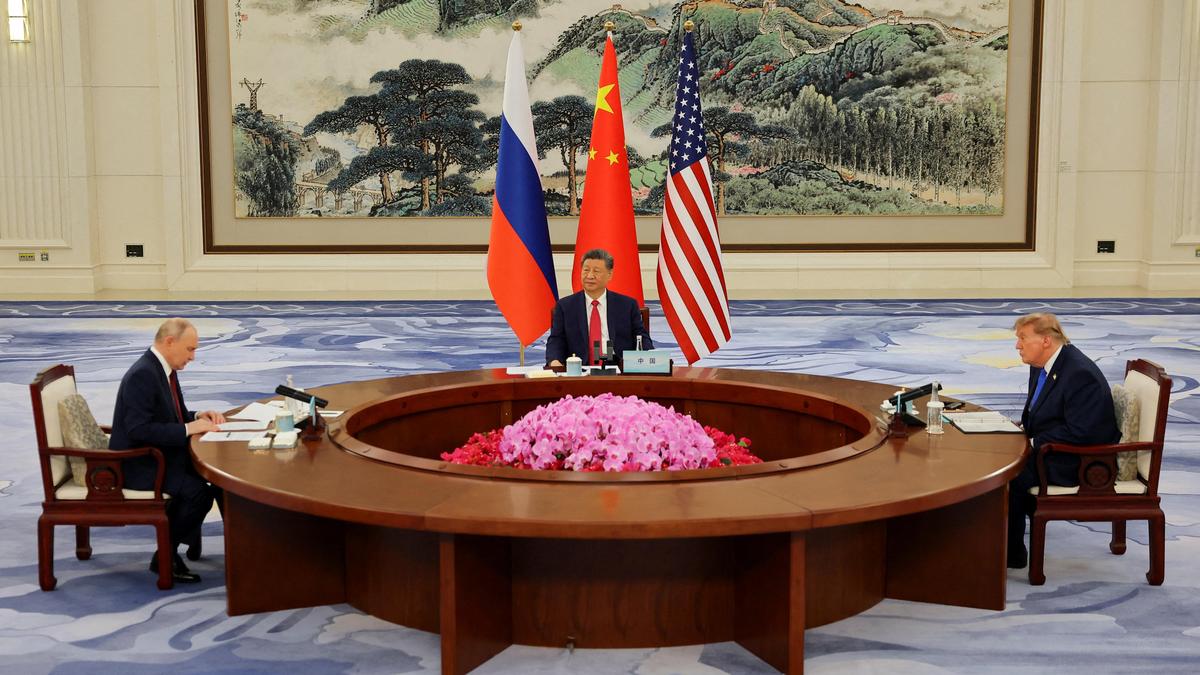
Held on the sidelines of the APEC summit, the roughly 80-minute meeting brought together the leaders of the world’s three largest nuclear powers. The symbolism was unmistakable as Xi hosted, Trump embraced the pageantry and Putin appeared beside both leaders despite Russia’s isolation over its invasion of Ukraine. Yet the joint declaration offered few commitments that could be measured or enforced.
A Historic Meeting, Modest Results
The joint declaration called for United Nations Reform, more stable energy flows and an increase in the supply of refined petroleum products, while affirming that nuclear war must never be fought and proposing dialogue on nuclear risks. It set no timetable or targets for arms reductions. Crucially, it omitted both Russia’s war against Ukraine and the war involving Iran, two conflicts Trump had said he wanted discussed.
That gap between spectacle and substance defined the summit. The meeting demonstrated that the three governments could agree on broad principles while leaving the disputes between them unresolved. The declaration’s references to state sovereignty and official immunity, together with its criticism of the jurisdiction of international courts, also signalled a shared wariness of external constraints on state power. That political alignment offered little basis for a peace plan.
What Each Leader Took Away
Xi stood to gain most from the public display. China’s leader brought the leaders of the United States and Russia together on Chinese soil, reinforcing Beijing’s claim to a central role in global diplomacy. Hosting the meeting in Shenzhen, a showcase of China’s technological and economic transformation, reinforced the image of a rising power with the diplomatic weight to convene its rivals and shape the agenda. Xi could present himself as a pragmatic broker without making a major concession on Taiwan, trade or limits on nuclear arms.
Putin gained visibility and a measure of diplomatic rehabilitation. Sitting beside Trump and Xi allowed him to present Russia as a great power still essential to global security discussions. That image matters to Moscow, even as its strategic and economic difficulties persist. Analysts noted that Putin’s symbolic return to the centre of great-power diplomacy came without any summit commitment on the war in Ukraine.
Trump could claim credit for a historic diplomatic initiative and keep channels open with both leaders. The public record, however, offers little evidence that he secured their help on Iran or Ukraine, or obtained a concrete agreement on nuclear arms. The declaration’s call for future dialogue will mark a beginning only if working-level negotiations follow. For now, the final statement signals a willingness to keep talking.
China’s Position and the Leverage of Restraint
China’s success lay partly in keeping its commitments to a minimum. Xi could welcome Trump, preside over a high-profile meeting and endorse broad language about peace while sidestepping costly commitments. Beijing accepted no specific limits on its nuclear arsenal, which it regards as much smaller than those of the United States and Russia. The declaration also left out Taiwan, over which China claims sovereignty and where it opposes foreign interference. The summit allowed Xi to engage both leaders while preserving his room to manoeuvre.
The meeting left open questions about Beijing’s ability to lead a new global order or draw Moscow into a bloc against Washington. The three governments have overlapping interests, particularly in limiting outside scrutiny of state conduct, and sharp disagreements remain. Xi’s approach appears to favour cooperation where dialogue brings status or stability and caution where commitments could limit China’s choices.
China’s restraint can itself be a source of leverage because other governments may keep seeking its involvement even when Beijing declines to help broker a settlement.
Europe’s Security and Its Place at the Table
Europe’s absence matters because of what the three powers could discuss in future meetings. Talks among Washington, Beijing and Moscow could directly affect European security without European governments having a seat at the table. The joint declaration left Russia’s war against Ukraine unnamed and unresolved, making Europe’s absence especially conspicuous. European states have supported Ukraine and are central to any durable settlement, yet the summit’s great-power framing risked casting them as spectators to decisions affecting their own continent.
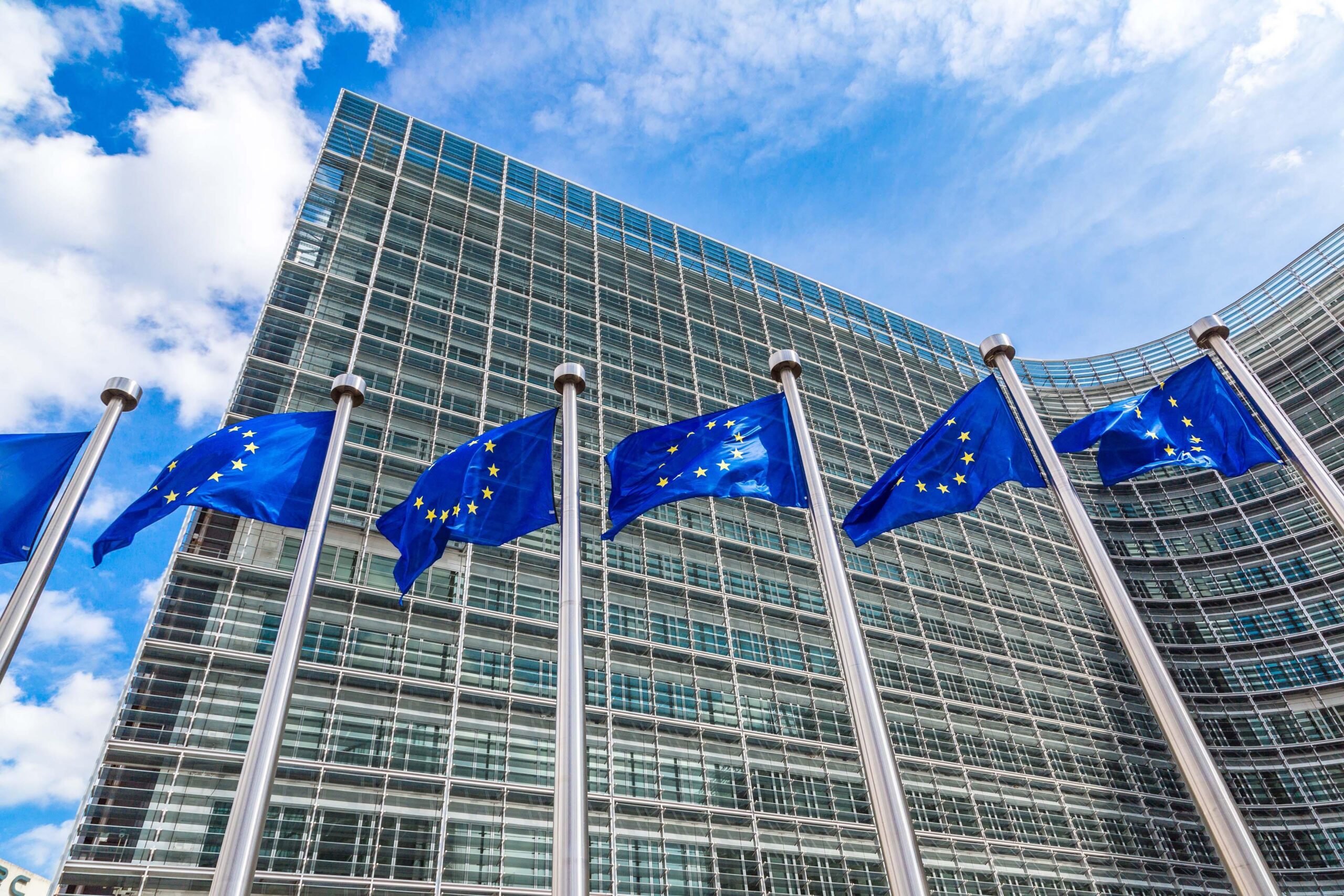
Europe’s influence, however, also depends on the resources it can bring to bear. The summit took place on the margins of an Asia-Pacific gathering, and European governments have diplomatic, economic and military tools of their own. Using those tools collectively means coordinating support for Ukraine, strengthening defence capacity and ensuring European participation in negotiations over the continent’s security. The spectacle in Shenzhen exposes a familiar vulnerability as divisions among European states make it easier for larger powers to deal with them individually.
What Shenzhen Suggests About the Global Order
The summit points towards a world in which leaders increasingly use direct talks to manage competition, sometimes outside institutions or coalitions that include affected states. Any revival of the old concert of great powers remains tentative, with no agreement on spheres of influence or on how to settle conflicts. The meeting nonetheless lent legitimacy to the idea that three capitals have special responsibility for global order, even as their interests diverge and other countries bear the consequences.
The risk is that “stability” becomes shorthand for accommodation among powerful states at the expense of the rights and participation of those most affected.
The opportunity is more limited, though sustained contact can reduce the risk of miscalculation between nuclear powers. The declaration’s value will depend on whether it leads to substantive talks on nuclear risks, reliable channels for crisis communication and measures that can be verified. A summit can create an opening for the difficult negotiations that must follow.
India’s Interests and Room for Manoeuvre
For India, the summit matters even without a seat at the trilateral meeting. New Delhi maintains a strategic partnership with Washington, long-standing defence and energy links with Moscow, and an economically significant and strategically difficult relationship with Beijing. Any warming in relations among the three could reduce tensions and support steadier energy markets. A US–China understanding that sidelines Indian concerns, or a deeper Russia–China alignment, could however complicate India’s security calculations.
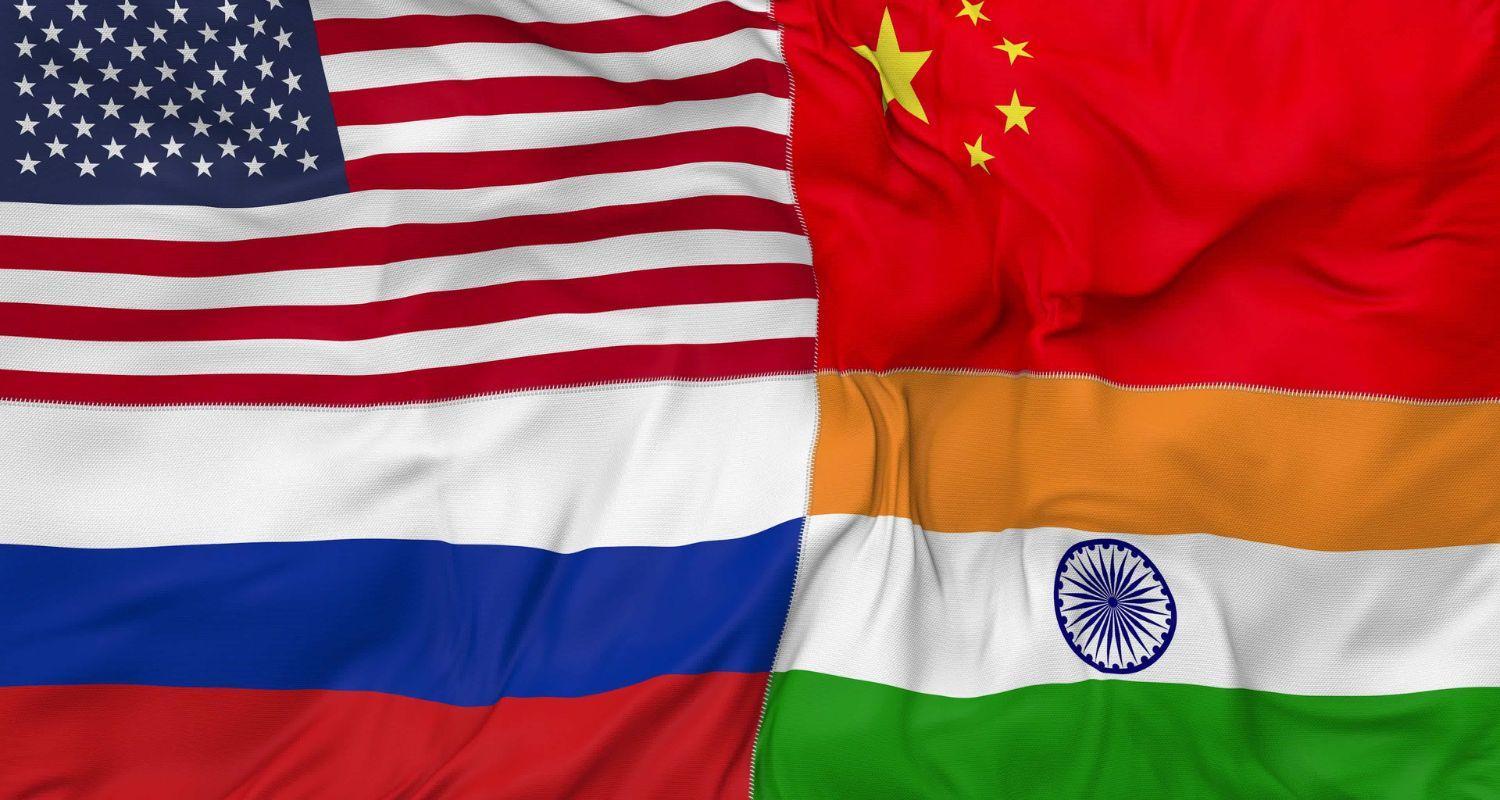
For New Delhi, the question is whether any emerging accommodation among the three powers will take Indian interests into account. India has reason to monitor talks on nuclear risks, energy arrangements and any future diplomacy concerning Ukraine or Iran, given the implications of both conflicts for its trade and energy security. New Delhi also has a long-standing interest in UN Security Council reform, and the declaration’s general endorsement of reform left questions of representation open.
For New Delhi, the lesson is to preserve strategic autonomy while building the military, technological and diplomatic capacity to influence decisions that affect its interests.
The format made Shenzhen historic, while its consequences remain uncertain. It showed that the three leaders were willing to talk and that China could convene them. Whether the meeting ushers in a safer world, a more exclusive one or simply a carefully choreographed pause in rivalry will depend on the commitments that follow, the participation of affected countries and whether subsequent diplomacy can place meaningful limits on how the three powers act.








A powerful analysis of an emerging world order where three powerful leaders seek to shape global affairs while leaving affected nations out of the room. A summit without meaningful commitments cannot be called a peace breakthrough. The real danger is that global stability becomes a bargain among powerful nations, while smaller countries pay the price. The world needs cooperation based on equality, accountability and justice—not a new order dictated by three men.
— Asad Mirza’s article.