

The Power of Political Jiu-Jitsu: How Student Protests Are Rewriting the Script of Resistance

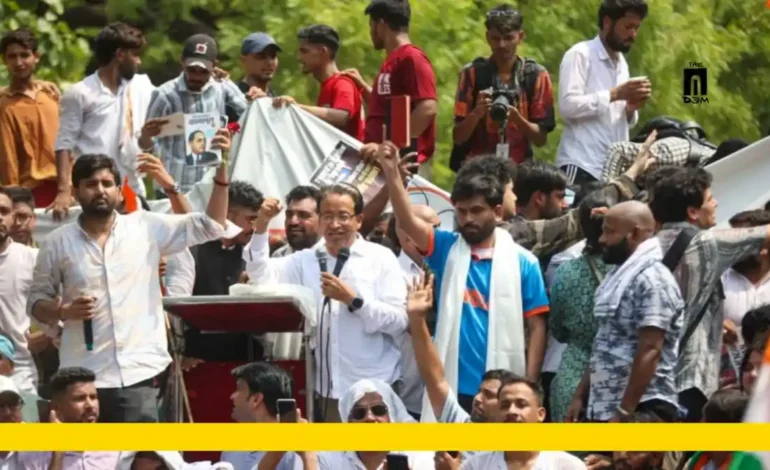
I do not know how many young leaders in today’s student protest movements have read Gene Sharp (1928–2018), the preeminent theorist of modern nonviolent resistance. Yet, anyone familiar with Sharp’s magnum opus—the seminal three-volume work The Politics of Nonviolent Action (1973)—will easily recognise the student protests as living embodiments of the 198 methods of nonviolent resistance he famously catalogued.

Sharp posits that political power, whether wielded by a dictatorship or a fascist regime, fundamentally relies on the consent, cooperation, and obedience of its citizens. Consequently, any government will collapse the moment this public support is withdrawn. Sharp offers a practical blueprint for how to strip legitimacy from a regime that, having assumed power under the guise of democracy, systematically subverts constitutional systems to implement a fascist agenda. His work is a masterclass in bringing such regimes to their knees through disciplined, non-violent defiance.
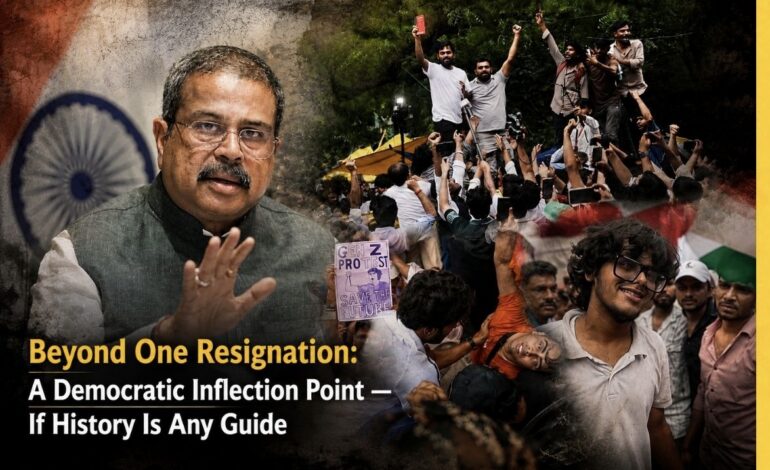
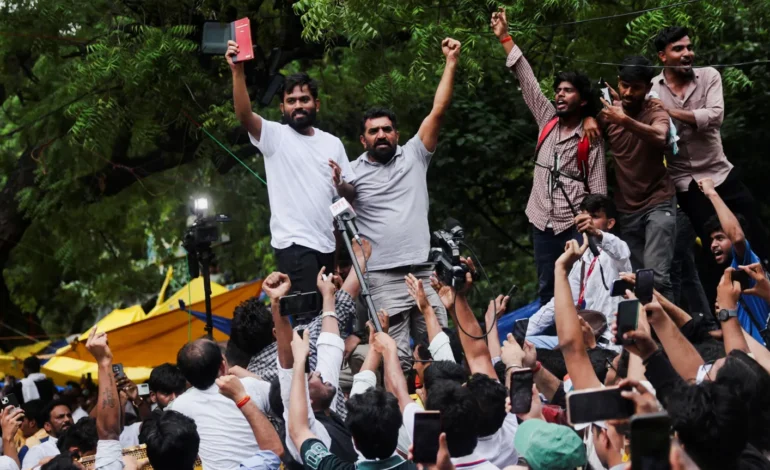
It is remarkable that the recent student and youth movement in Delhi adhered strictly to the principles of nonviolent resistance from inception to conclusion. Every day, hundreds of thousands of young people mobilised across the country under decentralised leadership. Participating in week-long demonstrations, they displayed extraordinary discipline and self-control. Throughout the agitation, we witnessed citizens actively absorbing state aggression, peacefully defying official orders, bypassing government-erected obstacles, and maintaining composure even in the face of severe physical hardship.
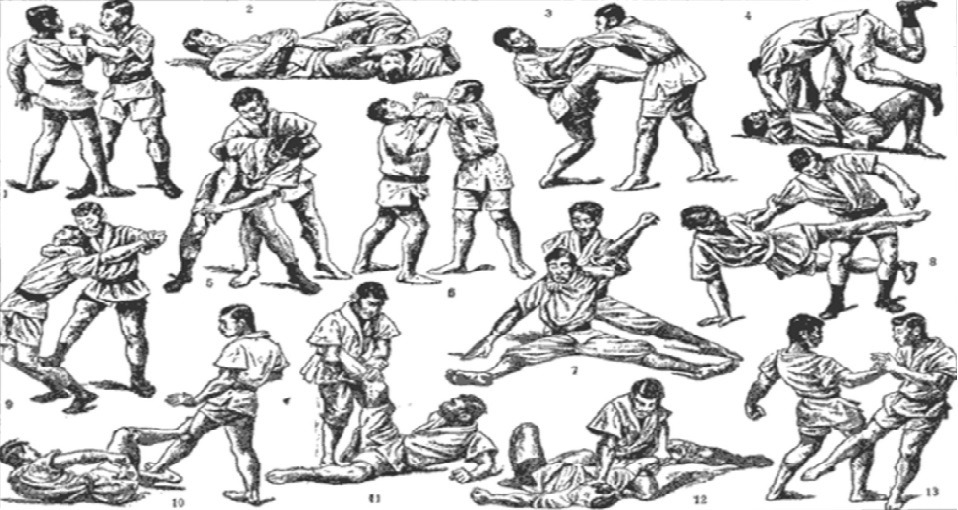
This phenomenon perfectly illustrates “political jiu-jitsu,” the core concept of Sharp’s theory of non-violent defence. Jiu-jitsu is a Japanese martial art centred on redirecting an opponent’s own momentum and strength against them. The ultimate pre-requisite for political jiu-jitsu is a highly disciplined defence.
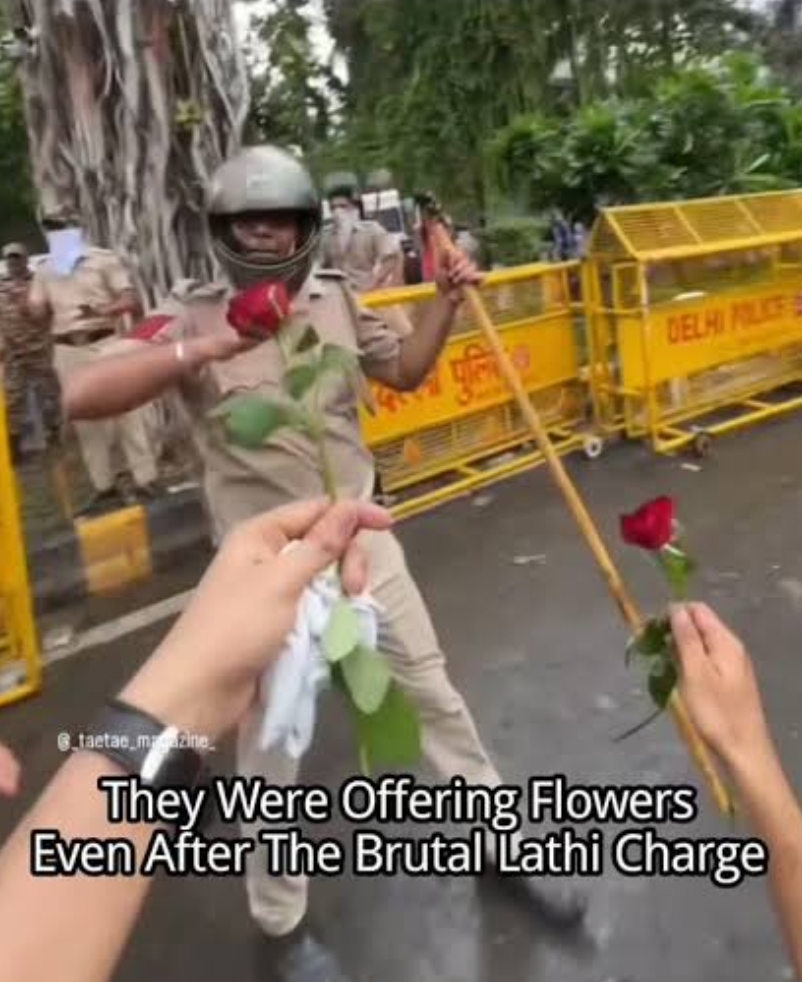
We witnessed this strategy unfold in various ways during the student protests. Across India, students responded to police and paramilitary brutality by offering flowers and food to their aggressors. As the government escalated its crackdowns—deploying barricades, tear gas, arbitrary detentions, lathi charges, and metro station closures—public sympathy for the students surged, triggering widespread backlash against the State. Prominent public figures who had long remained silent finally stepped forward to support the movement. By mobilising hundreds of thousands of students, this agitation showed modern India exactly how Sharp’s political jiu-jitsu operates in practise.
Furthermore, the youth movement successfully weaponised the very tools the government and its allies traditionally use to crush popular dissent—ranging from internet blackouts to media propaganda. For instance, when authorities cut off internet access at Jantar Mantar, the epicentre of the protest, digital rights organisations immediately stepped in, training students to deploy alternative, decentralised communication networks.
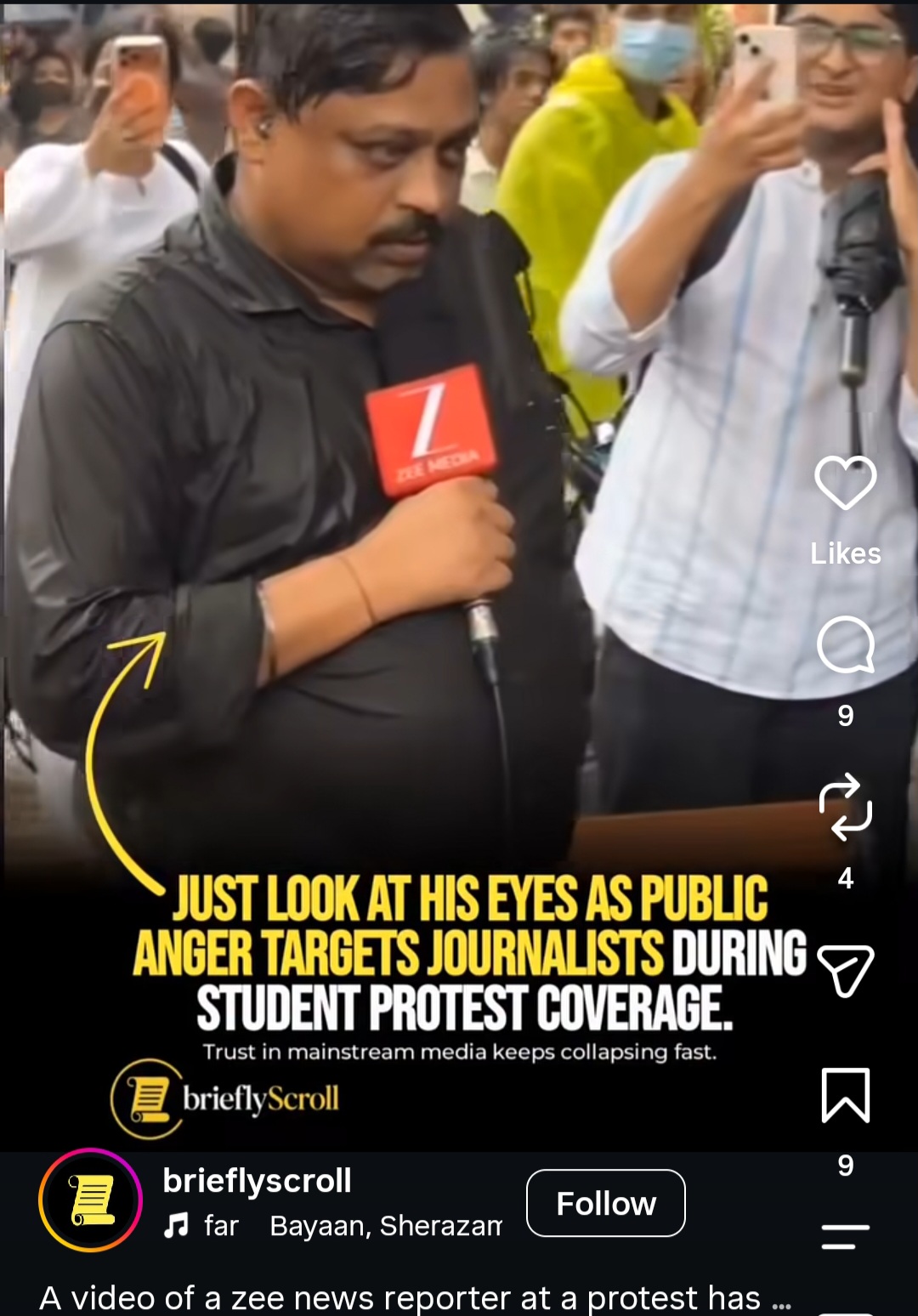
The experience of the past decade has shown how the Sangh Parivar’s dominance over social and mainstream media has been used to spread misinformation and slander popular protests. However, during these demonstrations, authentic, real-time reports from students entirely overwhelmed State propaganda on platforms like Instagram, X (formerly Twitter), and Facebook. We also witnessed the striking isolation of the pro-regime “Godi media,” which found itself barred from protest sites by the students themselves.
India possesses a rich history proving that non-violent resistance is the most potent weapon citizens have against heavily militarised, undemocratic regimes. This was the invaluable legacy Mahatma Gandhi gifted to the world through the Indian independence movement, and the student protests utilised this legacy to beautiful effect.
We must recognise that in the twenty-first century, military coups are no longer the primary threat to democracy. Instead, we increasingly see rulers who, despite being democratically elected, systematically dismantle democratic institutions and values from within. They compromise the integrity of the very pillars that sustain a free society—the judiciary, the executive, universities, and the media—to advance their ideological agendas under a democratic veneer.
The student movement has shown modern India precisely how to withdraw public consent from such a regime, refuse compliance with its mandates, and resist its overreach nonviolently. In doing so, these brave youth have provided a masterclass in how to confront State power without fear.






This article powerfully illustrates how student movements can transform repression into resistance through courage, creativity, and collective action. When young people refuse to surrender their democratic rights, they don’t just challenge authority—they redefine the language of political struggle itself. A timely and inspiring analysis of resistance in our times.