

Andy Burnham : Britain’s Accidental Prime Minister

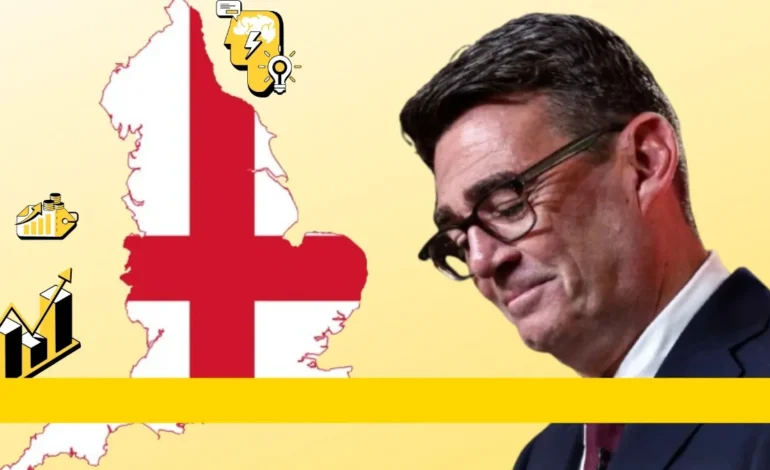
Andy Burnham entered Downing Street on July 20, 2026, without winning a general election. He inherits a stagnant economy, a fractured Labour Party, and an increasingly complex relationship with Washington, Beijing and Brussels alike. History suggests unelected prime ministers can govern effectively—but only if they move quickly.
Andy Burnham became Britain’s seventh prime minister in a decade on Monday, July 20, 2026, without a single vote cast by the wider public. The “King of the North” takes over leadership of a country still absorbing the costs of Brexit, with a Labour Party bleeding support to “Reform UK” and a global order in flux—testing whether an unelected leader with ambitious regional ideas can turn talk of “hope” into governing reality.
From Manchester to Downing Street
Burnham’s rise has been dizzying, even by the standards of Britain’s revolving-door premiership. Nine years after leaving Westminster to become Mayor of Greater Manchester, he returned to Parliament only weeks ago, winning the Makerfield by-election in June before securing the Labour leadership virtually unopposed.
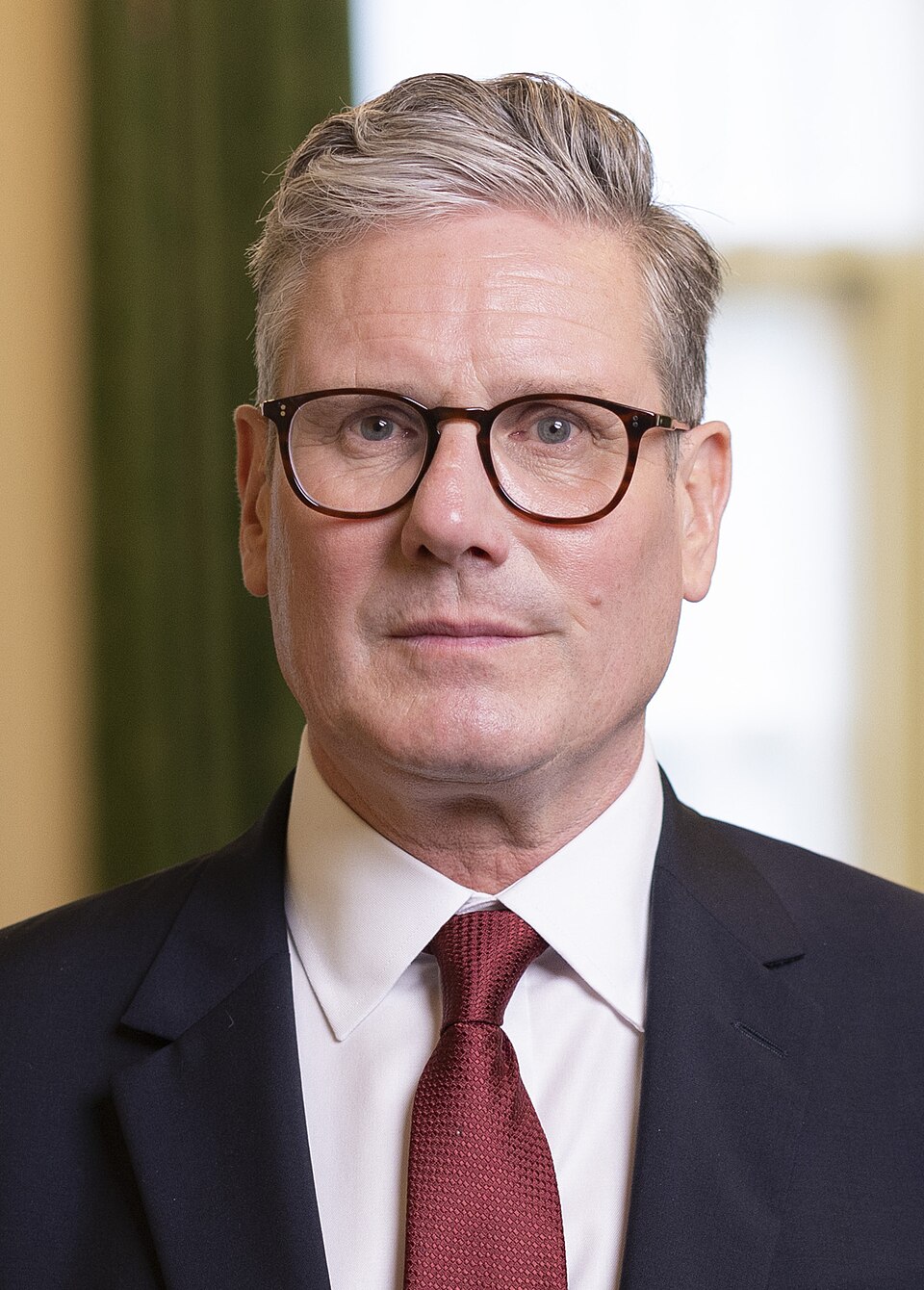
Keir Starmer, worn down by a rebellious parliamentary party and a poor showing in May’s local elections, announced his resignation last month. Burnham thus reached Number 10 without facing either a general election or a competitive leadership contest.
He becomes, in the words of one London-based analyst, the “least-scrutinised incoming UK prime minister of recent times”—a politician whose national policy positions have never been stress-tested by a full election campaign.
That fact alone has become a talking point on both sides of the Atlantic. Critics note that he was not even a candidate at the last general election and that his platform has been assembled in a matter of weeks rather than developed over years.
Supporters counter that Burnham has been directly elected three times as Mayor of Greater Manchester, earning a personal mandate that few Westminster politicians can claim. They also point out that he has spent nearly a decade refining the devolved, community-first governing style—dubbed “Manchesterism”—that he now hopes to scale up nationally.
Does an unelected premiership work?
Britain’s constitution has never required a prime minister to win a national vote personally. Power passes to whoever can command the confidence of the House of Commons, and the monarch invites that person to form a government.
Roughly half of Britain’s prime ministers since the Second World War—including Churchill, Eden, Macmillan, Douglas-Home, Callaghan, Major and Brown—entered office mid-Parliament without first securing a fresh mandate from voters.
The historical pattern suggests that prime ministers who assume office in this way fare better when they move decisively and seek their own electoral mandate without undue delay.

Burnham now faces precisely that dilemma. Britain’s next general election need not be held until 2029, giving him valuable time to govern. However, it also gives Reform UK—which has led Labour in opinion polls for the past eighteen months—time to consolidate its gains.
Analysts at UK in a Changing Europe note that Burnham inherits very limited fiscal room for manoeuvre and an economy that has barely grown for two decades. Any initial boost from a change of leadership is therefore likely to prove short-lived unless living standards improve in visible ways.
The Economic Plan: Devolution Over Westminster Control
Burnham’s central economic argument is that Britain’s growth has been constrained by excessive centralisation.
In his first major policy speech as leader-in-waiting, delivered in Manchester, he pledged what he described as “the biggest rebalancing of power our country has seen”, arguing that “growth cannot be ordered from the top down” and can “only be nurtured from the bottom up.”
His programme centres on devolving fiscal and administrative powers to England’s regions, pursuing a decade-long strategy of re-industrialisation, expanding council-house construction, lowering public transport costs and reforming privatised utilities.
The political test will come quickly.
Bloomberg reported on the eve of Burnham’s premiership that Britain’s middle class is “showing signs of buckling under financial pressure”, with the proportion of middle-income earners missing direct-debit payments having doubled since 2021.
Some Westminster observers speculate that Burnham, governing from the left of Starmer, could introduce new property levies on expensive homes in London and the South East to finance investment in northern England. Such a move could unsettle precisely the financially squeezed households he has pledged to support and, some commentators warn, accelerate the departure of wealthier residents from the capital.
America, China, India and Europe
Burnham enters Downing Street with comparatively little foreign policy experience. His international record consists largely of trade missions to China as Mayor of Greater Manchester and occasional public references to music festivals in Texas.
He takes office at a moment when Britain’s relationships with the United States, China, India and Europe all require careful management.
The United States
Burnham has been an outspoken critic of Donald Trump—a fact welcomed by some supporters and highlighted by critics in sections of the American media.
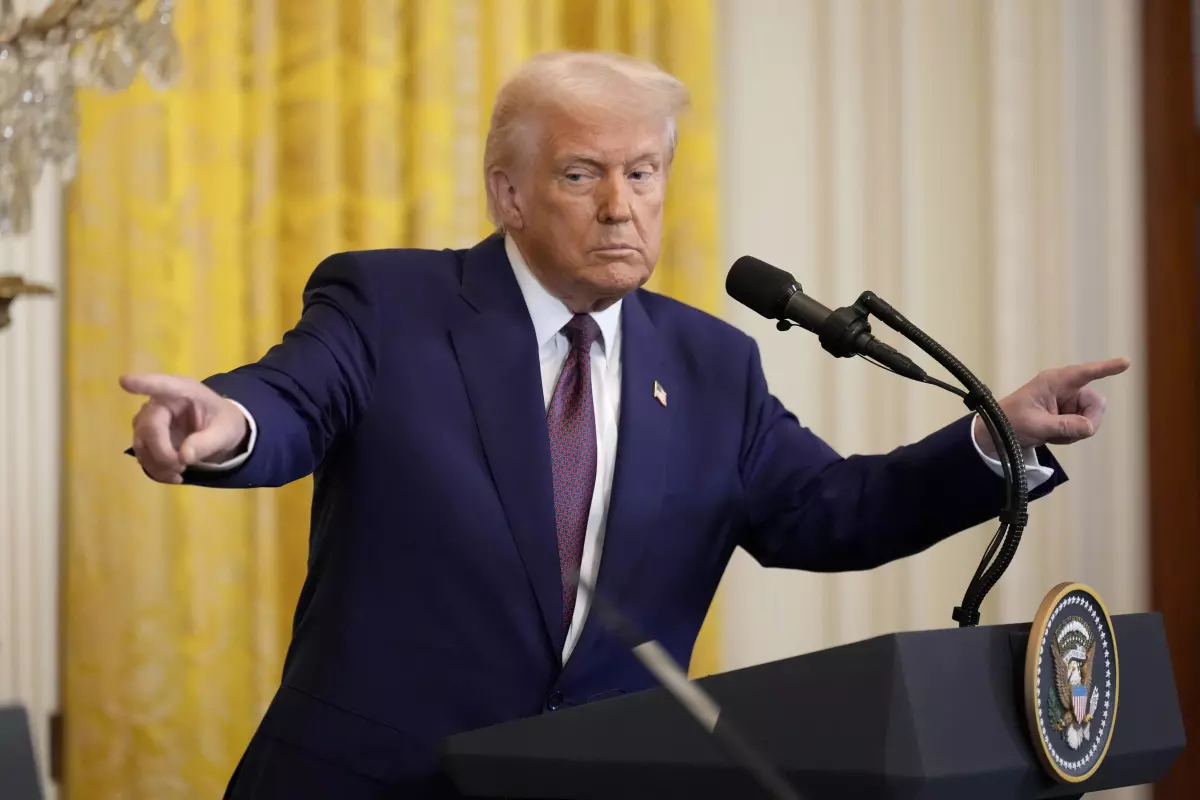
As prime minister, however, he inherits Britain’s broader post-Brexit strategy of diversifying international partnerships while maintaining close security ties with Washington.
His government is expected to continue Starmer’s approach of supporting NATO and Ukraine while resisting pressure to align exclusively with either Washington or Brussels on trade and foreign policy.
China
Burnham’s record on China is more pragmatic than that of many of his Cabinet colleagues.
As mayor, he actively sought Chinese investment. Chinese state media have described him as a pragmatist likely to continue Starmer’s policy of economic engagement with Beijing while treating China as a “systemic competitor” in security matters.
India
Among Britain’s major international relationships, ties with New Delhi appear the least likely to be disrupted by the change in leadership.
Burnham assumes office only days after the India–UK Comprehensive Economic and Trade Agreement came into force. Strategic analysts in both countries expect continuity rather than significant change.
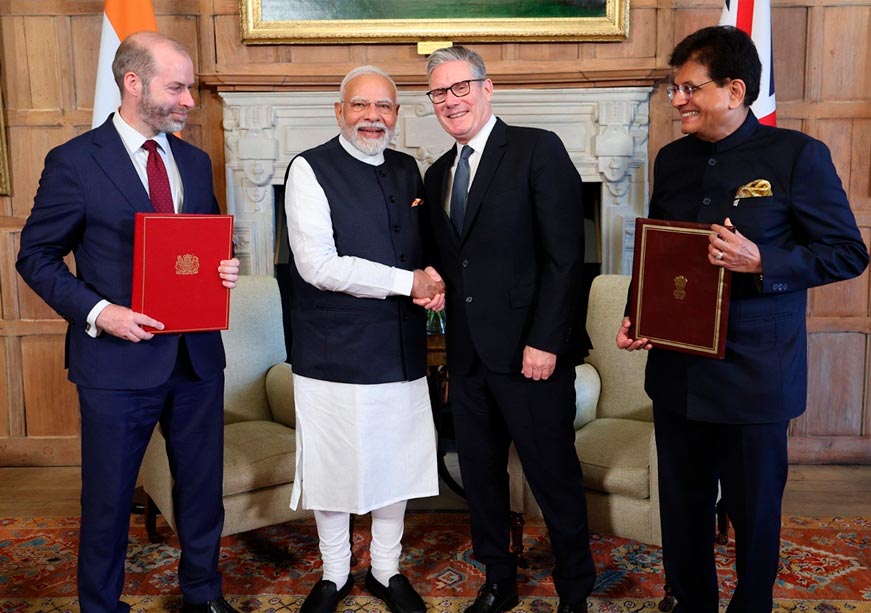
Burnham has cultivated links with India through Greater Manchester’s universities and business partnerships, visiting Mumbai, Bengaluru and Delhi during his mayoralty.
India’s Consul General in Manchester has publicly credited him with strengthening ties between India and northern England.
Analysts at the International Institute for Strategic Studies argue that bilateral relations “have not been better in over a decade”, giving Burnham an opportunity to deepen defence and economic cooperation rather than repair strained ties.
Europe
Burnham also inherits a significant opportunity in Europe, although one largely created by his predecessor.
During his premiership, Starmer gradually moved Britain closer to the European Union on trade and security while stopping well short of reversing Brexit.
Most analysts expect Burnham to continue that gradual reset while concentrating his own political energy on domestic devolution and leaving day-to-day diplomacy largely to his foreign secretary.
The Real State of the Post-Brexit Economy
Any serious assessment of Burnham’s inheritance requires confronting the extent to which Brexit has shaped Britain’s economy—and recognising that its impact remains politically contested.
The Office for Budget Responsibility has consistently maintained that Brexit will ultimately reduce UK productivity by around four per cent and trade volumes by around fifteen per cent compared with continued EU membership.
For Burnham’s Labour Party, and for many economists and political commentators, part of Britain’s prolonged economic stagnation lies in the way the 2016 referendum campaign was conducted.
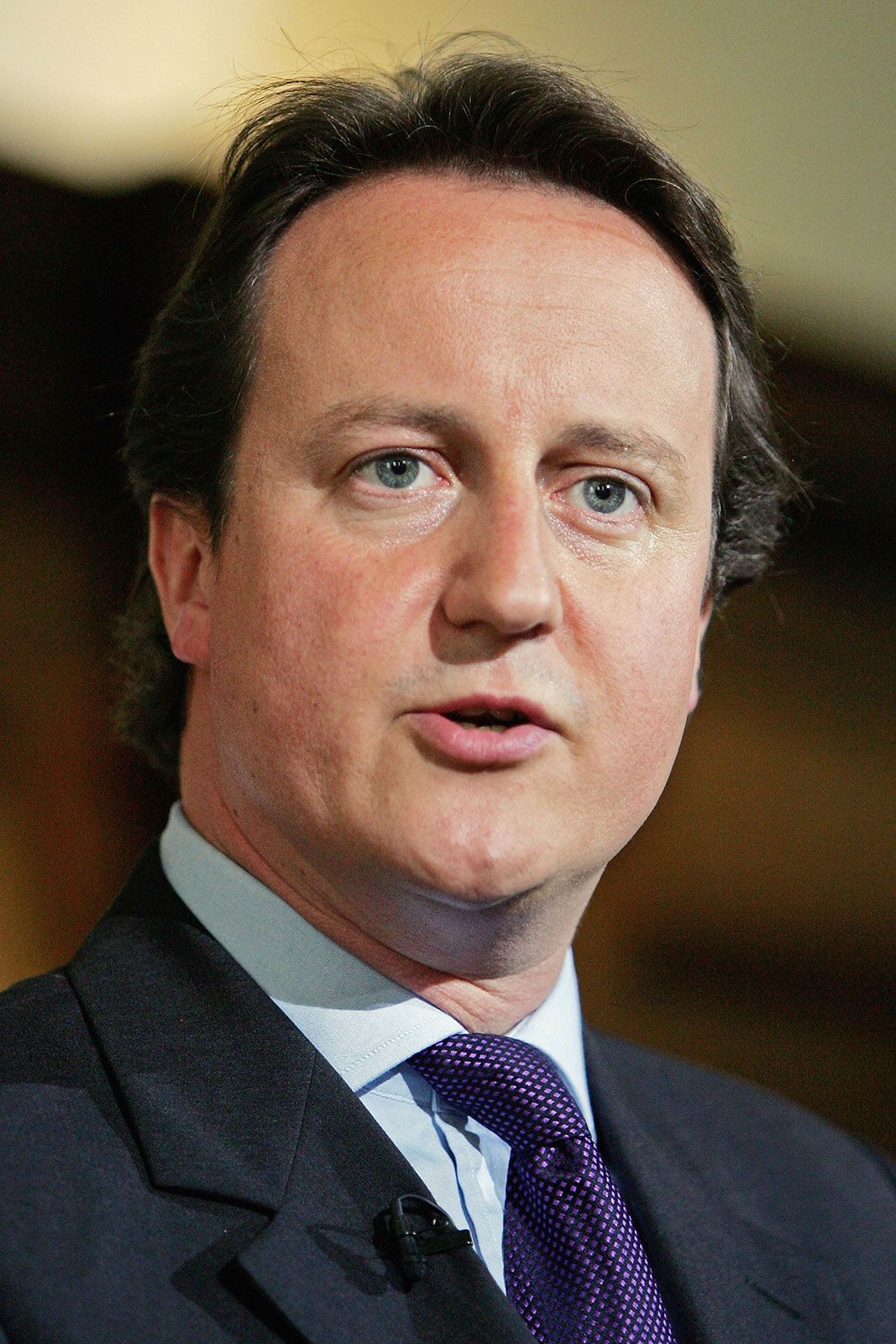
Critics argue that David Cameron understated the economic risks of leaving the European Union, while Boris Johnson’s Vote Leave campaign advanced claims—most famously the £350 million a week for the NHS—that Britain’s statistics watchdog and independent fact-checkers later found to be misleading because they ignored the UK’s rebate and other financial returns from Brussels.
It is important, however, to acknowledge that supporters of Cameron and Johnson reject accusations of deliberate deception.
Describing the referendum outcome as the product of “lies” rather than democratic choice remains a political interpretation rather than an established fact.
What is beyond dispute is that the UK Statistics Authority formally criticised the £350 million-a-week claim as a misuse of official statistics—an unusually direct intervention by a body that rarely comments on political campaigning.
A Narrow Window
Burnham inherits a country where, as one academic told Al Jazeera, “living standards have stagnated and services have eroded since 2008”, meaning that voters “don’t just want to listen to what you’re saying, they want to see changes for the better in their lives.”
His advisers reportedly concede that the transition has already proved more difficult than expected, marked by policy drift and internal divisions even before he entered Downing Street.
Historical precedent suggests that Burnham’s best opportunity lies in acting quickly and decisively.
If he can demonstrate tangible progress on devolution, housing and the cost of living during his first months in office, he may yet show that an unelected prime minister can earn political legitimacy through effective governance rather than inherit it through constitutional procedure.
Whether “Manchesterism” can evolve from a successful regional model into a national governing philosophy, while Reform UK waits in the wings, will determine whether history remembers Andy Burnham as a transformative reformer—or simply another brief occupant of Number 10.









A timely and nuanced analysis of leadership, political change, and the unpredictability of democracy. Insightful writing that goes beyond headlines to examine the forces shaping Britain’s future.**