

Nepal’s Flood – A Warning From Tomorrow

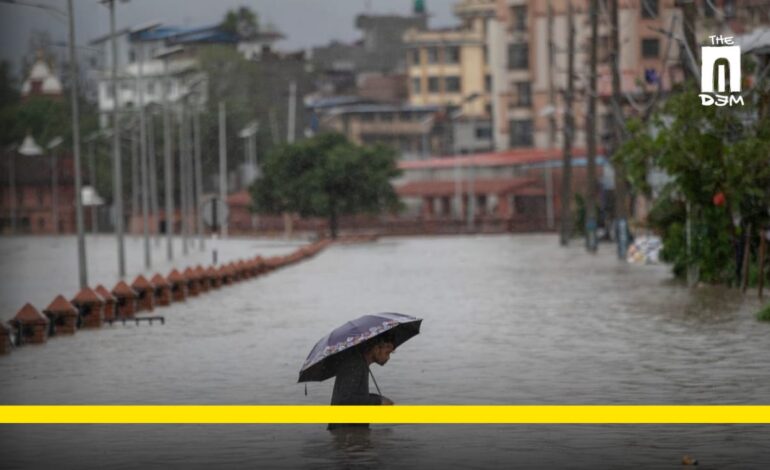
The devastating floods that struck Nepal on August 26 are more than a natural disaster. They are a warning… one the world cannot afford to ignore.
A sudden surge in the Bhote Koshi River unleashed a massive flow of water and debris, damaging settlements, bridges, roads, and vital infrastructure. Initial assessments suggest that the disaster may have been triggered by a sudden blockage in the river caused by a landslide or glacial collapse, followed by the release of a huge volume of water
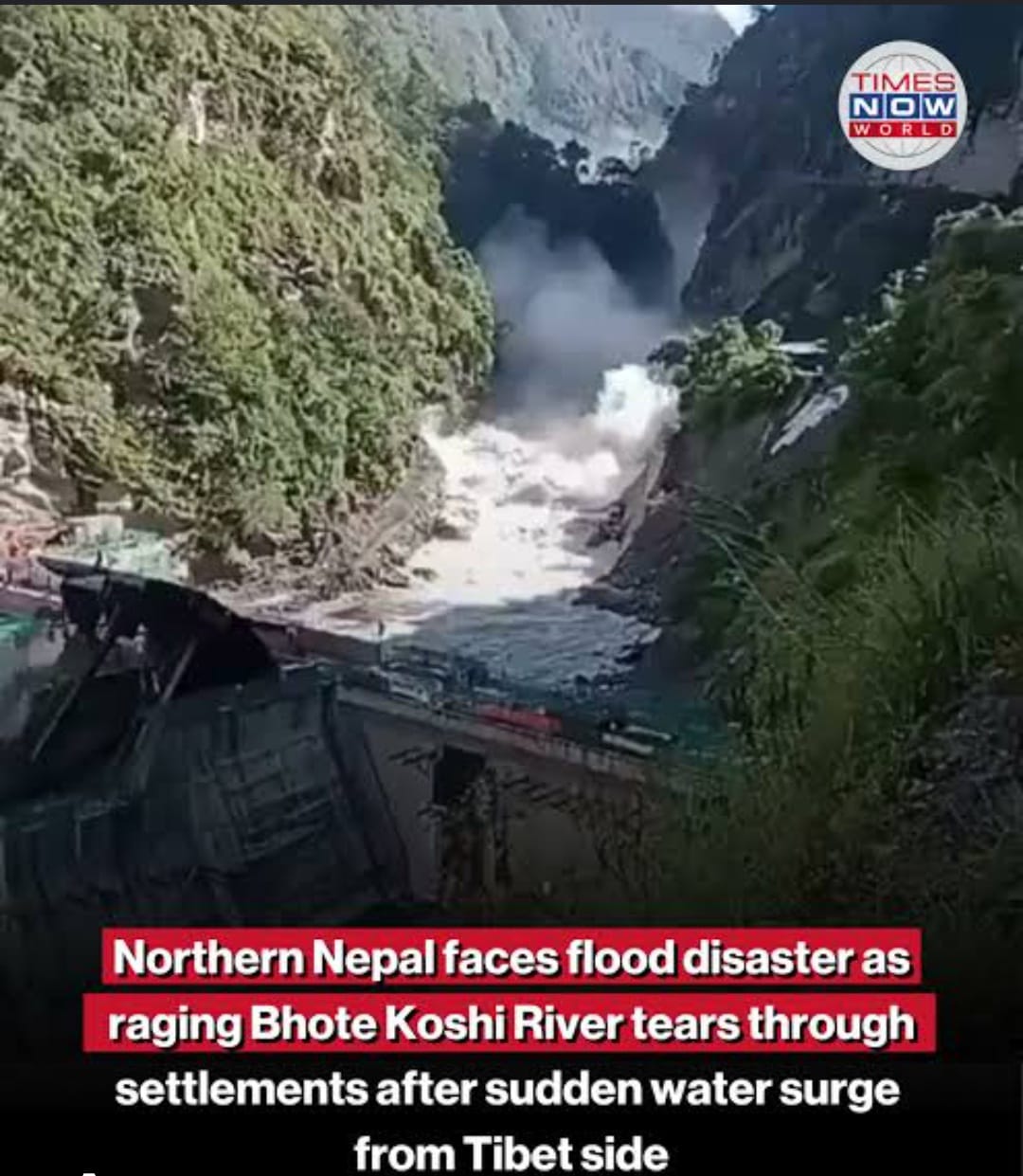
Hundreds of lives have been lost, and hundreds of people are still missing. In just a few moments, years of work, homes, roads, and livelihoods were swept away.
https://youtu.be/qhivb_uEU2A?si=JrpARaft8G3MMetE
But there is a painful irony at the heart of this tragedy: Nepal is among the countries least responsible for the climate crisis, yet it is paying a heavy price for it.
Nepal contributes less than 0.1 percent of global greenhouse gas emissions. Yet this Himalayan country is increasingly exposed to the consequences of a warming planet. Glaciers are retreating, extreme rainfall is becoming more dangerous, sudden floods are becoming more frequent, landslides are increasing, and weather patterns that communities have relied upon for generations are changing.
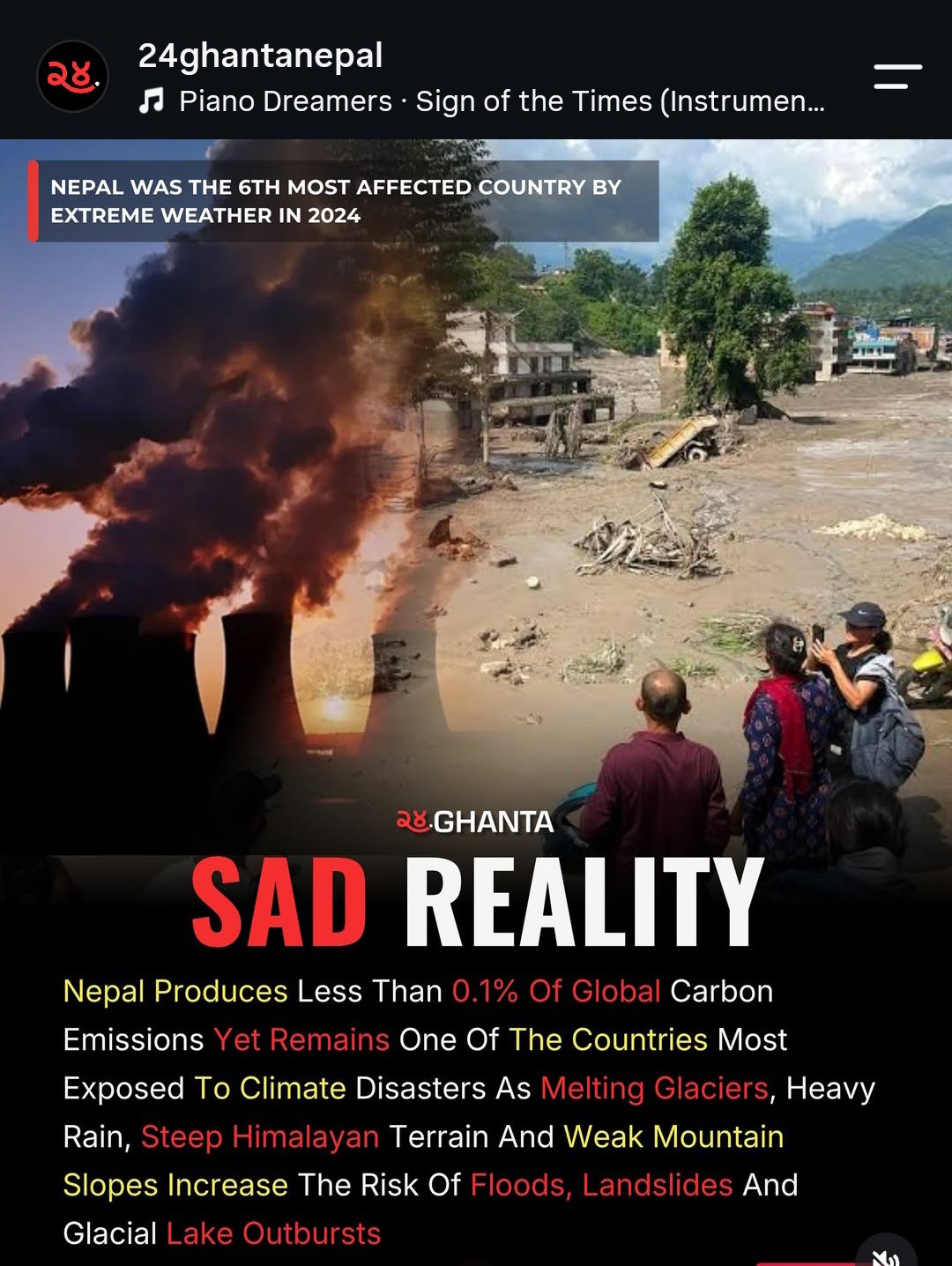
For Nepal, this is not simply an environmental problem. It is a threat to everyday life.
Millions of people depend on agriculture for their livelihoods. When rainfall patterns change, crops suffer. When extreme rain hits the mountains, rivers can rise with terrifying speed, and a single event can destroy an entire community within hours.
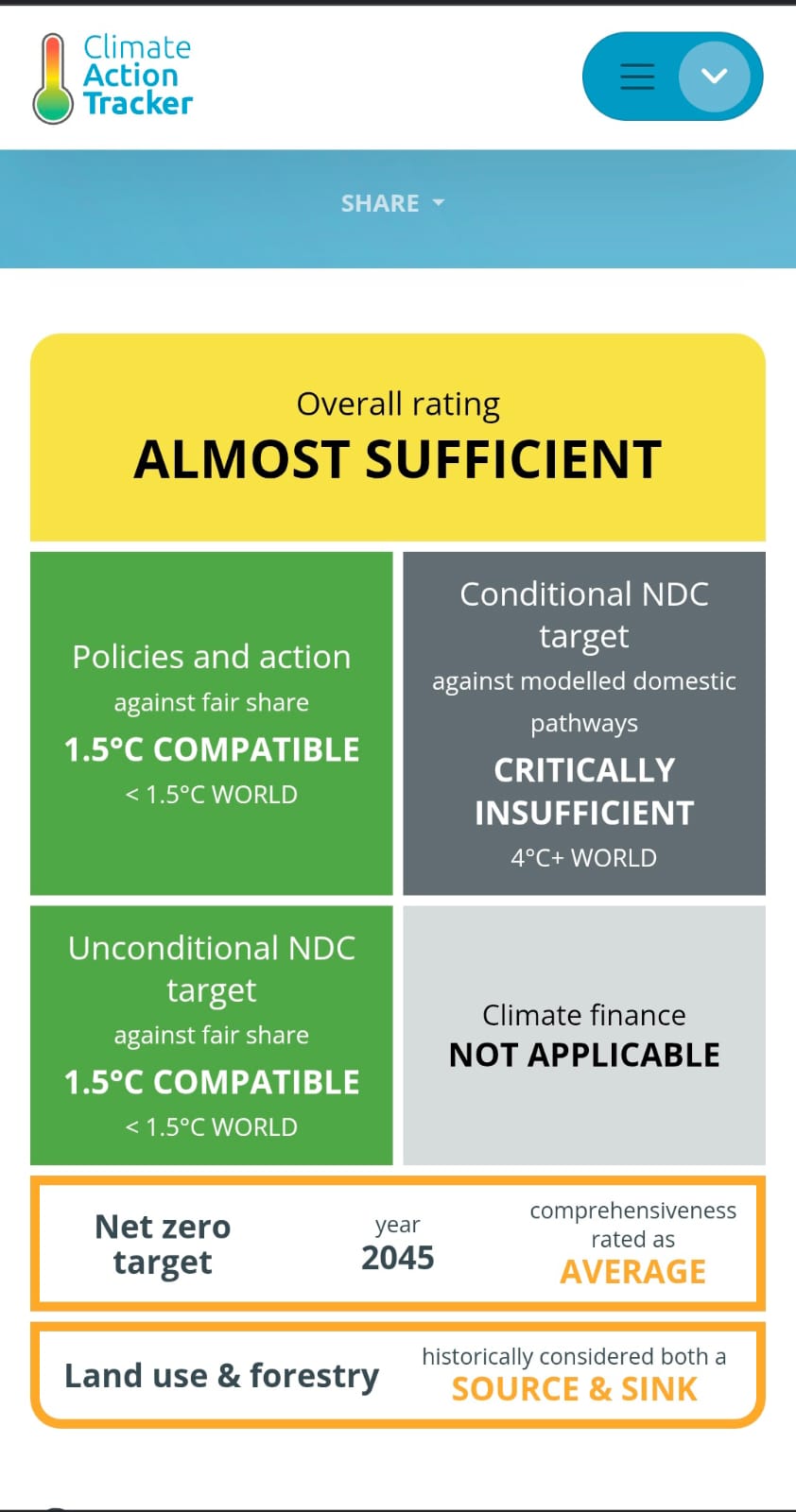
And yet Nepal is doing what it can to limit its own contribution to the problem. According to the Climate Action Tracker, Nepal’s climate policies are compatible with the 1.5°C goal when measured against its fair share of global responsibility. The country has also committed to becoming carbon neutral by 2045.
This raises a difficult question: when will the countries responsible for the largest share of global emissions accept their responsibility?
The climate crisis is not only about rising temperatures. It is also about the way we have defined progress.
For decades, we have treated more production, more consumption, more energy and more profit as signs of development. In the process, forests have disappeared, rivers have been altered, land has come under increasing pressure, and greenhouse gas emissions have continued to rise.
We have built more, consumed more and produced more… but too often without asking what it is costing the planet.
Our greed has had consequences. And those consequences are no longer confined to distant places or vulnerable communities. They are beginning to come closer to all of us.
Nepal did not create this crisis. Yet it is facing some of its harshest consequences.
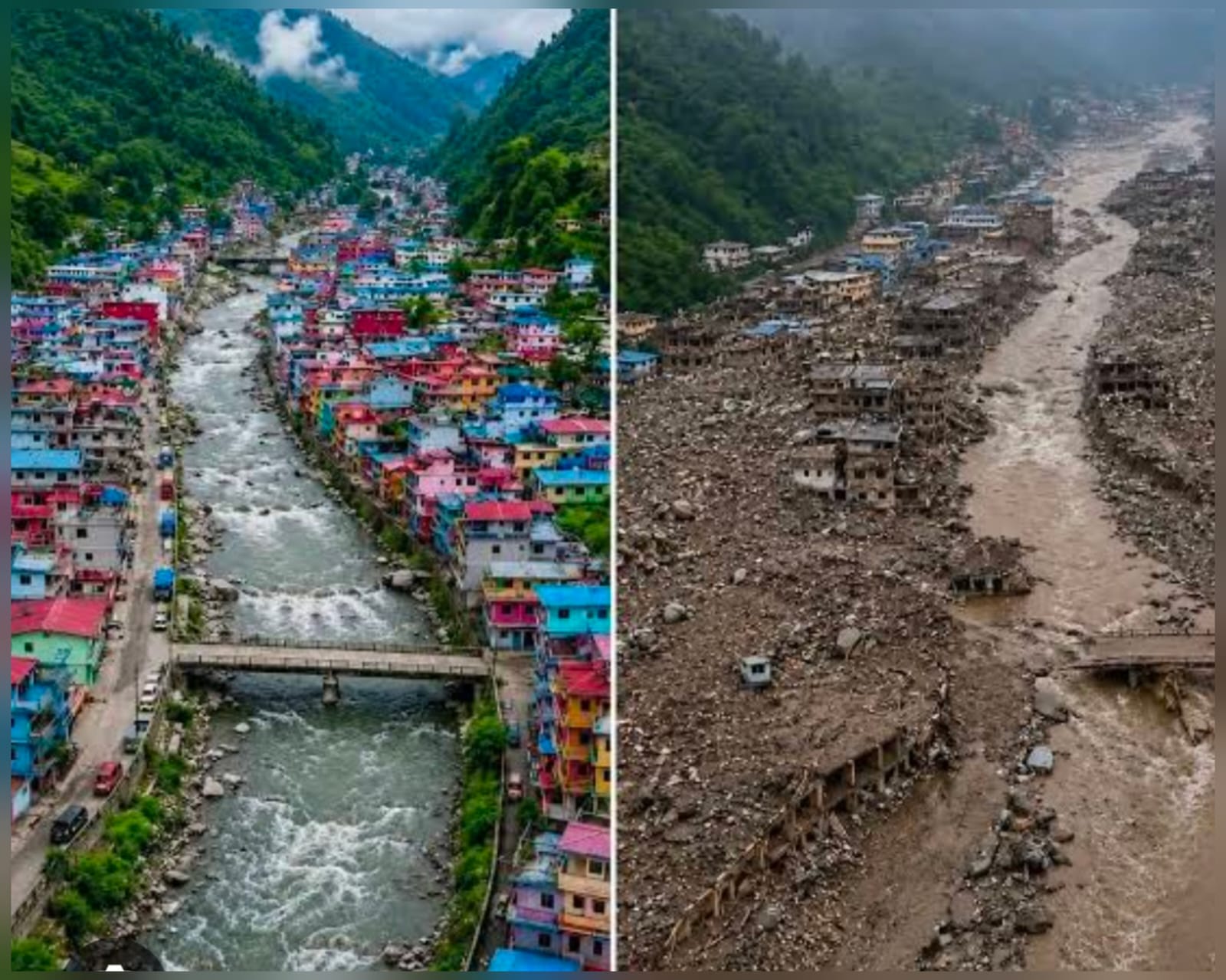
That is what makes this disaster so important. It is not simply a story about one flood, one river or one country. It is a glimpse of what a changing climate can do when environmental limits are repeatedly ignored.
Today, it is Nepal. Tomorrow, it could be somewhere else. And sooner or later, it could reach our own doorstep.
The climate crisis is no longer a warning about some distant future. It is already here.
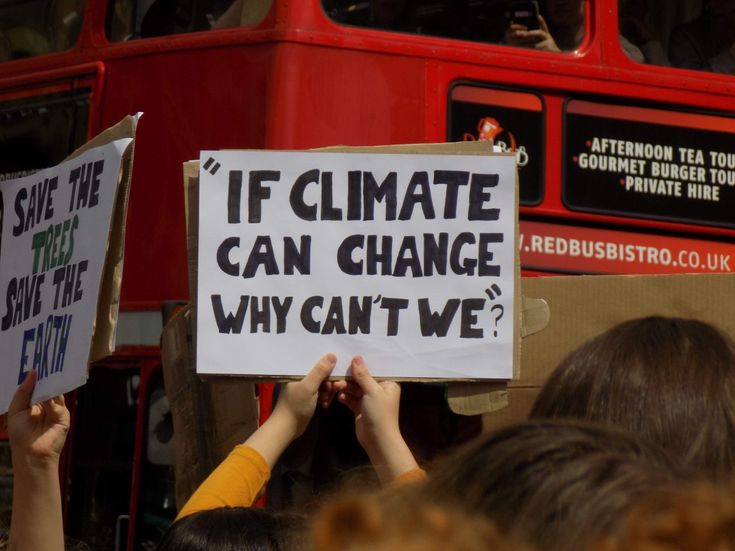
If we do not control our excessive consumption, rising emissions and relentless exploitation of nature, disasters like this may become more frequent, more destructive and harder to escape.
Nepal did not create this crisis, but Nepal is paying the price. And perhaps that is the clearest lesson of all: the climate crisis has no borders. Its consequences will eventually reach all of us.








Aftab Ahmad powerfully exposes the injustice at the heart of the climate crisis: those who contributed least are often forced to suffer the most. Nepal’s tragedy is not just a natural disaster—it is a warning about the consequences of unchecked consumption, environmental destruction and political indifference. Climate justice must mean accountability for the biggest polluters, not just sympathy for the victims. What happens in Nepal today could be the world’s tomorrow.