

Preserving the Paramount Parchment: A Citizen’s Concerns

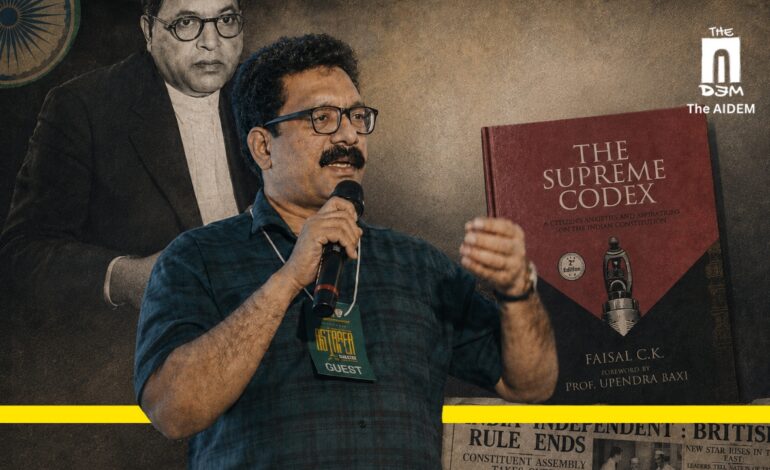
Book Review: The Supreme Codex: A Citizen’s Anxieties and Aspirations on the Indian Constitution (Second Edition)
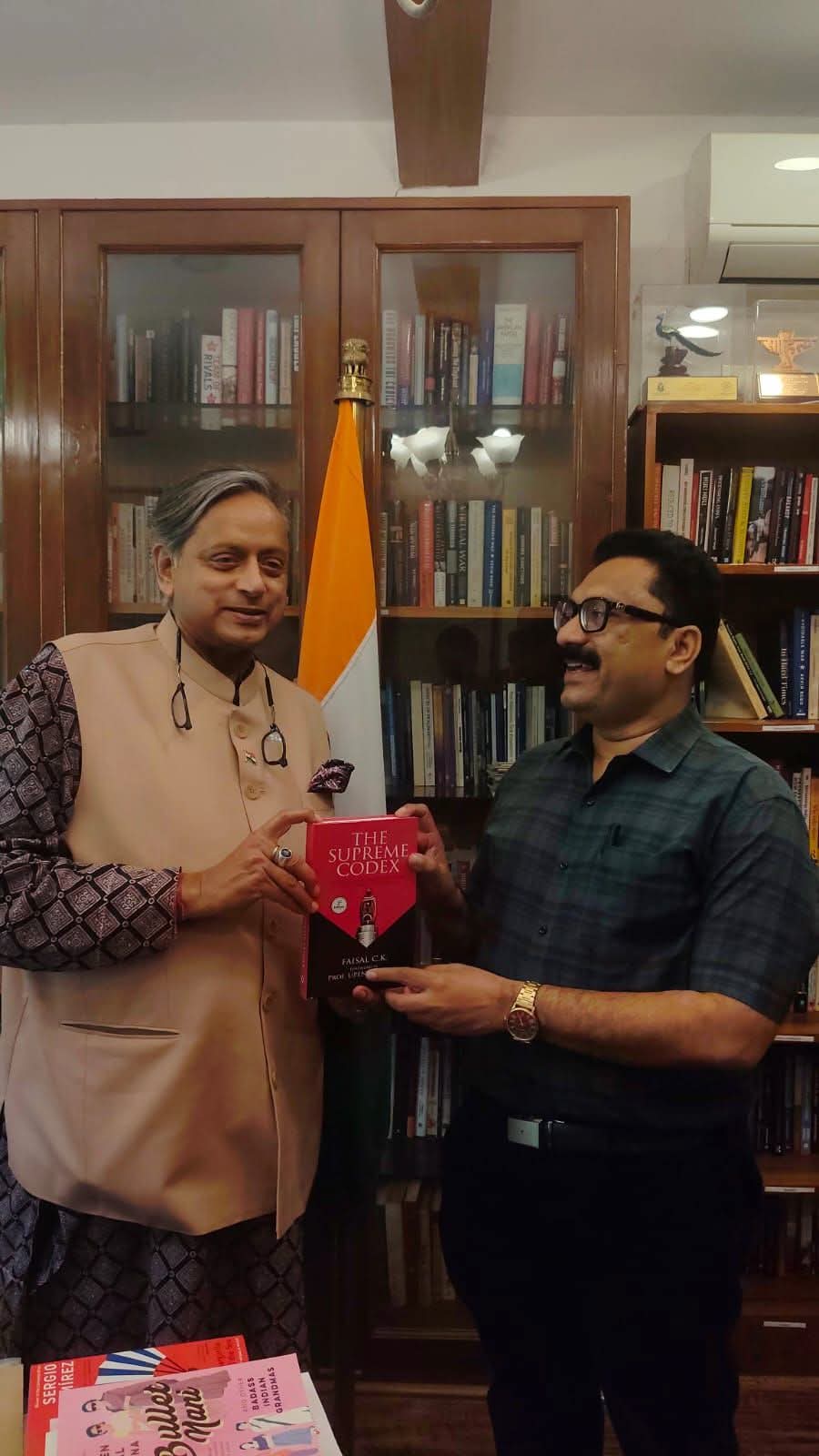
Author: Faisal C.K.
Publisher: Bookwell
Year: 2026
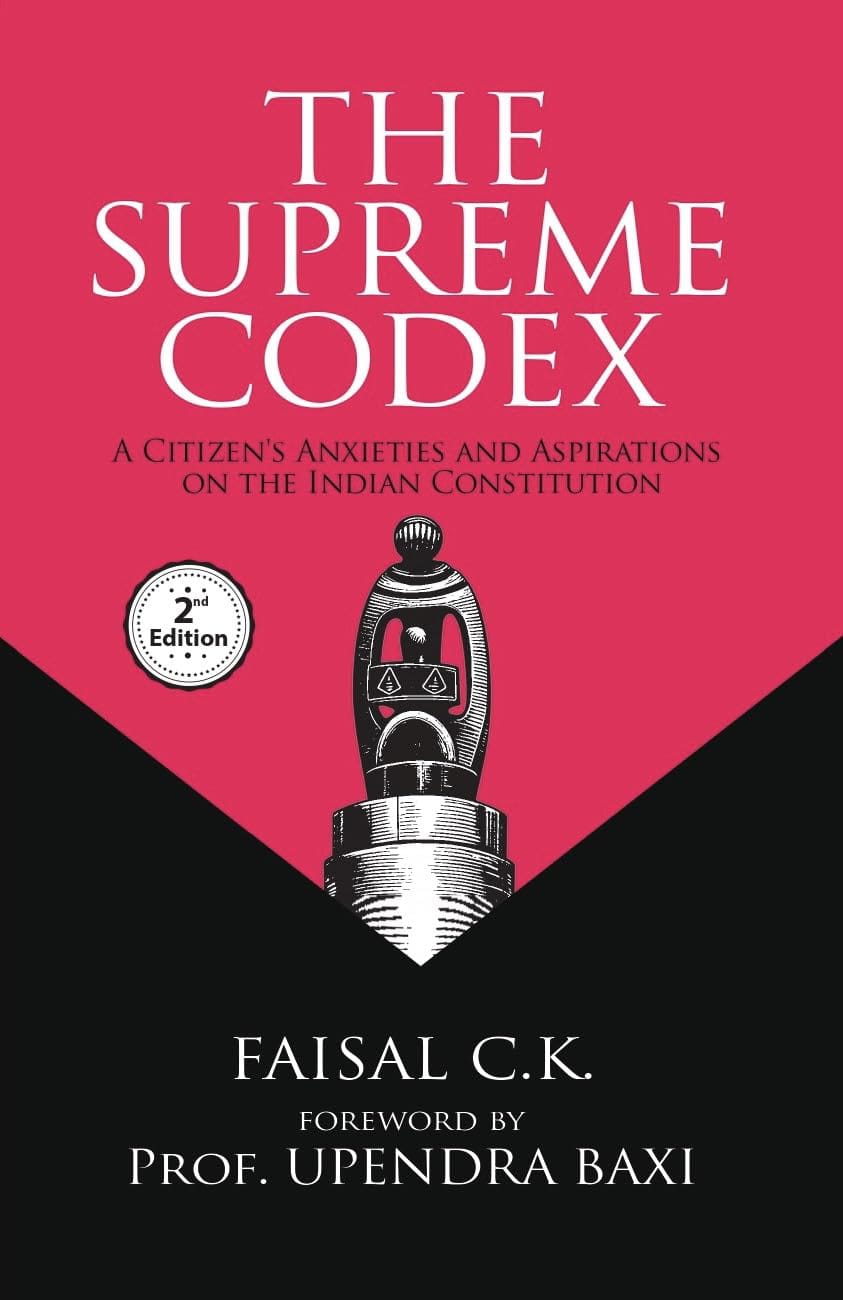
A constitution is never a static text; it is an organic, breathing organism that adapts to, reflects and occasionally clashes with the socio-political realities of the nation it governs. In its second edition, Faisal C.K .’s The Supreme Codex: A Citizen’s Anxieties and Aspirations on the Indian Constitution arrives as a remarkably timely, rigorous and intellectually piercing examination of India’s constitutional machinery in motion.

Authored by a serving Deputy Law Secretary in the Government of Keralam, this anthology compiles sixty-eight meticulously crafted essays that serve as a vanguard defence of constitutionalism. Faisal leverages his unique vantage point—combining the pragmatic insights of an administrative legal insider with the unyielding principles of a constitutional purist.
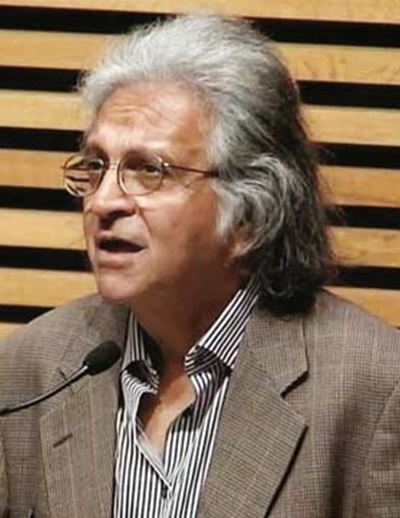
The text is further elevated by an insightful foreword from Professor Upendra Baxi, Professor Emeritus of Law at the University of Warwick. Baxi’s endorsement underscores the book’s primary achievement: it successfully elevates contemporary legal discourse from the muddy trenches of partisan politics to the high ground of classical constitutionalism. Faisal captures the visceral anxieties of the ordinary citizen navigating a rapidly shifting, occasionally volatile legal landscape, yet maintains an objective, clinical focus on the rule of law and the “dignitarian” aspect of the Constitution.
Animating the “Empty Shell”
The central, animating thesis of The Supreme Codex is a stark warning: a constitution devoid of the active spirit of constitutionalism is merely an “empty shell.” Faisal reminds us that a text can have all the trappings of democracy—elections, courts, parliaments—but if the underlying principle of limited government is eroded, the document becomes a weapon of the state rather than a shield for the citizen.
For Faisal, the primary purpose of any constitutional framework is to legally shackle governmental power and fiercely safeguard the natural rights of the citizenry against arbitrary state action. Writing with the precision of a jurist, the author addresses various administrative advisories and executive actions across contemporary India. He views these developments not through an ideological or partisan lens, but through the strict, uncompromising matrix of legal supremacy.
Consider his critique of modern administrative overreach, specifically the normalisation of what has colloquially been termed “Bulldozer Justice” and the persistent menace of police “encounter” killings. Faisal strips away the populist rhetoric surrounding these actions to reveal them as profound violations of the natural right to shelter and the sacred right to a fair trial, both anchored firmly in Article 21 of the Indian Constitution. He argues that when the state bypasses the judiciary to mete out immediate retribution, it destroys the procedural due process that separates a civilised republic from a Hobbesian state of nature.

To drive this point home, Faisal draws chilling historical parallels. He warns against the Kafkaesque nightmare of the early 20th-century Weimar Republic, illustrating the inherent fragility of a constitutional system when executive power successfully bypasses parliamentary consent. He notes that without an unalterable core—akin to what German jurisprudence terms an “eternity clause,” or what the Indian Supreme Court established as the Basic Structure doctrine in the landmark Kesavananda Bharati case—a democracy can legally vote itself into an autocracy.
Furthermore, the author turns his gaze to the friction currently destabilising federal relations: the volatile tug-of-war between elected state governments and centrally appointed Governors. Faisal issues a sharp, authoritative reminder to the gubernatorial office, arguing that Governors must act strictly as non-partisan, titular constitutional heads. To act otherwise is to subvert the nation’s “founding deed” and disrupt the delicate equilibrium of Indian federalism.
Confronting Living Fossils
The second half of the anthology traverses a vast array of contemporary legal battlefields, offering a comprehensive brief on the existential challenges facing modern Indian jurisprudence. Faisal systematically dissects archaic, colonial-era statutes that continue to cast a long shadow over Indian democracy. He pulls no punches, characterising the sedition law and the sweeping, often arbitrary concept of criminal contempt of court as “living fossils” and institutional “dinosaurs.”
“These archaic laws threaten the democratic free market of ideas. In a healthy republic, the state must endure criticism, and the judiciary must earn its reverence through its judgments, not through the coercion of contempt.”
Faisal’s lexicon of liberty is inherently inclusive. The book emerges as a vigorous manifesto defending the rights of historically marginalised groups, including women, transgender individuals and the broader LGBTQ+ community. He eloquently advocates for full legal personhood, marriage equality and the absolute elimination of the marital rape exception. For Faisal, these are not concessions to modern social trends; they are mandatory imperatives of constitutional equality and individual dignity. He views the human body and identity as sovereign spaces that the state has an absolute duty to protect and no right to violate.

Institutional Equilibrium
On the structural and institutional front, The Supreme Codex tackles some of the most controversial policy proposals of the decade. Faisal dissects the “One Nation, One Election” (simultaneous polls) policy, issuing a stern warning that such a move could act as a blitzkrieg of centralisation. He argues that it risks flattening India’s highly nuanced, quasi-federal structure and overwhelming its polyarchic democracy by drowning out local, state-centric issues under monolithic national narratives.
The judiciary itself is not spared Faisal’s analytical scrutiny. He critiques the opaque, self-perpetuating Collegium system of judicial appointments. Rather than advocating complete executive control, which would compromise judicial independence, he makes a compelling case for a balanced, hybrid commission mechanism.
Furthermore, addressing the systemic crisis of judicial delays, he proposes a structural bifurcation of the apex court: establishing National Courts of Appeal to handle routine appellate matters, thereby freeing the Supreme Court of India to fulfil its original, intended mandate as a dedicated, unburdened Constitutional Court.
The Supreme Arbiter
Ultimately, Faisal C.K.’s The Supreme Codex is a vital addition to the library of any lawyer, jurist, legislator or engaged citizen. It stands as a professional, deeply authoritative reminder that the Constitution must remain the supreme arbiter of the land.
At a time when majoritarian impulses threaten to overshadow constitutional morality, this book serves as an intellectual anchor. It reminds us that the preservation of the “Paramount Parchment” requires constant vigilance. The republic’s survival depends on our collective ability to prevent the concentration of power and fiercely preserve the dignity of every individual who calls India home.









The Constitution is not a ceremonial parchment to be praised while its spirit is quietly dismantled. Aryan Vaibhav Srivastava’s powerful engagement with Faisal C.K.’s The Supreme Codex reminds us that liberty, equality, dignity and the rule of law are political commitments—not decorative words. When power begins to treat institutions as obstacles and citizens’ rights as privileges, defending the Constitution becomes an act of democratic resistance. The real question is not who rules India, but whether constitutional democracy still has the power to hold those who rule accountable.
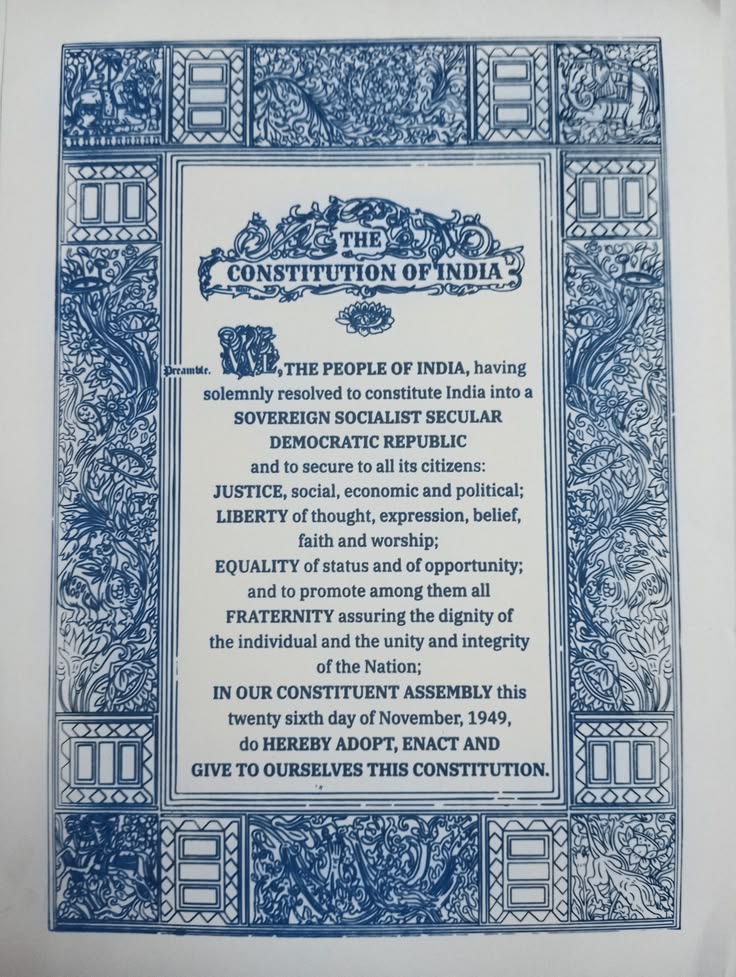
Constitution of India designed by our foresighted members of constituent assembly was always drafted in such a way to evolve with time nd circumstances with clear objectives and aspirations of nd for the people of India mentioned in Preamble . With Article 32 as protector nd checker against arbitrary actions nd tyranny government. And everything in this world need efforts to be protected as our Constitution too need, judiciary is the Guardian but when people of the nation for whom it was written, must actively participate against when government or institutional power becomes excessive.
So it’s principles must be actually respected and implemented.