

Meta’s Legal Woes: The Beginning of the End of the Attention Economy?

On August 26, Meta reached a landmark $17.1 billion settlement with US states over allegations that it designed addictive platforms and failed to protect children from harmful content. Together with related settlements, the agreements bring Meta’s total payout to roughly $18 billion. The settlement will also require the social media giant to introduce new safety features to Instagram and Facebook, such as usage limits, night curfews, and stricter parental supervision tools. Over the next 10 years, Meta will pay 70% of the maximum settlement cap to participating states and territories. The remaining disbursement is contingent on rivals TikTok and YouTube adopting similar measures and making matching financial commitments.

An $18 billion settlement is unlikely to seriously shake Meta’s strong financial foundation. It reported revenue of $200.97 billion and a profit of $60.46 billion in 2025. The real significance of this settlement lies in the non-financial terms.
The Business of Capturing Attention
Social media is often portrayed as a technology that enables easy communication and connection between individuals. But as a business, its primary focus has always been something else: the monetisation of human attention. Platforms like Facebook, Instagram, TikTok, and YouTube compete for our waking hours, which are a finite resource. By maximising screen time, tech companies can display more advertisements and harvest richer behavioural data. More ads mean more revenue, and better data helps to refine their predictive algorithms further. Thus, engagement has become the central engine of the internet economy.

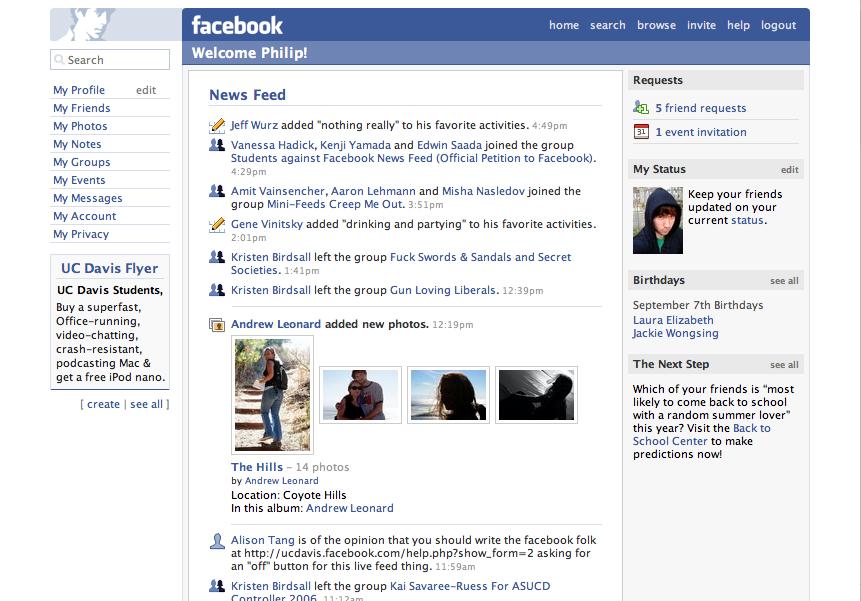
The origin of Facebook’s News Feed illustrates how the attention architecture was born. Initially, Facebook required users to visit profiles individually. A small engineering team started working on inverting this logic. Rather than having users search for information, Facebook would automatically stream their social world to them. But when the Feed was launched in September 2006, many users felt that automatically broadcasting profile updates like relationship changes, photos, and joined groups amounted to surveillance. Hundreds of thousands joined protest groups, labelling the feature “creepy”. This forced Facebook to add privacy controls hurriedly. Ironically, protesters discovered these anti-News Feed groups through the News Feed itself. The outrage proved the feature’s unprecedented power to capture attention. Mark Zuckerberg refused to abandon it, and the News Feed became the organising principle of social media. It inverted the dynamic between user and information. Instead of users choosing where to go next, an algorithm decided what came to them.
These seemingly simple changes laid the foundation of the modern attention economy. Recommendation algorithms became progressively better. Infinite scroll removed the natural stopping point of turning the final page. Autoplay eliminated the decision about whether to watch another video. Notifications provided reasons to return, while likes and reactions created immediate social feedback. Personalised recommendations ensured that the next item was more relevant than the last. Individually, each feature can appear trivial; collectively, they constitute one of the most sophisticated attention-capturing systems ever created.
Toxic by Design
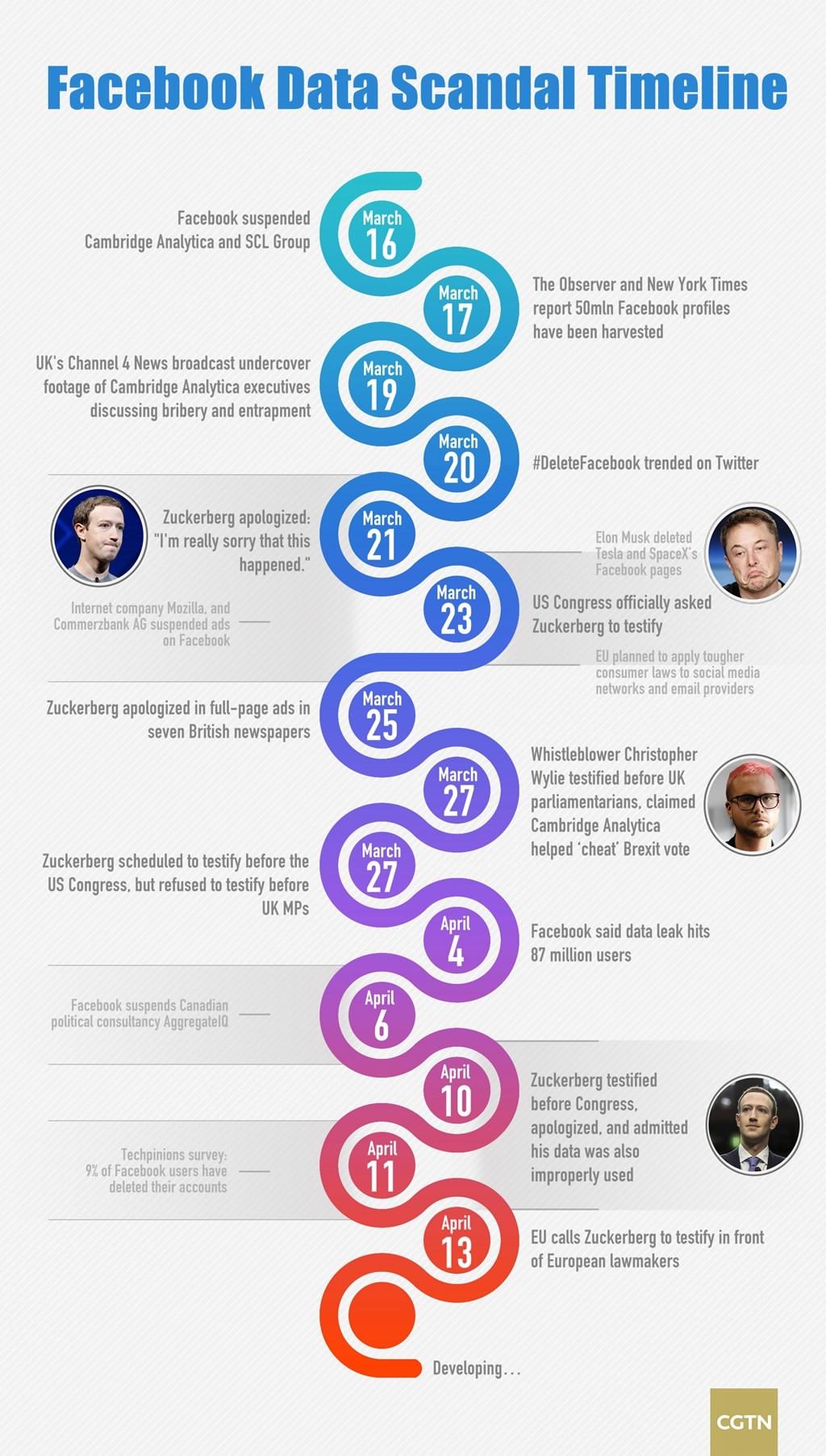
For a long time, the social media debate revolved around the misuse of personal information and harmful content such as misinformation, hate speech, and age-inappropriate material. Continuous controversies revealed deeper risks and undermined these platforms’ claims to be neutral communication spaces. The 2018 Cambridge Analytica scandal was a turning point in this ongoing contestation, revealing that the personal data of tens of millions of Facebook users was harvested for political targeting. The resulting public backlash and multimillion-dollar legal settlements initiated a broader global debate over digital privacy.
However, harmful content and privacy violations were only one aspect of the social media controversies. Researchers also raised concerns about the impact of constant digital connectivity on individuals. MIT sociologist Sherry Turkle is one such researcher. Drawing on extensive interviews and observations, Turkle argued in Alone Together and later Reclaiming Conversation that technologies promising greater connection could paradoxically weaken natural forms of human interaction like face-to-face conversations. These studies brought into focus how algorithms and system design define digital platforms.

A landmark US Surgeon General’s advisory revealed that up to 95% of American teens aged 13 to 17 use social media, with nearly a third reporting almost constant use. Teens spending more than three hours daily on these platforms face double the risk of depression and anxiety, while 46% reported that social media made them feel worse about their body image. The advisory concluded unequivocally that there is insufficient evidence to prove social media is safe for young people.

Meta’s own research became part of that controversy. In 2021, The Wall Street Journal reported that Meta’s internal research showed Instagram negatively impacted mental health and body image for a significant percentage of teens, especially teenage girls, even as the company publicly downplayed these risks. Meta strongly disputed the interpretation that its research proved Instagram was broadly toxic for teenage girls. According to the company, among girls who already reported difficulties across 12 areas of well-being, respondents were more likely to say Instagram made things better rather than worse in 11 of them. Body image, however, was the exception: girls already struggling with body-image issues were more likely to report that Instagram worsened the problem, although Meta stressed that a majority in that group still said Instagram either helped or had no effect.
As evidence of social media’s harmful effects, particularly on youth, grew, calls for action also became more urgent. According to Reuters, more than 1,000 US school districts and thousands of individuals filed lawsuits against major social media companies this year, while nearly every state followed suit. The latest generation of lawsuits focuses on more than just harmful online content; instead, these claims target how social networks are built. Plaintiffs allege that platforms deliberately designed their products to foster compulsive use.
Meta’s legal troubles worsened dramatically in 2026. In March, a New Mexico jury found the company liable under state consumer-protection laws for endangering children and imposed $375 million in civil penalties. Again in August, a state judge ordered Meta to pay an additional $567 million following the public-nuisance phase of the case and imposed sweeping changes to its platforms. Furthermore, just a day after the initial New Mexico verdict, the company suffered another blow in Los Angeles. In the first bellwether trial over social media addiction, a jury found Meta and Google negligent in platform design. It awarded $6 million to a woman who claimed Instagram and YouTube addiction caused mental health issues.

These cases mark a significant shift in focus. The legal battles have moved from moderating user content to holding tech giants liable for platform architectures engineered to maximise addiction.
Implications of Meta’s Settlement
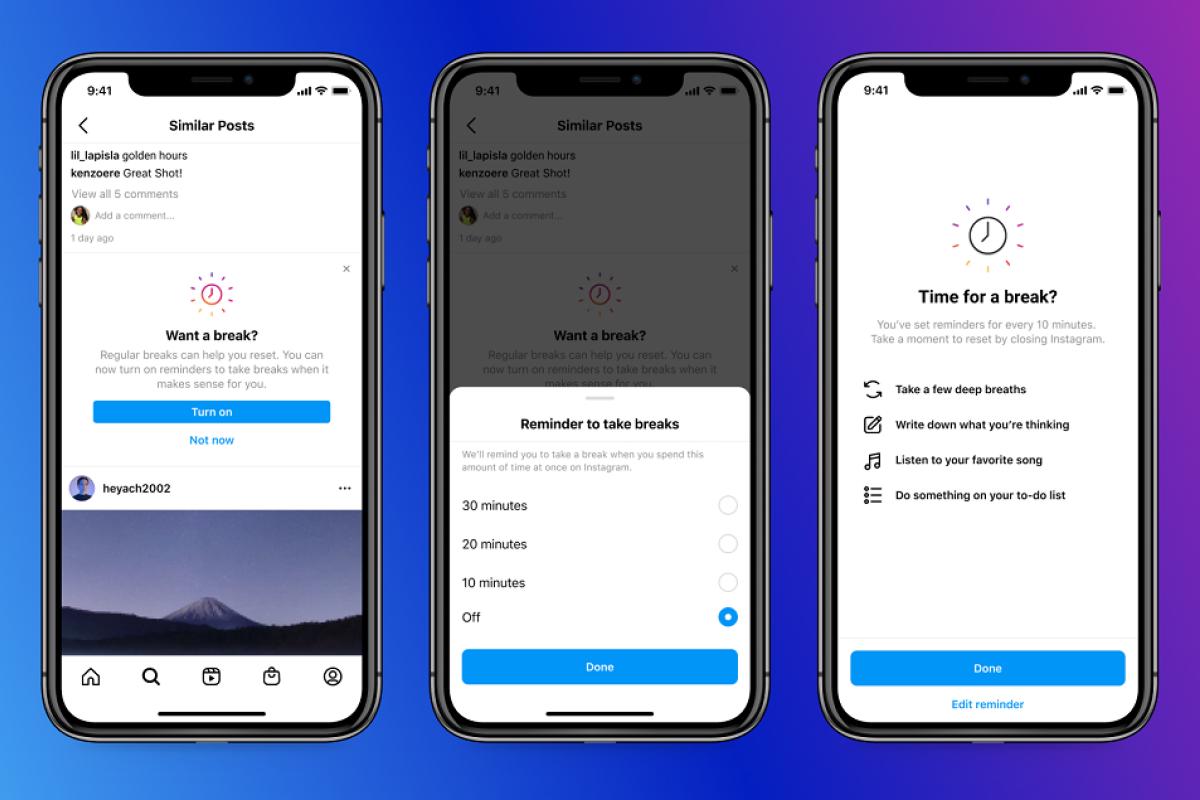
If properly implemented – an important caveat given technology titans’ poor track record of full regulatory compliance – the consequences of Meta’s recent $18 billion settlement will be far-reaching. According to this agreement, users under 18 will be subjected to a default two-hour daily limit on Facebook and Instagram, alongside an overnight curfew from midnight to 6:00 a.m. Like and reaction counts will be hidden by default, while cosmetic-surgery filters will be disabled for minor accounts. Parents will have significantly greater supervisory control. The settlement also gives teenagers and parents greater ability to choose a non-personalised feed and requires stronger age-assurance mechanisms.
Meta’s recent wave of legal troubles made this settlement look surprisingly pragmatic. For a giant of Meta’s scale, paying billions to negotiate product changes is far better than rolling the dice with unpredictable juries. Most importantly, the settlement lets Meta shape its own restrictions instead of taking orders from the courts. In essence, Meta paid a premium to buy corporate certainty.
But it will only help to a certain extent. For years, technology regulations tiptoed around the edges of Big Tech. Governments demanded content moderation and privacy fixes but left the engagement engine untouched. The child-safety push changes everything. Instructing Meta to remove a post regulates content; capping a teen’s daily Instagram use at two hours regulates consumption. Once regulation targets consumption, collision with attention-driven business models is inevitable.
That friction is already playing out. Often, the arguments in favour of consumption control go beyond protecting minors from the design that focuses on maximisation of engagement. Addictive architecture does not suddenly become benign on a user’s eighteenth birthday. Global momentum reflects this reality. Under the Digital Services Act, European regulators are targeting addictive architecture directly. In July, the European Commission preliminarily found Meta in breach of the law over features including infinite scroll, autoplay, push notifications and highly personalised recommender systems, arguing that the company had failed to adequately assess and mitigate their effects on users’ physical and mental well-being.
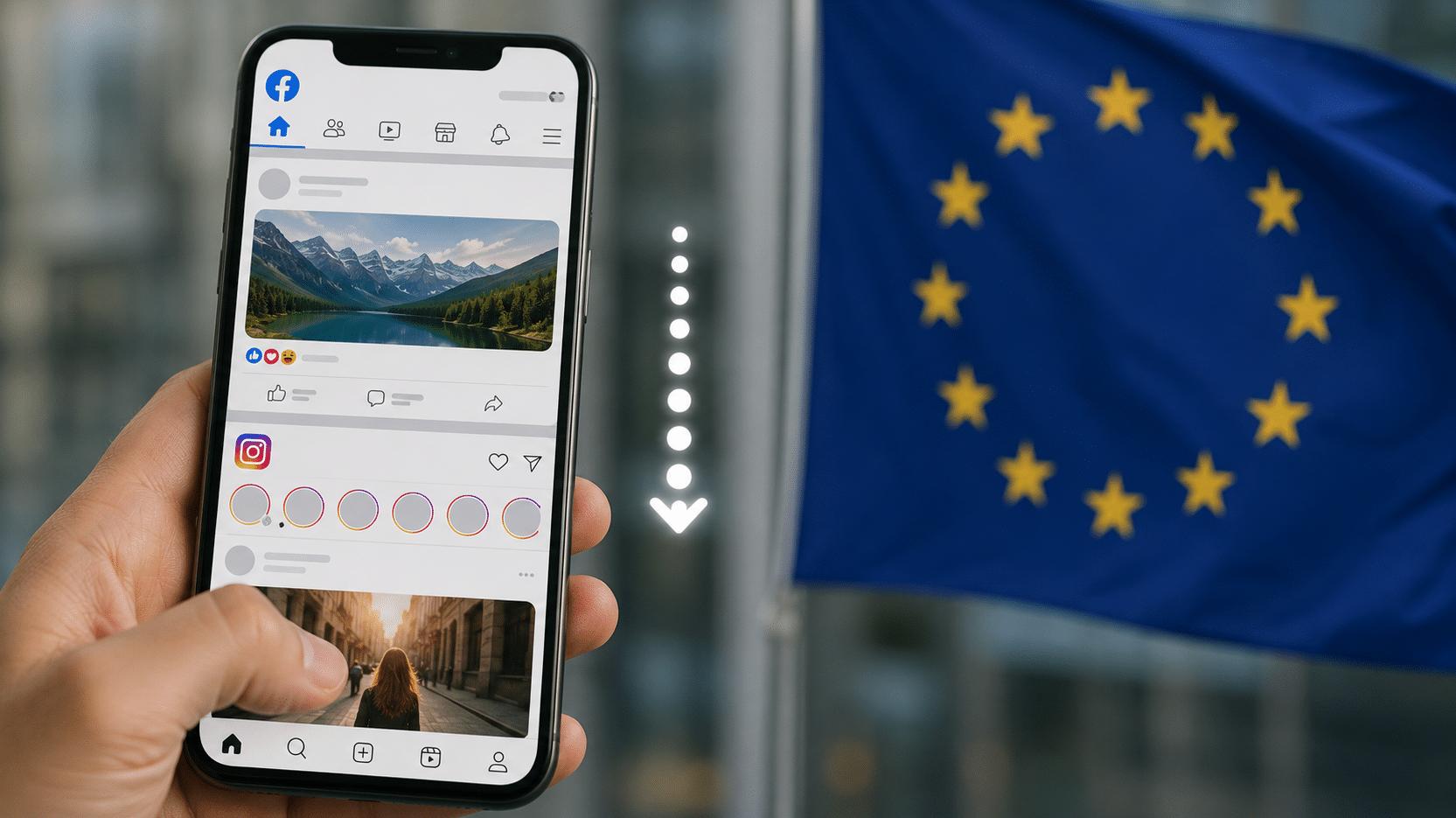
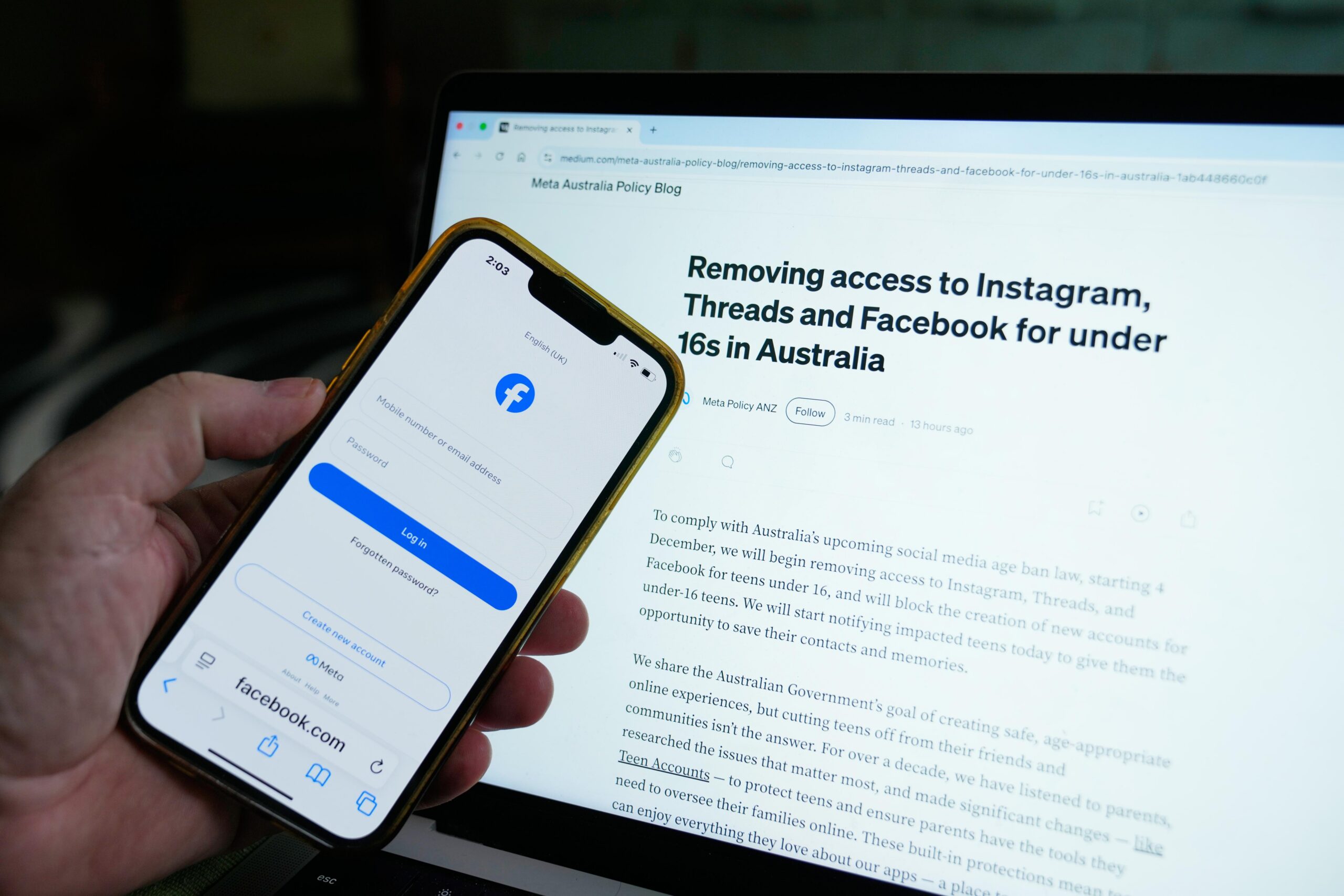
The UK has announced default overnight curfews and restrictions on addictive features for 16- and 17-year-olds, alongside a ban on social media for under-16s. Australia already bars under-16s from holding accounts on major age-restricted social media platforms, placing the responsibility of enforcement squarely on the platforms. Across the globe, regulators are trying to deploy different measures ranging from bans, curfews, and age verification to design controls to mitigate the harmful effects of social media. They no longer view social media as a neutral conduit for content; they are increasingly convinced that its very architecture can inflict harm.
Beyond the Attention Economy
The implications of these regulatory efforts extend beyond social media, with artificial intelligence marking the next regulatory frontier. While social media captured attention by tracking clicks and views, generative AI enters far more intimate territory. By simulating conversation, friendship, and empathy, digital companions absorb what users directly confide in them. The core question that haunted Instagram, Facebook, and TikTok will inevitably confront AI: Should companies be allowed to maximise engagement when vulnerable users bear the psychological cost? Regulators are already scrutinising the risks that AI chatbots and digital companions pose to individuals, particularly children. Meta’s settlement establishes that tech giants are liable for the behavioural impacts of their product design, and AI developers will find that the lessons of the social media era arrive much faster than expected.

Beyond the regulatory measures to curb the excesses of the attention economy lies a far more profound need for reassessing how we value human experience under digital capitalism. For two decades, Silicon Valley’s greatest economic feat was converting life’s intangible elements like friendship, recognition, and daily interaction into quantifiable assets. Likes, shares, and algorithmic feeds transformed approval seeking and curiosity into measurable metrics, turning raw human impulses into lucrative raw materials for capital accumulation. The true danger of this attention economy is not merely screen addiction but systemic alienation. Human behaviour has been fundamentally reorganised around the commercial requirements of technology rather than genuine human needs.
Meta’s settlement does not dismantle the attention economy. However, design constraints such as the two-hour clock begin to interfere with some of the mechanisms on which that economy depends. Features like infinite scroll, autoplay, and push notifications are not technological inevitabilities; they are deliberate design choices engineered to extract maximum data and ad revenue. Regulating these features forces a confrontation with the underlying economic incentives of digital capitalism.

These regulatory battles are not Luddite crusades against progress. Rather, they reveal a society finally asking a vital question: just because technology can capture every aspect of our lives, does capitalism have an automatic right to exploit them?










Meta’s legal troubles may be more than a corporate headache—they could signal a reckoning for the entire attention economy. When human attention is turned into a commodity, technology stops merely connecting people and starts shaping behaviour, desire, and public life for profit. This is not just about Meta; it is about who controls our attention, who profits from it, and what happens to democracy when human consciousness becomes the ultimate marketplace. A timely and deeply important intervention.