

Former Chief Justice Talapatra on Tripura’s Left: What Was Lost, and What Will It Take to Rebuild?

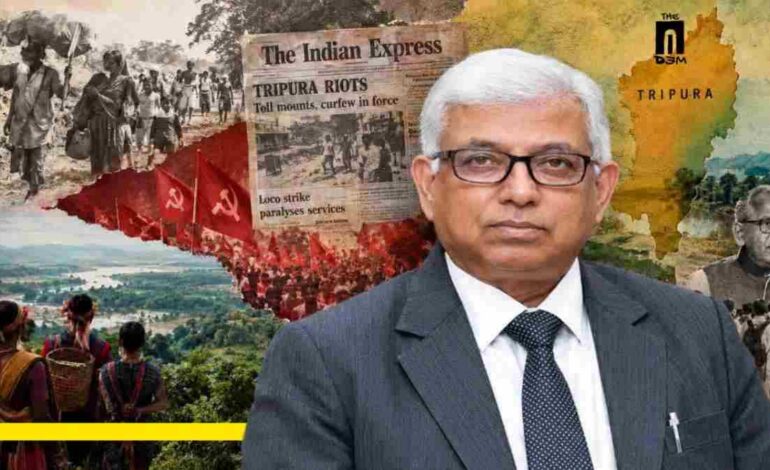
Former Orissa High Court Chief Justice Subhasis Talapatra reflects on Tripura’s political journey, the Left’s decline and the challenge of rebuilding its connection with the people.
For nearly two hours, Justice Subhasis Talapatra moved between memory and politics — from the Tripura he knew as a young student to the state he watched change through his years in the judiciary. A former judge of the Tripura High Court and former Chief Justice of the Orissa High Court, Talapatra returned repeatedly to one question: what happened to the Left’s deep social and political base in Tripura?
Born in Udaipur, Tripura, in 1961, Talapatra belongs to a generation whose lives unfolded alongside some of the state’s most consequential demographic and political transformations. His own family history, as he recounts it, was closely connected to the story of refugee rehabilitation, giving his reflections on migration, identity and the changing relationship between Tripura’s tribal and non-tribal populations a distinctly personal dimension.
His answer was not simply electoral. He spoke of a longer process involving land, language and labour — the three questions he described as central to understanding Tripura’s politics.
A History Written in Land and Memory
For Talapatra, the story begins long before 2018. He recalled the demographic transformation that followed Partition and the refugee settlements that reshaped Tripura. His own family was connected to that history: his grandfather, he said, headed the Refugee Rehabilitation Department established in 1945.
The consequences of those transformations were eventually felt through questions of tribal land, identity and political representation. The emergence of the Tripura Upajati Juba Samiti in the late 1960s, the rise of tribal political consciousness in the 1970s and the demand for greater autonomy all reflected these growing tensions.
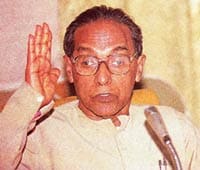
The Left Front’s victory in 1978 under Nripen Chakraborty marked a new political phase, beginning a decade of Left rule that lasted until 1988. The government recognised Kokborok as a state language in 1979 and moved towards institutionalising greater autonomy for the tribal areas, although questions over the extent of autonomy and the implementation of language rights continued. For Talapatra, these were not merely administrative decisions. They were questions of identity and political trust.
The Memory of 1980
His reflections on the violence of 1980 were deeply personal. He was a student then and recalled witnessing the fear and mistrust that spread through communities. He spoke of travelling into affected areas, of volunteers trying to help, and of the difficulty of rebuilding trust between communities after violence.
He also recalled that a group of doctors came from West Bengal during the crisis, when the situation in some areas had developed into what he described as an epidemic-like malaria emergency. Volunteers worked alongside them to provide medical assistance at a time when mistrust and alienation had made even humanitarian intervention difficult.
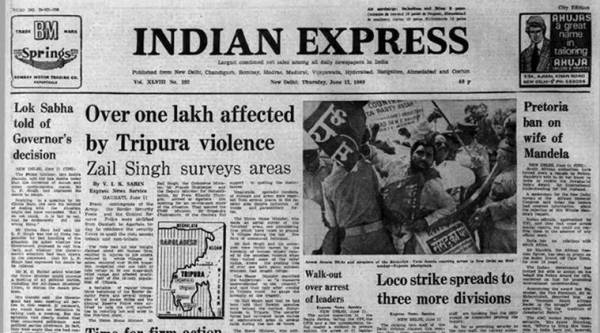
He believes much of this history remains inadequately documented. For him, the memories of those who lived through 1980 are disappearing with each passing year, making the preservation of oral histories increasingly urgent. The political significance of that period, he suggested, cannot be understood without recognising how deeply land, migration and identity became intertwined in Tripura.
Four Decades of Left Politics — But Not Uninterrupted Rule
The political journey from 1978 to 2018 is important to Talapatra’s assessment of where the Left eventually went wrong. The Left Front governed Tripura from 1978 until 1988, when it lost power. Congress-led governments then ruled the state for five years, before the Left Front returned to office in 1993 under Dasarath Deb, one of the most important tribal leaders in Tripura’s Communist movement.
Manik Sarkar succeeded Deb as Chief Minister in 1998 and remained in office for 20 years. Thus, the Left’s defeat in 2018 ended 25 consecutive years of Left Front government beginning in 1993 — not 40 uninterrupted years of Left rule. But across the larger four-decade period beginning in 1978, the Left remained the central force around which much of Tripura’s politics revolved. It is precisely the depth and longevity of that political presence that makes the erosion of its social base significant in Talapatra’s account.
Where Did the Left Lose Its Connection?
Talapatra’s criticism of the Left today is therefore rooted partly in his understanding of what it once represented. He believes the party has gradually lost touch with the people who formed its social base.
The problem, he argued, is not that people have completely rejected Left politics. Rather, they increasingly doubt whether the existing political organisation can respond meaningfully to their lives. “There is a soft corner for Left politics,” he observed, but people have begun to feel that “these people will not be able to do anything.”
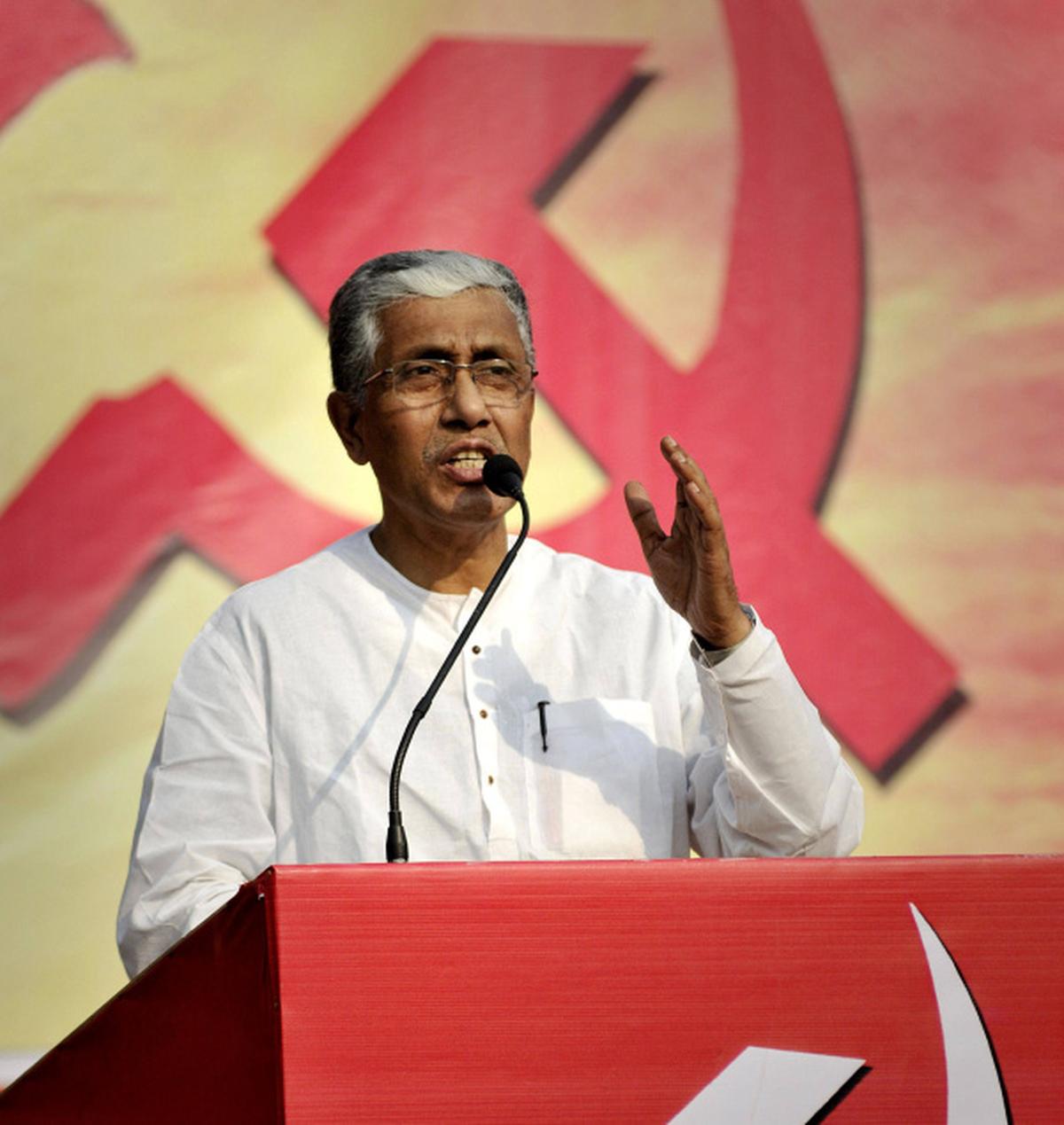
He pointed to declining ideological training, an ageing leadership and the weakening of grassroots organisation as some of the reasons for this disconnect. He also believes younger leaders need to be brought closer to farmers, workers and ordinary people rather than remaining confined to political circles and urban discourse.
Beyond 2018
The Left’s defeat in 2018 was therefore, in Talapatra’s view, more a consequence of its crisis than the beginning of it. He questioned why an organisation with such a long history of mass mobilisation and political education had failed to retain its connection with younger generations.
He also pointed to the failure of cooperative institutions, which he described as a missed opportunity for economic transformation. For a state facing persistent unemployment, he argued, politics must address tangible questions of livelihood — from tourism and rubber to agriculture, indigenous textiles and entrepreneurship.
A younger generation cannot be asked to inherit an ideology without being offered a convincing vision of its future. For Talapatra, this is central to any attempt to rebuild the Left’s relationship with a generation whose expectations have been shaped by a very different economic and political landscape.
The Need for a New Political Generation
Talapatra acknowledged the emergence of younger Left voices in other parts of the country, but argued that generational change must go beyond putting younger faces into existing structures. It requires political education, internal debate and a renewed relationship with the grassroots.
He believes the Left still has political space in Tripura, but recovering it will require rebuilding trust rather than relying on its historical legacy. That, in turn, requires confronting uncomfortable questions about the party’s own organisation and political culture.
From Political History to Intellectual History
Perhaps the most striking part of the conversation was that Talapatra’s prescription ultimately went beyond the Left. “Tripura is an over-politicised state,” he said, arguing that serious intellectual discussion is often discouraged, including within universities.
His answer was to create spaces where younger people could read, write, debate and document. He spoke of the need for a stronger intellectual platform through which Tripura’s younger generation could engage with its history, politics and society.
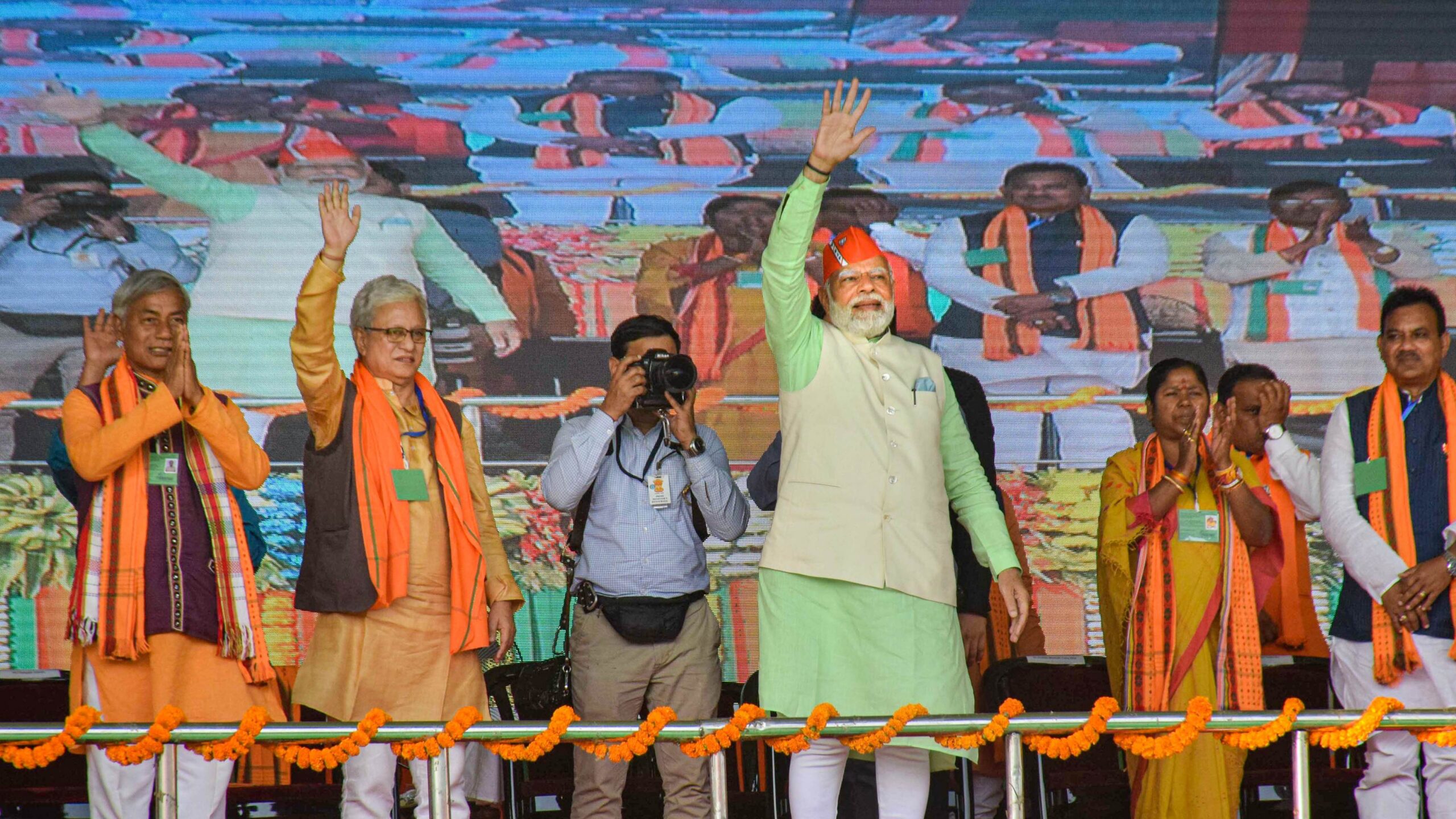
The state, he argued, needs to document the experiences of those who lived through its most important political moments — from refugee rehabilitation and tribal movements to the violence of 1980 and the long years of Left rule. For Talapatra, preserving these memories is not simply an exercise in recording the past; it is also a way of enabling a new generation to understand the forces that have shaped contemporary Tripura.
A Question Bigger Than the Left
Talapatra’s reflections ultimately point to a question larger than whether the CPI(M) can return to power. Can Tripura produce a new generation that understands its history without being trapped by it?
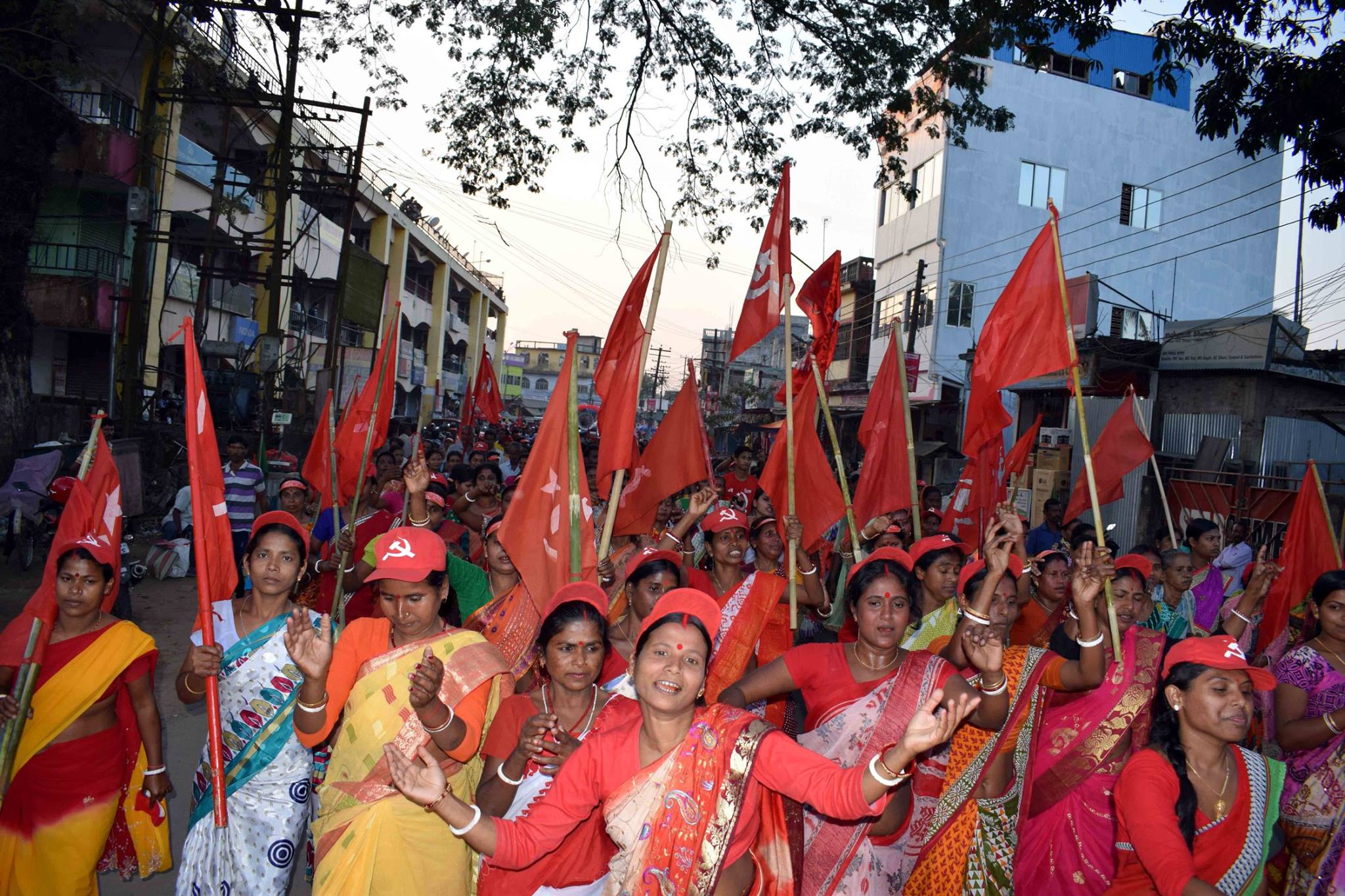
The Left’s decline, in his telling, is not simply an electoral story. It is the story of a political movement losing part of its connection with the people who once gave it strength. But he does not see that political space as empty.
There remains, he believes, an appetite for politics centred on social justice, equality, land, language and livelihood. What is missing, in his assessment, is a political organisation capable of giving those concerns a contemporary form.
For a state whose politics has been shaped by decades of ideological mobilisation, demographic change and competing identities, that may be the larger challenge ahead: not simply to win an election, but to rebuild the connection between politics and people.







This is a powerful reflection on Tripura’s political journey and the erosion of the Left’s grassroots connection. The real lesson is that political movements cannot survive on history or electoral memories alone. Land, language, livelihood, social justice and the aspirations of a new generation must remain at the centre of politics. Rebuilding trust will require more than younger faces—it will require deeper grassroots engagement, political education, open debate and the courage to confront past failures. A timely and thought-provoking conversation with Justice Subhasis Talapatra.