


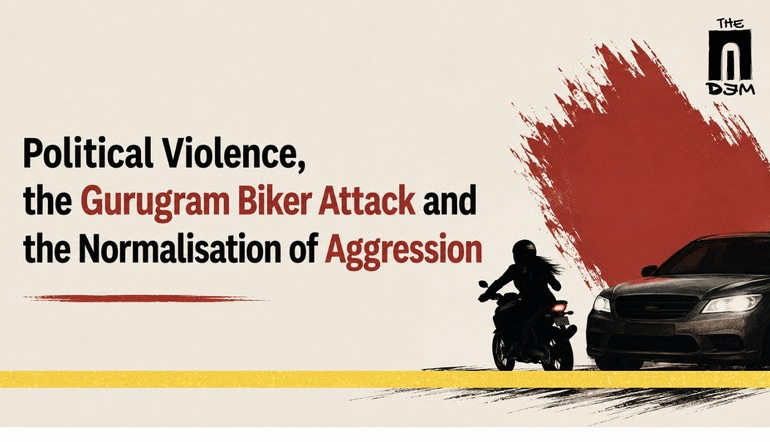
The increasing normalisation of aggression in politics, online discourse and local life in the country is making violence more frequent, more public and harder to contain. It’s a serious cause for concern, and we need to introspect why our society is heading that way.
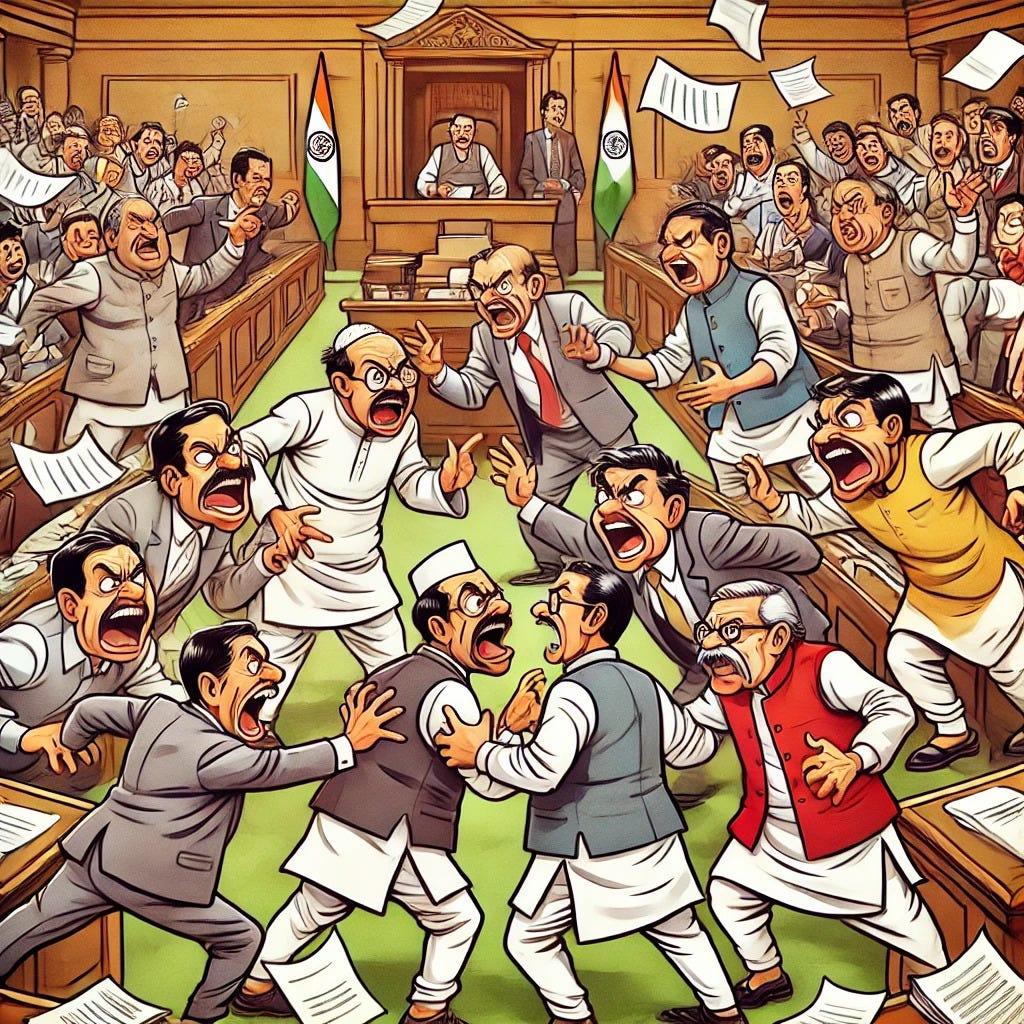
Local newspapers are full of reports of incidents of road rage, opening fire at slight provocations, the use of sharp objects in gruesome attacks and murders, violent clashes over parking issues, besides increasing incidents of robbery and snatching, not to talk of the rise of gangsterism.
A video that has gone viral over the last two days shows a car driver deliberately hitting a girl driving a motorcycle on the roads of Gurugram after she declined to respond to his overtures.
The man, who has subsequently been arrested, is clearly seen chasing the girl and then speeding away after she fell from her motorcycle. The accused has reportedly denied that the collision was deliberate.
Another incident that caught national attention last week was that of a musician from Manipur, Chongtham Vikram Singh, who was beaten to death by a group of youngsters after he objected to their making noise outside his house in the national capital late at night.
It is not yet established whether he was targeted because he was from the North-East, but the fact remains that he was an unarmed elderly man who could not have retaliated against the brutal attack by a group of young men. Reports said Singh was 54 or 55 and that several people were arrested in connection with the assault.
In the same city, a colleague allegedly stabbed a woman with scissors, while in another gruesome incident in east Delhi, a 22-year-old was stabbed 17 times to death after an altercation earlier this month.
Then there was a report about a girl being thrown into a canal by her father and brothers because of an inter-caste marriage in Punjab. In Hoshiarpur, a landlord was assaulted by tenants over unpaid rent and later succumbed to his injuries. In Hisar, a dairy operator was bludgeoned to death in a dispute over cow dung disposal.
It is difficult to list all such cases in everyday life, but there is an unmistakable increase in the tendency among individuals and groups to take recourse to violence. These incidents are not mere aberrations, and there is clearly a pattern emerging.
Is Violence Becoming Normalised in Society?
It is debatable whether the depiction of violence in films and other mass media is a reflection of trends in society or whether these are feeding the baser instincts of human beings. Films such as Animal and Dhurandhar, in which the main protagonist kills dozens with impunity and gets away with his actions, have proved to be top hits.
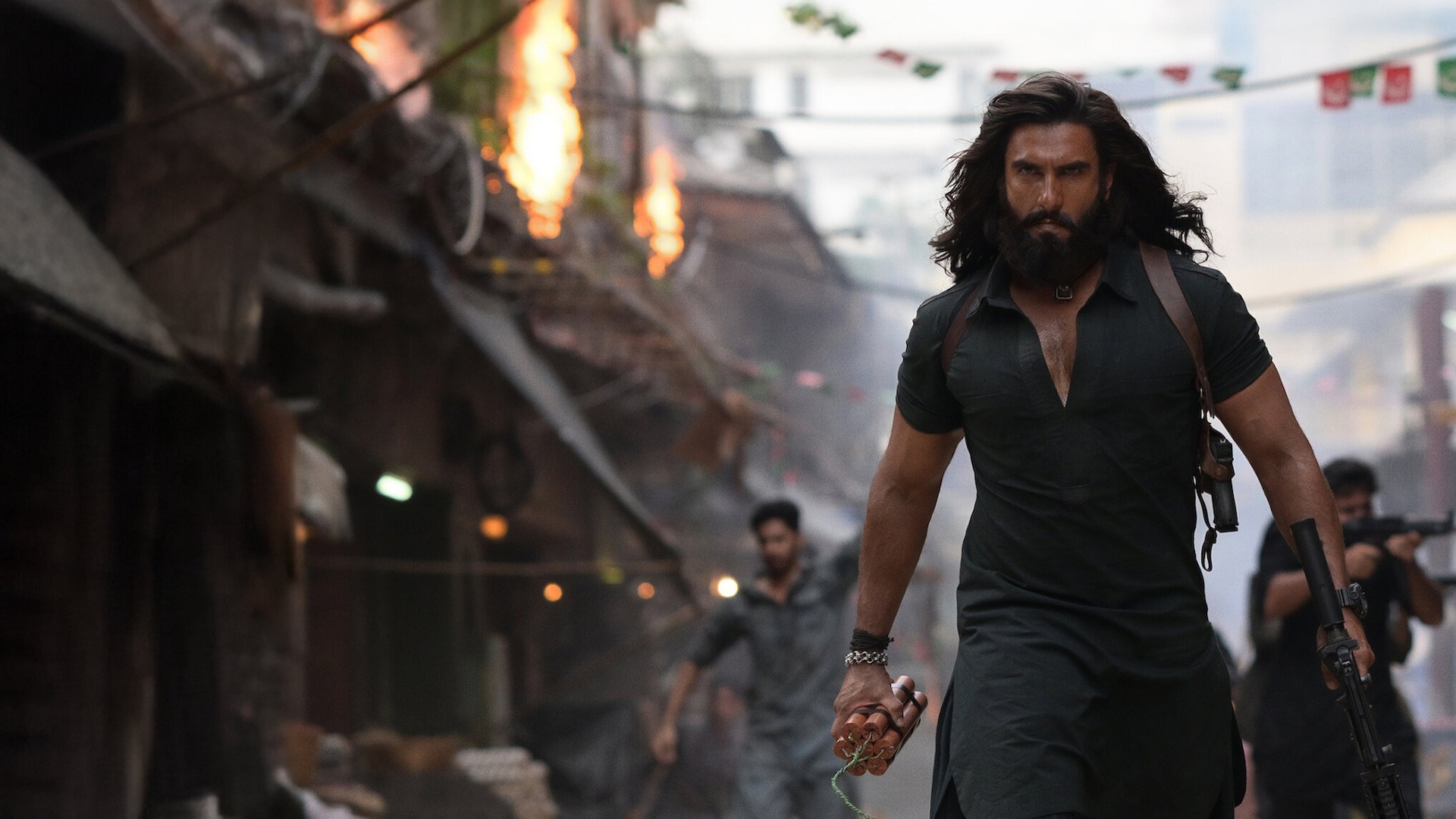
The gruesome violence shown on the big screen, including a full-screen close-up of a scene of the hero slicing the throat of the victim, is shockingly applauded by crowds in cinema halls.
The censor board, which asks for cuts or denies permission to various kinds of harmless films, allows such acts of brutality to be exhibited on the big screen.
Several forces can be cited as drivers of rising violence in the country. These include social and economic stress, political polarisation, weak accountability, rampant unemployment, inflation, misinformation, alcohol or drug abuse, and the normalisation of aggression in everyday life.
Political Conflict and the Use of Force
Even governments are becoming less tolerant and are using force to quell dissent or protest. The massive use of force against supporters of the Cockroach Janta Party who were protesting at Jantar Mantar led to injuries to scores of students. Firing pellet guns and hitting protesters indiscriminately with lathis was certainly an overreaction.
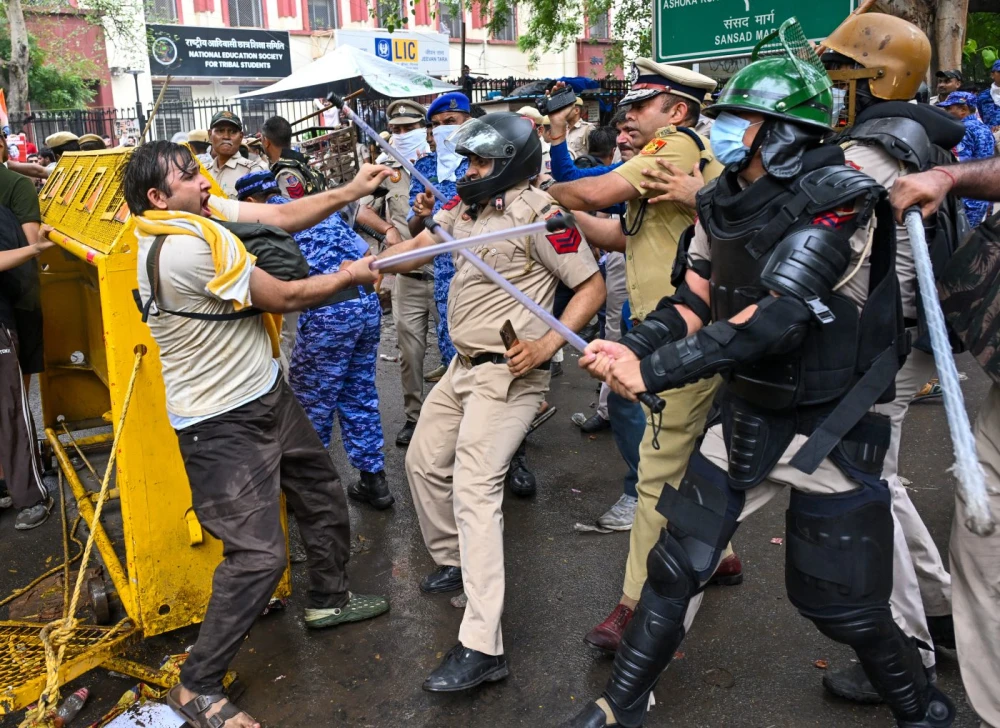
Reports about the Jantar Mantar protest said the Rapid Action Force used pellet rounds, while Delhi Police disputed aspects of the allegations.
A similar response was seen at a protest by industry workers in Noida, in which cases under draconian laws were lodged against activists. The so-called “bulldozer justice” is another example of brutality by the state to “send signals” to the community concerned.
The phrase has also become part of the wider public debate over the use of demolitions by state authorities, particularly after the Supreme Court laid down safeguards concerning such action in its 2024 judgment.
How Can Rising Public Violence Be Checked?
 It is high time for the top political leaders of the country, the intellectuals, social and religious leaders, influencers, teachers and all concerned to exercise restraint and to think about how the normalisation of aggression and violence can be checked for the sake of the future of the youth and the country.
Preventing the growing public violence in the country requires a multi-layered approach, which should include the spread of awareness, media literacy, community policing, de-escalation training, bodycams and cells to verify rumours quickly, faster investigations, fast-track courts, more employment opportunities and impartial policing with certainty of legal consequences.
Originally published in Punjab Today News and can be read here :
Why Aggression Is Becoming Normalised https://www.punjabtodaynews.com/rising-violence-india/









This is a deeply important warning about how aggression is slowly becoming normalised in public life. From road rage and everyday violence to political conflict and the use of force against dissent, the message is clear: when violence becomes routine, society begins to lose its sense of restraint and accountability. The answer cannot be more aggression—it must be stronger institutions, impartial policing, faster justice, responsible leadership and a culture that refuses to glorify violence. A powerful and timely piece by Vipin Pubby.