
From Swati Tirunal’s Menagerie to Madison Square ?- The Discordant Notes over Thiruvananthapuram Zoo

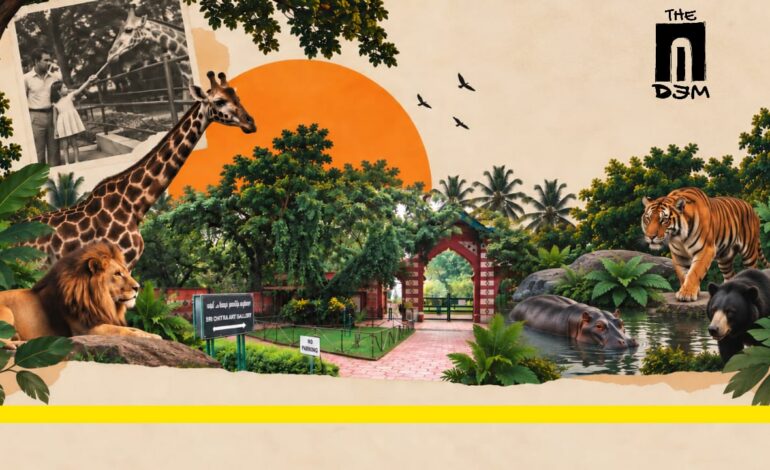
For writer and neuroscientist Asha Gopinathan, the Thiruvananthapuram Zoo is at once personal memory, cultural inheritance and a living ecological space. Her connection with it stretches back to childhood, but it is also an intellectual engagement shaped by her abiding interest in science, history and the people and institutions that carry their legacies.
Asha Gopinathan, who is also the biographer of pioneering Indian meteorologist Anna Mani, brings that intertwined emotional and intellectual connection to this impassioned argument against the proposed relocation of one of India’s oldest zoos.
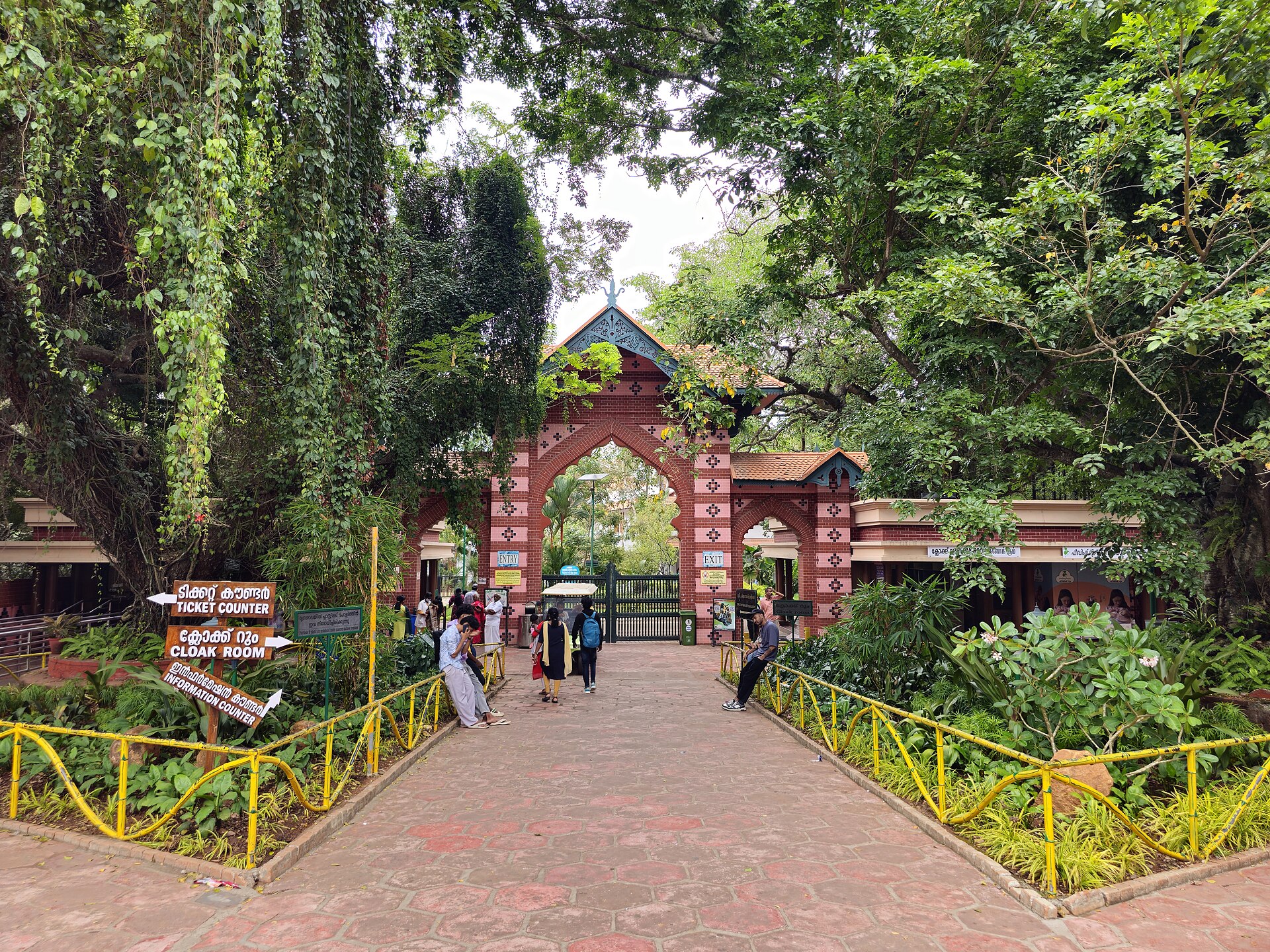
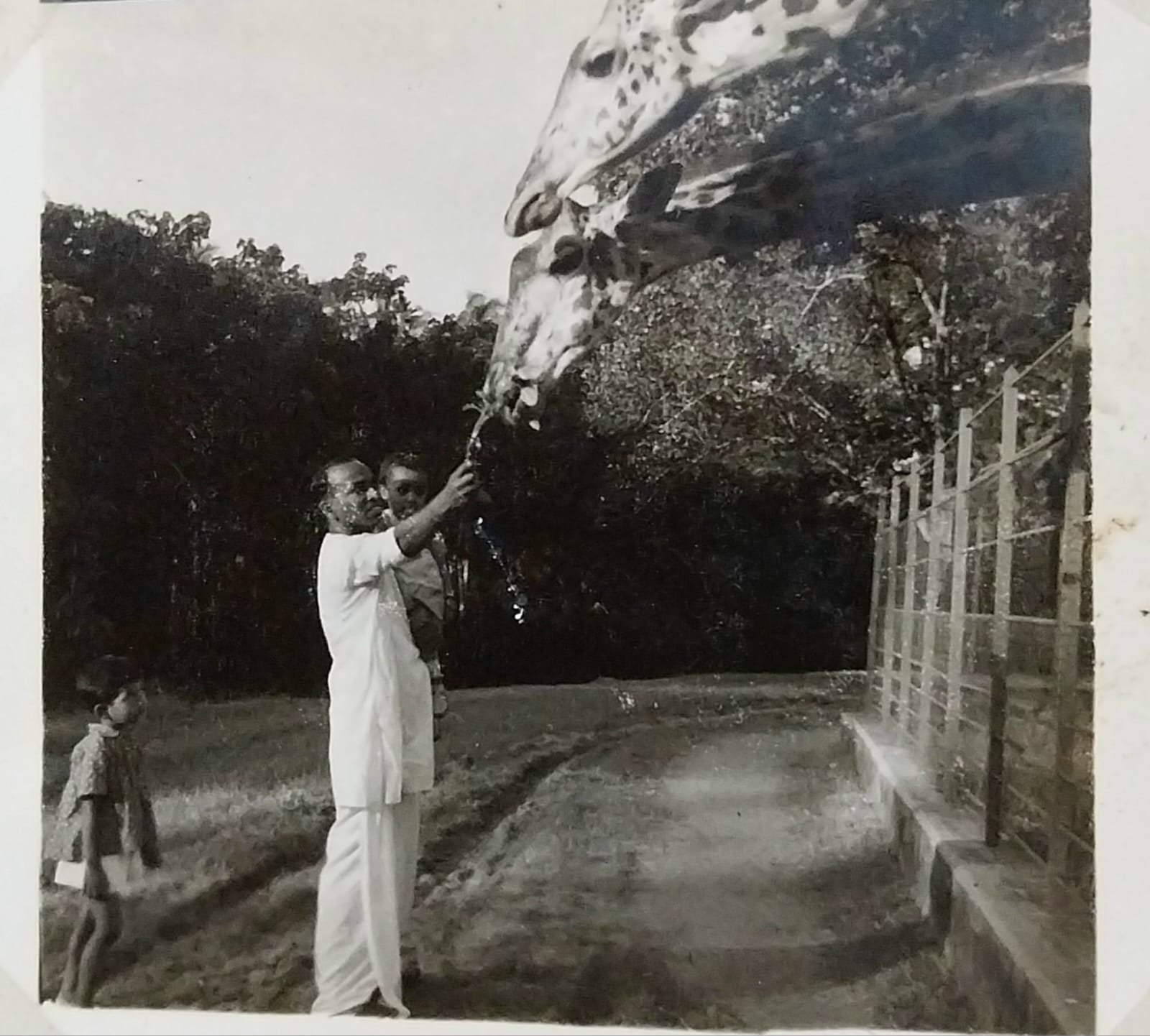
I have a picture of myself, at the age of two, feeding giraffes at the Thiruvananthapuram Zoo along with my parents. This was in the early sixties. As a family, we moved to Delhi, and my association with this zoo was therefore very limited as an adult. So it was very shocking to hear the news that there are plans to move this zoo, the oldest zoo in India still functioning at its original location, with roots in the menagerie maintained by the musician-king Swati Tirunal and formally developed under his successor, Uthram Tirunal Marthanda Varma, to a forest area where the animals will supposedly be happier, and to convert the existing area into something resembling Madison Square Garden or Prague Square, according to our ‘green, Nehruvian’ Chief Minister, Shri V. D. Satheesan.
Most people assumed he was joking until he repeated it multiple times at several fora, and his Minister of Health, Shri K. Muralidharan, asserted that this was definitely going to happen. After all, the Thrissur Zoo was moved to Puthur and nobody even batted an eyelid. Then why all these objections now, he asks. The Thiruvananthapuram Mayor, Shri V. V. Rajesh, who belongs to the BJP, has also wholeheartedly supported this move.
On the face of it, it seems like a well-meaning proposal. After all, elephants have been moved to Kottur, and lions were sent to the Neyyar Safari Park, where they all eventually perished. Then why do some of us feel suspicious about this sudden love for animals on the part of the government and the Mayor, prompting them to do this?
Relocating a large Zoo
Relocating a large zoo (it has about 1,000 animals) is not an overnight exercise. There is no guarantee that many of the animals and birds that are non-endemic to the Western Ghats will automatically thrive there. Here, they are looked after well and have a reasonably large area in which to live (about 35 acres), complying with Central Zoo Authority standards. The Thrissur Zoo did not have this. So they had to move. Additionally, there is a fear of the transmission of viruses from wild animals in the forest to these zoo animals and vice versa.
Sound and light Pollution
Let us remember—the zoo has been here since 1859. The polluters moved in much more recently, especially the sound and light emanating from Kanakakunnu. We, who have been trying to bring Kanakakunnu back to its erstwhile glory, have insisted all along that late-night loud-music events and lights strung across all the trees should be prohibited. The loud-music events can be moved closer to the techie crowd.
A Madison Square Garden-type convention Centre
The proposal to create a Madison Square Garden-type convention centre on the exquisitely beautiful tract of land on which the zoo stands tells us everything. It reflects a government that claims to be Nehruvian but has a completely colonial mindset. The place is beautiful as it is because of the animals, birds and wonderful trees that are as old as, or older than, the zoo. The animals take care of the trees, and the trees, in turn, provide them with much-needed oxygen and help bring down sound and other forms of pollution.
In post-Nehruvian Delhi, where I grew up, every locality had a small park, not to mention the large Lodhi Gardens, Buddha Jayanti Park and Nehru Park. No one would dream of placing a Madison Square Garden there. Though many of the Nehruvian-era buildings around the former Rajpath have now been pulled apart to create concrete towers.
Are the Animals Really Stressed?
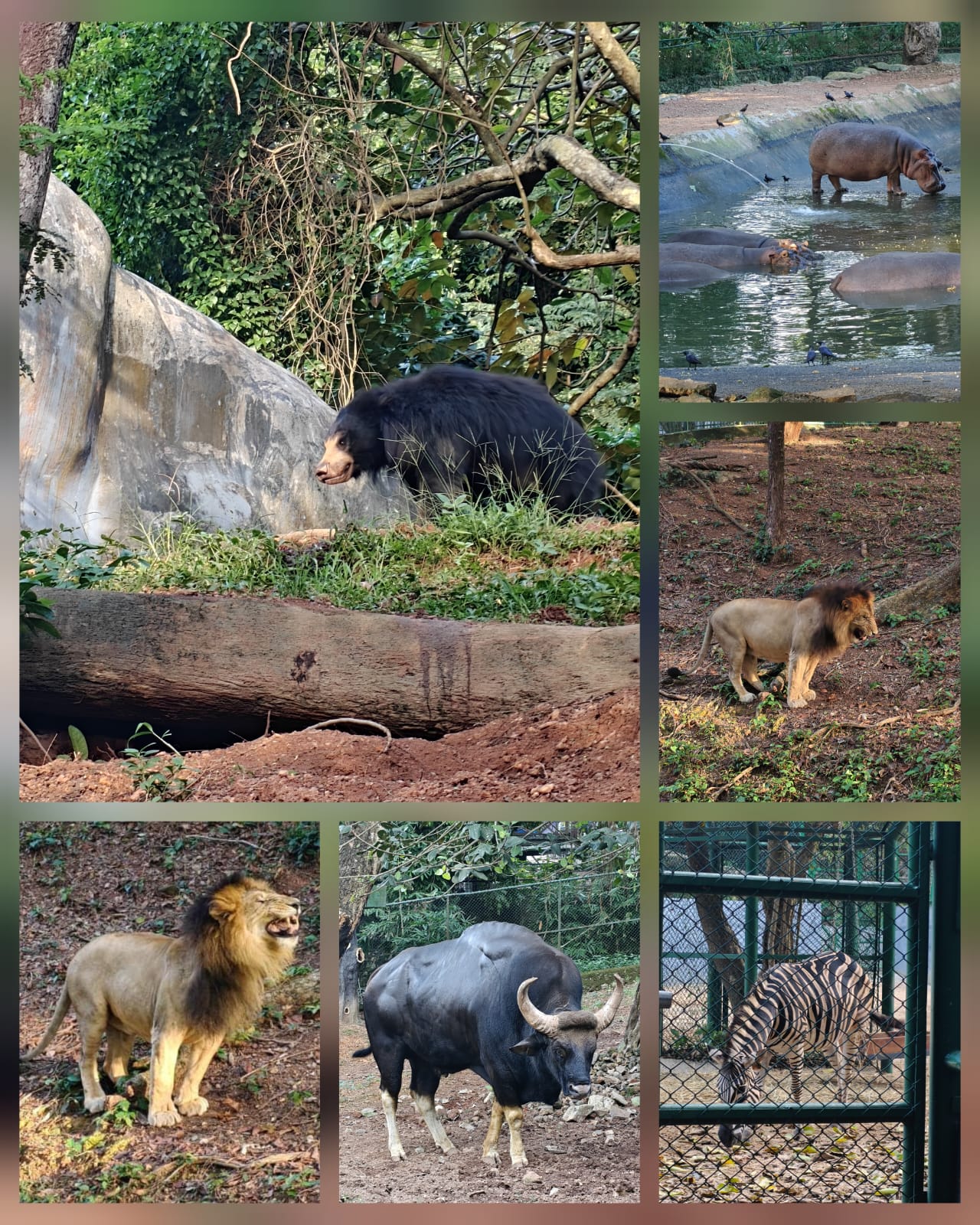
The government claims the animals are stressed out in the city centre. To the contrary, there is a baby boom in the zoo. Hyenas, lions, lion-tailed macaques, Nilgiri and Hanuman langurs, marsh muggers, swamp deer, blackbuck, nilgai, macaws, pythons and many others have given birth. Only stress-free animals and birds will reproduce easily. And why not play music for those that love it (like parrots and maybe some other birds) and keep a zone of silence for those that don’t like sound? Isn’t that what we do in our homes with Valiyammavan, who doesn’t take to heavy metal booming loudly?
The Ecological Cost of a New Zoo
Creating a new zoo will take years and will also involve destroying a large chunk of the UNESCO-tagged Agastyavanam biodiversity area. That is a very foolish thing to do. Also, the number of visitors will reduce because of the inaccessibility of that place. In addition, placing a large zoo in a remote location makes the lives of the caregivers harder. In a city, there is access to medicines and other life-saving devices, making things easier for zoo doctors.
A Zoo with a literary and Cultural history
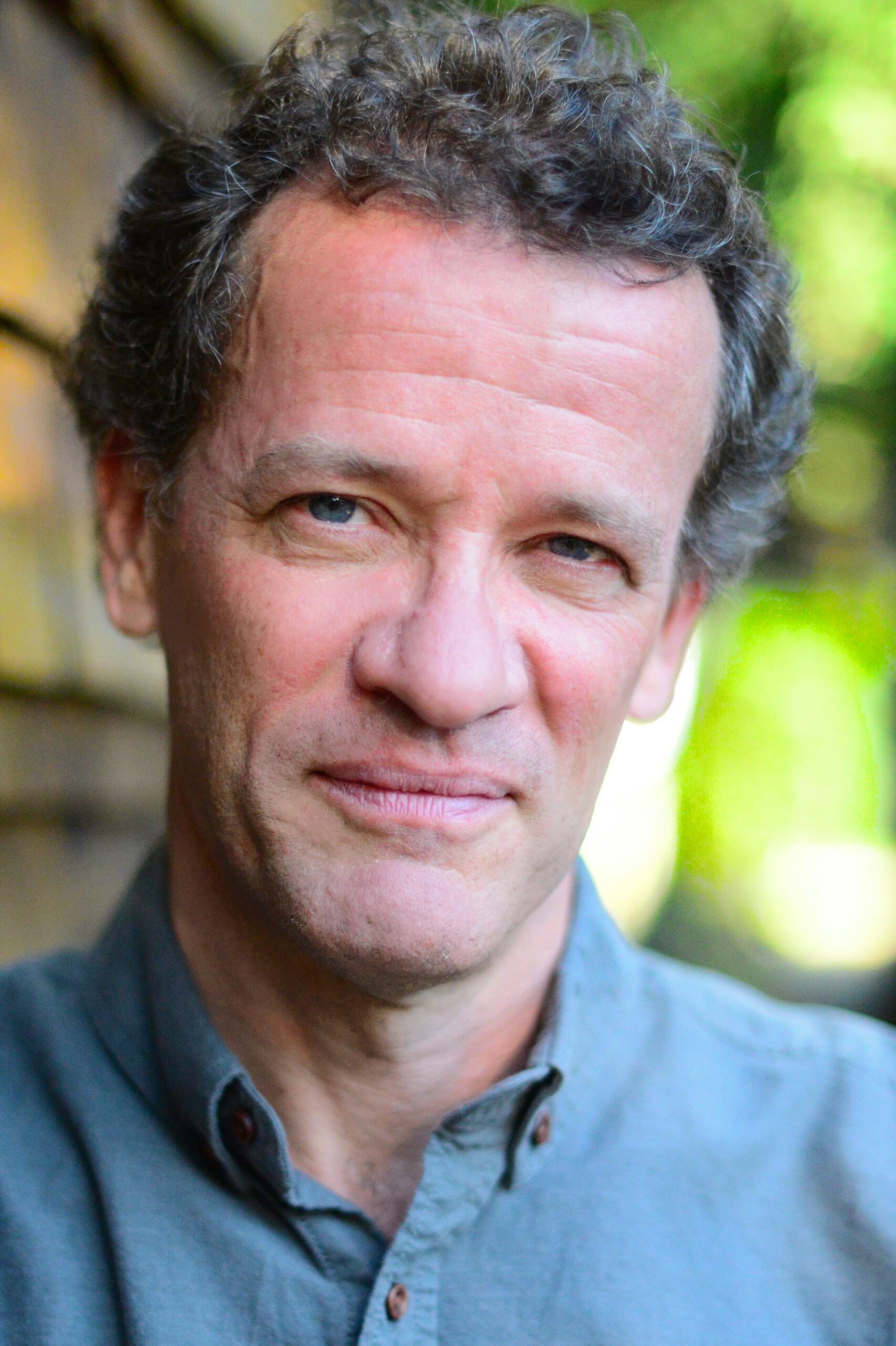
Yann Martel, who wrote Life of Pi, visited the Thiruvananthapuram Zoo many times and drew inspiration for his Booker Prize-winning novel from this zoo and a tiger there. He also went on raft rides in the zoo to see monkeys. How many zoos in the world can claim this distinction? Not to mention Claire Le Michel’s book on George, the tiger who was brought here from the wild when he was old and sick and adjusted to captivity. Emerald Isle – A Walk in Thiruvananthapuram Zoo is a coffee-table book telling the story of the zoo, written by V. Balachandran with 250 photographs by Suresh Elamon.
This zoo, one of the oldest zoos in Asia, should be preserved as a heritage structure too. We are currently writing to the Arts and Heritage Commission to declare the entire area—the Zoo, Museum, Kanakakunnu and Observatory—a Heritage Zone. So that James Madison will not take it over.
Improve the Existing Zoo
Use the money needed to start a new zoo to improve the facilities of this one. A master plan for the zoo up to 2035 was prepared in 2015, which lists much-needed improvements. These should be carried out. Additionally, as an outreach activity, a monthly talk can be scheduled on one species of animal or tree. This should be open to the public, especially schoolchildren and college students. They should have sessions where they can watch the keepers and vets do their jobs and listen to them, as well as visit the zoo hospital.
Build Public Involvement
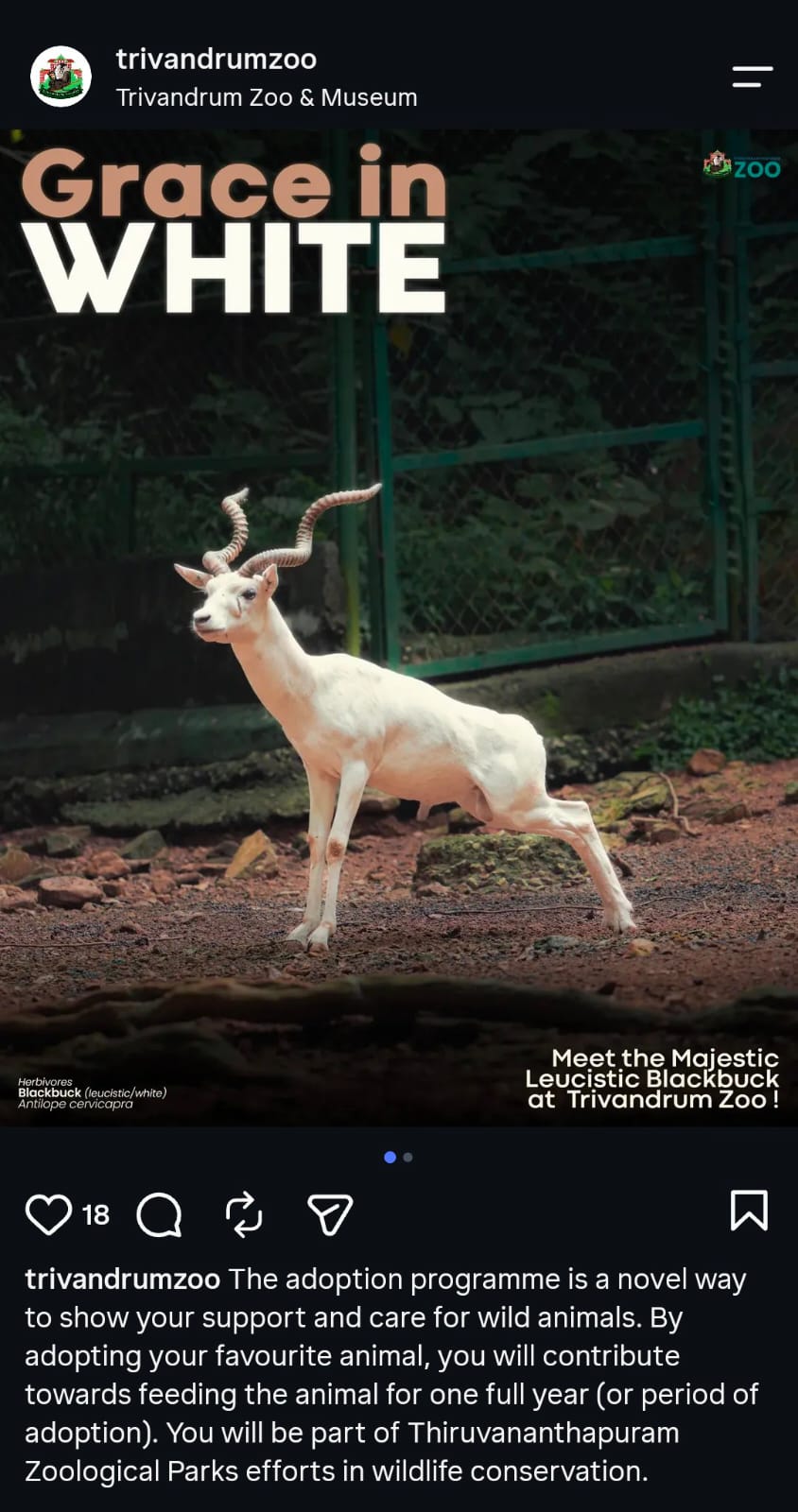
Postcards, mugs, T-shirts, books, etc., on the zoo can be sold in a gift shop attached to it to raise money for the zoo. I believe the zoo already has an adopt-an-animal programme. It should be given widespread publicity.
Recognise What we Have
Please help revive the zoos in Gaza, which have given so many children and people moments of solace amidst the ongoing genocide. What we have here is a gem. Learn to recognise that.
A group of nine of us met on 20 September and did a zoo walk to make sure for ourselves that the animals were stress-free and happy. In the past week, we have met Dr Jacob Alexander, who retired as the senior zoo veterinarian. His insights have given us clarity and strengthened our conviction that there is absolutely no need to shift this zoo anywhere. We are currently working on enlarging our group of citizens who are opposed to this move. As a beginning, on 27 September, a larger group met on Manaveeyam Veedhi and discussed the issue and how to move forward.
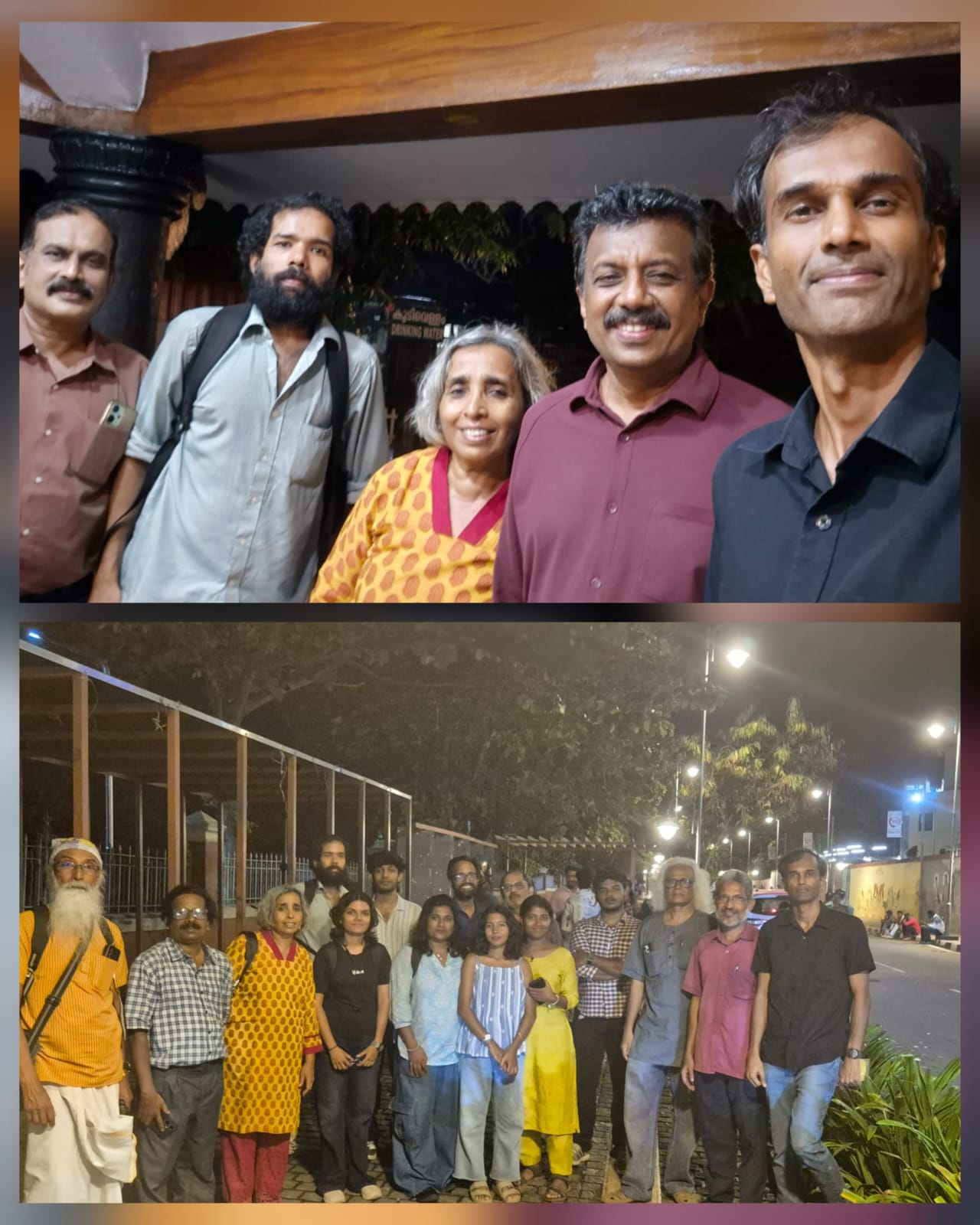
We urge the government to drop this proposal to shift the zoo immediately and spend its time on more urgent needs facing us citizens, such as the erosion of the Western Ghats and our coasts, electricity shortages, plastic pollution, the drug menace and so on. Create green jobs and employ more people.