

Gaza Genocide: Justice Muralidhar Challenges US-Israeli Attempts to Discredit UN Inquiry

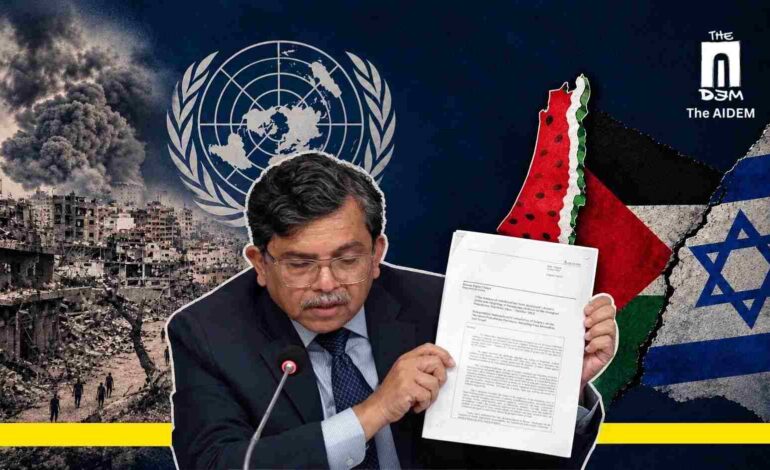
As Washington and Tel Aviv move to discredit a UN inquiry into genocide in Gaza, accountability audits expose the impunity enjoyed by Israel and the complicity of powerful states including the US in shielding it from international scrutiny.
The United States and Israel have sought to discredit a United Nations inquiry into the continuing atrocities against Palestinians, but retired Justice S. Muralidhar, head of the UN Independent International Commission of Inquiry on the Occupied Palestinian Territory, has firmly defended the commission’s findings and the evidence underpinning them.
The confrontation at the UN General Assembly’s Third Committee followed the submission of a report concluding that Israeli authorities and forces continued to commit genocide, war crimes and crimes against humanity in Gaza even after the ceasefire that came into effect in October 2025. The report also documents grave violations against Palestinians in the occupied West Bank.
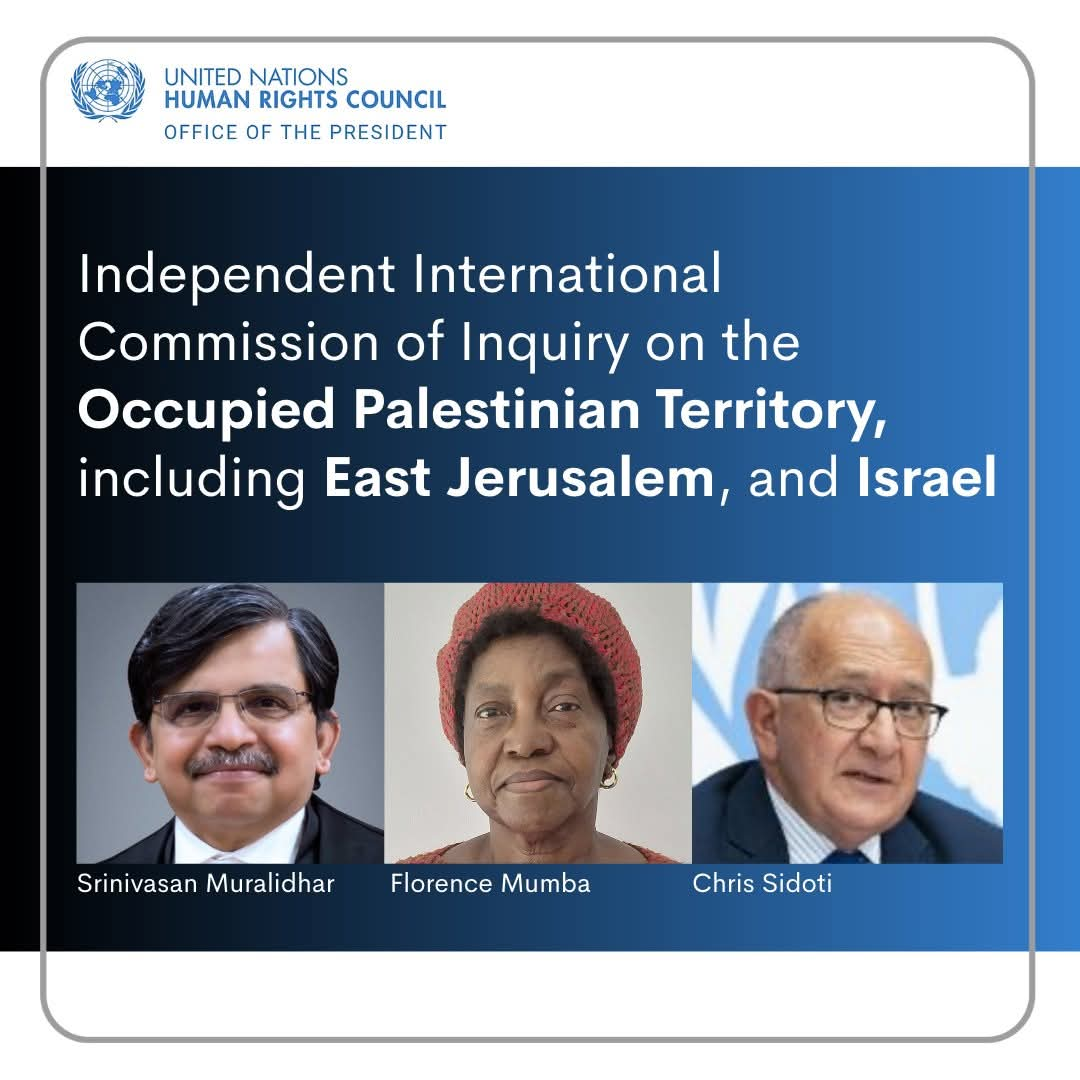 Members of the UN Independent International Commission of Inquiry on the Occupied Palestinian Territory, including East Jerusalem, and Israel: Srinivasan Muralidhar (chair), Florence Mumba and Chris Sidoti.
Israel’s representative dismissed the findings as “historical fiction”, while the United States described them as baseless and accused the UN of institutionalised antisemitism. Muralidhar rejected the attempt to delegitimise the commission’s work, defending its investigative methods and the standards of evidence applied in reaching its conclusions.
The exchange brings into sharp focus a fundamental question confronting the international community: can an inquiry into alleged international crimes be discredited merely because its findings are politically inconvenient to powerful states and their allies?
Evidence versus political denial
Muralidhar made it clear that the commission’s conclusions were not arrived at casually. Its investigations, he explained, followed established protocols consistent with the standards of the International Court of Justice and the International Criminal Court. The commission, he said, would not reach conclusions without being completely satisfied with the evidence and was prepared to share that evidence with any competent judicial body.
He also rejected the suggestion that the commission had ignored the Hamas-led attacks of October 7, 2023, against Israel. The commission had published a comprehensive report on those attacks and documented atrocities committed by Hamas and other Palestinian armed groups. A separate report on the conduct of non-state actors was submitted in June 2026.
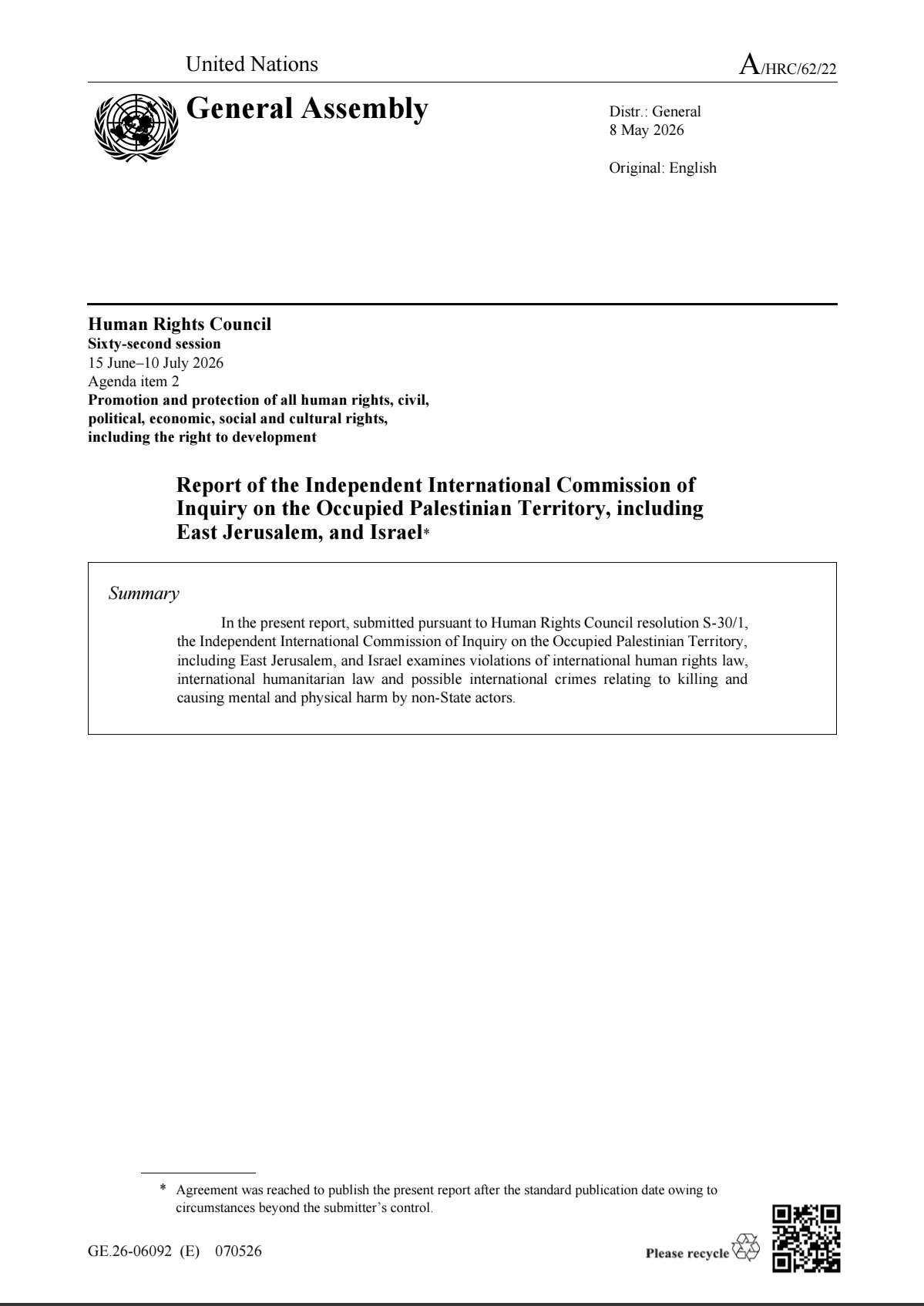 The cover page of The UN Independent International Commission of Inquiry’s report on the Occupied Palestinian Territory, including East Jerusalem, and Israel (A/81/430), submitted to the UN General Assembly on 14 October 2026.
Muralidhar’s response underlined the need to examine violations of international law on the basis of evidence rather than use one set of atrocities to obscure another. Documenting crimes committed by Hamas does not remove the obligation to investigate alleged crimes by Israeli forces; equally, the commission’s findings must be assessed through the evidence and applicable legal standards.
The UN inquiry also recorded that Israel had not responded to two requests for information from the commission.
A ceasefire that has not ended the killing
The report’s findings expose the gulf between diplomatic declarations of peace and conditions experienced by Palestinians on the ground.
According to the commission, more than 72,600 Palestinians were killed in Gaza and more than 1,000 in the West Bank between October 7, 2023, and October 9, 2025. Between October 10, 2025, and September 30, 2026, a further 1,431 Palestinians were killed in Gaza and 137 in the West Bank.
These figures, documented by the commission, challenge claims that the ceasefire has brought meaningful relief to Palestinian civilians. The report’s findings stand in contrast to a May 2026 assessment by the Board of Peace to the UN Security Council, which described the ceasefire as having largely held and brought enormous relief to civilian populations.
Presenting the report, Muralidhar said the killing of unarmed Palestinians had continued despite the ceasefire. He called on the international community to act against what he described as Israel’s impunity.
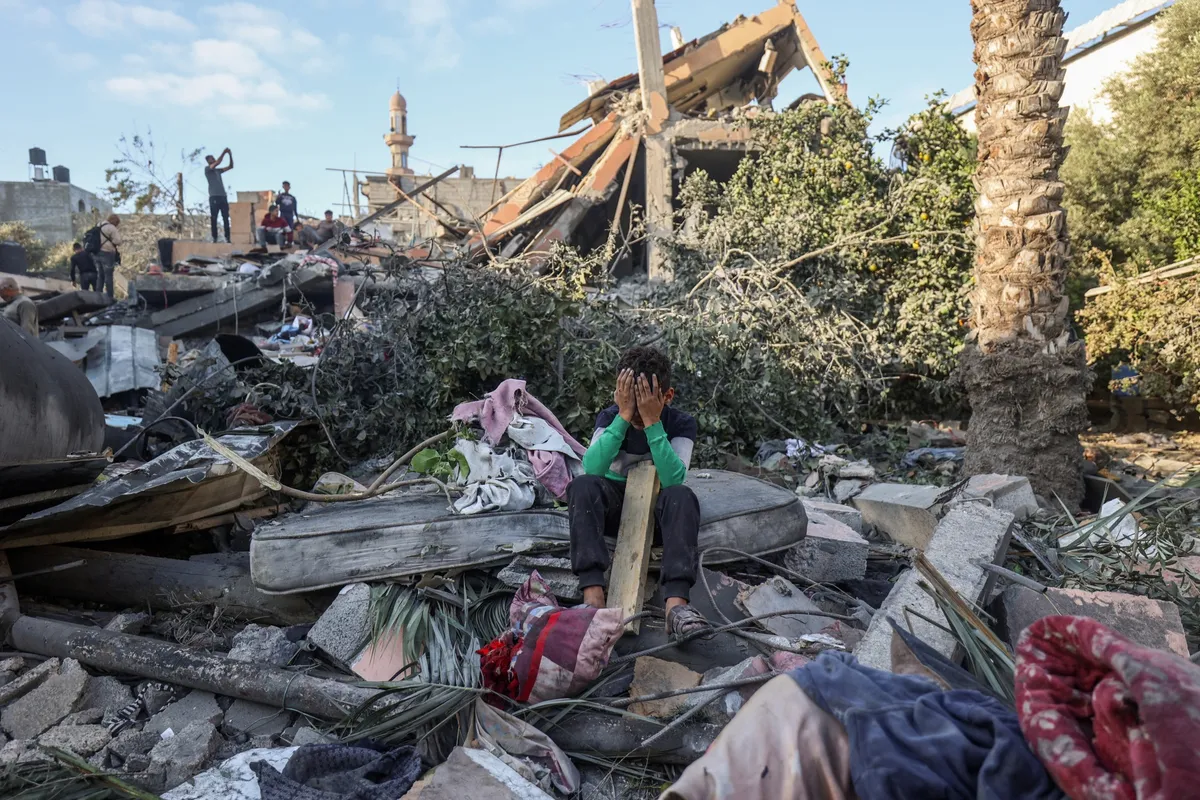 A boy sits amid the rubble of a house destroyed in an Israeli strike in Nuseirat, in the Gaza Strip, on Oct. 29, 2025.
The commission’s investigation into the West Bank also documented cases in which Israeli soldiers allegedly killed unarmed Palestinians who posed no threat. Of seven cases examined between November 2023 and June 2026, the commission documented six. Most of the victims were children, including an infant.
In one case, a seven-month-old baby was killed in Hebron in June 2026 after an Israeli soldier fired at the family’s vehicle. The report’s account differs from the Israeli military’s claim that the vehicle accelerated towards soldiers. Another incident involved the killing of a Palestinian couple and their two younger sons, with their two older sons injured and assaulted, according to the commission.
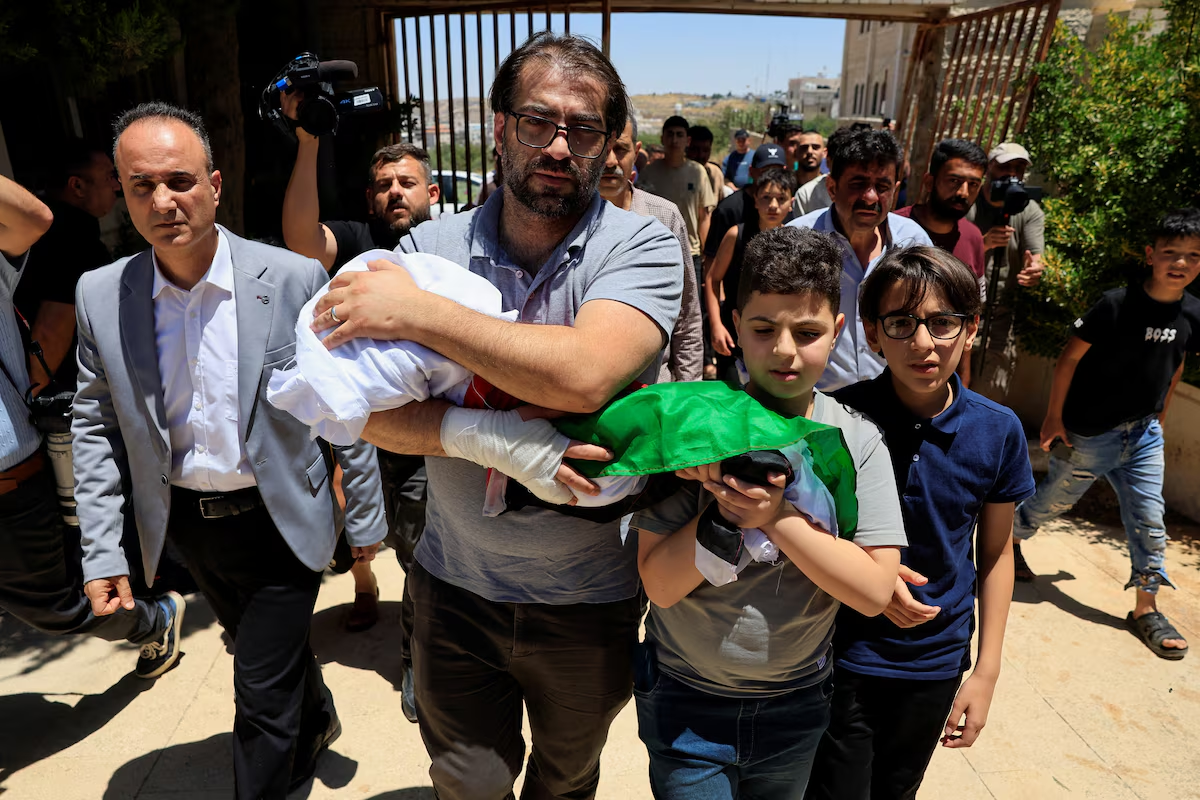 Father and brother of Sam Abu Haykal, a 7-month-old Palestinian child who was killed by Israeli soldiers, carry his body during his funeral in Hebron in the Israeli-occupied West Bank, June 6, 2026.
These findings form part of a broader pattern of violence and displacement documented in the occupied West Bank.
Occupation, displacement and the machinery of violence
The commission concluded that Israeli military operations and settler violence in the West Bank constituted a widespread and systematic attack against the civilian population. It identified common objectives that included consolidating Israeli settlements, annexing Palestinian territory and displacing Palestinians from their land.
The scale of the violence has increased dramatically. The report recorded six Palestinian deaths in Israeli airstrikes in the West Bank between 2008 and October 6, 2023, compared with 254 between October 7, 2023, and September 30, 2026. As of August 2026, 34,176 Palestinians remained displaced following Israeli military operations.
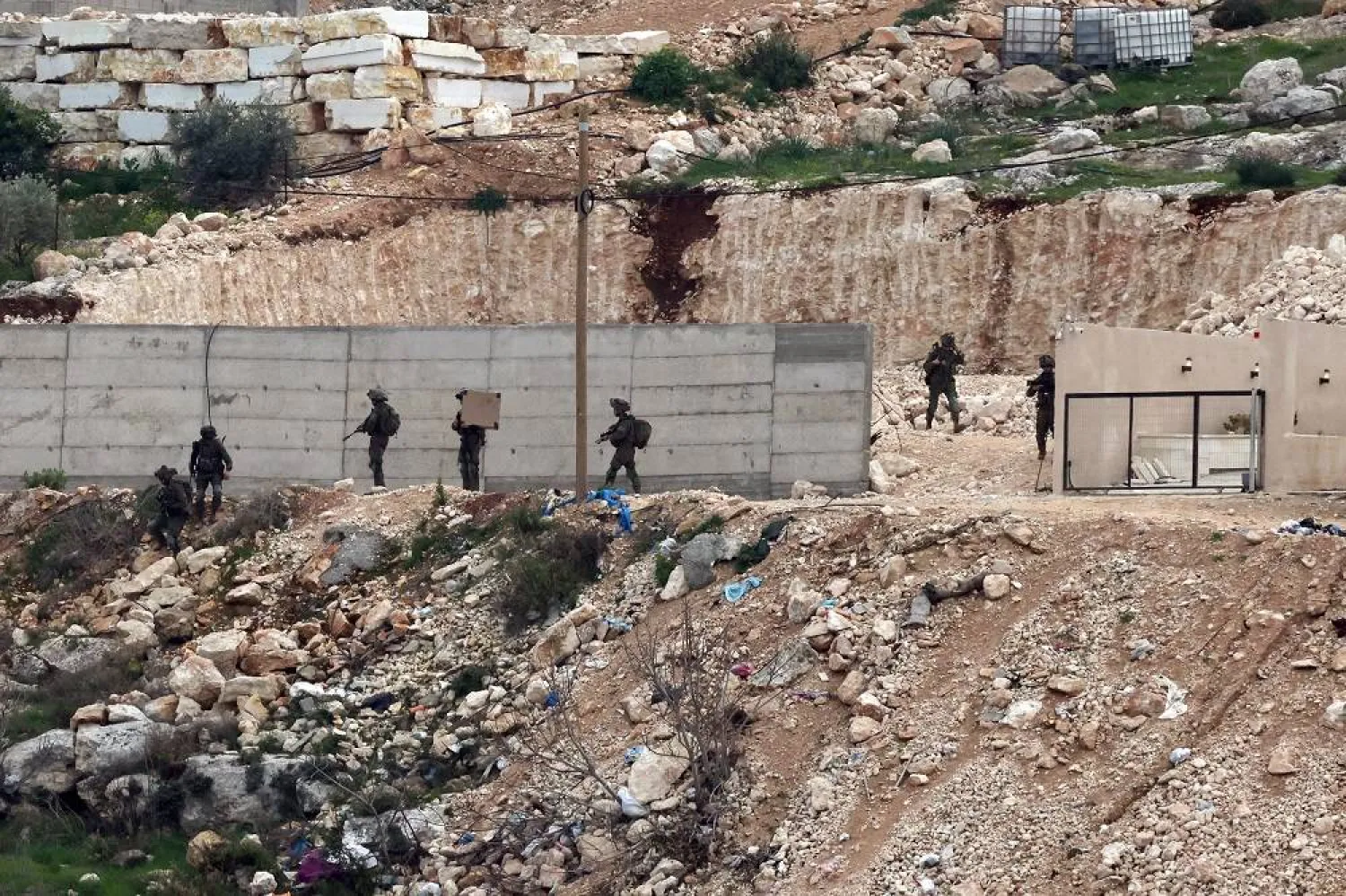 Israeli soldiers walk inside Jenin refugee camp during an ongoing Israeli military operation in the West Bank city of Jenin, 03 February 2025.
The commission also concluded that Israeli authorities had committed crimes against humanity in the West Bank, including extermination, torture, rape, other forms of sexual violence and persecution. Its findings on sexual violence in detention included cases of alleged gang rape, genital violence, groping, threats, forced nudity and invasive cavity searches.
The report describes sexual violence as a means of displacing, subjugating and destabilising Palestinians. These are grave allegations, and the commission’s documentation places them within the wider pattern of violence against the Palestinian population.
The inquiry also examined abuses by Palestinian Authority security forces, finding that they had increasingly used unnecessary or disproportionate force against Palestinians in the West Bank and that the authority had failed to ensure effective, impartial investigations into killings and adequate remedies for victims and their families.
The international community cannot look away
Muralidhar’s intervention at the UN carries significance beyond the immediate exchange between diplomats. It raises the question of whether international institutions can discharge their responsibilities when their findings challenge the interests and narratives of powerful states.
The United States’ attempt to discredit the commission, coupled with Israel’s dismissal of its report, has made the defence of independent investigation and evidence-based accountability central to the debate. The credibility of international law depends on its consistent application, including when the states accused of violations enjoy powerful diplomatic and military support.
Muralidhar addressed the UN committee by video after he failed to obtain a visa to travel to the United States. He regretted that the absence of in-person engagement reduced the voices of victims and witnesses, whose accounts underpin the commission’s findings, to electronic transmissions rather than direct testimony.
The commission has called on Israel to end its unlawful occupation of Palestinian territory, dismantle settlements and cease international crimes, including genocide in Gaza. It has also called on UN member states to fulfil their obligations under international law, refrain from assisting in maintaining the unlawful occupation and support efforts to prevent and punish genocide.
The report does not settle every question that may ultimately be determined by a court. Its findings, however, demand serious scrutiny rather than dismissal through political rhetoric.
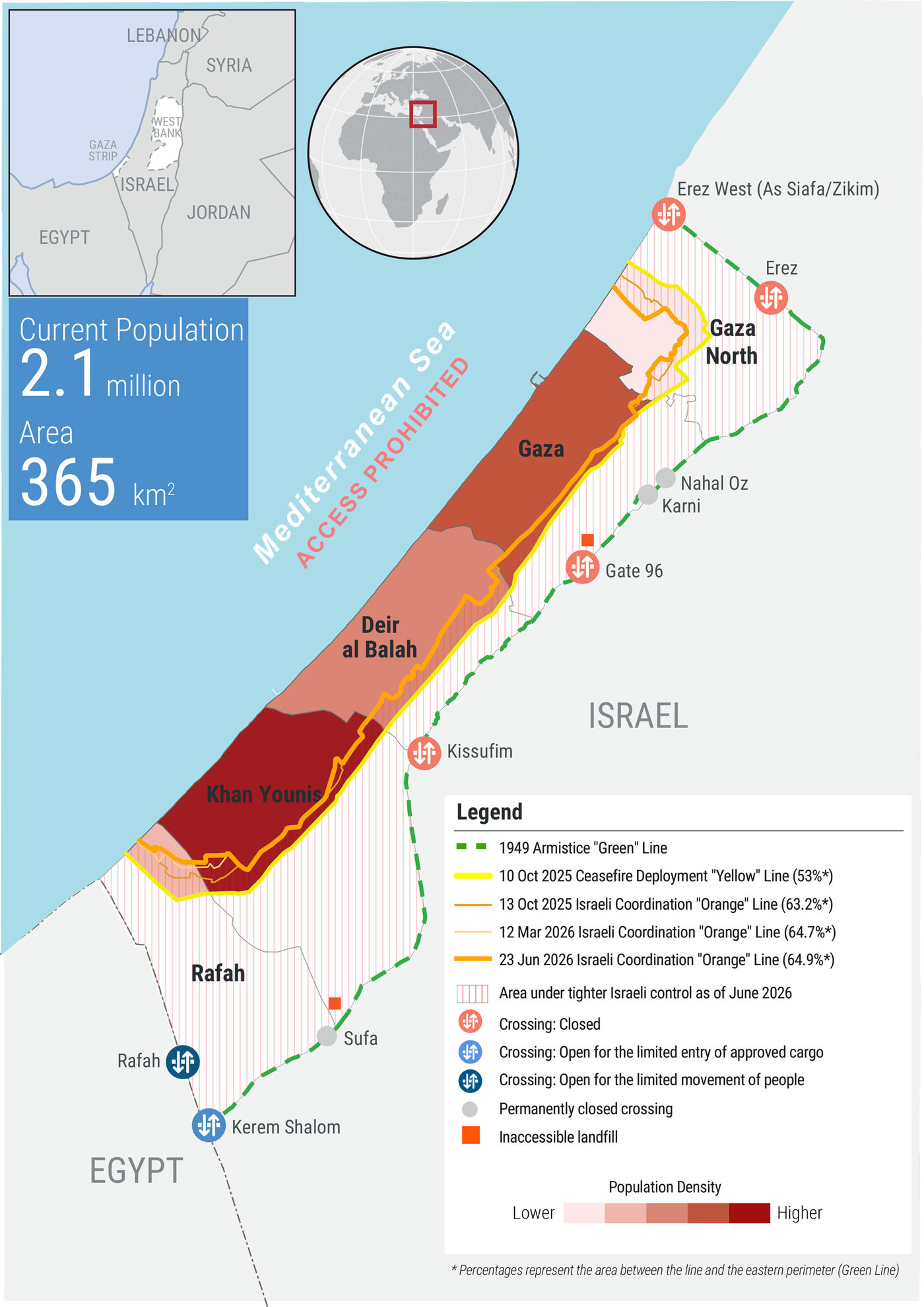 Map of the Gaza Strip showing Israeli control lines, crossing status and areas under tighter Israeli control, as of June 2026.
For Palestinians living through continuing violence, displacement and the destruction of civilian life, the difference between a declared ceasefire and genuine protection remains painfully clear. For the international community, the challenge is whether the principles it proclaims can be translated into action—or whether accountability will continue to be constrained by geopolitical power.









When evidence is inconvenient, powerful nations try to discredit the messenger instead of confronting the truth. Justice S. Muralidhar’s firm defence of the UN inquiry exposes the urgent need to protect independent investigations from political pressure. The credibility of international law cannot depend on who is accused or how powerful they are. Justice must not bend before power, and the world cannot afford to remain silent while Palestinians continue to suffer. Accountability is not optional; it is a duty.
These findings seem pretty close to what the overall perceived reality has been. Unfortunately we are living in times when almost everywhere, within nations and internationally, the rich & powerful are getting away with anything & everything. Weaker nations just as weaker people are facing hopeless environment. The powerful are getting away with whatever they do. Institutions all around, including international, are proving clueless how to face or counter this situation. More & more are getting disgruntled with them with no respite anytime soon.
People like Mr. Murlidharan are in acute short supply but still bring forth some semblance of bright spots, how sorbet small.