
“It Is Not Just Numbers”: Prakash Raj on the SIR, Voter Exclusion and the Crisis of Electoral Accountability

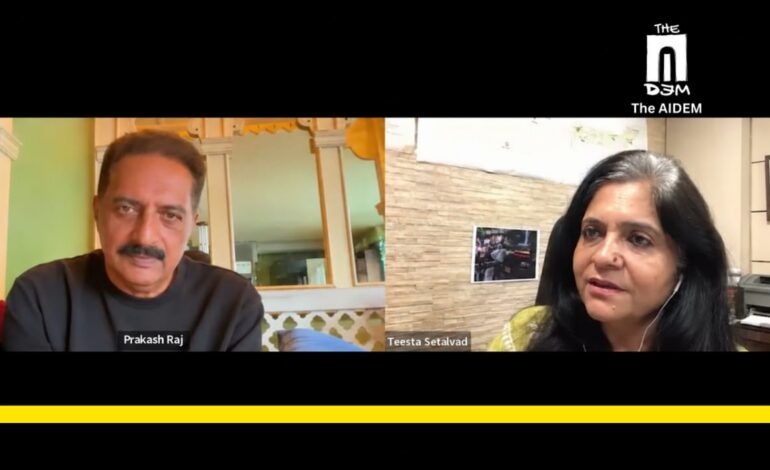
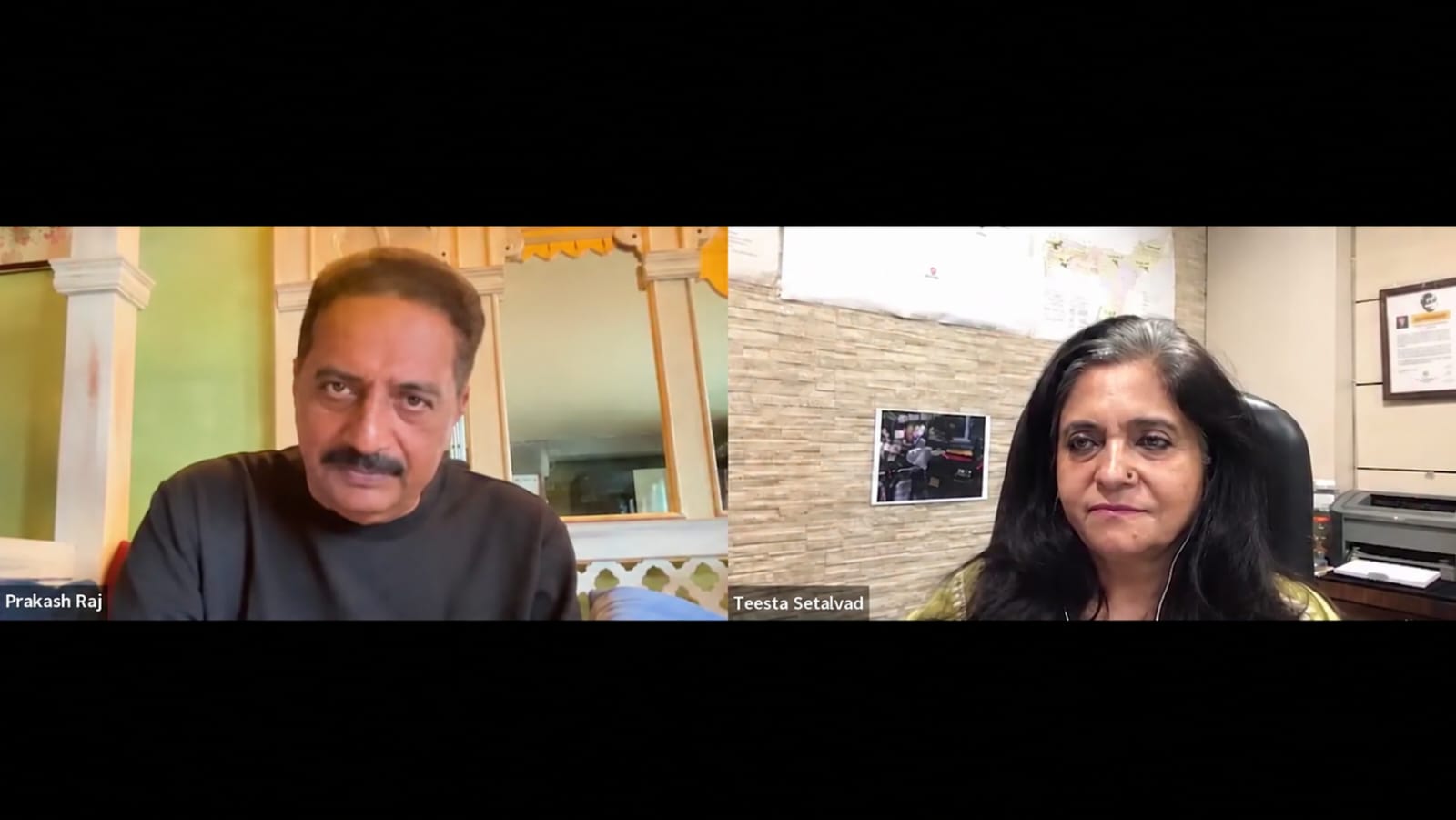
Prakash Raj in Conversation with Teesta Setalvad on SIR and Vote Deletions- Part 1
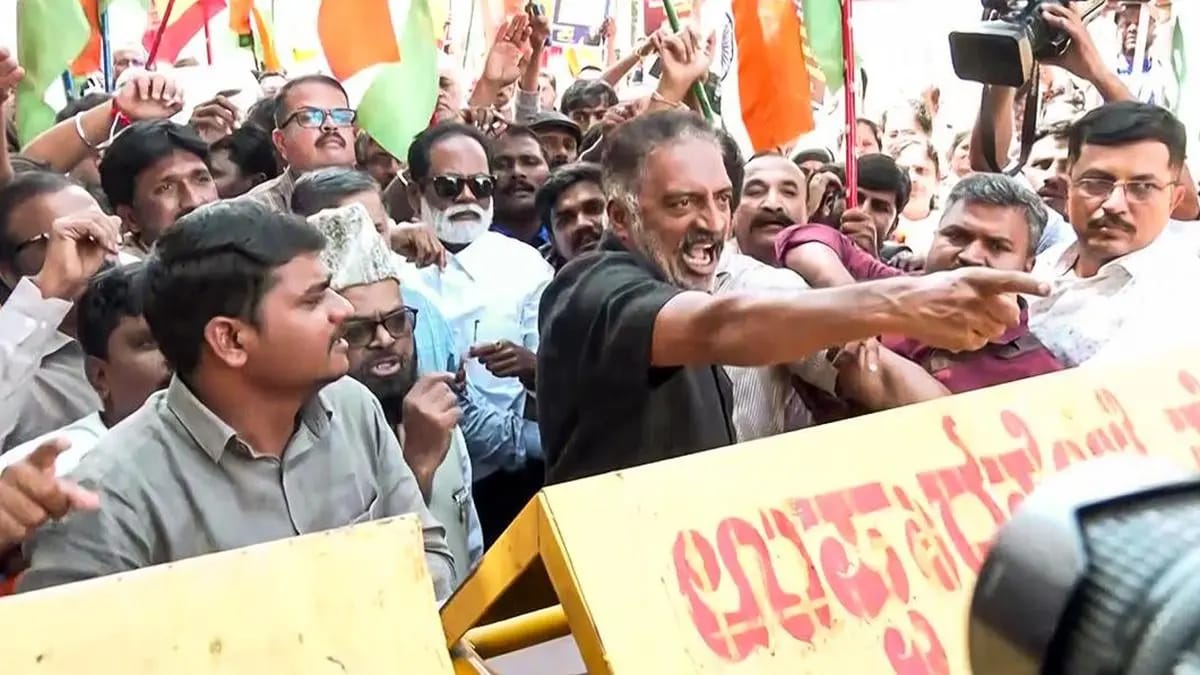
Actor and activist Prakash Raj has emerged as a prominent voice in the campaign against the Special Intensive Revision (SIR) of electoral rolls, travelling across Karnataka, participating in public hearings and questioning the Election Commission of India’s conduct. He argues that the controversy cannot be understood merely through the large numbers of voters whose names have reportedly been deleted or placed under scrutiny. The more fundamental issue, he maintains, concerns the democratic rights of citizens, the functioning of constitutional institutions and the accountability of those responsible for conducting elections.
In the first part of an extensive conversation with human rights activist and journalist Teesta Setalvad, Prakash Raj discusses what he describes as a larger political conspiracy behind the SIR, questions the response of Opposition parties, including the Congress government in Karnataka, and explains why he believes the campaign must move beyond electoral calculations to the defence of citizens’ rights. Setalvad also raises concerns about the implications of voter exclusion for vulnerable communities and the need for sustained public mobilisation.
Teesta Setalvad: We have with us a figure known across the country and internationally, Mr Prakash Raj, actor and activist — or perhaps, activist and actor. Prakash, you have lent your voice to many causes. We have known you for years as an actor who remains grounded and who thinks seriously about the people of this country and the state you come from.
Over the last six months to a year, however, the Special Intensive Revision, or SIR, has occupied a great deal of your time and commitment. You have spoken about it with considerable clarity and depth. Why do you feel the SIR has become such a traumatic experience for people? Why do you believe there is a larger motive and agenda behind it?
Prakash Raj: Because it is a conspiracy. It is a major conspiracy that the Opposition parties in this country were not seeing. And the people had not realised it either.
Teesta Setalvad: Even now.
Prakash Raj: Even now. What is the SIR? Of all the issues this country is facing, I thought it was extremely important to expose this conspiracy in detail.
That is why I have continued speaking about it relentlessly. Even if it becomes tiring, it is producing results. People are beginning to understand.
Because it is not just numbers. When we speak of 13 crore people in connection with the SIR, we are not speaking merely about numbers. We have to go back and examine what the Election Commission has done in this country since 2014.
We must examine how institutions have functioned and how we have arrived at this situation. Unless we understand that history and its different layers, we will not understand what is happening now.
It is not merely about Gyanesh Kumar or the present SIR. I believe the SIR is a conspiracy not only to remove voters but also to destroy evidence of what the Election Commission has done in the past.
We need to examine all this because the SIR could lead to something much larger, including a process resembling the NRC.
Teesta Setalvad: Absolutely. You are talking about creating different classes of citizens — second-class and third-class citizens. People who remain unmapped, unknown and unregistered, from whom labour can be extracted because they live under a perpetual threat of eviction or exclusion.
We have already seen cases involving Bengali-speaking people being pushed out of Assam and even Karnataka.
I think you have identified the central issue. But I want to ask you a rather difficult question because you are based in Karnataka. Do you think the Congress government there has done enough?
Prakash Raj: Not yet. They have woken up now.
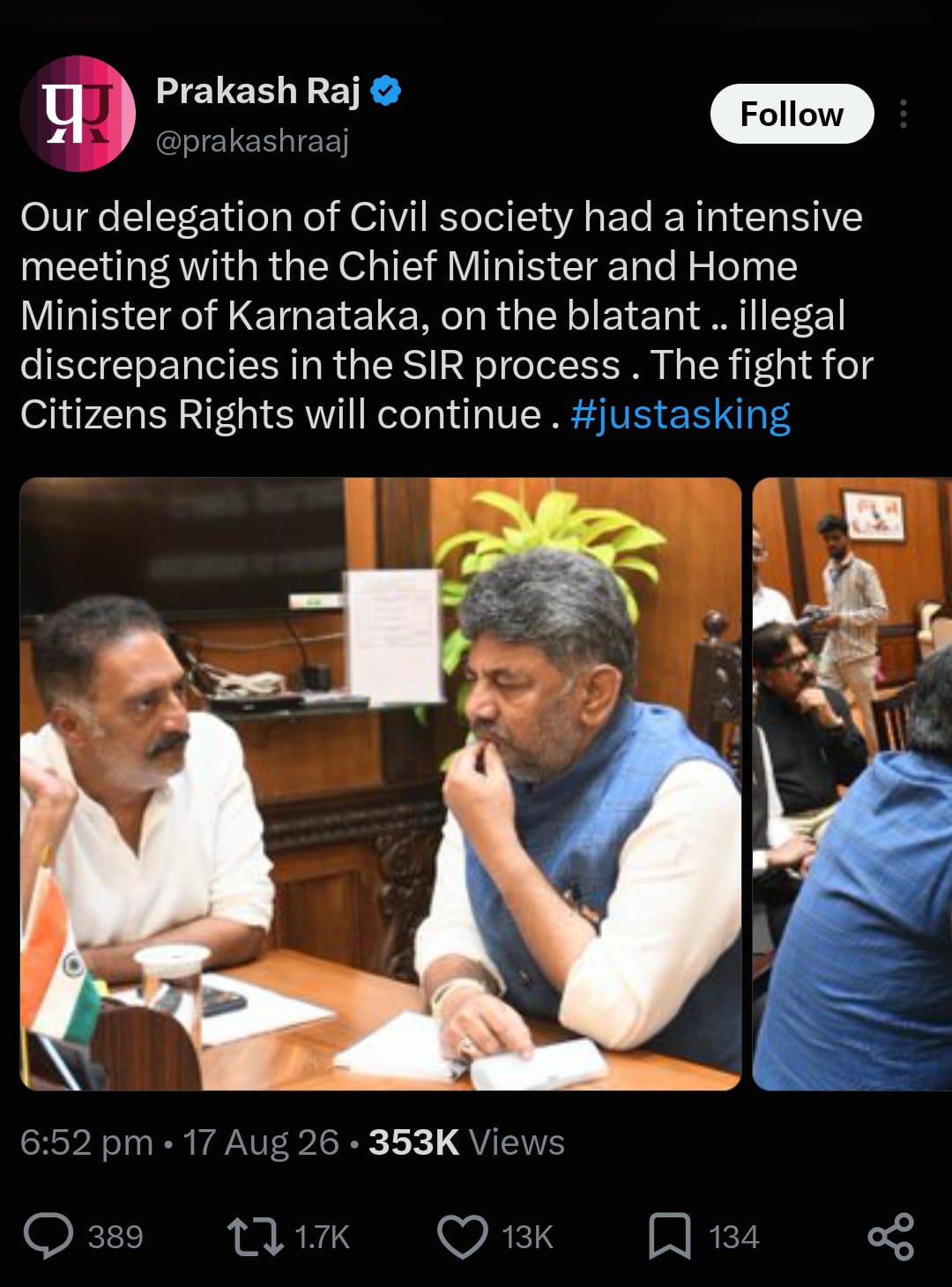
When we started protesting nine months ago, even before the SIR came to Karnataka, the government and political parties were falling into a trap. They began setting up tables and helping voters fill in forms.
They thought they were helping people. But they had not understood the larger issue.
Political parties often fail to understand such questions because, for them, it is about their votes, not about the people.
No political party in this country can simply claim that it is working for the people.
Teesta Setalvad: That is the tragedy. I want to tell our viewers something about what Prakash Raj has been doing.
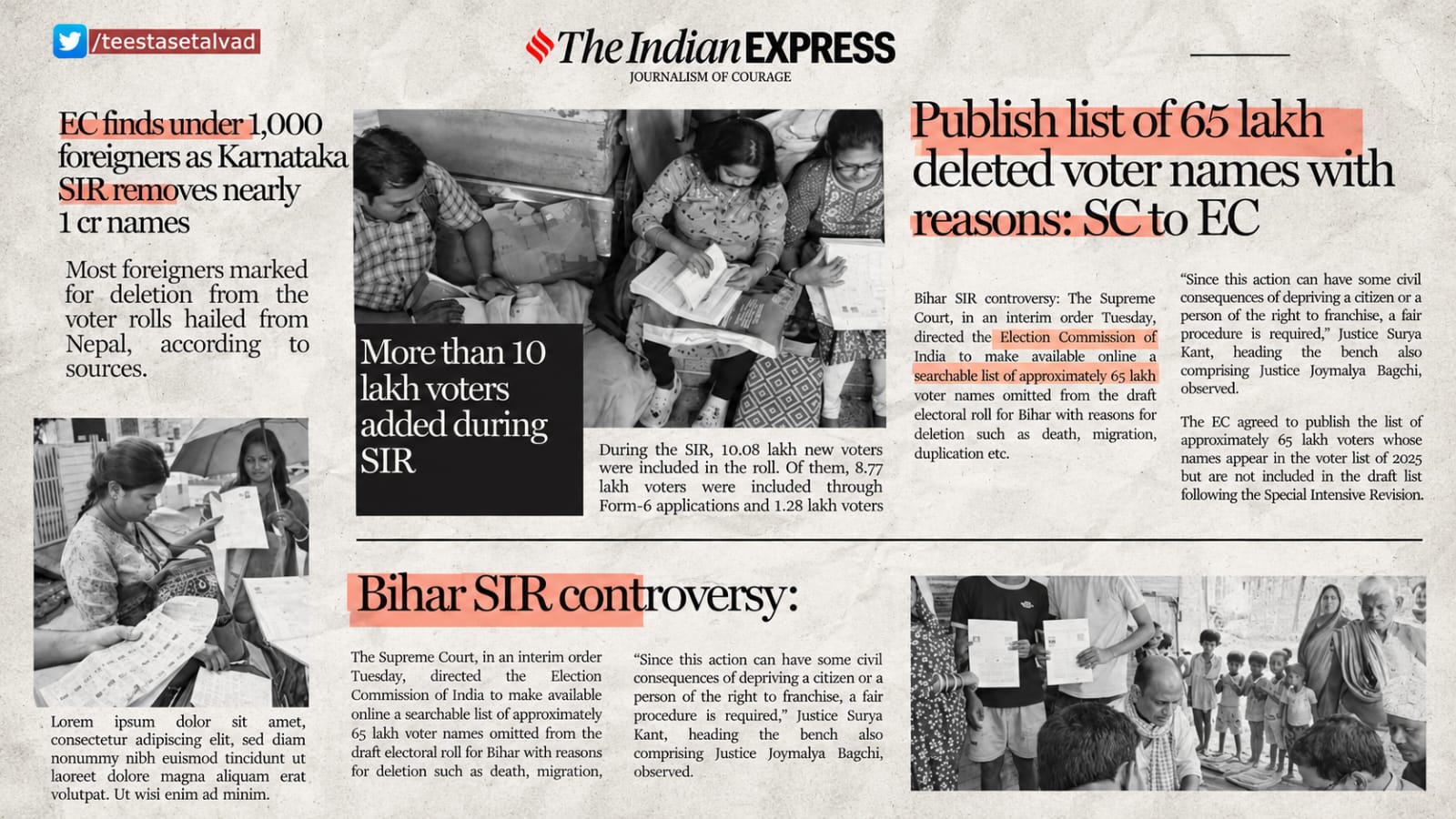
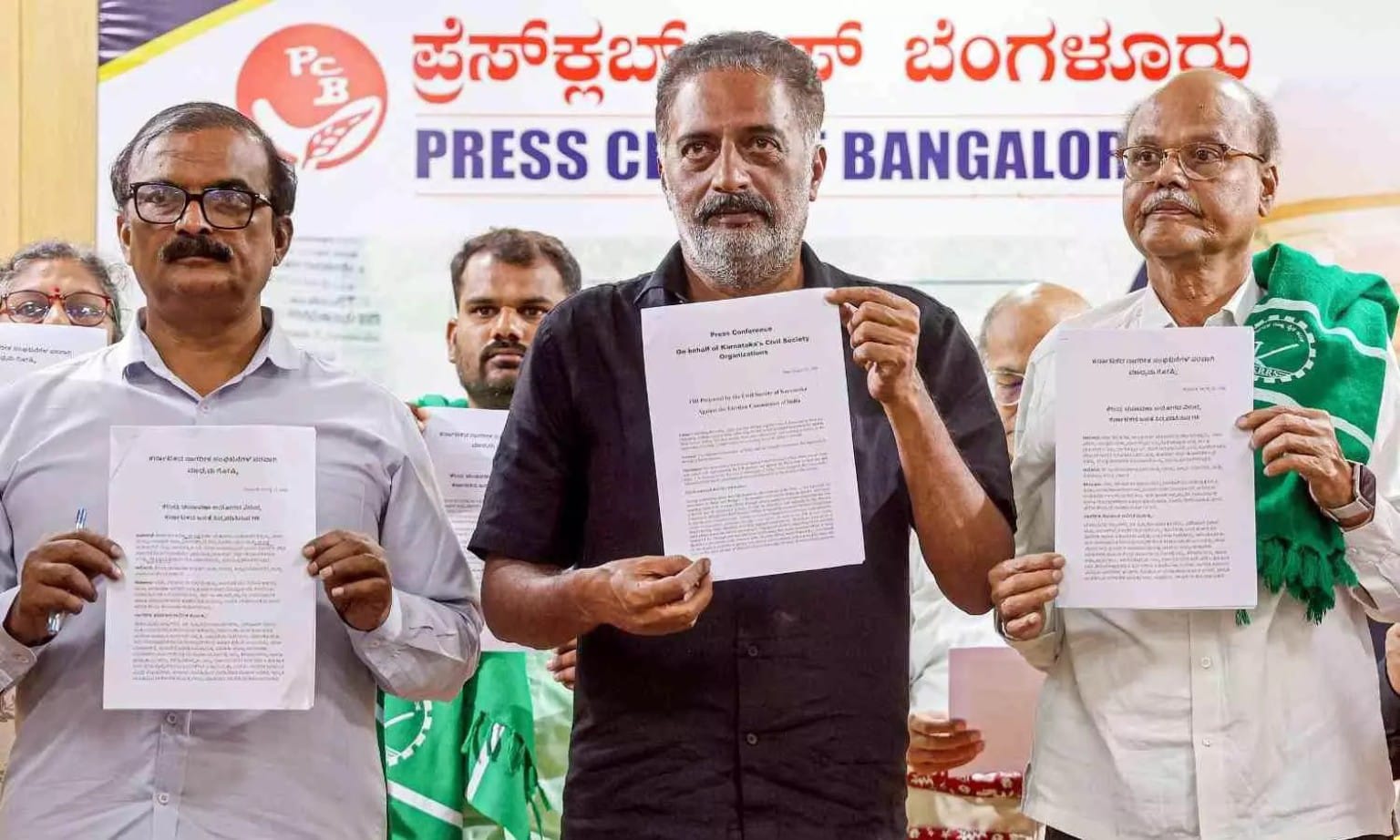
He travelled across Karnataka with civil society activists, conducting public hearings and listening to people whose names had been excluded from the electoral rolls. He was giving a face and a name to this tragedy.
Otherwise, everything becomes a matter of numbers — 13.6 crore people, according to one estimate. Our estimate is even higher, around 16 crore. These are enormous figures, but behind them are individual citizens.
Since the Bihar exercise in 2025 and the developments in Bengal in 2026, we have been arguing that Opposition parties should bring forward thousands of people from every constituency whose names have been deleted. They should be able to say: these are the citizens who are being denied their basic right to vote.
Somehow, the Opposition parties have failed to mobilise people in this manner.
This is particularly important with the Uttar Pradesh elections approaching. Uttar Pradesh will have a major bearing on the country’s political future.
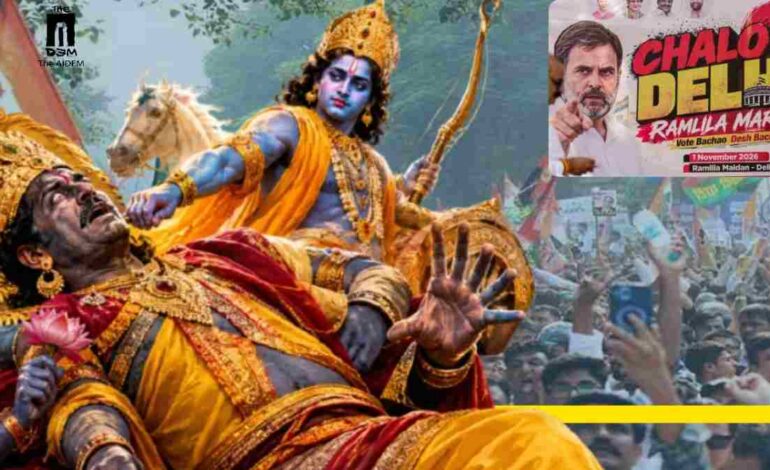
The Ramlila Maidan rally was important, and I know you attended it. You went there as a citizen, sat quietly at the back and left.
But the campaign cannot stop at Ramlila Maidan. It has to reach every district in Uttar Pradesh and bring forward the people who have been excluded.
Otherwise, we could face another deeply troubling election and another disastrous result.
Prakash Raj: This struggle can succeed only when people are involved on the ground.
People are beginning to realise what is happening. But whether it is the Opposition parties or anybody else, they must involve ordinary citizens and civil society.
They should not approach this merely as vote-bank politics. It should not become a campaign that says, “We are against the BJP, so vote for us.”
They have done that before.
The first responsibility is to address the trauma and injustice inflicted on citizens — their dignity and their right to vote.
Let citizens choose whom they want. Let them make their own decisions.
Citizens in this country even have the right to make a mistake. They may be fooled by a political party, but they must have the right to decide.
In politics, it is often not the Opposition that wins. It is the ruling party that loses.
Now, we have to understand what the SIR actually represents.
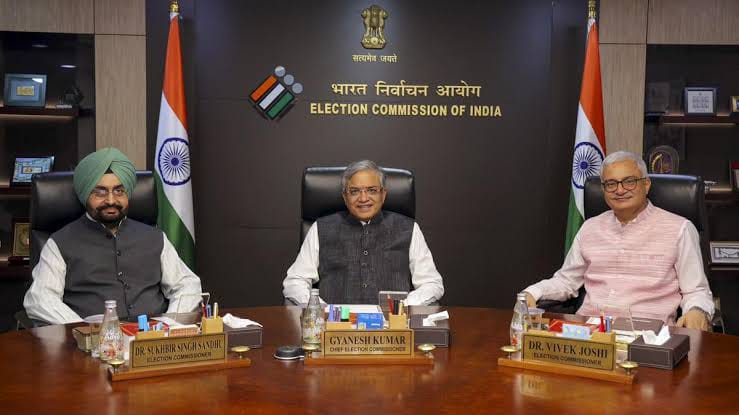
We should have started asking questions when Gyanesh Kumar was selected as Chief Election Commissioner.
There was a three-member selection arrangement involving the Chief Justice of India, the Prime Minister and the Leader of the Opposition. That was an arrangement laid down by the Supreme Court until Parliament enacted a law.
Why was the Chief Justice removed from the selection process? How can you have a system in which two members can always outvote the third?
And why was legal protection provided to the Election Commissioners? Why were they given such extensive immunity?
We should have questioned these developments from the beginning.
Even if we give the Election Commission the benefit of the doubt, we must examine its actions.
How were Narendra Modi’s election campaigns accommodated through the scheduling of elections? How were the phases planned? How was the Model Code of Conduct implemented?
There are questions about the Election Commission’s conduct when the BJP was involved in political developments affecting regional parties.
There are many questions going back several years.
I believe there is a clear plan to undermine democracy and the Constitution.
Even the BJP’s “400 paar” slogan was not necessarily an expression of confidence. They knew that their political position was weakening.
I do not believe the government at the Centre today reflects a genuine popular mandate.
Think of it as a vehicle. The numbers are like inflated tyres, but the real mandate — the rear tyres — has been punctured.
That is the situation.
The SIR process, in my view, is illegal, unconstitutional and undemocratic.
It must be scrapped. We must return to the electoral rolls that existed before this exercise — not merely the 2025 rolls, but the 2024 rolls.
Teesta Setalvad: The Lok Sabha electoral rolls, with the addition of new voters.
Prakash Raj: Exactly. We must go back to those rolls so that we can examine the evidence and investigate what has happened.
Otherwise, there is no way forward.
The struggle must begin now in Uttar Pradesh, Punjab, Uttarakhand, Goa, Manipur and everywhere else. There are elections coming before 2029.
Teesta Setalvad: Do you feel there is greater clarity among the Opposition parties today?
Prakash Raj: They are beginning to realise what is happening, but they still do not seem to know how to respond.
It is difficult for political parties to overcome their egos. They think, “We are fine. We will fight the election. Our votes have not gone. Somebody else’s votes have gone.”
They fail to understand that this is not about one party’s votes.
We must also recognise how the BJP and RSS have influenced the political thinking of other parties.
Many people who are now in the BJP originally came from other political parties. Political leaders are worried about their money, their constituencies and their immediate electoral interests.
Somebody asked me whether the Congress had benefited electorally in Kerala because of the SIR.
I said the BJP is not worried about places where it knows it cannot win. It can afford to lose one or two states if it believes it is advancing a larger political objective.
That is why we must understand the larger picture.
As citizens, we are not political parties. We are individuals.
We have the right to vote. We also have the right not to vote.
Our dignity is at stake. The fundamental right of citizens to decide who governs them is being questioned.
I am speaking as a citizen of this country. I do not belong to any political party, and I have no agenda to become a politician.
But today’s politics needs the voices of citizens.
That is the politics we need — awakened citizens who will hold everybody accountable.
Teesta Setalvad: And ask questions.
Prakash Raj: Ask questions.
Teesta Setalvad: Questions even of the highest authorities.
Prakash Raj: Yes. That must be done.
Teesta Setalvad: You have given a great deal of your time and energy to this campaign in Karnataka and nationally. I am sure you will continue doing so.
What should civil society do next to sustain this struggle?
Prakash Raj: Civil society organisations must come together and continue the protests.
City-centred, urban-centred politics alone will not work.
When I travelled across Karnataka, I realised how important it is to walk among the people. We need something like Gandhi’s approach — going to villages, meeting people, listening to them and making them aware of their rights.
People should feel that somebody has come to listen to them and explain what is happening.
Teesta Setalvad: Giving them space and time.
Prakash Raj: Exactly. Giving them time.
That process must continue. It cannot be a one-time event.
We must take the campaign to people where they live.
Part 2 of the interview follows tomorrow
Watch the audiovisual of the full interview published on Teesta Setalvad’s YouTube channel here