

Like Trump And His Faith In His Name On The Ballot, Many Indian Newspapers Believe Their Mastheads Are Enough To Carry Big Days

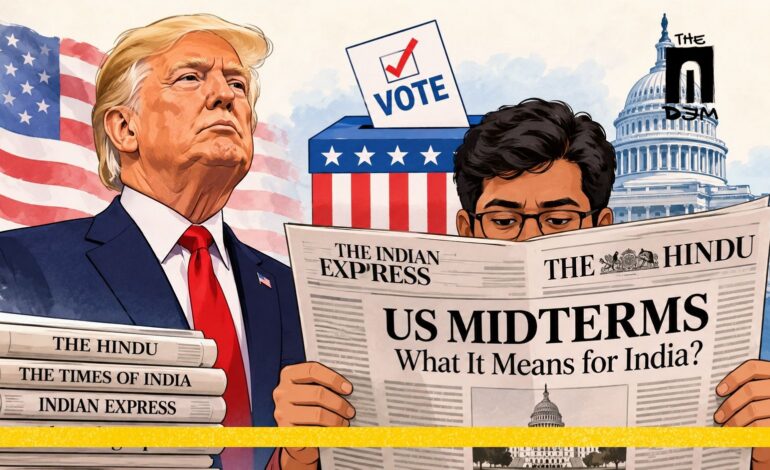
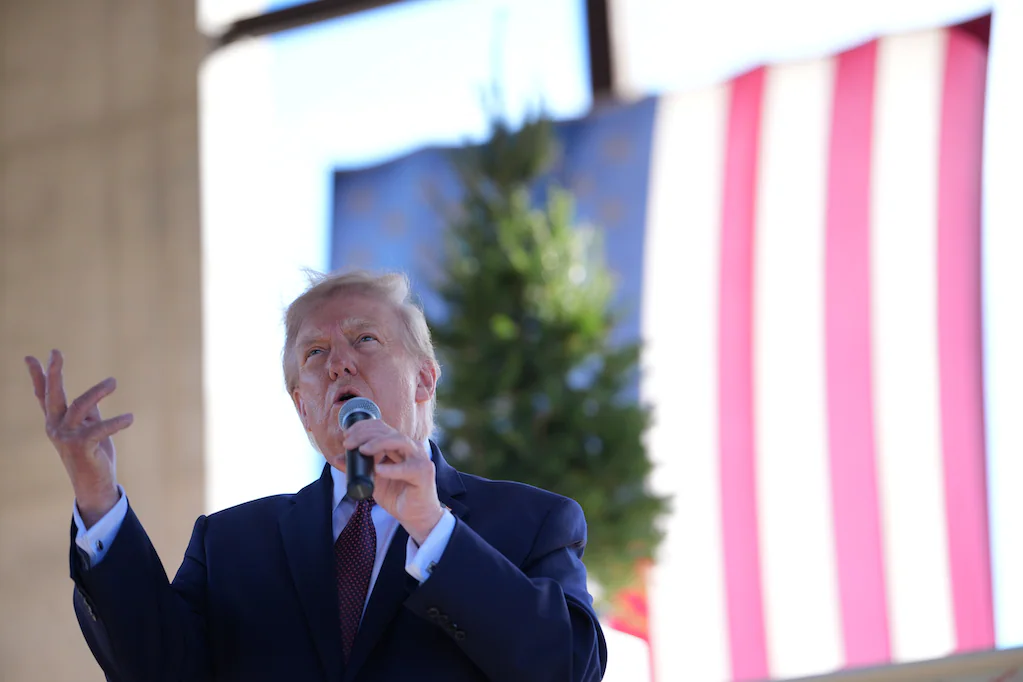
By 9 am on Wednesday in India, it was more or less clear where the US midterms were headed.
Houston (or newsrooms in New Delhi, Mumbai, Kolkata, Chennai and Thiruvananthapuram), we have a problem on Thursday morning. How do you cover an event that your tactile product would be able to convey only 22 hours after the news has broken?
Most of the Indian coverage I saw this morning suggested that astronaut Jack Swigert’s radio message from Apollo 13 to Mission Control 56 years ago has not yet reached some newsrooms. From the articles they have carried, it would appear that no oxygen cylinder exploded in any newsroom that warranted a historical misquotation.
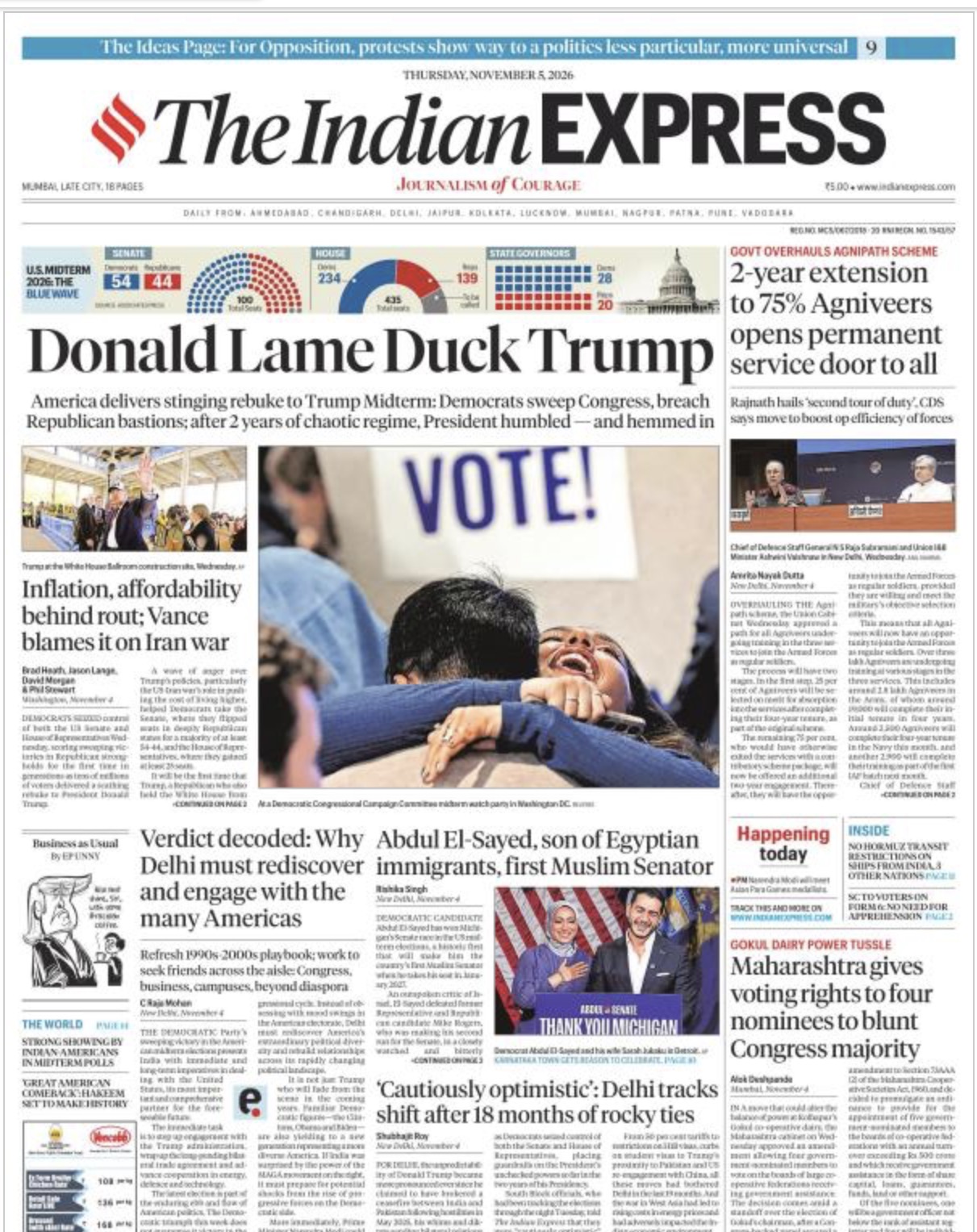
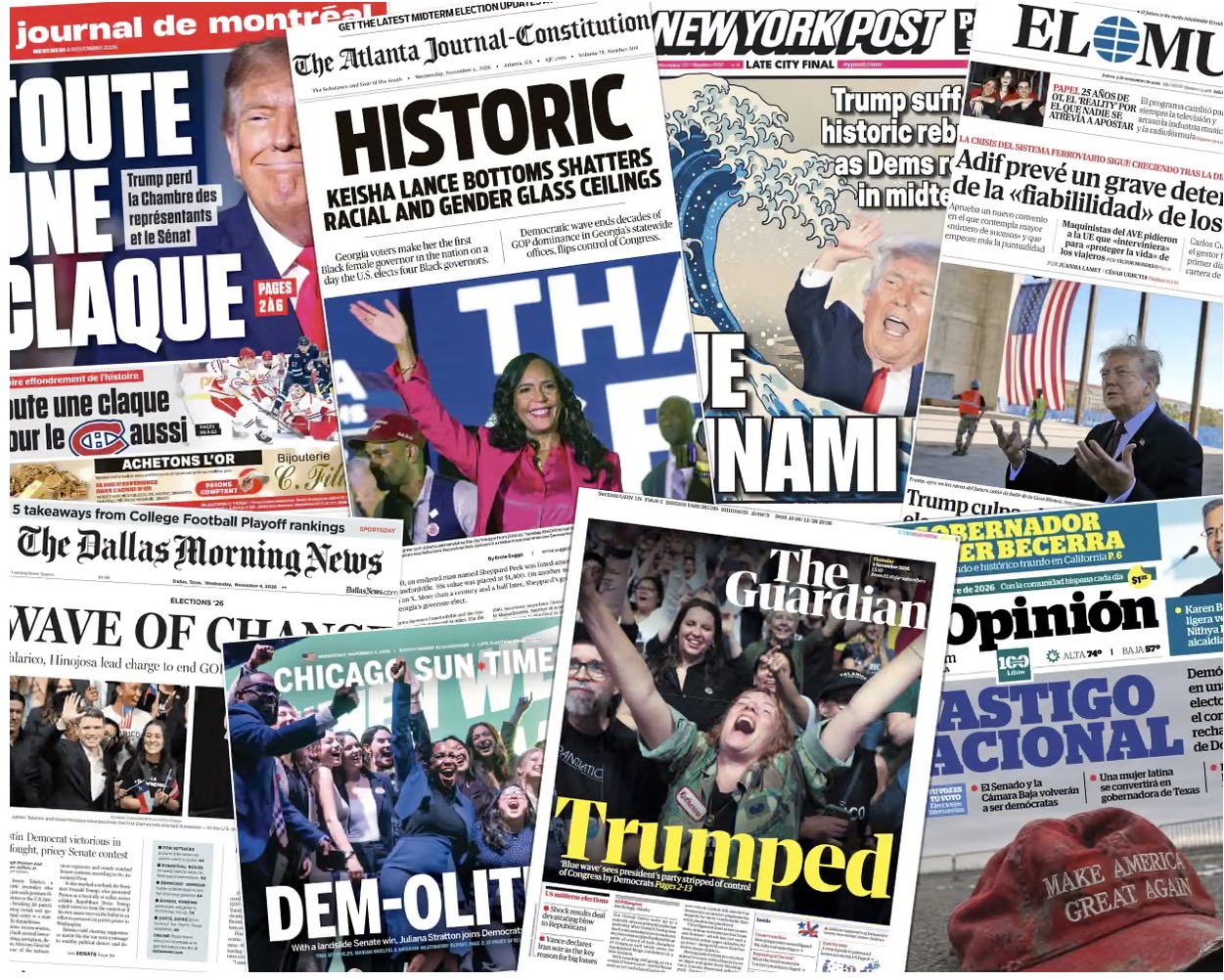
Most of the articles were rehashed or reprinted from US newspapers (“flip” is a favourite word that should be with us for a few years now — just as “calling” elections has become fashionable in newsrooms). Most “original” articles reduced the election result to an attempt at forecasting “how it would affect ties with India” and “what the impact would be on the trade deal with India”. Needless to say, like smart astrologer columnists in newspapers, all possibilities have been dished out (shorthand for “we have absolutely no idea, but we won’t write so”). The worst were the patronising and breathless articles on the Indian “origin” of the winners or their relatives. A de rigueur line appeared to be: “The family ensured that although the children were born in the USA and grew up as Americans, they always remained in touch with their roots.” How the reporters who write such stories become experts in rhizobiology and study root growth, development, genetics and evolution is a big mystery. Definitely way above my pay grade when I was a journalist.
My point is that I felt short-changed after spending money on these news sources. But one article did stand out — head and shoulders above the rest.
No prizes for guessing that Harish Khare again proved why he is among the most insightful columnists in India today. His column today, headlined “A Good Day for Democracy – in the United States, and Beyond”, is a master class in how a milestone event must be approached, especially if you are going to be 14 to 17 hours late in writing about it. The piece was first published in The India Cable, the premium newsletter from The Wire, and became available free on The Wire portal a little after 9 am on Thursday.
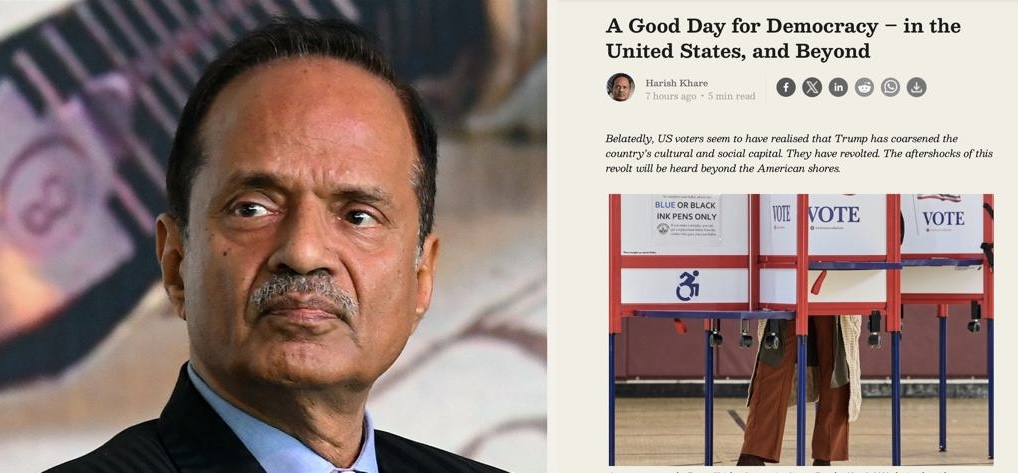
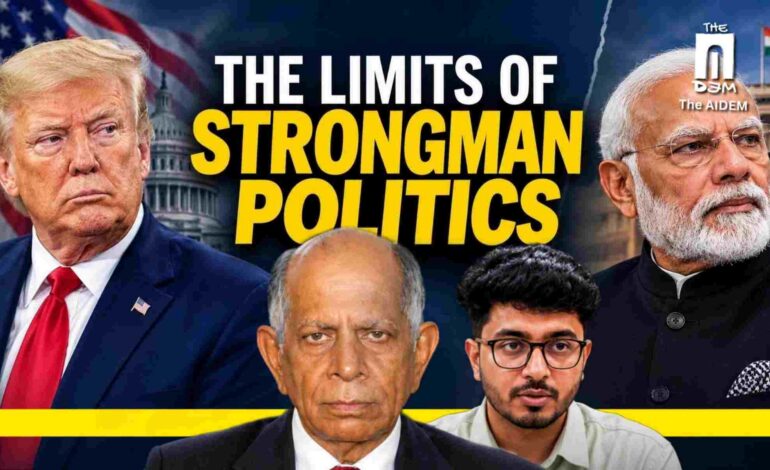
I wouldn’t want to hit you with spoilers, but I feel compelled to quote one paragraph that goes beyond the obvious: “The voters’ rejection of Trump’s political persona is also a refutation of the idea of a ‘strong man’ as the ideal leader. This ‘strong man’ theory carries with it the suggestion that the inherent divisions and disputatiousness of a democracy slow down a nation’s progress to greatness. In these last two years President Trump was a source of comfort and acceptance to almost every autocrat masquerading as a ‘strong man’. Invariably, the presumed ‘strong man’ anchors himself in racial animosities and religious bigotry. President Trump has set a bad example and now he stands refuted. This too will find an echo around the world.”
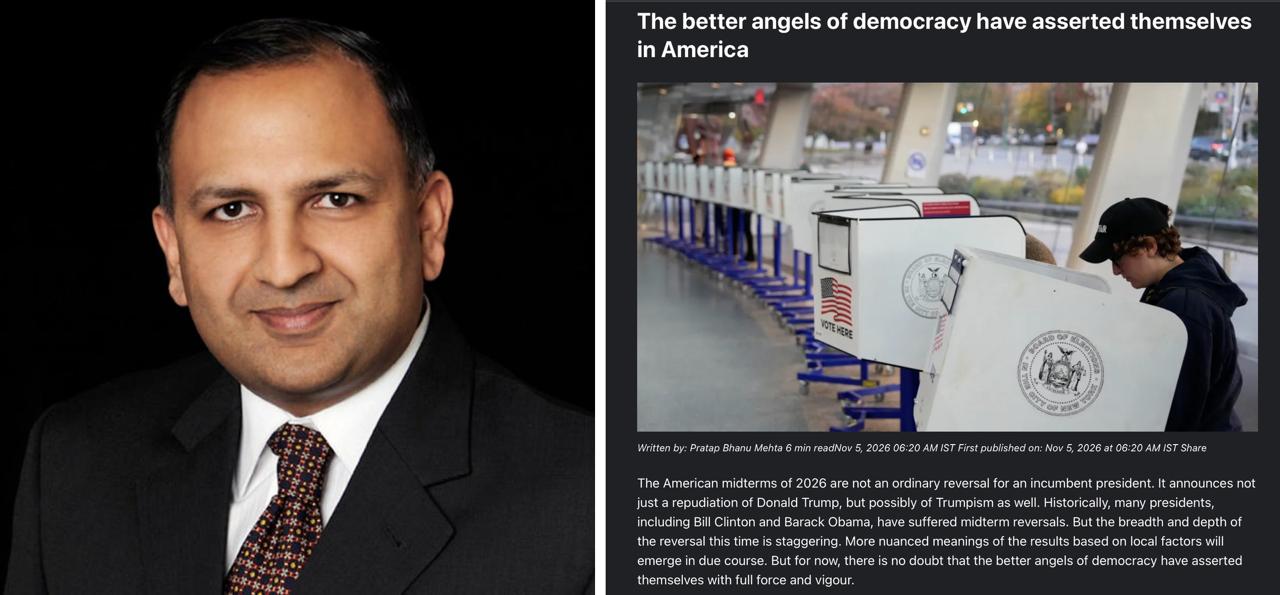
Excerpts such as the above are also why I would rate Khare’s column higher than Pratap Bhanu Mehta’s very readable and well-argued column in The Indian Express, headlined “The better angels of democracy have asserted themselves in America”. Mehta recalled the phrase popularised by Lincoln’s first inaugural address — a fitting tribute to the midterms verdict.
It is easy to get carried away. So, I am breaking my promise and quoting another paragraph from Khare’s column. Correction: a breathtaking paragraph that shows the power of prose and why editors cannot act like crybabies and groan that “no one reads”. Here goes another nugget from Khare: “The most urgent and critical aspect of the US midterms seems to be the re-animation of the civilisational values of decency and probity in public life. As a society, the US never thought it necessary to ignore its spiritual and religious moorings; despite all the scientific achievements and the triumph of capitalism, American popular culture continues to anchor itself in a lasting belief that there are moral laws that lend an individual and society vitality and sanity.”
You may agree or disagree with Khare, but there is little doubt that such articulation and clarity of thought amid oceanic clutter would persuade you to read the column. This is what journalism desperately needs: evidence that editors respect their audience.
Stories I missed in Indian newspapers:
- Trump’s mitrons and bhakts in India, including the friend who tom-tommed “Ab ki baar…”
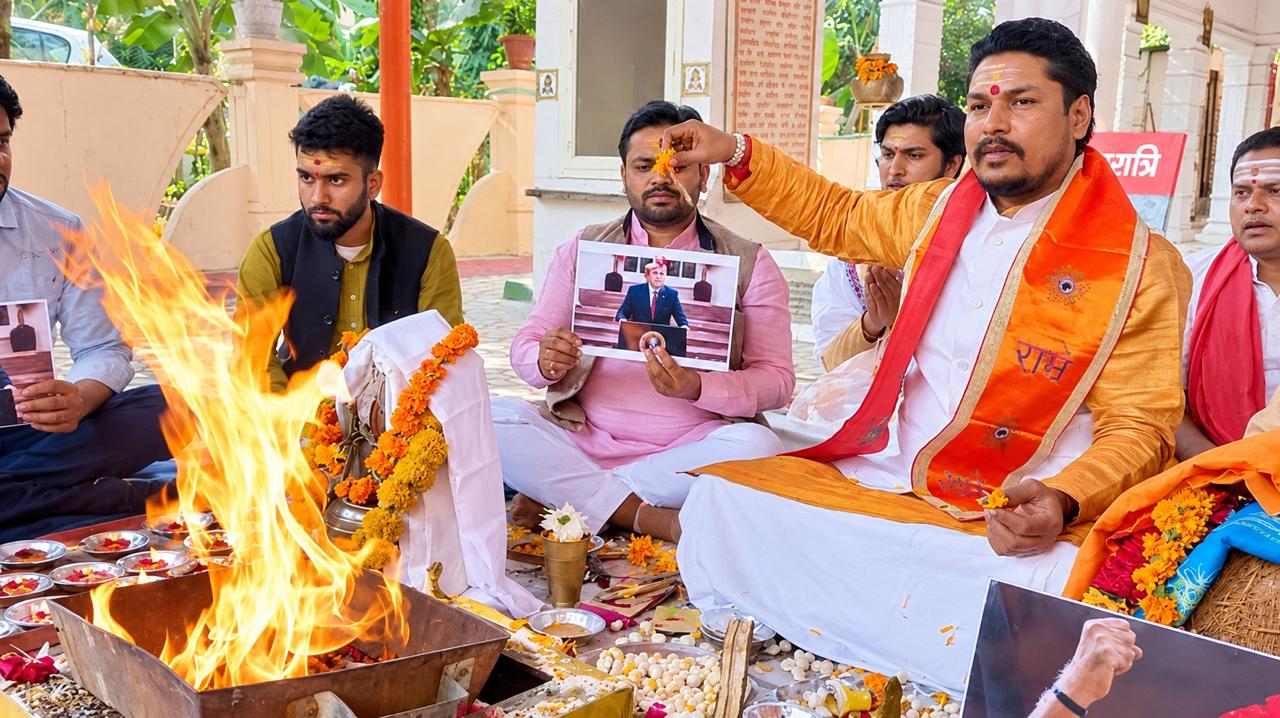
- The yagna organisers who prayed for Trump’s victory two years ago.
- The sagacity of the Indian statesman who allowed himself to be used by Netanyahu a few days before Iran was attacked?
- A list of Trump’s unilateral decisions in the past two years and how the Indian government responded.
- How there is no uncertainty over the outcome of the election result in India involving an Indian who used to meet Epstein.
- Rahul Gandhi gifted editors a sitter by messaging about the debate and Trump: what more does a newspaper need to do a story on how the leader who flees a debate no longer looks so strong and “presidential”?
Most courageous desk of the day: That which slaughtered Peter Baker’s 1,600-plus-word analysis in The New York Times to 437 words. I stand up in awe!
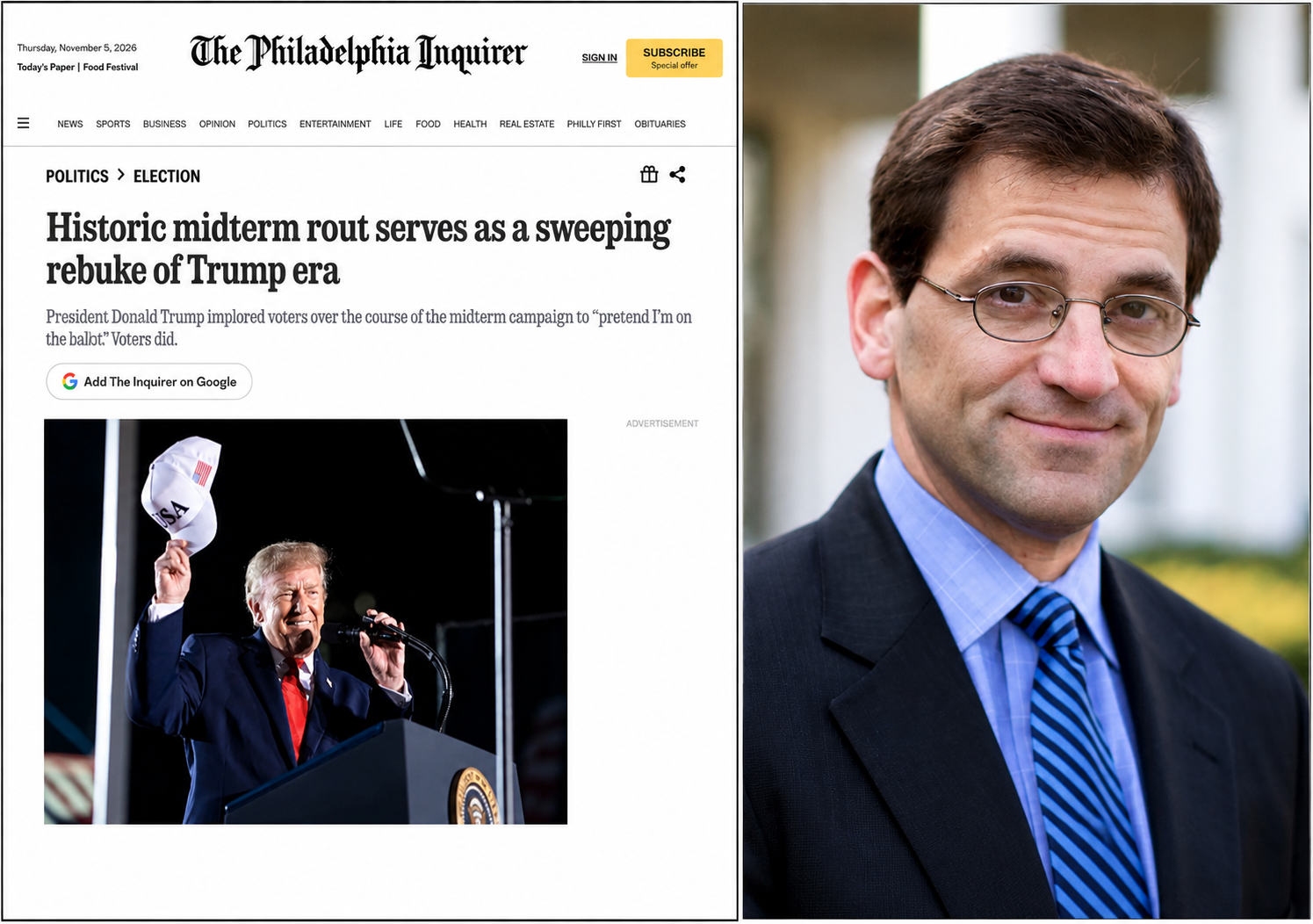
Probity test of the day: Whether the newspapers that reproduced Baker’s column would also reproduce tomorrow (Friday) a correction uploaded by the NYT at night. In the NYT’s own words: “An earlier version of this article misspelled the surname of a professor at the University of California, Los Angeles. She is Lynn Vavreck, not Vavrek.”



When a leader begins to believe that his name alone is enough to secure victory, democracy itself is put to the test. Elections are not personal endorsements or blank cheques; they are an exercise of public accountability. The experience of Trump offers an important reminder that no political leader can remain above the people’s verdict. In a democracy, institutions, constitutional values and public trust must always matter more than the personality of any individual leader.