Norwegian Journalist’s Visa Cancellation Raises Fresh Questions Over Press Freedom in India

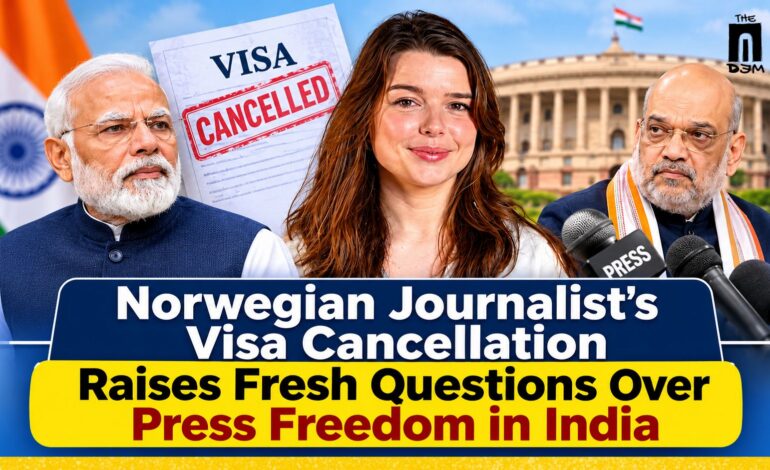
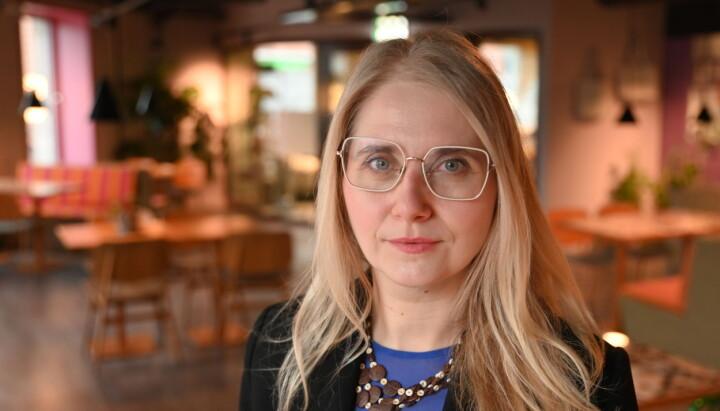
The reported cancellation of Norwegian journalist Helle Lyng’s visa to India, barely hours before she was scheduled to board a flight to attend the Bharat Summit in Hyderabad, has brought the Narendra Modi government’s record on press freedom and its relationship with independent journalists into sharp focus.
Lyng was scheduled to speak at the Bharat Summit on Saturday, November 14. Her account of the circumstances surrounding the cancellation has drawn international attention, particularly in the context of an encounter with Modi during his visit to Norway in May this year, when she asked the Prime Minister whether he would take questions from the press.
The Committee to Protect Journalists (CPJ), an international organisation that monitors violations of press freedom, has expressed concern over the cancellation, describing it as likely retaliation for Lyng’s questioning of Modi.
“No journalist should be targeted for asking critical questions,” the CPJ said in a statement, urging the Indian authorities to reinstate her visa and enable her participation in the Hyderabad summit.
“As the world’s largest democracy, India has a special responsibility to uphold press freedom and ensure all journalists can work without fear of retaliation,” the organisation added.
A Question in Oslo, A Cancellation Six Months Later
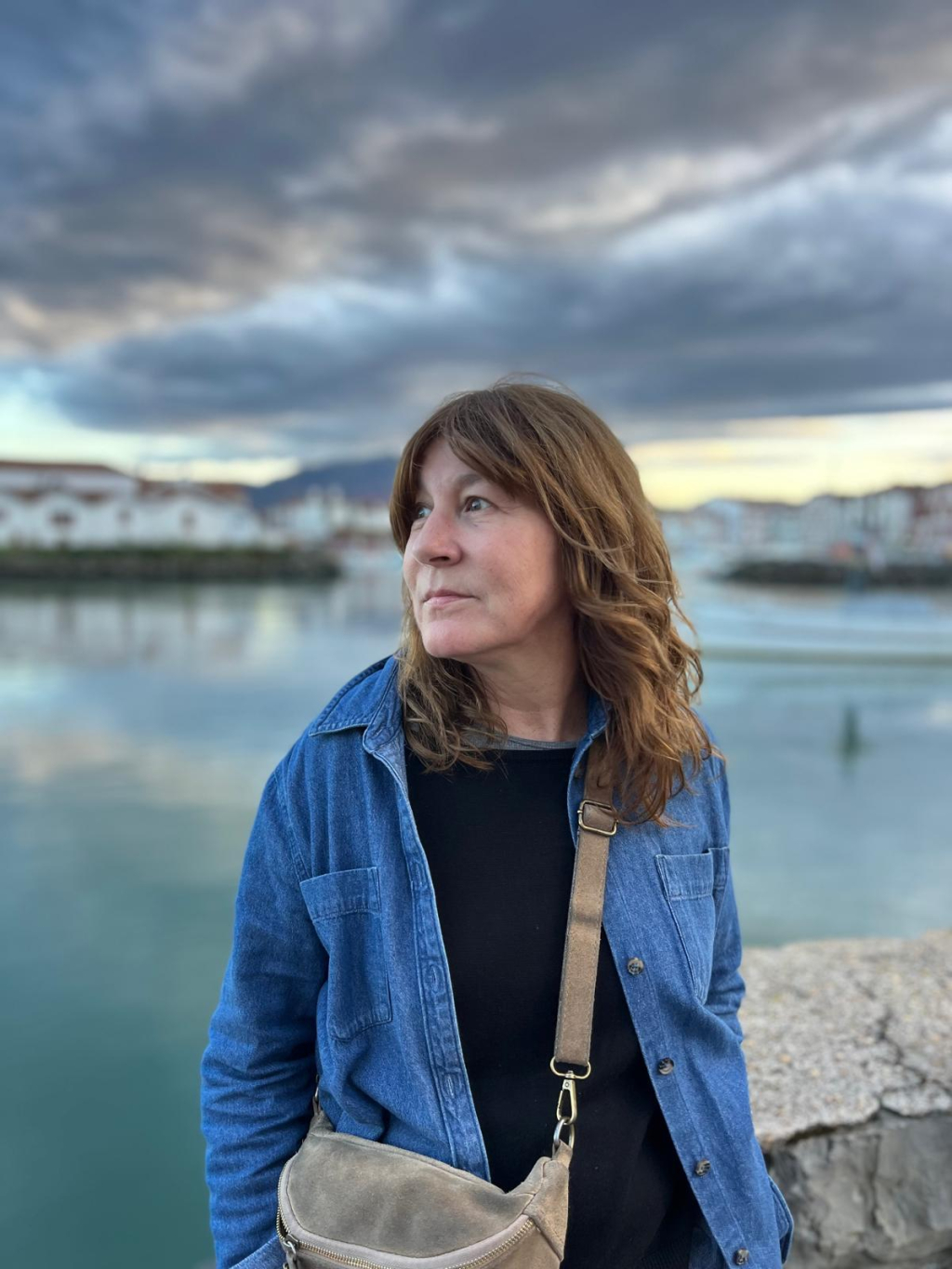
Lyng, whose full name is Helle Lyng Svendsen, works for the Oslo-based newspaper Dagsavisen. She came into prominence in India on May 18, 2026, when Modi and Norwegian Prime Minister Jonas Gahr Støre made statements to the media following their bilateral meeting in Oslo.
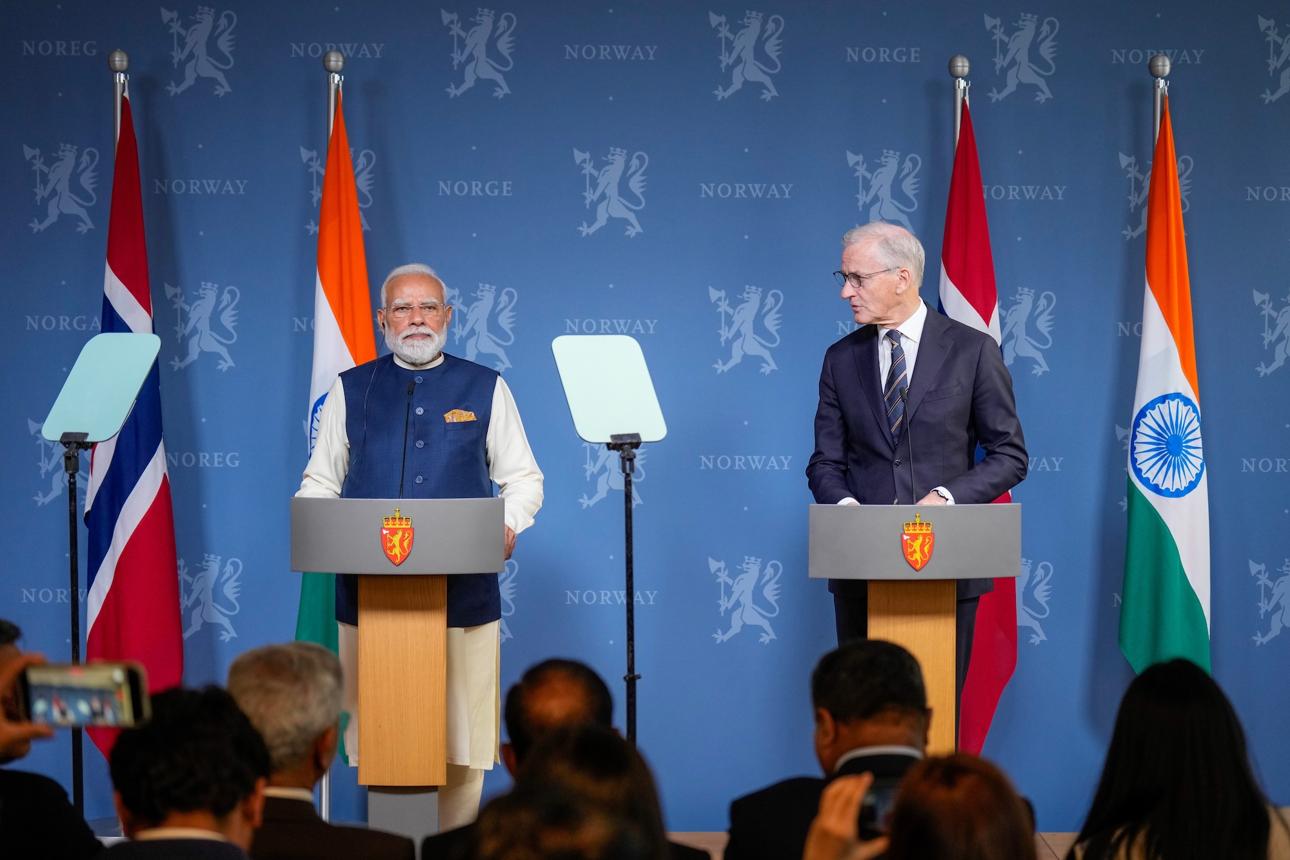
As Modi was leaving the podium, Lyng asked him why he would not take questions from what she described as the freest press in the world. Modi walked away without responding. The incident, captured on video and widely circulated on social media, revived a longstanding debate about the Indian Prime Minister’s reluctance to subject himself to unscripted questioning by journalists.
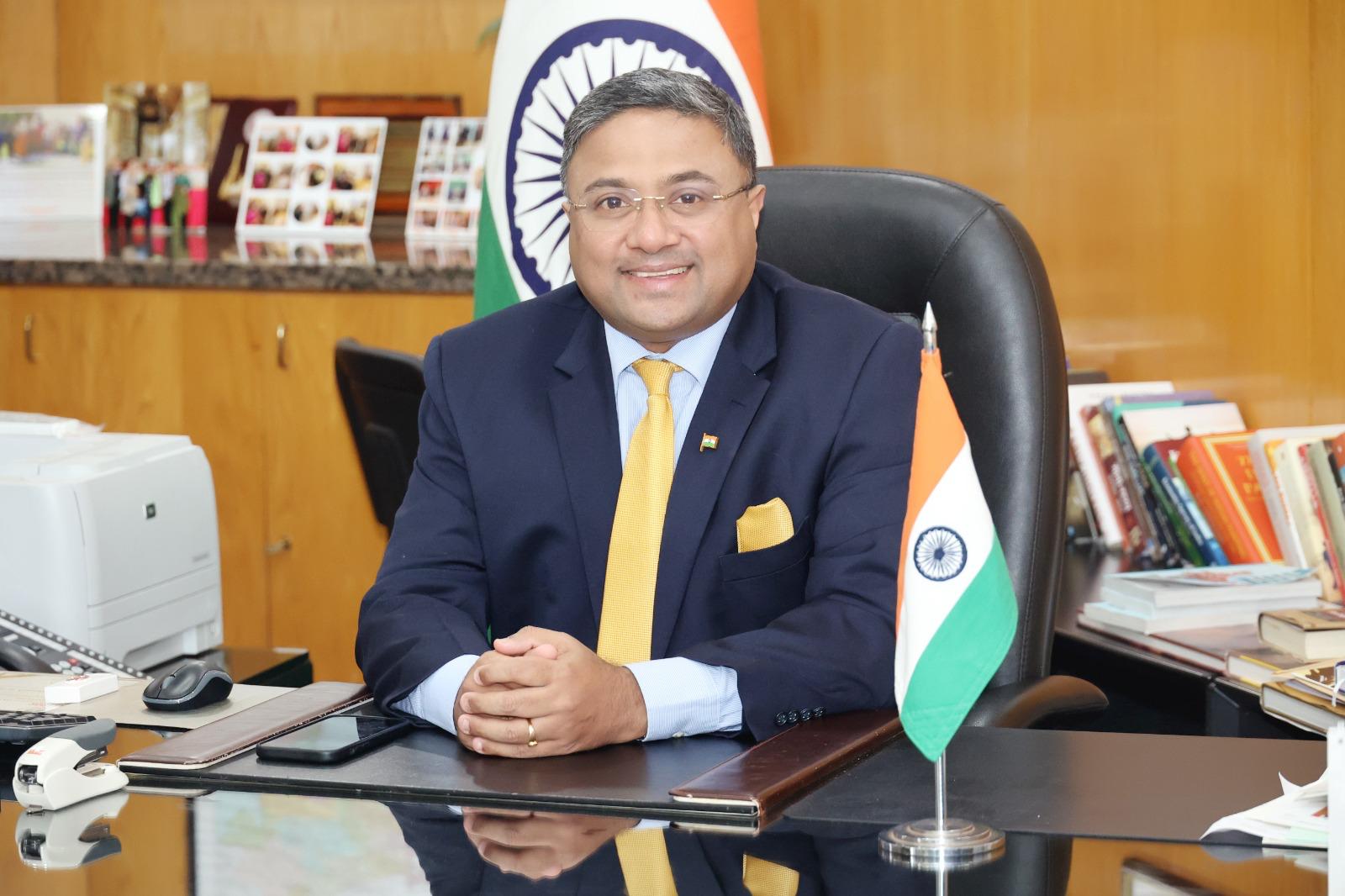
The controversy continued at a subsequent media briefing addressed by Sibi George, Secretary (West) in India’s Ministry of External Affairs (MEA). Lyng questioned George about India’s human rights record and the credibility of the Indian government’s commitment to democratic values. The exchange generated considerable discussion in both India and Norway.
Six months later, Lyng finds herself prevented from travelling to India to participate in a discussion on precisely the issues that had animated her encounter with Modi, the relationship between the media, press freedom and democracy.
‘Orders From Above’
In a video message posted on November 11 and addressed directly to Union Home Minister Amit Shah, Lyng recounted the sequence of events that led to the cancellation of her visa.
According to her account, the organisers of the Bharat Summit had informed her that political clearance for her participation had been obtained. She submitted the necessary documents on November 5 and was informed on November 10 that her passport, with the Indian visa, was ready for collection.
I got a visa to India and was supposed to leave this morning to attend the Bharat Summit in Hyderabad. I had been invited as a panelist and speaker on the future of media and press freedom.
But «orders from above» in the Ministry of Home Affairs have cancelled my visa.
Here is my message for @AmitShah
— Helle Lyng (@HelleLyngSvends) November 11, 2026
On November 11, barely ten minutes before she was to leave for the airport, she received a telephone call from the Indian Embassy in Oslo informing her that she would not be permitted to enter India. An email subsequently confirmed that her visa had been cancelled.
Lyng alleged that the decision had been taken following “orders from above” in the Union Ministry of Home Affairs (MHA). She said that no explanation had been provided for the cancellation and that she had not been asked for any additional documents or clarifications before the decision was taken.
The Norwegian journalist also pointed to her subsequent writings on the Modi government, her criticism of the influence of industrialists Gautam Adani and Mukesh Ambani, and her coverage of the Cockroach Janta Party movement, including an interview with its founder Abhijeet Dipke, as possible reasons for the decision.
Primeminister of India, Narendra Modi, would not take my question, I was not expecting him to.
Norway has the number one spot on the World Press Freedom Index, India is at 157th, competing with Palestine, Emirates & Cuba.
It is our job to question the powers we cooperate with.
— Helle Lyng (@HelleLyngSvends) May 18, 2026
Lyng made it clear that she considered the decision politically motivated, while acknowledging that the authorities had not communicated their reasons to her.
As of the morning of November 13, neither the Ministry of Home Affairs nor the Ministry of External Affairs had publicly explained the cancellation.
A Larger Controversy Over the Bharat Summit
The cancellation of Lyng’s visa is not an isolated controversy surrounding the Bharat Summit, a gathering of political leaders, academics, journalists and civil society representatives organised by the Congress-led Telangana government.
The summit, being held on November 13 and 14 in Hyderabad, seeks to bring together representatives of progressive political movements from different parts of the world to discuss contemporary challenges to democracy, social justice and international cooperation.
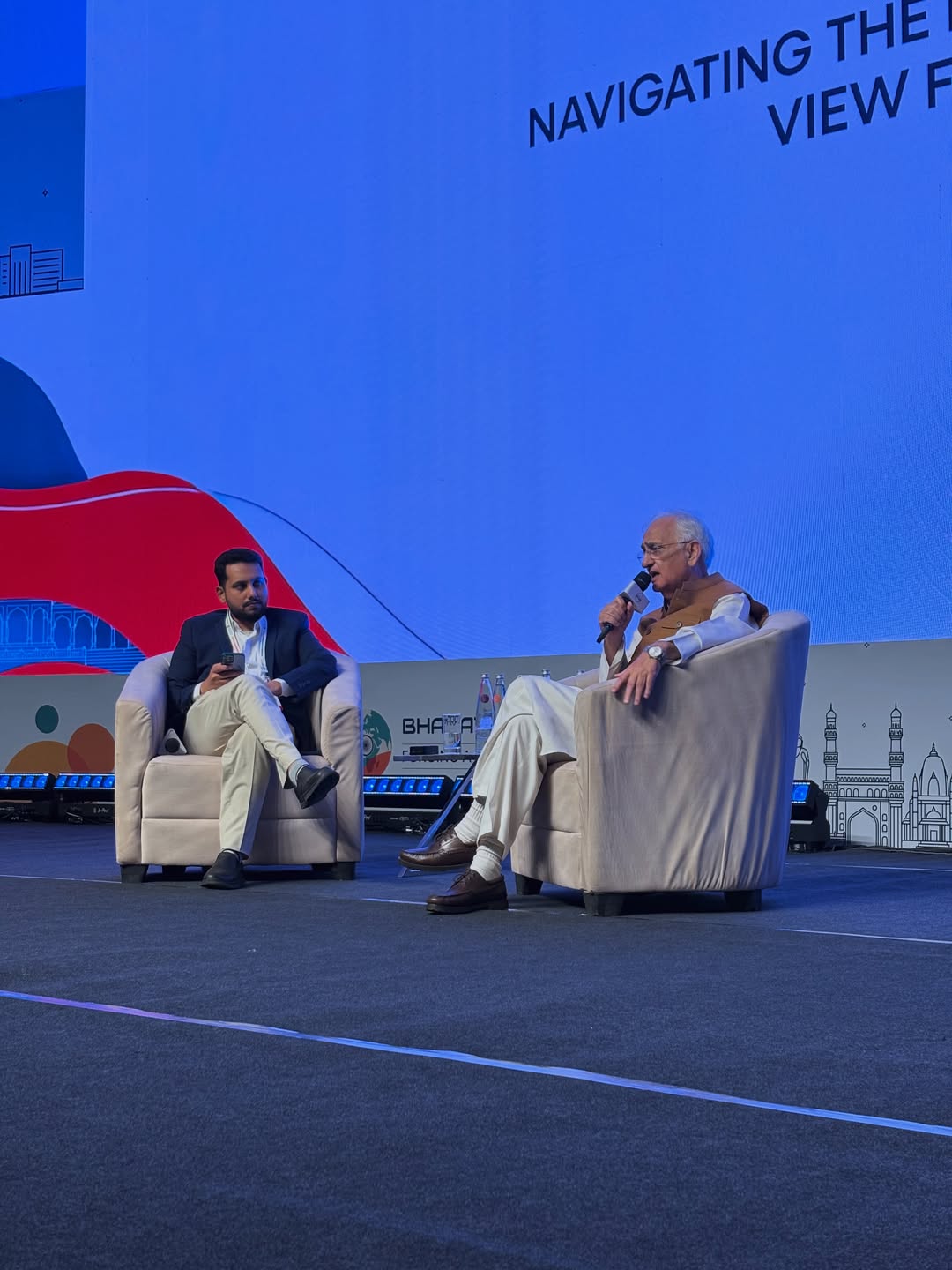
According to a report in The Wire on November 12, as many as 113 foreign delegates had been denied permission to enter India for the summit. The report, citing sources close to the organisers, said that the visas of some participants had been revoked even after they had been issued. Around 202 international delegates had reached India at the time of the report.
The developments raise questions not merely about the treatment of an individual journalist but also about the use of the Union government’s powers over visas and entry clearances in relation to an international political conference organised by an Opposition-led State government.
The Congress has reacted sharply to Lyng’s exclusion, questioning the Modi government’s attitude towards journalists who seek to hold those in power accountable.
The episode has also acquired a wider political significance in the context of the continuing tensions between the BJP-led Union government and Opposition-ruled States over the exercise of federal powers.
A Pattern of Restrictions on Foreign Journalists
The CPJ’s intervention in Lyng’s case assumes particular significance in the context of a series of incidents in recent years involving foreign correspondents working in India. The use of visa regulations, restrictions on journalistic activity and the denial of work permits have emerged as major concerns for international media organisations.
In February 2024, French journalist Vanessa Dougnac left India after 23 years of reporting from the country. Her journalism permit had been withdrawn in September 2022. Subsequently, the Ministry of Home Affairs issued a notice threatening to revoke her Overseas Citizenship of India (OCI) status, alleging, among other things, that her reporting had created a negative perception of India.
Dougnac, who had reported extensively on South Asian politics and human rights for several European publications, rejected the allegations. The CPJ described her treatment as harassment and called for a transparent mechanism through which foreign journalists could seek redress against such administrative decisions.
In April 2024, Avani Dias, the South Asia bureau chief of the Australian Broadcasting Corporation (ABC), left India amid a controversy over the renewal of her visa. Dias said she had been informed that her reporting had crossed a line and that her visa would not be extended. Although an extension was eventually granted following Australian diplomatic intervention, it came less than 24 hours before her scheduled departure.
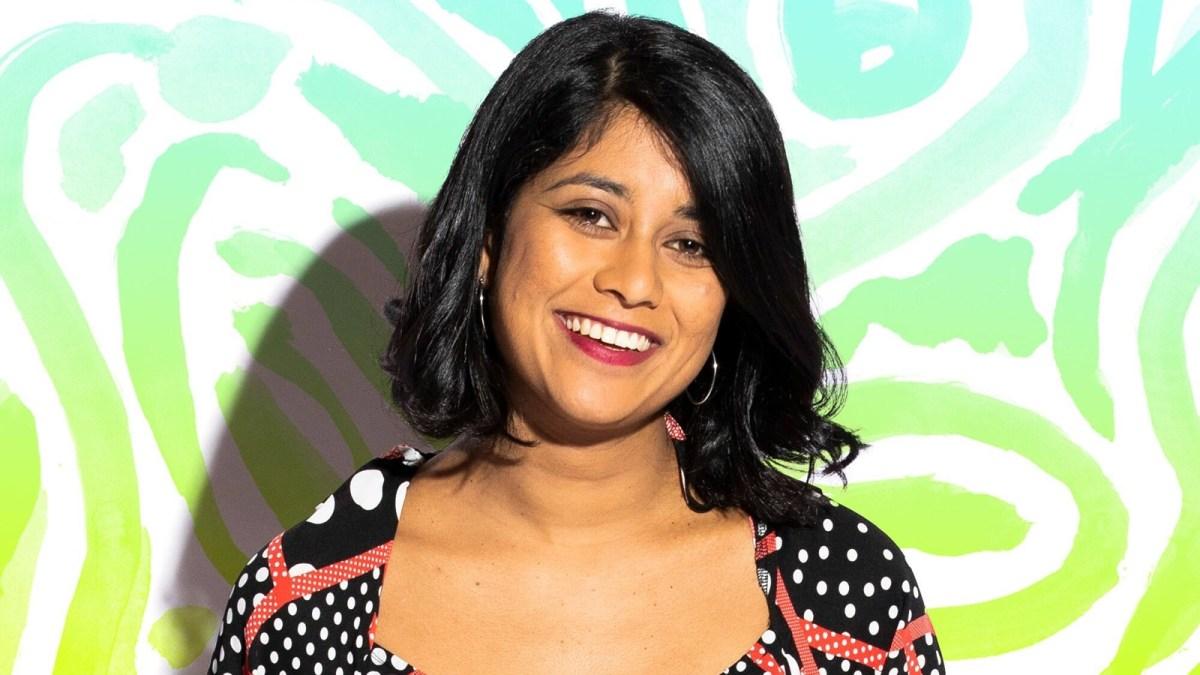
The controversy followed her reporting on the killing of Sikh separatist Hardeep Singh Nijjar in Canada. Indian authorities disputed her account, with a government source alleging that she had violated visa regulations. The CPJ, however, expressed concern that visa rules were being used to restrict reporting on subjects considered sensitive by the Indian government.
In June that year, another French journalist, Sébastien Farcis, left India after the authorities refused to renew his journalism permit. Farcis had worked in India for 13 years and was a correspondent for several French and Belgian media organisations.
The CPJ noted at the time that at least five foreign correspondents holding OCI status had been prevented from working as journalists in India over the preceding two years.
These cases, though differing in their individual circumstances, underline a growing concern over the discretionary powers exercised by the Indian authorities in determining who can report from India and under what conditions.
The Larger Question of Democratic Accountability
The Lyng episode also brings into focus the nature of Modi’s engagement with the media since he assumed office in 2014. His preference for carefully structured interviews, official statements and direct communication through social media and programmes such as Mann Ki Baat, rather than open-ended press conferences, has been a subject of sustained criticism.
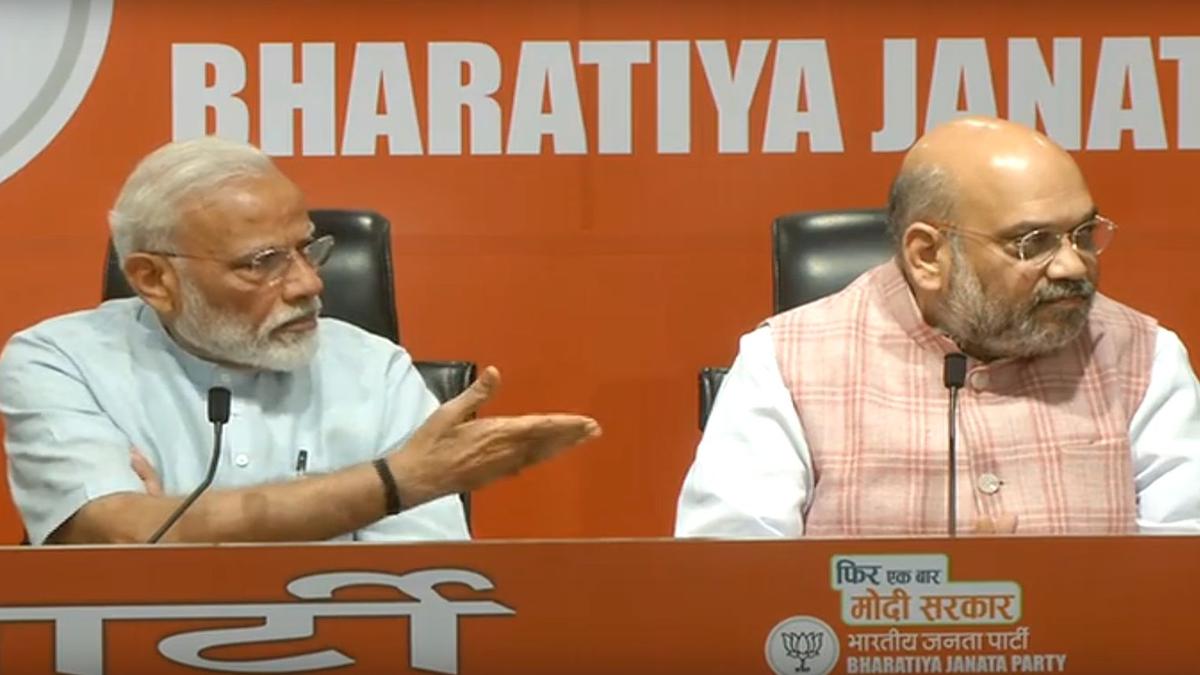
In May 2019, towards the end of his first term as Prime Minister, Modi appeared at a BJP press conference alongside Amit Shah, then the party president. He did not take questions, leaving Shah to respond to journalists. The Oslo incident, seven years later, once again brought this issue into the international spotlight.
The distinction between communicating with the public and being subjected to independent journalistic scrutiny is fundamental to democratic accountability. While the former enables political leaders to present their policies and positions, the latter provides an opportunity to question their claims, examine contradictions and seek explanations for government actions.
The cancellation of Lyng’s visa, particularly after she had obtained the requisite clearances, raises the additional question of whether administrative powers are being deployed to penalise journalists for exercising that function.
Governments have the sovereign authority to regulate the entry of foreign nationals. However, when such powers are exercised without a publicly stated rationale, particularly against journalists known for their criticism of those in office, they invite legitimate scrutiny over the motivations underlying these decisions.
The immediate issue before the Modi government is whether it will reconsider the cancellation and allow Lyng to participate in the Bharat Summit. The larger issue, however, concerns the space available for independent journalism in India and the government’s willingness to subject itself to critical questioning.
The irony of a journalist being prevented from attending a conference where she was invited to speak on press freedom is particularly striking. In the absence of a credible explanation from the Indian authorities, the circumstances of the cancellation themselves constitute a telling commentary on the state of press freedom in the world’s largest democracy.
A democracy that claims to uphold freedom of expression cannot silence journalists simply because they ask uncomfortable questions of those in power. The last-minute cancellation of Norwegian journalist Helle Lyng’s visa, despite her reported visa approval and political clearance, raises deeply troubling questions about press freedom, transparency and political accountability. If questioning the Prime Minister and criticising those in power becomes grounds for exclusion, what message does India send to the world? Democracy is strengthened by fearless questions, not by silencing those who ask them.