

From a Lockdown Experiment to a ₹1 Delivery: The Teenager Betting on a Drone Revolution

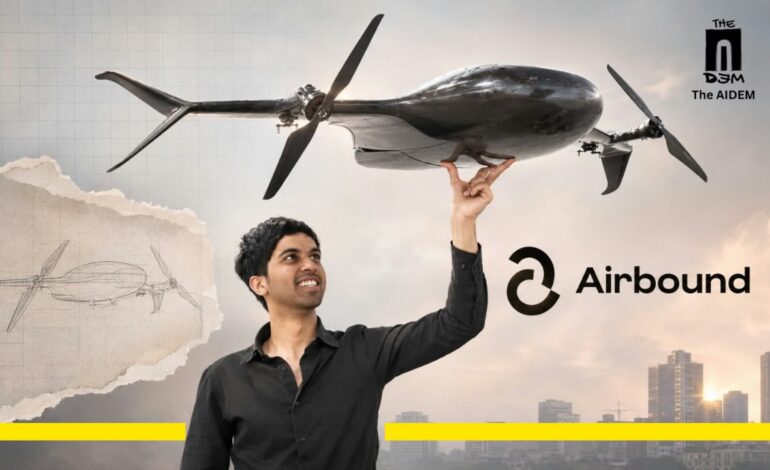
A drone built with foam, sandpaper and an ordinary printer during the COVID-19 lockdown is now at the centre of an ambitious attempt to transform the economics of transportation. What began as a 15-year-old boy’s experiment in 2020 has grown into Airbound, a Bengaluru-based start-up that has attracted millions of dollars in venture capital and is challenging a fundamental assumption of modern logistics: that moving goods must remain an expensive, labour-intensive operation.
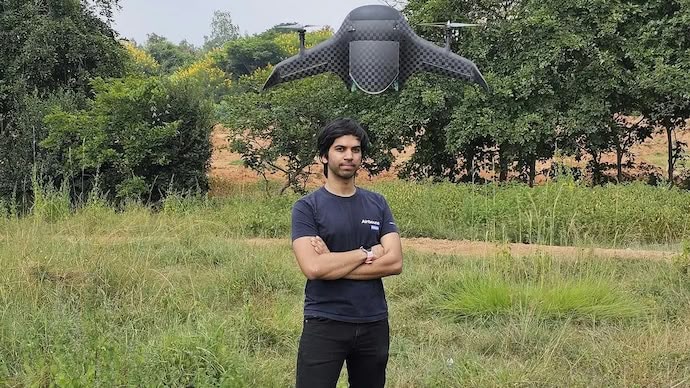
At the heart of this venture is a startling proposition. Naman Pushp, the young founder of Airbound, wants to bring the cost of delivering a package down to just ₹1. It is a target that could radically alter the economics of moving goods, particularly medical supplies and other time-sensitive cargo. But between that ambition and commercial reality lie formidable challenges involving aircraft design, energy consumption, regulatory approvals and the economics of operating an autonomous fleet.
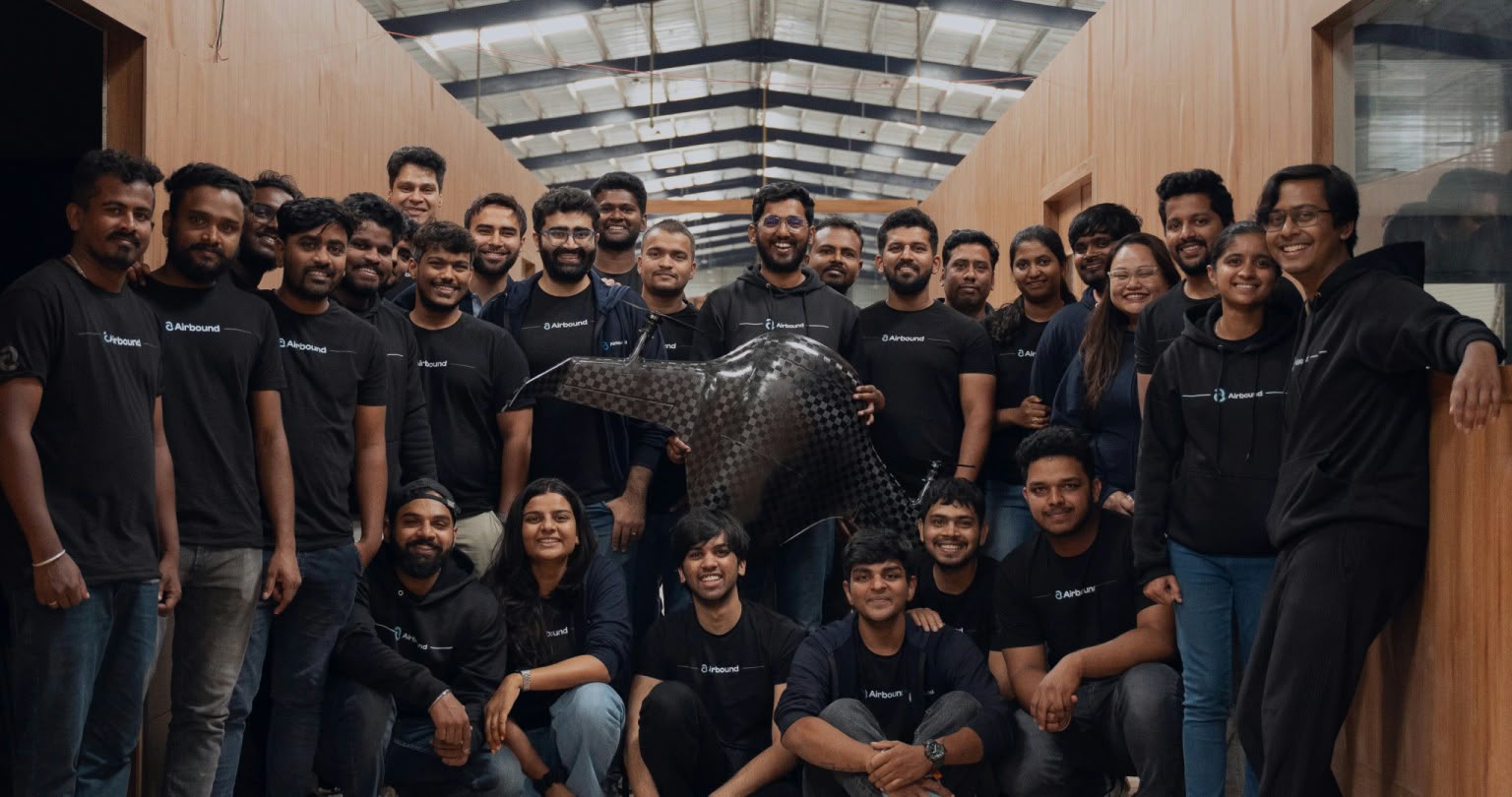
Airbound has already moved beyond laboratory experiments. Its drones have completed more than 1,000 flights transporting diagnostic samples between healthcare facilities, while successive rounds of investment have brought substantial financial backing.
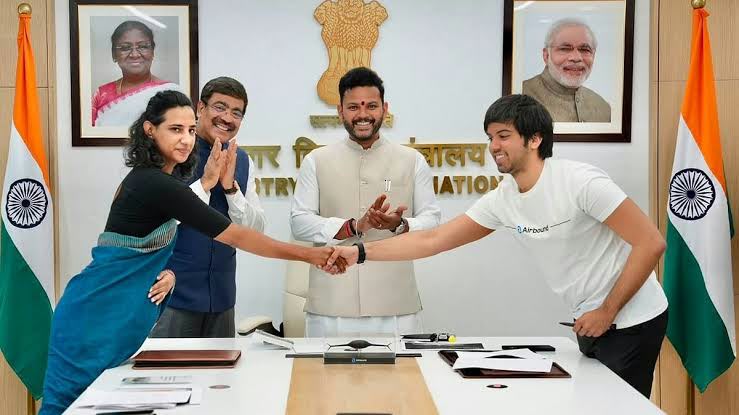
The company’s ambitions have now acquired a much larger geographical and commercial dimension. In June 2026, Airbound signed a memorandum of understanding with the Andhra Pradesh Drone Corporation to develop an extensive drone delivery network across the Amaravati Capital Region, connecting Amaravati, Vijayawada and Guntur. The proposed network, which is expected to begin operations in Guntur, has an ambitious target of eventually handling 10,000 drone flights a day. Envisaged as a shared aerial logistics infrastructure serving healthcare, e-commerce and other commercial sectors, the project represents a significant attempt to take drone deliveries beyond isolated experiments and establish them as part of an organised transportation system.
The Andhra Pradesh initiative also brings into sharper focus the economic and regulatory questions surrounding Airbound’s business model. The state government is expected to facilitate the infrastructure and regulatory coordination needed for the network, while private businesses would become its commercial customers. Pushp has indicated that the objective is to demonstrate that drone transportation can sustain itself economically rather than depend on government contracts. The proposed scale is striking, but the agreement does not establish that such a network is already operational. Building it would require regulatory clearances, reliable flight corridors, ground infrastructure and sufficient commercial demand. The Andhra Pradesh experiment could therefore become a crucial test of whether Airbound’s technological innovations can translate into a viable transportation service.
Reaching the ₹1-per-delivery target would require bringing down the cost of the entire operation, from the energy each flight uses to the upkeep of a fleet.
In an interview with Tamanna Inamdar on NDTV Profit, Pushp recalled looking for something to do during the extended break from school. He had already spent much of his spare time on robotics. The lockdown gave him a chance to turn that interest into a project of his own.
From Robotics to a First Prototype
Pushp lived in Malaysia and Hyderabad before settling in Mumbai. As a teenager, he spent hours building with Lego robotics kits and learning how mechanisms worked. During the pandemic, he entered a global hackathon organised by Helpful Engineering with a prototype for transporting goods without direct human contact. He put the $500 he received through the hackathon back into developing the aircraft.

Pushp taught himself the basics of aerodynamics, propulsion and aircraft design through online resources and repeated experiments. In 2021, the 1517 Fund gave him a $1,000 grant. Further backing came from GradCapital and Emergent Ventures. Ganesh Yadav, whom Pushp had met at Maker’s Asylum in Mumbai in 2019, later became Airbound’s first team member and served as its Director from June 2023 to January 2026.
What Makes a Delivery Flight Expensive
A drone can take a relatively direct route and avoid traffic and poor roads. Its cost per delivery, however, depends on how much it can carry, how much energy it uses and how often its batteries and other parts need replacing. A shorter journey by air makes economic sense only if the time saved or the value of the cargo justifies the cost.
In a conversation with Hemant Mohapatra on Lunchbreak with Lightspeed, Pushp described approaching the problem from first principles. For Airbound, that means examining the weight and shape of the aircraft as well as the materials it is made from. Every gram the aircraft needs to carry for its own structure draws on energy that could go towards carrying cargo.
Airbound’s aircraft takes off vertically, tilts into forward flight and returns to an upright position to land. That design allows it to operate without a runway and use less energy in forward flight than a comparable aircraft that relies on rotors alone for lift. How much it saves over a full delivery route also depends on the payload, flight distance and time spent taking off and landing.
Why the Airframe Matters
Airbound uses carbon fibre for its strength-to-weight ratio. A lighter airframe can reduce energy consumption and leave more of the aircraft’s weight allowance available for cargo. Batteries are a significant part of the total weight, and the cost of replacing them as they lose capacity also affects delivery economics. Whether the weight savings translate into lower costs depends on how the aircraft performs in regular service.
Deliveries Between Distribution Hubs
Airbound’s initial focus is on the middle leg of a supply chain, when goods move between fixed sites such as warehouses, distribution centres or healthcare facilities. The final leg, known as the last mile, takes a parcel from a local hub to the customer. Fixed routes and predictable loads make the middle leg a practical place to test whether autonomous flights can compete with road transport.
Healthcare offers an early test. Airbound began a pilot with Narayana Health to carry diagnostic samples and other medical supplies. By August 2026, Pushp told TechCrunch that the company had completed more than 1,000 flights with the hospital network, moving diagnostic samples between facilities. Time-sensitive medical cargo makes the case for faster transport especially clear. In areas where difficult terrain or poor roads slow access to laboratories and hospitals, such a service could provide another option.
From Early Grants to Venture Funding
After securing admission to Carnegie Mellon University, Pushp chose to develop Airbound full-time. He learned through a combination of independent study, work with other makers, and small grants that paid for successive prototypes. Those early opportunities gave him room to experiment before the business could attract larger investors.
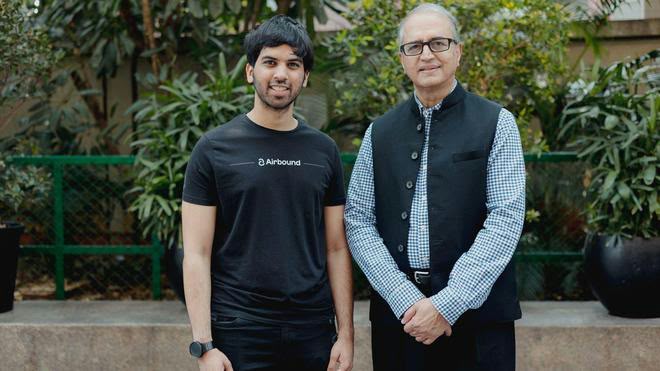
Pushp told TechCrunch that Lightspeed offered him a term sheet at 17 and that he signed after turning 18. In October 2025, Airbound raised $8.65 million in seed funding. In August 2026, it announced a $37 million Series A round led by Greenoaks.
The Test of Operating at Scale
India’s Drone Rules, 2021, set out requirements for registration, certification and operations. As commercial services expand, operators will also have to address public concerns about privacy and airspace safety. Pushp has identified approvals for flights beyond an operator’s visual line of sight as a major constraint on expanding delivery networks.
A regular service needs reliable navigation and communications, suitable landing sites and coordination with other users of the airspace. Aircraft maintenance and battery replacement also have to be factored into operating costs. The economics will vary by route, depending on how much cargo there is to move and how regularly it needs to travel.
Pushp’s lockdown project has already produced aircraft that can move diagnostic samples between healthcare facilities. The next test is whether Airbound can turn that experience into a dependable service at a cost that can compete with road transport on the routes it serves.