

Punjab’s War on Drugs Faces a Test in Its Own Prisons

With nearly half of Punjab’s prison population registered for opioid treatment, the state faces a question that goes beyond managing withdrawal: can its jails support recovery and ensure that care continues after release?
For many people with opioid dependence, the most immediate concern on entering a Punjab jail comes before any hearing on bail or acquittal. They must contend with withdrawal. Abruptly stopping heroin, opium, or other opioids can cause severe withdrawal symptoms that require prompt medical assessment in the first days of custody.
Punjab has grappled with drug dependence for years, and its prisons have become an important point of access to treatment. Opioid-assisted treatment is now part of prison healthcare, but questions remain about whether the system can support lasting recovery.
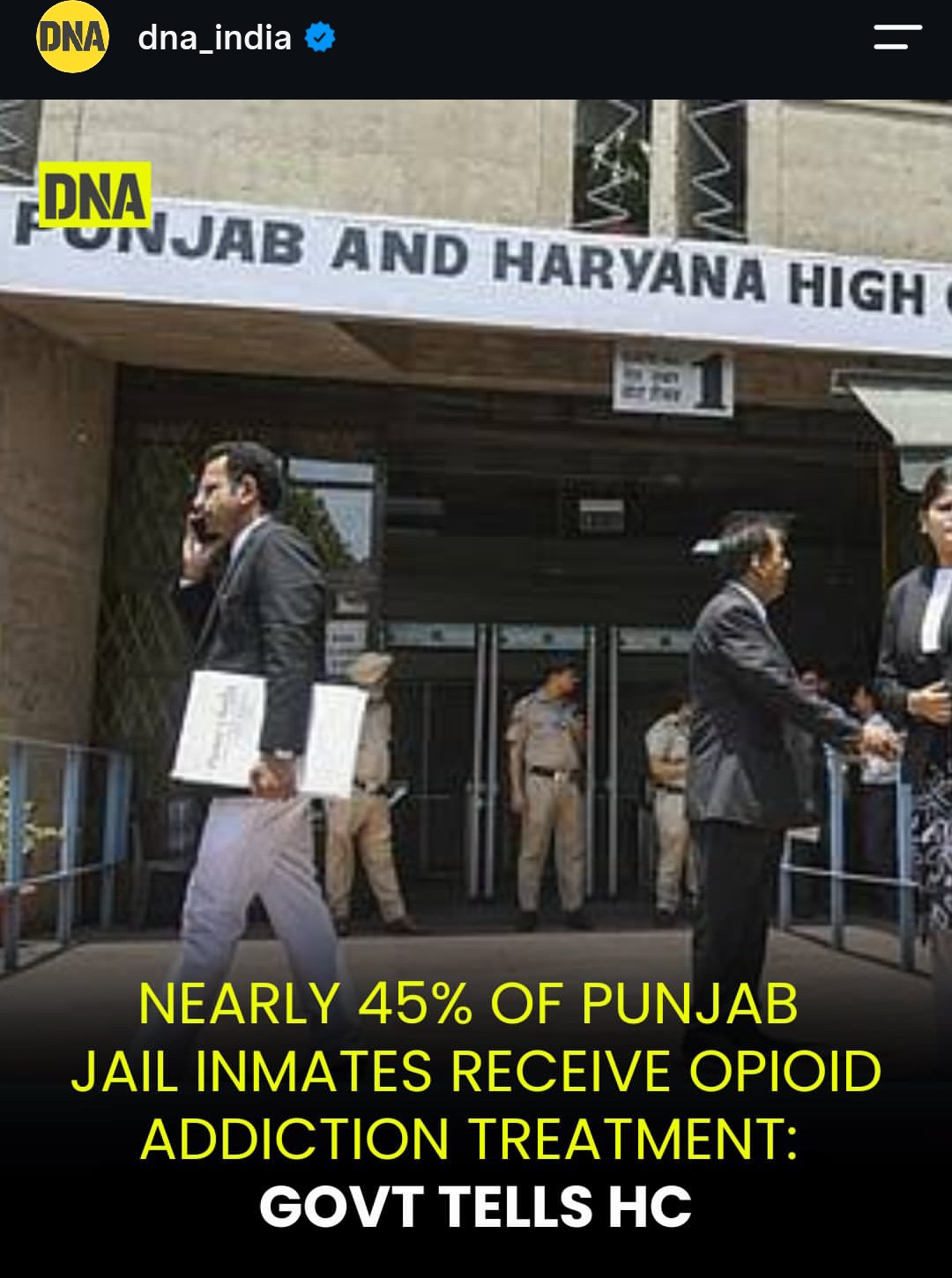
The scale of the challenge is considerable. According to figures the Punjab government submitted to the Punjab and Haryana High Court in September 2026, 15,768 of the state’s 35,449 prisoners, approximately 44.5 per cent, were registered with Outpatient Opioid Assisted Treatment (OOAT) clinics. The figure covers the entire prison population and gives no breakdown for undertrials or for those diagnosed with dependence on admission.
The distinction matters. The National Crime Records Bureau’s Prison Statistics India 2024 records 8,487 undertrial prisoners in Punjab booked under the Narcotic Drugs and Psychotropic Substances (NDPS) Act as of 31 December 2024. They accounted for approximately 35.5 per cent of Punjab’s 23,922 undertrials. The figures count people facing prosecution under the NDPS Act, regardless of whether they have a diagnosis of drug dependence.
Managing Withdrawal and Cravings in Prison
Punjab’s prison administration has sought to address opioid dependence through screening, clinical care and opioid substitution treatment. Punjab introduced OOAT in its public healthcare system in 2017 and later extended it to prisons. Under the programme, people diagnosed with opioid dependence receive buprenorphine, often combined with naloxone, under medical supervision.
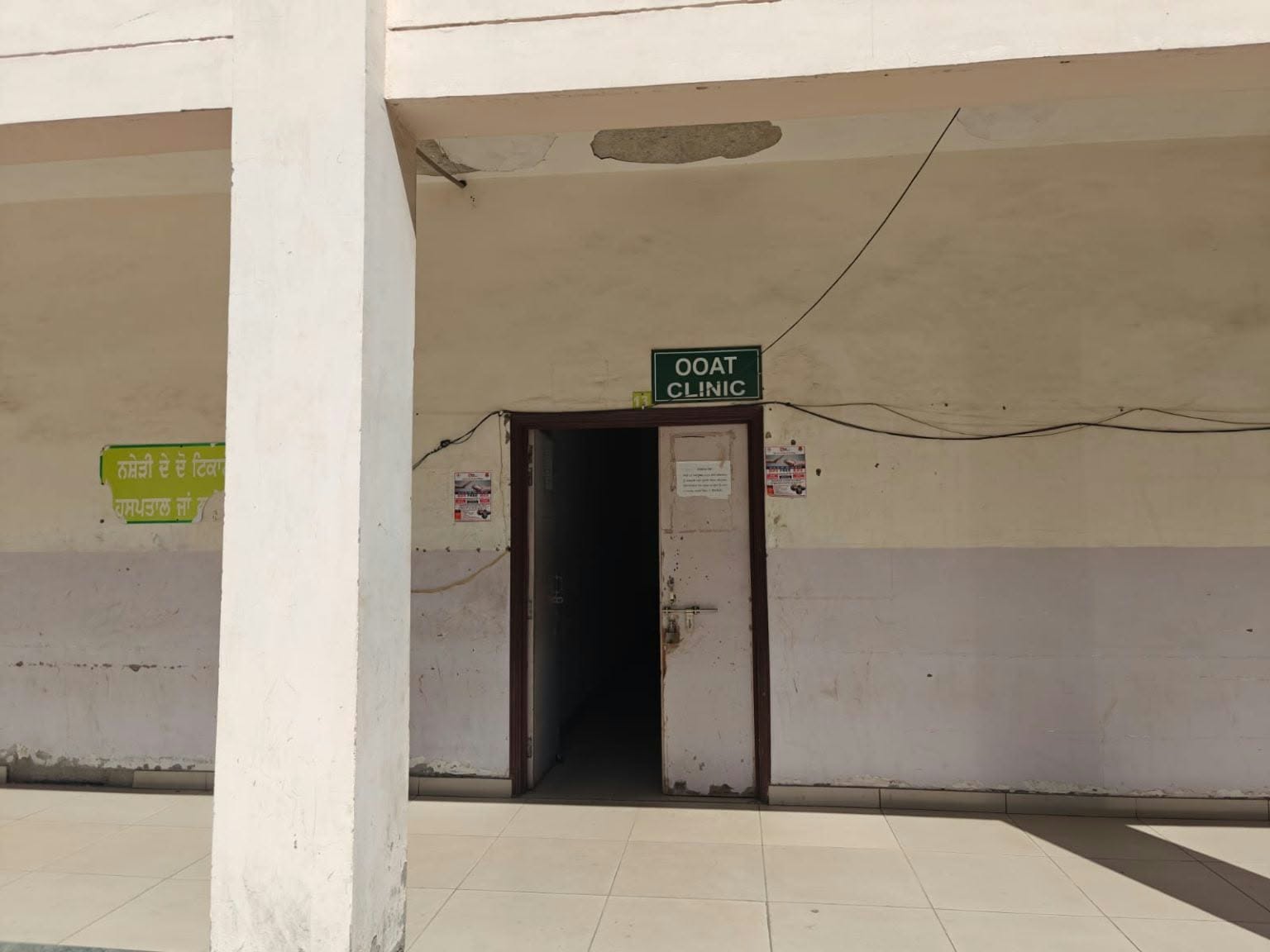
The aim is to prevent or relieve withdrawal, stabilise patients and reduce cravings. Screening on admission draws on self-disclosure or clinical assessment. Prison staff refer those who need opioid treatment to prison-based OOAT clinics.
In July 2022, Punjab launched a drug-screening drive across its prisons, starting at Rupnagar District Jail, where all 950 prisoners were screened. The drive sought to identify people with substance use disorders who had yet to receive treatment. The government also spoke of strengthening counselling, peer support and rehabilitation.
Medication is one component of prison healthcare for people with opioid dependence. Withdrawal can cause pain, anxiety, insomnia and gastrointestinal symptoms. Prisoners may need medical observation, adjustments to their medication and mental health support. A security-led response can put prisoners at greater risk if it delays medical assessment and treatment.
Access to treatment and rehabilitation also depends on the facilities available in each jail. The New Indian Express reported in July 2025 that 17 Punjab jails had OOAT clinics. The state was also developing dedicated de-addiction and rehabilitation centres in 10 central jails, and construction at Bathinda had already been completed. The proposed centres were intended to bring medical treatment, counselling and rehabilitation together.
From Medication to Rehabilitation
The more difficult question is what happens after withdrawal symptoms subside. Medication can stabilise people with opioid dependence and support long-term recovery, which may also require sustained psychological, social and behavioural support.
Punjab’s prison administration has described a two-stage approach that begins with de-addiction treatment and continues with rehabilitation. The second stage is meant to include counselling, psychiatric care, peer support, vocational training and preparation for returning to the community.
It remains unclear how consistently prisons provide these services. In September 2026, India Today reported, citing the state’s High Court affidavit, that eight of Punjab’s 26 prisons had dedicated de-addiction centres, a separate category from OOAT clinics. The state had yet to provide adequate figures on treatment completion or on how many prisoners had stopped taking medication.
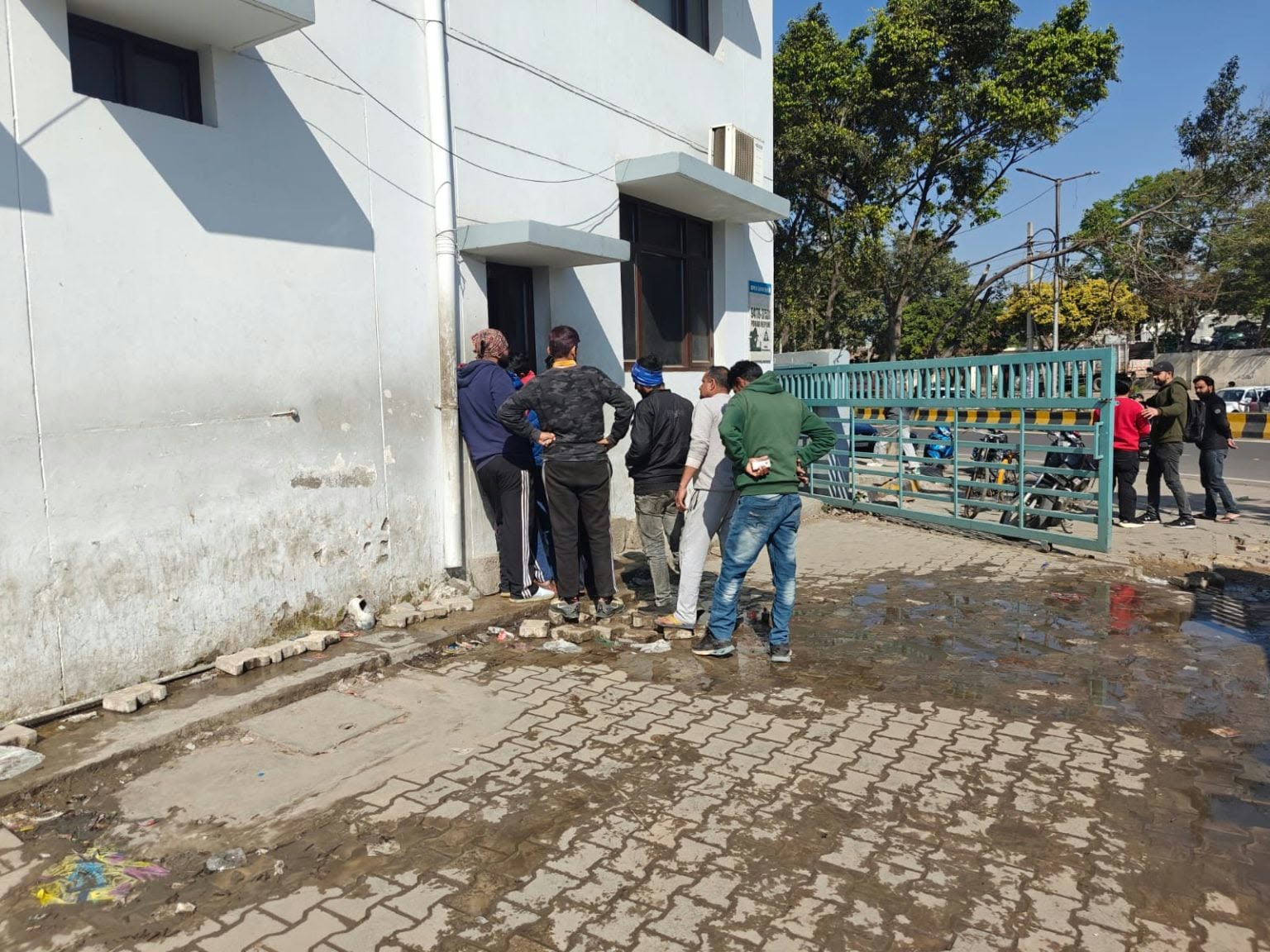
Clinic registrations show how many people the programme has enrolled, leaving the question of recovery outcomes open. Discontinuing buprenorphine is only one possible outcome. For some patients, continuing medication under clinical supervision is an appropriate form of long-term treatment.
Rehabilitation also requires trained counsellors, psychiatrists and social workers, as well as individual treatment plans. A person with opioid dependence may also face poverty, unemployment, family breakdown, trauma or stigma. If these circumstances go unaddressed, they can increase the risk of relapse after release.
Continuity of Care After Release
People awaiting trial may be released on bail while they are still receiving treatment. The move from supervised care in prison back into the community can interrupt medication and counselling.
Prison authorities should coordinate with district OOAT clinics, government de-addiction centres and other healthcare providers to help patients continue treatment after release. Family counselling, employment assistance, follow-up appointments and help managing the risk of relapse can also support recovery.
Punjab has also introduced programmes to give prisoners a structured routine. These include vocational training in partnership with Industrial Training Institutes, educational programmes such as Sikhya Daat, sports and counselling. These activities can help people regain confidence, develop skills for work and reduce social isolation. Comprehensive post-release rehabilitation for people with opioid dependence requires ongoing care in the community.
Little consolidated data is publicly available on how many prisoners with opioid dependence continue treatment after release, complete rehabilitation, return to opioid use or find employment. Without follow-up data, the state cannot assess whether its prison-based programmes are producing lasting results.
High Court Scrutiny and State Accountability
The Punjab and Haryana High Court has asked the state to account for the care it provides to prisoners with opioid dependence.
In August 2026, the court took suo motu cognisance of opioid dependence among prisoners after receiving a report from the Administrative Judge of the Mansa Sessions Division. The report said that 530 of the 767 prisoners in Mansa jail, nearly 69 per cent, were registered with its OOAT clinic.
The subsequent hearings brought the gap between registration before and during custody into focus. The state identified 15,768 prisoners as drug-dependent, while reports put the number registered with OOAT clinics before entering prison at 2,540. The court expressed concern that dependence might have developed during custody and questioned whether prisons were adequately protecting prisoners’ right to life, although registration dates alone cannot establish when dependence began.
The court also cited Rule 29.22 of the Punjab Prison Rules, 2022, which calls for a scientific de-addiction programme to treat people with dependence and support their reintegration into society. It sought details of how the state was implementing the rule, including its treatment protocols, counselling services and follow-up after release.
Section 64A of the NDPS Act, 1985, also makes provision for treatment. It grants immunity from prosecution to eligible people with drug dependence charged under Section 27 or with offences involving small quantities of narcotic drugs or psychotropic substances if they voluntarily seek and undergo treatment at a facility maintained or recognised by the government or a local authority, with immunity liable to be withdrawn if they fail to complete treatment. The provision gives eligible defendants a route to treatment in place of prosecution.
The Punjab and Haryana High Court’s 2019 judgment in Kamaljeet Singh @ Kuldeep Singh v State of Haryana offers a relevant precedent. The court directed that prisoners be screened for dependence, prison staff be trained to detect drugs and people identified as having dependence receive treatment. Though issued in a Haryana case, the directions reflect a wider judicial recognition that prisons must provide medical care for substance dependence.
What Punjab Must Measure
Punjab’s prison system has taken an important step by recognising opioid dependence as a medical condition and providing treatment in jails. With nearly half the prison population registered for opioid treatment, can the state provide enough doctors, psychiatrists and counsellors to support recovery and arrange care after release?
Custody can temporarily interrupt a person’s access to opioids outside prison. Medication can help stabilise patients during custody. For that care to support lasting recovery, prisons must address the circumstances that contribute to dependence, help people prepare for life outside and arrange continuity of care after release.
Arrest and treatment enrolment figures provide only a partial account of Punjab’s anti-drug campaign. Its longer-term test is how many people can sustain recovery after release and avoid returning to prison.










Punjab’s war on drugs cannot be judged by arrests and treatment registrations alone. When nearly 45% of the prison population is enrolled in opioid treatment, it raises serious questions about prison healthcare, rehabilitation and accountability. Real success lies not in locking people up, but in ensuring dignity, sustained treatment and a genuine chance to rebuild their lives after release. Recovery, not punishment, must be the measure of this campaign.