

Healing the Land, Restoring the Wisdom: GoodEarth’s Ecological Journey

India’s backbone was its artisans — those who transformed clay into beautiful pots and sculptures, crafted furniture, built homes, grew food that fed the nation, and cotton that clothed the people. These ordinary working people were the true custodians of India’s heritage; they preserved its traditional knowledge, craftsmanship, and way of life. They understood India’s true soul.
However, in the course of history, they lost prominence in our society.
“We must revive and reclaim their traditional knowledge and give them due recognition. By restoring artisans to their rightful place in our society, India can regain its prosperity,” says Stanley George, Co-Founder, GoodEarth.
Pioneer in Alternative Architecture
GoodEarth, a pioneer in alternative architecture and development, is the passionate effort of a group of architects, engineers, craftsmen and naturalists that started in the late 80s.
For over three decades, GoodEarth has built eco-friendly, sustainable communities, several significant institutions… inspired by the teachings of Gandhian architect Laurie Baker, Mahatma Gandhi and Masanobu Fukuoka.
Growing up in a home where rivers flowed freely, clouds lingered over the hills, and the landscape flourished with rich flora and fauna, Stanley was shaped by the beauty of the natural world around him. Early childhood experiences fostered a lasting bond with nature and laid the foundation for his vision of GoodEarth, which he co-founded with Jeeth Iype.
“To bring back dragonflies, grasshoppers, myriad butterflies, and birds that vanished, and to restore lost rhythms of the natural world, won’t planting native species help revive the fragile ecosystem?,” says Stanley.
Today, GoodEarth is trying to address larger issues like climate change and desertification through regenerative agriculture, sustainable water management, ecoscaping, along with its core business of building residential communities.
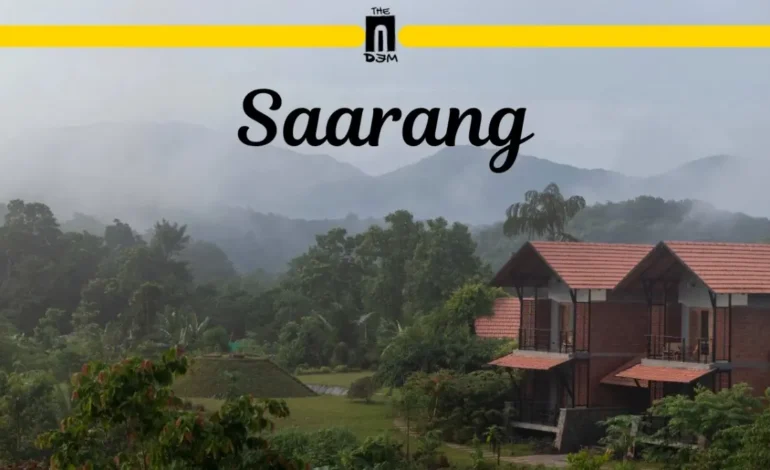
Saarang – A Holistic Eco-Village
I visited GoodEarth Saarang with renowned seismologist Dr Kusala Rajendran and geoscientist Dr C P Rajendran.
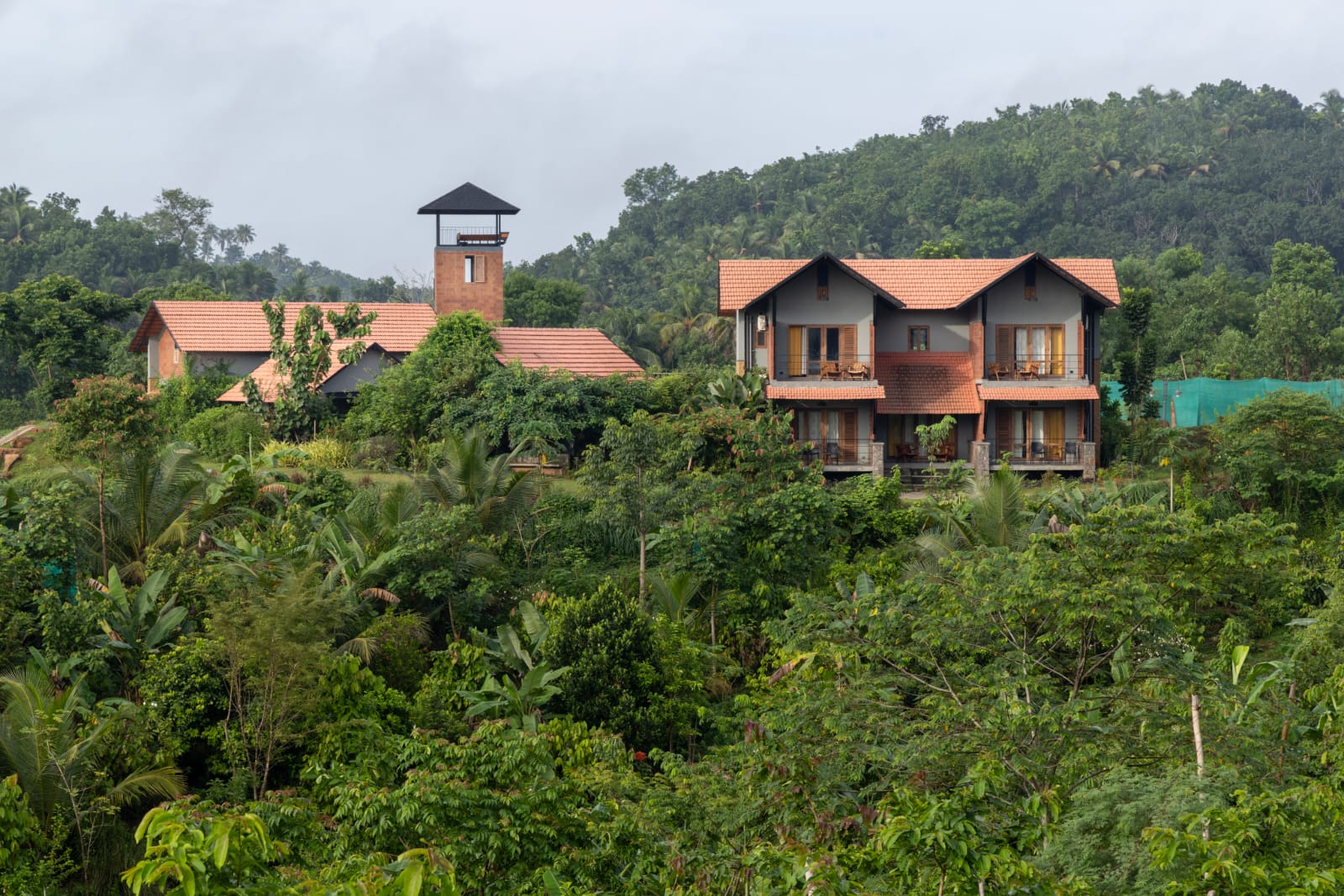
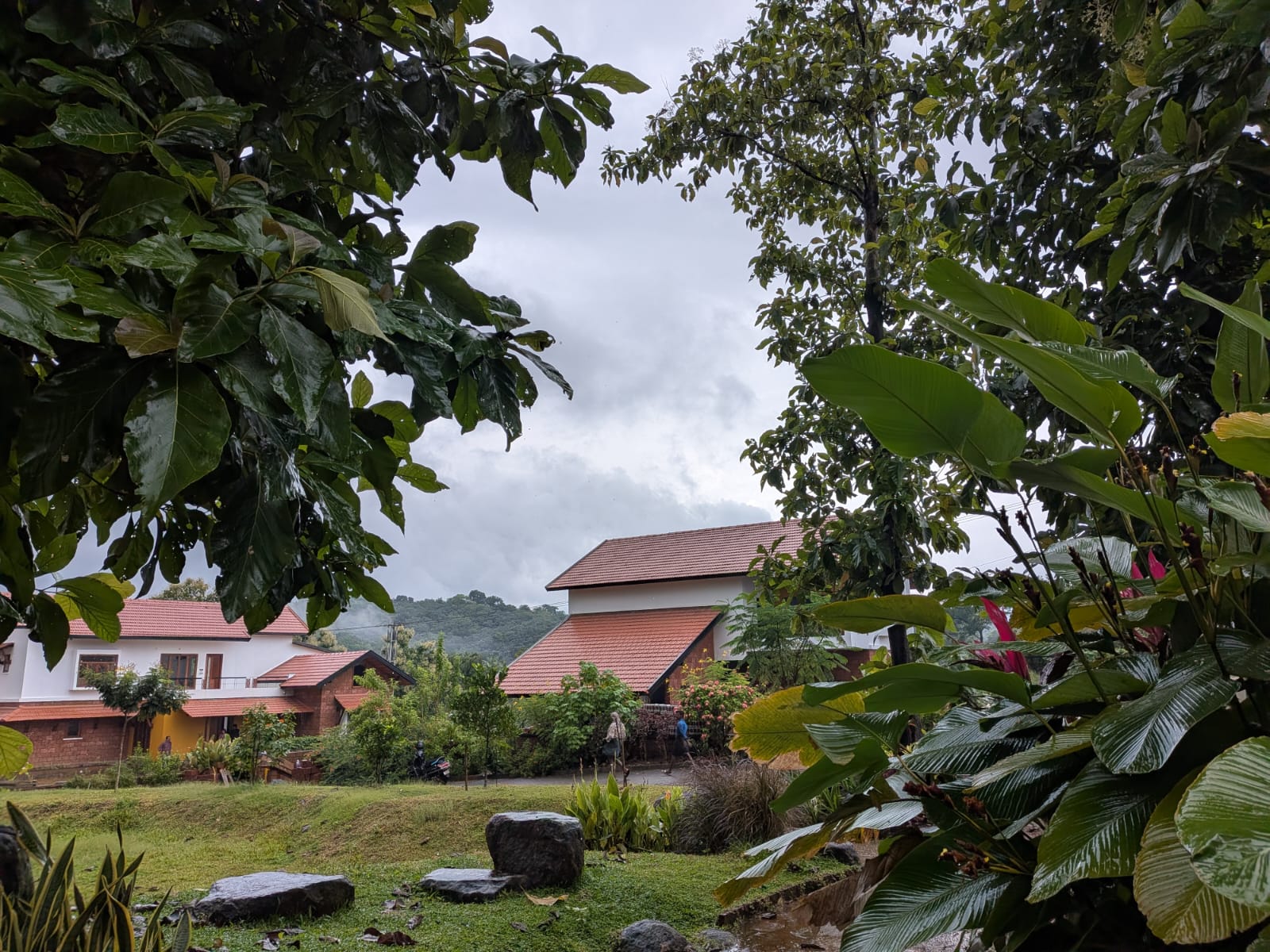
Saarang is GoodEarth’s first holistic eco-village in Kannur district, Kerala. Spread across 27 acres, Saarang comprises residential communities on 15 acres and a regenerative food forest on 12 acres.
In olden times, grandmothers instilled a deep respect in children towards even the smallest creatures in the environment, through folktales and adages. These stories were Stanley’s first lessons in coexistence. As he grew, he understood the wisdom these stories carried in them. The delicate bond between humans, snakes, frogs and countless living beings in nature is what creates harmony in the natural world.
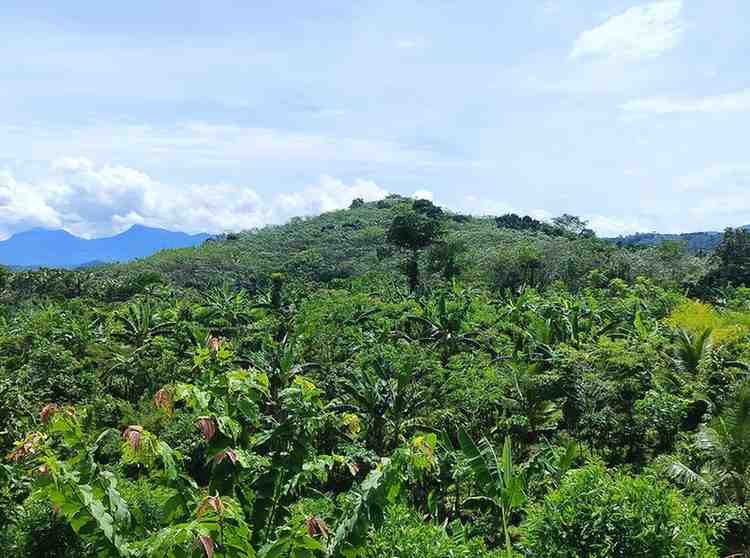
Nestled in the foothills of Puralimala, Western Ghats, Saarang is a biodiversity hotspot. A holistic eco-village with a diverse multi-generational community where elders are taken care of, children play with unbridled joy, and adults work in a pristine environment and interact, Saarang offers the right environment for people to live, work, play, explore, education and wellness.
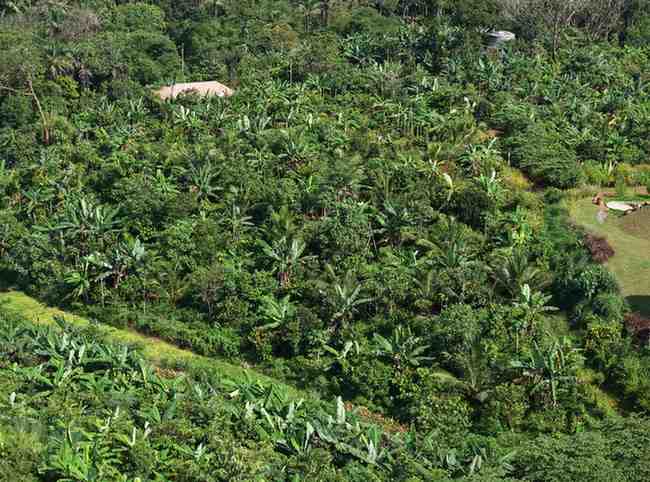
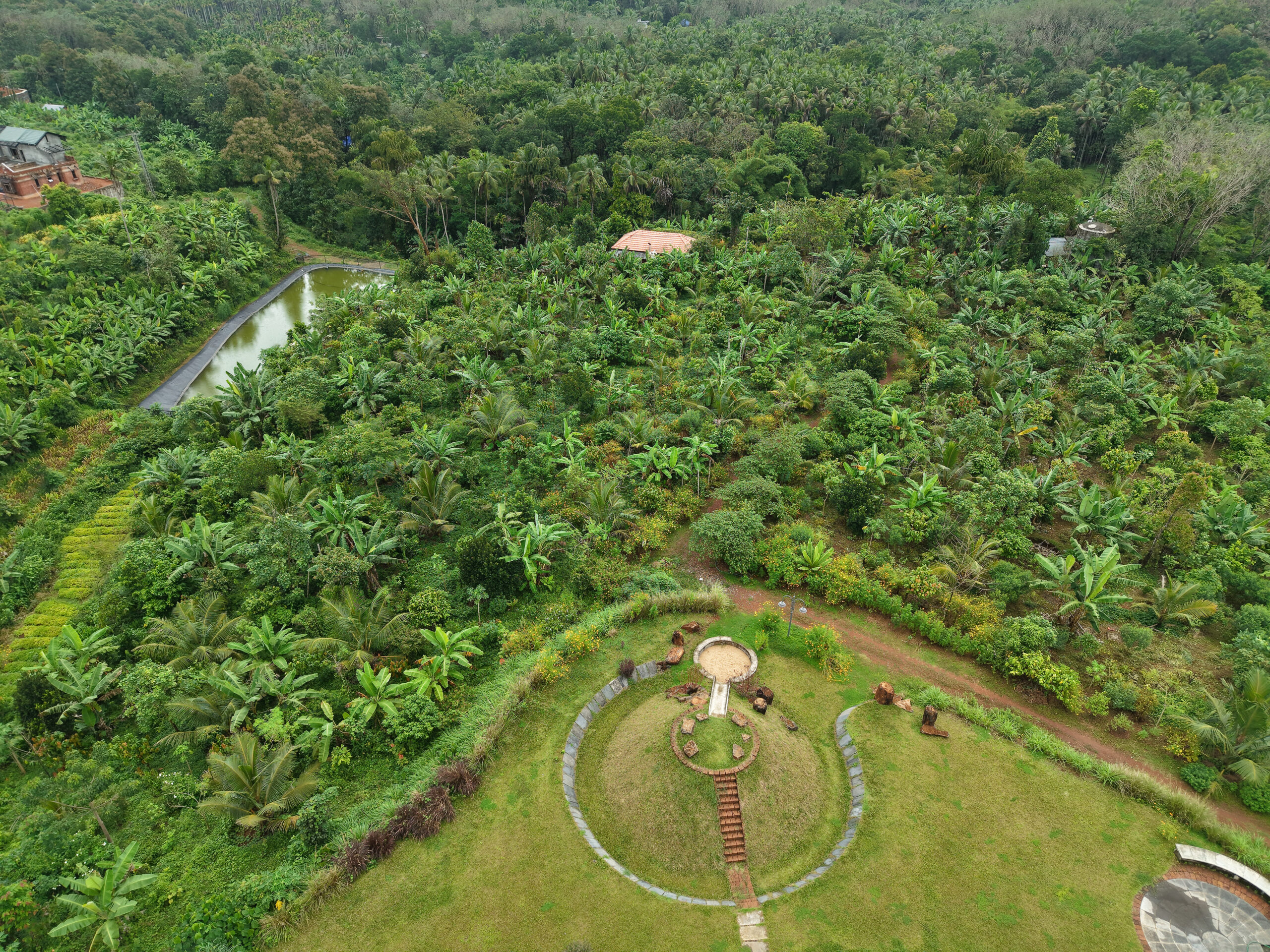
A regenerative food forest that runs along Saarang was once a mono-crop rubber plantation. Today, it’s a robust food forest and envisioned as a training centre in regenerative agriculture for generations to come.
Designed in accordance with the fundamental principles of ecology, the food forest integrates traditional soil wisdom with modern scientific knowledge.
Aralam – A Horticulture Model, the Regenerative Way
Realising the only way to reverse environmental damage and climate change was to work on the land and rejuvenate it, Stanley George together with Mathew, a hands-on insightful farmer from the region, decided to regenerate large tracts of land that lay derelict in Aralam, Kannur, Kerala.
The aim being holistic design and management of the farmland spread across 450 acres, through restoration agriculture that encompasses a ridge-to-valley approach; demonstrating a horticulture model with thoughtful and diverse crop architecture; sustainable water management of the hills, thereby, protecting the Western Ghats and foothills; livelihood generation with an emphasis on resettled tribal people and positioning Kerala as a global model in Green Economy.
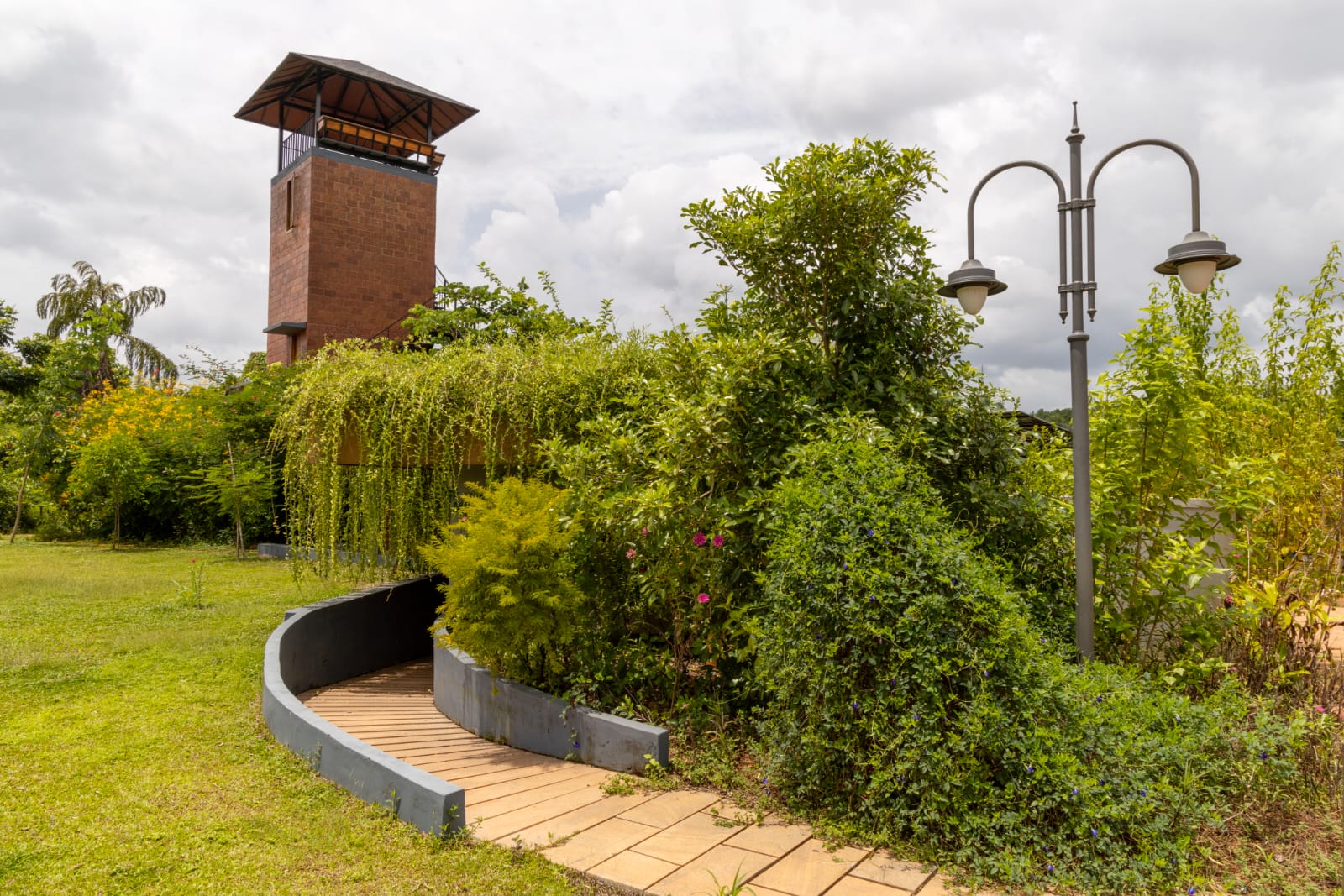
Plantation crops, varied varieties of spices, fruits, exotic, native & wild trees comprise the crop architecture in more than 400 acres. While a botanical garden on 15 acres with a curated trail of 10 acres leading to breathtaking views encourages one to watch the unravelling of nature up close.
With people of the land forming the workforce, the farm hands, together with a natural and intuitive farm leader, keen supervisors, growers, scientists, geologists, engineers, artists and storytellers form the diverse team at Aralam.
Regenerative agriculture at Aralam until now has provided permanent employment to around sixty local workers, contributing to long-term stability and resilience in the region.
Healing the Land & the People
Starting with sustainable housing, GoodEarth gradually expanded to creating eco-friendly, sustainable communities in major cities such as Bengaluru, Kochi and Calicut. Its signature project in Bengaluru, GoodEarth Malhar Eco-village, transformed more than sixty acres into a thriving community of more than 700 families.
Revival of Anchepalya Lake, an urban lake in the neighbourhood in Kengeri, Bengaluru, and a rural watershed in Tumkur, one of the arid districts of Karnataka, are GoodEarth’s holistic efforts in regeneration of the land.
From collaborating with other designers and transforming a 25-acre degraded area in Toyota Kirloskar Motors (TKM) campus in Bidadi, Bengaluru, into Toyota Ecozone to reviving a portion of the land in National Law School of India University (NLSIU) campus, Bengaluru, into an enriching landscape, and now leading the Siruseri Urban Forest Restoration on 50 acres in Tamil Nadu, are a testimony to GoodEarth’s ecological restoration.
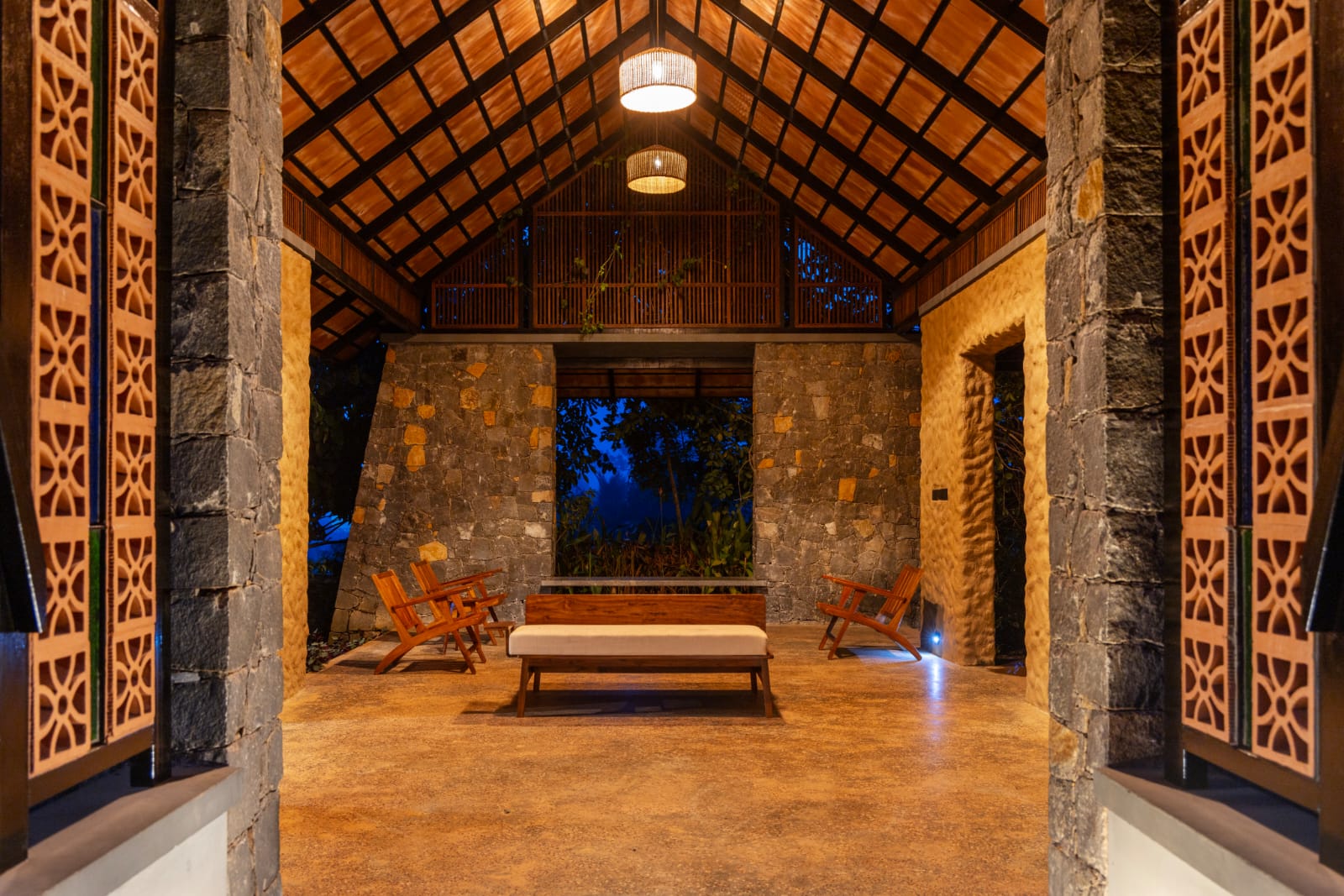
Not stopping at that, GoodEarth took to regenerative agriculture to reverse desertification and consequent global climate change; for unscientific farming practises lead to land degradation over time.
From growing a wide variety of vegetables, greens, pulses, paddy, sugarcane in rain-fed regions of Karnataka and nearly 20 native varieties of paddy in Muthunga, Wayanad, to transforming a once mono-crop rubber plantation into a thriving food forest in Kannur; and now embarking on regenerating 450 acres of land that lay derelict in Aralam, Kerala, to working with hands-on farmers in cultivating paddy in the Kaveri river belt of T. Narasipura region in Karnataka, GoodEarth’s journey in agriculture is definitely a determined effort.
Also, over the years under GoodEarth’s guidance, nearly five hundred girls and young boys from neighbouring villages in Peravoor, Kannur district, Kerala, are receiving free training in Kalaripayattu, the traditional Indian martial art form.
Nature-centred approach of GoodEarth has made inroads into Leh, Ladakh, Uttarakhand, and Bhutan through sustainable tourism initiatives.
At a time when loss of biodiversity is causing significant economic and ecological damage to the country, GoodEarth’s work serves as a powerful reminder of the need for holistic and scientific management of the land, thereby, healing the land and the people.
Grounded in a deep understanding of the symbiotic relationship between man and nature, GoodEarth’s work is an enduring blueprint for the nation’s socio-economic, cultural and agricultural growth.










Shabil Krishnan’s piece is a powerful reminder that ecological restoration is not merely about planting trees—it is about restoring the wisdom, livelihoods and living relationships that connect people with the land. GoodEarth’s journey shows that sustainability becomes meaningful when ecology, traditional knowledge and human dignity come together. A deeply inspiring vision for a greener and more resilient Ind