

Beyond the Pen: Reading the Life and Mind of Paul Zacharia.

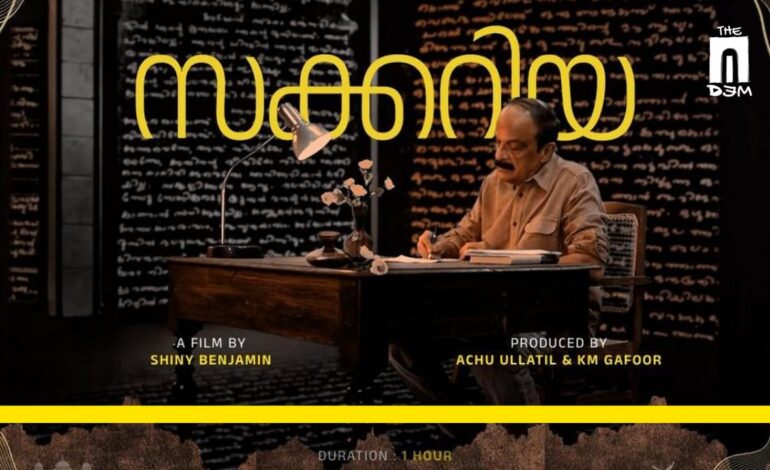
There is something inherently difficult about filming a writer. Writers invisibly exist between lines and their transient meanings, almost like an ephemeral, bittersweet dream.
Shiny Benjamin’s documentary, Zacharia, attempts to capture this dream and bring to life the dream-maker behind the craft: the renowned Indian writer Paul Zacharia. The camera’s eyes open to the spectators with the visual of the writer traversing his lush green village, along with his dogs—a revisit to the soil that sowed in him the urge to look beyond his terrain and gravitate towards newer, barer lands ready to take in his creative vigour.
There is a peculiar connection between terrain and its people; brooding in the presence of rugged, insurmountable nature gives them resilience and the patience to walk miles to see what lies beyond their world. For Zacharia, the source of his grit came from village libraries. The DOP of the documentary, Jebin Jacob, and the visual creative director, Razi Muhammed, beautifully capture the visual grammar of the relationship between the writer and his books.
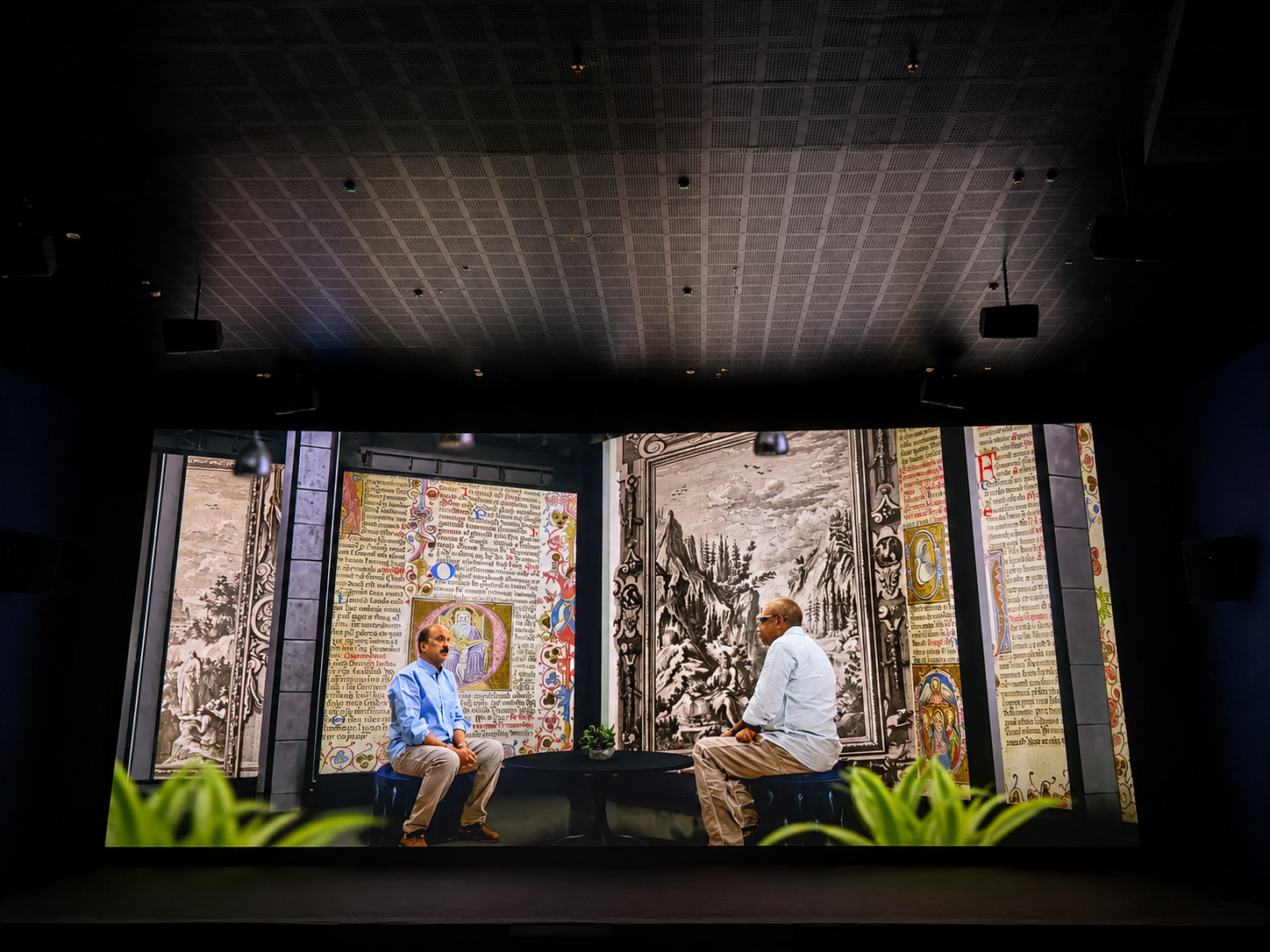
In the interview with the noted Malayalam journalist and author Pradeep Panangad, the writer takes us through his early life and his relationship with literature. Starting from his early days living under the roof of Christianity, where reading only included spurting out verses and sermons from the Bible, his father, who himself was an avid reader, introduces him to the prose of Basheer, Pottekad, and Ponkunnam Varkey. With the background of the Holy Bible peeking through, Zacharia further elaborates on how he later read the Bible as a critical text, cutting off its pristine religious wings and giving Jesus the freedom to be interpreted as a man, not a saint. This idea was nurtured into his short story titled Kannadi Kanmolavum.
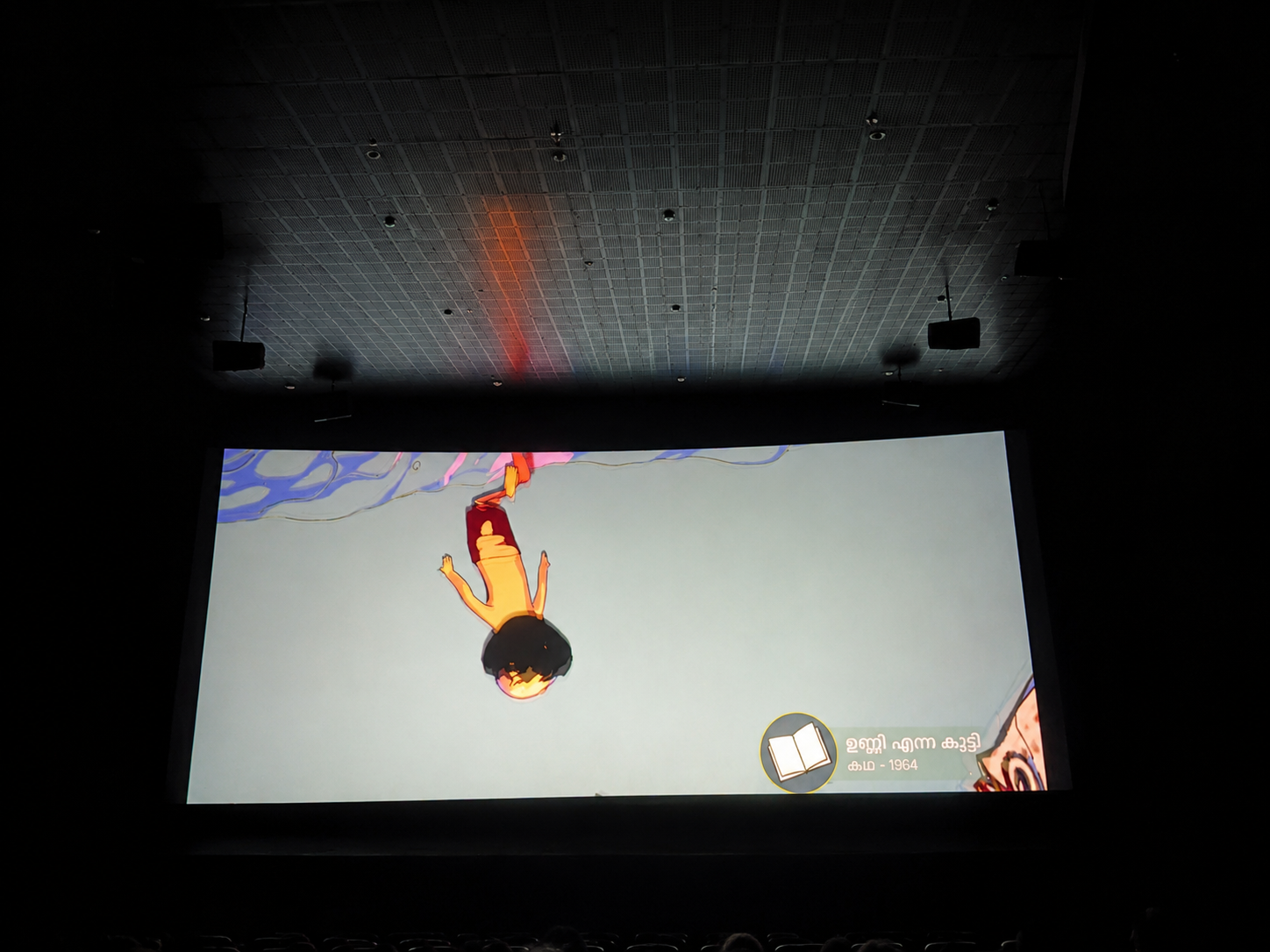
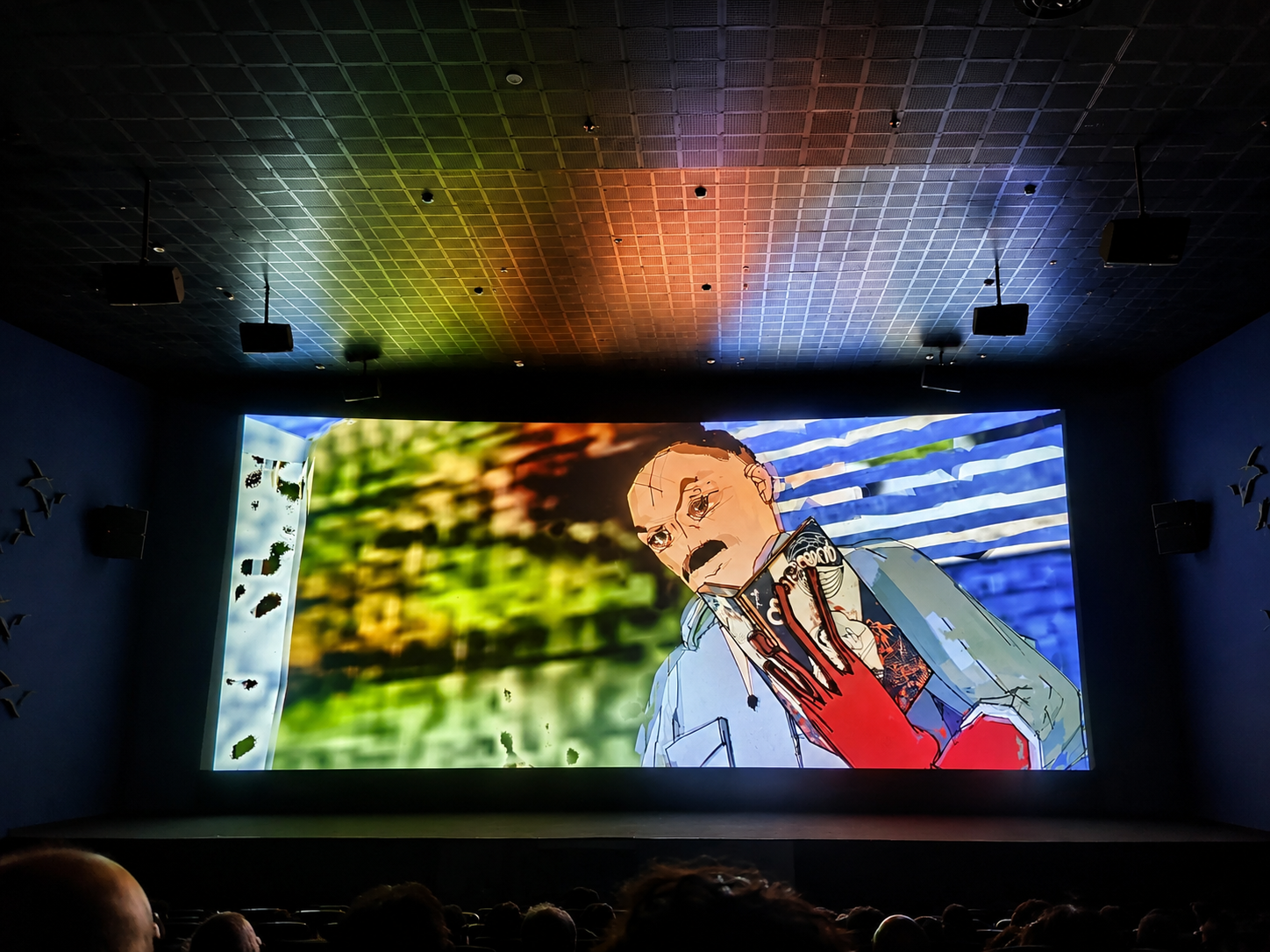
The screen of Sree Theatre was a delight to watch, with its sporadic pops of animation by Sunil Raj; his stories Ashwaroodnaya Varante Varavum Pokkum, Unni Enna Kutti, Bhaskara Pattelarum Ente Jeevithavum, Kannadi Kanmolavum, and many more came to life visually and made the documentary very engaging. The larger-than-life depiction of his characters on screen felt like a delve into his own mind, and his writing style of merging stark realism with wild, imaginative fantasy.
The documentation of his life felt like a mischievous metropolitan love letter to Delhi, Bangalore, Mysore, and Coimbatore. St Philomena College, Central College Bangalore, Delhi’s busy Darya Ganj book market, Mr. Rao’s bookshop, Delhi Press Club, Koshy’s Café, Kerala Club Delhi—all make their debut alongside their faithful confidant. The writer shows the branches he has grown over the years, with their roots anchored in his homeland, serving as a metaphor for his nostalgic contemplation.
Zacharia’s love for music is evident throughout the film; he further describes music as the instinctive enjoyment of the world, particularly of Hindi songs. The playlist gets a tad bit westernised when Delhi introduces him to the Beatles, ABBA, and Boney M. When the writer passionately talks about his love for music, the theatre reverberates with the tunes of ghazal, rock, and pop. The music director, Sarreth, and the sound designer, Krishnan S, deserve all the applause here. For a brief second, we can see a young, reckless Zacharia, a youngster who refuses to take authority at face value. It was a very heartening moment for readers to picture their favourite writer as one among them. Before erupting into this monumental literary doyen, the realisation that he was also a young boy who left his home to pursue his dreams was strangely comforting.
A one-hour documentary beautifully blended love, politics, communism, and friendship. It also serves as a digital testimony to the fact that “people make places”. The affinity of the writer towards making meaningful human connections is very evident through the way he talks about his friends, John Abraham and Aravindan, with whom he had shared years of intellectual companionship; the writer even remarks that if not for them, he wouldn’t be here in the first place. Zacharia’s reminiscing about John Abraham and their unreleased Malayalam film project, titled Joseph Oru Purohithan, felt more like a grieving friend missing his dearest friend’s company.
His renowned friends describe him in umpteen ways; their voiceovers intermingle with visuals of Zacharia walking down the busy streets, introspecting, while catching his breath when he takes a break from strolling, perhaps analysing how far he has come, or how far he is from home, or perhaps even the idea of what home means. It was such a delight watching the man behind his mighty pen come into being as a human. The visual appreciation of Zacharia, therefore, cannot simply be about celebrating a literary giant who can enter uncomfortable territory through his innate use of humour and satire. Still, it’s also about a man who has been true to life itself.
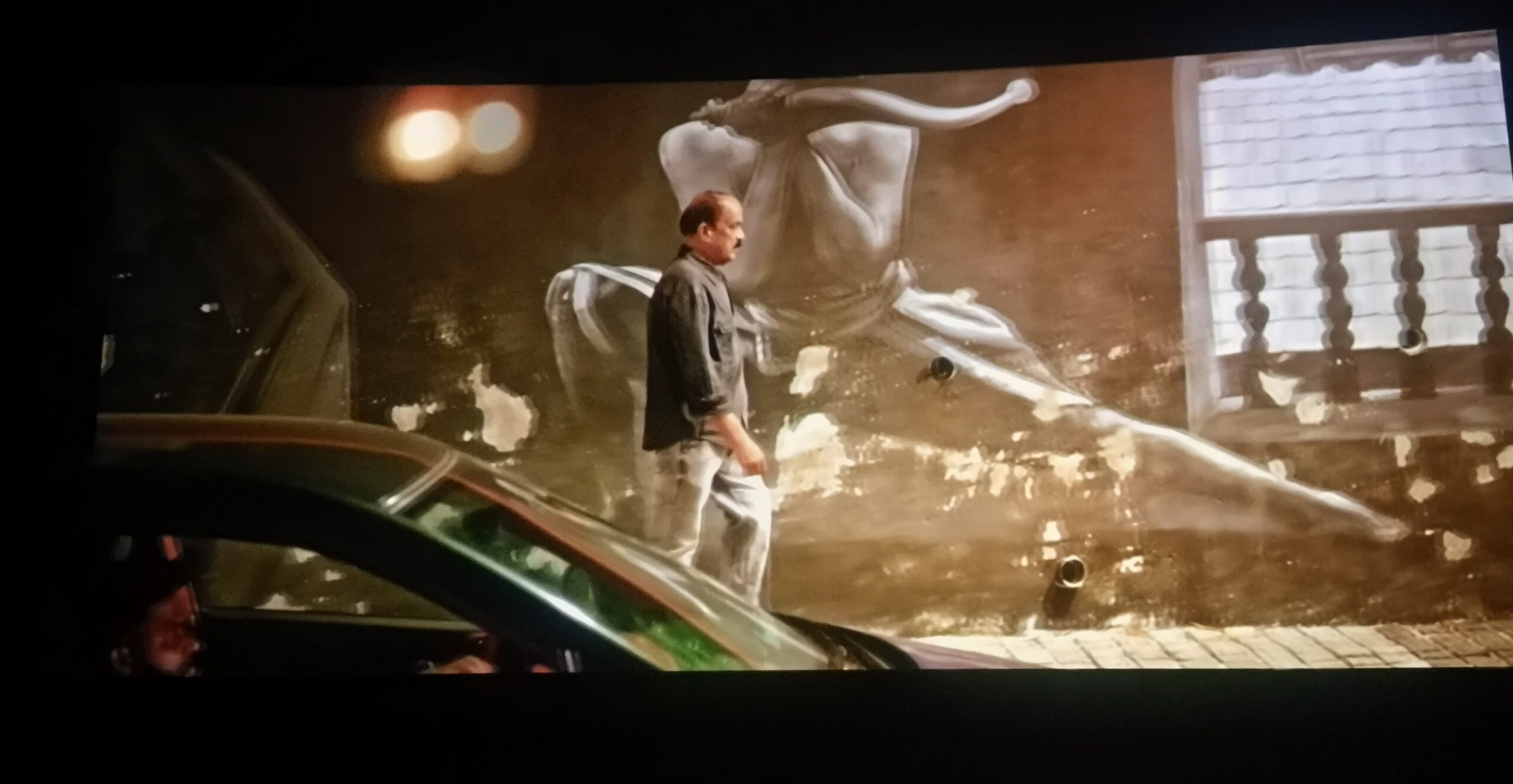
Reading Zacharia through his face, which becomes the landscape of his life experiences, was refreshing. His thoughtful glances, the silence that followed after speaking about a loved one, the pauses and stress he laid while speaking about our political atmosphere, and his views on women, democracy, and religion were a visual political statement in their own right. The writer’s physical presence felt so strong that it resembled another text waiting to be read and interpreted.





Paul Zacharia is not merely a writer to be remembered; he is a mind that refuses to be contained. Anena S beautifully captures the man behind the pen—his irreverence, intellectual courage, love for literature, politics, friendship and his relentless questioning of authority. A powerful tribute to a literary voice that never stopped thinking beyond the obvious.