

Jean Drèze: A Man Who Chose the Poor, and a Society That Questions His Belonging

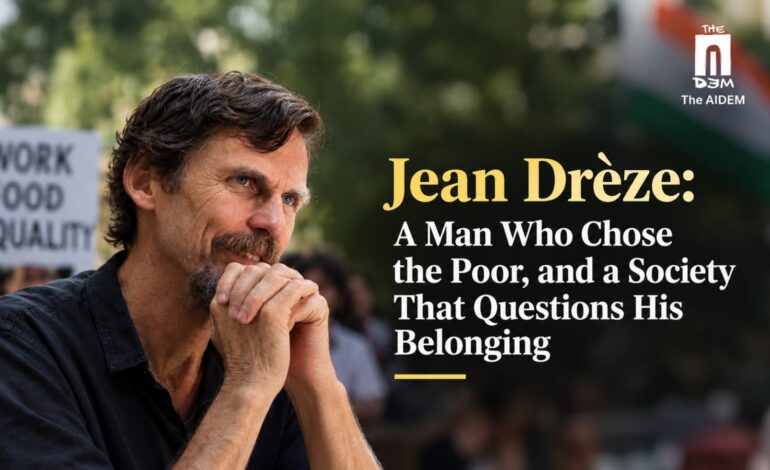
There is something deeply disturbing about the way we have begun to treat people who devote their lives to the welfare of others. A man spends decades studying hunger, poverty, unemployment and the struggles of ordinary Indians. He works to bring their problems into public debate and argues that the government has a responsibility towards its poorest citizens. Yet, instead of engaging with his work, some people question his nationality, call him a foreigner and accuse him of conspiring against the country.
Jean Drèze knows this treatment all too well.
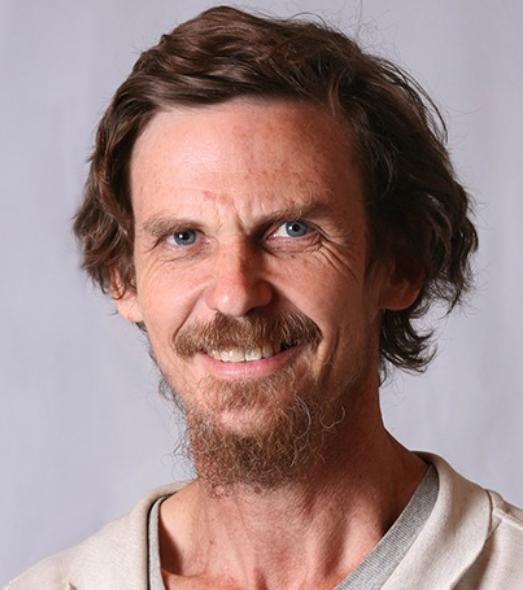
An economist of international standing, Drèze has spent much of his life working on questions that should concern every Indian: Why do people go hungry in a country capable of producing enormous quantities of food? Why do millions struggle to find secure employment? Why do children from poor families continue to face disadvantages in nutrition and education? And what can the state do to change these realities?
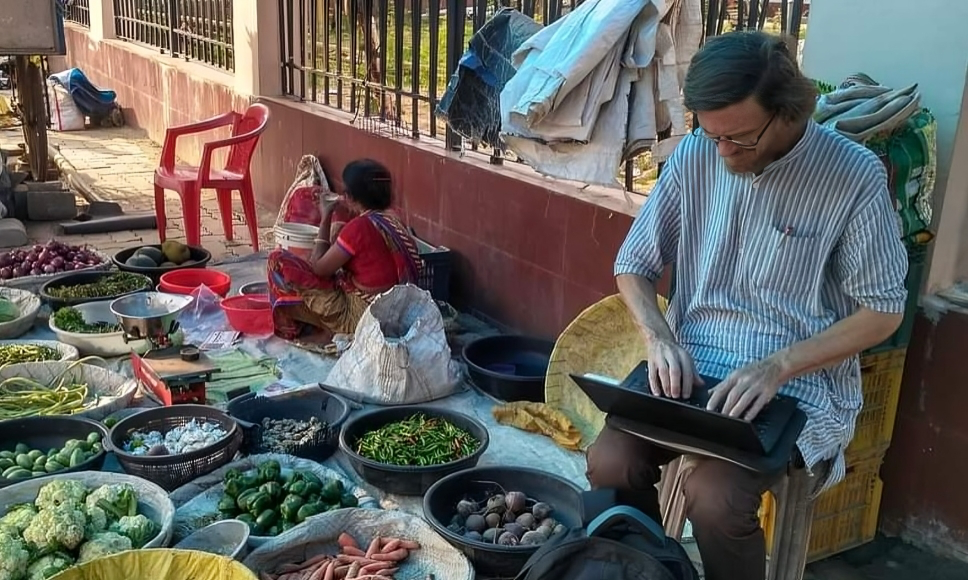
These are not questions of allegiance to a political party. They are questions about the kind of country we want to become.
Yet, following a recent confrontation at Jantar Mantar, reports have described right-wing television anchors attacking Drèze, questioning his origins, portraying him as a foreigner attempting to destabilise India and calling for his visa to be revoked. The precise statements should be judged against the available footages, but the larger irony is difficult to miss: a man who became an Indian citizen more than two decades ago is still being asked to justify his right to be here.
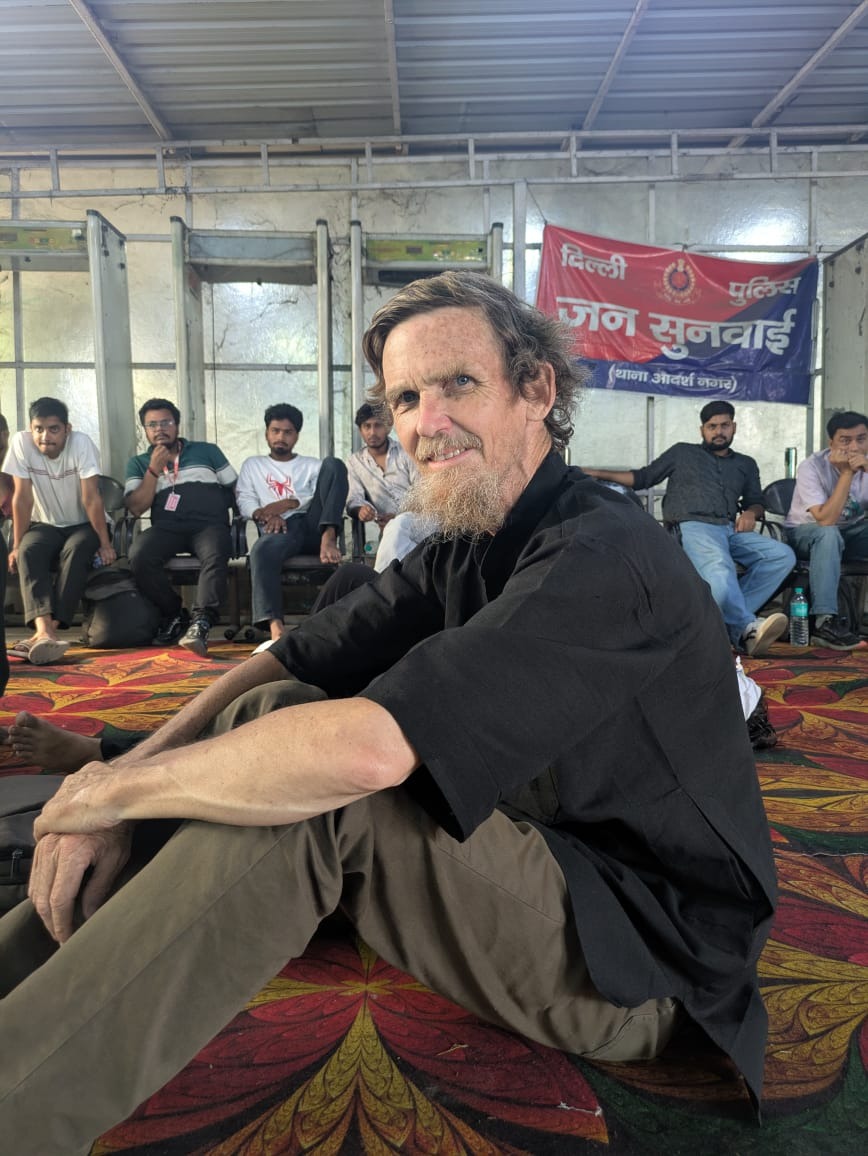
Jean Drèze became an Indian citizen in 2002, when the BJP-led NDA government was in power. His birthplace is Belgium, but his citizenship is Indian. These are matters of fact, not questions to be settled by the volume of someone’s shouting on television.
One would expect a journalist to know the difference.
He Did Not Study Poverty from a Comfortable Distance
What makes Jean Drèze important is not simply that he is an economist. It is the kind of economics he has practised.
For many people, economics means growth rates, stock markets, budget figures and complicated charts presented on television. Drèze has consistently drawn attention to another side of the subject: the lives of people who rarely appear in those celebratory accounts of national progress.
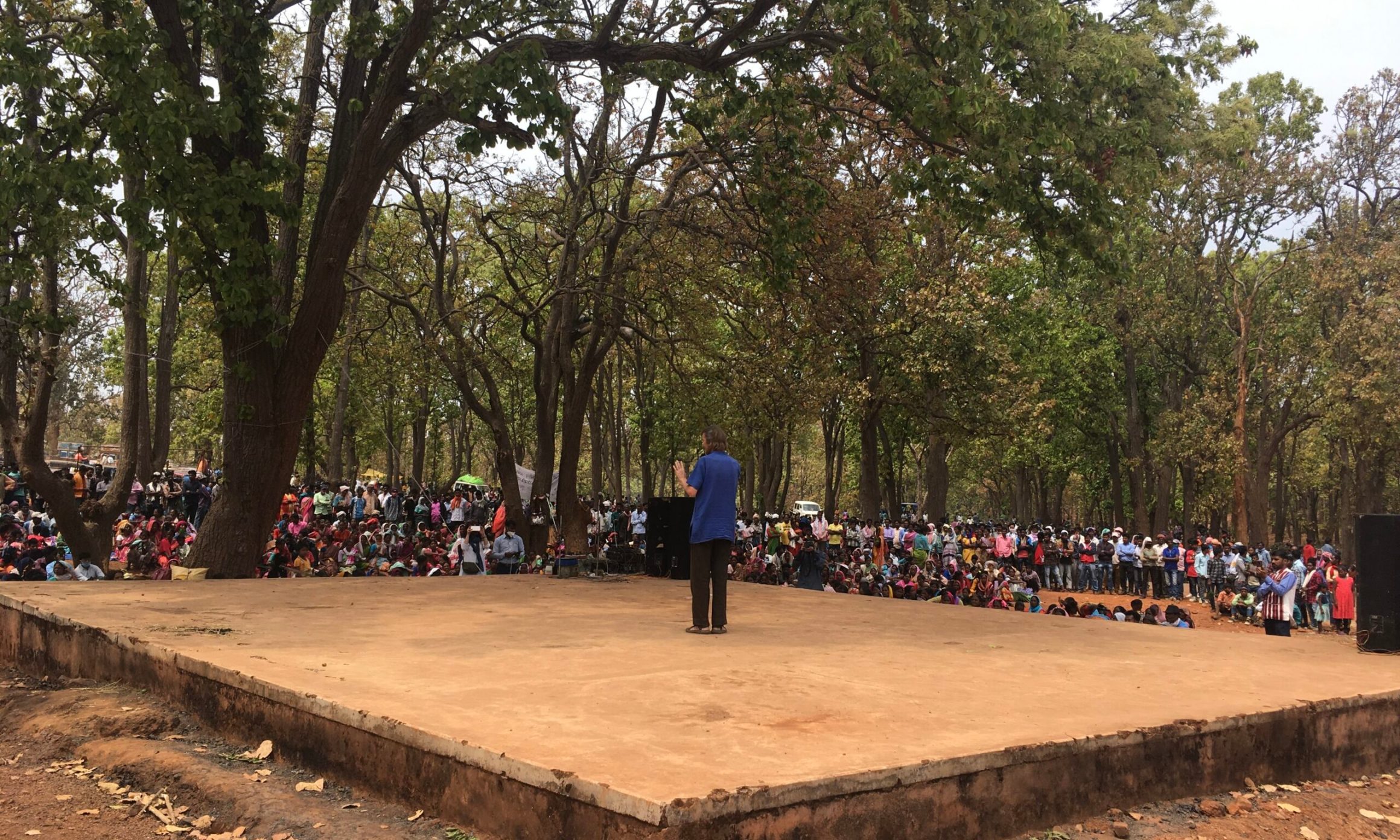
What does economic growth mean to a family that cannot afford adequate food? What does development mean to a village where people are unable to find work? What does a school mean if children arrive hungry and leave without receiving a proper education?
These questions may sound simple, but answering them requires research, patience and a willingness to look at realities that are often easier to ignore.
Drèze has worked on poverty, hunger, education, healthcare, gender inequality and social security. He has also been associated with campaigns that sought to make the government more accountable for the welfare of ordinary people. His work has helped bring evidence from the ground into discussions about public policy.
Poverty does not disappear because a country declares itself prosperous. Hunger does not end because it ispolitically inconvenient to discuss.And a poor worker’s life does not improve merely because economic growth looks impressive in a report.
Someone has to ask the uncomfortable questions. Someone has to examine the evidence. Someone has to remind those in power that development must eventually reach the people in whose name it is promised.
That has been an important part of Drèze’s contribution.
His Work Has Made a Difference
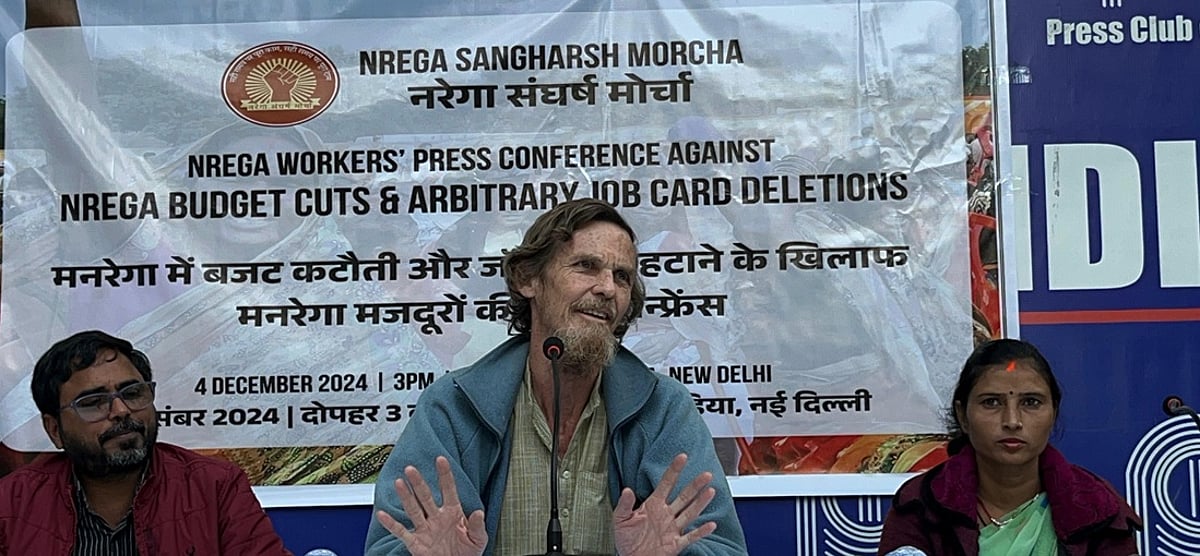
Drèze was among the influential researchers and public advocates associated with the movement for the right to food and the campaign for rural employment. He contributed to the wider intellectual and public debate surrounding the National Rural Employment Guarantee Act of 2005, later known as MGNREGA. He has also worked on issues concerning school meals, nutrition, public distribution and access to basic services.
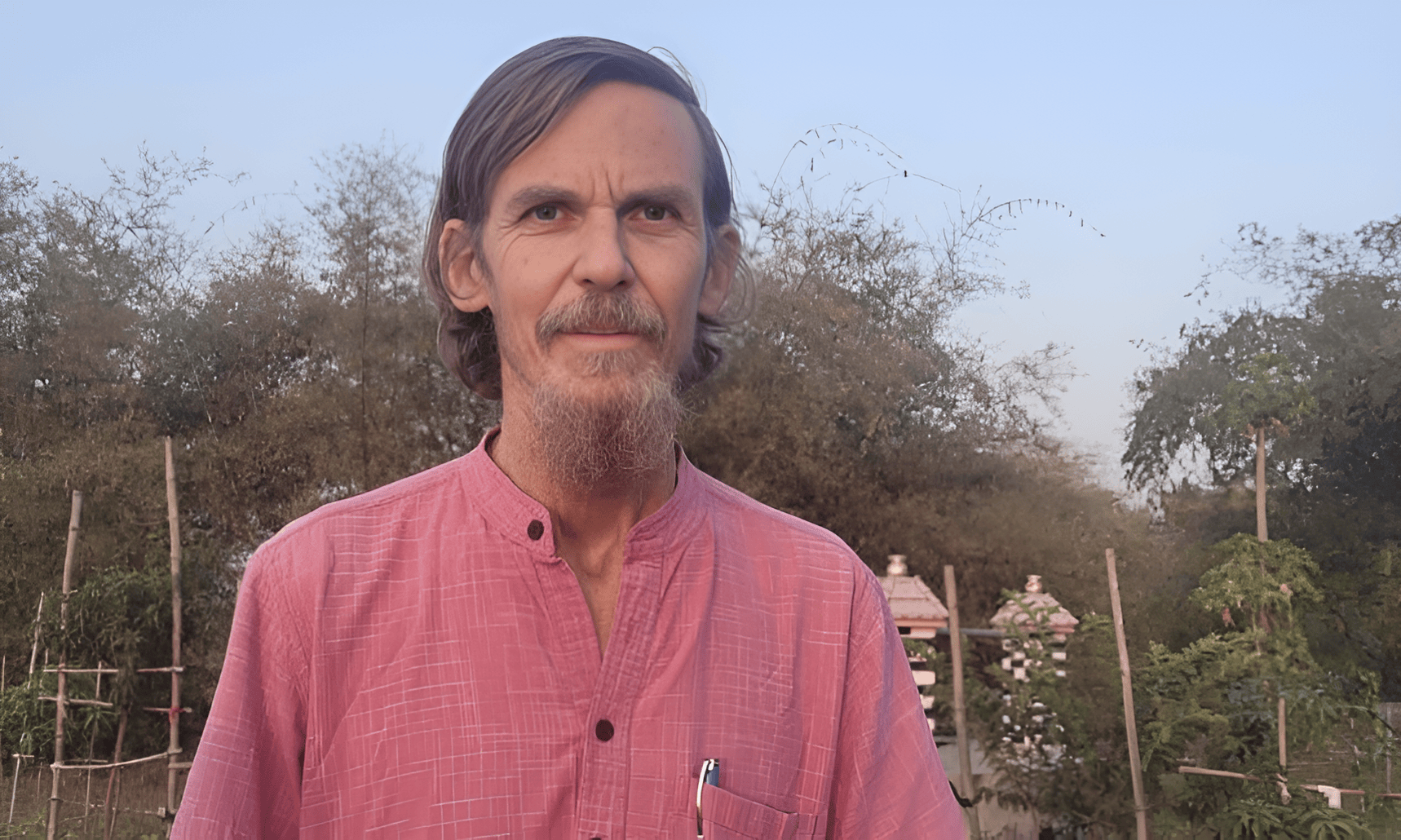
No honest account should suggest that one individual created these policies. Countless activists, researchers, workers, administrators and political representatives contributed to their development. But it would be equally dishonest to ignore Drèze’s role in bringing questions of hunger, employment and social justice into the centre of public discussion.
Consider the significance of a law that gives rural households a legal entitlement to seek wage employment. For a policymaker, it may be a programme to administer. For a landless labourer, it may mean food on the table, money for a child’s education or the ability to survive a difficult season without falling into debt.
Consider a school meal. In a policy document, it is a government expenditure. For a child from a poor household, it can be a reason to attend school and receive a nutritious meal.
This is why the debate about social welfare matters. Behind every scheme are real people, with real difficulties and very little room for error in their daily lives.
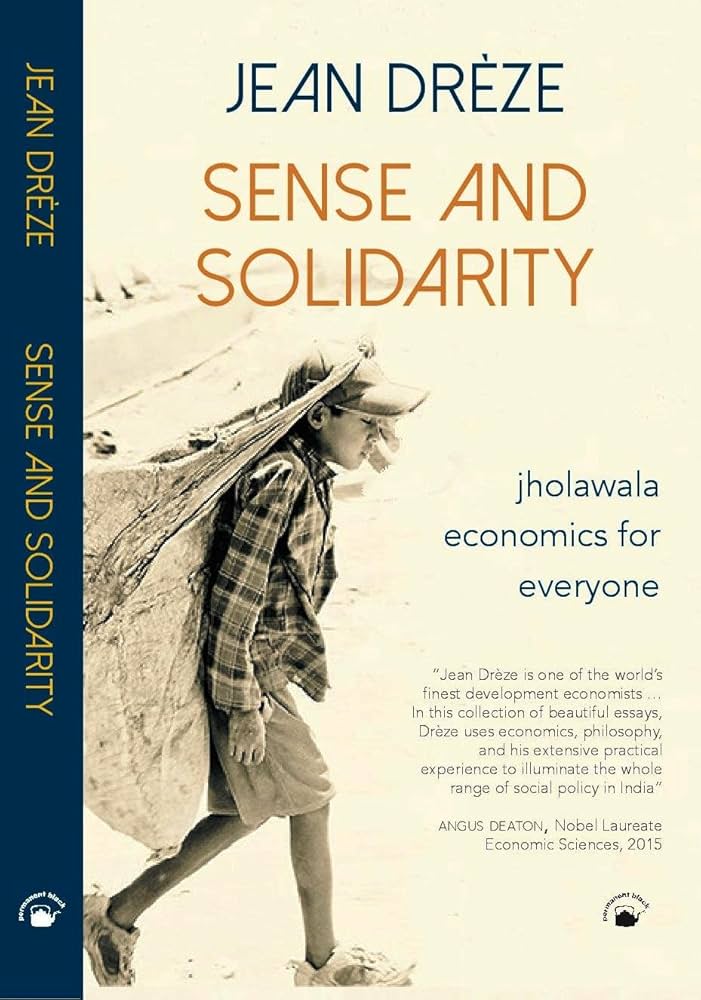
Drèze has helped make those people visible in India’s economic debates.
His work does not mean that every policy he supports is beyond criticism. Welfare programmes must be assessed, shortcomings must be exposed and public money must be accounted for. But the appropriate response to a disagreement is to examine the evidence and offer better solutions.
Abuse is not an economic argument. Questioning someone’s nationality is not a substitute for answering their research.
He Was Detained, but He Refused to Walk Away Alone
The events at Jantar Mantar on 10 October 2026 added another dimension to the controversy. Jean Drèze was detained by Delhi Police along with other activists during a protest against the Special Intensive Revision (SIR) of electoral rolls.
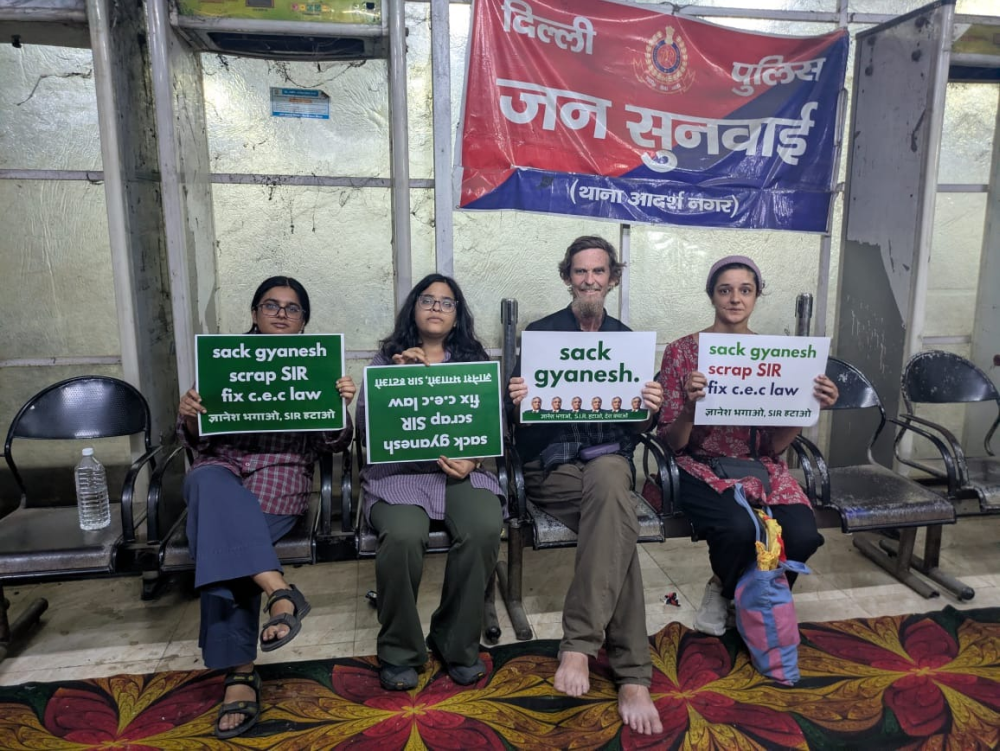
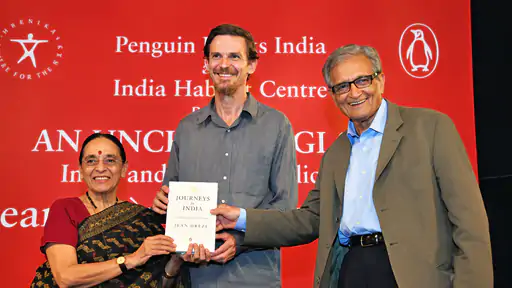
According to media reports, when police later offered to release Drèze and his colleagues, he refused to leave while other detainees remained in custody. He insisted that everyone should be released together. After nearly 11 hours, the detainees were released.
That decision deserves attention.
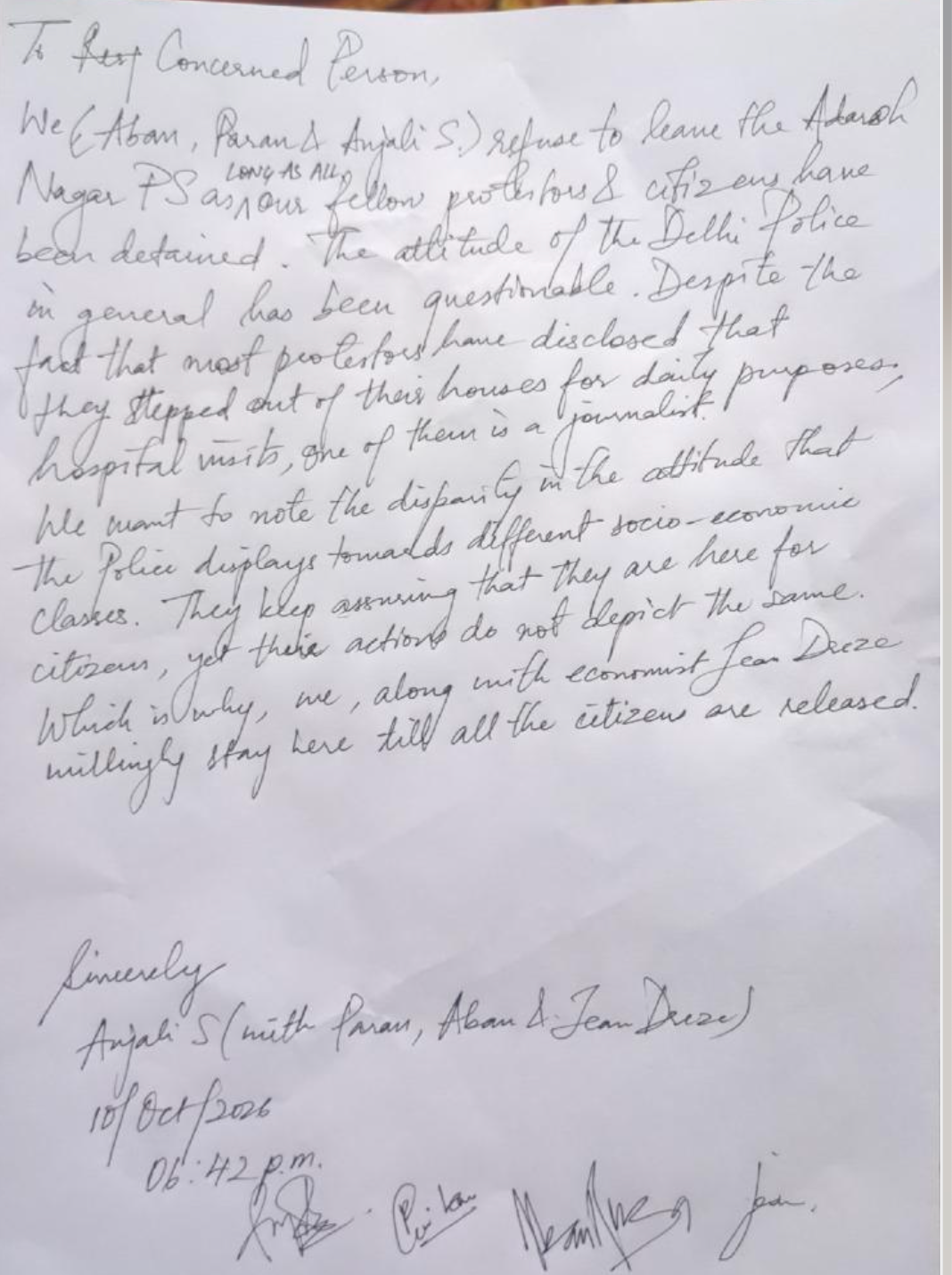
Drèze could have walked out when given the opportunity. Instead, he chose to stand alongside people who were in a more vulnerable position. He did not treat his own freedom as sufficient while others remained detained.
That is solidarity… not a slogan shouted into a microphone, but a choice made when walking away would have been much easier.
People may disagree with his economics or his politics. But this incident offers a glimpse of the values that have shaped his public life: concern for the disadvantaged and a refusal to ignore another person’s plight simply because it is not one’s own.
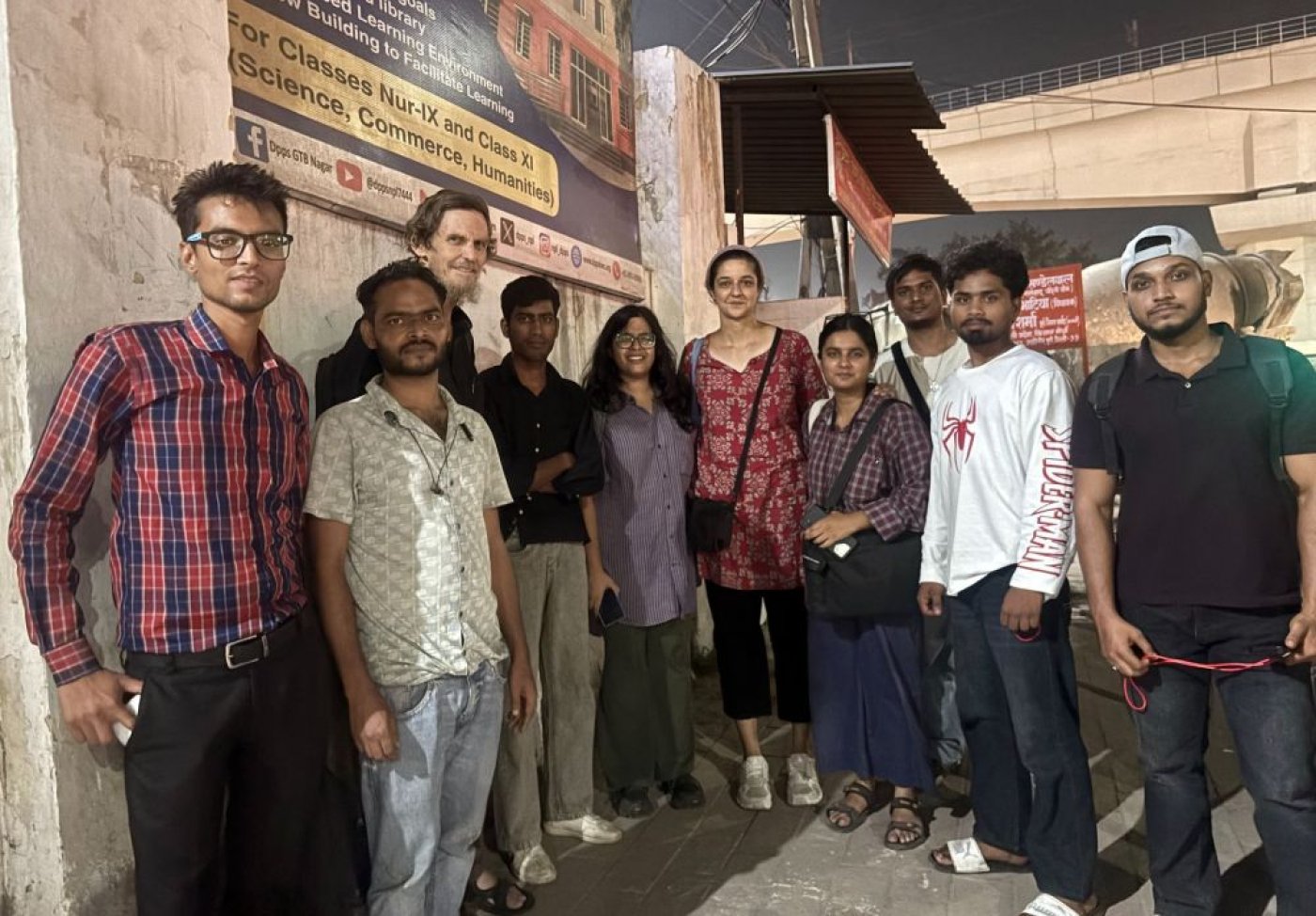
There is a particular irony here. While some commentators questioned whether Drèze truly belonged to India, he was standing up for fellow detainees whose circumstances left them vulnerable to the exercise of state power.
His actions deserve to be judged on their merits, just as the police action deserves scrutiny on the basis of evidence and due process.
Since When Did Criticism Become a Crime Against the Nation?
This is where the controversy surrounding Drèze becomes more troubling than a single television confrontation.
In our public life, there is an increasing tendency among some political commentators to treat criticism of the government as criticism of the country itself. A person who questions a policy is portrayed as an enemy. Someone who highlights inequality is accused of having an agenda. And if the person was born outside India, that fact is dragged into the discussion as though it settles every argument.
But a government and a country are not the same thing.
Governments change. Political parties come and go. Policies succeed or fail.India, however, belongs to its citizens, not to any one party or ideology.
An Indian citizen does not surrender the right to question public policy merely because the person in power dislikes the questions being asked. Nor does patriotism require silence about hunger, unemployment, discrimination or the failures of public institutions.
There is a world of difference between saying, “Your argument is wrong, and here is the evidence,” and saying, “You were born abroad, so you have no right to speak.”
The first is a debate. The second is an attempt to avoid one.
The Strange Politics of Calling an Indian Citizen a Foreigner
Jean Drèze was born in Belgium in 1959 and came to India in 1979. He subsequently became an Indian citizen in 2002. His life and work have been closely associated with India’s social and economic questions for decades.
These facts should be enough to expose the absurdity of treating him as though he were a foreign visitor whose visa could be withdrawn because his views offend a television personality.
Citizenship is a legal status. It is not a certificate of ideological agreement. An Indian citizen may support the government, oppose it, criticise its policies or campaign for changes in the law. The same principle applies regardless of political preference.
Does Drèze’s birthplace invalidate his research? Does it make his observations about hunger less accurate? Does it mean that a rural worker’s experience becomes irrelevant when he tries to draw attention to it?
If his conclusions are mistaken, demonstrate the mistakes. If his policies are impractical, explain why. If there is evidence of wrongdoing, present it and allow the law to take its course.
But a person’s place of birth cannot do the work of an argument.
The fact that Drèze acquired Indian citizenship in 2002 under a BJP-led government makes the casual portrayal of him as a foreigner especially misleading. Those who invoke patriotism so readily should at least be careful about the facts.
The RSS and the Politics of Suspicion
 The RSS and the wider Hindutva political movement have their own views on national identity, culture and public life. Those views, like any other political philosophy, can be debated and criticised.
A responsible criticism must distinguish between the statements of an individual media personality and the official position of an organisation. Unless there is evidence establishing a direct connection, it would be wrong to claim that the RSS ordered or formally endorsed the particular confrontation at Jantar Mantar.
But the underlying issue remains important.
Whenever commentators use allegations of foreignness, disloyalty or subversion to discredit someone, the public should ask a few elementary questions: What is the evidence? What law has allegedly been violated? What exactly has the person said or done? And why is the discussion focused on identity rather than the substance of the disagreement?
If someone believes Drèze’s approach to welfare is misguided, let them present an alternative. If they believe his analysis of poverty is incomplete, let them produce better research. If they disagree with his politics, let them explain their disagreement.
India has no shortage of intelligent people capable of arguing about economic policy. It should not be so difficult to find an argument that does not depend on insulting someone’s origins.
A Country Should Be Judged by How It Treats Its Poorest
Perhaps the most important question Drèze’s work raises is also the simplest: how do we measure the progress of a nation?
Is it enough to celebrate a rising GDP, expanding infrastructure, technological achievements and international influence? These are important measures of national development. But can they tell the whole story?
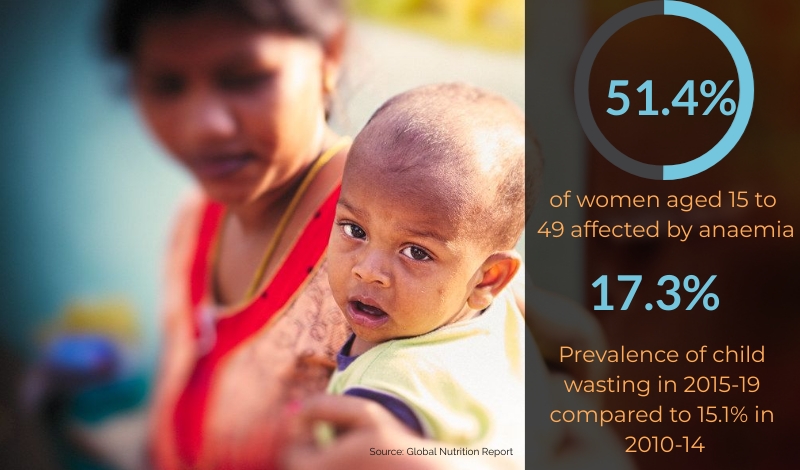
A country must also ask whether its children are adequately nourished, whether its public schools provide a decent education, whether rural workers can find employment and whether poor families can access essential services without being pushed deeper into hardship.
These questions do not diminish India’s achievements. They help us understand how much more remains to be done.
Drèze’s work asks us to look beyond the impressive national figures and consider the people who may still be struggling beneath them. It reminds us that development is not merely about the wealth a country produces. It is also about the opportunities, security and dignity that its people enjoy.
One may disagree with his proposed solutions. One may believe that economic growth, private enterprise or different welfare policies offer a better route to reducing poverty. Such disagreements are entirely legitimate.
But the argument should be about what works, what the evidence shows and what will improve people’s lives.
The Real Question His Critics Should Answer
Jean Drèze is not above criticism. No public intellectual is. His research should be scrutinised, his assumptions challenged and his policy recommendations debated.
But why should a man who has spent decades examining poverty have to defend his nationality whenever his views become inconvenient?
Why is it easier to shout “foreigner” than to discuss the evidence on hunger? Why is it easier to question someone’s loyalty than to explain why a particular welfare policy should be abandoned? And why should a television confrontation be allowed to distract us from the issues that brought people into public protest in the first place?
Audio podcast: Economist Jean Drèze decodes India’s hunger crisis
There is no contradiction between loving India and acknowledging its problems. There is no disloyalty in demanding that public money be spent well or that government programmes deliver what they promise. And there is nothing inherently unpatriotic about an economist insisting that the poorest citizens deserve greater attention.
If Drèze is wrong about a particular policy, show where he is wrong. If there is a better way to reduce poverty, explain it. If his critics possess stronger evidence, let them put it before the public.
That is how a serious democracy should work.
The final irony is that the controversy surrounding Drèze risks obscuring the very people whose lives have occupied so much of his work: the poor, the hungry, the rural worker and the child whose opportunities are limited by the circumstances of birth.
They do not need another shouting match on television. They need effective public institutions, decent schools, reliable nutrition, meaningful employment and a fair chance to build a better life.
Jean Drèze has helped keep these concerns alive in India’s public debate. His decision to remain with fellow detainees rather than leave alone offers a powerful illustration of the solidarity that underpins his public engagement.
A person’s birthplace tells us where they were born. Their citizenship tells us their legal status. But the value of their life’s work must be judged by what they have actually contributed.
If we truly believe that India can become a more just and prosperous country, we should welcome serious questions about the lives of its poorest citizens—not treat the people who ask those questions as enemies.
The real test of patriotism is not how loudly we proclaim our love for the nation. It is whether we are willing to confront the suffering that still exists within it, and do something about it.





Jean Drèze’s life is a powerful reminder that humanity, not nationality or identity, defines our true belonging. A man who has dedicated himself to the struggles of India’s poorest deserves respect, not questions about where he belongs. The real question is not whether Jean Drèze belongs to India, but why a society that benefits from the service of the poor continues to question the belonging of those who stand with them. A nation’s greatness lies not in questioning those who serve its people, but in ensuring dignity, justice and equality for all.