

The Man Who Sensed the Times: Remembering T.K. Ramachandran

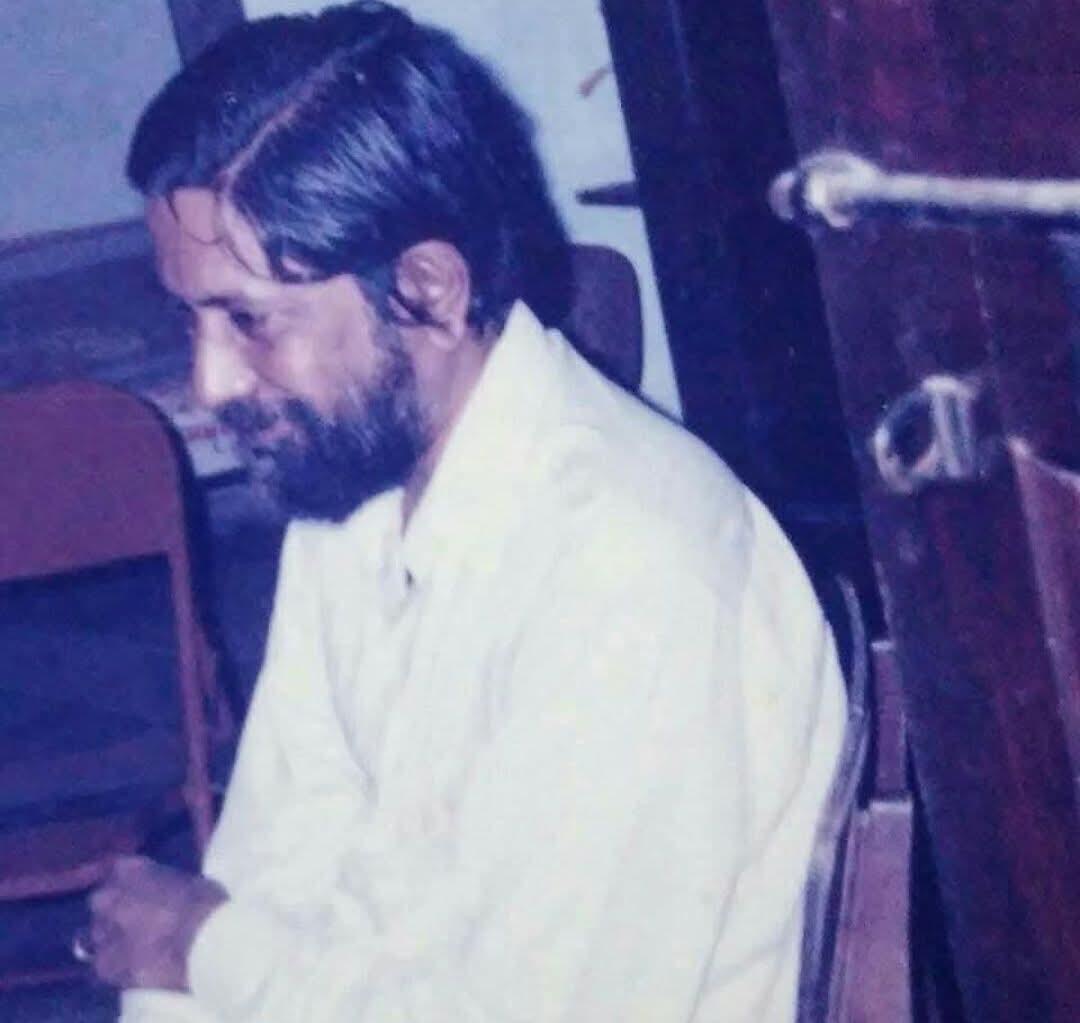
On T.K. Ramachandran’s birth anniversary today, Sankar Varma remembers the erudite Marxist thinker not merely as an intellectual influence, but as an enduring “breathing space” for a generation. It is a deeply personal remembrance of a man who, Varma writes, did not simply understand his times but sensed what was coming and whose warnings about culture, politics and an ultra-conservative backlash acquire a renewed resonance in the present.
Close to 18 years have passed without the physical presence of T.K. Ramachandran, an erudite classical Marxist. But even after 18 years of his departure, when I go to sleep on September 24, I find myself wondering: what if September 25 had never come? One simple answer would be that a lot of us would have continued to lead lives like intellectual orphans.
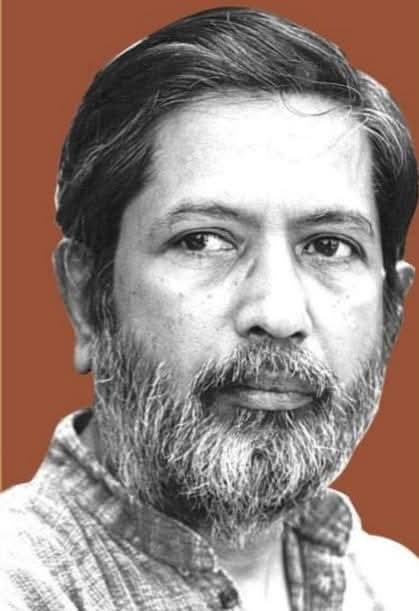
Having somebody to look upon as a breathing space is different from having a role model. T.K. Ramachandran was and remains an intellectual breathing space for many. Perhaps the best way to substantiate this sense of being orphaned is the plethora of social media posts that I come across on his birth and death anniversaries. The content posted may be the same, but people make sure that, every year, they say how deeply he is missed. I believe this is not merely an act of posting something for the sake of it; rather, it is an act of self-affirmation, a way of holding on to the ideals and the world that their own versions of T.K. Ramachandran dreamt of.
The usual phrase goes that time heals as the years pass and we move on. In the case of T.K. Ramachandran, however, it is actually the other way round. The wounds deepen, and it is within these wounds that one finds a way to move on. With the departure of TK Ammavan, time has only become more wounded, with no healing in sight. In fact, I find meaning in life only through these wounds, and therefore working towards diagnosing and treating them, willy-nilly, becomes a duty of and for the present. This is particularly important because the times we live in command us to be wary of what is happening around us.
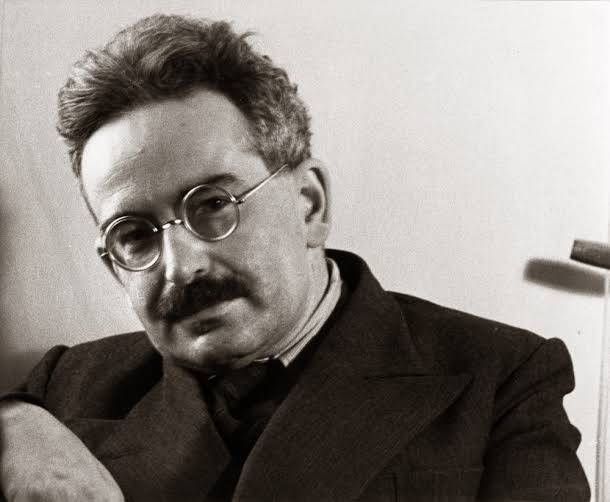
As Walter Benjamin’s aphorism goes, “even the dead will not be safe from the enemy if he wins. And this enemy has not ceased to be victorious.” Many in India know this, and many knew it earlier, but TK was among the first to sense it. Knowing is different from sensing, because sensing requires a different way of thinking, a capacity that not many possess.
And now, with Gen AI and everything that accompanies it, everybody seems to know everything, but nobody really knows or senses anything. This is what my pessimistic mind likes to believe, albeit with a measure of optimism. The sense of assurance interspersed with stupidity is tremendous.
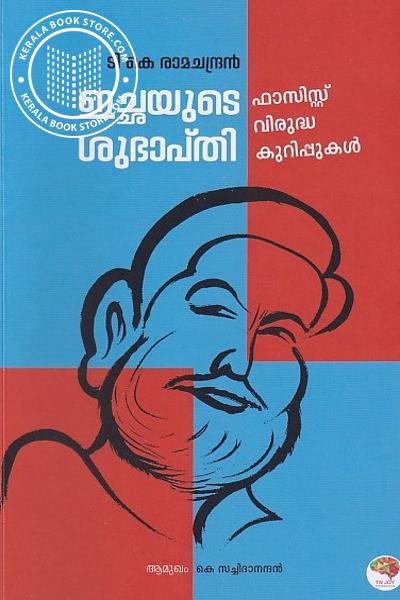
Perhaps I am moving towards a world in which I must even be prepared to hear that Gandhi died in a road accident! It was precisely against such distortions against realities being rewritten into things that never happened that TK Ramachandran cautioned us. And for this, he used culture as a major battleground. His postulation of an ultra-conservative backlash still resonates and, perhaps, has already become the rule.
Having said that, “What is the way forward?” is not really the question. “What can one do in the present?” is the question.
T.K. Ramachandran lives on!




A powerful and deeply moving remembrance of T.K. Ramachandran. He was not merely an intellectual who understood his times; he had the rare ability to sense where society and politics were heading. His warnings about cultural distortion, ultra-conservatism and the rewriting of reality feel remarkably relevant today. The real tribute to such a thinker is not just to remember him, but to carry forward the courage to question, think critically and act in the present.