


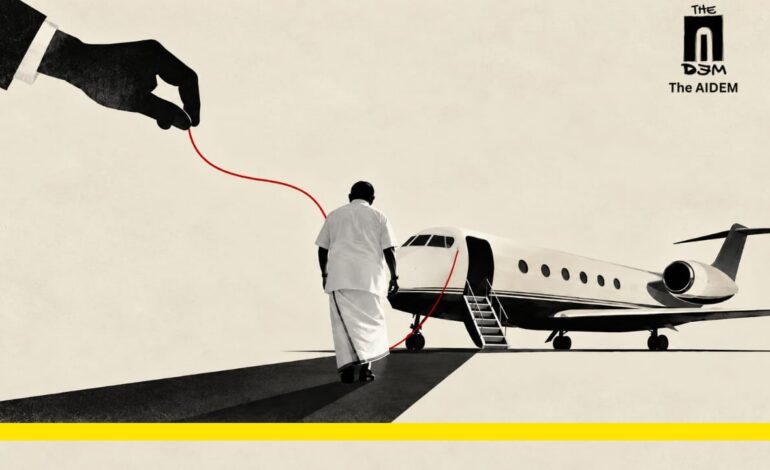
Few journalists have watched Indian politics from as close quarters, and for as long, as A.J. Philip. A nationally renowned journalist with decades of experience as a reporter and editor, Philip speaks his mind here as a veteran political observer, turning his attention to Keralam Chief Minister V.D. Satheesan and a seemingly simple question with larger implications: can there ever be a “free ride” for someone holding high public office? Through telling episodes from his own career and from India’s political history, Philip reflects on power, propriety and the invisible obligations that favours can create.
The late Bharat Inder Singh Chahal was no ordinary person. He was the Media Adviser with Minister of State rank to Captain Amarinder Singh when he was Chief Minister of Punjab, and he was a man who knew how to persuade people.
Soon after I joined The Tribune group as officiating editor, Chahal called on me. He wanted me to meet the Chief Minister. I tried to avoid such a meeting because I had nothing to discuss with him. An editor meeting a Chief Minister merely because the latter’s Media Adviser wanted it did not seem necessary to me.
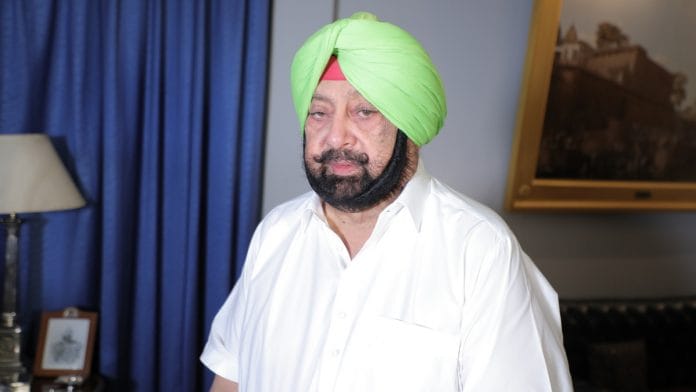
About a fortnight later, however, the Chief Minister himself invited me to his house. It would have been rather prudish to refuse his invitation, particularly after he had sent me an autographed copy of his book on the Kargil war. So I went.
He offered me Blue Label Scotch. I politely declined, saying that I was a teetotaller. I had fruit juice instead. The Chief Minister was surrounded by senior IAS officers. Personally, I did not particularly like the sight of a Chief Minister having drinks with his subordinate officials. But, while talking to him, I realised that Amarinder Singh was well-read ànd remarkably knowledgeable.
During the conversation, I casually mentioned that I was leaving for Delhi the following day. Chahal immediately pounced on that. He offered to drop me in Delhi in the State aircraft. I shuddered at the thought.
Chahal used all his persuasive skills to make me accept the offer. I had been told that Chahal believed every person had a price and that, if that price was paid, he could be won over. I do not know whether that assessment of him was fair. But I knew that accepting the offer would put me in an awkward position. I refused.
Had I accepted the offer, my reputation could have been compromised. An editor does not have to accept money to lose his independence. Sometimes even a favour can create an obligation or, more importantly, the appearance of an obligation.
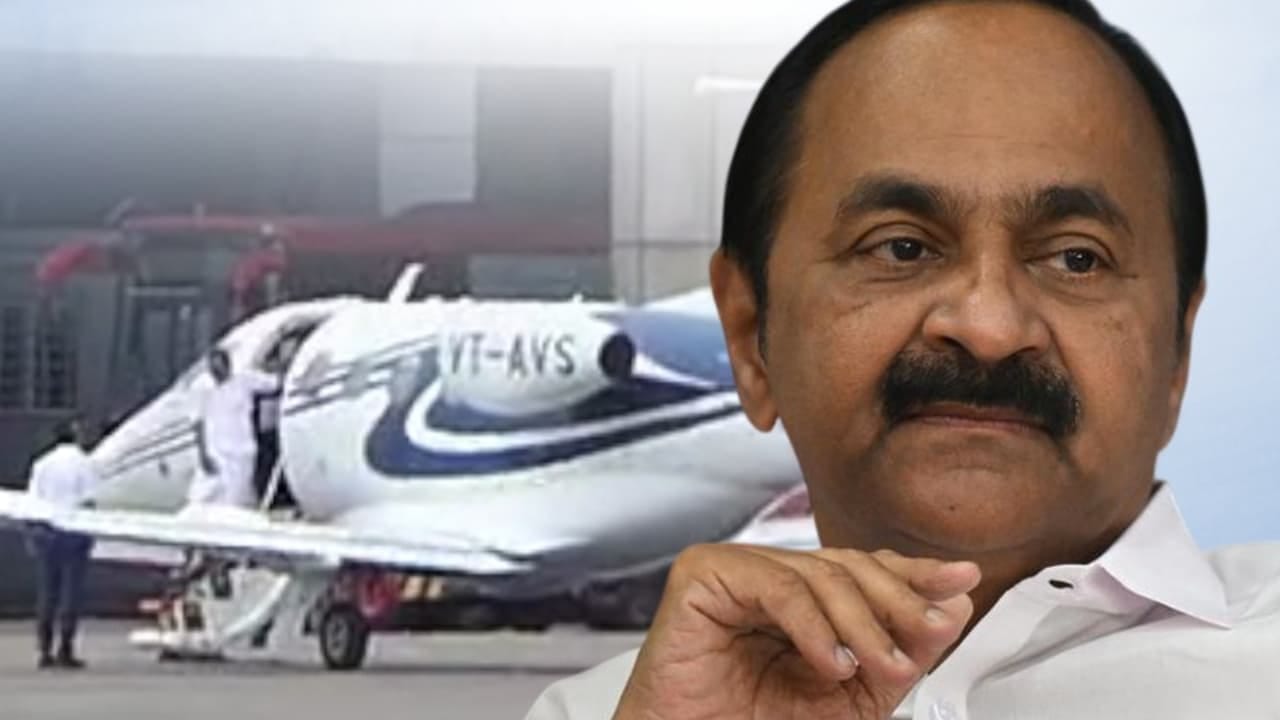
I remembered that incident when I heard about Keralam Chief Minister V.D. Satheesan travelling to Malappuram in a privately arranged chartered aircraft. The flight was arranged after the State’s helicopter contract had expired, and the Chief Minister’s Office said that there was no suitable commercial flight and that the private aircraft was made available free of cost because of the urgency.
Satheesan has since defended the decision, saying that no money from the State exchequer was spent. He has also declined to identify the private individual who arranged the aircraft and said he would use such facilities again if required. He has cited previous Chief Ministers’ use of privately owned aircraft and helicopters as well.
The question, however, is not simply whether the government paid for the flight.
There is no free lunch in this world. A private person does not ordinarily offer a Chief Minister a private aircraft merely as an act of charity. The person may have no ulterior motive whatsoever. But the possibility of an obligation is precisely why holders of high public office must be more careful about accepting favours than ordinary citizens.
The strongest argument against accepting such a favour is not that the recipient has necessarily done anything wrong. It is that public confidence depends upon the appearance as well as the reality of independence.
There is an instructive example from T.N. Seshan, one of India’s most consequential Chief Election Commissioners.
Seshan was a devotee of the Paramacharya of Kanchi. When the Paramacharya died in January 1994, Seshan was in Thiruvananthapuram and wanted to attend the funeral ceremonies. There was no commercial flight that could get him there in time. Dhirubhai Ambani agreed to divert a Reliance aircraft to pick him up.
Seshan accepted the help but with a condition. He would pay for the journey. In his autobiography, Seshan wrote that the cost came to Rs 95,500. He issued a cheque to Ambani and says that he was given proof the following morning that the cheque had been realised.
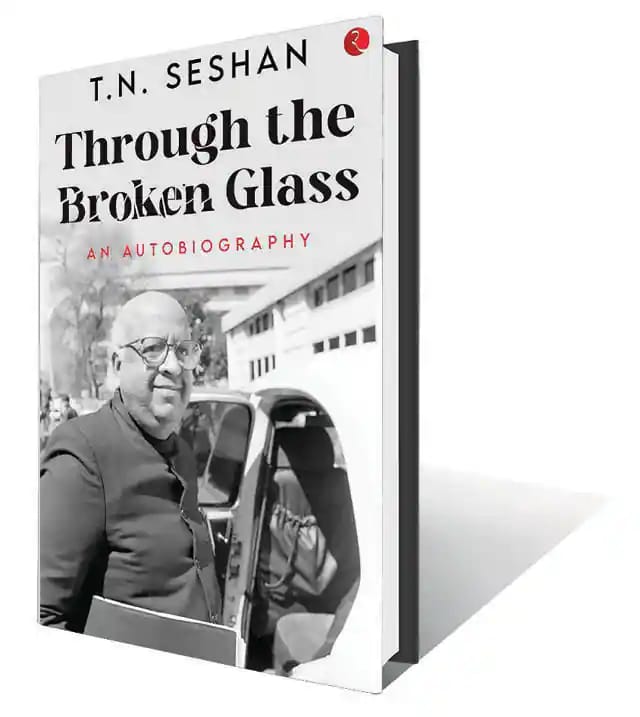
There have been stories that Ambani did not ultimately encash the cheque. I would rather not rely on that part because Seshan’s own account says that the cheque was realised.
But the important point is not who finally bore the cost. It is that Seshan understood the principle.
He did not say: “The government has not spent any money, so there is nothing wrong.” He recognised that an individual occupying a high constitutional office must be particularly careful about becoming beholden to a private citizen.
That is the distinction Satheesan should perhaps have considered. His justification that the State did not spend any money misses the larger issue. The question is not whether the State lost money. The question is whether a private individual acquired an opportunity to do a favour to the Chief Minister.
The circumstances in Malappuram were undoubtedly serious. The Chief Minister had a legitimate reason to visit a rain-affected area and assess the situation. His presence could have reassured the affected people.
But a Chief Minister cannot personally be present wherever a disaster occurs. Governance requires a system in which district collectors, police officials and other government agencies can respond effectively even when the Chief Minister is hundreds of kilometres away.
This reminds me of what the late Babu Paul told me. He was Secretary to Chief Minister C. Achutha Menon.

On Friday afternoon, Menon would leave for a secret, picturesque place near Thiruvananthapuram. He would take some books with him and return to the Secretariat only on Monday morning.
He had given Paul an instruction: inform him if the Third World War had begun. He could handle everything else on Monday. I consider Achutha Menon the best Chief Minister Keralam had. Incidentally, he was also the first political leader I interviewed in Delhi.
His example illustrates an important aspect of leadership. A Chief Minister does not have to be physically present everywhere to demonstrate that he is in control. A good administration should be capable of functioning without the Chief Minister hovering over every crisis.
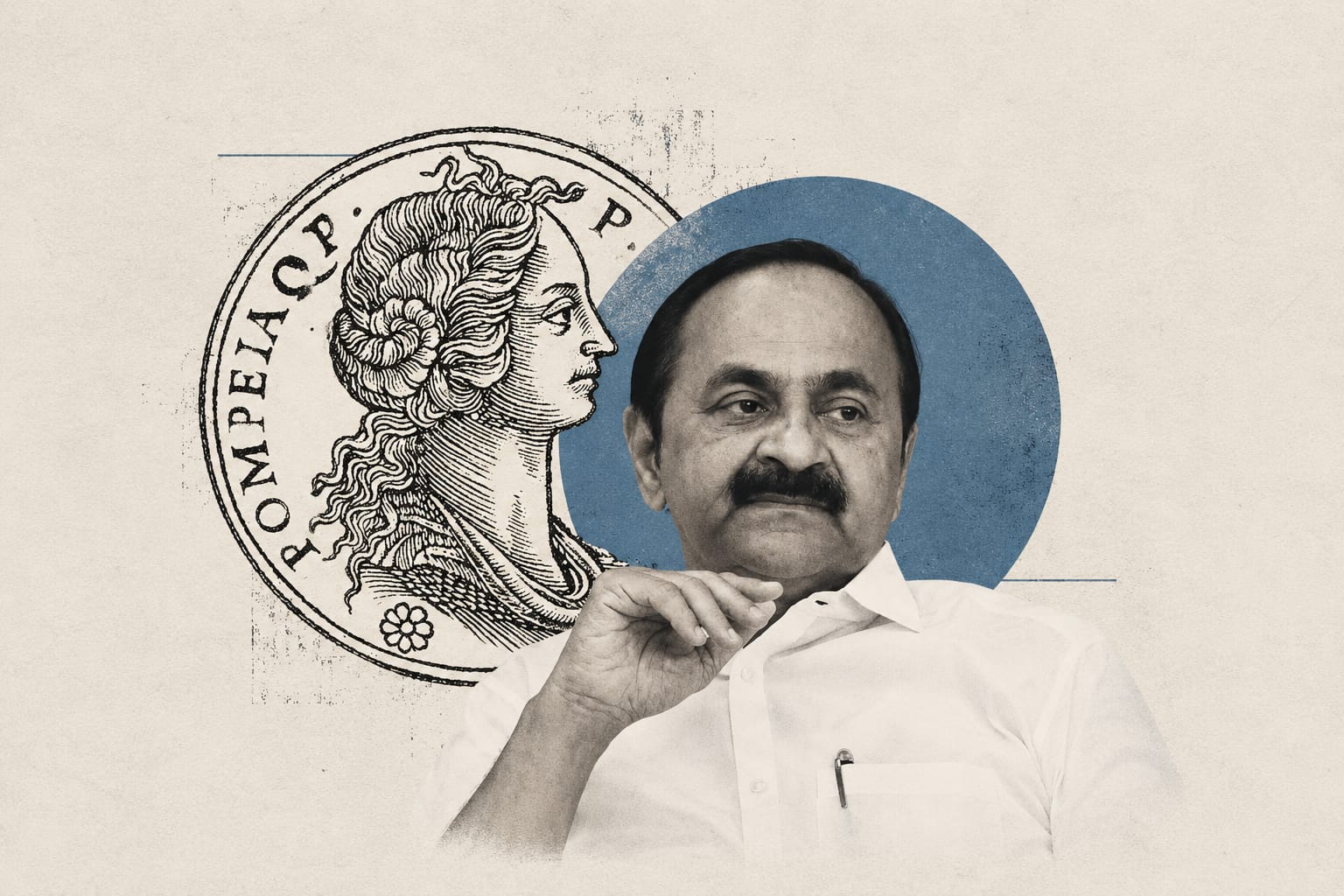
Satheesan is a voracious reader, and I am proud of that. He would certainly have come across the principle behind the famous expression that Caesar’s wife must be above suspicion.
The expression has its origins in the story of Julius Caesar’s wife, Pompeia. After a scandal involving a sacred ceremony held at Caesar’s house, Caesar divorced her even though he reportedly did not believe she was guilty, saying that his wife must be beyond suspicion. The principle is particularly relevant to public life.
Anybody can make mistakes. After all, to err is human. What is more troubling is the justification of a questionable decision rather than acknowledging that it might have been wiser to avoid it.
I was equally surprised when Satheesan extended the argument to his ministers. He said there was nothing wrong with ministers accepting hospitality, including foreign travel sponsored by organisations, because such trips would not cost the State money. He argued that ministers should travel and see the world.
But ministers are invited precisely because they are ministers. They are not invited because of their personal ability to pay for an overseas trip. Their public position is what makes them valuable guests.
There are rules governing gifts and hospitality received by public officials. Their purpose is not to suggest that every person offering hospitality is corrupt. Their purpose is to protect public institutions from conflicts of interest and even the appearance of influence.
The same principle applies to ministers borrowing private cars. Satheesan defended Local Self-Government Minister K.M. Shaji’s use of a friend’s vehicle after his official vehicle broke down. He also argued that ministers had used private vehicles in the past. I find that argument unconvincing.
If a minister’s official car is old or unreliable, it is the government’s responsibility to provide a suitable replacement. A minister is not expected to go around with a hat in hand looking for somebody willing to lend him a car.
I once wrote an open letter to Chief Minister Oommen Chandy questioning his decision to have CCTV cameras installed in his office and make the footage available to one and all. The apparent purpose was to show that he had nothing to hide.
But public transparency does not require abandoning privacy. Suppose a woman facing oppression from powerful men approached the Chief Minister for protection. If those men could see footage of her meeting the Chief Minister, she could become even more vulnerable. The fact that the Chief Minister had nothing to hide was not sufficient justification for exposing somebody seeking his help.
Public office demands judgment about circumstances, not merely a declaration of innocence.
Politics is an uncertain profession. Rise and fall can be sudden. Satheesan is popular today, and many people, including this writer, appreciate him. That makes it all the more important for him to protect the reputation he has built. Some of his friends and political opponents in Delhi and Keralam are waiting for an opportunity to question him. He should not provide them with ammunition unnecessarily.
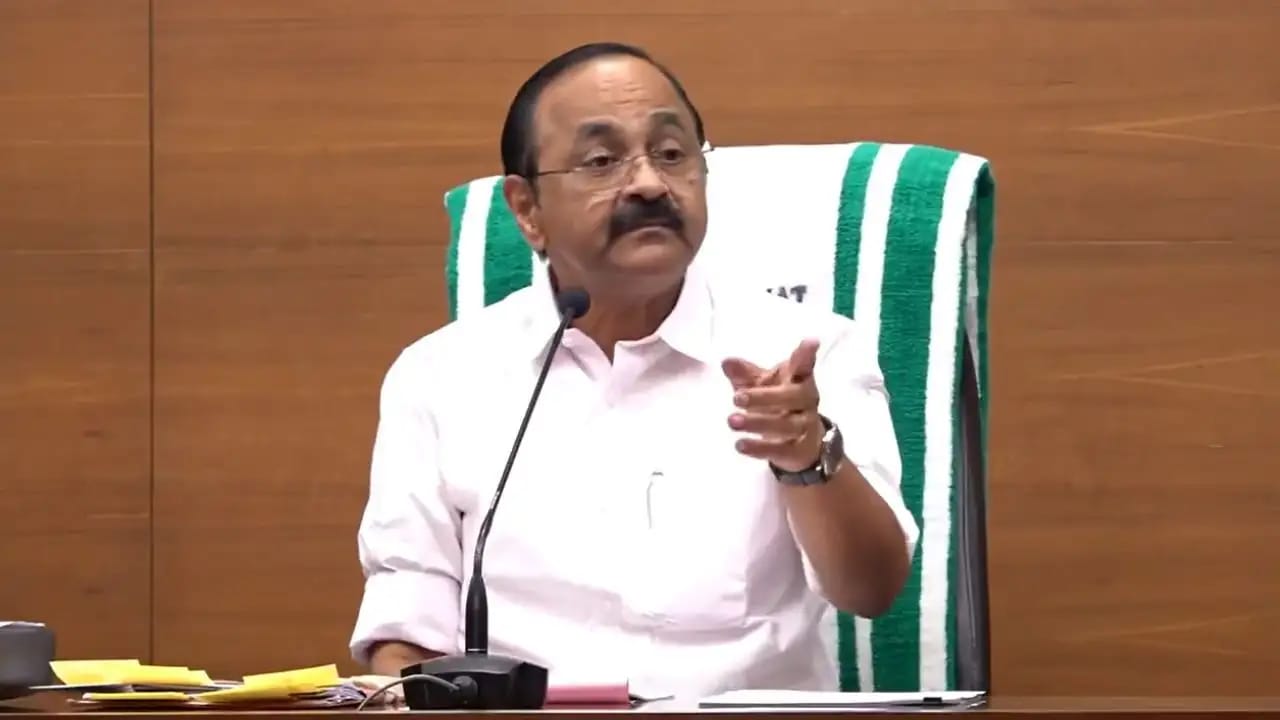
The issue is not whether Satheesan paid for the aircraft. It is not even whether the person who arranged it expected anything in return. We cannot know that without evidence. The issue is simpler: Why should a Chief Minister allow a private person to put him in a position where questions about obligation can arise?
Independence is not merely the ability to say no when somebody asks for a favour. It is also the wisdom to avoid accepting a favour when there is no compelling reason to do so. There is, after all, no such thing as a free ride in public life. Even when no money changes hands, the public is entitled to ask who provided the ride and why.







The Malappuram chartered-flight controversy raises a larger and important question about transparency in public life. Even when no public money is reportedly spent, citizens have a legitimate interest in knowing who provides benefits to those holding public office and under what circumstances. Public trust cannot depend on personal assurances alone; transparency, disclosure and clear ethical standards must apply consistently to those in power. Accountability is not political convenience—it is a basic democratic responsibility.