

Mohan Bhagwat in New York as Resistance Grows Across the Diaspora to Hindutva

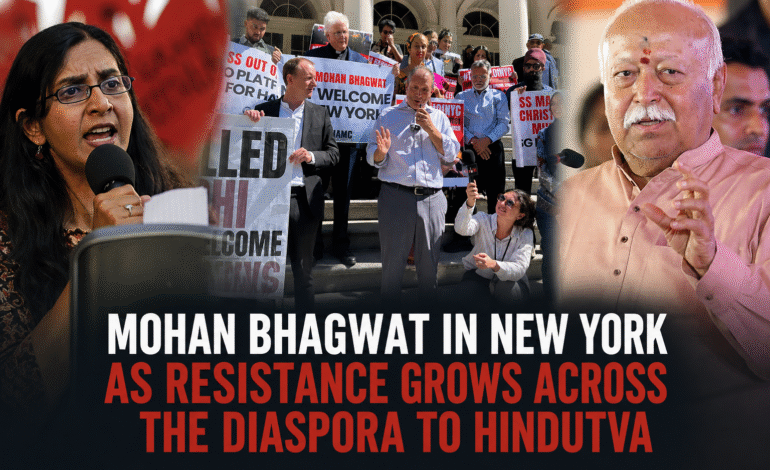
The former Seattle City Council member tells Gurpreet Singh that Mohan Bhagwat’s August 29 conclave in New York should face organised opposition, and argues that the battle against Hindutva in North America is inseparable from wider struggles against the political Right.
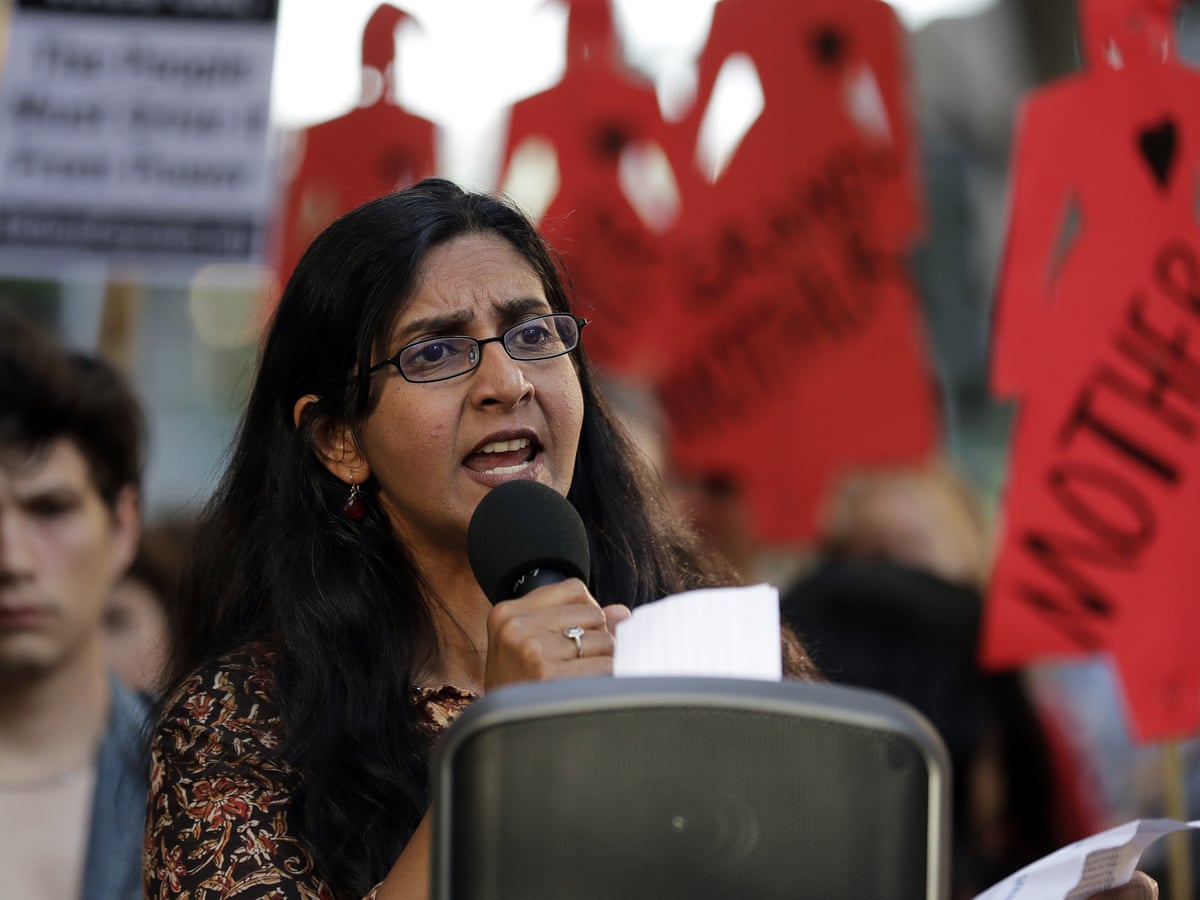
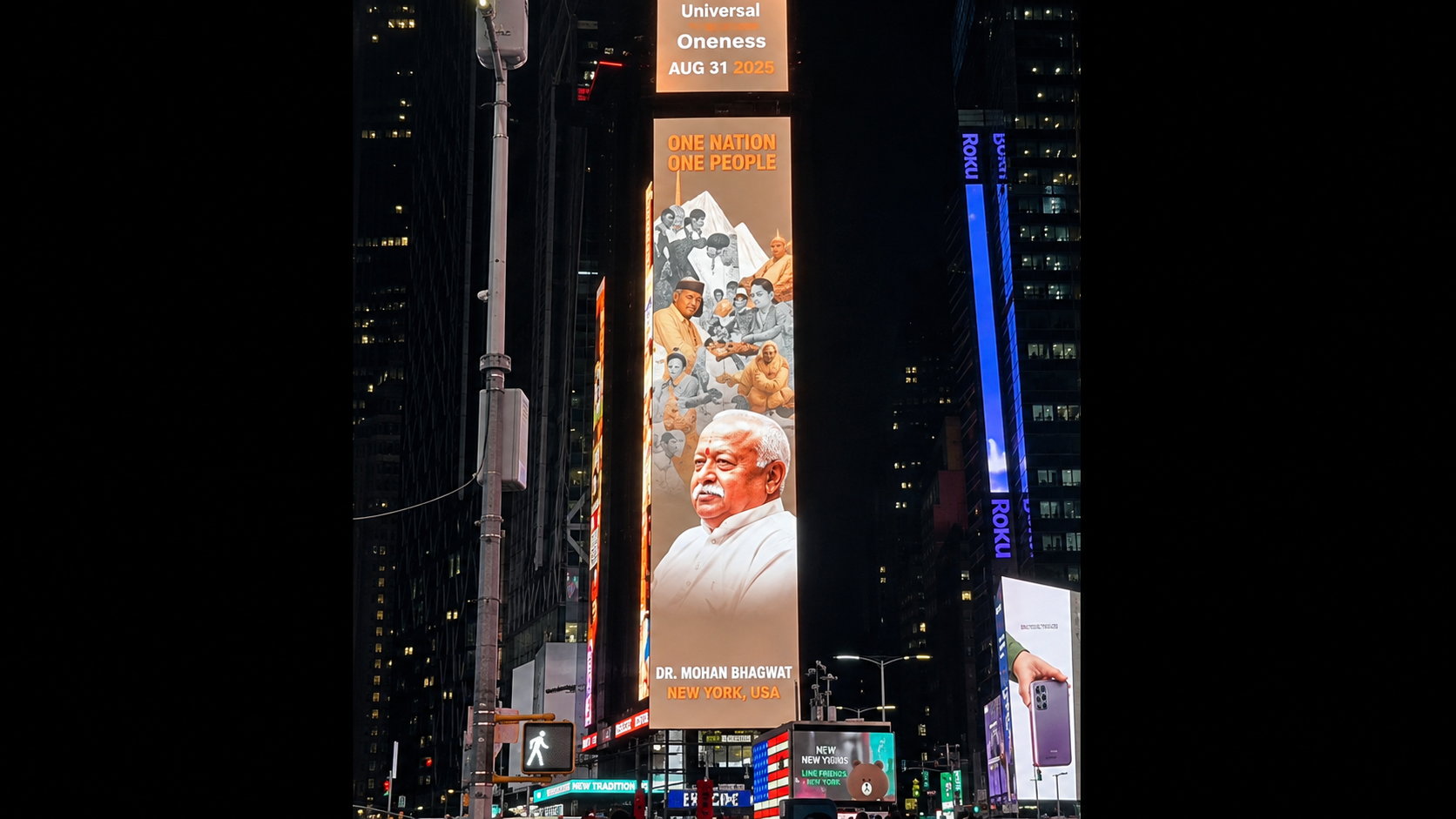
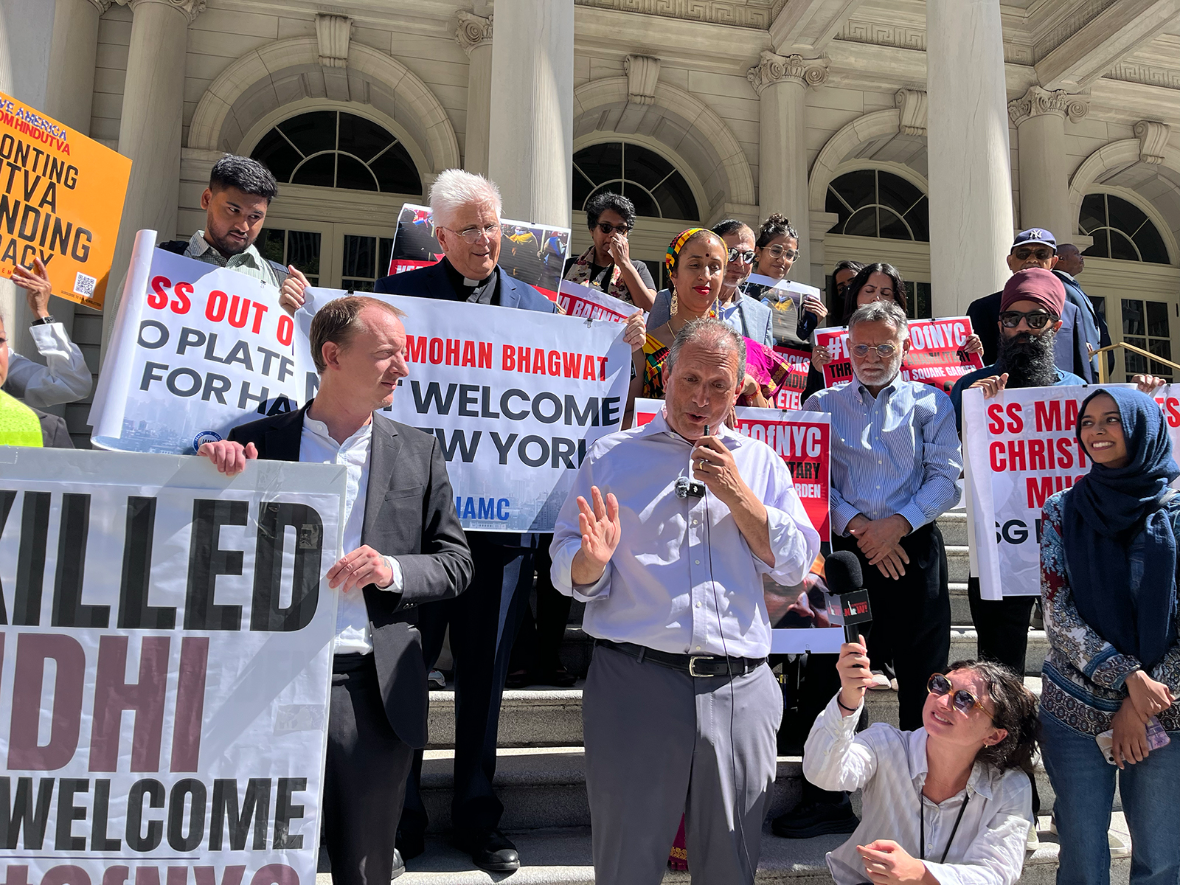
As RSS Sarsanghchalak Mohan Bhagwat holds a conclave in New York on August 29, opposition to the event has brought the expanding political footprint of Hindutva in North America into renewed focus. Among those who have spoken out is Kshama Sawant, the Indian-American socialist politician and former member of the Seattle City Council, who has called for the event to be cancelled and has questioned why elected representatives opposed to Hindutva are not mobilising a mass counter-protest.
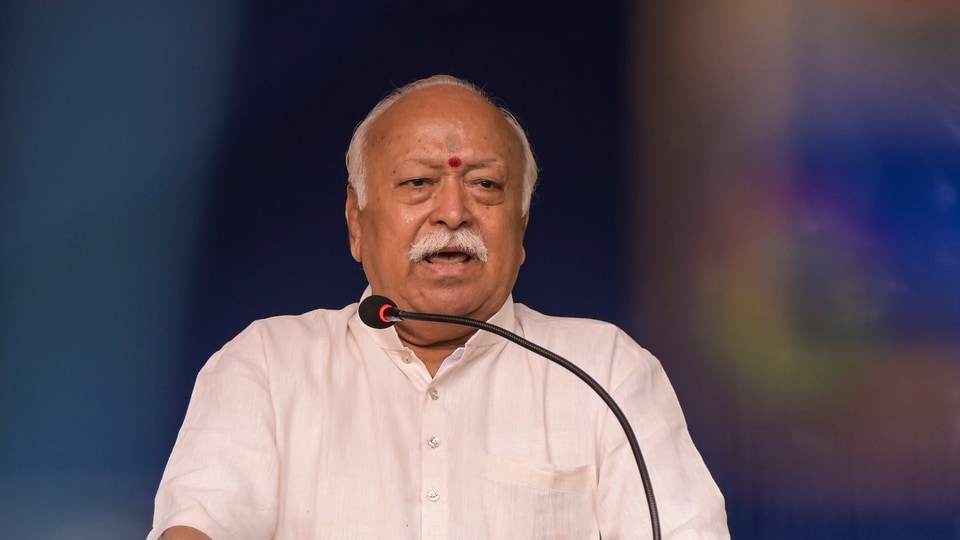
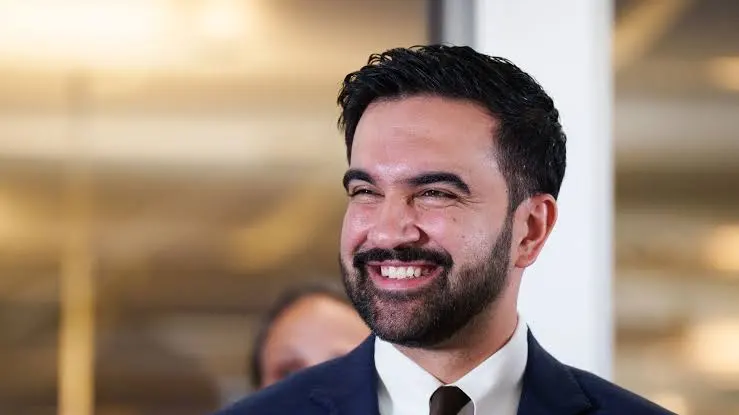
In this interview conducted by Gurpreet Singh for the Navin Taazi YouTube channel, Sawant discusses the RSS and its ideological history, the growth of Hindutva networks in North America, the politics surrounding Bhagwat’s visit, and what she believes elected representatives such as Zohran Mamdani can do in response. Drawing on her decade on the Seattle City Council and the political campaigns she led there, Sawant also sets out her larger argument about electoral politics, mass movements and the need for an independent working-class political alternative.
Gurpreet Singh:
Today, we have a very special guest with us, Kshama Sawant, the former Seattle City Council member and a brave politician who has repeatedly taken strong positions against the Modi government. You have heard her voice many times before. Today, we are going to speak with her again.
The reason is that the RSS has reached America, and on August 29, in New York, it is going to hold a major conclave. Regarding this, Kshama Sawant has posted on social media, appealing to the Mayor of New York to have the programme cancelled. So, the special focus of this conversation with Kshama Sawant is this entire issue.
Kshama ji, thanks for joining me again.
Kshama Sawant:
Thank you so much for having me.
Gurpreet Singh:
So, Kshama ji, let’s begin with the very fundamental question. What is the RSS all about? You have very strong Maharashtrian roots.
Probably, you know more about the RSS than any other politician in North America. So, if you can shed light on the RSS and its background, how problematic is it?
Kshama Sawant:
Yes. RSS is the Rashtriya Swayamsevak Sangh, which was founded in 1925. It is the hardline ideological backbone of Indian Prime Minister Narendra Modi’s far-right Bharatiya Janata Party.
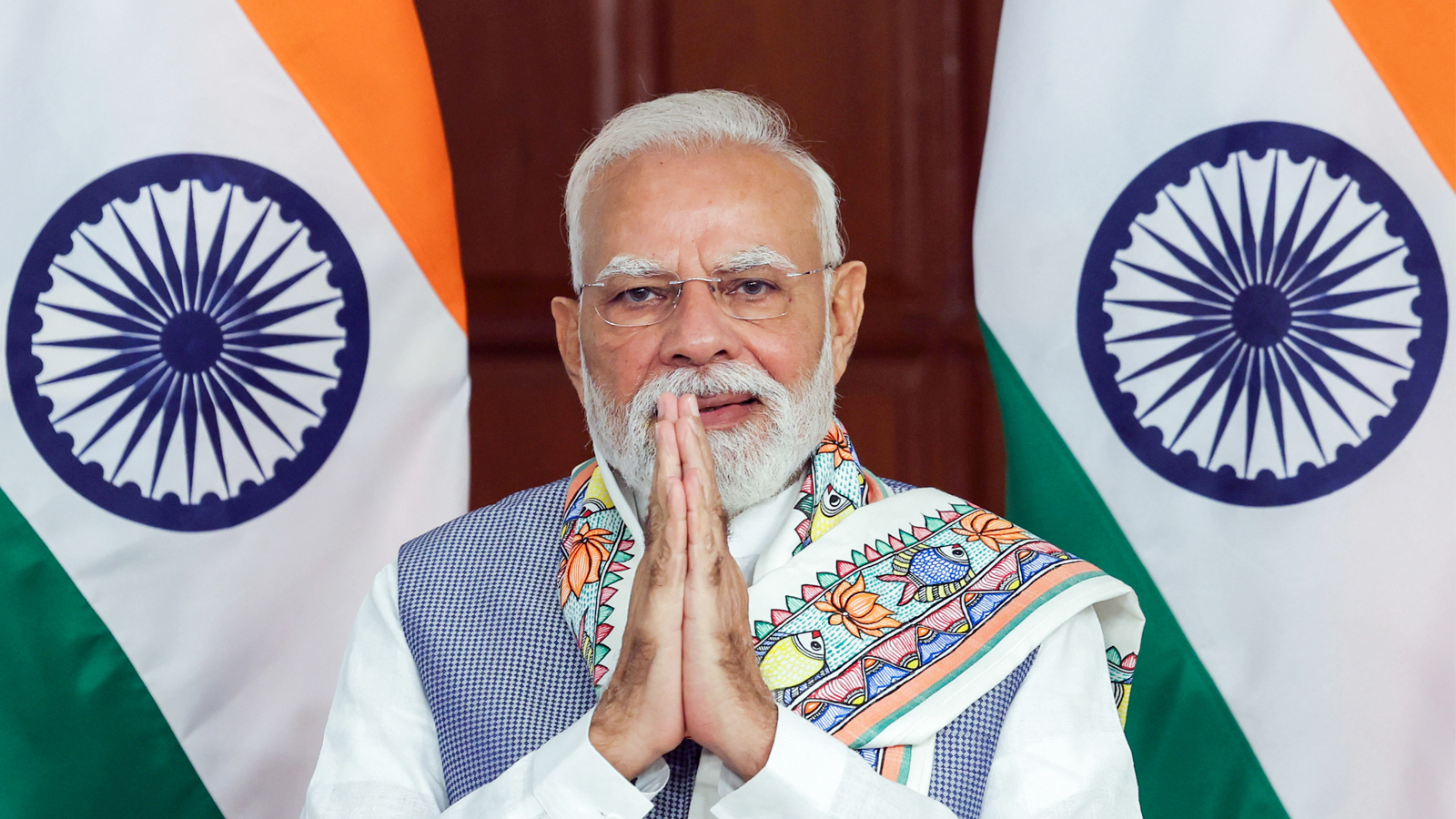
So, the RSS, BJP and VHP, which is the Vishwa Hindu Parishad, all of these organisations form what is called the Sangh Parivar, which is the Sangh family; in other words, the framework of organisations that expound their ideology. And what is this ideology? From its early days, the RSS modelled itself after Nazi Germany and, to this day, continues to base itself on what are actually fascist ideas.
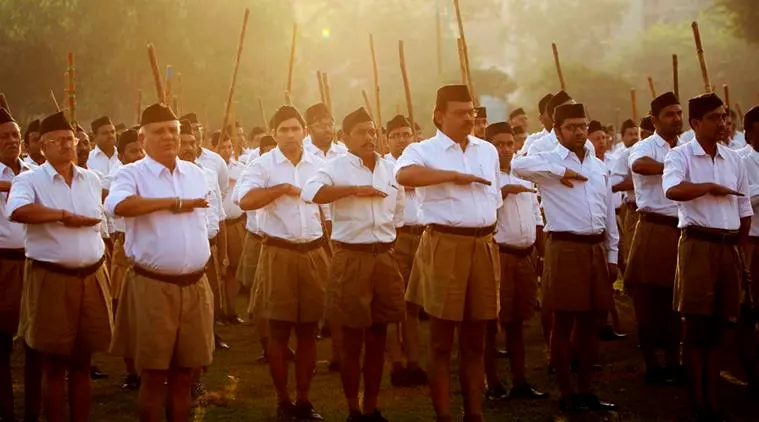
And I want your viewers to know that I don’t use the word “fascist” lightly. I don’t call every conservative or right-wing ideologue a fascist. You know, it’s a very specific type of ideology.
So, the RSS bases itself on fascist ideology, violence against Muslims and other minorities, including caste-oppressed communities, and the oppression of working people. And that is a very important tenet of fascism, which is oppression of the working class, hatred and violence against the labour movement, and against any type of working-class militancy. All of that is wrapped up in these ideas.
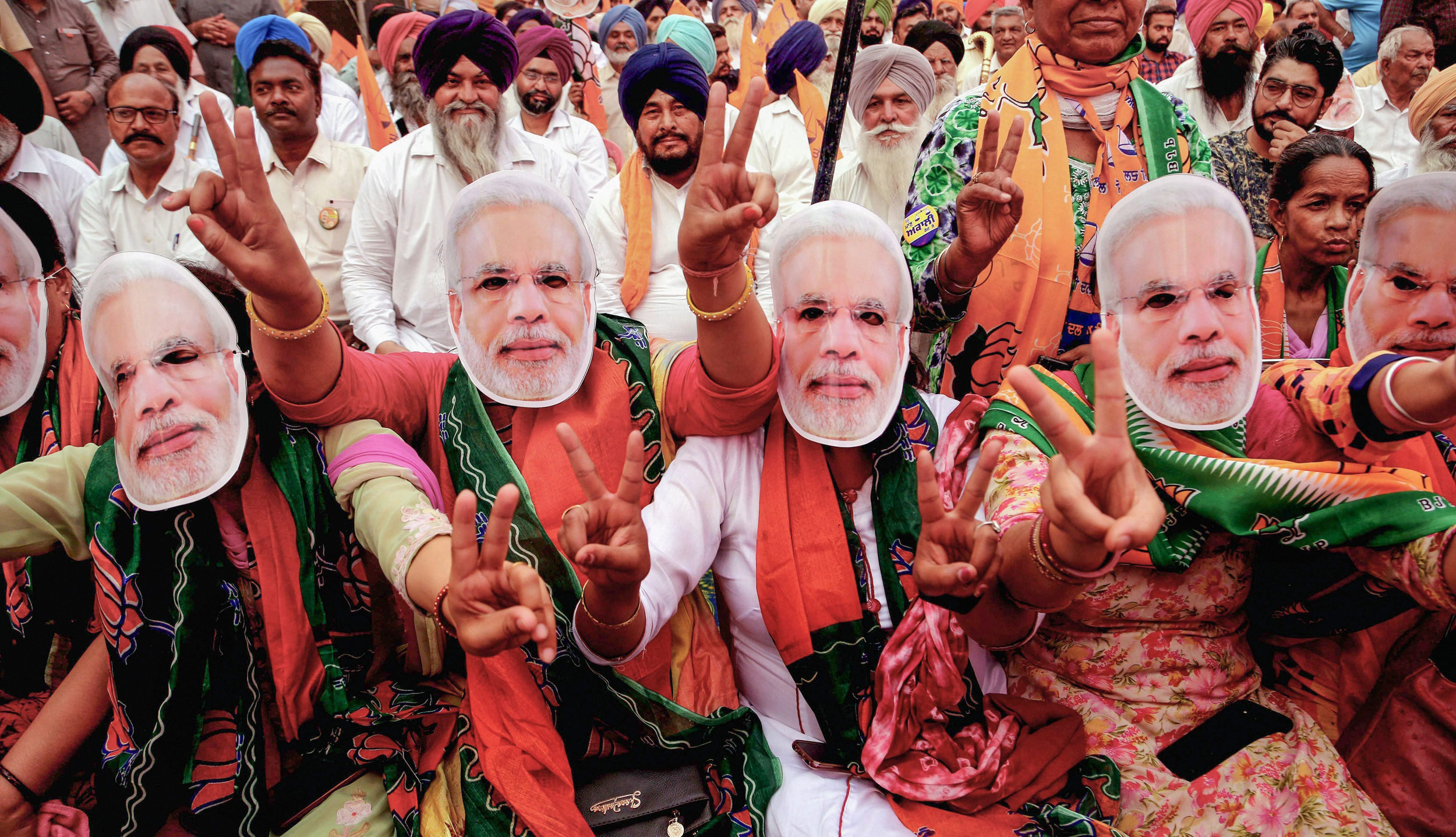
And we have seen that since Narendra Modi became Prime Minister—the BJP first won a majority in Parliament and Narendra Modi became Prime Minister in 2014. Since then, and now it’s been 12 years, we have seen a catastrophic series of events, including just vicious repression of the working class in Kashmir, in Assam and in many other states.
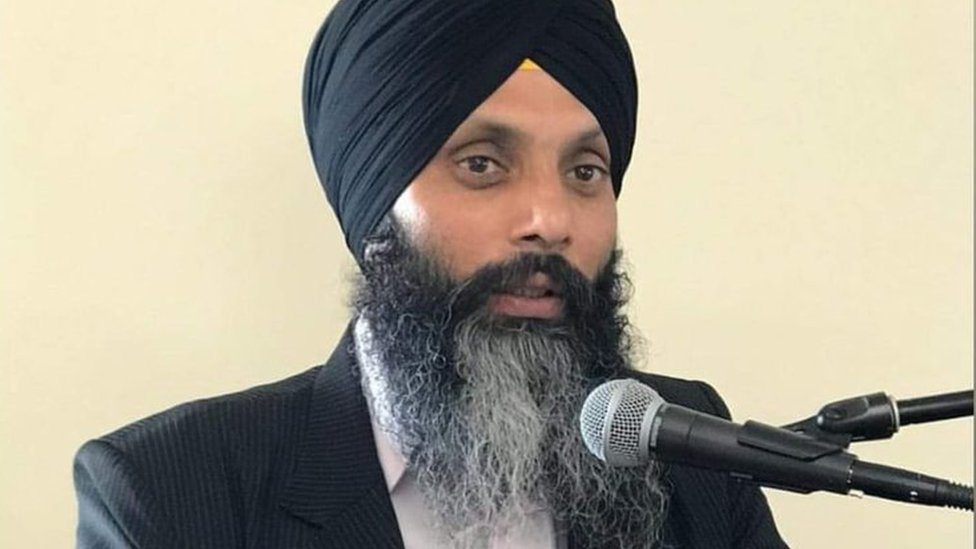
We have seen violence directed against activists and independent media, especially targeting Muslim and Sikh activists. And to bring it back to North America, brother, we have seen how there was the assassination in recent years of Hardeep Singh Nijjar in Surrey, British Columbia, Canada, and how the evidence links it back to the Modi government. So, this is all what the RSS and the BJP and the Sangh Parivar stand for.
Gurpreet Singh:
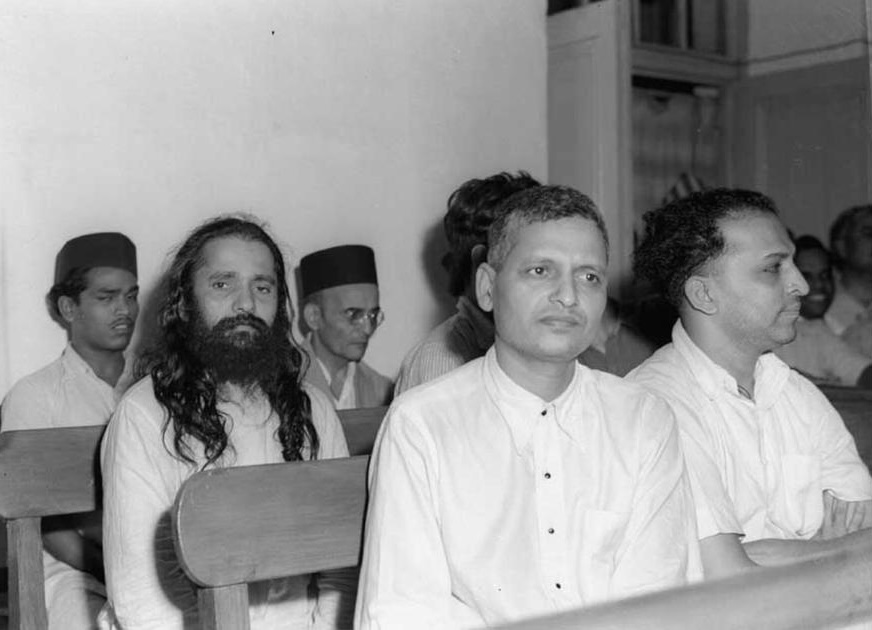
Now, the RSS is also known for its involvement in the assassination of Mahatma Gandhi. I mean, world leaders, especially those sitting in the US, are very much enamoured of Gandhi. But how come they don’t even know that the RSS was involved?
What’s your understanding?
Kshama Sawant:
No, it’s very important what you mentioned, that a lot of these, especially Democrats in the United States—you know, Democratic Party politicians and all these liberal leaders—they like to talk about Gandhi. I mean, obviously, I have some disagreements with Gandhi’s ideology. Of course, you know, he was not a Marxist, and his position on the caste system was quite problematic.
All of those issues notwithstanding, yes, it is absolutely a fact that Gandhi was assassinated by Nathuram Godse, who was a member of the RSS. You know, it was not just him acting individually.
It was an action instigated by the RSS. And you’re right that a lot of the liberal leaders, Democratic Party politicians, like to spout off the name of Gandhi. But many of them, as you said, don’t know about the BJP analysis, and even many of them who do know don’t actually speak out.
And there’s a reason for that, which is that, at the end of the day, the Democratic Party, like the Republican Party, whatever differences they might have, both these parties represent the billionaires and multimillionaires and the capitalist state. This is what the Democratic Party represents. And so, by virtue of that, the capitalist state of the United States, just like the capitalist state of Canada, the government of Canada, has deep links with the ruling class in India, with the billionaire class in India and with the Modi regime.
And the Democratic Party politicians don’t want to be critical of a regime that they have close links with. And that is why even the ones who do know about it, including the Indian elected members in Congress, don’t speak too much about it. And also, when they do, it’s somewhat performative.
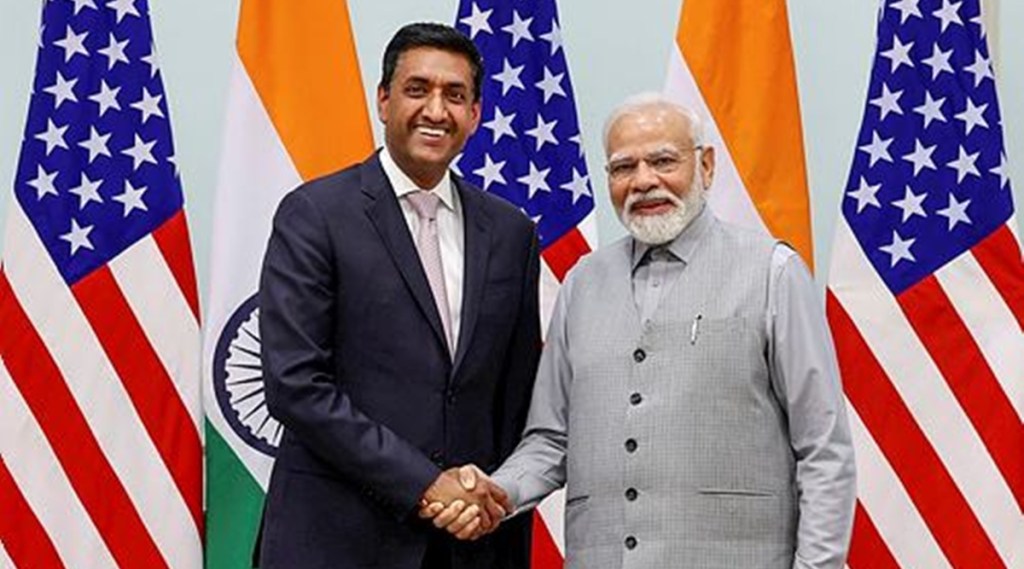
Just to give you one quick example, in 2019, Ro Khanna, who is a progressive, self-described progressive Democrat, called for rejecting Hindu fundamentalism. But just a few years later, in 2023, when Narendra Modi was visiting the United States and the White House, he, Khanna, publicly urged the Republican House Speaker at the time to allow Modi to be invited to the White House. And what was Modi’s regime doing at that very moment when Khanna decided to appease Modi? In the northeastern Indian state of Manipur, the BJP was attacking ordinary Christians, leading to the burning of 249 churches, according to one of the sources that reported on this.
And then, in the northern state of Uttarakhand, the state’s BJP Chief Minister ran a campaign demonising the million and a half Muslims who live there, leading to calls for ethnic cleansing across several towns, with mobs, Hindu-Hindutva mobs—you know, Modi-Bhakt mobs—demanding that Muslims be expelled from their homes. This is all that the BJP stands for. And so, the question is, why did Khanna, a self-described progressive, choose to invite Modi despite this track record of violence and bigotry, especially when this violence was escalating?
It’s the fact that the US state has close links with the Modi regime. And just one thing to include in that analysis is that the US-India partnership is happening in the era of inter-imperialist rivalry between the US-led bloc and the China-led bloc. And Khanna was being a loyal representative of US imperialism in that context.
Gurpreet Singh:
So, in your understanding, why is it important to oppose the visit of Mohan Bhagwat to the US, and what consequences can this visit have for the South Asian diaspora in the long run?
Kshama Sawant:
So, I want to start answering that by being clear that I don’t lightly say that an event should be cancelled. As a matter of fact, in the past, I have a track record of actually disagreeing with sections of the Left who have demanded that events be shut down, because, in my view, it’s better to have the debate and expose the right-wing ideas rather than trying to shut it down. In fact, having a counter-protest outside the event and all of that.
So, this is a rare instance where I’ve joined the call to cancel the event. And I should credit Hindus for Human Rights, the Indian American Muslim Council, many Sikh organisations—all of them who have led the call to cancel. I wasn’t the leader on this.
I’ve joined them, and Workers Strike Back, my organisation, and I are in solidarity with them. But the reason I think, in this case, it made sense is because Mohan Bhagwat, just from what I’ve described about the RSS, is not some garden-variety conservative. He is the self-described supreme leader.
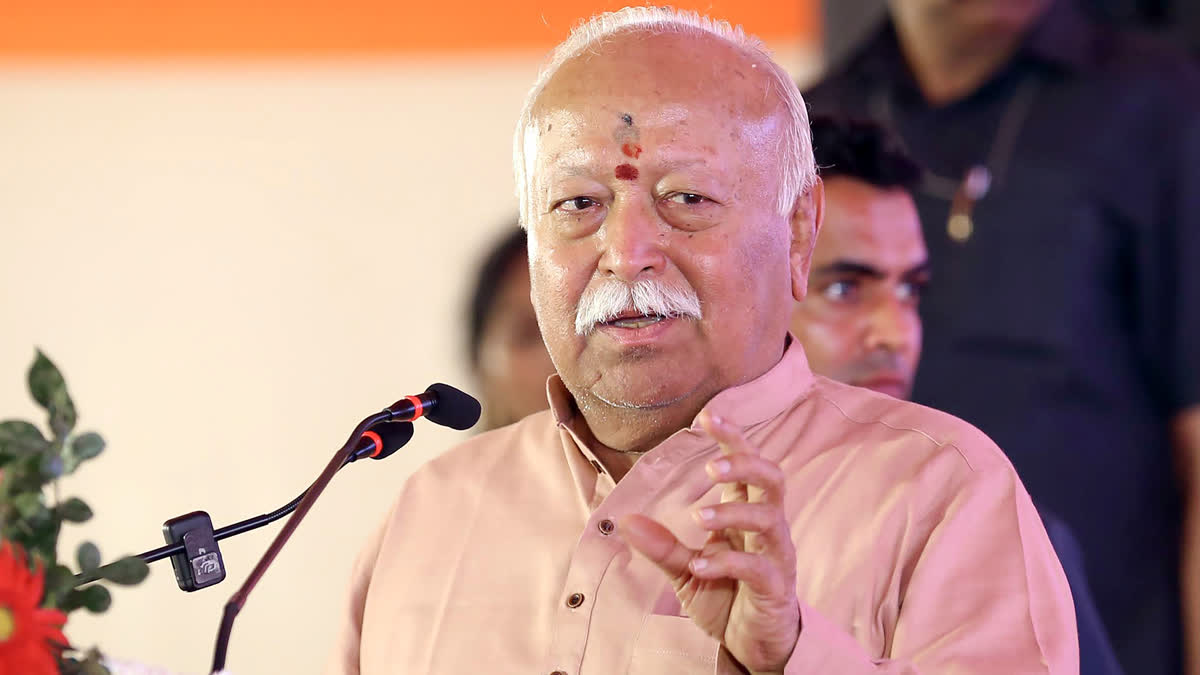
This is what they call him, the supreme leader of the RSS. In Hindi, he is the big leader of the RSS. And the RSS is not just any old conservative organisation.
It is an organisation that espouses actually fascist ideas. And it’s not a fringe organisation. It is not something to take lightly because, at this moment, since 2014 especially, the BJP and the Sangh Parivar have built a national following, a mass following.
It is extremely dangerous. The rise of Hindutva and Hindu fundamentalism is extremely dangerous. And we’ve seen how they have, as I mentioned, been violent against people in Kashmir and other states, against activists.
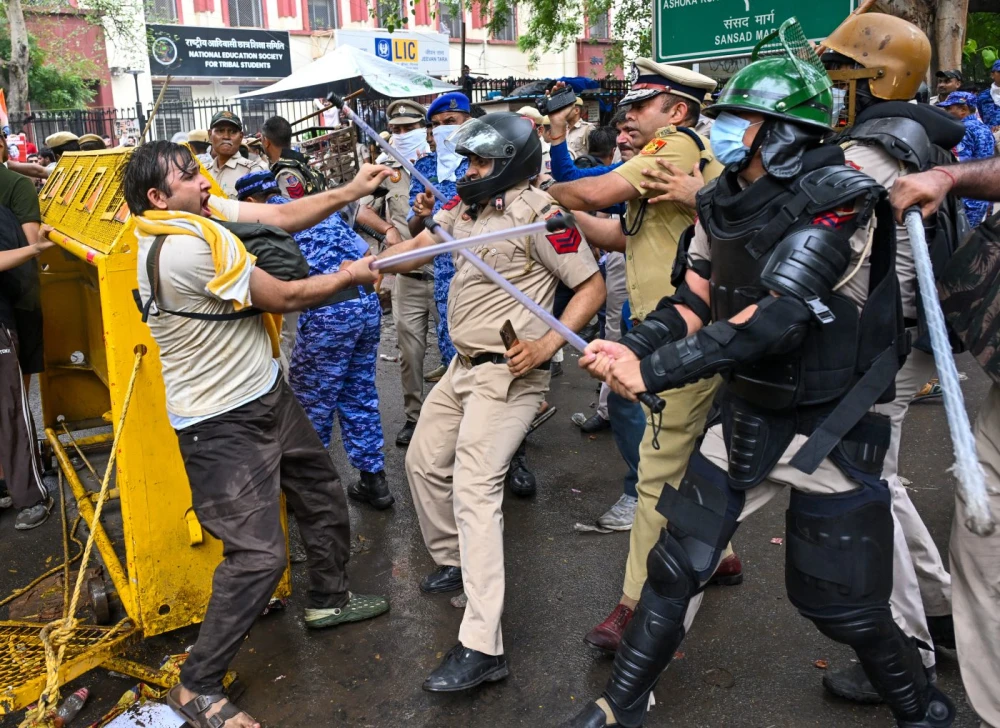
But what did we see in recent years? Also, we saw the violence they directed against the farmers’ movement in 2020. And now, right now, in the student movement, we are seeing them direct real violence.
I mean, there’s a student who has lost the use of one of his eyes. There are people who are in the hospital because they are dealing with grievous injuries. This is the kind of violence that the BJP government has carried out against these peaceful activists and very, very young people.
And Mohan Bhagwat represents all of this horrific agenda. And I think it is not a normal event that is happening. And, you know, one other thing that we have to keep in mind—it’s very, very important.
And many people may not know about this. Why is Mohan Bhagwat here in the first place? Why is he in the United States?
It is because there is a dangerous, growing current of Hindutva and Hindu fundamentalism inside North America itself, you know, both in Canada and in the United States. And many of these people who support Hindutva are extremely wealthy. And that is why I said you cannot separate the ideas of fascism from the ideas of capitalism.
You know, they are very closely linked. And so, it’s not surprising that, for example, in India, the billionaire and multimillionaire class are hand in glove with the Modi regime. And similarly, in the United States, you have many wealthy Hindu fundamentalist individuals who are strongly supporting the BJP and Sangh Parivar.
And so, why Mohan Bhagwat is here is because it is to perpetuate what the United States has now become, which is increasingly a very important political and ideological, on the one hand, and financial backbone of the work of the BJP. And that’s what he’s here for. And that’s a dangerous agenda.
But one thing I’ll just say is, for people who don’t think that the event should be cancelled, I would say that’s fair enough. I get that you are concerned about free speech. And like I said, I don’t lightly call for cancelling events.
I believe that it’s much better to debate it openly. However, the main question here is: are people who are opposed to Hindutva going to organise a mass counter-protest outside that event, which is extremely important? And my main question is to Mamdani and the DSA elected representatives in New York City and New York State.
There are many of them. Why aren’t they organising a mass counter-protest?
Gurpreet Singh:
Now, I just want to know, what can Mamdani really do? Because he has been critical of the RSS, but at the same time, he says, “I cannot cancel the event, and the law doesn’t allow me to do that.” Because you served on the Seattle City Council for a very long time, can you make us understand what options he has?
Kshama Sawant:
Yes, this is a very, very important question. I would say, brother, this is the central question of this whole issue, which is: what is the obligation of elected representatives to act in the cause of social and economic justice? Many people think that, oh, when you get elected, you have to govern; you should stop being an activist.
I don’t agree with that at all. I completely disagree with that. And there is a fundamental difference between me, as a revolutionary socialist when I was on the Seattle City Council for 10 years, and people like DSA leaders like Mamdani, who have held office for many years, and their track record is completely different from my track record.
With one lone elected office in Seattle, with the whole of the Democratic Party against me, and big business against me, I was able to use my office to win the nation’s highest minimum wage, which is now at $21.30 an hour. I was able to win the Amazon tax. We were also able to win the nation’s first-ever resolution condemning Modi’s anti-Muslim and anti-poor CAA-NRC citizenship laws.
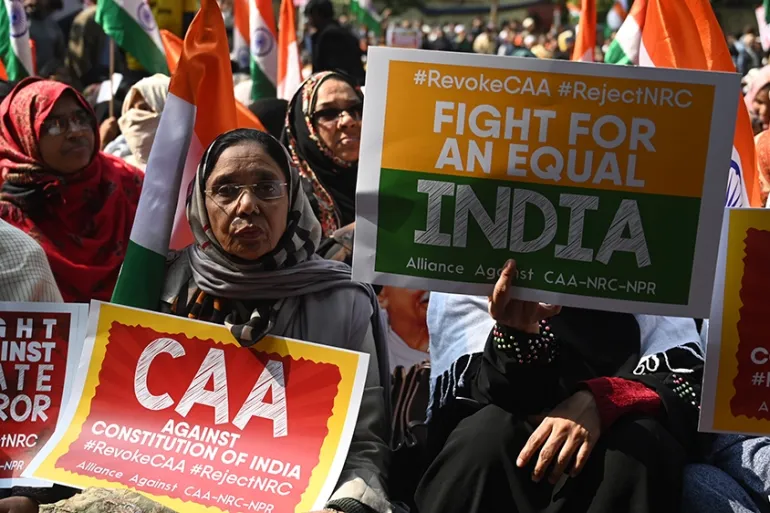
We were able to win a resolution in solidarity with the Farmers’ Movement in 2020. And we were able to win the first-ever, and to date only, ban on caste-based discrimination outside South Asia. I mean, this is absolutely historic.
But the reason we won these victories was because I used my office to build mass movements. It wasn’t just about me; it was about organising all these people. So, my question—you asked me, you know, what can Mamdani do?
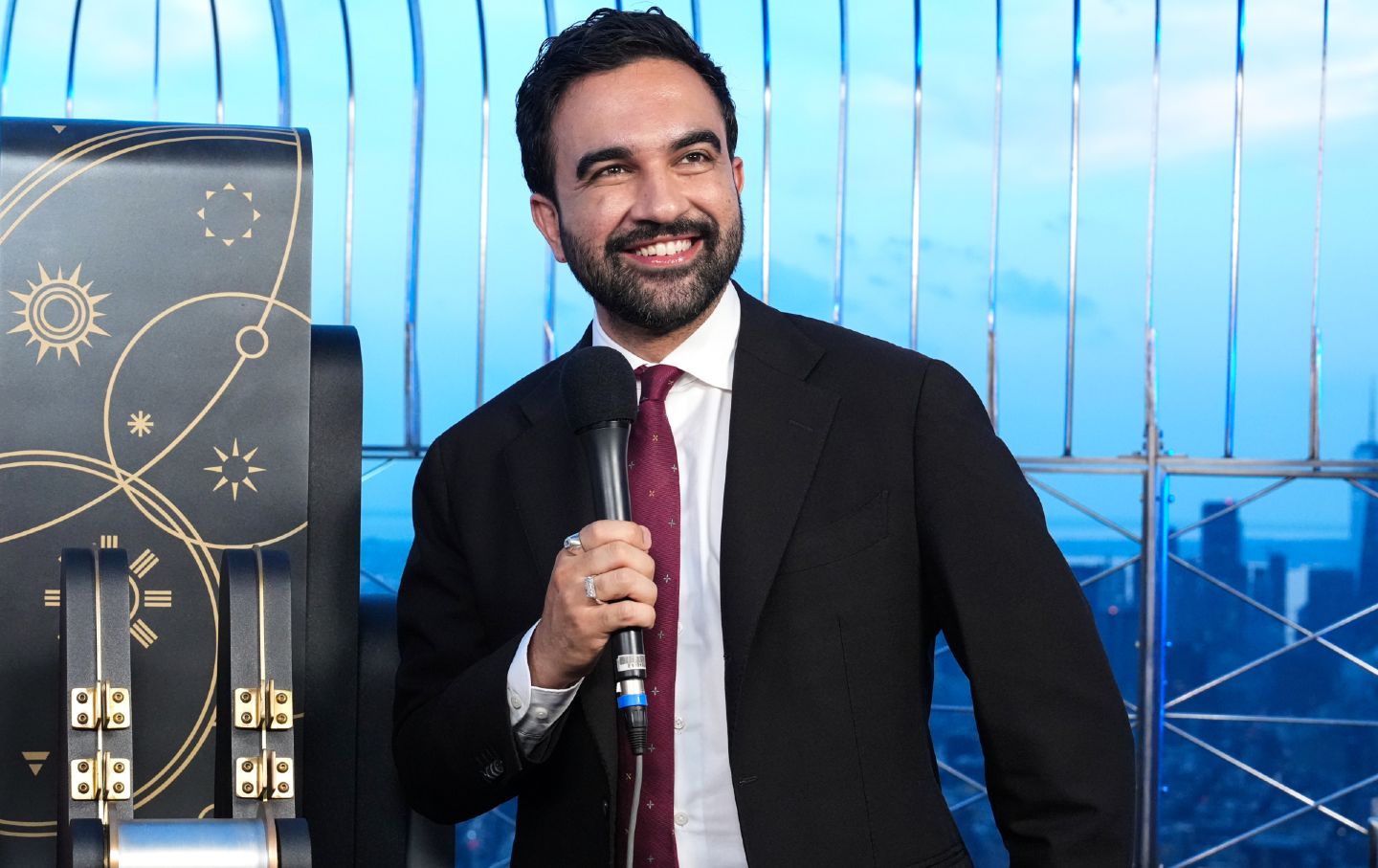
Here’s what he can do. Last year, in the mayoral election, they said that there were 50,000, even maybe 100,000 volunteers for his campaign. Why aren’t these people—50,000, 100,000 people, working people, young people—why aren’t they being mobilised into mass struggles?
So, one example that I already gave was: why isn’t Mamdani using his mayoral platform to call for a mass protest outside Madison Square Garden to protest against the Mohan Bhagwat RSS event? But it’s not just that. It’s not just about this event.
There was an Israel Day that happened in New York City recently. I mean, really grotesque. The same Israeli state that is carrying out a genocide, an ethnic cleansing of the Palestinian people.
There was a whole day to celebrate this apartheid state, you know, and genocidal Democrats—you know, real arch-Zionists like Chuck Schumer, who is the Senate Minority Leader right now, and New York Governor Kathy Hochul. These are all arch-Zionists. And Jessica Tisch, the New York City Police Commissioner.
All of them were there. Why didn’t Mamdani and the four City Council members in New York City who are from the DSA, and the nine DSA elected representatives in the New York State Legislature—why didn’t all of these DSA elected officials put together, especially Mamdani, because he’s by far the most prominent—why didn’t they organise any counter-protest against Israel Day? Why haven’t they organised any protest, any movement?
It’s not just about one protest. Why haven’t they organised movements to win a $30-an-hour minimum wage, to win universal public healthcare? It was because, as soon as I got first elected in 2013, I built the 15 Now movement.
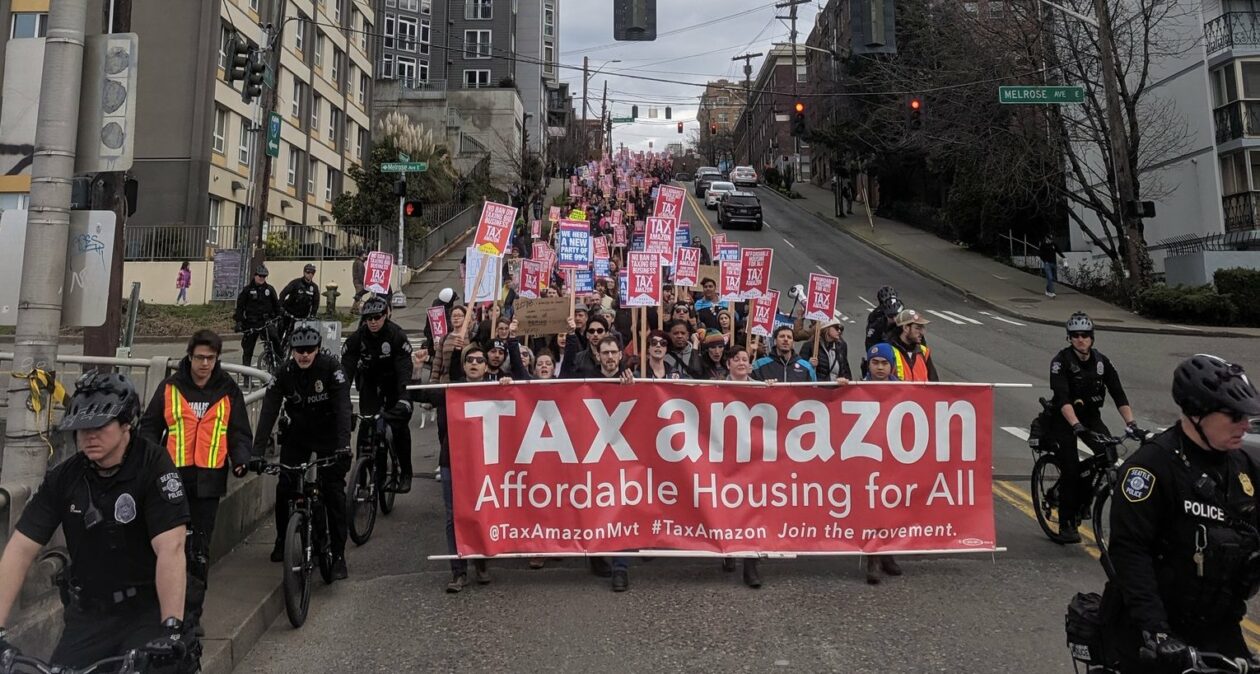
I launched it using my office, and that movement—it was because of that movement that we were able to win what became the nation’s highest minimum wage. After my 2019 re-election, immediately I launched the Tax Amazon movement and mobilised tens of thousands of people to win the Amazon tax to fund affordable housing every year. This is how you use your elected office: by calling for mass movements.
But I’ll tell you something, brother: the reason the DSA elected representatives don’t do this is because, when you do what I have done, you become enemy number one of the political establishment of both the Democratic and Republican parties, and the DSA framework doesn’t allow for that. They want to be in alliance with the Democratic Party. They want individual careers to be made.
We have a totally non-careerist approach, and we have a militant revolutionary approach.
Gurpreet Singh:
It was nice talking to you. Thank you so much for your time. Is there anything I didn’t ask you before?
Kshama Sawant:
I think it is very important for everybody to understand how dangerous the growth of Hindutva and Hindu fundamentalism is, and how it is connected to the fight against Trump and the Right wing right here in the United States and North America. And I’ll also add that the solution, the alternative to Modi and the Right wing in India, is not the Congress Party or any of these parties. I mean, India has a multitude of parties, but not one of them has stood up for working-class people, for the oppressed caste communities, for the struggle against the incredible social and economic injustice in that nation.
In fact, the very fact that Modi came to power in the first place and has stayed in power despite so many opportunities to throw him out is testament to the fact that there is no political party that is offering any alternatives. Let’s not forget that the Congress Party itself was responsible for the mass slaughter of Sikh people in 1984 in North India. So, these parties all have blood on their hands.
And so, we need a new party for the working class, both in the United States and in India.
Gurpreet Singh:
Absolutely. Kshama ji, talk to you again. Bye for now.
Kshama Sawant:
Thank you so much.
Watch the interview here:






This is far more than a political event in New York—it is a warning about how Hindutva’s ideological project travels across borders and seeks legitimacy through the diaspora. Gurpreet Singh’s conversation with Kshama Sawant cuts through the symbolism and asks the question that truly matters: can democracy remain silent while majoritarian politics attempts to normalise itself on a global stage? Resistance to authoritarianism cannot stop at national borders. It must be democratic, organised and uncompromising wherever exclusion and hatred are being promoted. A powerful and necessary intervention.