

Nobel Peace Prize : The Gold Standard and Its Silent Void

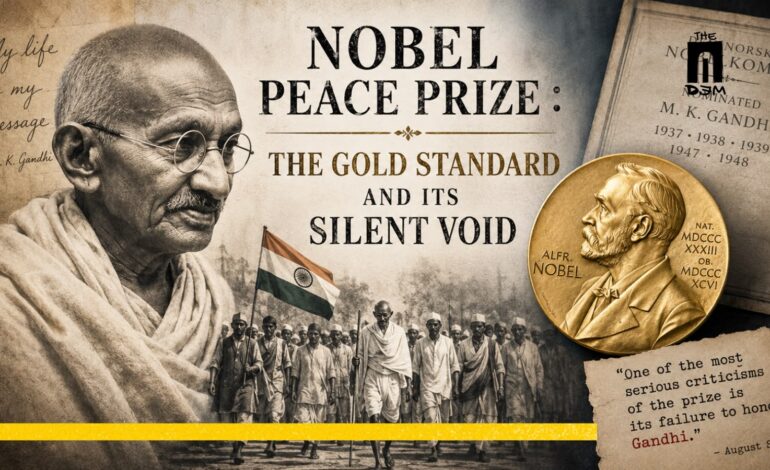
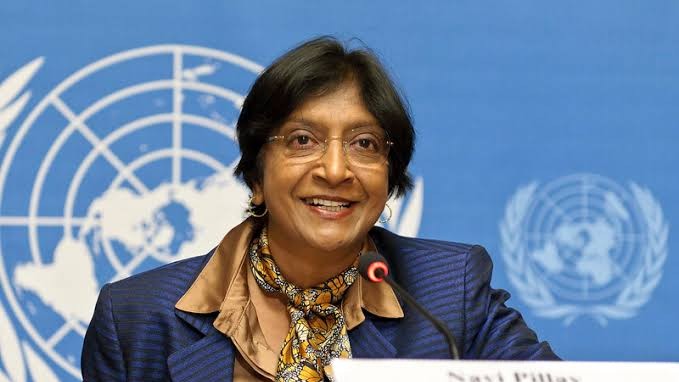
As the 2026 Nobel Peace Prize is awarded this October to South African human rights champion and jurist Navanethem “Navi” Pillay for her tireless efforts to promote peace and international law, it provides a poignant backdrop for revisiting one of history’s most fascinating omissions. Coincidentally, shortly before this year’s announcement, the official Nobel Prize account revisited this very historical episode, reflecting on the circumstances in which Mahatma Gandhi missed out on the award and acknowledging that he could have become one of the prize’s most celebrated laureates.
The Nobel Prize is more than a gold medal. It is one of the secular world’s most prestigious marks of recognition.
Yet, for all its prestige, the history of the Nobel Peace Prize is haunted by a glaring absence. Among the names of presidents, scientists and revolutionaries, there is a conspicuous silence where the name of Mohandas Karamchand Gandhi might have appeared. His omission is not merely a historical footnote; it is a compelling story of colonial bias, institutional rigidity and a Western establishment’s struggle to comprehend an Eastern revolutionary’s ideas and methods. It remains one of the most debated omissions in the history of international recognition.
Established under Alfred Nobel’s will of 1895, the Nobel Prizes were first awarded in 1901, five years after the Swedish inventor’s death. Nobel, whose inventions included dynamite, sought in his final act to recognise those who had conferred the greatest benefit on humankind. The original prizes covered five fields: Physics, Chemistry, Physiology or Medicine, Literature and Peace. In 1968, Sweden’s central bank established a prize in Economic Sciences in memory of Alfred Nobel, adding a sixth category to what had become a global symbol of intellectual and humanitarian achievement.
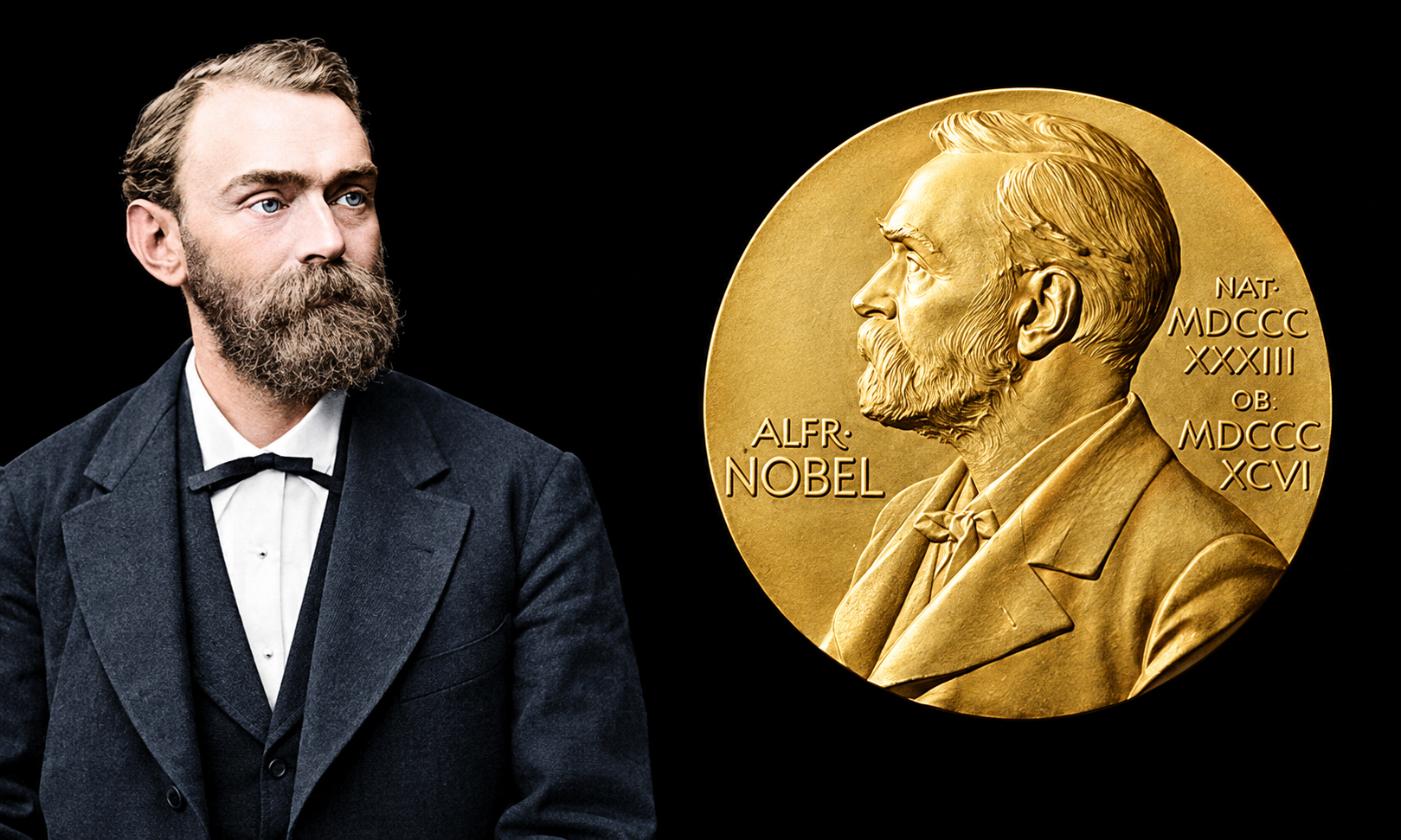
The prizes are generally awarded annually at formal ceremonies, although extraordinary circumstances, including world wars, have occasionally interrupted the process. Each laureate receives a diploma, a gold medal bearing Nobel’s profile and a monetary award. While a prize can be shared by up to three individuals, the Peace Prize can also be awarded to organisations. Yet this carefully structured system of recognition raises a deeper question: what kind of peace, and whose methods of achieving it, does the Nobel tradition truly acknowledge?
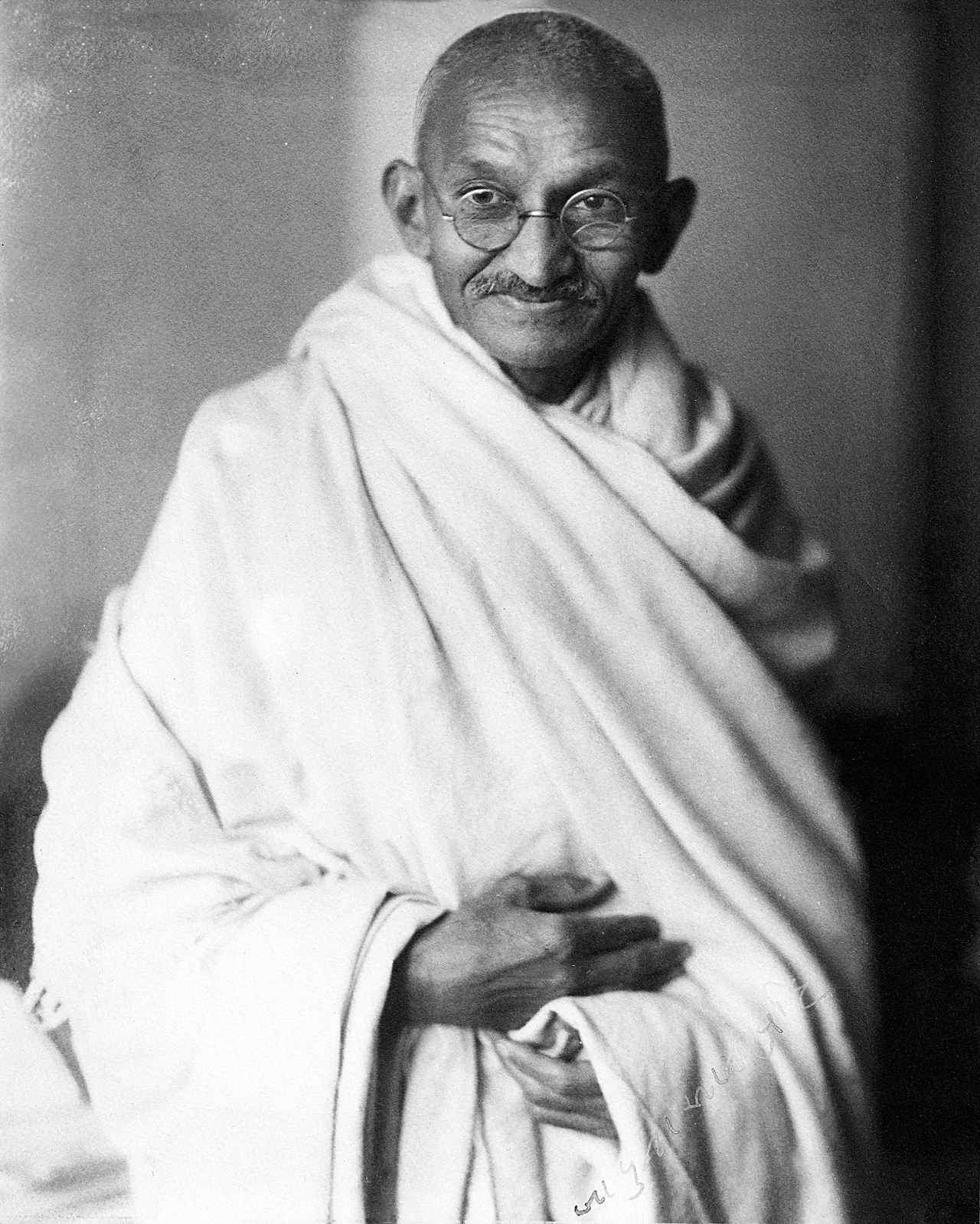
It is against this question that Gandhi’s absence becomes particularly striking. His journey towards becoming a global symbol of peace began not in India but in the racially charged atmosphere of South Africa. There, he developed Satyagraha, a philosophy of resistance grounded in truth and non-violence, to challenge discriminatory laws. Through disciplined non-violent action and a willingness to endure suffering rather than inflict it, Gandhi fought for the rights of the Indian community. His campaigns demonstrated how a determined minority could challenge an entrenched system of oppression without resorting to armed struggle.
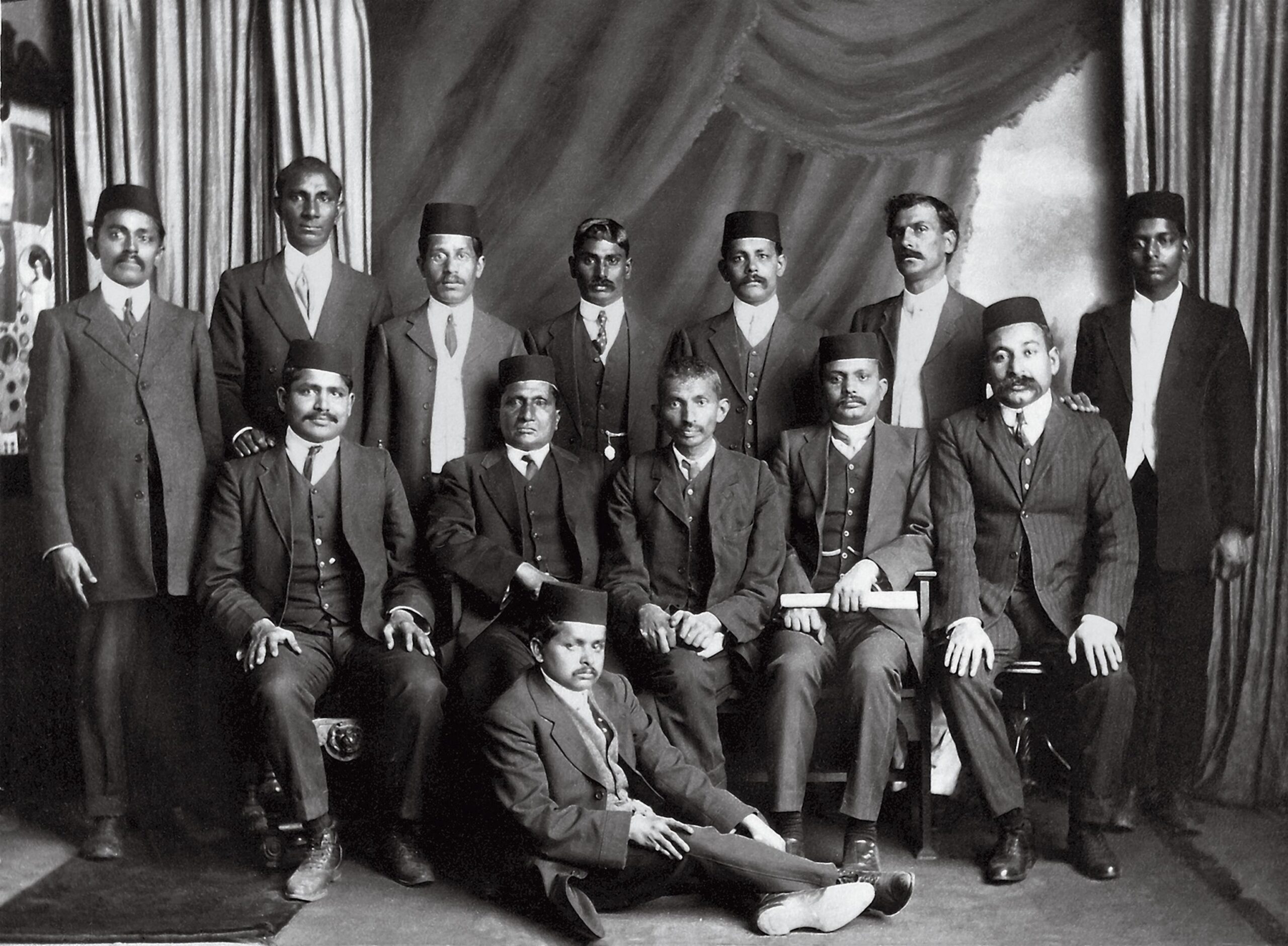
Upon returning to India in 1915, Gandhi helped transform a fragmented independence movement into a mass nationalist struggle. His resistance extended beyond British colonial rule to injustices within Indian society. He devoted himself to social reform, campaigning against untouchability and working for the upliftment of marginalised communities and the rural poor. For Gandhi, non-violence was not a tactical expedient adopted by the weak. It was a fundamental moral principle, requiring a form of courage that he considered greater than the courage needed to wield a weapon. His commitment earned him international admiration, even as British authorities repeatedly imprisoned the man whose political influence they struggled to contain.
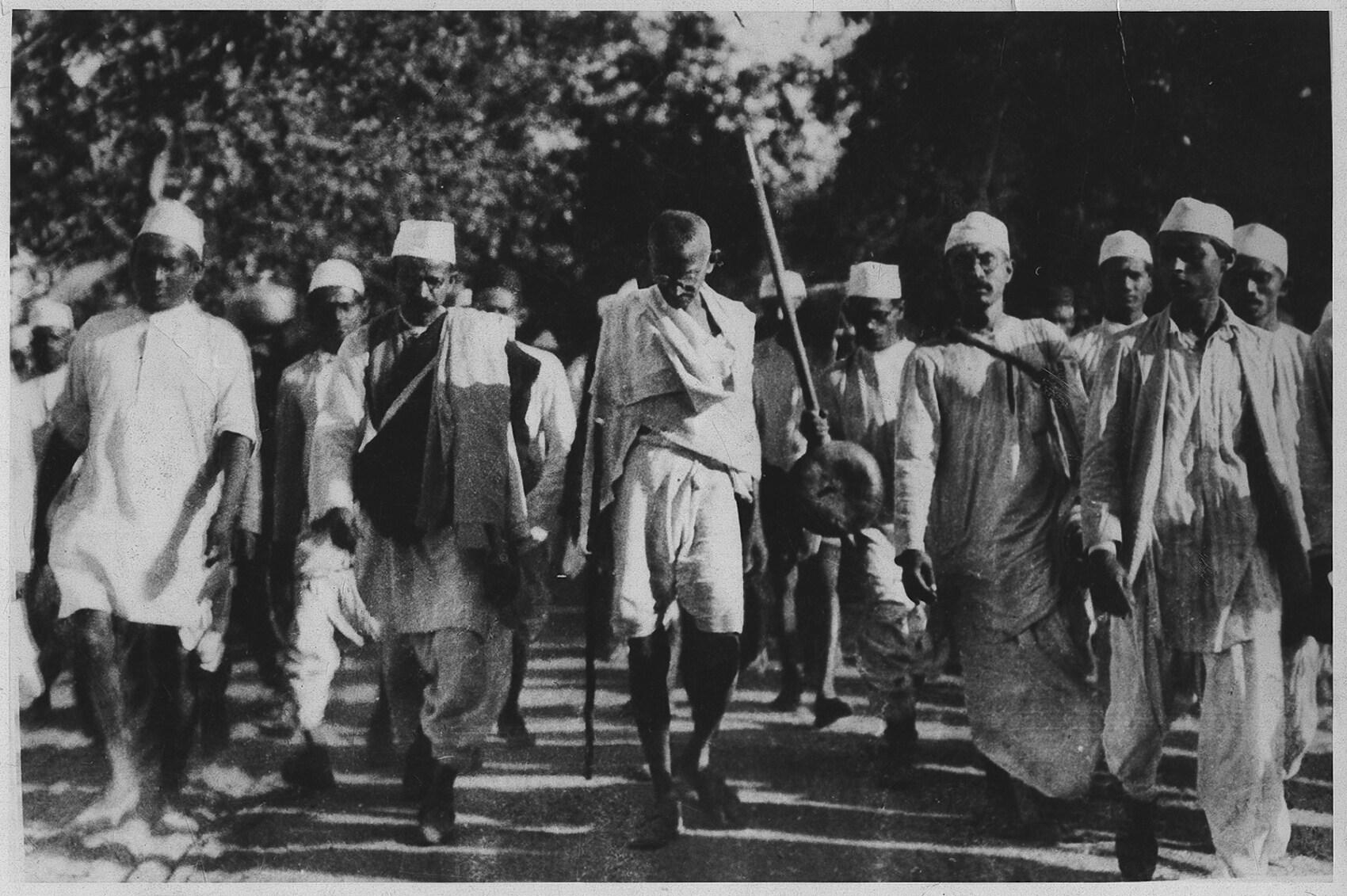
Researchers such as Prateek Chakraborty note that Gandhi was formally nominated for the Nobel Peace Prize five times: in 1937, 1938, 1939, 1947 and 1948, just days before his assassination. Despite his extraordinary global influence, the distinction remained elusive. Øyvind Tønnesson, a former editor of the Nobel Prize website’s Peace Prize section, famously described Gandhi as the “missing laureate”, a phrase that captures the enduring significance of the Committee’s failure to recognise him.
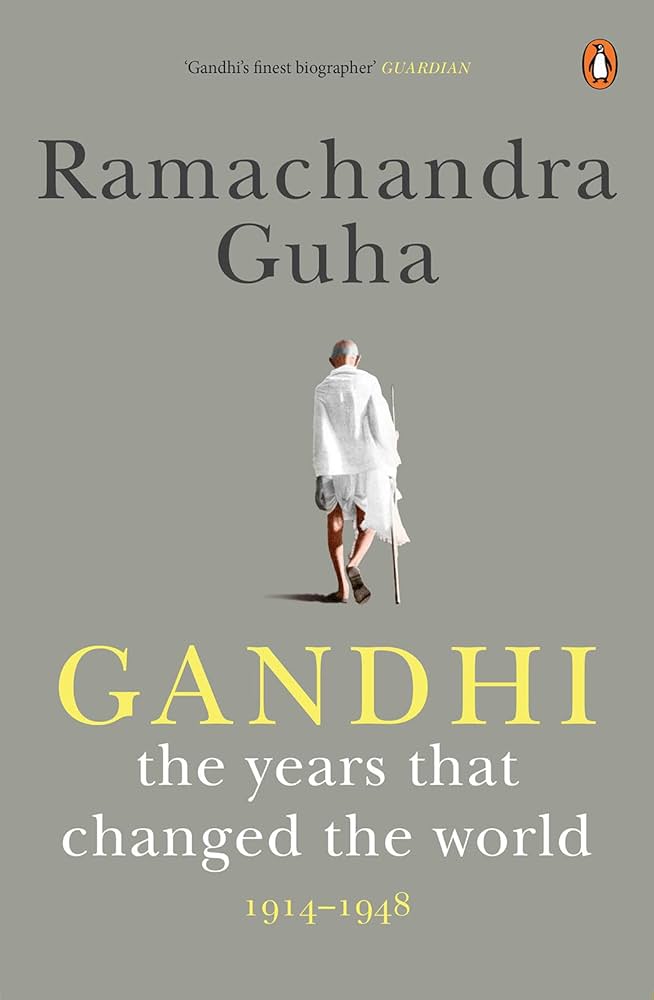
Although Gandhi was formally nominated for the first time in 1937, efforts to secure the award had begun several years earlier. As historian Ramachandra Guha notes in Gandhi: The Years That Changed the World, 1914–1948, Gandhi devoted much of the period between 1932 and 1934 to campaigning against untouchability. Even as his attention turned towards this domestic struggle, international observers continued to follow his work. In February 1932, Jerome Davis, a professor of sociology at Yale University, urged Jane Addams, the previous year’s Nobel Peace Prize laureate, to nominate Gandhi. Davis argued that few people in the world worked as consistently for peace and the pursuit of truth in opposition to militarism.
Addams declined, and the campaign lost momentum until 1934, when the journal The Christian Century took up Gandhi’s cause. An editorial questioned why he had not yet received the award and argued that his status as a “bold dreamer” made him an ideal candidate. If Gandhi was not considered an obvious choice, the editorial suggested, the prevailing understanding of the prize’s purpose itself needed to be reconsidered.
Gandhi remained largely unaware of these exchanges until Agatha Harrison, a Quaker activist, brought the editorial to his attention. He read it during his customary day of silence and responded in a brief handwritten note: “Do you know of a dreamer who won attention by ‘Adventitious Aid’?” His response reflected his characteristic scepticism towards external recognition and honours.
In 1937, Gandhi finally made it to the shortlist of thirteen candidates. However, the Committee’s adviser, Professor Jacob Worm-Müller, produced a report that was considerably more critical than the recommendations supporting Gandhi’s nomination. Although he acknowledged Gandhi’s noble and ascetic qualities, he questioned his consistency, portraying him as a puzzling combination of a Christ-like idealist and an ordinary politician whose policy positions could change sharply and unexpectedly.
A major point of contention was whether Gandhi’s commitment to non-violence was universal and consistent. Critics argued that his campaigns had sometimes degenerated into violence, citing the Chauri Chaura incident of 1922. Worm-Müller also articulated a familiar Western criticism: that Gandhi was primarily an Indian nationalist rather than a universal advocate of peace. He maintained that Gandhi’s earlier struggle in South Africa had concentrated on the rights of Indians while giving insufficient attention to the Black population.
These assessments reveal the difficulties the Committee faced in interpreting Gandhi’s political philosophy. They also expose the limitations of an approach that struggled to reconcile Satyagraha, or the force of truth, with its established, largely Western conceptions of peace. Gandhi’s methods challenged not only colonial power but also conventional assumptions about political action, resistance and the relationship between means and ends.
In 1947, as India approached independence, the campaign to secure Gandhi the Nobel Peace Prize gathered renewed momentum. Telegrams were sent to the Nobel Committee by prominent Indian leaders, including B. G. Kher and Govind Ballabh Pant. Pant described Gandhi as the “architect of the Indian nation” and the “most effective champion of world peace today”. Gandhi was shortlisted once again, this time among just six candidates.
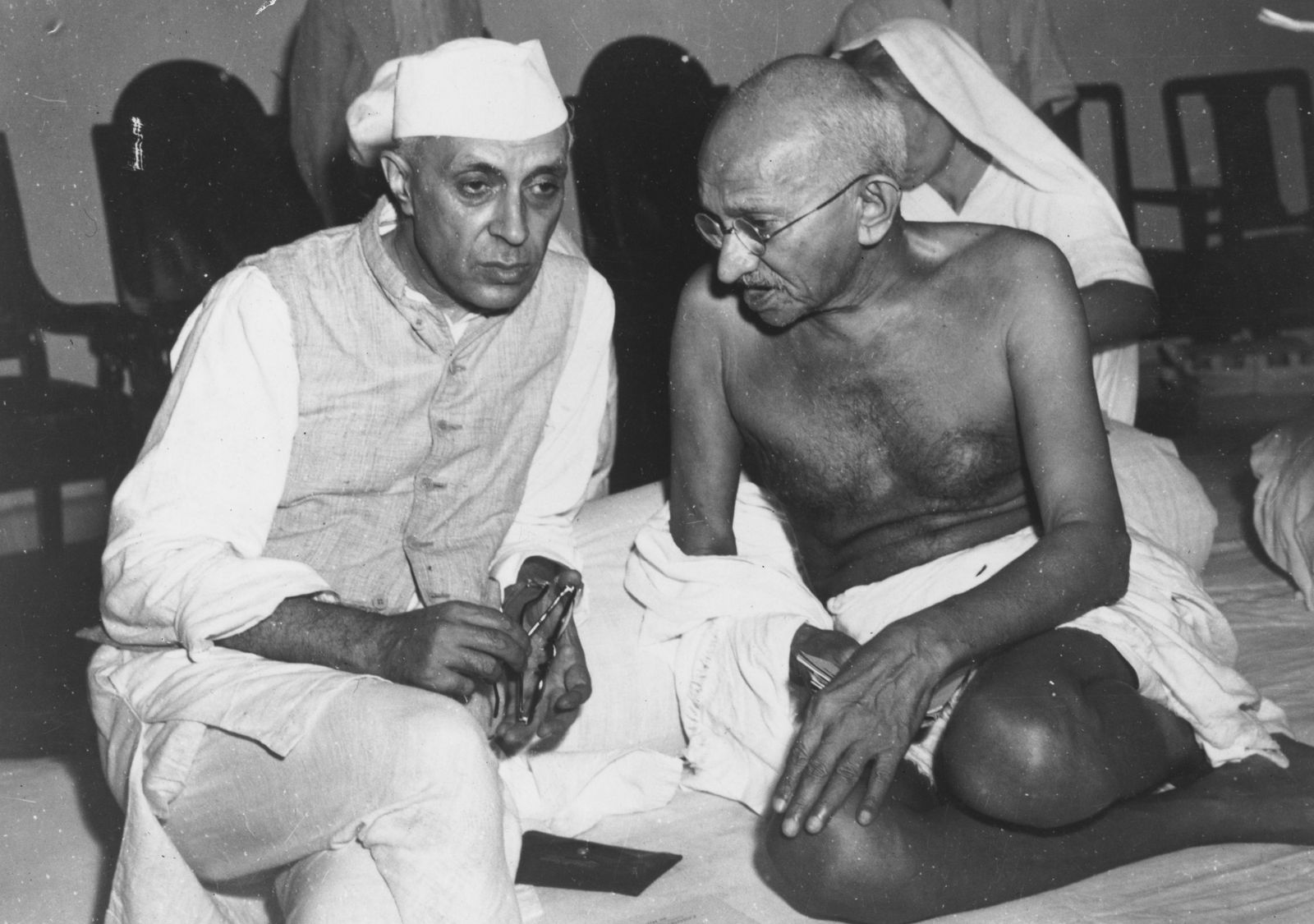
Historian Jens Arup Seip prepared a new assessment of Gandhi’s role during the turbulent decade from 1937 to 1947. His report was more favourable than the earlier assessment. Seip credited Gandhi’s presence and influence with helping to avert an even greater scale of bloodshed during the “gigantic surgical operation” of Partition. Nevertheless, the Committee remained hesitant. Its members questioned whether the Peace Prize should recognise a nationalist struggle and worried about the political implications of honouring Gandhi as relations between India and Pakistan deteriorated.
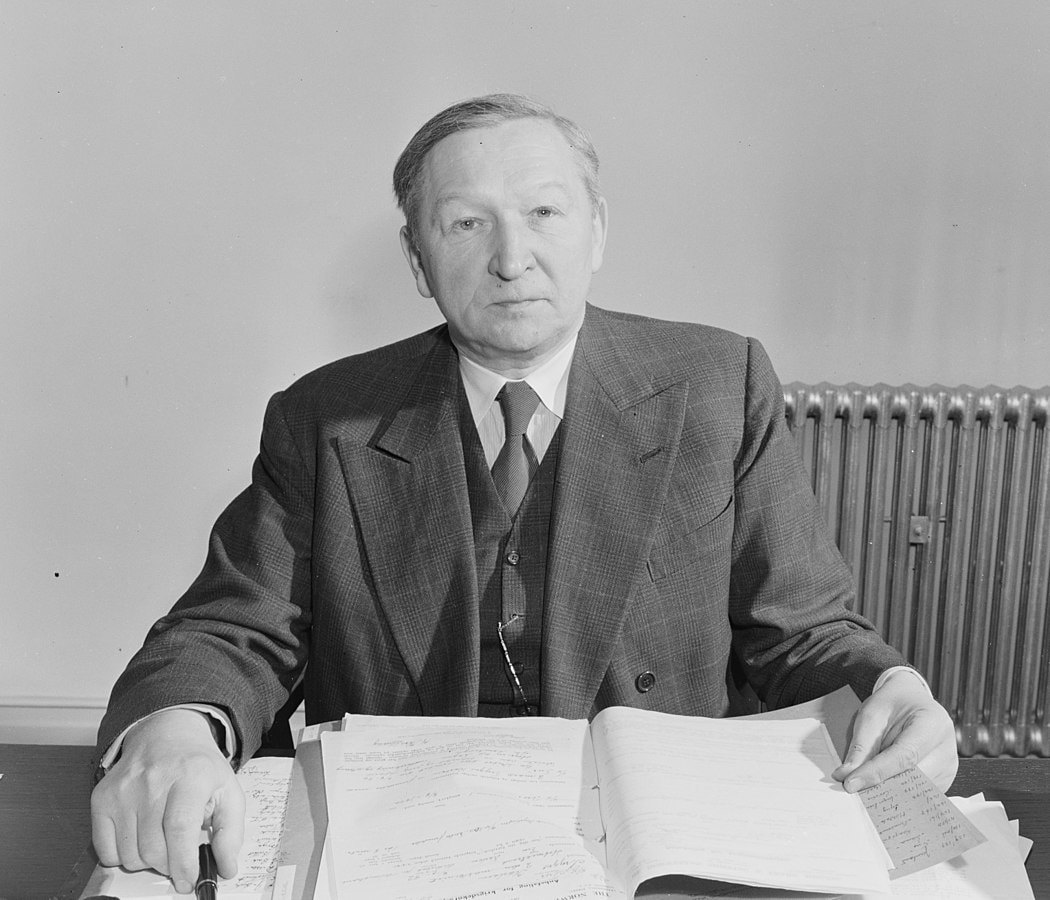
The Committee’s internal deliberations exposed a deep division of opinion. Members such as Christian Oftedal supported Gandhi as a moral and religious figure, while others were reluctant to honour him amid an active regional conflict. Their reservations were reinforced by a Reuters report published in The Times, which suggested that Gandhi had reconsidered his rejection of war in response to Pakistan’s actions. Gandhi maintained that his personal commitment to non-violence remained unchanged, but Committee chairman Gunnar Jahn remained sceptical. In his diary, Jahn described Gandhi as “first and foremost a patriot” and a shrewd lawyer who might be using such statements as a political deterrent.

Ultimately, the Committee bypassed Gandhi and awarded the 1947 Nobel Peace Prize to the Quakers, represented by the Friends Service Council and the American Friends Service Committee, in recognition of their humanitarian work.
Gandhi was assassinated on 30 January 1948, just two days before the deadline for that year’s nominations. Even after his death, the Committee received six formal nominations in his favour, including one from former laureate Emily Greene Balch. Gandhi was shortlisted for the third time, among only three candidates considered that year.
Seip’s final report concluded that Gandhi had established an ethical and political outlook capable of becoming a lasting standard for people across the world. He compared Gandhi’s significance with that of the founders of great religions. Yet the question of a posthumous award presented a new set of difficulties.
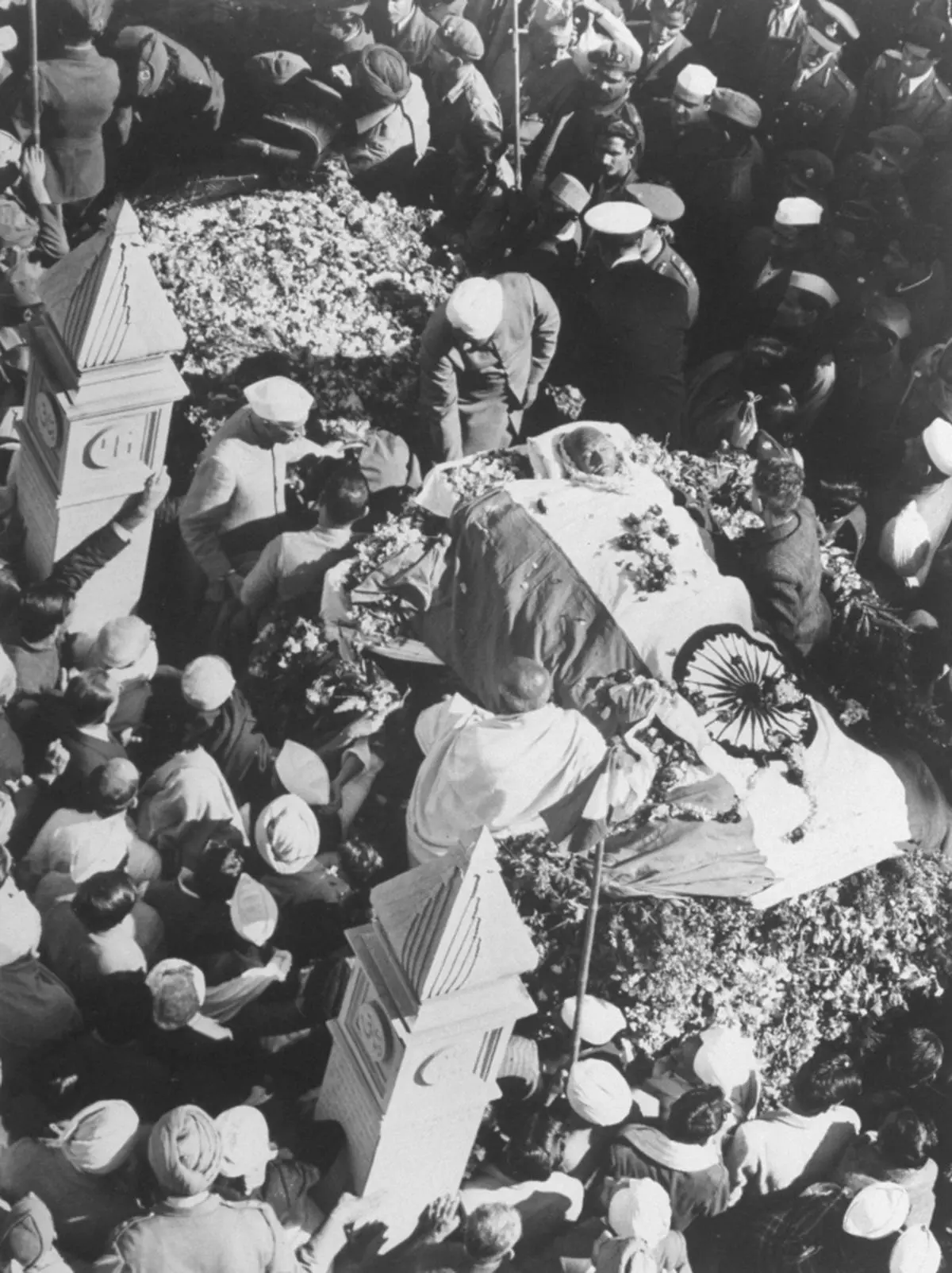
The Nobel Prize was not ordinarily awarded posthumously, although the rules in force at the time left some room for interpretation.
Practical questions also arose concerning the administration of the award. Gandhi had left no will, prompting questions about who would receive the prize money and how it would be handled.
On 18 November 1948, the Norwegian Nobel Committee decided not to award the Peace Prize that year. Chairman Gunnar Jahn believed that a posthumous award would run counter to Alfred Nobel’s intentions. Although Oftedal continued to support Gandhi’s candidacy, the majority concluded that “there was no suitable living candidate”. The decision left the prize unawarded, closing the final opportunity to recognise Gandhi through the Nobel Peace Prize.
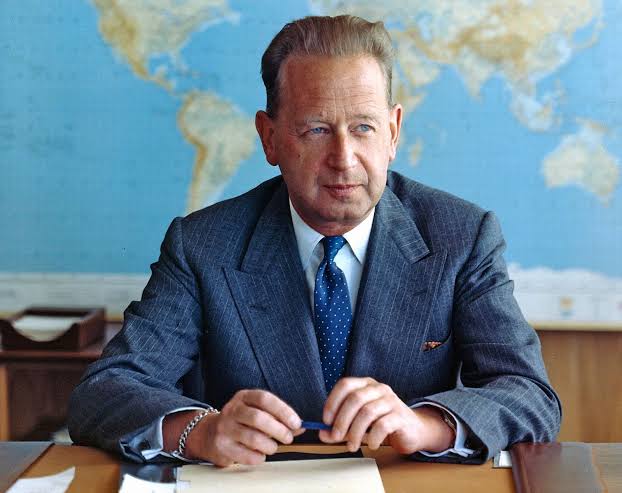
The regulations governing posthumous Nobel Prizes have since changed. Since 1974, the statutes have generally prohibited posthumous awards, except when a laureate dies after the announcement. An earlier exception was the award to Dag Hammarskjöld in 1961, following his death while serving as United Nations Secretary-General. In 2011, another exceptional case arose when Ralph Steinman died three days before the Nobel Prize in Physiology or Medicine was announced. The Nobel Foundation decided to uphold the award because the Committee had not known of his death when it made its decision.
According to Chakraborty, Gandhi’s exclusion was partly rooted in his inability to fit comfortably within the Committee’s established categories. He was neither a conventional career politician nor a humanitarian relief worker in the Western institutional sense. His concept of soul force represented a radical departure from the forms of peacebuilding with which the Committee was familiar.
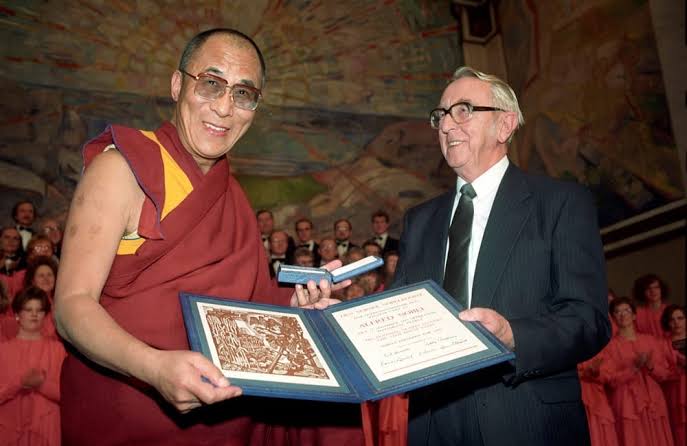
Gandhi’s influence, however, extends far beyond the question of the award he never received. His legacy is visible in the work of those often described as the “children of Gandhi”: leaders such as Martin Luther King Jr., Nelson Mandela and the Dalai Lama, whose struggles for justice and human dignity drew, in different ways, on the principles of non-violence and resistance associated with him. When the Dalai Lama received the Nobel Peace Prize in 1989, he explicitly presented the honour as a tribute to Gandhi and his enduring influence.
The Nobel establishment has since revisited Gandhi’s omission, with Tønnesson among those arguing that the failure reflected the Committee’s narrow, Eurocentric outlook. Such retrospective assessments acknowledge that the institution’s judgement was shaped not merely by questions of political circumstances or eligibility, but also by the intellectual and cultural assumptions through which Gandhi’s ideas were interpreted.
Looking back from 2026, the absence of Gandhi’s name from the official list of Nobel Peace Prize laureates does not diminish his stature. Instead, it draws attention to the limitations of the award itself. The Committee’s failure to recognise him exposed the parochialism that can afflict even the most prestigious international institutions when they assess ideas and movements emerging beyond their familiar intellectual horizons. As August Schou, a former director of the Norwegian Nobel Institute, reportedly acknowledged, one of the most serious criticisms of the prize was its failure to honour Gandhi, widely regarded as one of the most committed practitioners of non-violence.
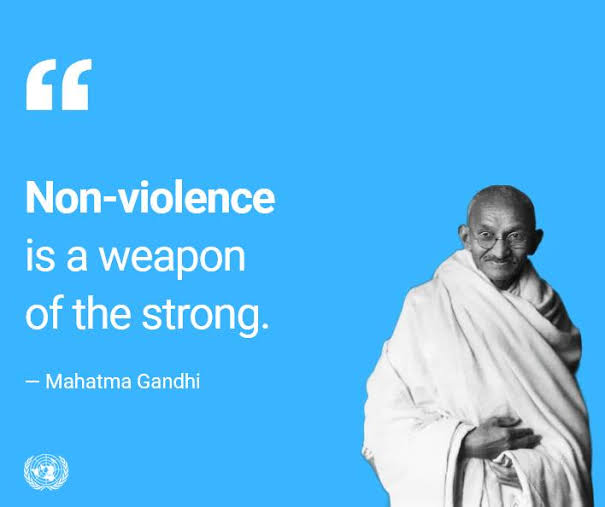
Gandhi’s life and work constituted their own form of recognition. He did not need a gold medal to demonstrate the power of non-violence, nor a substantial monetary award to sustain a movement animated by the participation and sacrifices of millions. The “missing laureate” has become a powerful symbol precisely because of the absence of the honour. Gandhi’s example reminds us that the greatest contributions to humankind cannot always be measured by the judgements of a committee in Oslo, but must be assessed by their impact on human freedom, dignity and collective emancipation.
Gandhi did not fail the Nobel Peace Prize. The Nobel establishment, constrained by its institutional hesitations and colonial-era assumptions, failed to recognise the significance of a new political and moral vision.
The empty space in the history of the 1948 award remains an eloquent reminder that a man’s contribution to humanity can exceed the capacity of even the world’s most prestigious institutions to recognise it.
References
Brown, J. M. (1991). Gandhi: Prisoner of Hope. Yale University Press.
Dalton, D. (1993). Mahatma Gandhi: Nonviolent Power in Action. Columbia University Press.
Gandhi, M. K. (1909). Hind Swaraj or Indian Home Rule. Navajivan Publishing House.
Gandhi, M. K. (1927). An Autobiography: The Story of My Experiments with Truth. Navajivan Publishing House.
Gandhi, M. K. (1951–1994). The Collected Works of Mahatma Gandhi (Vols. 1–100). Publications Division, Government of India.
Guha, R. (2018). Gandhi: The Years That Changed the World, 1914–1948. Penguin Allen Lane.
Hardiman, D. (2003). Gandhi in His Time and Ours: The Global Legacy of His Ideas. Columbia University Press.
Indian National Congress. (1922). Proceedings of the Trial of Mohandas Karamchand Gandhi.
Markovits, C. (2004). The Un-Gandhian Gandhi: The Life and Afterlife of the Mahatma. Anthem Press.
Tønnesson, Ø. (n.d.). Mahatma Gandhi, the Missing Laureate. Nobel Prize Official Website.









A thought-provoking article on Gandhi’s vision of peace and the importance of recognising those who work for it.
This article came just in time. Aidem style.
I used to wonder about this
Mahatma Gandhi’s exclusion from the Nobel Peace Prize remains a historic irony. He transformed non-violence into a powerful weapon against oppression and injustice, yet the Nobel Committee failed to recognise his extraordinary contribution. Gandhi did not need the Nobel Prize to become immortal; it was the Nobel Prize that missed the opportunity to honour Gandhi. His legacy reminds us that true greatness is measured not by awards, but by the lasting impact on humanity.
oh ok
Articles like these encourage us to look beyond and reflect more deeply. Always insightful to read your work.