

Wadi, Women’s Leadership and the Pursuit of Swaraj

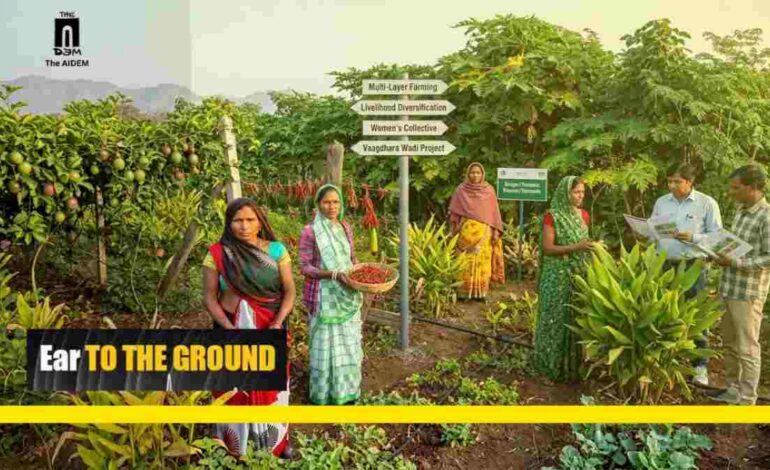
Banswara district, in southern Rajasthan, lies along the Mahi River in a region known locally as Vagad. Its landscape consists of hills, slopes and small agricultural holdings. According to the 2011 Census, approximately 76 per cent of its population belongs to Scheduled Tribes, with the Bhils forming the largest community. Agriculture remains the principal source of livelihood for most households.
In Anandpuri block, four women have developed different ways of improving their livelihoods through farming and related activities. They are Kokila Devi Damor of Seranagla, Kuni Devi Pargi of Navagra, Chhagan Devi Patel of Bawdi and Laxmi Garasia of Ubapan. Their experiences demonstrate the role played by Vaagdhara, an organisation working with tribal communities, and its Mahila Saksham (women’s empowerment) groups in helping women develop their baadi, or household gardens, into sources of food and income.
The Wadi approach centres on developing small orchards alongside soil conservation, water management, community health, sanitation and women’s empowerment. It promotes diversified farming on small holdings, often measuring one or two bighas, with particular emphasis on women’s participation. Its effectiveness depends not simply on providing fruit saplings but also on ensuring access to water, agricultural training, organisational support and other resources.
Kokila Devi: Diversifying Farming and Income
Kokila Devi of Seranagla owns four bighas of agricultural land. Traditionally, her family cultivated maize, paddy, wheat and gram. These crops provided food for the household but generated little surplus income for expenses such as children’s education and other family needs.
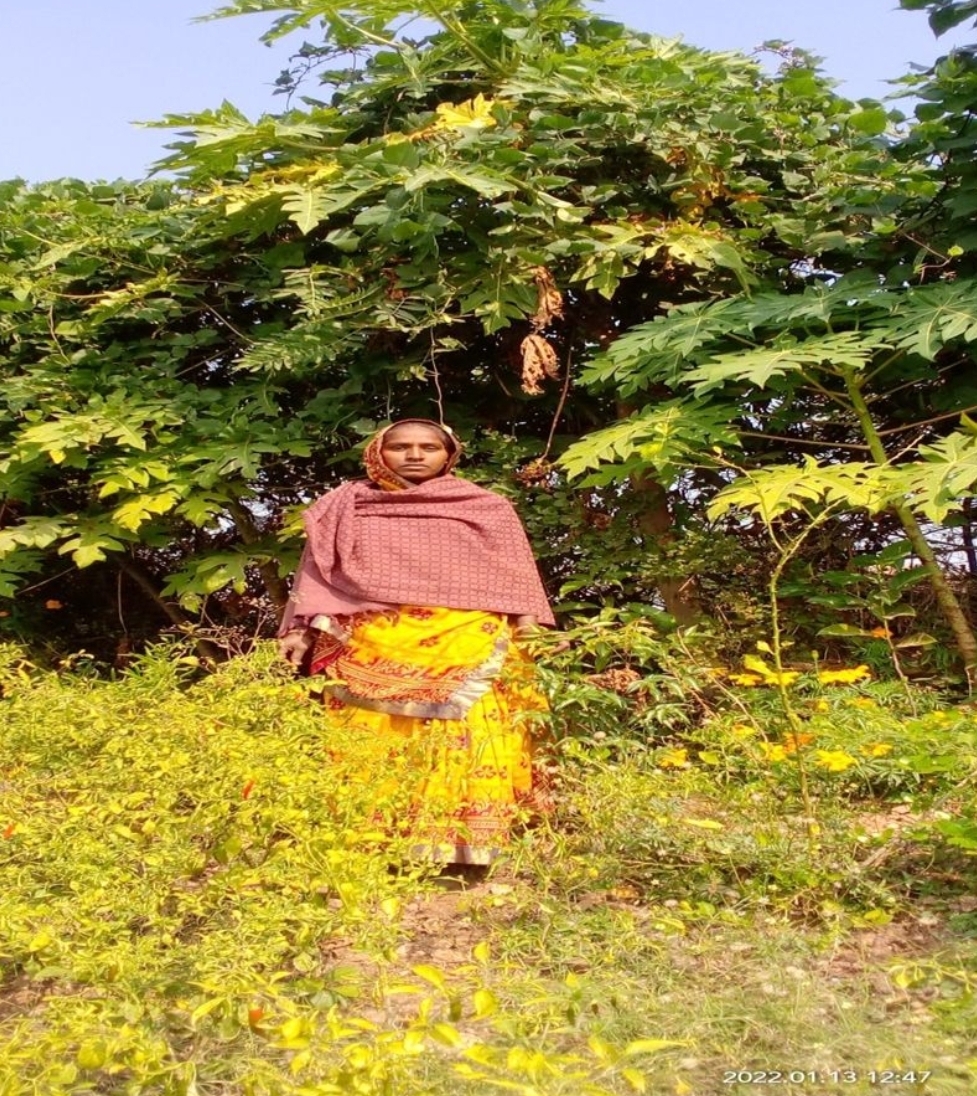
In 2018–19, Vaagdhara connected her with NABARD’s Wadi project. Through training and support, she began diversifying her agricultural activities, combining conventional crops with vegetable cultivation, fruit trees and animal husbandry.
Under the HIPPER project, she received a goat, and her herd has since increased to twelve. The goats provide manure for the fields, while crop residues are used as fodder. Last year, she earned ₹70,000 from selling four Sirohi bucks. This integration of livestock and agriculture has helped her reduce input costs while creating an additional source of income.
Her nutrition garden has also expanded considerably. Earlier, she cultivated only val beans and brinjal. After joining a Mahila Saksham group and receiving training, she began growing seven or eight varieties of vegetables. These include bitter gourd, fenugreek, red spinach, amaranth, ginger, turmeric, tomato and brinjal.
Last year, sales of ginger, turmeric, tomato and brinjal brought her ₹40,000. She also constructed a water tank, installed fencing and raised field bunds to improve rainwater retention and protect crops during the summer.
By combining vegetable cultivation, livestock rearing and other agricultural activities, Kokila Devi has developed five or six sources of income. This diversification has reduced her dependence on any single crop and made the family’s livelihood more secure.
Kuni Devi: Improving Nutrition and Household Income
Kuni Devi of Navagra cultivates seven bighas of rain-fed land. Her household consists of seven members and owns three buffaloes, two cows and five goats. Rising agricultural costs had made it increasingly difficult for the family to maintain a reasonable income from farming.
Through monthly meetings of the Mahila Saksham group, she learnt methods of reducing cultivation costs and improving productivity. The group, formed with Vaagdhara’s support, also provided her with a seed kit.
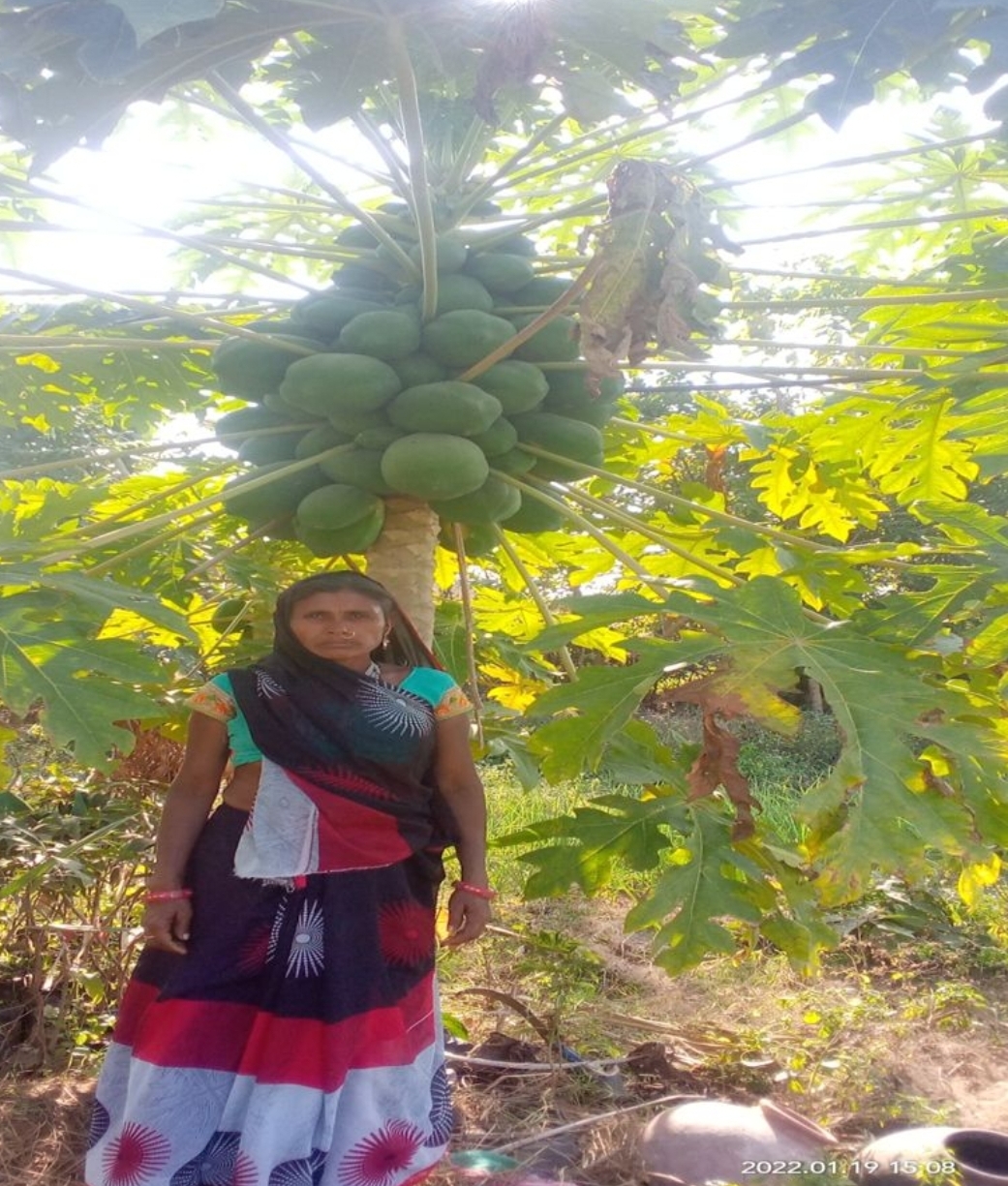
On her 1,010-square-foot baadi, she now grows tomatoes, brinjal, ridge gourd, sponge gourd, round gourd, chilli, cluster beans, bottle gourd, spinach, fenugreek, coriander and onion. Between March and June 2025, the garden generated ₹40,000 in income.
Using approximately 2,000 kilogrammes of cow-dung manure, equivalent to about two trolley loads, she harvested three quintals of onions. Of this, she retained 50 kilogrammes for household consumption and sold the remaining 250 kilogrammes at ₹25 per kilogramme, earning ₹6,250.
She also earned ₹1,500 from selling 15 kilogrammes of lemons and another ₹9,000 from nine kilogrammes of ghee produced from buffalo milk.
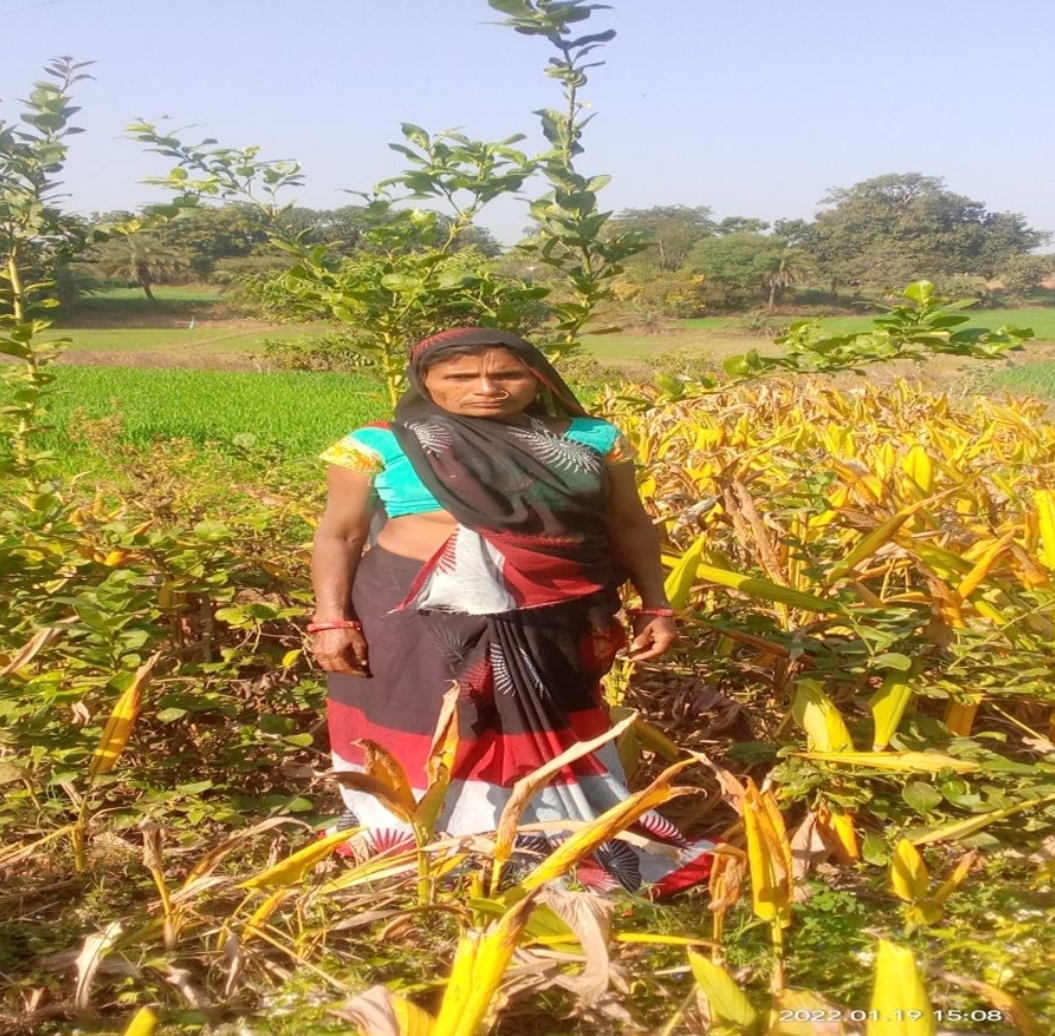
For Kuni Devi, the first priority of the baadi is to meet the family’s nutritional needs. Selling the surplus provides additional income. Her experience shows how small-scale vegetable cultivation can simultaneously improve household food security and strengthen family finances.
Chhagan Devi: Collective Organisation and Self-Reliance
For Chhagan Devi of Bawdi village, participation in a women’s collective has been central to improving her agricultural livelihood and gaining greater confidence in public affairs.
She owns eight bighas of land and had previously invested her savings in constructing a borewell for irrigation. Her household includes her husband, three daughters and several farm animals, including buffaloes, bullocks, cows and goats.
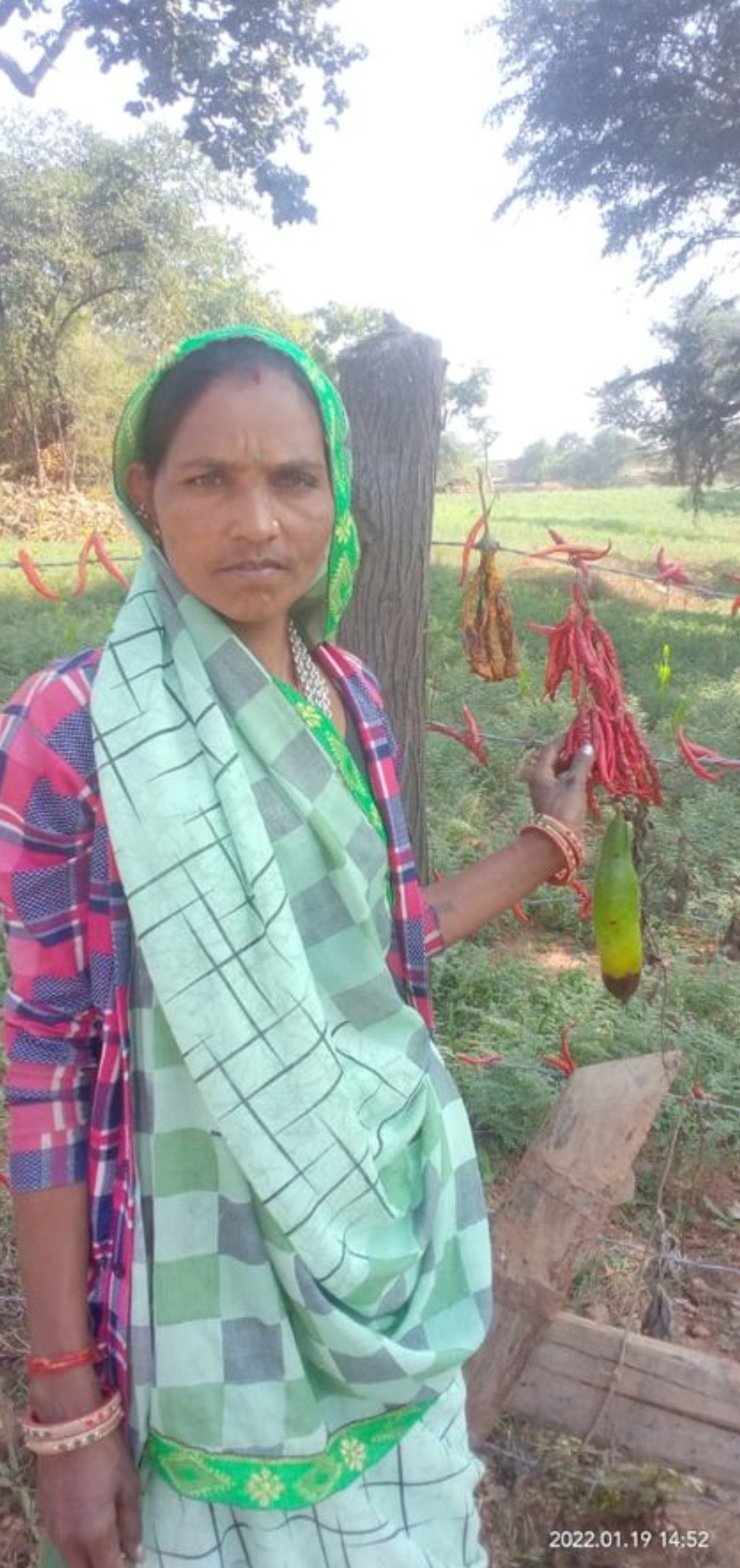
An important development came in 2018, when Vaagdhara established the Mataji Saksham Samooh, a women’s empowerment group in her village.
The group’s monthly meetings cover much more than savings and agricultural activities. Members discuss women’s participation in Panchayati Raj institutions, access to government welfare schemes and Vaagdhara’s three guiding principles: Sachchi Kheti (true farming), Sachcha Bachpan (true childhood) and Sachcha Swaraj (true self-rule).
Members also received training in preparing vermicompost and dashaparni ark, a botanical pest repellent. Under the Wadi project, each member was provided with 40 fruit saplings — 20 mango, 15 guava and five lemon — along with a water tank, a vermicompost bed and equipment for preparing plant-based agricultural inputs.
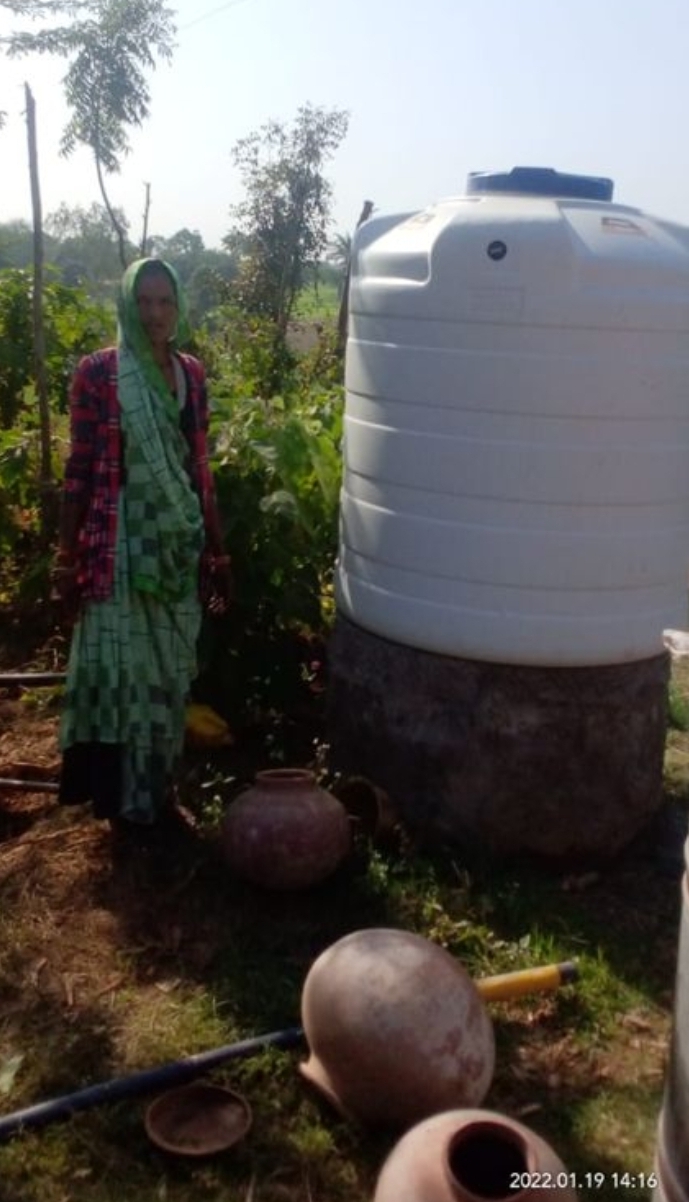
These interventions have produced measurable economic benefits. Between the kharif season beginning in June 2023 and March 2024, Chhagan Devi sold vegetables worth ₹25,000.
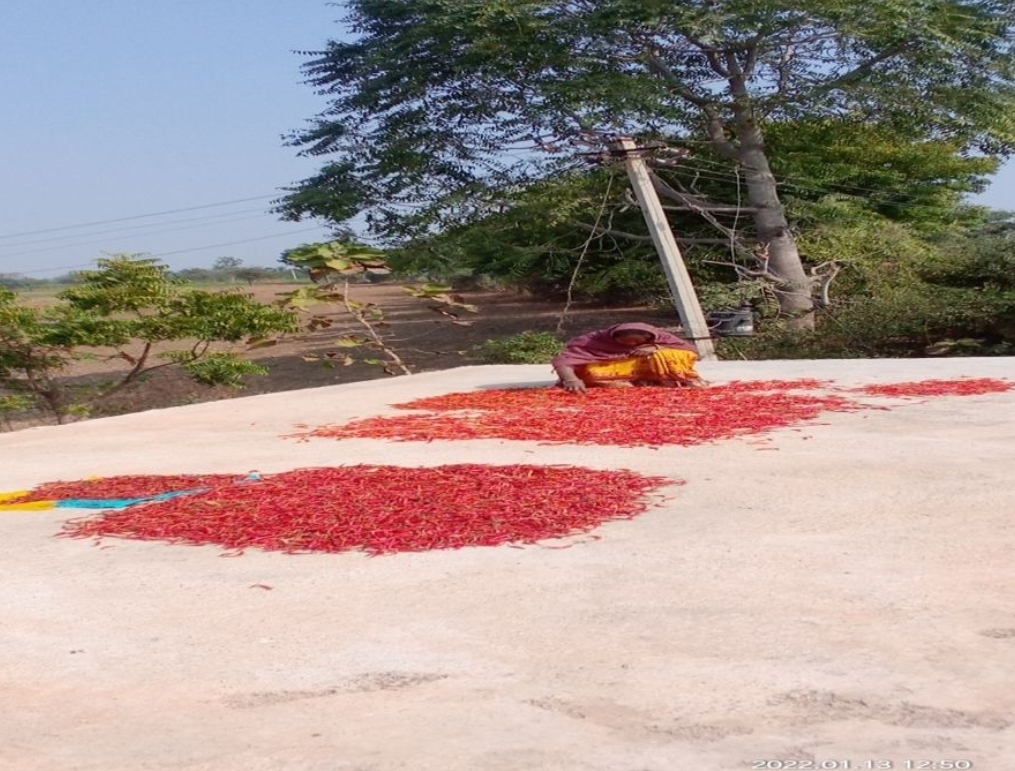
For eight months, her household did not need to purchase vegetables from the market, saving approximately ₹10,000. She also harvested 30 kilogrammes of red chillies, of which 20 kilogrammes were sold at ₹280 per kilogramme, earning ₹5,600. Another 50 kilogrammes of onions were sufficient to meet the family’s requirements for an entire year.
Chhagan Devi says that her dependence on the market has declined considerably. Equally important, participation in the women’s group has improved her awareness of her rights and strengthened her confidence in dealing with local institutions.
She now feels better equipped to participate in panchayat discussions and demand access to government schemes and benefits to which she is entitled. Her experience demonstrates that women’s collectives can contribute not only to household income but also to greater participation in local decision-making.
Laxmi Garasia: Improving Land and Developing New Livelihoods
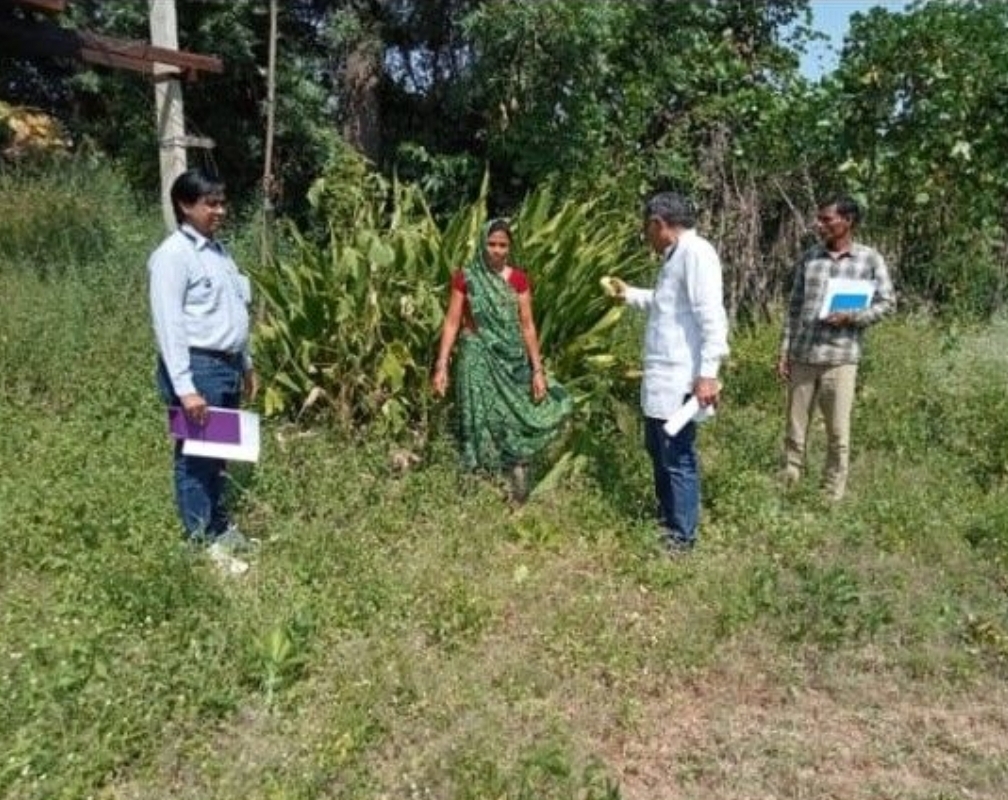
Laxmi Garasia of Ubapan faced a different agricultural challenge. Much of her seven-bigha holding was situated on sloping land, making it vulnerable to soil erosion during rainfall and reducing its suitability for cultivation.
Through village-level groups, she applied for assistance to level the land. Field workers helped her complete the necessary application, and the proposal was subsequently discussed at the panchayat. The land-levelling work was completed last year under the Mahatma Gandhi National Rural Employment Guarantee Act (MGNREGA).
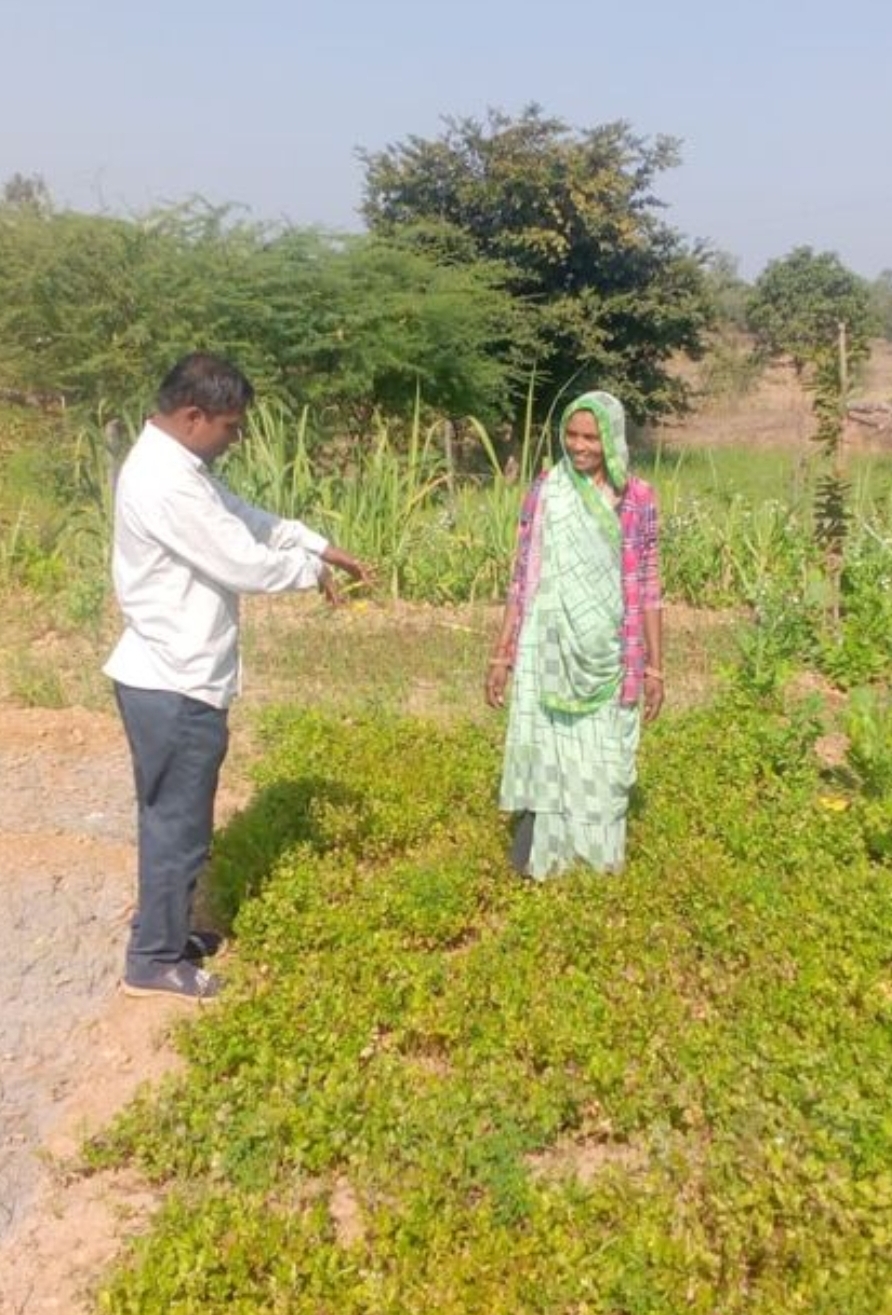
This intervention improved the agricultural potential of her holding. Laxmi subsequently established a nursery on part of the land, where she raises chilli, tomato and brinjal seedlings for sale during the kharif season.
This year, she also cultivated saplings of jamun, bamboo and custard apple. Nursery cultivation requires relatively little land and offers an additional source of income while providing locally available planting material to other farmers.
Laxmi has also invested her savings in a flour mill. The enterprise provides a service to neighbouring villages, whose residents previously had to travel to the block headquarters for milling. It has also increased her income beyond what she earns from agriculture.
Alongside these activities, Laxmi has been encouraging other women in her village to explore similar livelihood opportunities. She says that her family supports her initiatives.
Her experience illustrates the importance of combining access to public employment programmes with individual enterprise. Assistance under MGNREGA helped address a structural problem affecting her farmland, while the nursery and flour mill created additional income-generating opportunities.
Beyond Household Income: Women’s Participation and Swaraj
The experiences of these four women demonstrate the benefits of combining diversified agriculture, local resources, collective organisation and access to government programmes. Rather than depending entirely on a single crop or agricultural season, they have developed multiple sources of food and income.
Their household gardens have played a particularly important role in this process. Vegetable cultivation improves access to nutritious food, while the sale of surplus produce generates additional earnings. This relationship between nutrition and income is especially significant for families dependent on small agricultural holdings.
The baadi also gives women a more substantial role in decisions concerning household food production, consumption and expenditure. It therefore has implications beyond agricultural productivity, particularly for women’s participation in managing family resources.
None of these initiatives has developed in isolation. Mahila Saksham groups, agricultural facilitators, technical experts and village-level committees have helped women obtain training, planting material, irrigation facilities and access to public schemes.
Such collective support is particularly important for small farmers who may otherwise find it difficult to obtain information, navigate administrative procedures or invest in improved agricultural practises. The use of cow-dung manure, vermicompost and botanical pest repellents has also helped reduce dependence on purchased agricultural inputs.
The economic gains reported by Kokila Devi, Kuni Devi, Chhagan Devi and Laxmi Garasia vary, as do the challenges they face. Nevertheless, their experiences point to a common development: greater control over household livelihoods and increased confidence in participating in community affairs.
Kokila Devi earns income from livestock and vegetables, Kuni Devi combines household food production with the sale of surplus produce, Chhagan Devi has reduced her family’s dependence on the market, and Laxmi Garasia has diversified into nursery cultivation and flour milling.
These developments do not, by themselves, eliminate the structural disadvantages faced by tribal women farmers. Access to land, irrigation, markets, public services and institutional support remains essential.
They do, however, demonstrate how sustained support for small-scale agriculture and women’s collective organisation can improve economic security and strengthen women’s role in local decision-making. In this sense, the Wadi initiative contributes to the broader objective of swaraj: greater self-reliance, participation and control over the resources that shape people’s lives.









Women’s leadership is not just about representation; it is about reclaiming rights, challenging entrenched power and redefining the meaning of Swaraj. The Wadi women’s journey reminds us that true independence remains incomplete until women have the freedom, dignity and authority to shape their own lives and communities. Swaraj cannot be achieved by political freedom alone—it must begin with social equality, women’s empowerment and the courage to challenge patriarchy.