

One Nation, One Election: When the Electoral Clock Collides with Federal Democracy

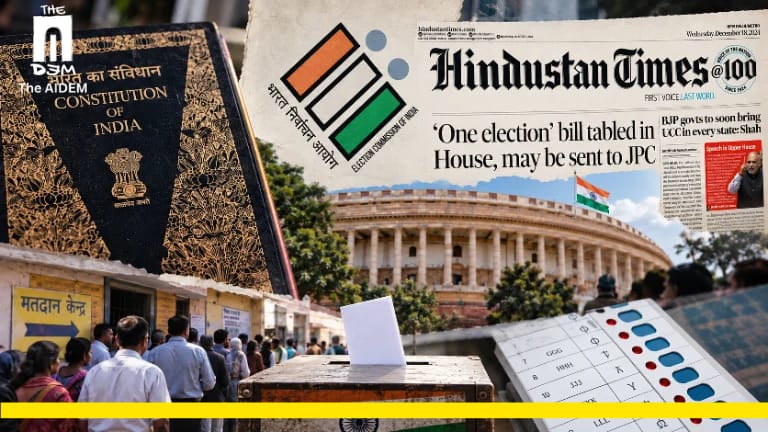
As Indians, we know well how an election announces itself. Picture the scene: a loudspeaker bolted to a cycle-rickshaw, posters appearing overnight on compound walls, television channels and social media filling up with campaign news and opinion polls, and a friend calling to ask whether you will be home on polling day.
It is an exhausting period, certainly, but it is also one in which citizens speak directly to power — and power has to listen. The proposal to hold Lok Sabha and State Assembly elections simultaneously seeks to compress much of this democratic conversation into a single electoral cycle every five years.
There is a case made in favour of such synchronisation. Frequent elections entail considerable administrative expenditure, require repeated deployment of security personnel and government officials, and periodically bring the Model Code of Conduct (MCC) into operation. Supporters of simultaneous elections argue that reducing this continuous cycle of electioneering would allow governments to concentrate more consistently on governance and development.
The High-Level Committee headed by former President Ram Nath Kovind, which submitted its report in March 2024, saw simultaneous elections as the answer. The Constitution (129th Amendment) Bill, 2024 subsequently emerged as the legislative vehicle for taking the proposal forward. The Bill was introduced in the Lok Sabha in December 2024, and the Joint Parliamentary Committee scrutinising it has had its tenure extended until the end of the 2026 Winter Session.
But administrative convenience cannot by itself settle a constitutional question. The larger issue is whether synchronising elections would alter the relationship between electoral mandates, responsible government and India’s federal structure. The diagnosis of continuous electioneering may have some merit. The question is whether the proposed prescription carries democratic and constitutional costs greater than the problem it seeks to cure.
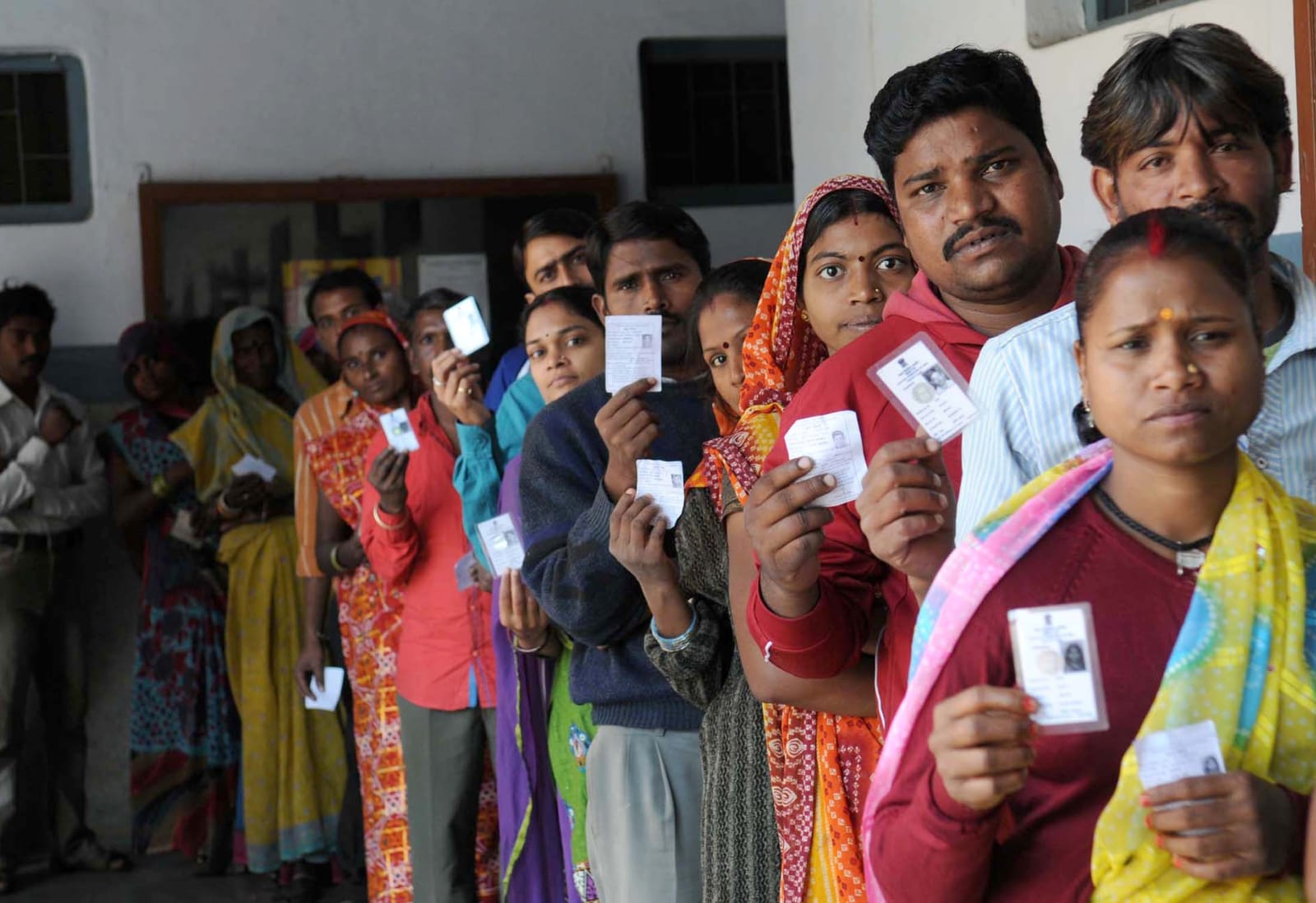 Indian voters at a polling station
The Term Is a Ceiling, Not a Promise
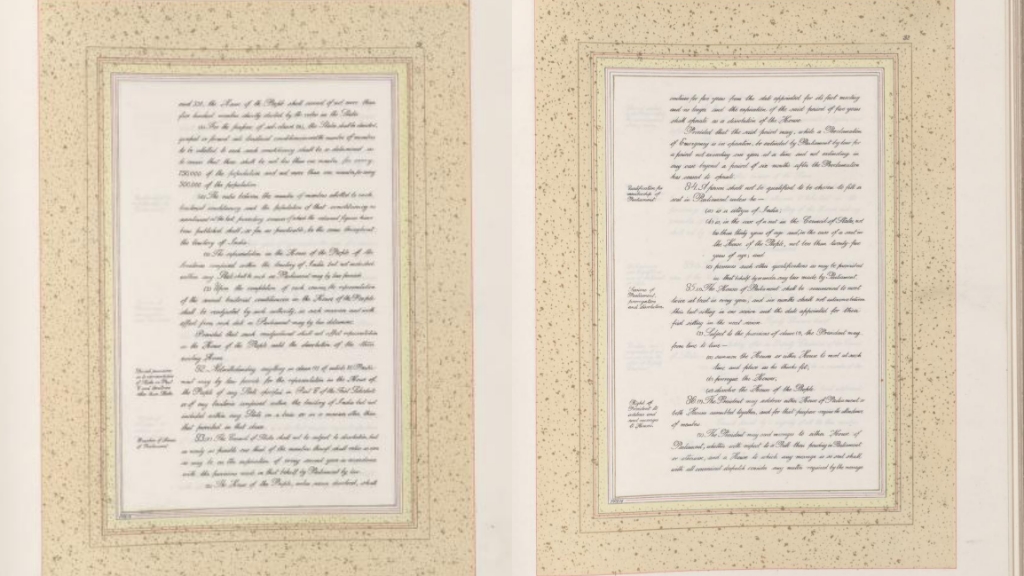 Original manuscript of Article 83(2) of the Constitution of India, pages 1 and 2. (Image Source : Internet Archive)
Articles 83(2) and 172(1) give the Lok Sabha and State Assemblies terms of five years, “unless sooner dissolved”. The Constitution thus provides a maximum term; it does not guarantee that every elected House will necessarily survive for five years.
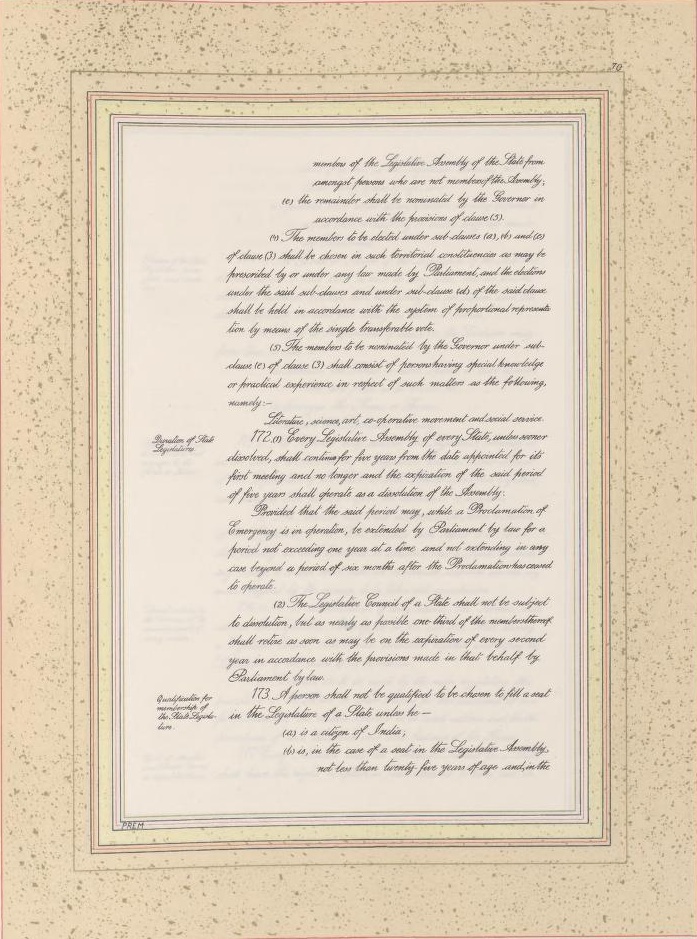 Original manuscript of Article 172(1) of the Constitution of India. (Image Source: Internet Archive)
This is integral to the Westminster model of responsible government adopted by the Constitution. Under Articles 75(3) and 164(2), the Union and State Councils of Ministers remain collectively responsible to their respective legislatures. Dr B.R. Ambedkar was clear in the Constituent Assembly that the Constitution preferred responsibility to stability.
A government that loses its majority must leave office. If no alternative government capable of commanding the confidence of the House can be formed, the electorate may have to be approached again.
This is where synchronisation raises a fundamental question. Representative democracy permits political circumstances to determine the life of a government; a synchronised electoral system places greater weight on preserving a predetermined calendar. The danger is that instead of the electoral calendar adapting to democracy, democracy may increasingly be required to adapt to the calendar.
A Mandate With an Expiry Date
The Bill’s response to the premature dissolution of a legislature is the concept of the “unexpired term”. If an Assembly falls before the synchronised electoral cycle ends, the successor House would serve only for the remainder of that cycle.
Consider an Assembly that collapses in the fourth year of the synchronised cycle. A newly elected government might receive a mandate lasting little more than a year.
Such a government could find itself preparing almost immediately for another election — precisely the condition of perpetual electioneering that simultaneous elections are supposed to address. With limited time in office, it could also face constraints in pursuing its own policy priorities and development agenda, particularly where long-term, State-specific programmes are concerned.
Proposed Article 82A(5) raises another question. On the recommendation of the Election Commission, the President could order a State election to be held after the appointed date for simultaneous elections.
These are not merely drafting questions. They go to the meaning of an electoral mandate itself: how long should the people’s choice endure, and to what extent should that duration be determined by political circumstances within a State rather than by a nationally synchronised electoral clock?
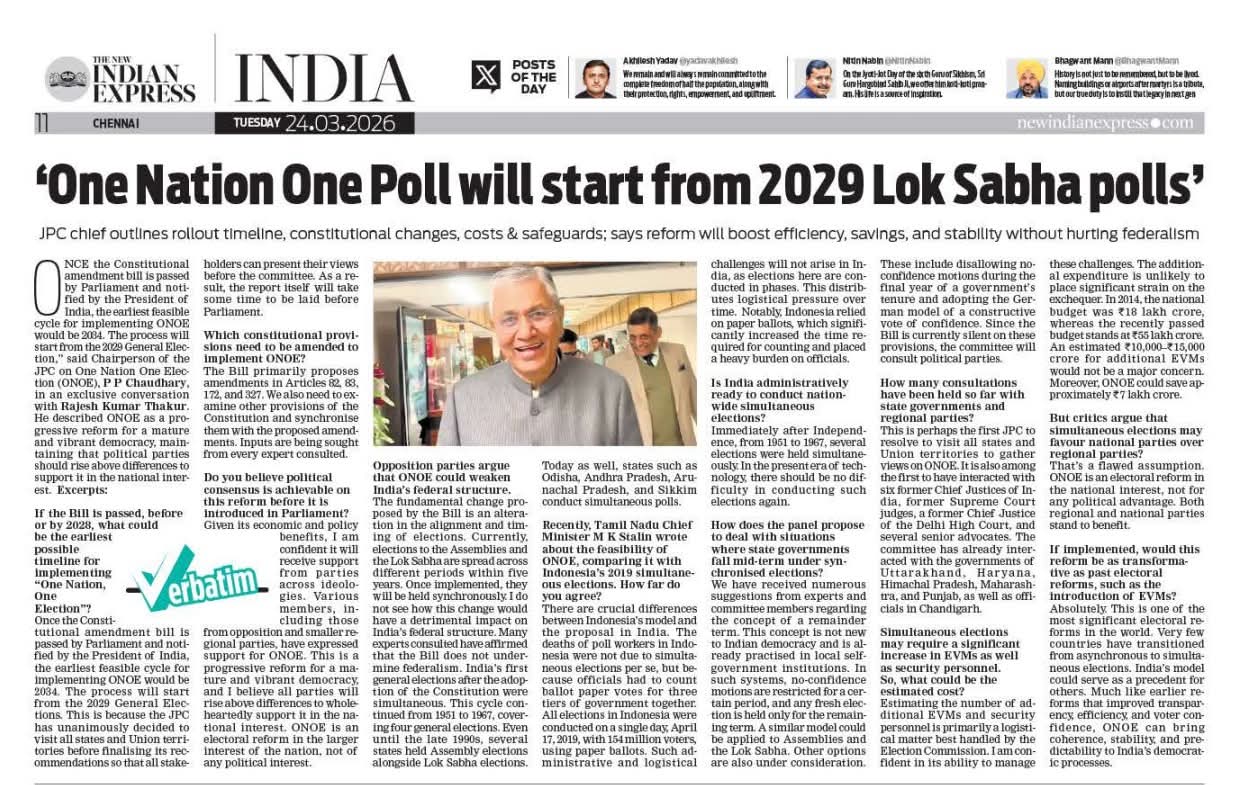 A newspaper report detailing JPC Chief P.P. Chaudhary’s interview regarding the roadmap, timeline, and constitutional amendments required for a 2029 “One Nation One Poll” rollout. (Image Source: The New Indian Express)
The Basic Structure Question
Since Kesavananda Bharati v. State of Kerala (1973), the Supreme Court has held that Parliament’s power to amend the Constitution does not extend to destroying its basic structure. Federalism and free and fair elections have subsequently been recognised as important elements of that constitutional architecture.
In S.R. Bommai v. Union of India (1994), the Supreme Court reinforced the federal character of the Constitution and emphasised that the question of whether a government commands a legislative majority should ordinarily be tested on the floor of the House. In Indira Nehru Gandhi v. Raj Narain (1975), free and fair elections were recognised as integral to democracy.
The constitutional question, therefore, is whether tying the life of State Assemblies to the Lok Sabha’s electoral calendar would place excessive constraints on the political autonomy inherent in India’s federal system.
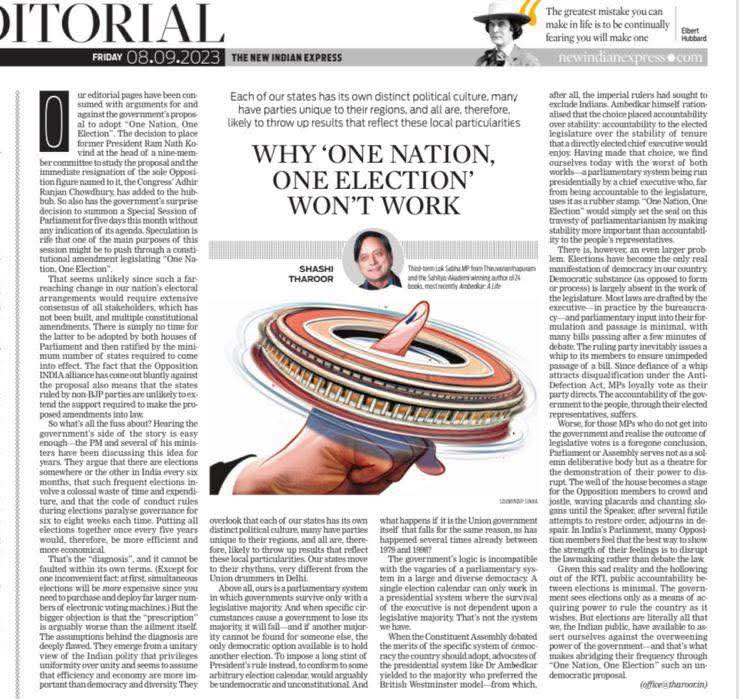 An editorial by MP Shashi Tharoor, detailing his arguments on why the ‘One Nation, One Election’ proposal is fundamentally flawed for India. (Image Source: The New Indian Express)
The analogy is not exact, and the Supreme Court has not ruled on the constitutionality of the present proposal. Supporters of the Bill can legitimately argue that synchronising election schedules does not, by itself, destroy either federalism or representative government.
But that is precisely why the question deserves close scrutiny rather than easy conclusions. A constitutional amendment that substantially rearranges the functioning of India’s federal electoral machinery must demonstrate that administrative stability is not being purchased at the cost of representative responsibility.
Hung Assemblies sharpen this concern. Under the “unexpired term” arrangement, a fractured verdict could result in a newly elected House serving for only a year or two. It could also create political pressure to avoid another short-lived election through coalition engineering or other attempts to manufacture legislative stability.
India’s constitutional history provides reasons for caution. In S.R. Bommai, the Court subjected the exercise of Article 356 to judicial review and insisted on constitutional safeguards against arbitrary dismissal of State governments. In Rameshwar Prasad v. Union of India (2006), the Court held the dissolution of the Bihar Assembly unconstitutional where anticipated horse-trading had been invoked to prevent the political process from taking its course.
The concern is not that the proposed Bill necessarily recreates these situations. It is that a rigid electoral timetable could produce fresh incentives to resolve unstable political situations in ways designed primarily to preserve synchronisation.
The Voter and the Regional Voice
The implications go beyond constitutional machinery. They extend to the nature of electoral choice itself.
An IDFC Institute analysis of elections between 1999 and 2014 found that when national and State elections coincided, roughly three-quarters of voters chose the same party in both elections. When the elections were separated by a few months, that convergence declined significantly.
This does not mean that voters are incapable of distinguishing between national and State elections. Indian voters have repeatedly demonstrated political sophistication, voting differently across elections when they consider it necessary.
But campaigns also shape the political questions placed before voters. Imagine a farmer being asked simultaneously to choose the government of India and the representative who will speak for the constituency in the State Assembly. One election may turn on national security, the Prime Minister’s leadership or the performance of the Union government; the other may revolve around irrigation, crop prices, roads, schools or the functioning of the State administration.
When both contests take place within a single campaign, the louder national narrative can overshadow the quieter local one.
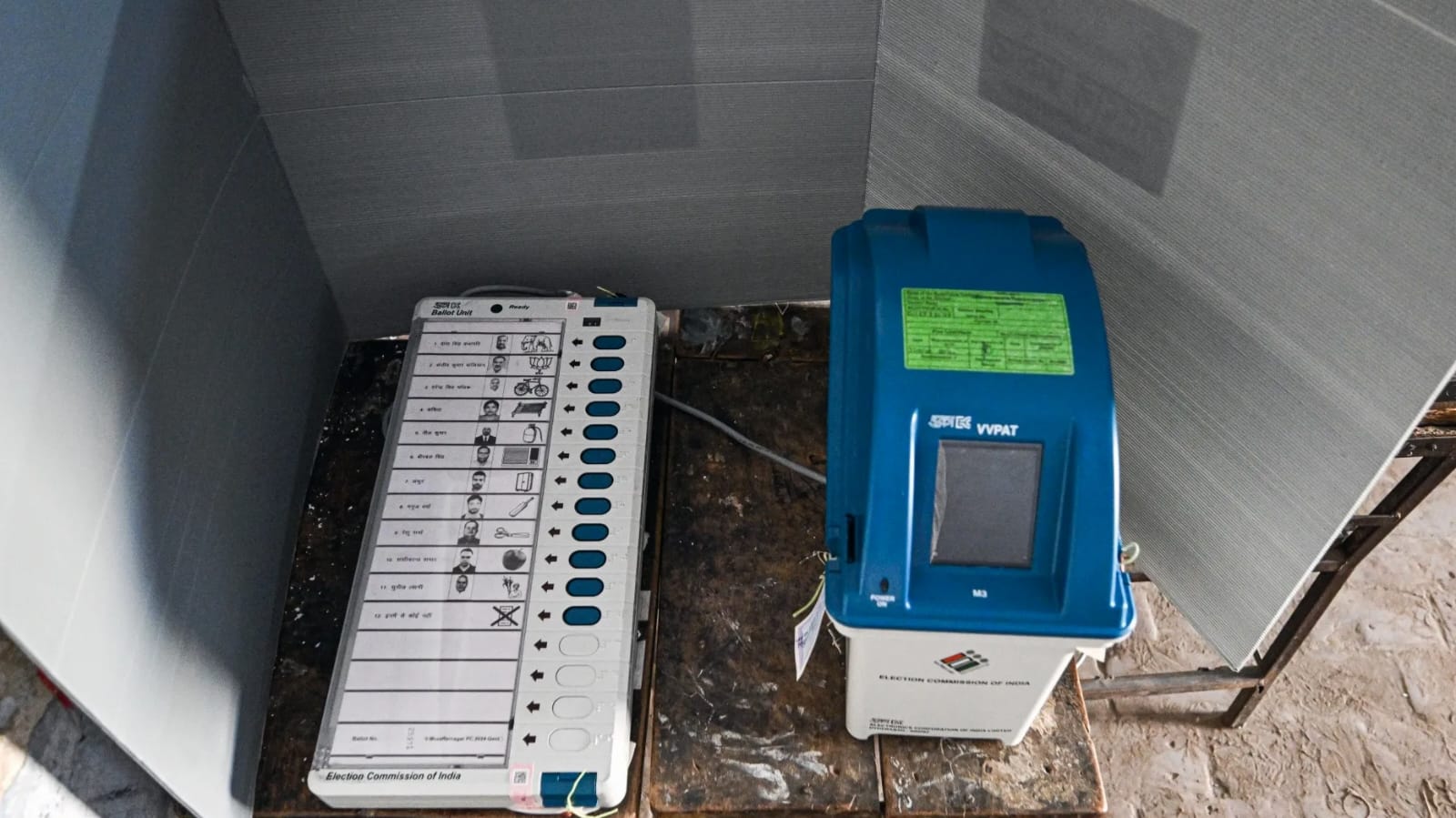 An EVM at a polling station
This matters particularly in India’s federal system, where regional political formations have historically articulated linguistic identity, agrarian interests, tribal aspirations and State-specific political concerns. Article 1 describes “India, that is Bharat” as a “Union of States”. Regional politics is one of the principal ways in which that constitutional description acquires democratic substance.
The question, therefore, is not whether simultaneous elections automatically destroy regional parties. It is whether combining national and State contests structurally advantages national narratives at the expense of regional political conversations.
How India’s Electoral Clocks Drifted Apart
The first general elections of 1951-52 and the elections of 1957, 1962 and 1967 saw Lok Sabha and most State Assembly elections held broadly together. But this was less the result of a constitutional design mandating synchronisation than the consequence of a young Republic beginning from a broadly common electoral starting point.
That common calendar could not survive India’s political development.
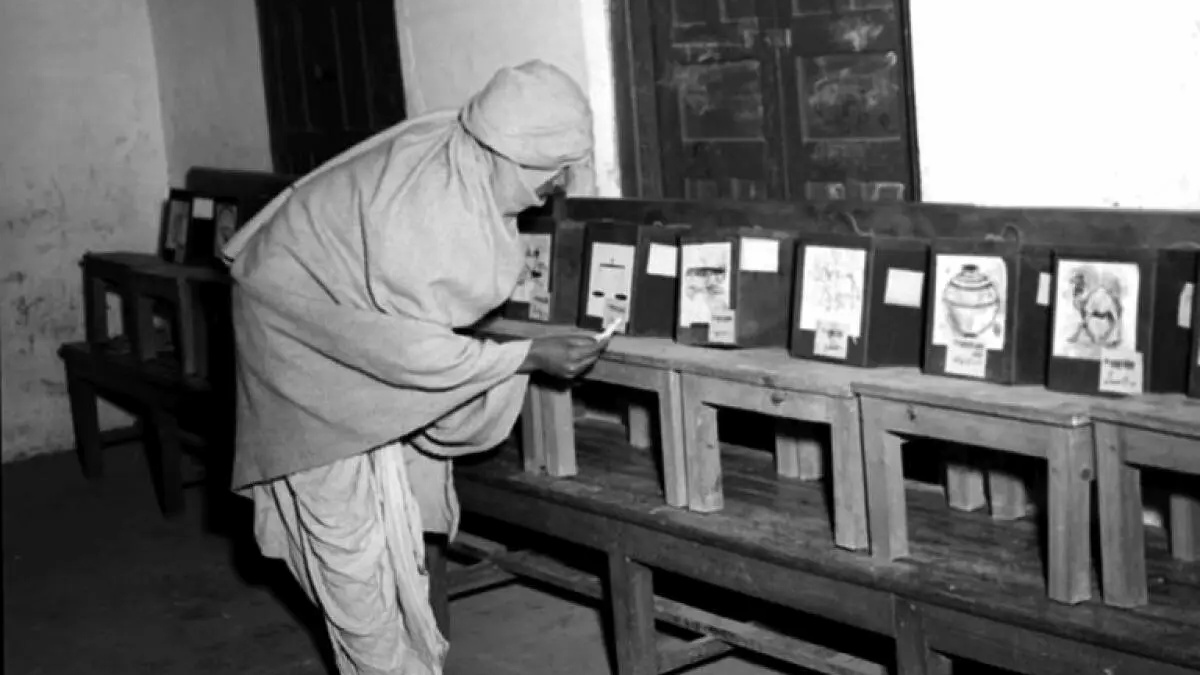 A voter in front of ballot boxes marked with the candidates’ symbols in independent India’s first ever general election in 1951-52.
The reorganisation of States itself created new electoral timelines. Bombay State was divided into Maharashtra and Gujarat in 1960, while Haryana was carved out of Punjab in 1966. Political crises created further departures from the original cycle. In 1959, the Union government invoked Article 356 to dismiss the E.M.S. Namboodiripad government in Kerala, and the State returned to the polls in 1960.
The divergence became more pronounced as governments and legislatures began falling at different points in their terms. Indira Gandhi dissolved the Lok Sabha ahead of schedule in 1970, leading to elections in 1971. In 1977, the incoming Janata government dismissed nine Congress-ruled State governments. When Indira Gandhi returned to power in 1980, Congress followed with dismissals of Opposition-ruled State governments.
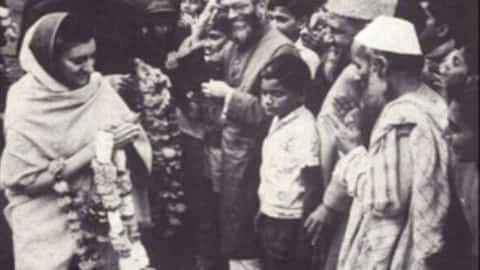 Indira Gandhi during the 1971 Lok Sabha election campaign
Later constitutional developments and judicial precedents have placed significant restraints on the arbitrary use of Article 356, while the Tenth Schedule sought to curb political defections. But neither development eliminates the ordinary democratic circumstances in which a legislature may end prematurely: a hung verdict, the loss of a floor test or the collapse of a coalition.
This history reveals something important. India did not simply decide one day to abandon simultaneous elections. Its electoral clocks moved apart because its federal politics moved apart. Different States developed different political trajectories, governments rose and fell at different moments, and the constitutional system accommodated those differences.
Restoring synchronisation through constitutional compulsion cannot prevent those political contingencies from recurring. It can only determine what happens after they occur.
Synchronisation and Stability Not the Same
Watch: Former CEC S. Y. Quraishi on the concerns surrounding simultaneous elections. (Source : India Today)
The attraction of simultaneous elections is understandable. India’s almost continuous cycle of campaigning consumes administrative resources, requires repeated mobilisation of security personnel and keeps political parties in near-permanent electoral mode. A proposal promising greater stability and fewer interruptions therefore deserves serious consideration.
But efficiency cannot be the only measure by which an electoral system is judged.
The “unexpired term” provision itself acknowledges that legislatures may fall before completing their terms. Synchronisation therefore cannot guarantee political stability; in some circumstances, it may simply produce shorter mandates. More importantly, binding the electoral life of every State Assembly to the Lok Sabha’s calendar raises questions about the federal autonomy of States and the constitutional principle that governments survive only while they retain legislative confidence.
There is also a democratic cost that cannot easily be measured in expenditure or administrative working days. Elections are not merely mechanisms for periodically constituting governments. They are separate political conversations conducted at different levels of India’s democracy. A Lok Sabha election asks one set of questions; an Assembly election can ask another.
The proposal also arrives at a time when the integrity of India’s electoral processes has itself become the subject of intense political contestation. Opposition parties, most prominently the Congress, have raised allegations of electoral-roll manipulation under the politically charged description of “Vote Chori”. Whatever one’s view of those allegations, the controversy has brought questions about additions, deletions and revisions of electoral rolls into the centre of public debate. Simultaneous elections would create an electoral exercise of unprecedented national scale, making transparency, verifiability and public confidence in the preparation of electoral rolls even more consequential.
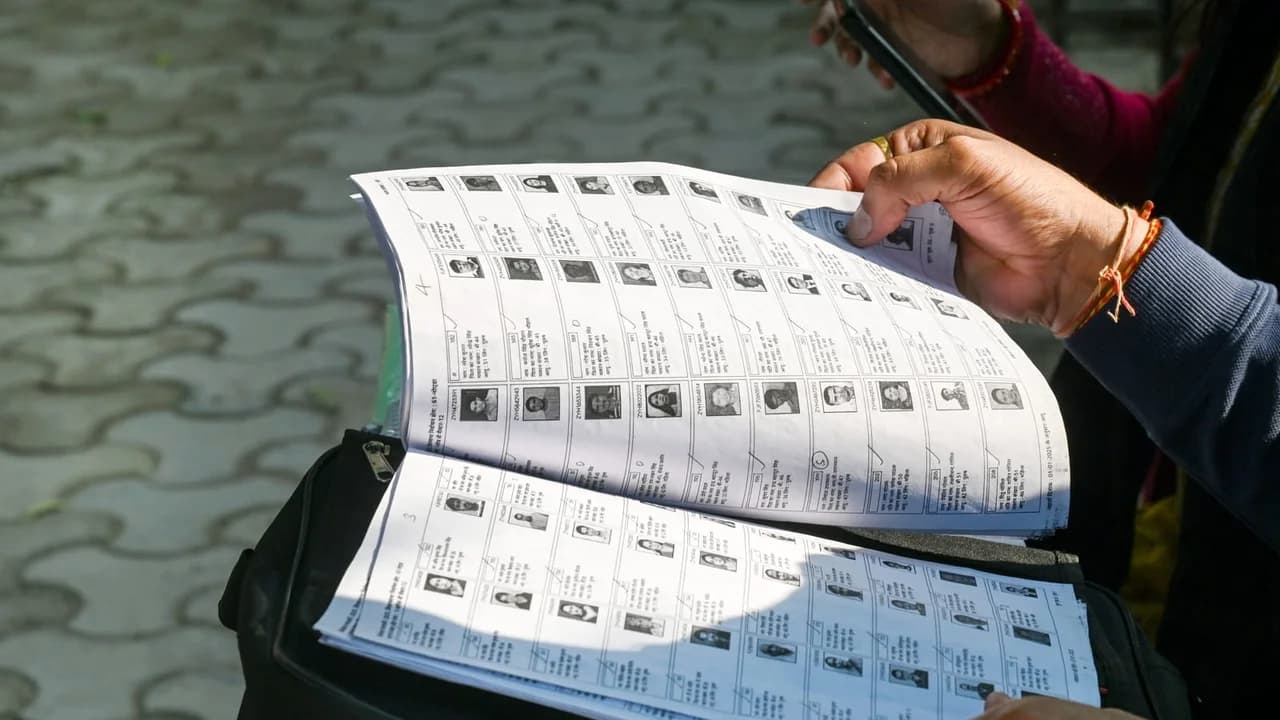 Booth Level Officers, or BLOs, checking voters details as part of a Special Intensive Revision (SIR) of the electoral roll, Noida, India (Image Source: Sunil Ghosh/Hindustan Times)
This does not, by itself, constitute an argument against simultaneous elections, nor does it establish the allegations made by the Opposition. But it does underline a larger democratic principle: electoral reform cannot be discussed only in terms of administrative efficiency. Any restructuring of the election calendar must also strengthen public confidence that the electoral process is transparent, accountable and capable of meaningful scrutiny.
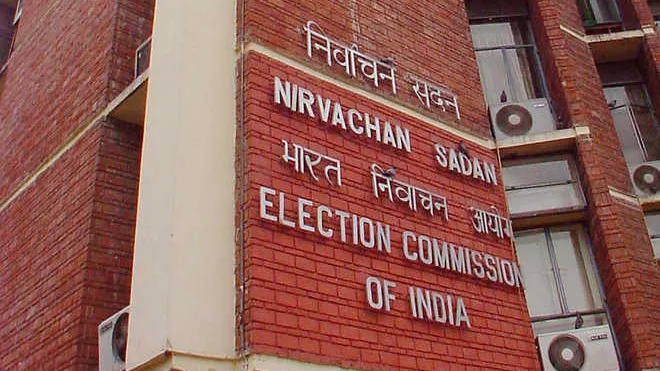 The Election Commission of India, New Delhi
The real debate over One Nation, One Election is therefore not simply about whether India should vote more efficiently. It is about what we are prepared to alter in order to achieve that efficiency — and whether the institutional safeguards accompanying such a transformation are strong enough to command public trust.
India’s constitutional system has historically allowed political mandates to follow the unpredictable rhythms of representative democracy. The question before Parliament is whether those rhythms should now be made to follow a single national clock — and, if so, what might be lost when they do.








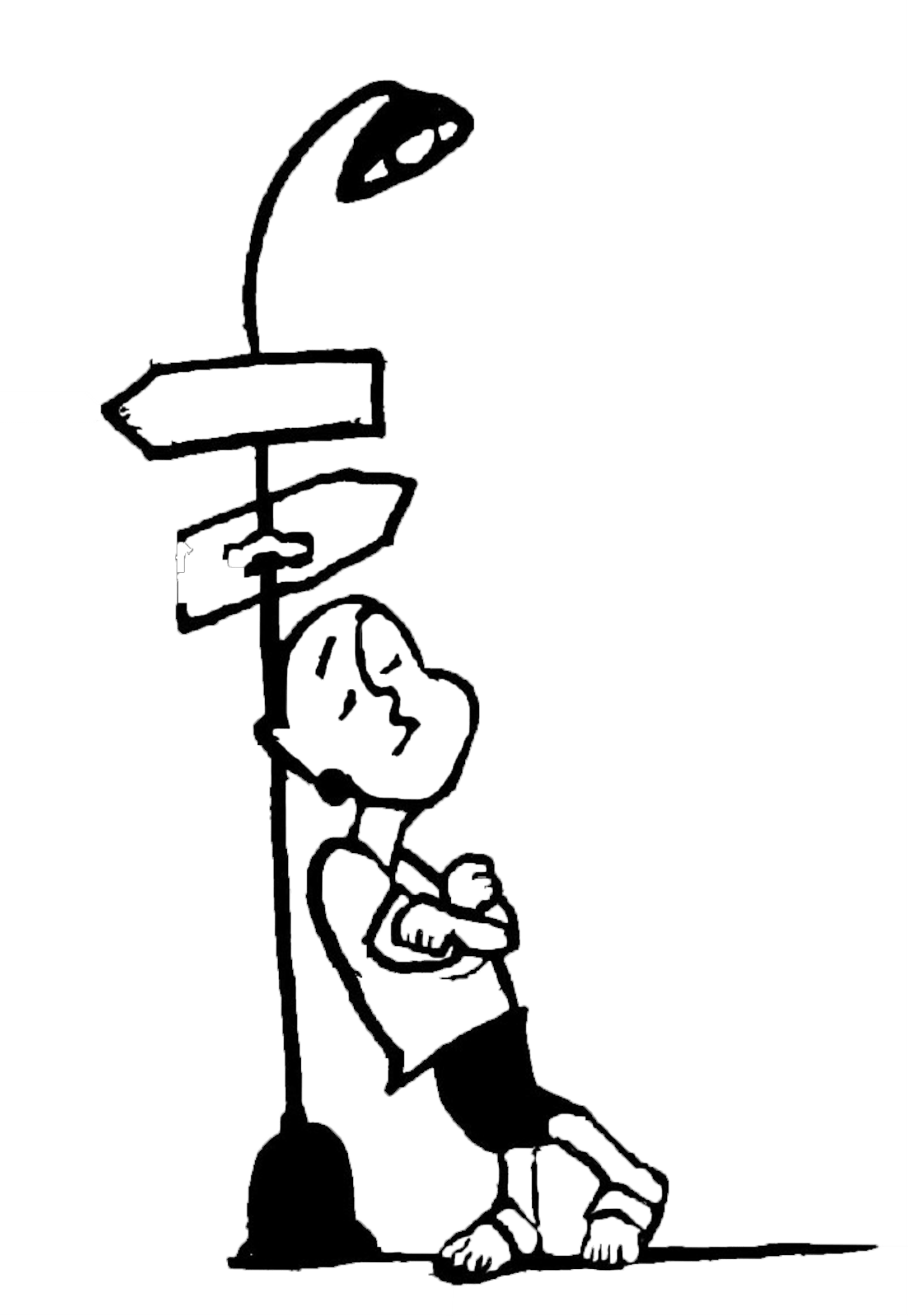
One Nation, One Election may sound like an efficient administrative reform, but democracy cannot be redesigned merely to suit an electoral timetable. India’s federal structure rests on the independent political mandates of its States, and those mandates cannot be shortened or subordinated simply for the sake of synchronisation. Staggered elections keep governments accountable to changing public opinion and give voters repeated opportunities to correct the course of governance. The real question is not how to make elections more convenient for the system, but how to keep the system responsive to the people. Federalism, voter sovereignty and parliamentary accountability must come before administrative convenience. This is not just an electoral reform debate—it is a debate about the constitutional character of Indian democracy