

Student Protests in France and the Politics of Blaming Islam

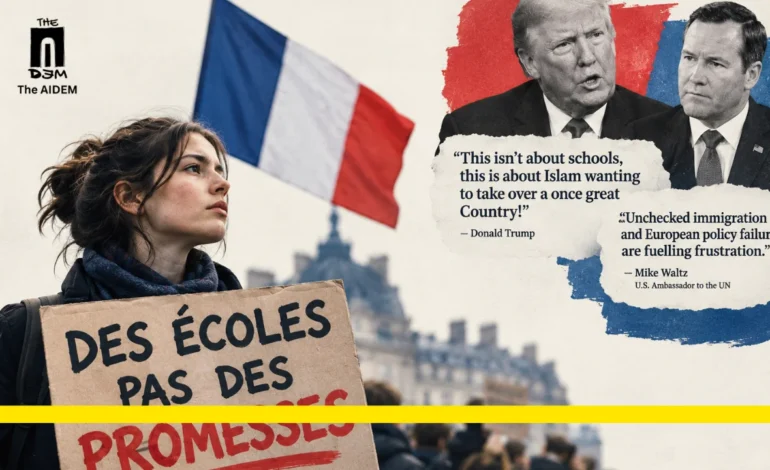
France’s widespread student protests, sparked by underfunded schools and broader concerns over austerity, have escalated into nationwide demonstrations and debates over public safety. As domestic unrest grows, external political commentary — notably inflammatory claims attributing the movement to mass migration and Islam — has shifted attention away from the core educational grievances, complicating the debate over public policy and evidence-based governance.
France’s student protests began with a concrete complaint: too many schools are struggling to provide the basic conditions students need to learn. Demonstrators have cited overcrowded classrooms, teacher shortages, worn-out buildings, insufficient equipment and punishing schedules. The protests have spread well beyond individual schools, with blockades and demonstrations across the country. On October 6, the Interior Ministry estimated that 250,000 people joined protests nationwide, while organisers claimed 450,000 — a striking measure of how far the mobilisation had grown.
But the anger is not simply about classrooms. Students’ complaints have become a means of expressing wider frustration with a government that is asking the country to accept austerity while young people see public services under strain. France’s proposed 2027 budget aims to reduce spending by billions of euros, even as the government plans to increase education spending by about €1.2 billion. That apparent contradiction matters: a budget can rise in aggregate while schools still feel neglected, staffing remains inadequate and students doubt that political promises will improve their daily lives.
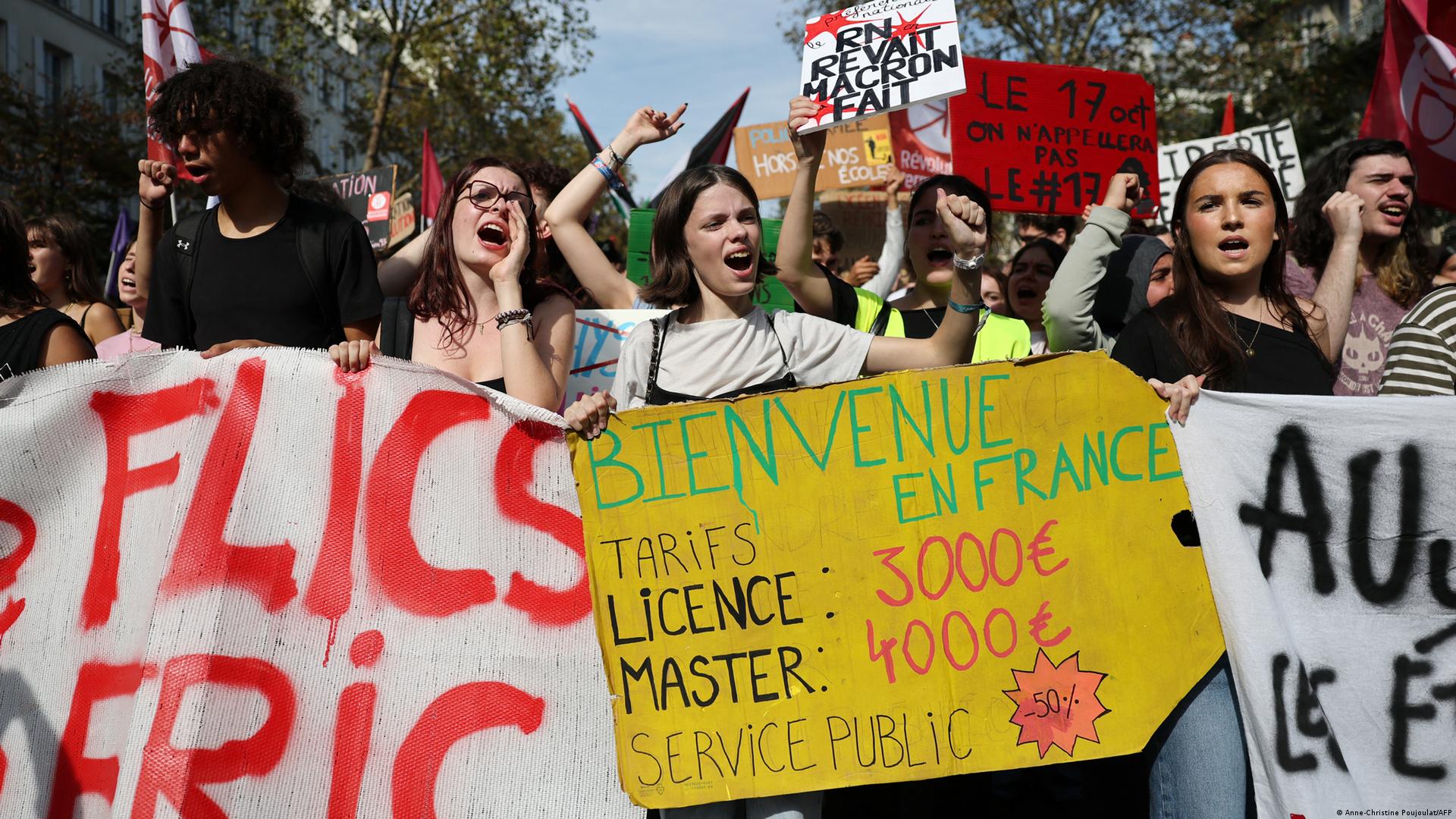
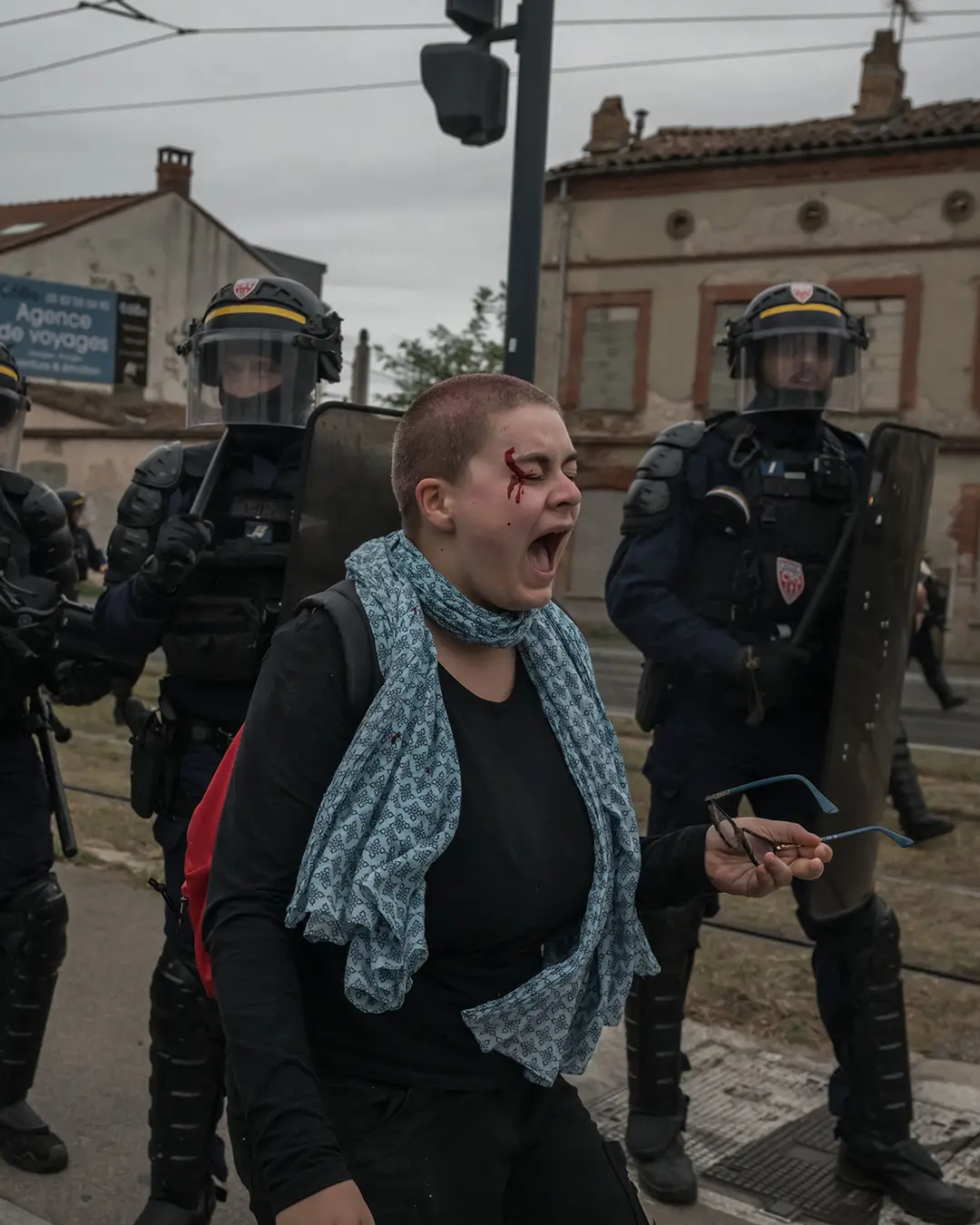
The protests also reflect anxieties about the transition from school to adulthood: whether education offers a fair route to opportunity, whether the state listens to young people and whether public institutions can meet their needs. As demonstrations have continued, school blockades and clashes with police have helped draw the attention of people outside the student movement.
Some adults have joined or supported the protests because they recognise familiar concerns — underfunded public services, economic pressure and distrust of political decision-making. Teachers, families and unions can see school conditions not merely as a youth issue, but as a test of the country’s broader commitment to public education.
That wider sympathy does not mean every participant shares the same demands, nor does it excuse violence. Reports describe clashes, fires, projectiles and the use of tear gas, alongside serious injuries. A 15-year-old was reported to have lost a hand after a police dispersal grenade detonated. Such incidents intensify the debate over public order and police tactics. They also risk shifting attention away from the demands that first brought students onto the streets. A serious response must address both: protecting people from violence and investigating whether law-enforcement measures are proportionate, while also engaging with the underlying grievances.
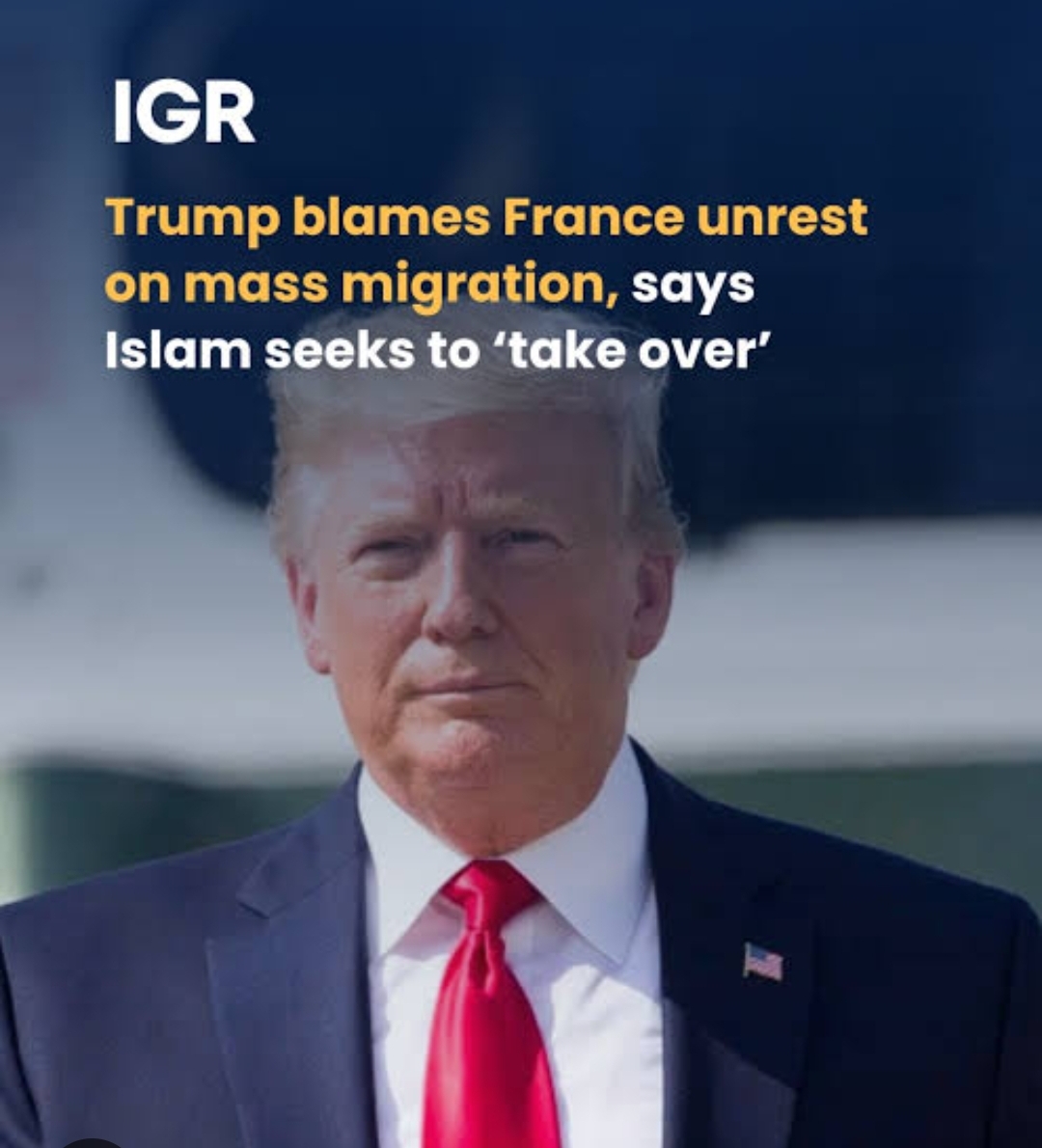
This is why Donald Trump’s recent unsolicited intervention is so consequential. Trump described the unrest as “out of control mass migration” and declared, “This isn’t about schools, this is about Islam wanting to take over a once great Country!” Mike Waltz, the US Ambassador to the United Nations, condemned the violence but also echoed the administration’s migration-focused framing, arguing that unchecked immigration and European policy failures were fuelling frustration.
The central problem with that argument is not merely its inflammatory tone. It substitutes a sweeping claim about a religion for evidence about the movement’s stated causes. Students have publicly raised concerns about school buildings, staff shortages, workloads and education funding. Those grievances are documented in coverage of the demonstrations; the claim that Islam is driving the protests is not established by those accounts.
The presence of a Palestinian flag at a demonstration, or the participation of people from different backgrounds, cannot establish that a movement represents an attempt by Muslims to seize power. Treating such symbols or participants as proof collapses distinct issues — education, migration, religion and foreign policy — into a single accusation.
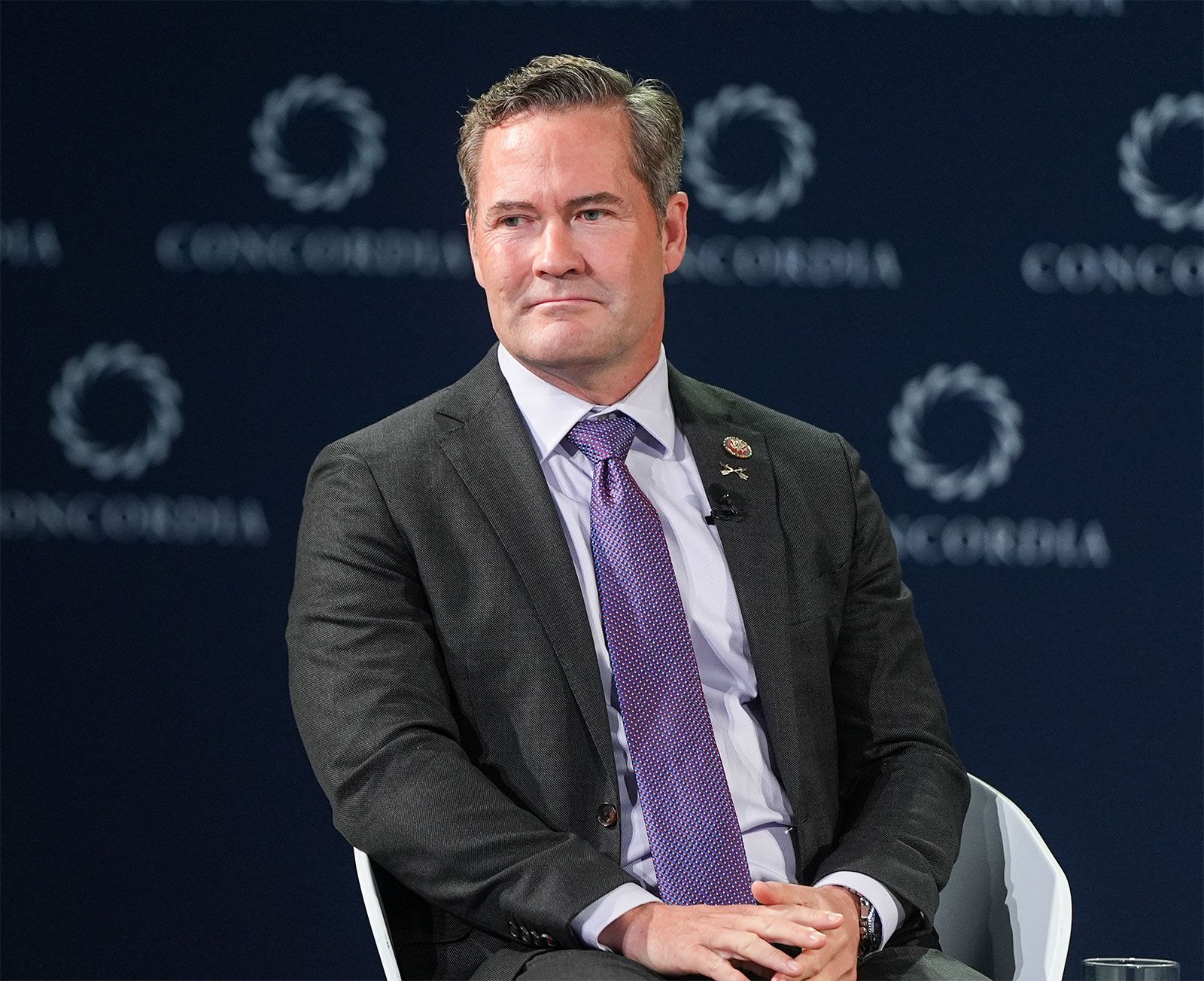
Waltz’s comments were more qualified than Trump’s, and he explicitly condemned lawlessness. Still, linking the unrest to “unchecked immigration” without demonstrating how that explains the specific problems facing schools risks converting a domestic policy dispute into a story about outsiders. It can make Muslim communities and people perceived as immigrants targets of suspicion, even when they have no connection to either the violence or the organisation of the movement. Political leaders have a responsibility to distinguish evidence-based explanations from claims that assign collective blame.
Can this be called rising Islamophobia in the West? The episode fits a familiar Islamophobic pattern: portraying Islam not as a diverse faith practised by individuals, but as a unified political force supposedly bent on taking over a country.
Trump’s formulation does exactly that. One statement cannot, by itself, establish a trend across Western societies; that would require broader evidence over time. But it can reasonably be criticised as Islamophobic rhetoric because it links a religion as a whole to an alleged threat while dismissing the protests’ stated educational demands.
The political context makes that framing especially useful to those who deploy it. France is approaching a presidential election in 2027, and the protests have become part of a larger contest over the government, immigration and the role of the political left. The French government has accused the left-wing party La France Insoumise of exploiting the demonstrations, while the party has denied the accusation.
In this charged climate, Trump’s intervention offers a stark and simple explanation for a complicated crisis — one that shifts the discussion from budgets and school conditions to identity and security. That may energise political supporters, but it does little to solve the problems students describe. Nor does it help distinguish peaceful demonstrators from those who commit violence.
A more responsible debate would ask whether schools have enough teachers and functioning facilities, how proposed spending changes will affect young people, and how authorities can maintain safety without escalating confrontations. It would also scrutinise political claims against the available evidence rather than treating religious identity as an explanation in itself.
The protests matter because young people are demanding that institutions take their everyday conditions seriously. Others are joining because those conditions connect to wider concerns about public services, fairness and political accountability. Trump and Waltz have redirected the story towards migration and Islam, but the available reporting points first to schools, budgets and public frustration.
Calling out that mismatch is not to claim that every protester is peaceful or that every policy question has been settled. It is a demand for accuracy — and a refusal to make an entire faith answer for a protest whose central grievances are plainly about education.







When students take to the streets over education, inequality and the failures of public services, blaming Islam is an easy political escape from the real questions. Turning social and economic grievances into a debate about an entire faith only deepens division and distracts from accountability. This article rightly exposes how fear, stereotypes and Islamophobic narratives can be used to silence legitimate dissent. A democracy must listen to its students, confront the reasons behind their anger, and demand evidence instead of scapegoats. A sharp and timely piece that deserves serious attention.