

Spility Lyngdoh Langrin: The Feminine Strength of Resistance the Khasi Hills

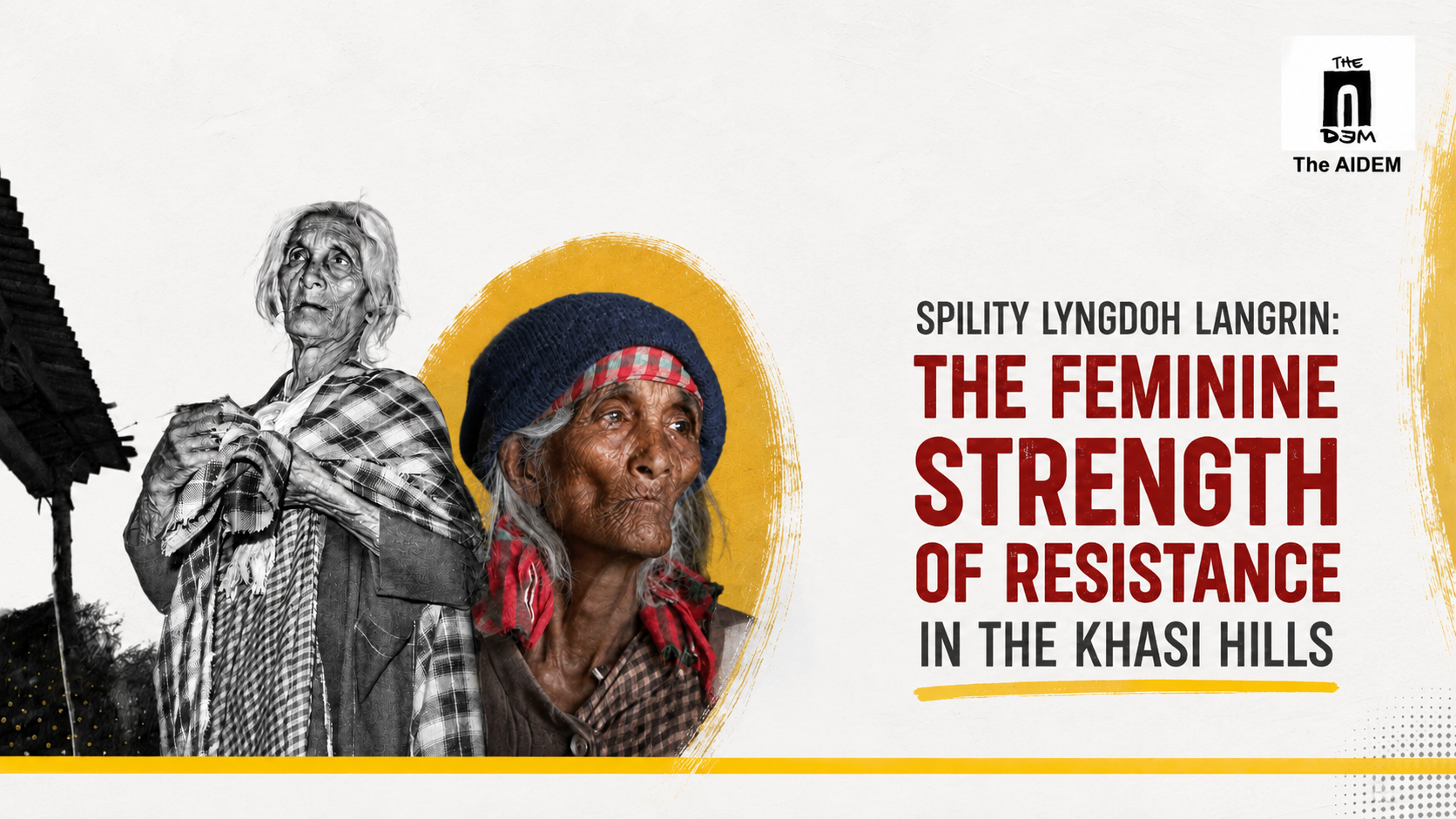
In the backdrop of the Meghalaya government’s recent decision to halt uranium mining in the Khasi Hills, one name that must be remembered is that of the courageous woman Spility Lyngdoh Langrin. For decades, Spility Lyngdoh Langrin (1925–2020) stood as a powerful voice of resistance against uranium mining in the Khasi Hills of Meghalaya, particularly in the Domiasiat region. Known as “the mother of all those who stood against uranium mining,” Langrin, the matriarch from Domiasiat in the South West Khasi Hills district, became the enduring face of resistance to uranium mining.
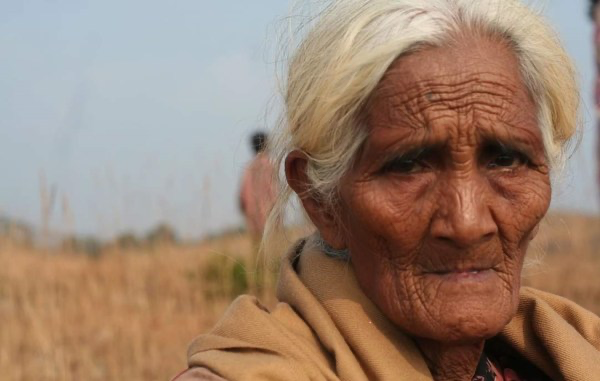
She rejected an offer of ₹45 crore made jointly by the Uranium Corporation of India Limited (UCIL) and government agencies to extract uranium from her ancestral land. Her words — “Money can’t buy me freedom” — became the soul of that struggle and an inspiration for many similar movements. She put up “Private Property” and “Do Not Trespass” signs around her home and land. Even when the mining company approached others or exerted pressure, she remained firm in her stand and became a rallying figure.
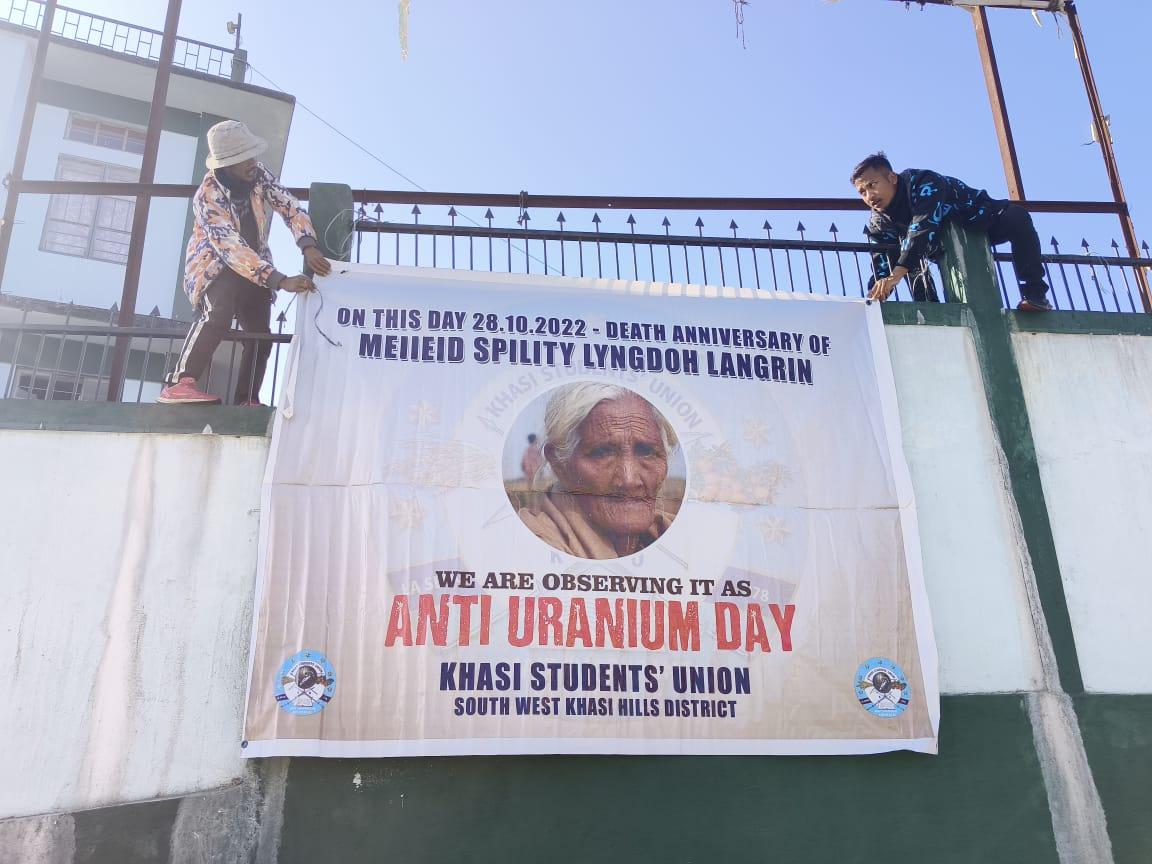
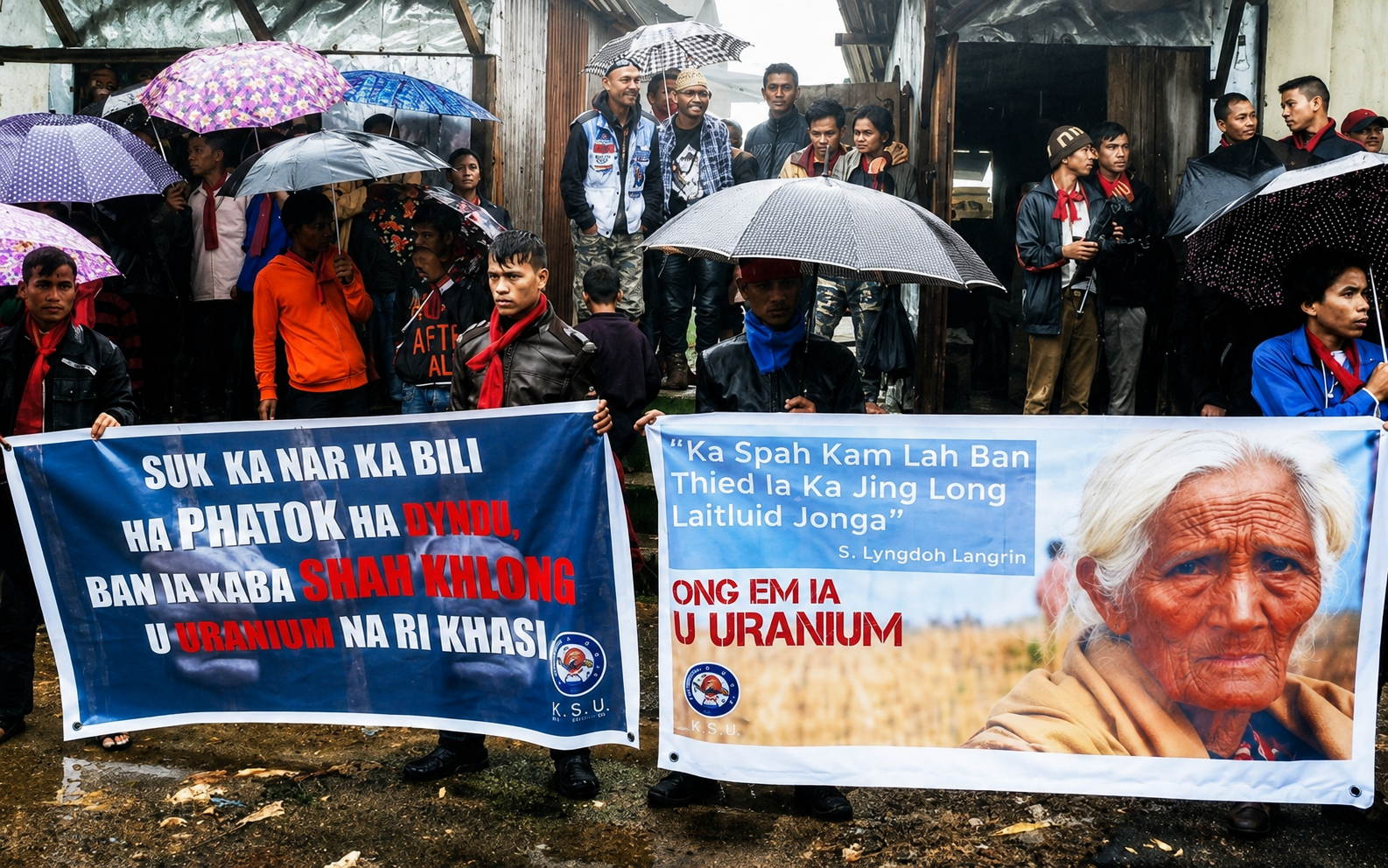
Pointing to the health and environmental devastation that followed exploratory drilling — including livestock dying, fish kills in rivers, crop failure, respiratory problems, kidney diseases, pregnancy complications, stillbirths and birth defects among the local people — she united the villagers and the Khasi Students’ Union. As a result, mining attempts were stalled at several stages. Exploratory work had to be stopped in the mid-1990s. After the state government permitted UCIL to carry out exploratory activities on hundreds of hectares in 2009, another phase of opposition arose. Continuous protests forced the government to revoke the permission in August 2016. Spility remained steadfast at the forefront of the resistance until her death on the night of 28 October 2020 at the age of 95. October 28 is observed as Anti-Uranium Day in her memory.
The unanimous resolution adopted by the Meghalaya Legislative Assembly on 26 August 2026 is the official recognition of this long struggle. The resolution demands that the Centre completely prohibit uranium mining and ore-processing units in the state. Grounded in Sixth Schedule rights, landowners’ rights, and environmental and health hazards, this decision has transformed Spility’s personal courage into a democratic legislative act.
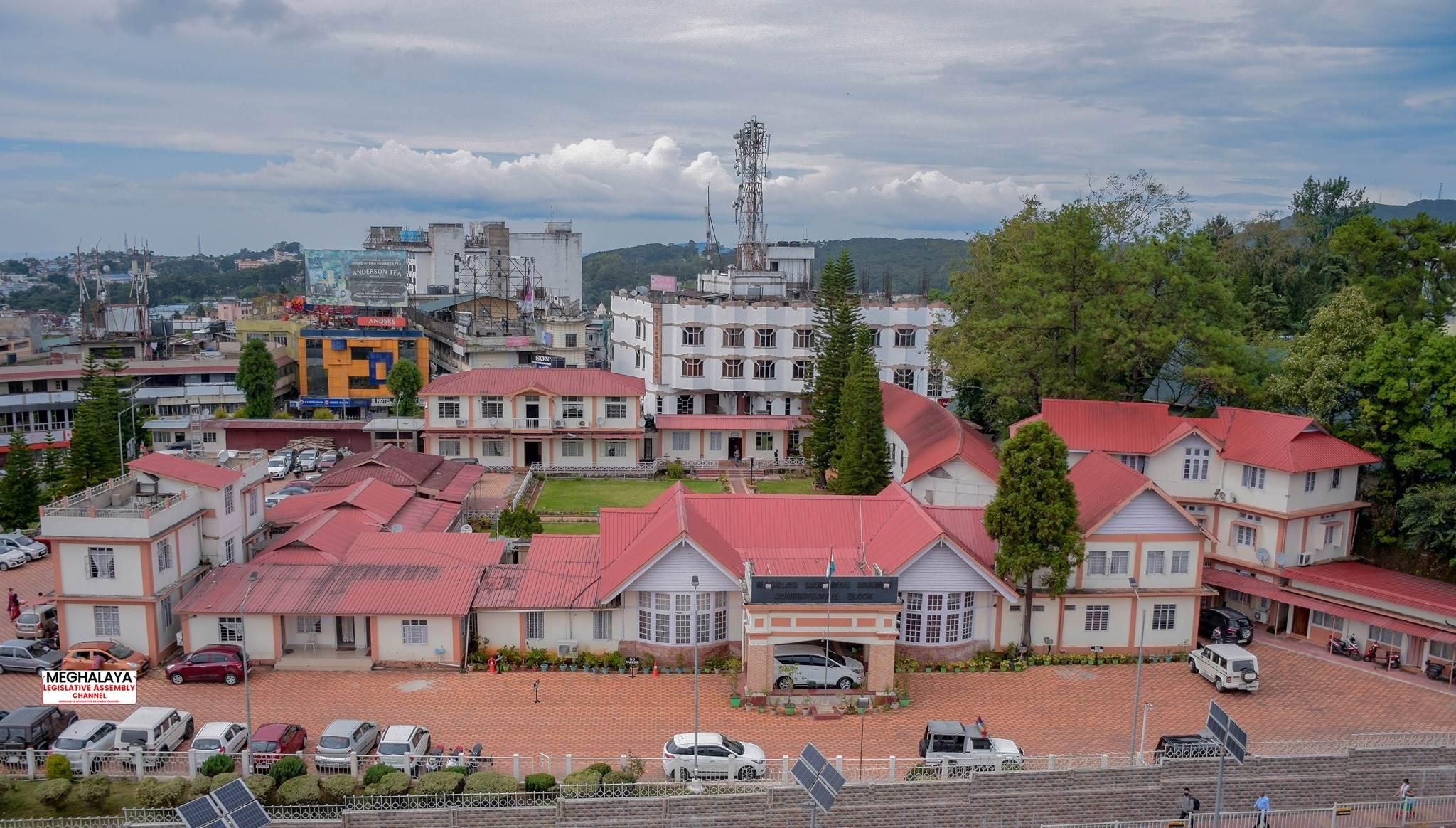
At the same time, it reaffirms the special protective administrative powers granted to tribal communities under Article 244(2) — the Sixth Schedule to the Constitution. The resolution prominently cited Sixth Schedule rights, stating that the free, prior and informed consent of the affected communities had never been obtained and that land and mineral rights under the Sixth Schedule must be protected. The resistance led by Spility Lyngdoh Langrin was firmly rooted in these constitutional safeguards.
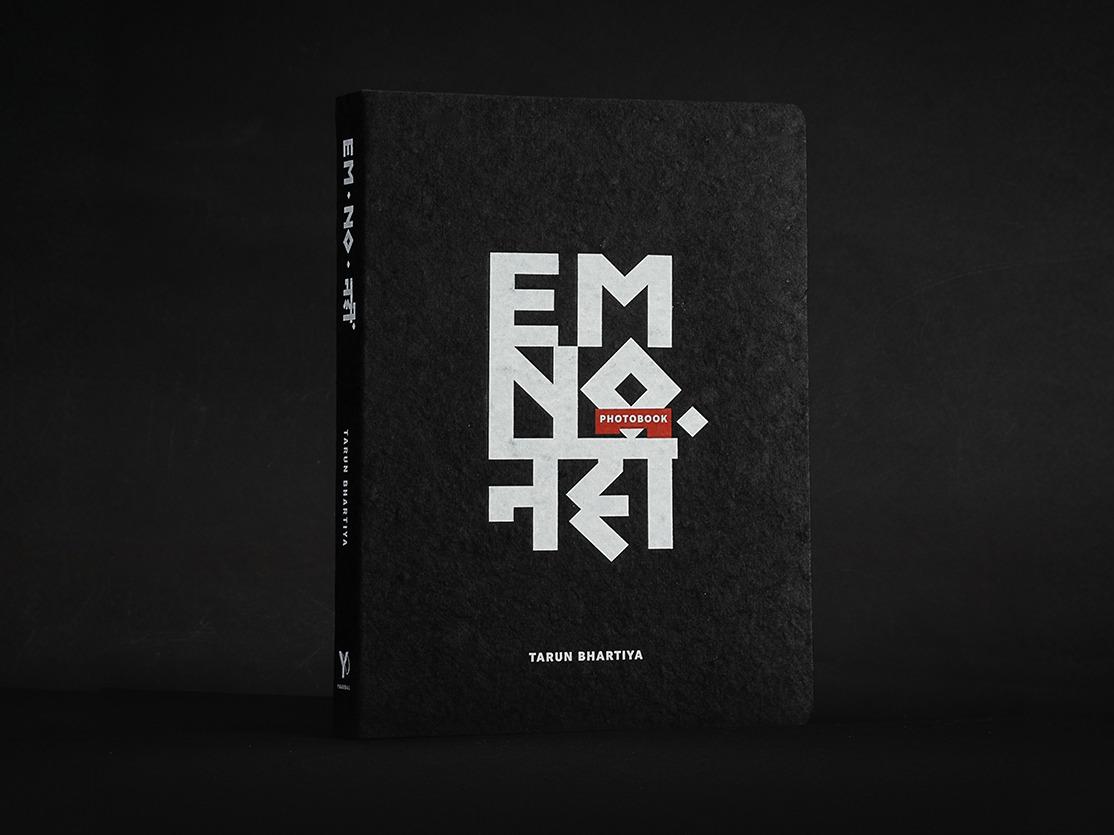
It is noteworthy that women in India, especially poor women from rural tribal areas, are on the one hand victims of environmental degradation and on the other a strong presence in movements for environmental protection and regeneration. Langrin’s struggle was never merely about protecting one individual’s land. It was a symbol of the collective responsibility of the Khasi people towards their land, water, culture, and the health of future generations. The decision taken by the government today stands as the official acknowledgement of her resolute “No.”


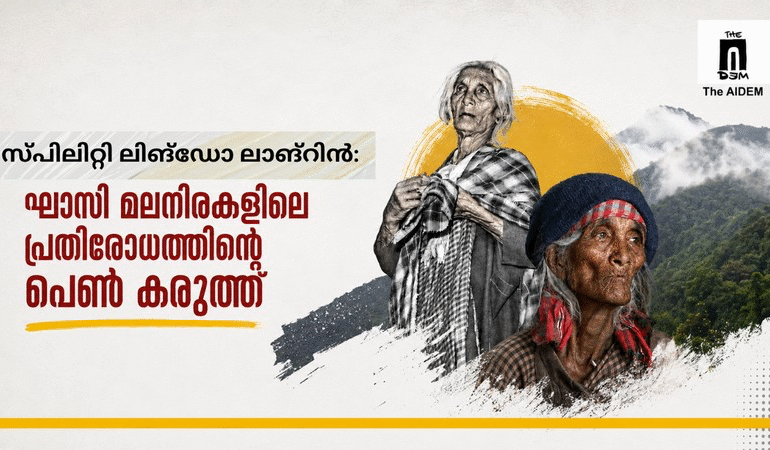







Spility Lyngdoh Langrin’s resistance is far more than a story of individual courage—it is a powerful indictment of a system that too often treats indigenous land, nature and people as commodities to be negotiated away. Her refusal to surrender the Khasi Hills to the logic of profit is a profound act of political and ecological resistance. This is the real meaning of feminine strength: not silence, submission or symbolism, but the courage to say NO when power demands obedience. Dr. Smitha P. Kumar deserves credit for bringing this extraordinary chapter of Meghalaya’s people’s resistance into public memory. Spility’s voice reminds us that the defence of land is ultimately the defence of dignity, democracy and the right of communities to decide their own future.