


The Saturation of Instant Gratification
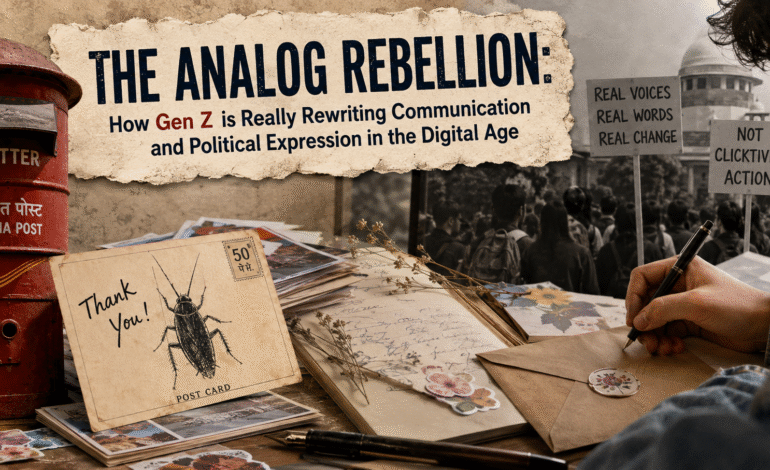
The internet is loud. For a generation born into the relentless hum of Wi-Fi routers and the infinite scroll of algorithmic feeds, the digital world is not a novelty; it is a baseline reality. Yet, an extraordinary cultural shift is unfolding across the globe, led by the very demographic assumed to be permanently tethered to their smartphones. Generation Z is experiencing profound digital fatigue, commonly referred to as “AI slop burnout.” In response to an era where communication has become cheap, ephemeral, and overwhelmingly instantaneous, young people are orchestrating an analog rebellion. They are resurrecting the art of snail mail, transforming the humble post office into a cultural hub, and proving that sometimes, the most radical way to make your voice heard is to put pen to paper.

To understand the resurgence of tactile communication, one must first understand the exhaustion of the digital landscape. Every day, the average digital citizen is bombarded with hyper-edited content, automated responses, and a barrage of instant messages. The convenience of platforms like WhatsApp and Gmail has paradoxically stripped communication of its intimacy. When a message can be typed, sent, and read in a fraction of a second, the weight of the words inevitably diminishes.
This environment has cultivated a desperate craving for friction—for experiences that require time, effort, and intentionality.
Across Indian cities and global metropolises alike, this yearning has manifested in various analog revivals. Vinyl listening bars are packed with youths eager to hear an entire album without skipping tracks; early-2000s digital cameras are selling out because their grainy imperfections feel more authentic than 4K smartphone lenses; and crochet circles are replacing doom-scrolling sessions. But perhaps the most beautiful and intimate manifestation of this trend is the “letter-writing renaissance,” a movement so palpable that global trend forecasters predicted it would dominate 2026.
The Rise of the Letter Club and Campus Hubs
Enter the “Snail Mail Club.” Far from the mundane delivery of bank statements or utility bills, this new wave of postal correspondence is deeply artistic and entirely voluntary. Creative individuals and stationers have established subscription-based models where, for a fee typically ranging from ₹300 to ₹500 a month, subscribers receive beautifully crafted envelopes at their doorsteps. These are not standard letters. They are curated experiences, thematic care packages filled with handwritten calligraphy, art prints, whimsical stickers, pressed flowers, and oracle cards. For Gen Z, subscribing to these clubs is less about romanticized nostalgia for an era they barely experienced, and more about the sheer novelty of an analog experience in a hyper-digital world. It is about the physical joy of holding a letter—a stark contrast to a text message that vanishes into the abyss of a chat log.
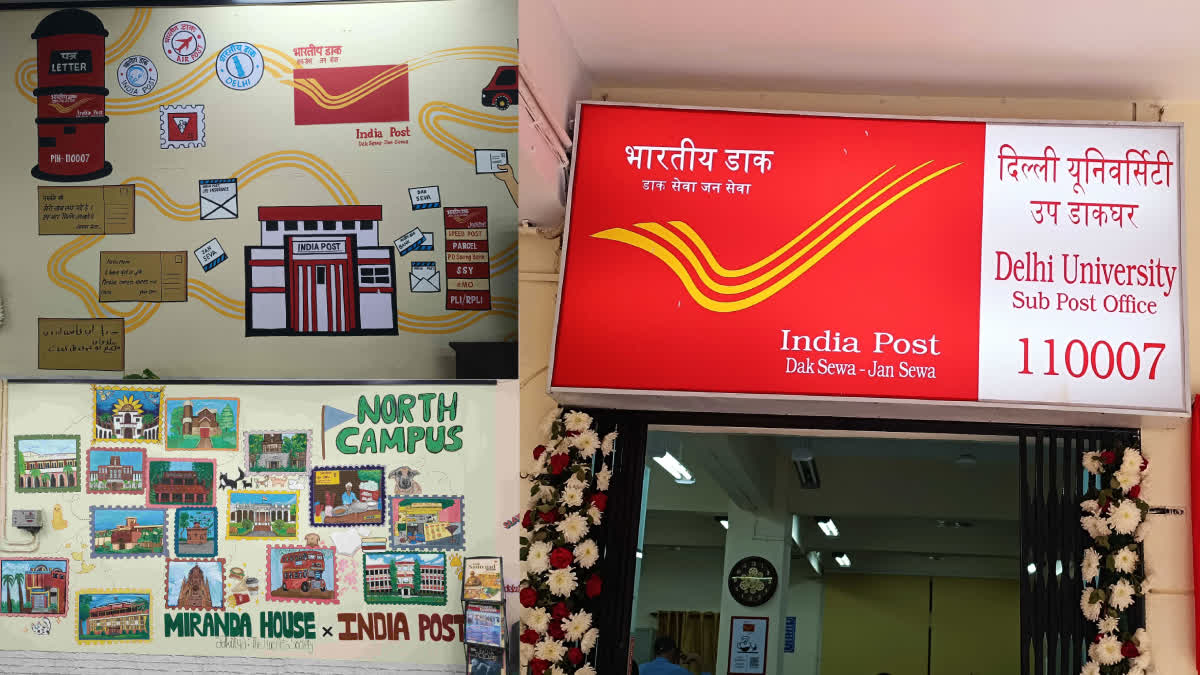
Remarkably, state institutions are actively facilitating this trend. Recognizing the shifting tides of youth communication, India Post embarked on a nationwide initiative to revamp its infrastructure, upgrading 46 post offices on educational campuses by January 2026. These spaces have been transformed into vibrant, student-friendly hubs. The “Gen Z Post Office” at Delhi University (DU), mirroring a successful pilot at IIT-Delhi, features youth-driven aesthetics with graffiti murals designed by fine arts students, free Wi-Fi zones, comfortable sofas, and bookshelves. By integrating modern conveniences like QR-based parcel booking and digital payments via IPPB, these post offices are no longer transactional government buildings—they are cultural hotspots where youth gather and engage in the deliberate act of mailing a letter.
Tactile Activism: The 50-Paisa Protest
While the aesthetic revival of snail mail is a story of personal connection, Gen Z has also rediscovered the profound political power of physical mail. In an age where digital activism is often dismissed as performative “clicktivism,” a physical postcard represents undeniable space and effort. It demands the recipient’s attention in a way an email inbox simply cannot.
This power was starkly demonstrated in India during a socio-political flashpoint in mid-2026. In May 2026, Chief Justice of India (CJI) Surya Kant made oral remarks during a Supreme Court hearing concerning individuals who had entered professions using fraudulent degrees, describing them as “parasites” and “cockroaches.” In the rapid-fire ecosystem of modern media, his comments were misquoted and taken out of context, with reports circulating that the CJI had likened the nation’s unemployed youth to cockroaches. Although the Chief Justice quickly clarified his statements—expressing deep pain over the misrepresentation and affirming his pride in the youth as the “pillars of a developed India”—the initial spark had already ignited a massive movement.
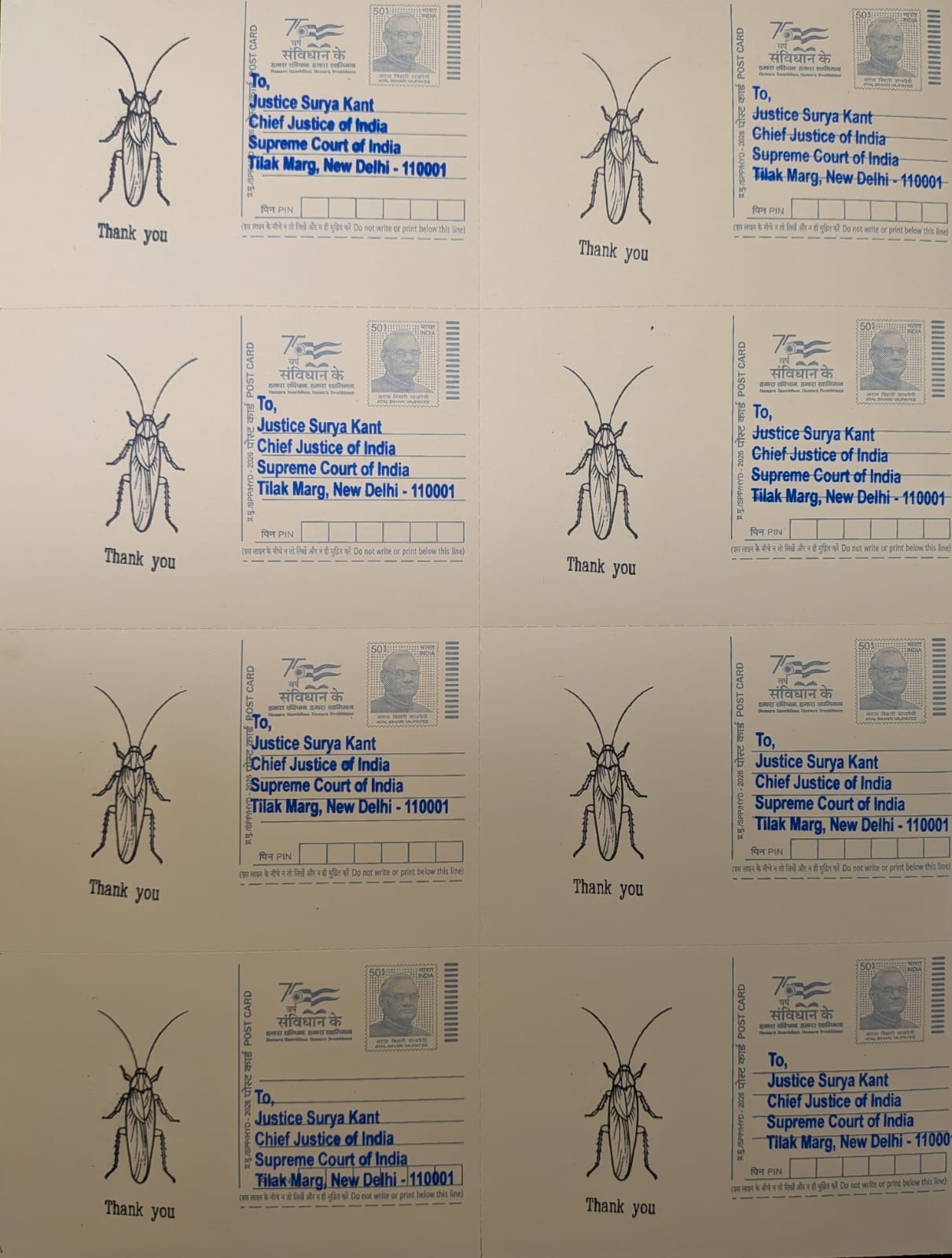
The response from the youth was a masterclass in analog disruption. Rather than merely trending a hashtag, citizens took to the post offices. Recognizing that bulk postcards can be purchased from India Post for a mere ₹0.50 each, individuals began sponsoring thousands of postcards. In a brilliantly sarcastic act of protest, they printed images of cockroaches on these physical cards, stamped them with a simple, biting “Thank you,” and mailed them directly to the Chief Justice at the Supreme Court.
Political Backlash and Co-Opted Slang
The sheer efficacy of this movement—often mockingly or defensively dubbed by critics as the work of a “Cockroach Janta Party”—sent ripples through the political establishment. Rattled by an organic youth movement that resisted easy digital censorship, political strategists scrambled to respond. What followed was a wave of absurd propaganda attempting to co-opt Gen Z lingo to regain narrative control.
Suddenly, official communication channels and political discourse became flooded with forced slang. Campaign narratives nonsensically declared phrases like “Modi ji clocked it” or claimed political opponents had “full political FOMO.”Cringe-worthy advertisements surfaced attempting to pander directly to youth voters with contrived dialogues such as, “And bro, did you go to Jantar Mantar?” This heavy-handed attempt to force youth vernacular into government messaging mirrored earlier performative political rhetoric, giving off the distinctly forced vibe of past campaign slogans. Instead of resonating with young citizens, it highlighted a fundamental disconnect: the establishment was attempting to talk like Gen Z without understanding the core drivers of their disillusionment.
“The forced insertion of youth lingo into state propaganda doesn’t bridge the gap—it exposes the anxiety of an establishment trying to quantify a culture it cannot control.”
Manufacturing Deflections vs. Institutional Reality
When co-opting the culture failed, political narrative machinery pivoted toward classic deflection—targeting opposition-ruled states to distract from broader youth unrest. A primary target became the state of Punjab, with political commentators and online trolls suddenly demanding resignations over an alleged “paper leak.” However, a factual examination dismantles this narrative on two major fronts.
First, the incident being hyped as a widespread “paper leak” was not a systemic leak at all; it was a localized, high-tech cheating scandal where the offenders were promptly identified and arrested by authorities. Second, targeting Punjab’s education sector as a political scapegoat ignores extensive data from the Central Government’s own evaluation metrics:
|
Assessment / Metric |
Source |
Punjab’s National Ranking / Status |
|
PARAKH Rashtriya Sarvekshan |
NCERT / Union Government | 1 in Grade 3 & Grade 9;
2 in Grade 6 (behind Kerala) |
|
Performance Grading Index (PGI) |
Ministry of Education |
1 Nationwide in School Education |
|
Computer Infrastructure |
NITI Aayog Portal Data | 99% of public schools equipped with functional computers |
|
Smart Classroom Coverage |
NITI Aayog Portal Data |
>80% functional smart classrooms across state schools |
| Teacher Development |
State / Global Exchange |
Active international training pipelines in Finland & Singapore |
As verified by reports published directly on NITI Aayog’s portal, these figures are not self-congratulatory state statistics, but official central government assessments. Demanding political resignations over a mischaracterized cheating scandal while ignoring objective benchmark achievements demonstrates how political spin often relies on misinformation to divert attention from genuine youth grievances.
Reclaiming the Weight of Words
The evolution of Gen Z’s communication is not a regression into the past; it is a conscious recalibration. By shifting from the exhausting immediacy of instant messaging to the deliberate pace of letter writing, young people are reclaiming agency over how, when, and why they connect.
Whether subscribing to an art mail club to soothe AI burnout, gathering at graffiti-covered campus post offices, or mailing a 50-paisa postcard to challenge public institutions, young citizens are making a profound statement. They are cutting through both digital noise and political propaganda, proving that in an age dominated by cheap algorithms and calculated spin, the most authentic and impactful voices remain those delivered with the quiet, enduring weight of ink on paper.


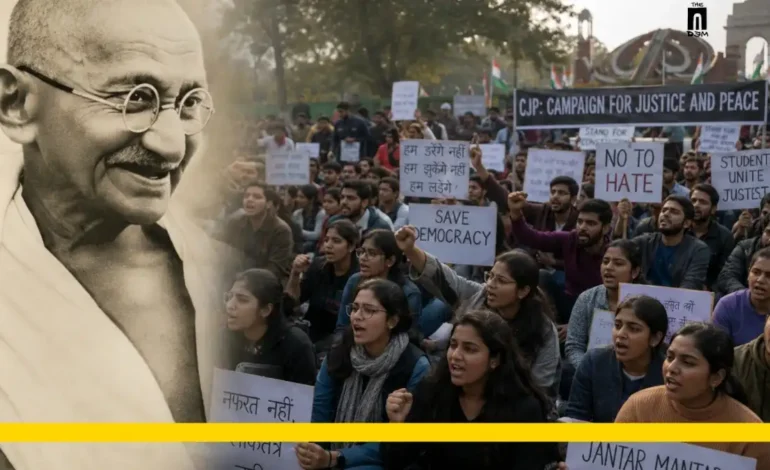






A compelling look at how Gen Z is blending digital fluency with a renewed appreciation for authentic, human connection. The article rightly argues that memes, analog spaces, and creative expression are not just communication tools—they are becoming powerful forms of political participation and civic engagement. Insightful and highly relevant