


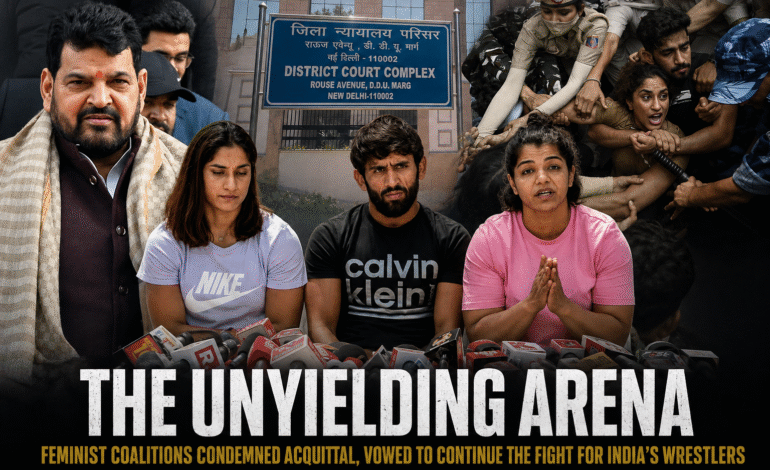
In a profound demonstration of solidarity and a fierce indictment of India’s sporting power structures, a massive coalition of over 250 prominent feminists, women’s rights advocates, and civil society organisations issued a sweeping condemnation following a highly controversial legal verdict. The recent acquittal of Brij Bhushan Sharan Singh, former Member of Parliament for the Bharatiya Janata Party (BJP) and the erstwhile President of the Wrestling Federation of India (WFI) on charges of sexual harassment sent shockwaves through the nation’s human rights networks.
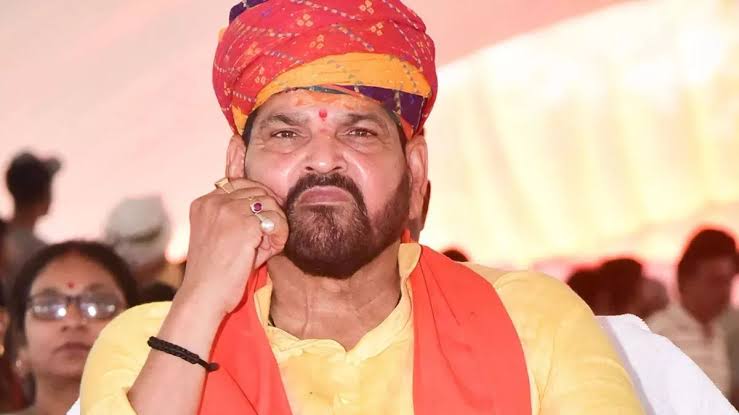
The verdict, delivered by Additional Chief Judicial Magistrate Ashwini Panwar at the Rouse Avenue Court in New Delhi, cleared Singh of the charges brought forward by some of India’s most celebrated athletes. However, the response from civil society was swift, organised, and uncompromising. Far from accepting the judgement as the final word, women’s groups characterised this legal outcome not as a defeat, but as a stark indicator of the daunting, highly politicised obstacles that survivors of sexual harassment face in the country.
The Statement: A Chorus of Solidarity
The signatories of the statement explicitly “hailed the fight for justice against seemingly impossible odds,” emphasising the courage of the wrestlers in challenging the “highly politicised power structures of sports associations in India, where money and muscle power rule the arena”.
“The judgement has acquitted the accused but the fight will continue for justice.”
— Joint Initiative of Women’s Rights Activists.
The activists also pledged to stand by the athletes in their anticipated challenge to this judgement in higher courts. The solidarity statement united a formidable cross-section of Indian society, representing legal minds, academics, transparency advocates, and human rights defenders. Prominent signatories included Senior lawyer Indira Jaising, Uma Chakravarti, Teesta Setalvad, Shilpa Phadke, Aruna Roy, Shabnam Hashmi, and Anjali Bharadwaj.
David vs. Goliath: Taking on Politicised Power Structures
The wrestlers were not merely taking on an administrator; they were challenging a formidable political figure backed by immense institutional clout.
The activists pointed out that before the wrestlers took to the streets, they attempted to navigate the established bureaucratic channels. The statement detailed how the athletes were initially forced to make numerous representations before a series of internal committees. They held formal meetings with high-ranking officials, including the Union Sports Minister and the Chairperson of the Indian Olympic Association.
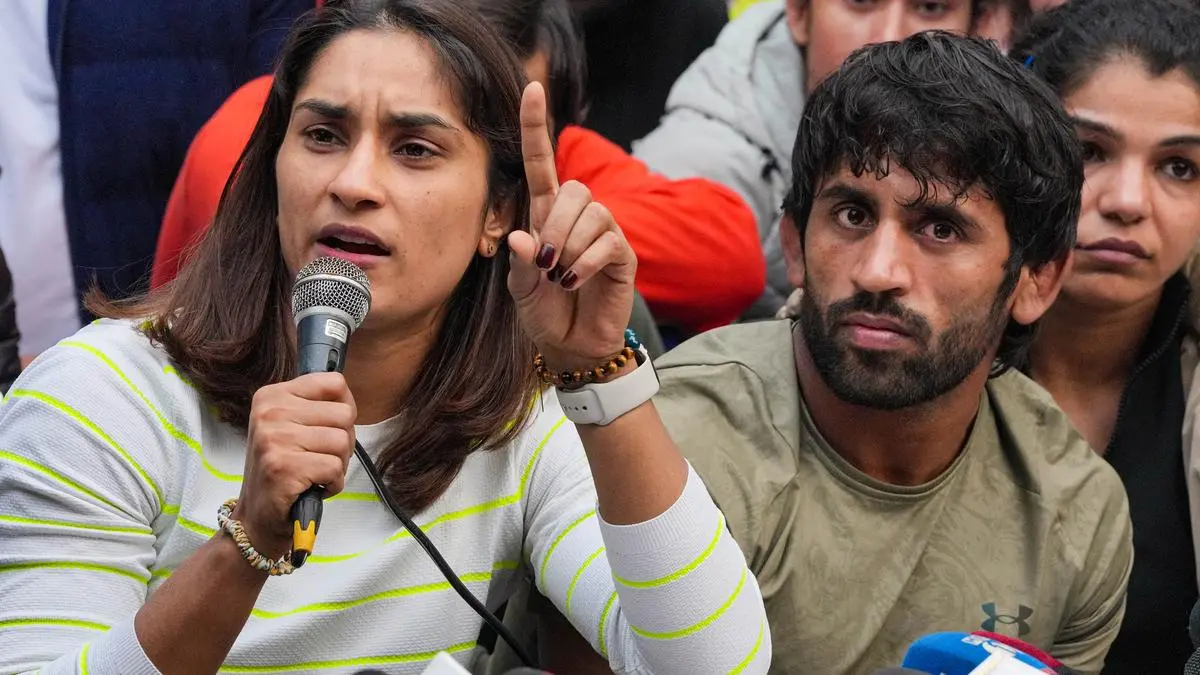
Instead of addressing the athletes’ genuine grievances with the seriousness they warranted, these institutional pathways allegedly “resulted in attempts to silence the complainants”. This structural deafening forced the wrestlers out of the training camps and into the streets, severely jeopardising their athletic careers in pursuit of basic dignity and safety.
The Jantar Mantar Uprising and State Retaliation
The activists recalled the agonising six-month period where the wrestlers had to fight relentlessly simply for the “right to wage a legal battle” against Singh on charges of sexual harassment. The turning point occurred in April 2023, when the Supreme Court of India was forced to intervene. It was solely due to the immense public pressure generated by the wrestlers’ dharna (sit-in protest) that two First Information Reports (FIRs) were finally lodged against Brij Bhushan Sharan Singh. One of these FIRs was filed by a minor, and the second was collectively filed by five wrestlers.
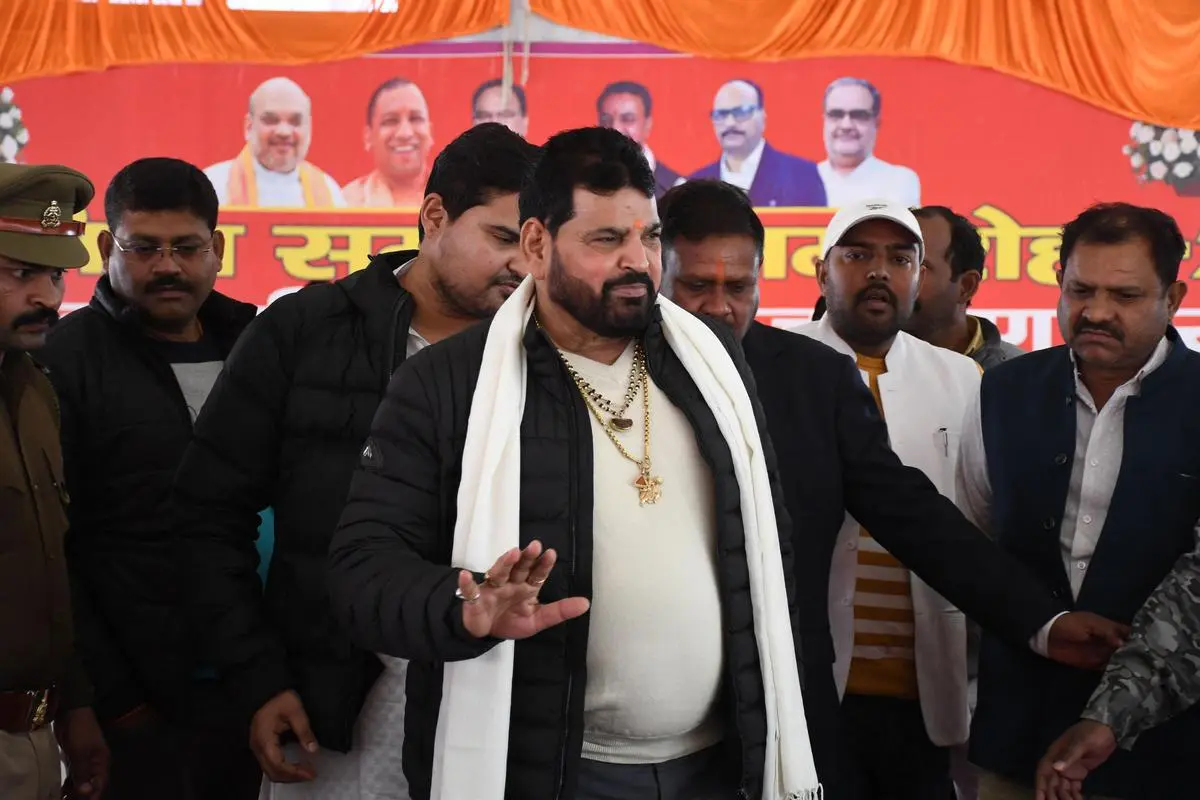
The April and May 2023 protests transcended the sporting community, evolving into a massive social movement. The statement observed that the wrestlers’ demands for Singh’s resignation brought together a diverse coalition of citizens from across India. Senior sports persons, farmers, students, women, and various human rights groups converged to stand in solidarity with the athletes.
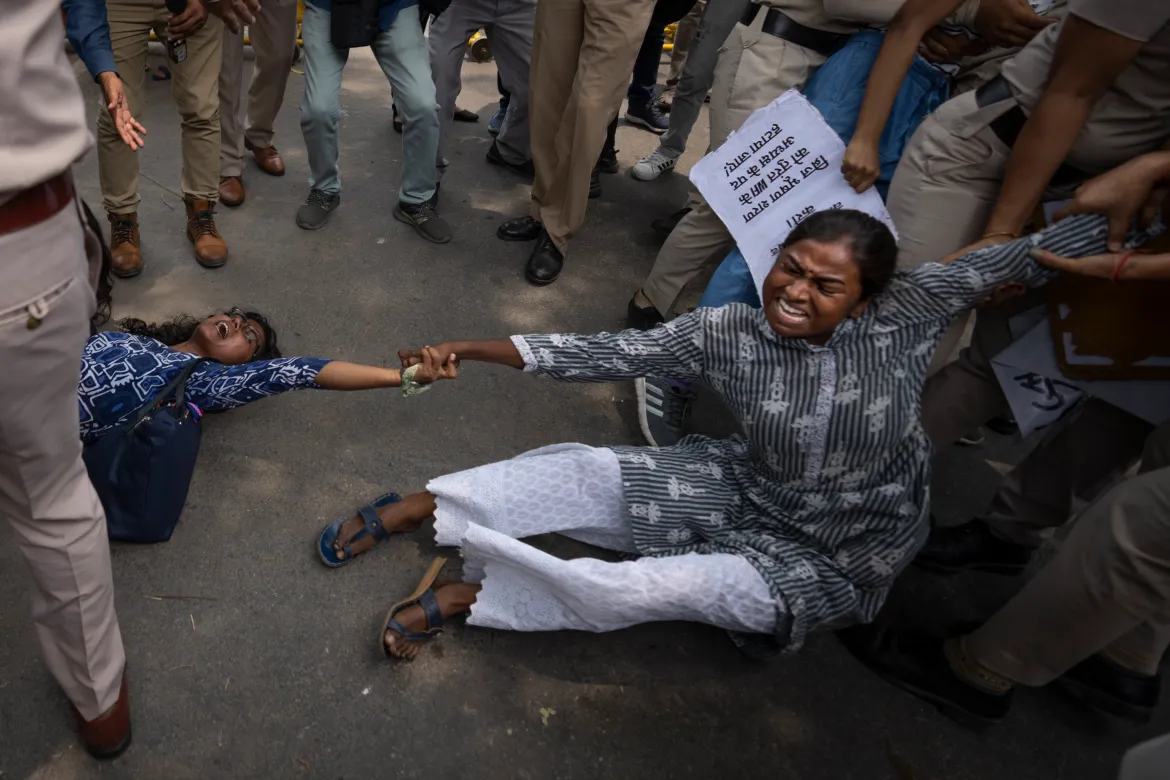
However, this democratic expression was met with what the statement described as severe state repression. The feminist groups explicitly condemned the “violent backlash by the Delhi police,” who utilised excessive force against the protesters. This violence culminated on May 28, 2023, when authorities violently stopped the protesters as they attempted to march to the new Parliament building.
The statement vividly recounted the aftermath of this crackdown, noting a “mass scale detention of the marchers and the wrestlers”. Yet, the resolve of the athletes remained unbroken. When the undeterred wrestlers attempted to return to Jantar Mantar to resume their agitation, they were met with an overwhelming display of state power. The authorities erected “huge barricades to stop any further agitation,” a move the activists attributed to the state’s fear of these courageous women.
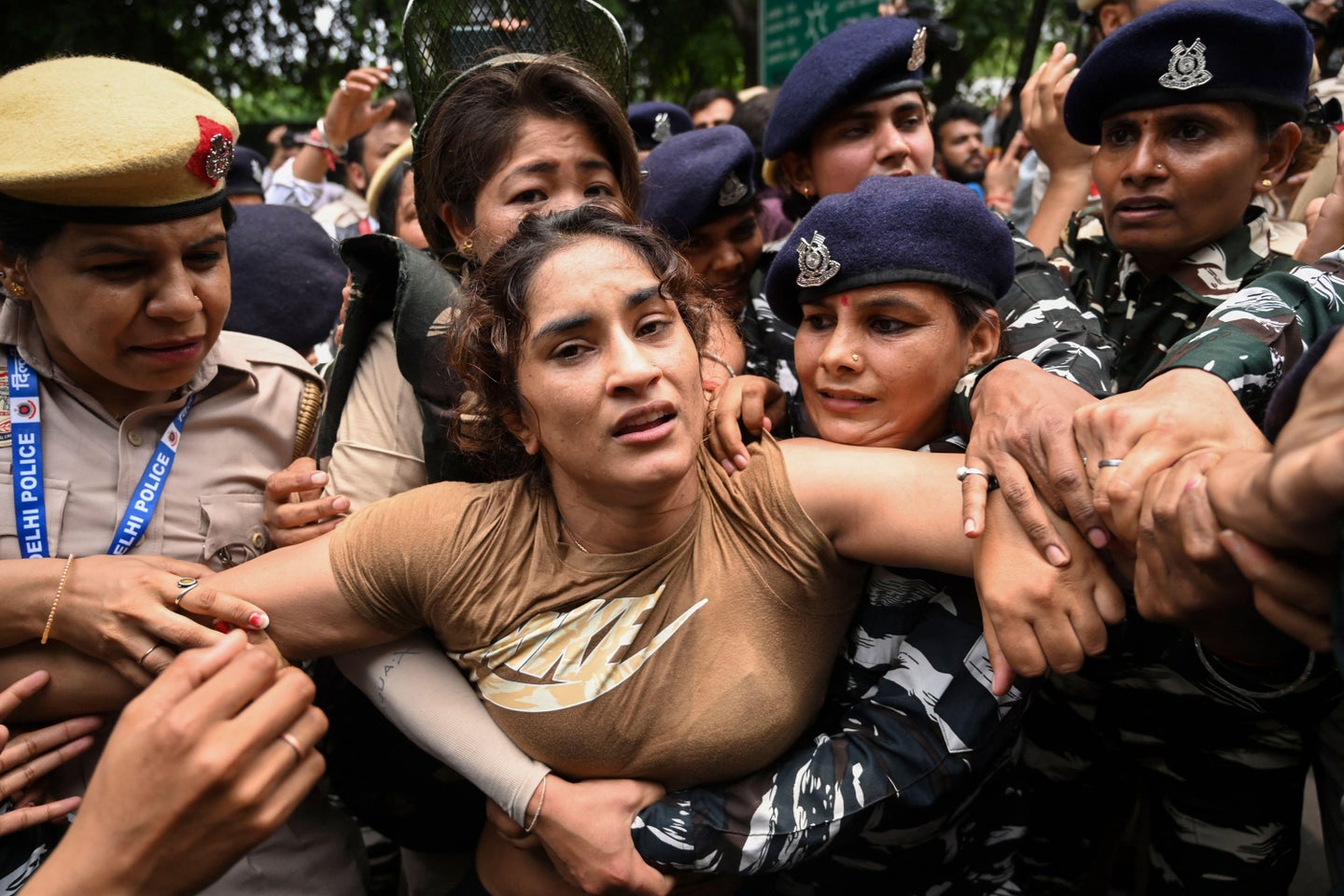
Despite being physically barred from their protest site, the focus of the wrestlers astutely shifted to the judicial system, leading to the filing of a formal chargesheet on June 15, 2023.
The Legal Battlefield: Intimidation, Attrition, and Resilience
The statement issued by the feminist coalition offered a critical, unvarnished look at the gruelling realities of the ensuing legal trial. “From day one, the legal struggle was not easy,” the activists noted.
A central theme of the activists’ condemnation of the system was the alleged intimidation of witnesses. The minor complainant, who had initially accused Singh of sexual harassment, changed her statement. Citing news reports from that period, the activists highlighted claims that the minor’s family “was brought under a lot of pressure” and ultimately “could not withstand the consequences of taking on Brij Bhushan Sharan Singh”.
This attrition continued throughout the trial period. The statement noted that charges against Singh were formally framed in May 2024. Over the course of a trial that lasted more than two years, the immense pressure took its toll on the adult complainants as well. The women’s groups stated that two of the five original complainants ultimately changed their statements during the legal proceedings.
Despite these severe setbacks, the statement reserved profound praise for the resilience of the remaining athletes and their legal representation. Three of the witnesses stood firm, presenting “robust statements” and courageously enduring the gruelling process of cross-examination.
A Vision for the Future: Demanding Systemic Change in Sports
The coalition specifically pointed to the historic neglect of institutional safeguards against sexual violence. They noted that crucial frameworks like the POSH (Prevention of Sexual Harassment) Act and its predecessor, the Vishakha Guidelines, had “remain[ed] un-implemented” in the sporting world until they were finally enforced under the directives of the Supreme Court.
Looking ahead, the 250+ signatories issued a clear set of demands to sanitise the sporting environment:
- Strict Implementation of POSH: The absolute and unwavering enforcement of the Prevention of Sexual Harassment framework within all sports arenas.
- Protection for Whistleblowers: A guarantee that sportspeople who muster the courage to raise complaints of harassment are fiercely protected by the system, “instead of being penalised and silenced”.
- Eradication of Political Interference: The creation of a genuinely safe playing field for all athletes, completely “free of political interference and the crass use of money and muscle power”.
The Fight Continues
In addressing the immediate aftermath of the Rouse Avenue Court’s decision, the women’s groups maintained a stance of unwavering defiance. While acknowledging that the full order of the court was yet to be shared in the public domain for a detailed merit-based analysis, their immediate priority was absolute solidarity with the athletes.
“Today the judgement has acquitted the accused but the fight will continue for justice,” the coalition declared.
The statement concluded with a definitive promise that the movement would follow the legal process to its absolute limits, affirming that they “stand by them in their challenge to this judgement in the higher court”.
The acquittal of Brij Bhushan Sharan Singh may have closed one chapter in the lower courts, but according to the hundreds of powerful voices backing India’s wrestlers, the fight for a fair, safe, and uncorrupted sporting arena had only just begun.






“A powerful reminder that the struggle for justice does not end with a single verdict. This article thoughtfully explores how solidarity among women can challenge entrenched power, keep difficult conversations alive, and strengthen the pursuit of accountability. An important and timely read.”