
Watching Michigan and the Rise of Abdul El-Sayed from Minneapolis

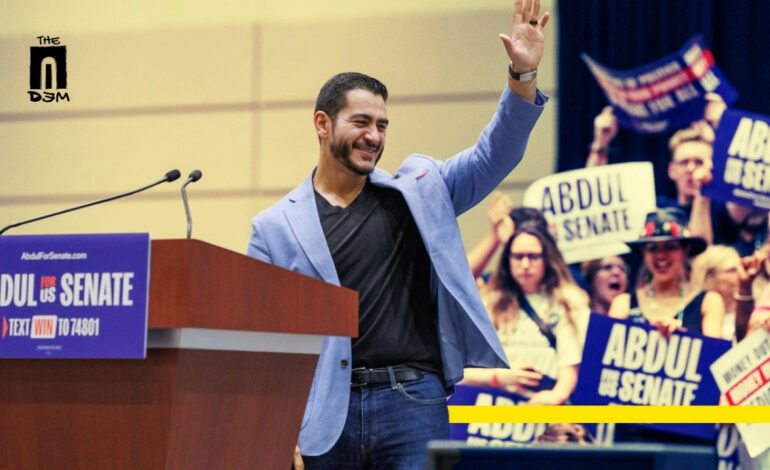
As the closely contested US Senate election in Michigan unfolds, academic N.C. Narayanan, writing from Minneapolis, examines the political significance of Democratic candidate Abdul El-Sayed’s campaign.
Despite attacks targeting his religious identity and opposition from sections of the Democratic establishment, El-Sayed has built support around healthcare, the cost of living and other everyday concerns.
Drawing parallels with Zohran Mamdani’s electoral success in New York, Narayanan explores the growing influence of progressive politics within the Democratic Party and what the Michigan contest could signify for the future of American politics.
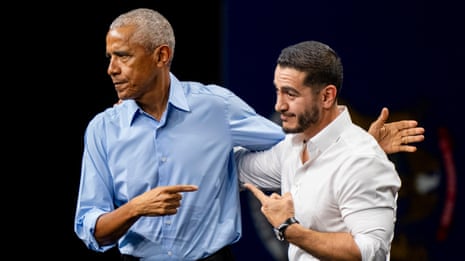
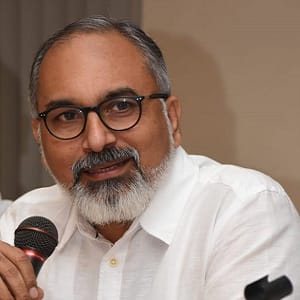
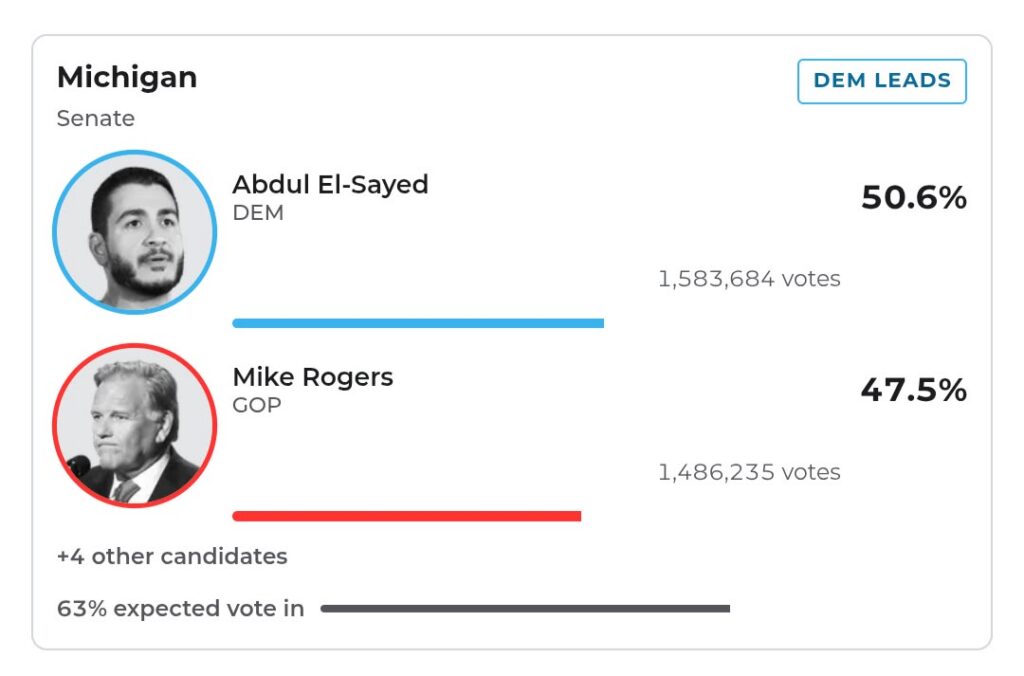
I am writing this from Minneapolis, a progressive city in the Midwest, in the same part of the country as Michigan. People here are following the Michigan Senate race closely, and so am I. Michigan voted on November 3. As I write, the counting is still underway and the race has not been called. I want to set down what I think of the race and what I hope for. The Democratic candidate is Abdul El-Sayed. He is a doctor who once headed Detroit’s health department. He was born in Michigan to parents who came from Egypt. If he wins, he will be the first Muslim in the US Senate.
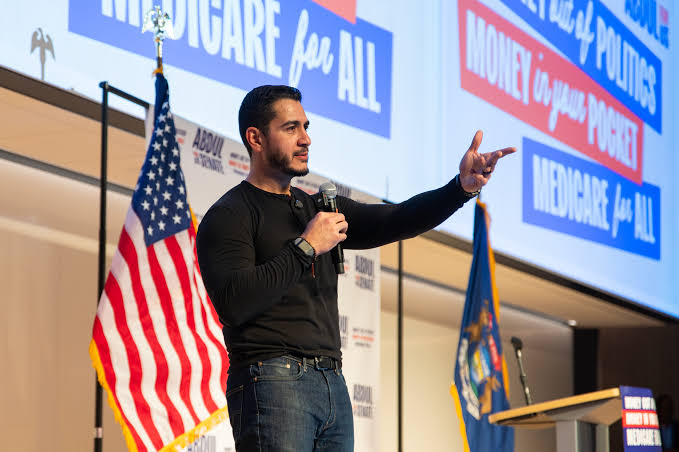
Republicans currently hold the majority in the US Senate, the upper house of Congress. Democrats need to win it back, and for that they must retain the Michigan seat. Michigan has not elected a Republican senator in more than thirty years, but the seat is open this year, and the race is tight.
El-Sayed won the Democratic primary in August against Haley Stevens. She was the choice of Chuck Schumer, the New York senator who leads the Democrats in the Senate, and much of the party leadership. El-Sayed won without their support. Since then, the attacks have not stopped. Republican advertisements began using his full name, Abdulrahman Mohamed El-Sayed, to remind voters that he is Muslim.
At a rally in Port Huron on October 25, President Trump called him a “jihadist Muslim Brotherhood member” and said he would be the only senator who would have to go through a metal detector. El-Sayed denies any links to the Brotherhood, and news reports say no evidence has been presented. Senator Tommy Tuberville of Alabama called him a terrorist. Other Republicans from across the country joined in. Even Bishara Bahbah, who previously led Trump’s outreach to Arab Americans, called the remarks racist.
El-Sayed responded with a joke. He said he would walk through a metal detector every day if Trump would agree to take one lie detector test.
Then came a shock from his own side. On the Sunday before the vote, Haley Stevens withdrew her endorsement and backed the Republican, Mike Rogers. She had supported El-Sayed since the primary. She said he had become angrier, and she objected to his campaigning with the streamer Hasan Piker. Democratic leaders across the country criticised her. El-Sayed’s campaign said it raised $2.4 million that same day.
Some of the unease is real. Some Jewish voters in Michigan are concerned about how he speaks about Israel and some of those with whom he has campaigned. These concerns deserve a hearing. But they do not explain the scale of the attacks on his name and his faith.
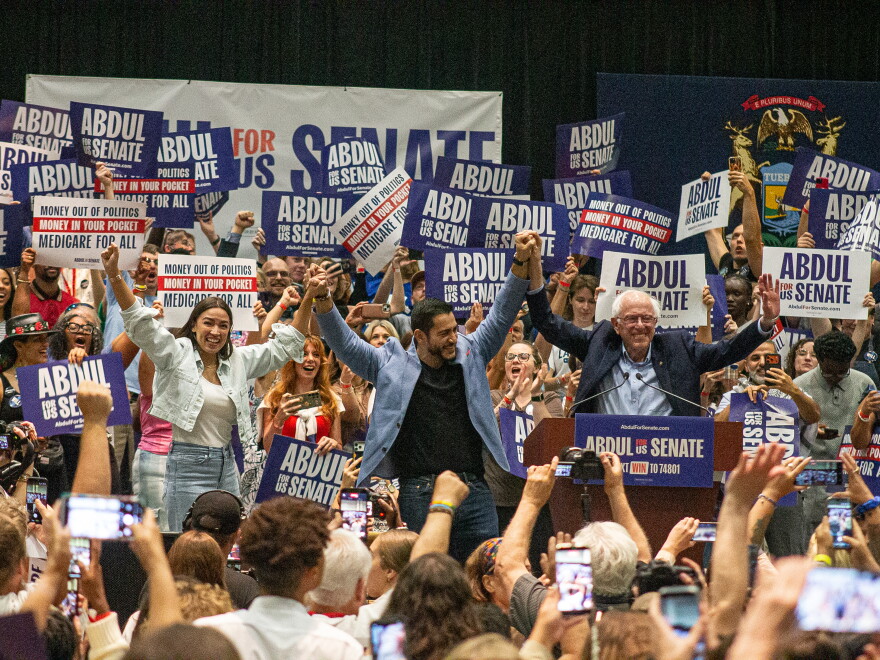
What did he actually campaign on? Healthcare and the cost of living. He worked in public health before he entered politics. He ran for governor in 2018 and lost the primary. This time, he advocated Medicare for All, which means public health insurance for everyone, and he talked about medical bills, medical debt and prices. He did not rely on left-wing slogans. He talked about the things most families worry about.
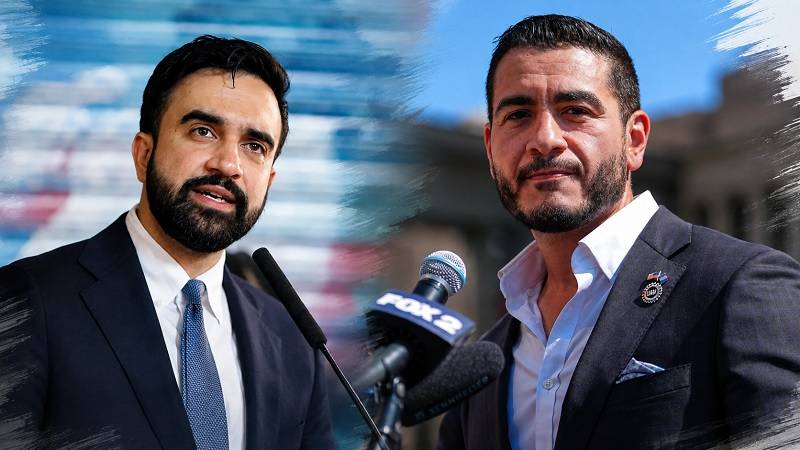
Zohran Mamdani did much the same in New York last year. He talked about rent, buses and prices, and he won the mayor’s office. Both men are young. Both built support through unions, volunteers and community groups. Both defeated candidates the party establishment preferred.
There is a wider trend as well. Mamdani is a member of the Democratic Socialists of America, or DSA, a socialist organisation that works inside the Democratic Party by backing candidates in its primaries. DSA is reported to have 120,000 members. This year, its candidates have defeated at least three sitting Democratic members of the US House in primaries.
These are different campaigns with different programmes. But taken together, they show a growing current of young left-wing politics inside the Democratic Party that is winning primaries it was once expected to lose. They also suggest that a promise of basic welfare can win votes. When the right governs, and public spending is cut, most families pay the price in clinics, through rent and in their wages. That is where an alternative can find its voters.
The race is close, but the trend has been favourable for El-Sayed. Most polls in recent weeks have put him ahead, usually by two or three points. One released on October 27, after the Port Huron rally, had him ahead by six. Many of these leads are within the margin of error, so no one can predict the result.
But look at what this campaign has faced: attack advertisements targeting his name, a rally by the president, and a rival who abandoned him in the final days. Through all of it, he has remained competitive, and ahead in most polls, in a state that has not sent a Republican to the Senate in thirty years. That says something about what voters want.
(Abdul El-Sayed’s campaign opener; published in April 2025)
I hope he wins. He is not perfect, and not every Democrat agrees with him. But a victory would show something. A man attacked for his name and his faith, and abandoned by a rival at the end, would still have won a swing state in the middle of the Trump years by focusing on healthcare and the cost of living. If he loses, the left will have to learn from it. Either way, this campaign has already shown that many people want a different kind of politics.