

Hyderabad Initiative , Nehru’s Internationalism and the Fight for a Democratic World

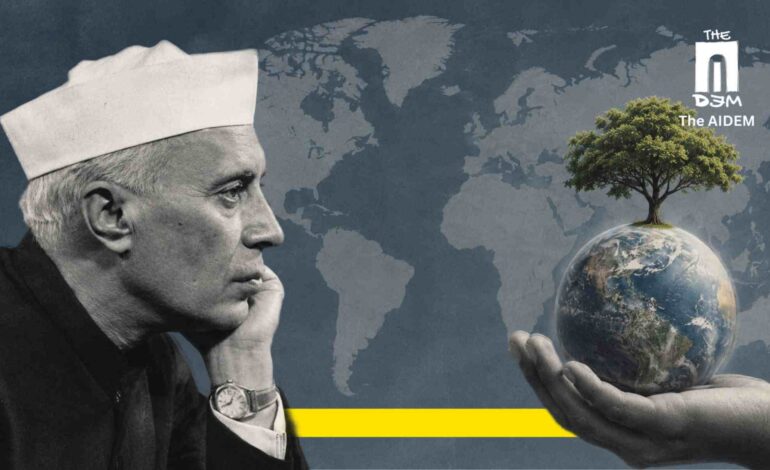
The Congress backed “Our World” Hyderabad initiative offers an opportunity to recover an Indian tradition that linked national freedom with international solidarity. Its credibility will depend on turning that inheritance into a programme for peace, economic justice and democratic renewal.
The Congress-backed “Our World” initiative, associated with the Bharat Summit in Hyderabad, deserves attention beyond the immediate calculations of party politics. Coming on the occasion of Jawaharlal Nehru’s 137th birth anniversary, it invites a substantive examination of an inheritance that commemorative speeches often reduce to familiar slogans: India’s responsibility to help shape a more equal international order. The summit’s announced agenda connects its proposed international platform with questions of strategic autonomy, peaceful coexistence and democratic values.
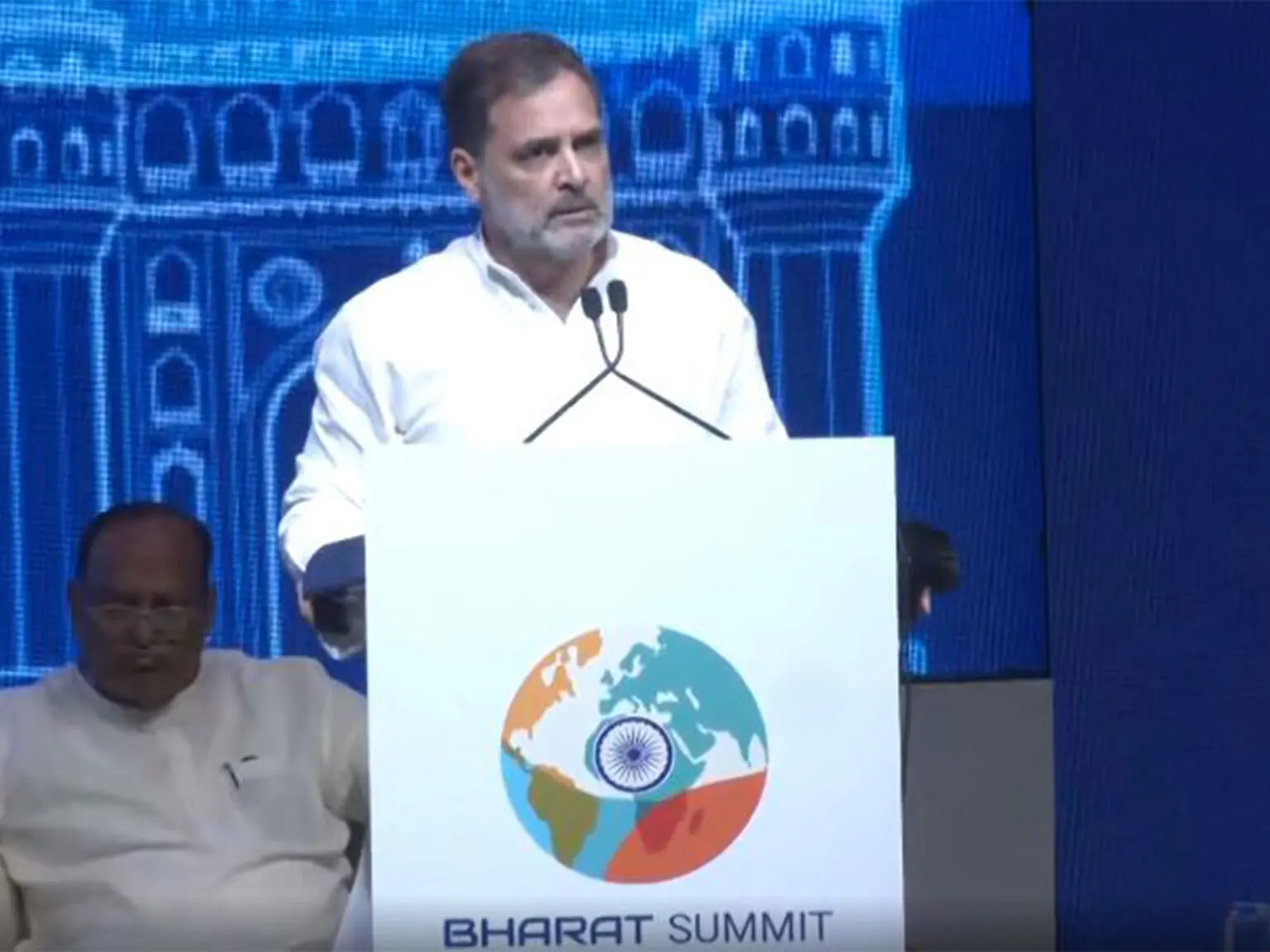 Rahul Gandhi , the Leader of the Opposition in the Lok Sabha, addresses the Bharat Summit in Hyderabad, where the global progressive think tank initiative “Our World” was launched.
Writing in The Wire, Faisal C.K. identifies an important imbalance: the international connections of the populist Right have grown while progressive politics remains excessively confined within national boundaries. His argument that the Hyderabad initiative must develop sustained political work deserves consideration. But the larger question is what kind of internationalism can command credibility among people whose experience of globalisation has involved insecurity, inequality and diminished control over their lives. Nehru’s political development offers resources for addressing that question.
For Nehru, India’s encounter with the world began well before Independence. At the Brussels anti-imperialist congress in February 1927, he explained the relationship between India’s struggle and those of other oppressed peoples. His statement explicitly connected freedom from foreign rule with the liberation of the poor from exploitation. Political independence and social emancipation belonged within the same field of struggle, rather than separate compartments of public life.
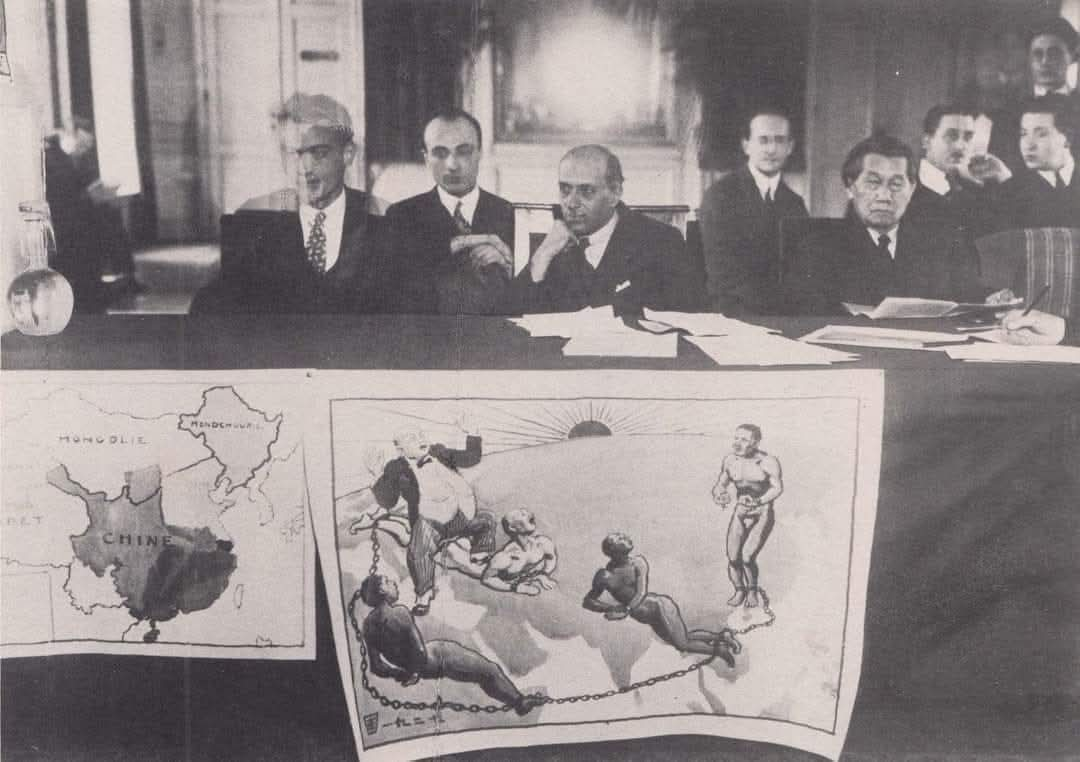 Jawaharlal Nehru (seated near the center, leaning on his hand) attending the International Congress against Colonial Oppression and Imperialism held in Brussels, Belgium, in February 1927.
That distinction remains consequential. A country may possess a flag, an elected government and formal diplomatic equality while its people remain subject to economic arrangements they have little power to influence. Read in this light, Nehru’s Brussels intervention supplies a demanding standard for contemporary claims to represent the Global South: the measure must be the enlargement of people’s freedom, including their freedom from exploitation.
His internationalism also required choices that could not be explained by hostility to British imperialism alone. During his visit to Spain in 1938, Nehru witnessed air raids and expressed solidarity with the Republican resistance to fascism. In his subsequent account, he rejected the possibility of harnessing India’s freedom struggle to the totalitarian powers, even if they offered assistance against Britain. The character of an international partner mattered, as did the purpose for which solidarity was extended.
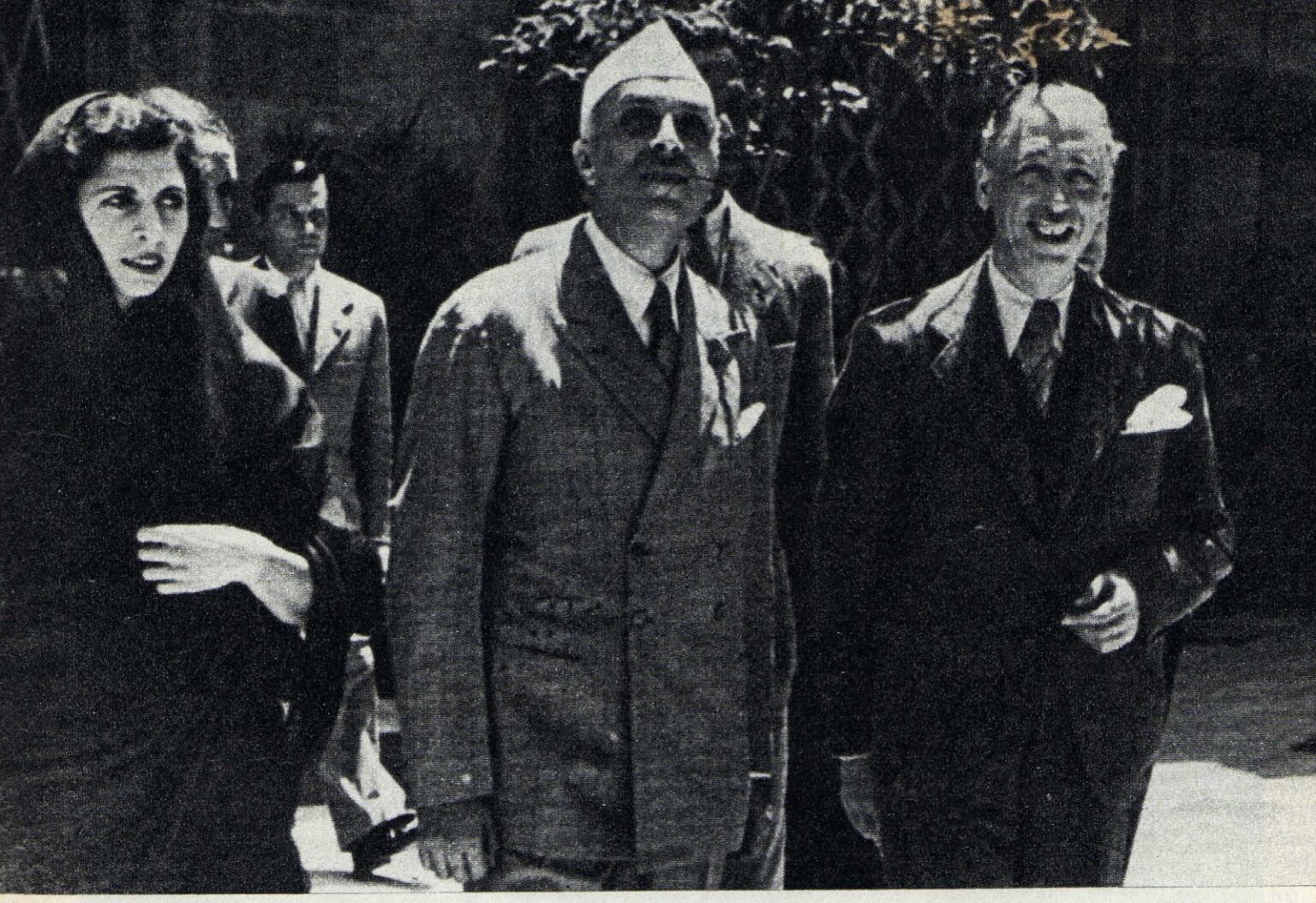 Jawaharlal Nehru in Spain during the Civil War, with the Catalan President Lluís Companys (right) and Bhicoo Batlivala (left), the Parsi lawyer and Indian independence campaigner.
This is a particularly relevant inheritance for the present. Opposition to Western domination cannot provide a blanket justification for authoritarianism elsewhere. Equally, professions of democracy cannot excuse colonial practices, racial hierarchies or the denial of another people’s freedom. A progressive internationalism loses its ethical foundation when its standards change according to the identity of the offending power.
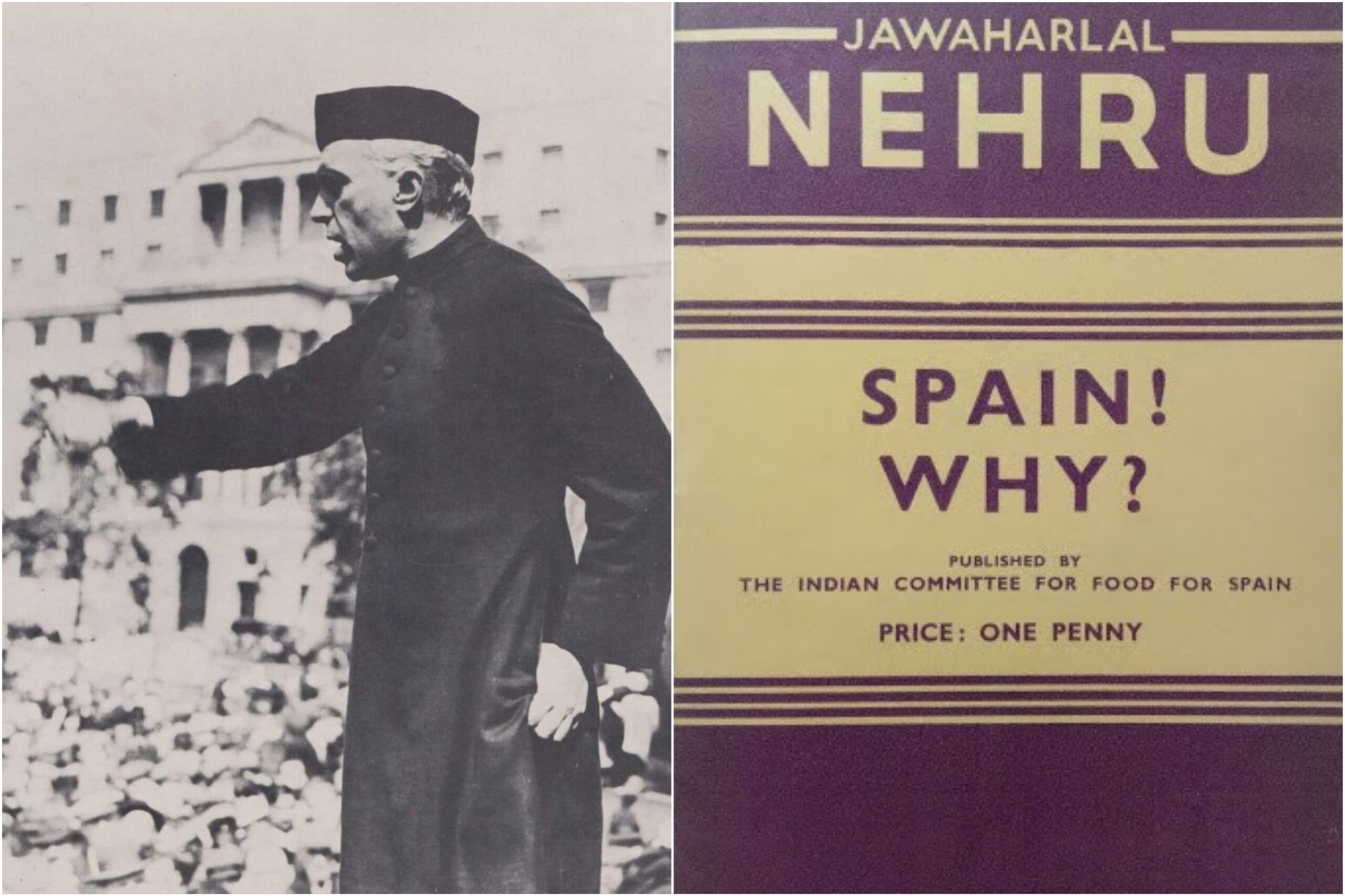 Jawaharlal Nehru at the Trafalgar Square meeting in support of the Spanish Republic, on July 17, 1938 (right) ; his 1938 pamphlet “Spain! Why?” (left), reflecting his opposition to fascism and commitment to international solidarity.
Nehru carried his international commitments into the institutional initiatives of the emerging Indian state. The Asian Relations Conference in New Delhi in March–April 1947, held before Independence, created a space for Asian societies to meet as participants in the making of their own future. Its significance lay in the assertion that peoples long discussed through the administrative vocabulary of empire could speak and deliberate for themselves.
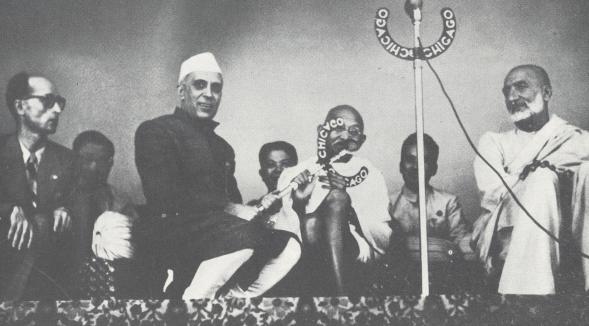 Jawaharlal Nehru (second from left) sits alongside Mahatma Gandhi (center) and Khan Abdul Ghaffar Khan (right) at the Asian Relations Conference, on April 2, 1947 (New Delhi). Spearheaded by Nehru months before India’s independence, the landmark summit united 28 Asian nations to foster post-colonial solidarity and shape his vision of Asian internationalism.
The January 1949 conference on Indonesia gave that orientation a concrete political purpose. Convened in New Delhi amid the threat to Indonesian independence, it brought international attention and collective pressure to bear on a continuing colonial conflict. Here was an early demonstration that India could use its newly acquired diplomatic freedom in support of another country’s struggle for sovereignty.
These initiatives also illuminate the relationship Nehru perceived between nationalism and internationalism. India’s independence would remain vulnerable in a world where colonial coercion continued to enjoy legitimacy. Supporting the freedom of others helped establish the wider conditions within which India’s own freedom could endure.
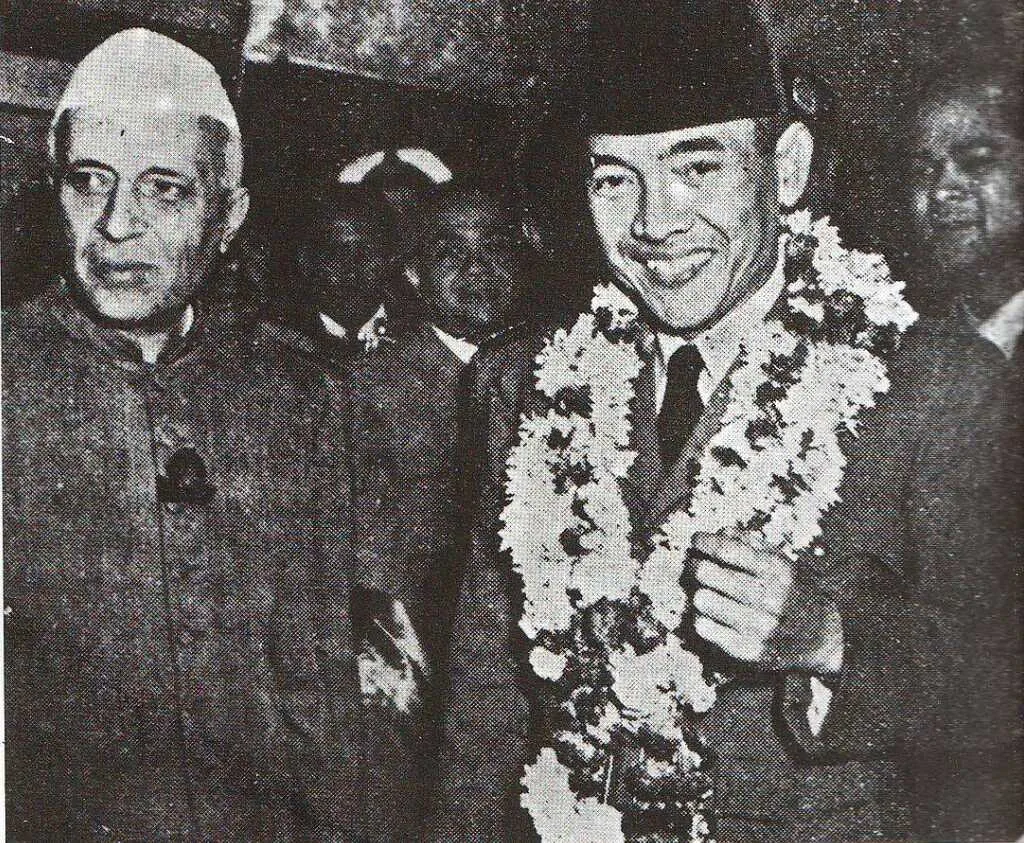 Nehru with Indonesian President Sukarno (left), the first chief guest at India’s Republic Day celebrations on January 26, 1950, reflecting the strengthening of India–Indonesia ties following the 1949 New Delhi Conference on Indonesia.
The Bandung Conference of 1955 expanded this effort. India was one of five co-sponsoring governments, alongside Burma, Indonesia, Pakistan and Ceylon, and the gathering brought together representatives of 29 Asian and African countries. Its principles included self-determination, sovereign equality, non-aggression and non-interference. Bandung was a collective achievement, involving governments with different political systems and strategic concerns. Its importance rested partly in their ability to establish common ground despite those differences.
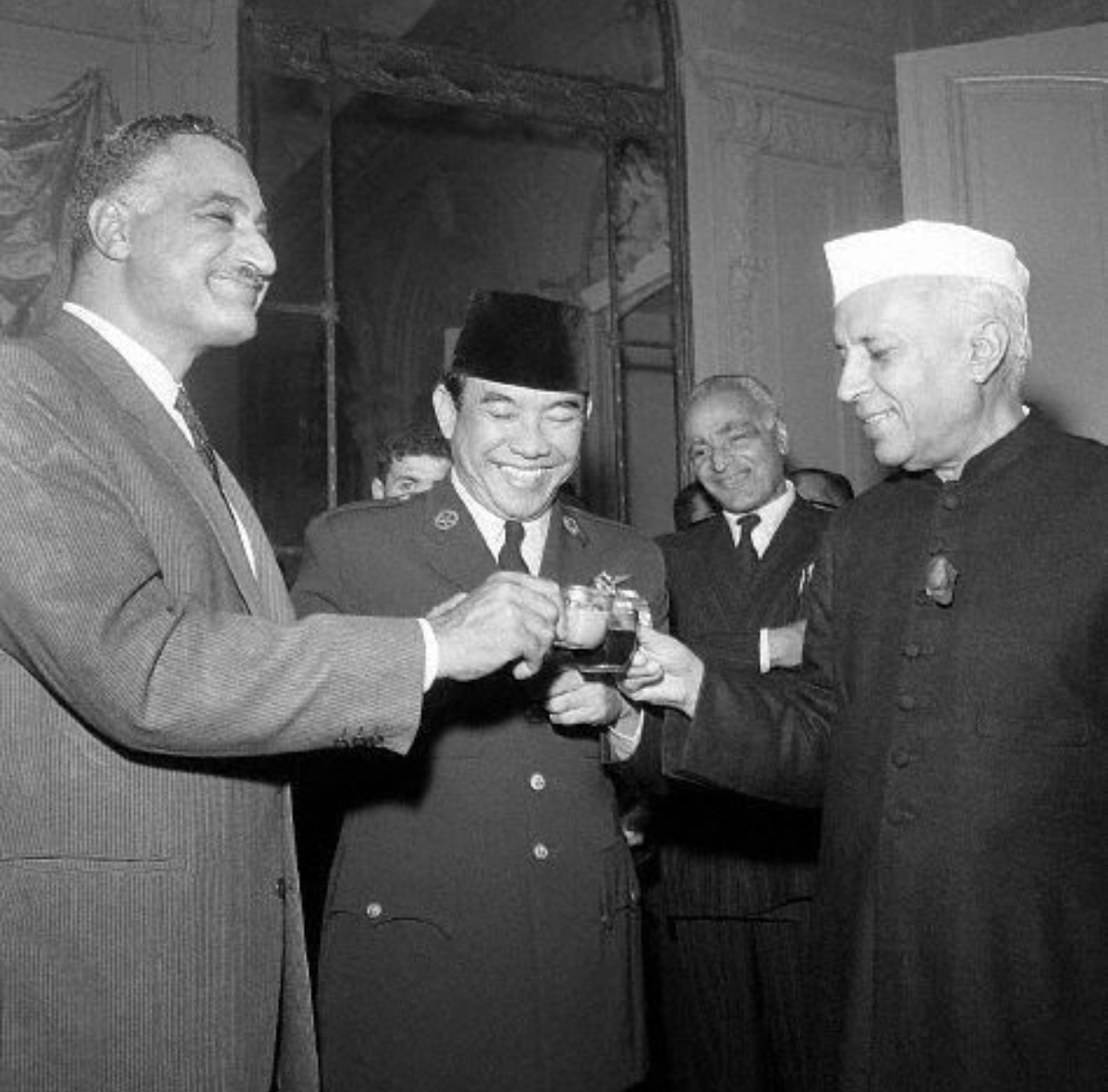 Egyptian Prime Minister Gamal Abdel Nasser (left), Indonesian President Sukarno (center), and Indian Prime Minister Jawaharlal Nehru (right) share a toast during the historic Asian–African Conference in Bandung, Indonesia, in April 1955.
The subsequent institutionalisation of non-alignment, including the Belgrade conference of 1961, sought to preserve the capacity of newly independent countries to exercise political judgement. For India, this meant retaining room to assess international questions without accepting the predetermined obligations of a military bloc. Peace and autonomy also had an immediate domestic purpose: they created space for the formidable work of development and nation-building.
This connection between peace and development deserves renewed emphasis. Military competition consumes resources, narrows political debate and strengthens arguments for secrecy and exceptional executive power. Countries confronting poverty and inadequate public services have a particular interest in resisting an international order that treats expanding military expenditure as the principal measure of national seriousness.
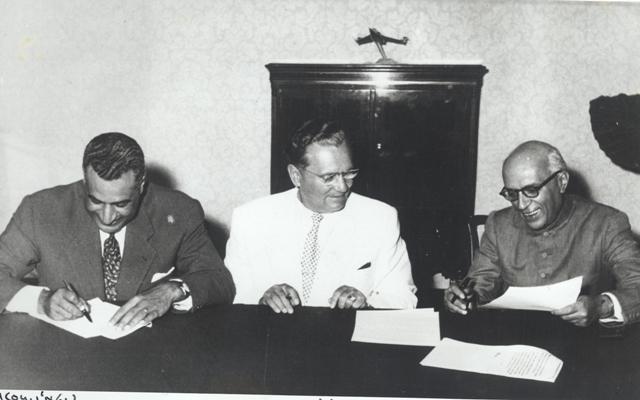 Drafting the Belgrade Declaration: Indian Prime Minister Jawaharlal Nehru (right) works alongside Yugoslav President Josip Broz Tito (center) and Egyptian President Gamal Abdel Nasser (left) at the First Conference of Non-Aligned Nations in Belgrade in September 1961. Together, the leaders helped shape the founding Belgrade Declaration and an urgent appeal for peace to the US and Soviet Union, establishing a unified stance on nuclear disarmament, anti-colonialism, and Cold War neutrality.
India’s role in Korea demonstrated that an independent position could involve difficult practical responsibilities. Under Nehru, India chaired the Neutral Nations Repatriation Commission and supplied a custodial force to deal with prisoners of war. The undertaking involved the contested implementation of an armistice, requiring administrative commitment as well as diplomatic judgement. It illustrates a dimension of internationalism that declarations alone cannot supply: the willingness to undertake work that helps make peace possible.
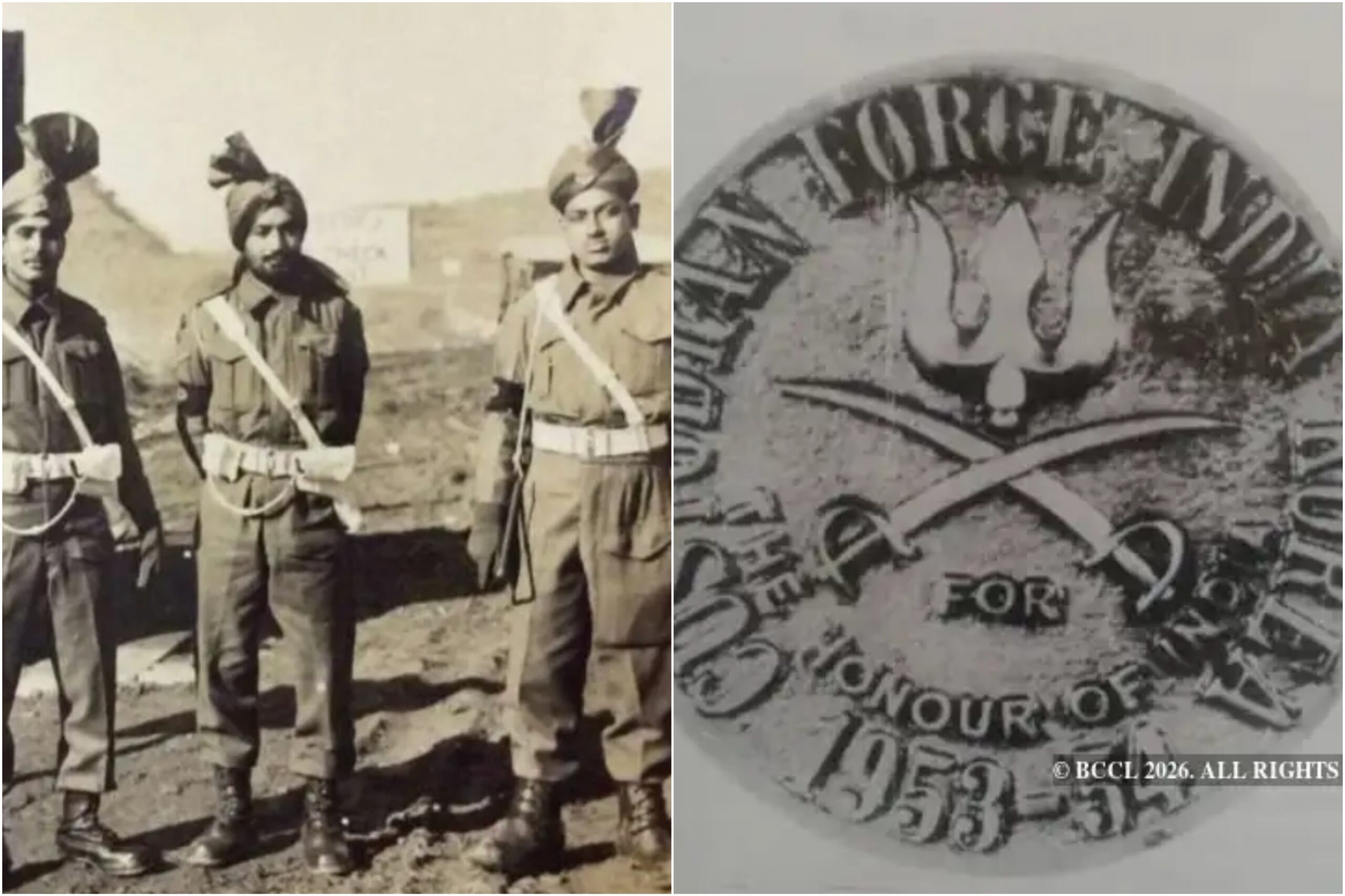 (Left) Military police of the Custodian Force of India (CFI) stationed at the Demilitarized Zone in Korea to oversee the voluntary repatriation of prisoners of war. (Right) The official CFI commemorative medallion featuring the trishul and crossed swords. The mission operationalized Nehru’s foreign policy doctrine of positive neutrality and multilateral diplomacy through the United Nations.
Nehru’s intervention on nuclear testing similarly widened the terms of international discussion. On April 2, 1954, he proposed a standstill agreement on nuclear test explosions; India subsequently brought the issue before the United Nations Disarmament Commission. The proposal asserted that decisions taken by nuclear powers concerned humanity as a whole. The countries exposed to the consequences of their actions had a legitimate claim to participate in the debate.
In a draft prepared at Bandung the following year, Nehru connected nuclear testing with contamination of the air and the human entitlement to an uncontaminated environment. This did not amount to a contemporary climate policy, but it expressed a principle with clear relevance today: technological and military power cannot confer an unrestricted right to impose harm across borders.
Recovering this legacy also requires scrutiny of its inconsistencies. The simultaneous crises in Egypt and Hungary in 1956 exposed tensions in India’s approach. Nehru firmly opposed the assault on Egyptian sovereignty, while India’s response to Soviet intervention in Hungary generated controversy, including over its vote against a United Nations resolution. His parliamentary explanations reveal the difficulty of reconciling independent judgement, incomplete information and the pressures of competing powers. They deserve examination rather than ceremonial evasion.
The contemporary lesson is that strategic autonomy needs transparent standards. Territorial sovereignty, civilian protection and political freedom must remain applicable across alliances. Otherwise, independence of judgement can become a convenient description for selective indignation.
For an initiative such as “Our World”, these historical experiences suggest a programme more demanding than diplomatic networking. Peace should be connected to the public expenditure required for health, education and social protection. International economic cooperation should be judged by whether it strengthens the bargaining power of workers and indebted societies. Scientific cooperation should expand access to knowledge and technology, while subjecting their uses to public accountability.
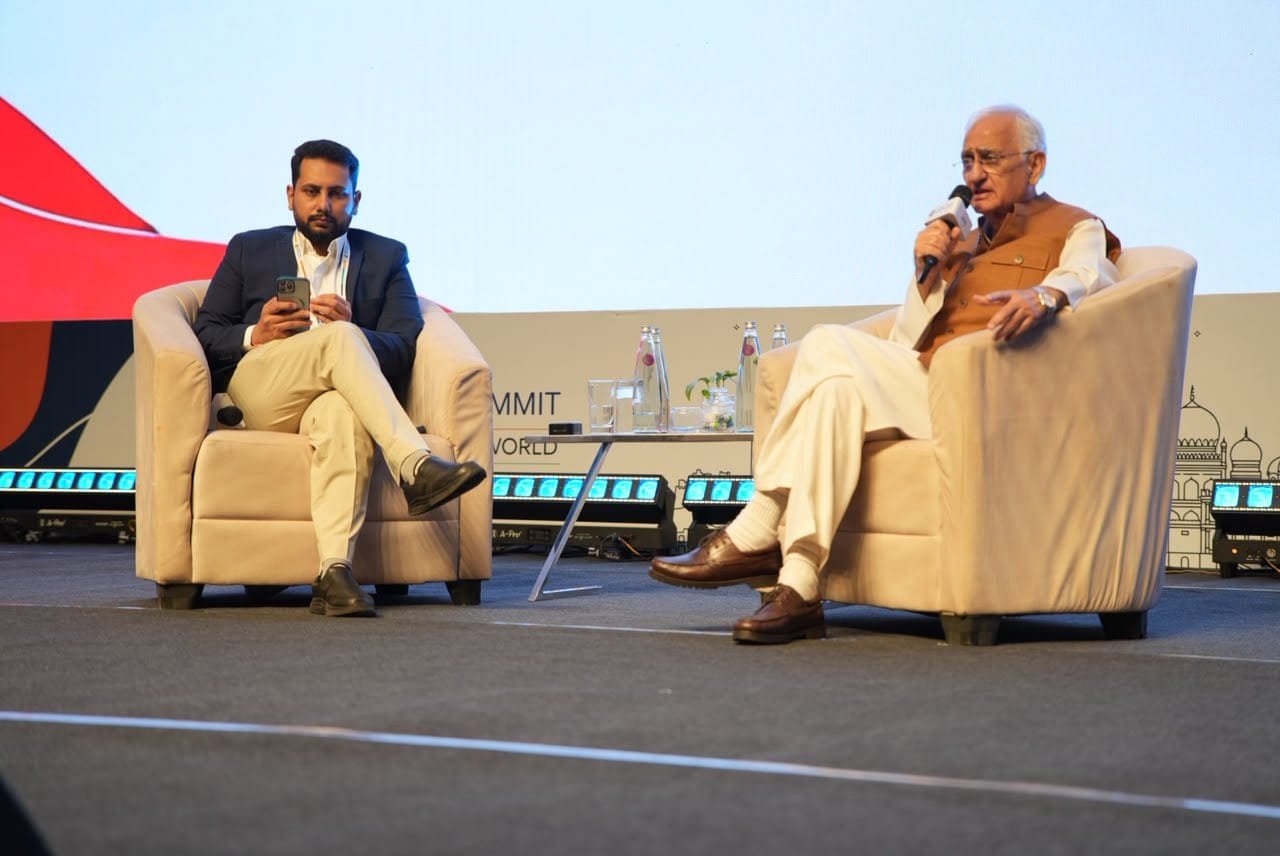 Former Union External Affairs Minister and AICC Foreign Affairs Department Chairman Salman Khurshid (right) speaks during the opening plenary session, “Navigating the New World Order – View from India,” at the Bharat Summit 2026 in Hyderabad on November 13, 2026, where the Congress party unveiled ‘Our World’—a new global umbrella think tank aimed at uniting progressive policymakers and thinkers across borders.
Climate justice requires the same combination of principle and practical work. A credible platform should bring together researchers, affected communities and public institutions to examine who bears the costs of energy transitions, large infrastructure projects and ecological damage. The language of international solidarity acquires substance when it assists people confronting displacement, insecure livelihoods and decisions made without their participation.
Such a platform must also permit disagreement within its own ranks. Parties describing themselves as progressive should be willing to examine their records on economic inequality, minority protection, civil liberties and war. Shared affiliation cannot become an exemption from scrutiny, and the participation of trade unions, social movements, journalists and universities should extend beyond invitations to speak at conferences.
On Nehru’s birth anniversary, the most useful tribute would be to recover the scale of his political imagination and subject its application to democratic examination. He understood that India’s future would be shaped partly by the international conditions it helped create. The Hyderabad initiative will establish its relevance if it enables people and institutions to act on that understanding—through cooperation that makes peace more durable, public power more accountable and freedom more substantial.








Writing
Nehru’s internationalism was rooted in a powerful belief that India’s freedom could not be separated from the freedom, dignity and economic justice of people across the world. The Hyderabad Initiative, ‘Our World’, must go beyond political networking and ceremonial declarations to build genuine solidarity against imperialism, authoritarianism and global inequality. Its real test will be whether it can defend democratic values consistently, promote peace and make international cooperation meaningful for ordinary people. Reviving Nehru’s vision requires action, not just remembrance.