
The 80s’ AI Craze: When We Started Smiling for the Machine

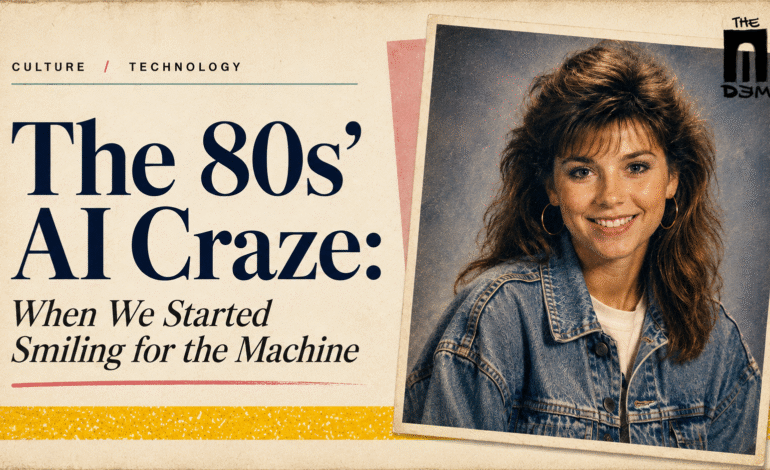
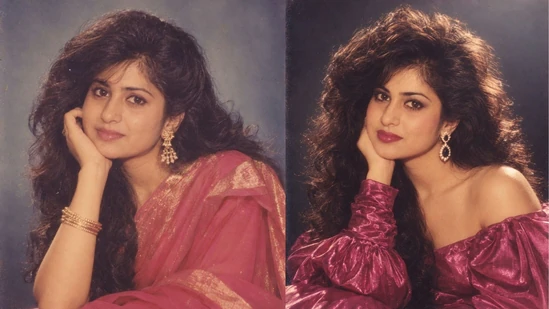
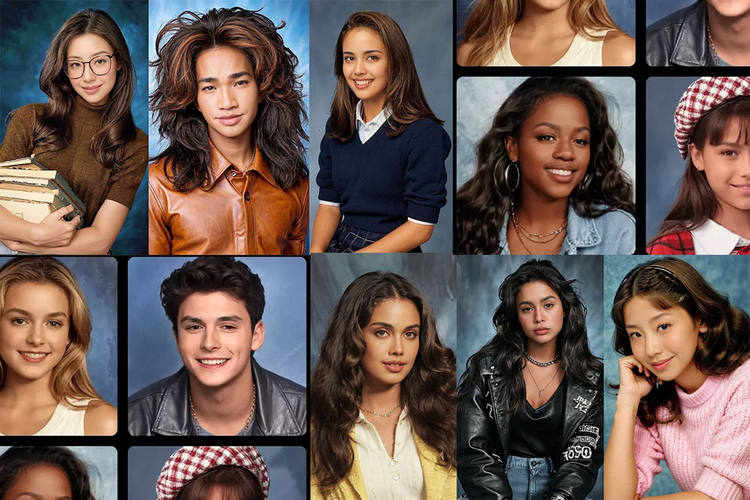
Over the past few days, social feeds have filled with a familiar stranger: you, decades younger, in an oversized denim jacket and feathered hair, lit by the soft grain of a studio you never sat in. Generative AI apps have turned this into a ritual, trading a high definition selfie for a retro, filtered alter ego. Politicians, celebrities and millions of ordinary users have all taken part.
The instinct is to read this as harmless fun, and mostly it is. But it sits oddly next to how anxious we claim to be about artificial intelligence, biometric tracking and a future run by algorithms. The 80s’ AI portrait craze doesn’t prove those anxieties were fake. It shows something narrower, and in a way more useful: how quickly concern about surveillance evaporates once the exchange feels nostalgic, funny, or flattering enough.
The Economics of a Trend
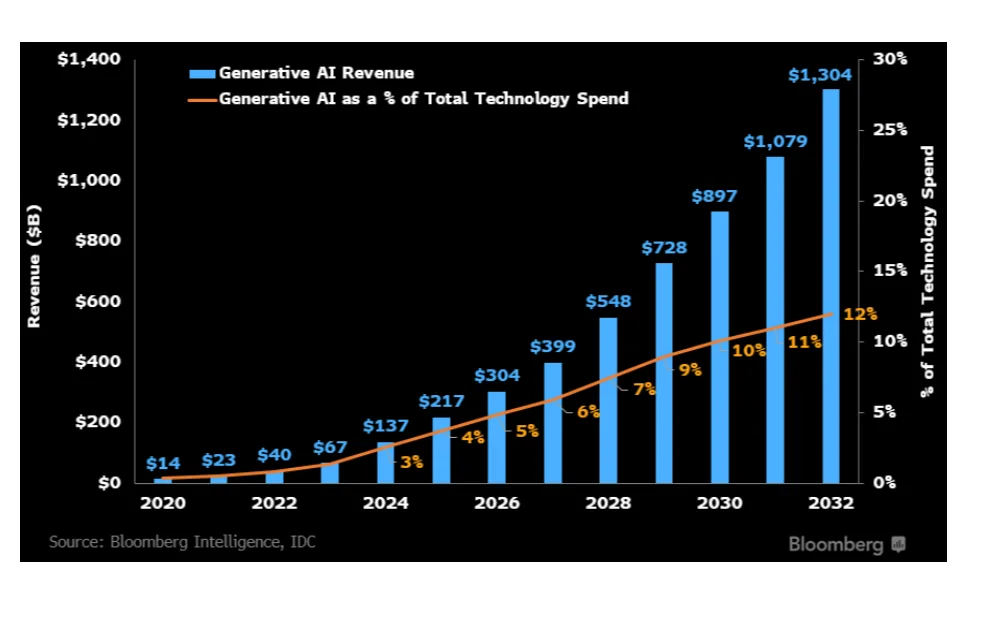
To see how thoroughly this has moved from novelty to industry, look at the money. Estimates of the global generative AI market vary enormously depending on what’s counted, Bloomberg Intelligence puts the 2026 figure near $67 billion, while broader forecasts that fold in consumer apps and enterprise tools run as high as $161 billion. Whichever number is closest, the direction is the same: a curiosity from three years ago is now a mainstream, heavily monetized habit.
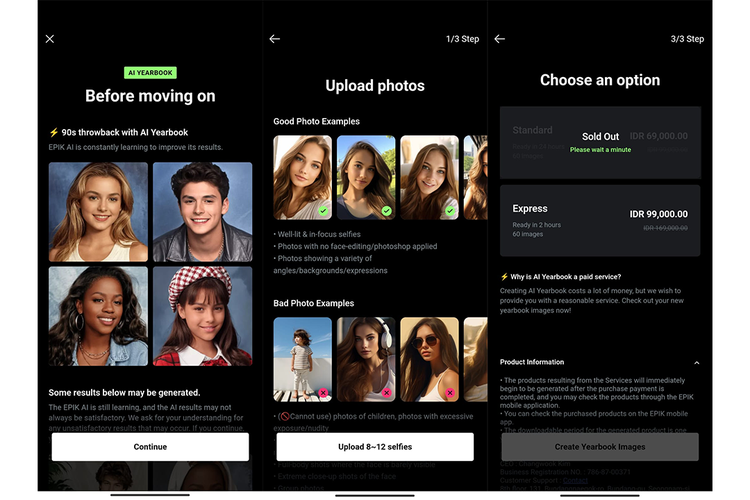
The current wave has been driven largely by EPIK, an AI photo editor from South Korea’s SNOW Corporation. (Most coverage of EPIK’s original viral yearbook feature described it as a 90s’ throwback; the 80s’ framing has circulated alongside it, and the app now offers both eras as templates, a reminder that the aesthetic is somewhat interchangeable, even if the underlying appeal isn’t.) At its peak, EPIK reached number one on the U.S. App Store; the analytics firm data.ai estimated it generated close to $7 million in iOS consumer spending in a matter of weeks, with pricing running from roughly $4 for standard processing to $10 for express delivery.
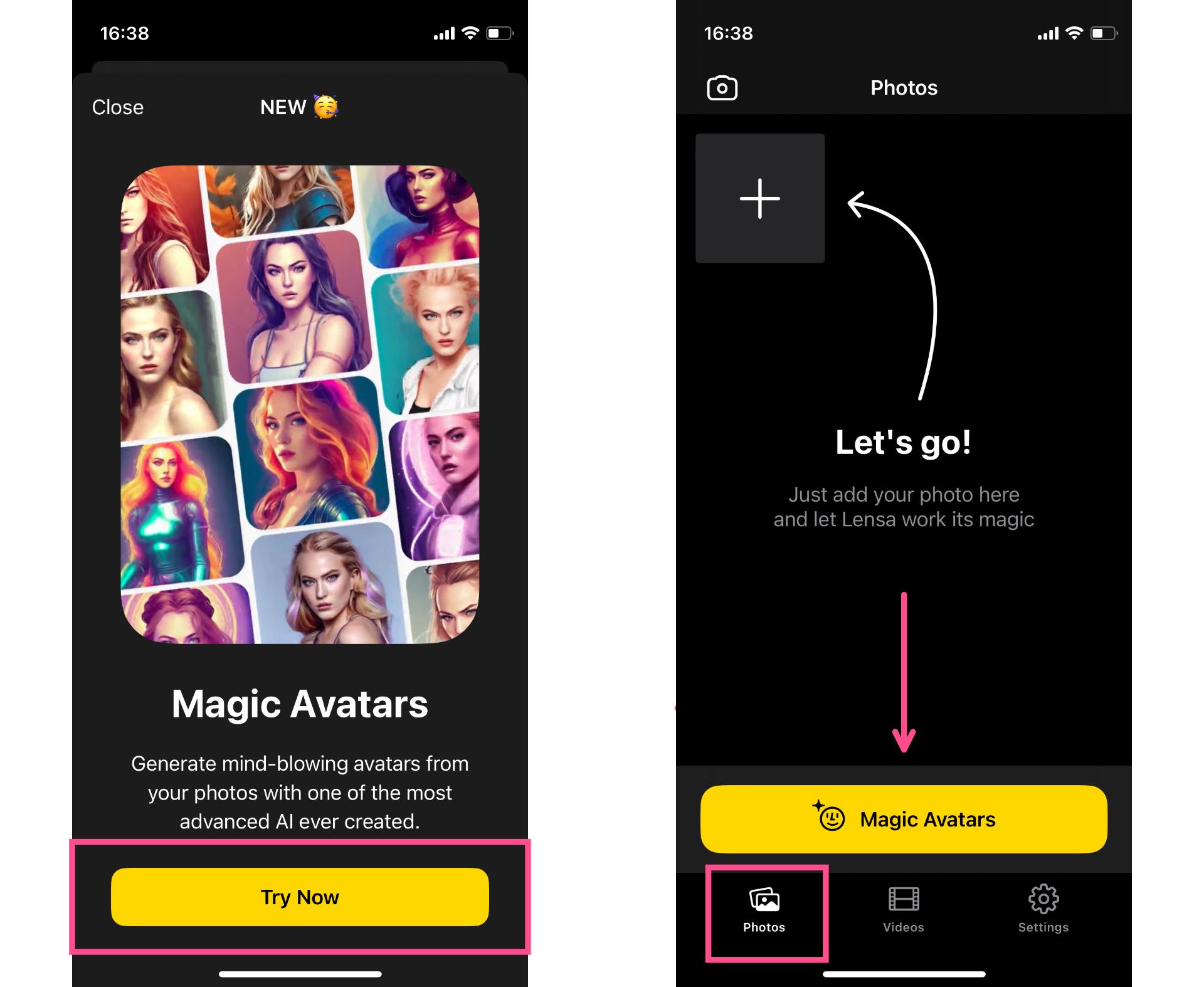
It followed a template set by Prisma Labs’ Lensa AI, whose “Magic Avatars” feature launched in late 2022. Downloads went from 219,000 in October to 19.3 million in December, according to AppMagic; December revenue alone reportedly reached $30.7 million. People weren’t just accepting a new kind of machine interaction, they were paying a premium for it, funding the very pipelines that process their faces.
What the Technology Actually Does
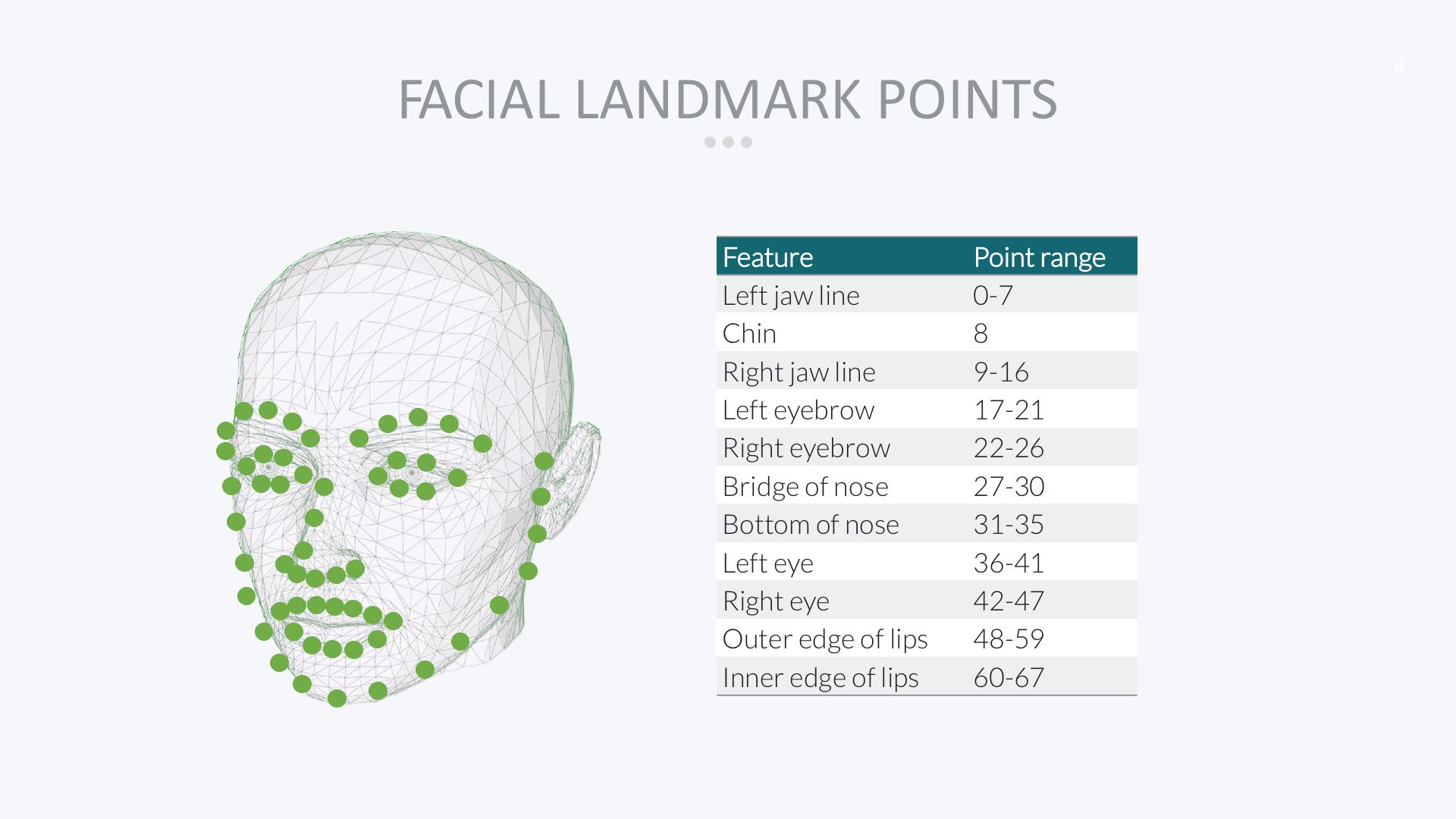
Making a convincing retro portrait takes more than a color filter. Users upload a clear photo of their face or, for Lensa, ten to twenty from different angles and the app detects the face, aligns it, and maps the landmarks: the distances between eyes, nose, mouth and jaw.
It’s worth being precise about what that involves, because the categories get flattened a lot in coverage of this trend, including in earlier drafts of this one. Facial landmark detection finding the eyes, nose and jawline to align or warp an image is standard for any face filter, on these apps or on Instagram. Generative synthesis, the diffusion process that repaints a face into a new style, is a separate step built on top of that. Neither is facial recognition in the sense that matters for surveillance: recognition means comparing a face against a reference to identify or verify a specific person, the way a passport gate or a police database does. Nothing in a stated retro portrait pipeline claims to do that.
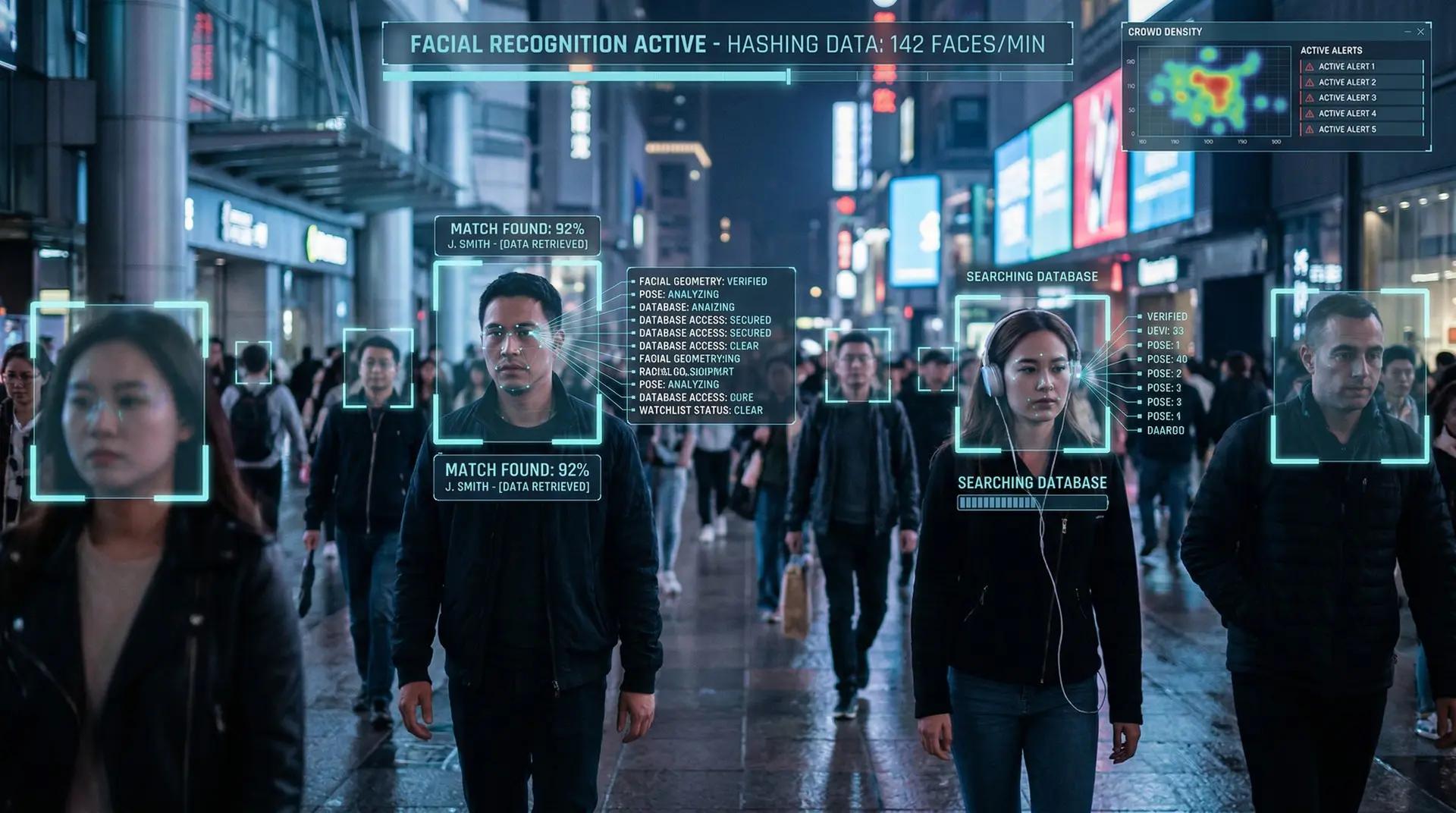
The connection to law enforcement grade facial recognition is real, but looser than “the exact same technology.” Both trace back to the same lineage of convolutional neural networks and the same basic move turning a face into a mathematical representation a machine can act on. Training a model to generate a face and training one to identify a face draw on overlapping tools and, often, overlapping training data, even though the two tasks and their consequences are different. The more defensible claim isn’t that yearbook apps are secretly running face recognition on their users; it’s that every one of these trends adds to a growing normalization of large scale, casual facial data collection and that the datasets, techniques and comfort levels built up here don’t stay contained to one app’s use case.
Apps like EPIK say they delete uploaded images once processing is finished, and there’s no strong reason to doubt that as a stated policy. But a company’s retention policy describes what it does today, not what becomes possible once a pipeline built to read millions of faces exists at all. The more durable change isn’t in any one company’s data logs, it’s in the user’s own sense of what’s normal to hand over, and to whom.
Why the 80s’, Specifically
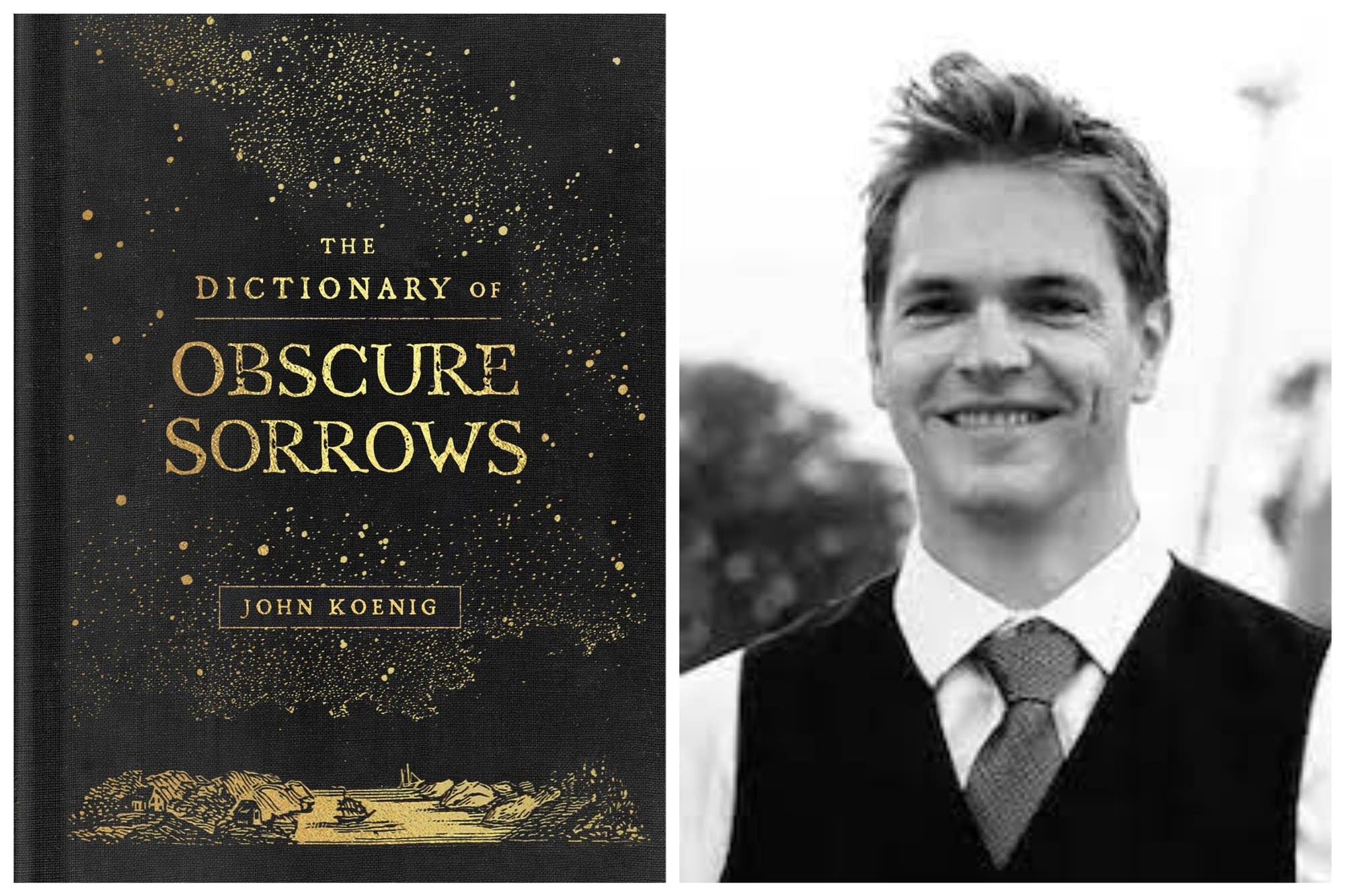
Commentary on this trend keeps reaching for “anemoia”, nostalgia for an era you didn’t personally live through, a term the writer John Koenig invented in 2012 for his project The Dictionary of Obscure Sorrows. It names the feeling well, even if it explains the appetite for it better than it explains why an algorithm is what satisfies it.
Scarcity might be closer to an explanation. A phone today can hold tens of thousands of photos; a family album from the actual 1980s held a couple hundred, and each one carried more weight for it. These apps manufacture that scarcity on demand sixty curated images instead of several thousand throwaway ones without film, developing, or waiting.
There’s a real tension worth sitting with here, more interesting than anything about surrender: people are using the most advanced end of image generation technology available to simulate an escape from exactly that kind of technology. The output is deliberately degraded, grain, blur, faded color, an off center flash engineered imperfection standing in for a past when photographs were rarer, and less controllable by the person in them.
Boom, Fade, Repeat
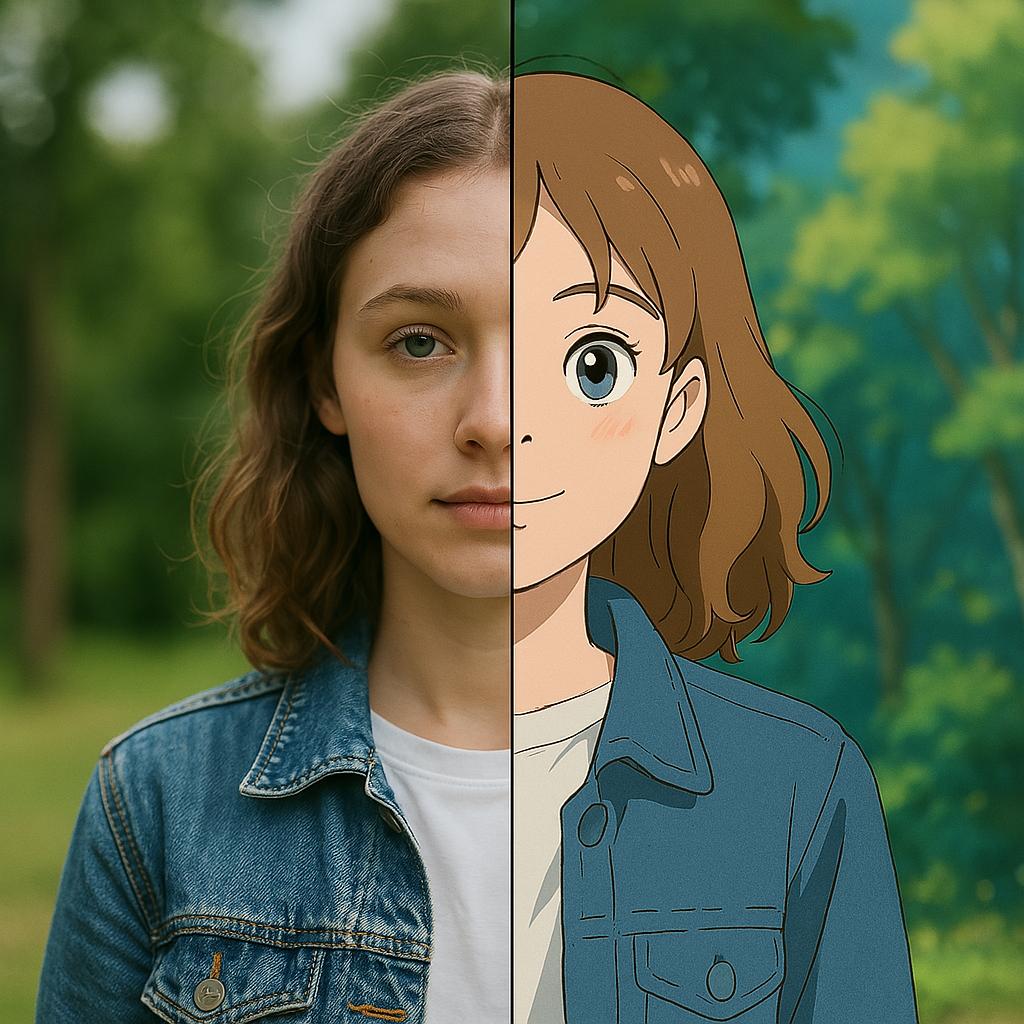
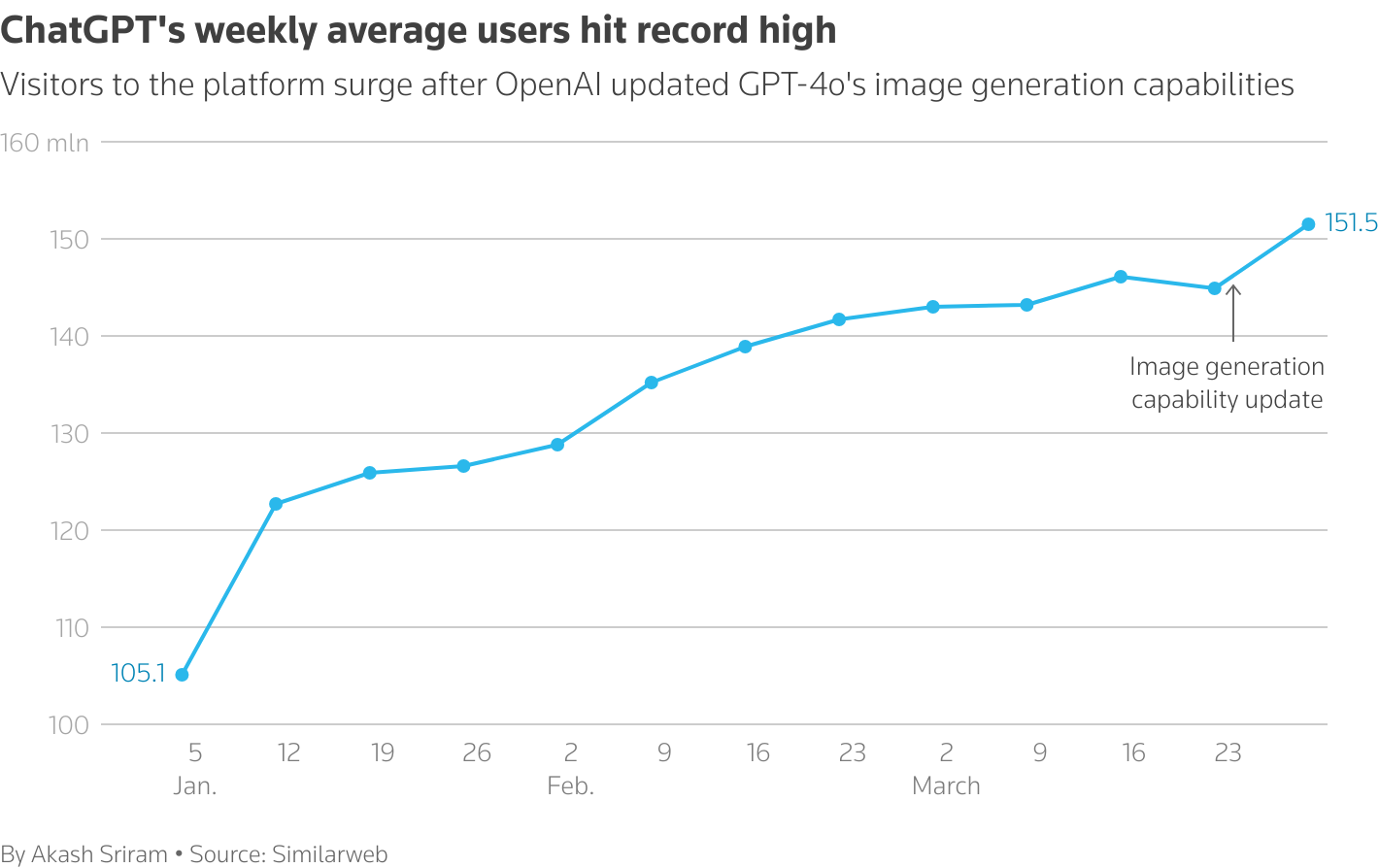
The 80s’ look isn’t the first act of this particular play, and the previous ones are worth being specific about; they’re the closest thing this piece has to evidence for its own argument. In late March 2025, OpenAI added native image generation to ChatGPT, and within days users were feeding it selfies and asking for a redraw in the hand painted style of Studio Ghibli, the animation studio behind “Spirited Away” and “My Neighbor Totoro.” The surge was immediate and, for once, precisely measured: Sam Altman said the company gained roughly a million new users in a single hour; Similarweb data showed ChatGPT’s weekly active users topping 150 million for the first time that year; OpenAI’s chief operating officer later put the week’s output at more than 700 million generated images. The company rationed free tier users to three images a day because, as Altman put it, its GPUs were “melting.”
The privacy questions arrived almost as fast as the images did, and they were close to word for word the questions this piece is asking about the 80s’ craze. Commentators asked whether uploaded faces were being folded into training data without clear consent, whether OpenAI’s practice of retaining chat content indefinitely and for up to 30 days after a manual deletion meant the photos would outlast anyone’s interest in them, and whether the real risk sat with the swarm of copycat apps built on OpenAI’s API, several of which had far less transparent data policies than OpenAI’s own. None of that was answered so much as it was outpaced. Within about two weeks the aesthetic itself had already moved on first to a boxed “action figure” portrait, then to a “Barbie box” variant using the identical upload a photo mechanism under new packaging. The analytics firm Insightrackr found that daily downloads for one copycat app jumped from under 3 million to more than 5 million at the height of the Ghibli wave, held above 4 million for nearly a month, and fell back by early May. That chart traces attention, not resolution: no public accounting of what happened to the tens of millions of faces uploaded that month ever arrived, mostly because no single moment forced the question, the news cycle simply moved to the next filter.
A slower, more diffuse version of the same pattern has been running through 2025 on TikTok and a rotating cast of regional apps CapCut, Xingtu, Hypic, Dreamina, where users trade ordinary couple photos for AI generated “wedding portraits,” sometimes for a partner who was never asked. It’s messier than Ghibli’s single company spike, without one obvious infrastructure strain or executive tweet to mark its peak, but it runs on the same mechanism at a slower burn: a face, an upload, and a company whose data practices are rarely the reason anyone joins in.
What distinguishes the 80s’ wave from Ghibli’s isn’t the mechanism; it’s the absence of a plaintiff. Ghibli borrowed a beloved studio’s aesthetic and ran straight into a live copyright fight, because a specific and vocal industry illustrator, one outspoken director, had standing to object. Yearbook nostalgia has no equivalent rights holder to push back, which is likely why this round has drawn commentary about surveillance and comparatively little about intellectual property. The data question underneath it, though, is the same question asked again, with fewer people left in the room to ask it.
A Quieter Kind of Machine Governance
“Machine governed world” conjures a dystopian AI ruling over a subjugated population. The version Harvard’s Shoshana Zuboff described in coining the term “surveillance capitalism” is quieter: companies treating human experience as free raw material, mostly with a consent nobody reads. What’s distinct about the yearbook trend is that the extraction isn’t hidden behind a free service. People are paying for it, in cash, in public, enthusiastically.
Call it participatory surveillance: nobody here is tricked into handing over their face; they’re delighted into it. Whether any specific company retains, trains on, or resells that data is a fair question for its privacy policy and for regulators one this piece can’t settle app by app. What’s harder to dispute is the cumulative cultural effect: every viral round of face uploading makes the next request for biometric data, whether from an app, an employer, or a government system, feel a little more unremarkable.
The Smiling Surrender
None of this requires believing the trend is sinister, or that the people doing it are naive. Someone can enjoy a good filter, distrust the company running it, and worry about surveillance in the abstract, all at once that contradiction is the more interesting finding, more useful than any claim that people have simply stopped caring.
What the 80s’ AI craze shows is how little friction is needed to make biometric data sharing feel normal, even fun, once it arrives wrapped in nostalgia and a little film grain. That’s a cheaper and more durable route to acceptance than any single policy or mandate could buy.
We are not being marched into a more surveilled world against our will. We’re paying a few dollars, uploading a selfie, and politely asking the machine to make us look good.



A fascinating reflection on the AI dreams of the 1980s and how quickly those early fantasies have become part of our everyday reality. What once seemed futuristic and almost magical now shapes the way we work, communicate and even see ourselves. This piece is a timely reminder that while machines may grow smarter, we must never stop asking who controls the technology—and whether we are shaping the machine, or slowly learning to smile for it.