

Gyanesh Kumar, Bhasmasura, Mohini and the Vanishing Voter

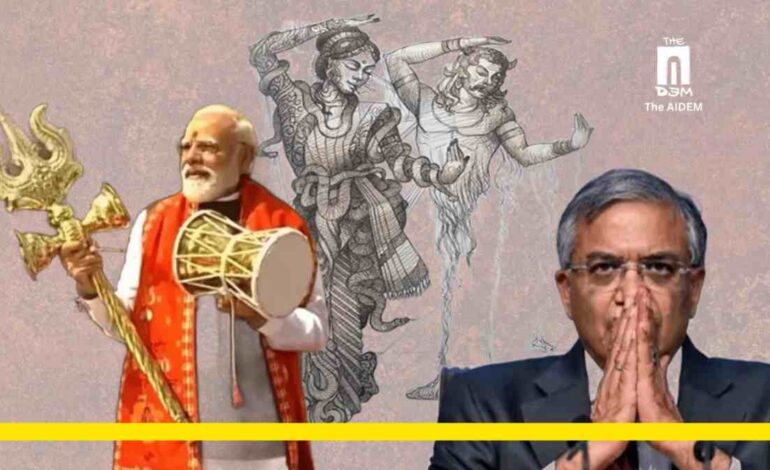
What happens when a voter who has cast ballots for decades suddenly disappears from the electoral roll? What begins as Nalin Verma’s personal encounter with a deleted name soon becomes a larger reckoning with electoral rights, institutional power and the fear that keeps many citizens silent.
In this edition of Everything Under The Sun, Verma moves from the anxiety of disappearing voters to the ancient tale of Bhasmasura and Mohini, drawing a provocative parallel between myth and the politics of power. At its heart is a timeless question: what happens when power becomes so absolute that it begins to turn against itself?
My wife and I had been voters in Patna for decades. In August 2025, I approached election officials to transfer our constituency from Digha to Phulwari Sharif — within the same city — where we had shifted. But the officials told me that neither my wife’s name nor mine existed on the electoral roll; they had been deleted.
Perplexed, I showed them our voter ID cards and said, “We have been voters for well over three decades. We have been voting since the days when the Election Commission did not even have the practise of issuing ID cards. We got the cards issued in our names when the EC introduced them. Why are our names missing?”
“No problem! Fill Form 6 and your names will be restored,” the official said. In a hurry to get our names restored, my wife and I filled in Form 6, as prescribed by the official, pasting our photographs and signing in the designated spaces.
Within a month, we received new ID cards through India Post. The cards had new EPIC numbers. But they were for the Digha Assembly constituency. I was happy that our right as voters had been restored, but I wondered what had happened to our voting history.
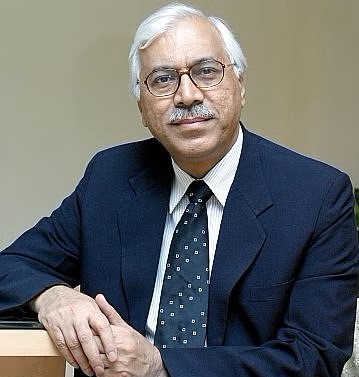
Former Chief Election Commissioner Dr S.Y. Quraishi has pointed out that Form 6 is meant for enrolment as a new voter, while Form 8 is used for correction, shifting of residence and replacement of an EPIC. That has left me jittery again, wondering why the election officials got us to fill in Form 6 instead of Form 8.
The question agitating my mind is this: “When the Election Commission deletes a citizen who has voted in Patna for over three decades and then issues that person a brand-new EPIC through Form 6, almost as if they were an 18-year-old first-time voter, does that constitute a restoration of rights — or an erasure of electoral history?”
A journalist by training, I was taught by my editors — H.K. Dua in Delhi, and A.J. Philip and P.S. Sen in Patna — to place the people’s cause above my personal grievances in my journalism. I made my debut as a reporter with the Hindustan Times in 1987, and I normally avoid beginning my columns or reports in the first person or dwelling on my own grievances.
Going by the ideals and ethics my editors taught me, I had kept this grievance to myself. However, a couple of days ago, an elderly professor friend associated with a government-aided university in Delhi shared a similar story with me, and I thought I had finally found the “solid peg” for this column.
The professor and his wife had been voters in Delhi for over three decades. When he shifted from South Delhi to Faridabad and recently approached election officials to have their electoral address changed, he discovered that both his name and his wife’s had been deleted from the electoral rolls.
I called him early this morning, Sunday, to obtain the exact details — his wife’s name, the polling stations concerned and so on. He refused, pleading: “Please don’t mention my name. Don’t quote me. I can be subjected to a lot of harassment that you cannot even understand. I am very supportive of the Generation Z activists, you and other journalists who are raising their voices against the high-handedness of the Election Commission. But coming out publicly on the issue might create a lot of problems for me at my advancing age.”
With the deadline for this column approaching, I decided to begin with my own story, in the hope that many readers might find echoes of their own grievances in it. This column, however, is not intended to defame or tarnish the image of any particular individual or constitutional functionary. Rather, it seeks to follow the plight of the millions of Indian voters who have found their names deleted from electoral rolls and are running from pillar to post to get them restored.
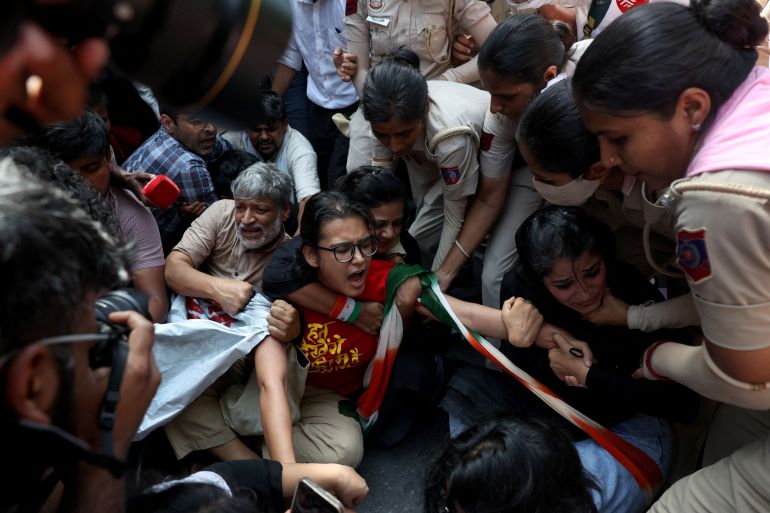
Many of them might be in the grip of the same “fear” that my professor friend finds himself in. This column is in solidarity with those keeping their mouths shut for fear of retribution. But hats off to the Generation Z activists fighting what they see as the robbery of their voting rights by the Election Commission of India — the very institution meant to protect and safeguard the voting rights of citizens.
The Legend of Bhasmasura and Mohini
It is hard to find a parallel for the present Chief Election Commissioner, Gyanesh Kumar, in the history of India’s electoral system, or perhaps even in those of other democratic countries. But Indian mythology and folklore may offer one in the figure of the ambitious asura, Bhasmasura, who acquired a fearsome boon through his penance to Lord Shiva.
The demon performed breathtaking penance to appease Shiva. Pleased by his unyielding devotion, Shiva appeared before him and offered to grant him whatever he wanted. Bhasmasura asked for an extraordinary power: whoever’s head he touched with his right hand should instantly be reduced to ashes — bhasma.
Known for his boundless generosity as a giver, Shiva granted the wish without hesitation. No sooner had Bhasmasura received the power than he decided to test it — on Shiva himself. Driven by his desire to possess Goddess Parvati, Shiva’s consort, the demon lunged towards his own benefactor.
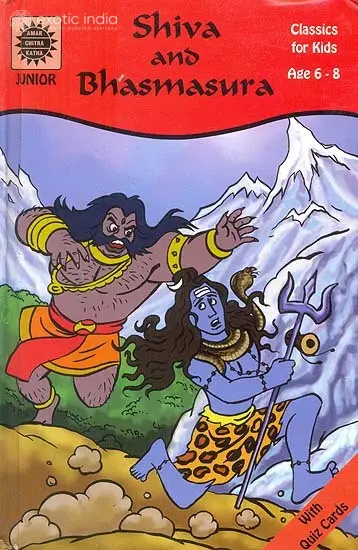
Knowing the absolute nature of the boon he had granted, Shiva fled across the realms, with Bhasmasura in relentless pursuit. Seeing the cosmic order threatened, Lord Vishnu intervened, assuming the form of Mohini, an enchanting woman of matchless grace and beauty.
Mohini appeared in Bhasmasura’s path and instantly captivated him. Spellbound, Bhasmasura forgot his pursuit of Shiva and begged Mohini to marry him. She agreed, but on one condition: he would have to match her movement for movement in a dance, proving himself a worthy partner.
Intoxicated by desire and pride, Bhasmasura accepted the challenge. As Mohini began to dance, he mirrored every pose, step and hand gesture seamlessly. She gradually accelerated the tempo, keeping Bhasmasura completely focused on matching her movements. Then, in a swift and graceful gesture, Mohini placed her right hand upon her own head.
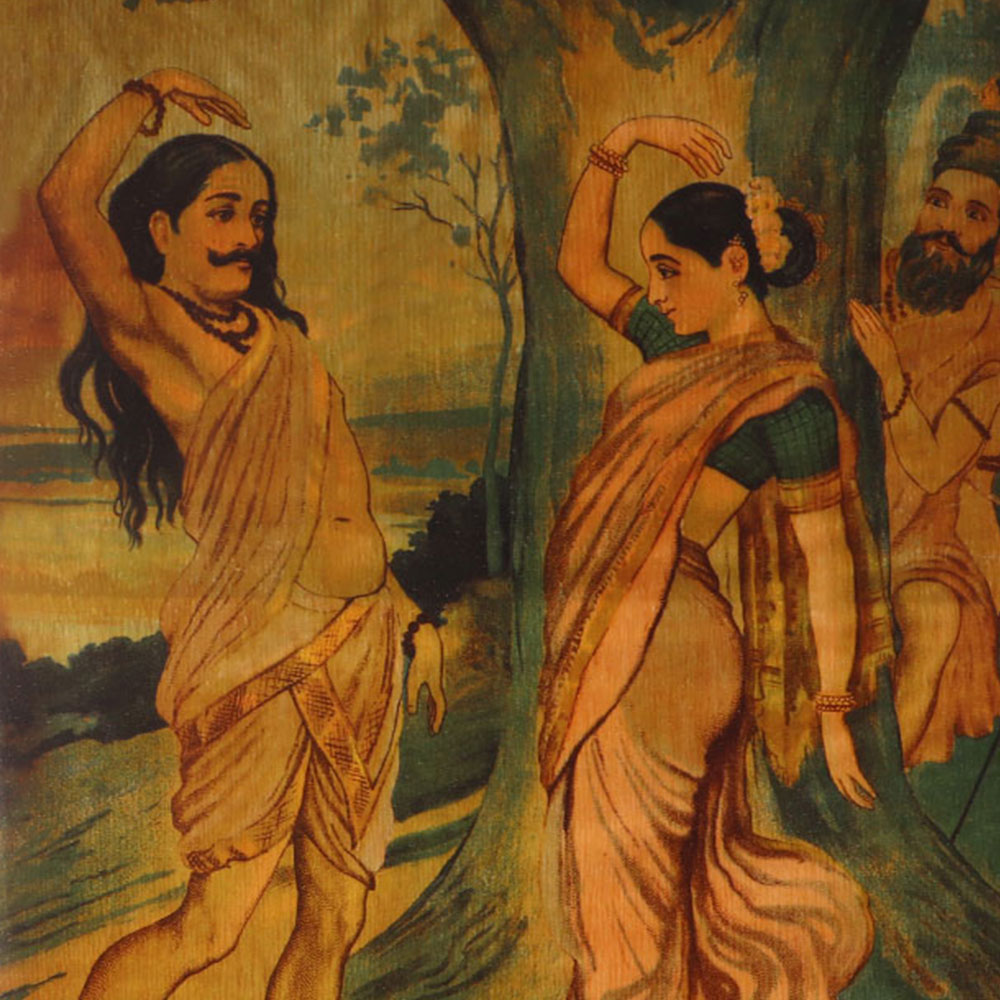
Consumed by his desire to win Mohini, Bhasmasura instinctively mirrored the movement and placed his boon-bearing right hand upon his own head, instantly reducing himself to a heap of ashes. The myth endures as a timeless metaphor for unbridled arrogance destroying the very vessel that holds it — a reminder that power without wisdom ultimately consumes itself.
People: The Actual Shiva
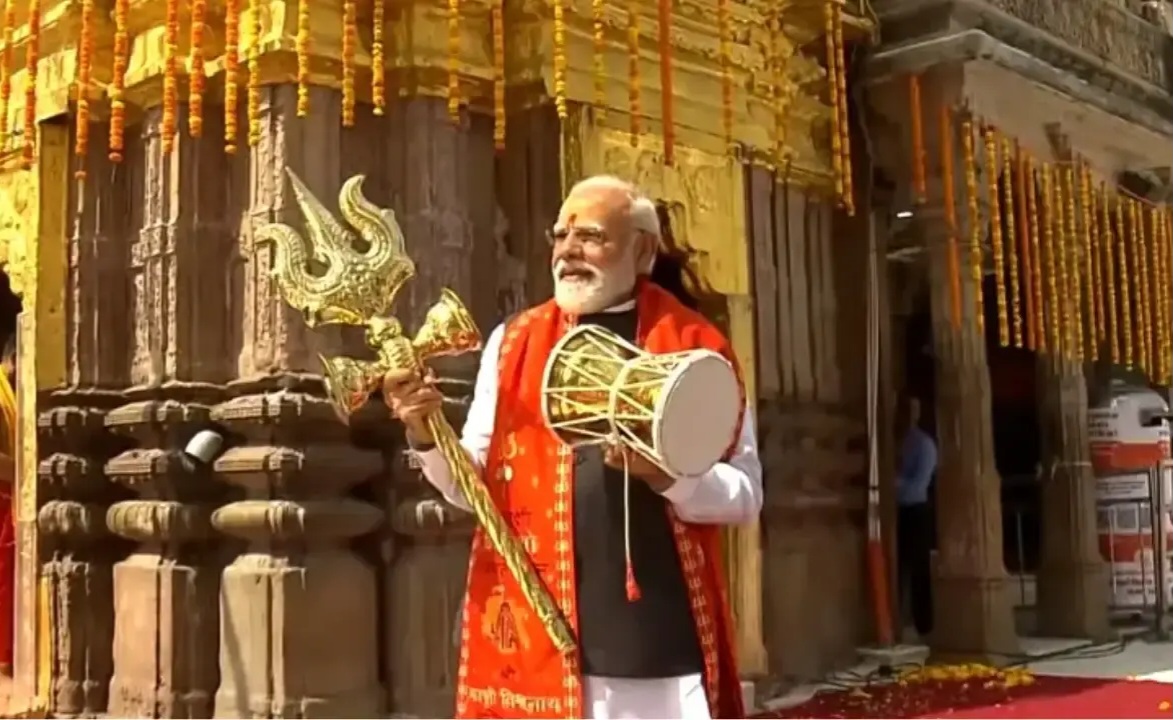
Prime Minister Narendra Modi has, apparently, shown a penchant for invoking the imagery and symbolism associated with Shiva. The spectacle of Modi playing the damru, with sacred ash on his forehead and dressed in saffron against the backdrop of the Kashi Vishwanath temple in Varanasi remains fresh in public memory.
And, apparently acting like Shiva, his government has bestowed upon Gyanesh Kumar what critics describe as a “boon of immortality”: legal protection for actions taken in the exercise of official duties. The argument of his critics is stark — that the law has placed the Chief Election Commissioner behind an extraordinary shield of protection, including after he ceases to hold office.
But in bestowing this “boon” upon Gyanesh Kumar, the Prime Minister seems to have forgotten something fundamental: he is not Lord Shiva. In Indian shastras and philosophy, Shiva is not merely an individual but a metaphor for existence itself and for the power of the universe. In the context of India’s modern democratic system, it is the people who embody that sovereign power and who have entrusted Modi with the responsibility of serving them.
The young people agitating at Jantar Mantar and beyond, therefore, represent that democratic power. The challenge before them is to find their own “Mohini” — the democratic imagination, organisation and resistance capable of confronting a power that, in their view, is robbing Indians of their voting rights.
The Bhasmasura legend offers its own warning: power that believes itself invulnerable can, in the end, become the instrument of its own undoing.
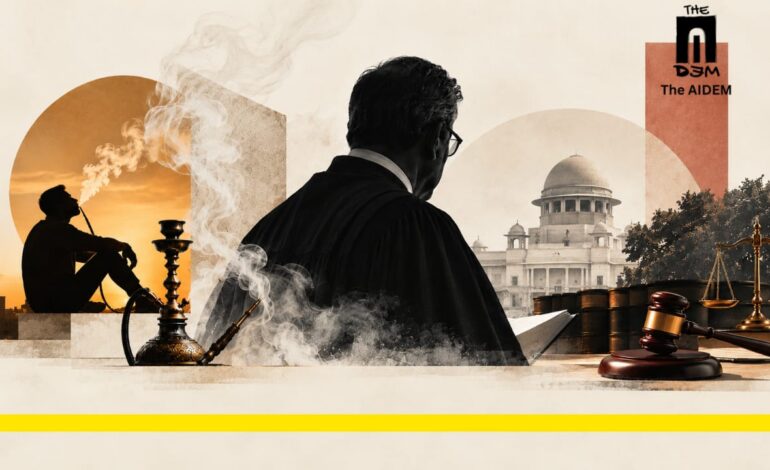






This is not merely about a missing name on a voter list—it is about the quiet disappearance of a citizen’s democratic voice. Nalin Verma’s sharp use of the Bhasmasura–Mohini metaphor exposes the dangerous game of institutional power, where the very system meant to protect democracy can end up weakening it. When genuine voters are erased, accountability is questioned and citizens are forced to prove their own existence, democracy itself stands in the dock. Elections cannot be reduced to numbers on a spreadsheet; every voter represents a constitutional right and a voice that cannot simply be made to vanish. A powerful, timely and fearless piece by The AIDEM