

In Jharkhand, Global Warming and Climate Change Have Put Shepherds’ Livelihoods Under Strain

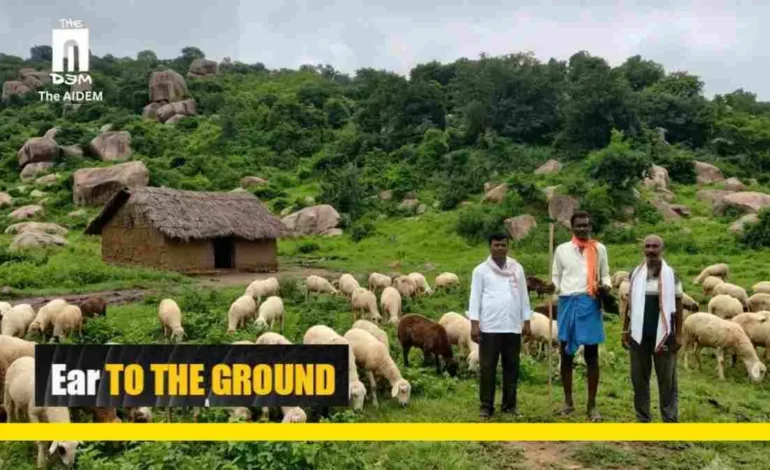
Hailstorms, heatwaves, reduced pre-monsoon rainfall, and warmer winters are taking their toll on shepherds and their flocks. A ground report from Garhwa district.
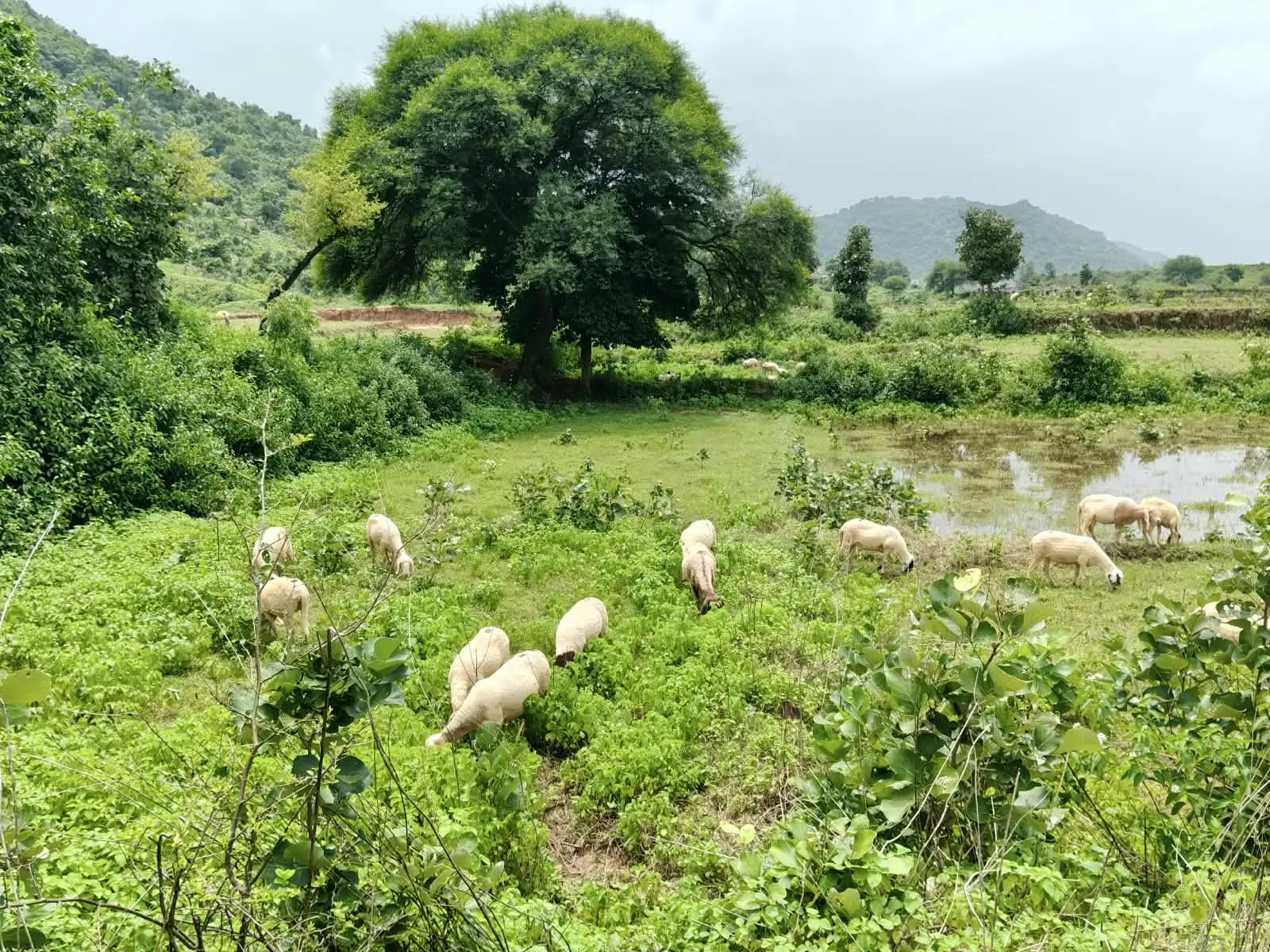
Sheep are known for their docile, timid nature, and are content to graze on green pastures. But in Garhwa district in northwest Jharkhand, shepherds say their flocks are feeling the effects of a changing climate. Sheep and goat rearing provide a primary livelihood in the district’s rural areas, yet increasingly erratic weather has disrupted seasonal grazing, leaving flocks less healthy than they once were. Shepherds have been told these changes are linked to global warming. The term may be unfamiliar to them, but the toll on their animals is plain to see.
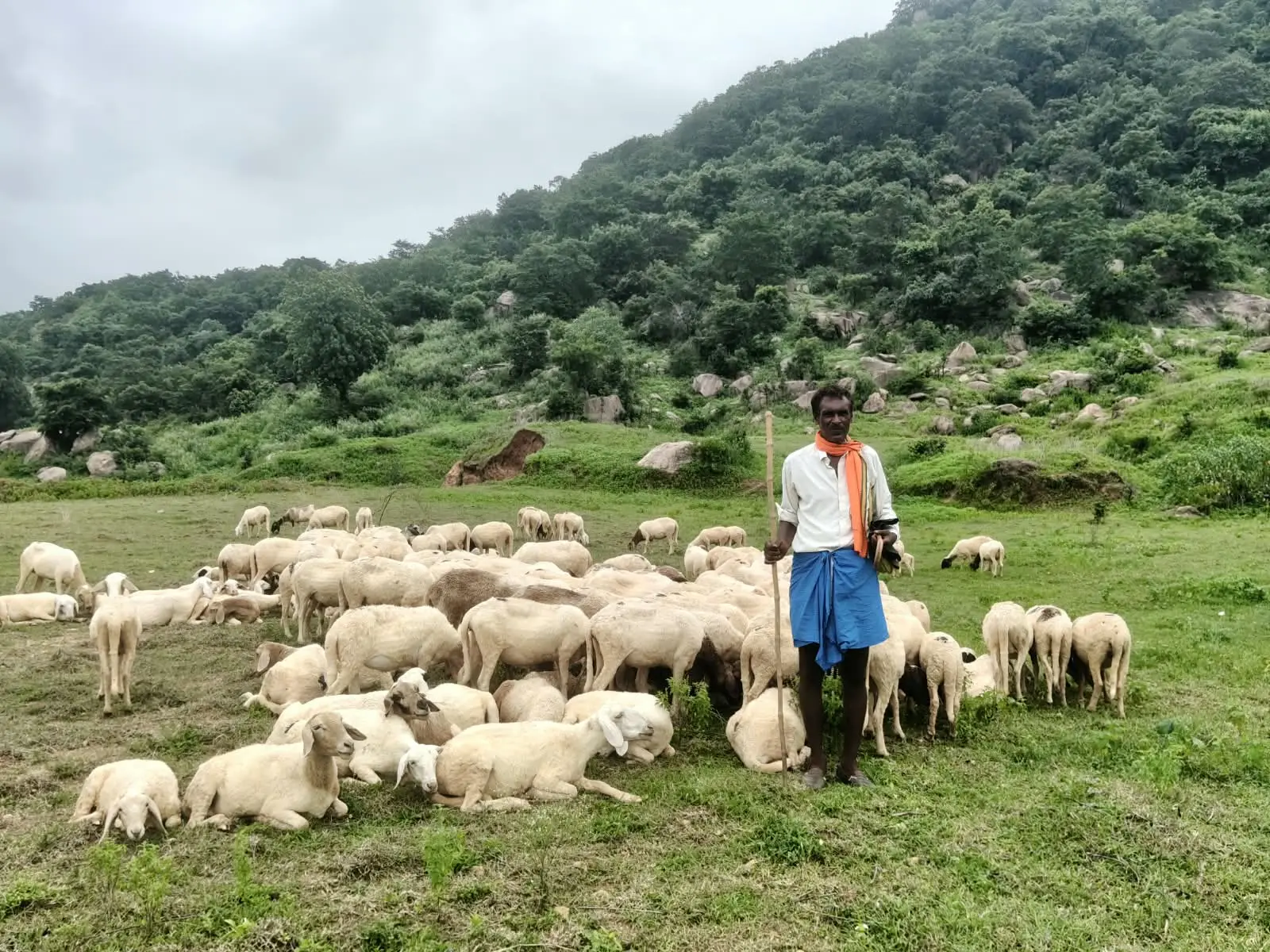
“With increasing heat, sheep have lost weight because they eat less. The heat affects their physical activity and eating habits,” said Rajmuni Pal, a 50-year-old shepherd from Bakoia village in Dirbandha Nagar Panchayat, Garhwa.
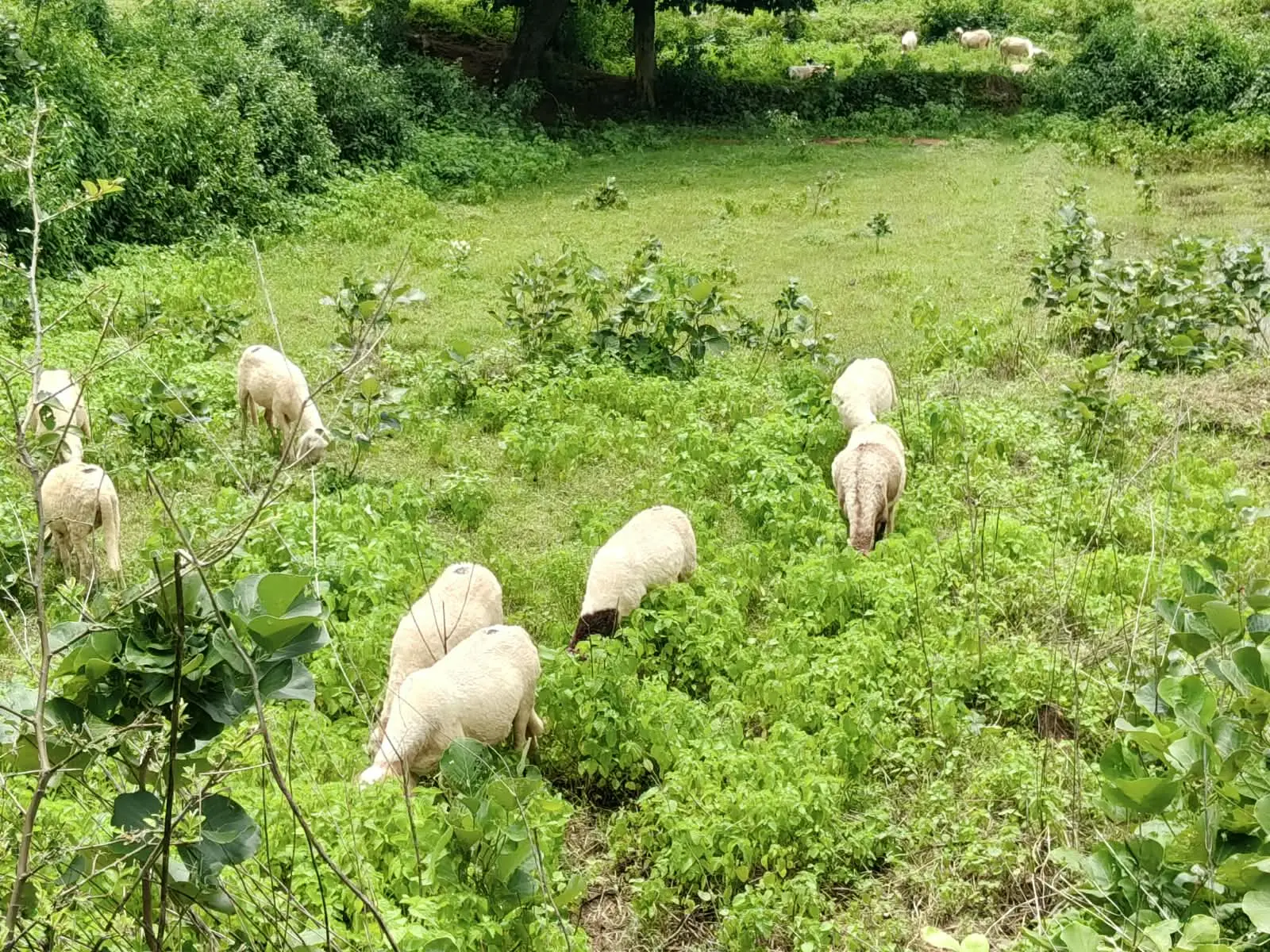
For shepherds like Rajmuni, changing weather patterns are straining a livelihood rooted in seasonal grazing. Fodder shortages compromise sheep’s nutrition, while grazing restrictions leave flocks with fewer places to feed. Migration in search of fodder also makes it harder for shepherds to access medicines when their animals fall ill.
According to the state’s Action Plan on Climate Change, Jharkhand’s seasonal weather patterns are shifting, with hailstorms, heatwaves, reduced pre-monsoon rainfall, and warmer winters. Shepherds describe changes in their flocks’ feeding and breeding patterns, as well as in the seasons when diseases occur.
Less Fodder and Fewer Places to Graze
A 2026 study on climate-resilient fodder production published in the Journal of Agriculture and Ecology Research International warns that climate change could shorten crop-growing seasons and reduce crop availability in tropical farming systems because of limited moisture and extreme temperatures.
Shepherds say they are already facing fodder shortages, particularly of chakawad (Senna obtusifolia). “The growth of chakawad has declined significantly over the last 10 years. It grows in the winter season. Crops like chana and chakawad are medicinal crops for sheep. They have also been a source of nutrition for people during famines,” said Rajmuni.
Alongside fodder shortages, access to grazing land is shrinking. Ashok Pal, a farmer, former shepherd and activist who runs Pashupalak Sangharsh Morcha Sangathan in Garhwa district, said restrictions on collecting leaves have reduced access to another source of nutrition. “Earlier, shepherds used to cut tree branches in the forests with a sickle to make the leaves fall. Sheep used to eat the leaves and get nutrition, but now cutting the branches is prohibited because the area falls under the forest department,” he explained.
Ashok said the government was also leasing grazing land to farmers who grow maize, paddy and wheat. These farmers prevent shepherds from bringing their flocks into the fields, he added.
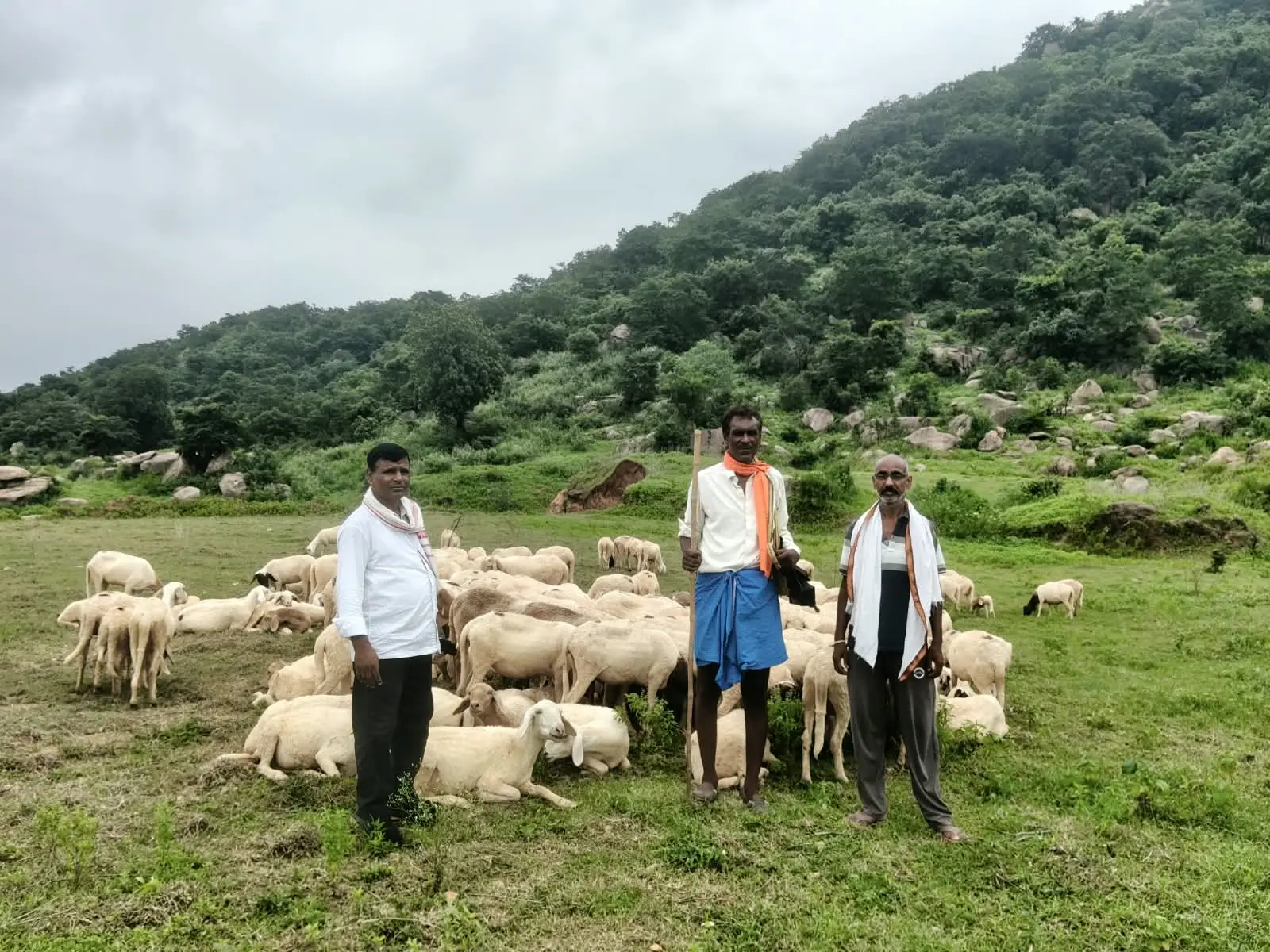
Fodder shortages and shrinking grazing grounds have altered shepherds’ migration routes. From December to March, Rajmuni and other shepherds migrate from Jharkhand to Chhattisgarh. But finding fodder remains a struggle there. Shepherds said locals prevent their flocks from grazing on chakawad, which sells for ₹40–₹50 a kilo. “They demand up to ₹5,000 if we try to enter the fields,” recalled Shyamlal Pal, a 48-year-old shepherd from Rampur village in Garhwa.
The Cost of Poorer Nutrition
The shortage of nutritious fodder is also affecting breeding. Rajmuni and Shyamlal said they keep rams separate from ewes to ensure the females give birth only once a year.
“Weak female sheep have difficulty giving birth, and sometimes the baby dies in the womb. Offspring born to weak mothers are also weak and die early because they lack a nutritious diet. Every season, two to four sheep die for this reason,” said Rajmuni. He added that caring for ewes that gave birth twice a year would be difficult because shepherds migrate seasonally and struggle to access medicines. “It affects our livelihood, but what can we do?” he said.
Poor nutrition is affecting both lamb survival and wool production, the shepherds said. A study published in the Journal of Livestock Biodiversity found that lambs born in winter were significantly heavier at birth than those born in summer or during the monsoon. The researchers suggested that better-quality fodder in the post-monsoon and winter seasons could explain the difference.
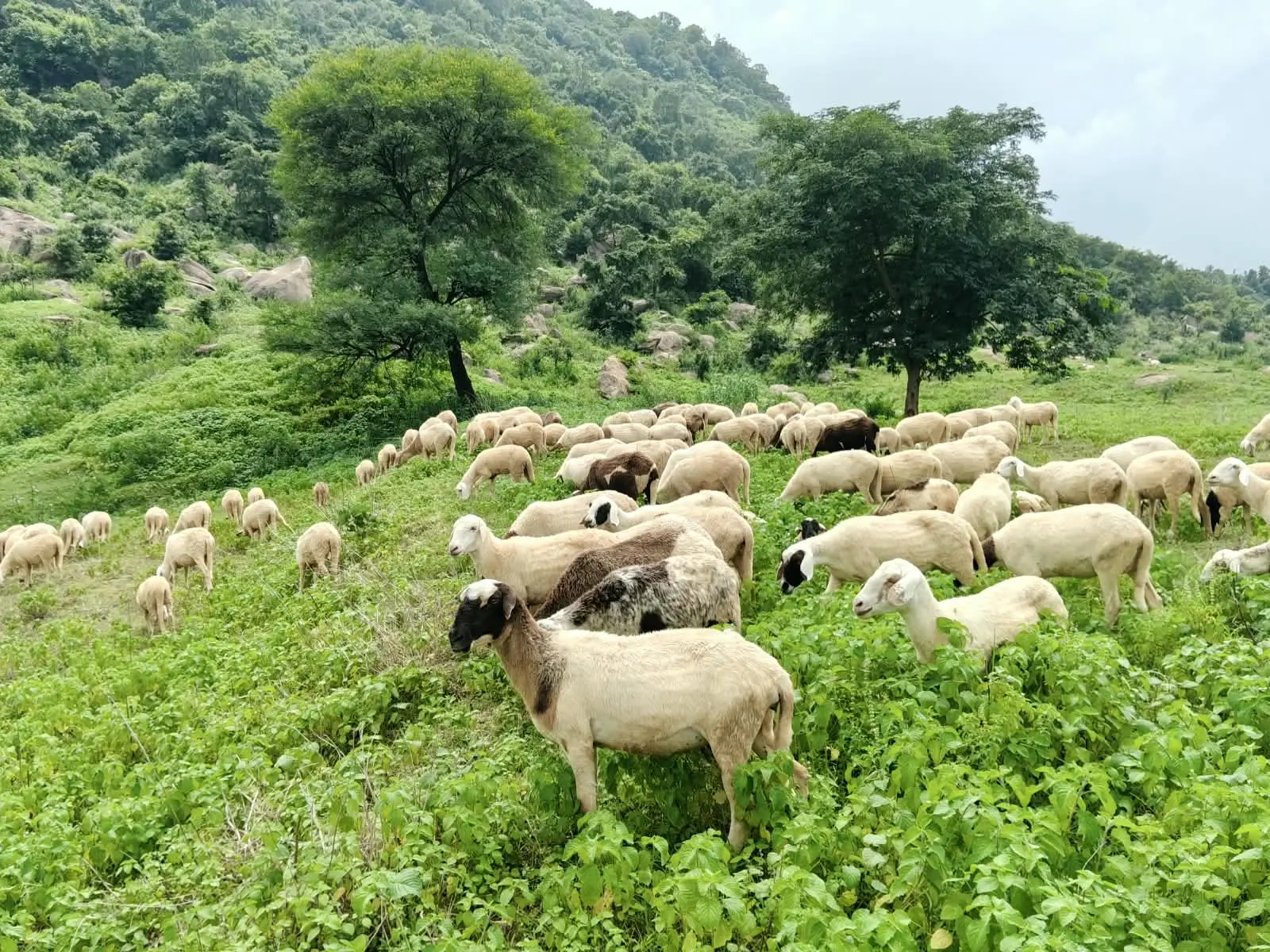
Shyamlal added that inadequate nutrition had reduced both the fibre length and the weight of the wool his sheep produced. Eight to ten years ago, each sheep yielded about 500 grams of wool, with fibres measuring four to five inches; now, the yield is 200–250 grams, with fibres barely two inches long. Falling yields and competition from machine-made products have made blanket-making unprofitable, he said. “We used to make blankets from wool, but now we have stopped making them. There is no profit in this business anymore.”
Changing Disease Seasons and Disputed Deaths
Roshan, a para-vet in Garhwa whose name has been changed for security reasons, said he had observed an increase in infections over the past five to ten years. When sheep fall ill, they often stop eating, further weakening their immune systems. He had also seen cases of foot-and-mouth disease (FMD) in December, rather than predominantly during the rainy season, as in the past.
Shared grazing grounds pose additional risks. “Shared, overcrowded grazing lands may also lead to faecal-oral transmission through pastures contaminated with clostridial spores associated with enterotoxaemia, as well as parasites,” explained Dr Prabhakar Jha, a consultant at the National Centre for Disease Control in Delhi. Close contact also accelerates the transmission of the deadly virus that causes PPR, or sheep and goat plague, he said.
Last year, after the monsoon began, Rajmuni Pal noticed that some of his Chotanagpuri sheep had developed a fever and stopped eating. Within hours, more fell ill. He separated the sick animals from the rest of the flock, called the para-vet and rushed to the nearest veterinary clinic in Majhiaon block, Garhwa. He ultimately lost 50 sheep.
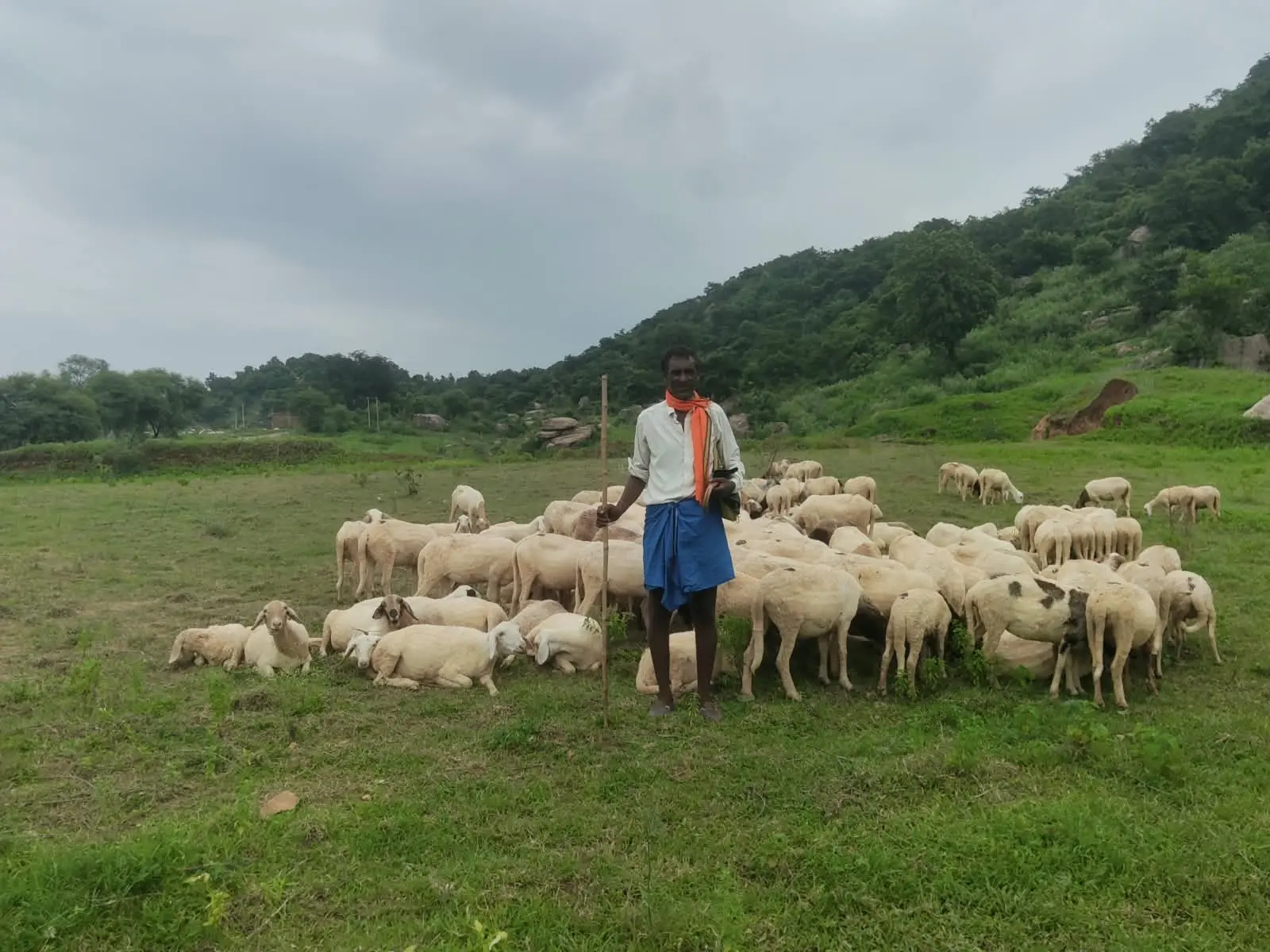
“When I noticed that a few of my sheep had a fever and weren’t eating, I suspected they had PPR. The symptoms were somewhat similar to those of enterotoxaemia, so I called the para-vet. But it was too late by then,” Rajmuni recalled.
PPR is a highly contagious viral disease affecting sheep and goats. Roshan said he examined Rajmuni’s sheep and attributed the deaths to PPR. That diagnosis, however, is disputed.
“Shepherds often mistake respiratory illnesses for PPR, when the symptoms could be caused by other diseases like sheep pox or enterotoxaemia,” said Dr Chandan Kumar Chaudhary, the veterinary officer posted in Garhwa block.
According to Chaudhary, no PPR cases have been recorded since 2022. Villagers, however, allege that sheep deaths go unreported and are not registered by the veterinary department. Roshan also said officials do not usually register such deaths.
In June last year, Shyamlal lost 40 sheep to what he believed was enterotoxaemia. Some animals had stopped eating fodder and developed bloody diarrhoea. Shepherds say medicine and vaccine shortages are compounding their losses.
Veterinary Care Slips Out of Reach During Migration
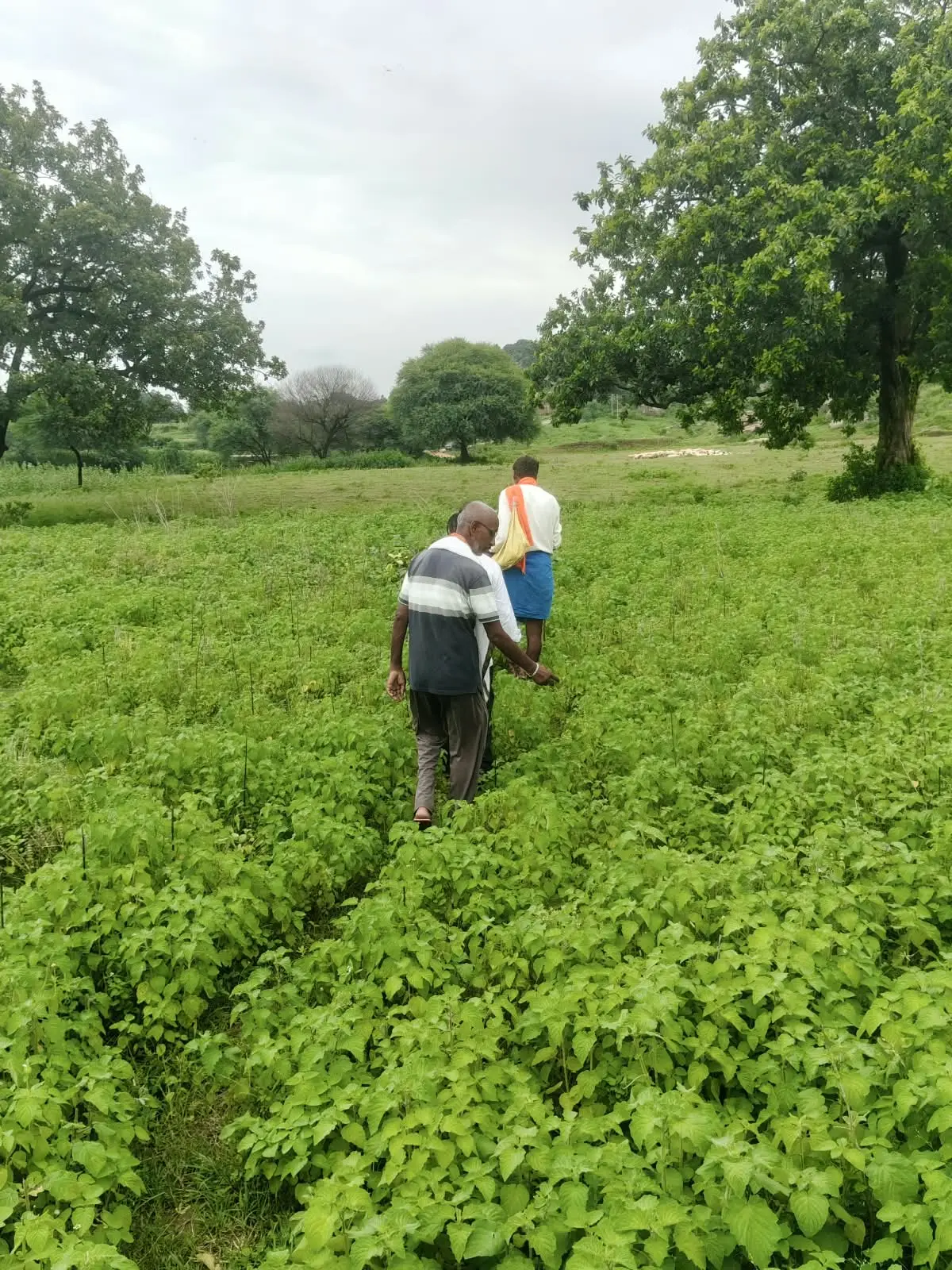
“We can’t get to the clinic or get medication on time because we migrate seasonally,” said Rajmuni. Moving in search of fodder takes shepherds farther from veterinary services, making timely treatment harder to access.
The Livestock Health and Disease Control Programme supports vaccination against foot-and-mouth disease (FMD), brucellosis and peste des petits ruminants (PPR). The Department of Animal Husbandry and Dairying’s 2025–26 annual report records 4.96 crore vaccinations against PPR during 2025. Yet shepherds in Garhwa describe difficulties obtaining vaccines.
“Vaccines for PPR and FMD are not available here in Jharkhand. I have to go to Chhattisgarh for vaccines. There, a vaccine costs ₹50. I was unable to vaccinate my sheep last year,” recalled Shyamlal.
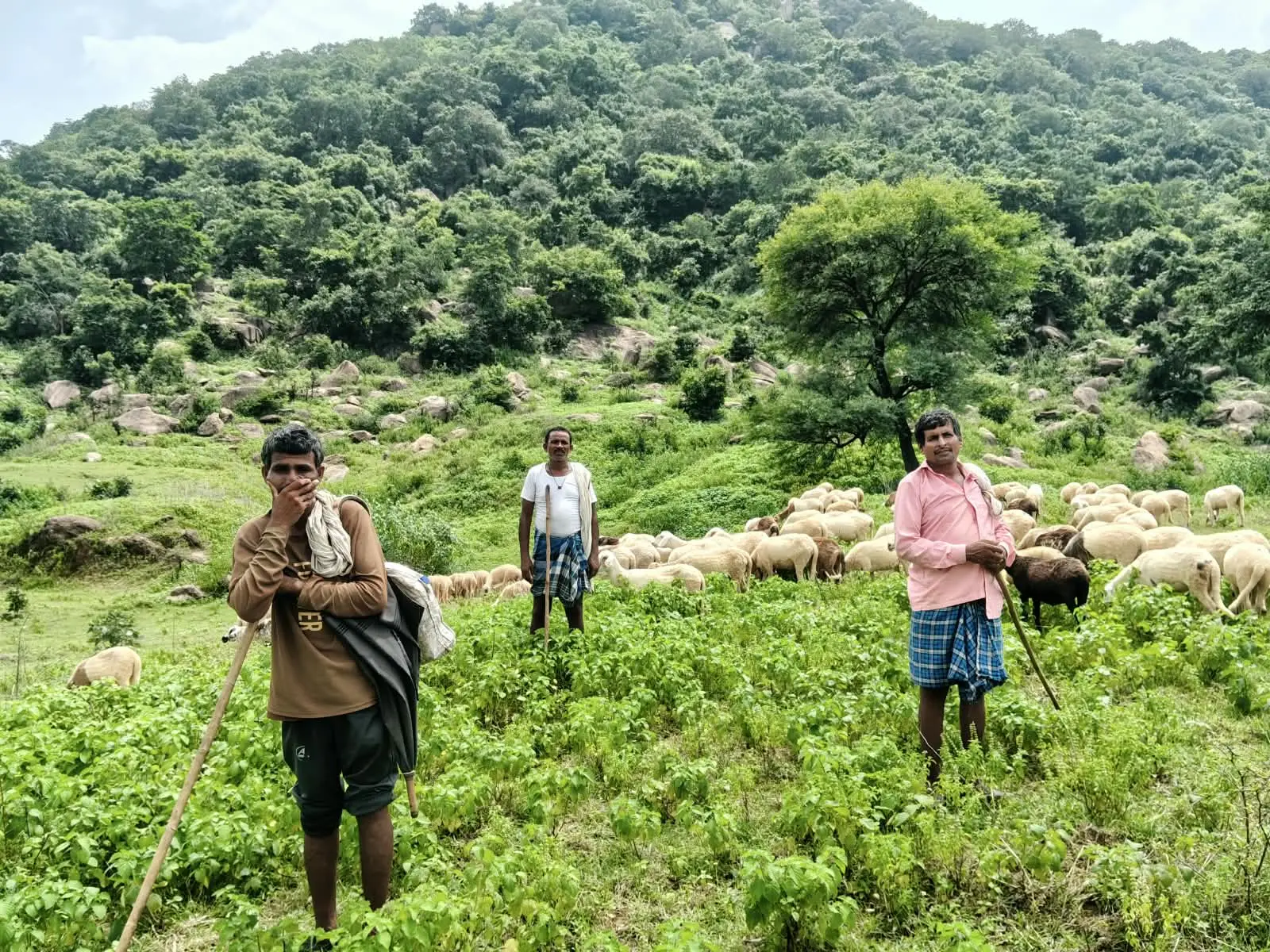
Shyamlal and Rajmuni also say government veterinary hospitals do not supply enough deworming medicine for their flocks, forcing them to buy costly alternatives from private pharmacies. “Once I was scolded and turned away by a vet when I requested medicines for my sick sheep,” Shyamlal recalled.
Supporting Shepherds in a Changing Climate
For Garhwa’s shepherds, changing weather compounds the pressures of shrinking grazing lands and restricted forest access. Heat and fodder shortages affect feeding, while shepherds report poorer wool yields and breeding difficulties. Migration helps them find fodder but takes their flocks farther from veterinary care.
Ashok has spent years advocating for sheep rearing to be included in livestock schemes. He recalled that officials at a workshop in Ranchi were unaware that Garhwa had shepherding communities. Following meetings in Palamu and Garhwa, sheep were included in the Chief Minister’s Livestock Scheme, he said.
“Medicines worth ₹14 lakh for sheep arrived in Garhwa district, and were distributed free of charge,” Ashok said.
On 30 April 2026, the Jharkhand government expanded the Chief Minister’s Livestock Development Scheme and decided to introduce a special sheep-rearing scheme for hilly and border areas, including Garhwa.
Under the scheme, each beneficiary will receive 10 sheep—eight Chotanagpuri and two Sahabadi—at a total unit cost of ₹49,600. Beneficiaries belonging to the Scheduled Castes and Scheduled Tribes, widows, persons with disabilities and childless couples above 50 years of age will receive a 90 per cent subsidy. Other beneficiaries will receive a 75 per cent subsidy.
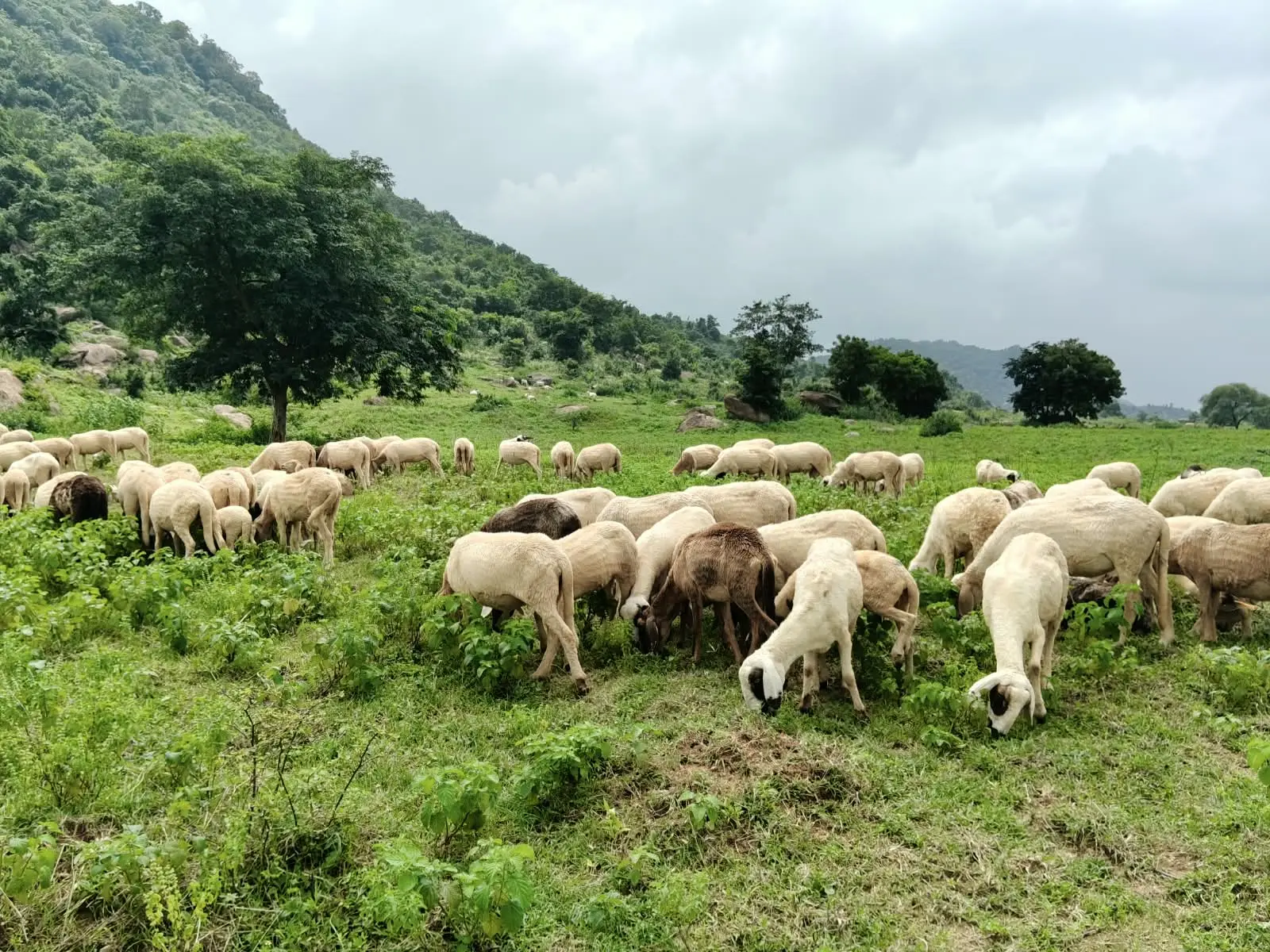
The scheme offers support, but shepherds say increasing flock sizes alone will not secure their livelihoods. They also need reliable access to grazing land, nutritious fodder, medicines and timely vaccination. Without these, the search for fodder will continue to take them farther from veterinary care when their animals need it.
“Until the government considers all this, there is no future in livestock rearing now. I don’t think anybody here will want their children to be shepherds anymore,” said Shyamlal. That is a bleak assessment of the future of a traditional livelihood.









Climate change is silently destroying traditional livelihoods, and the plight of Jharkhand’s shepherds is a stark warning of this unfolding crisis. Erratic weather, shrinking grazing lands, fodder shortages and inadequate veterinary support are pushing generations of pastoral communities towards economic insecurity. Government schemes cannot succeed by merely distributing livestock; they must ensure grazing rights, nutritious fodder, accessible medicines and timely vaccinations. A climate policy that ignores the struggles of those living closest to nature is no climate justice at all.