


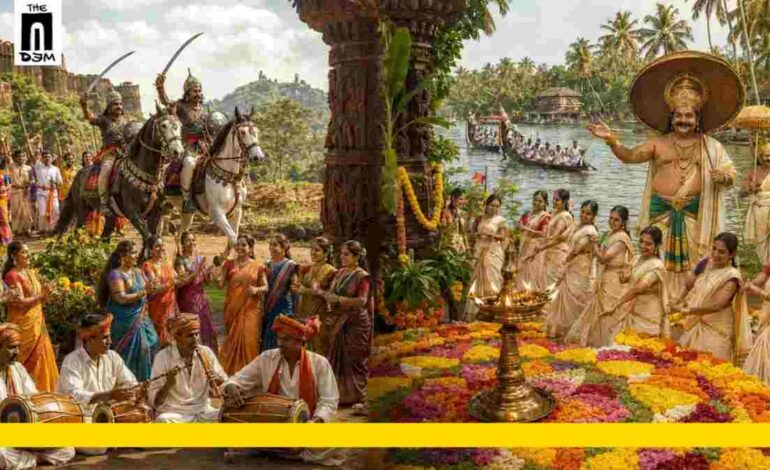
Each of the many different customs, stories, and festivals that make up India’s rich cultural life has a special place in the country’s history. In this article, which is a part of the Everything Under the Sun series, Nalin Verma highlights the common values of community, equality, and harmony between two different festivals from different parts of the nation—Onam in Kerala and Kajli Teej in Mahoba.
Verma examines folk customs that have been conserved and handed down through the ages through the fabled stories of Alha and Udal in Bundelkhand and King Mahabali in Kerala. Despite linguistic, geographic, and cultural differences, these festivities highlight an essential reality: our variety unites us rather than divides us.
Two parts of India—Mahoba in Bundelkhand of Uttar Pradesh and Kerala in the South of the Vindhyas—are still basking under the aroma, colours and rhymes of Kajli Teej and Onam festivals respectively celebrated over a week ago.
The month of Shravana or Sawan in North India and the same of Chingam (the first month of Kollam Era) in Kerala typically overlap with the mid-August to mid-September period during which Onam in the land of Mahabali and Kajli Teej in the land of Alha and Udal are celebrated as vivid community expressions.
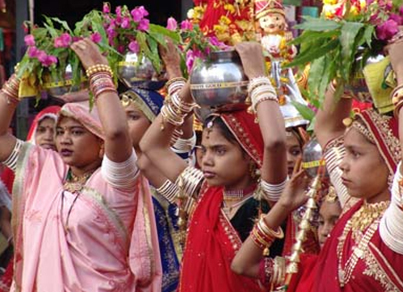
There is hardly anything common between the two regions in terms of landscape. But despite the stark geographical distance between the rugged, sun-baked hills of Bundelkhand and the emerald backwaters of Kerala, a profound cultural thread links Mahoba’s Kajli Teej with Kerala’s Onam.
Both the festivals take place under the same lunar window—Sawan in the North and Chingam in the South—and both stand as subversions of orthodox hierarchies, celebrating folk heroes over mainstream, elite narratives. The core ethos of both traditions lies in extolling local, marginalised figures over high-caste or canonical authorities.
Alha-Udal vs. Prithviraj Chouhan
In the oral epics of Bundelkhand (Alha-Khand—attributed to the 12th-century epic Parmal Raso by Jagnik Rao, which doesn’t exist in original form but has been living on the lips of Alhaets, Alha singers, in Bundelkhadi, Awadhi, Bhojpuri and Khadi Boli dialects of the Hindi heartland for over 900 years), Alha and Udal belong to the Banafar clan, often dismissed as low-born or mixed-caste warriors.
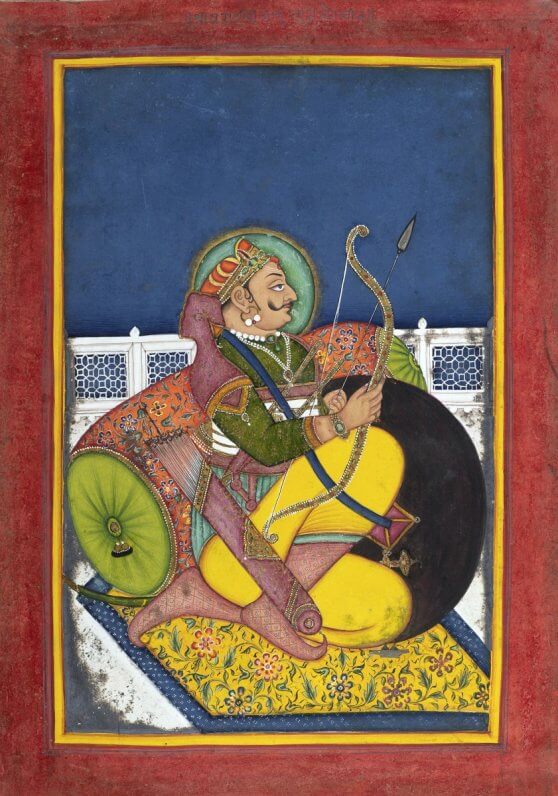
When the elite Chahman king Prithviraj Chauhan attacked Mahoba, destroyed the royal gardens, and besieged the city, it was the banished Banafar brothers Alha and Udal who returned to save their homeland. During Kajli Teej, the people of Mahoba float their kajlis (barley seedlings) in Kirat Sagar Lake to commemorate the bloody battle fought by Alha and Udal to protect their women and honour.
The subtext: the high-born Rajput emperor is remembered as an aggressor, while the “low-born” Banafar brothers are revered as immortal guardians of the soil.
Significantly, the elite narrative links the defeat of Prithviraj by Mu’izz al-Din Muhammad Ghori in the Second Battle of Tarain in 1192 AD as a turning point in Indian history, which heralded the reigns of Turk Sultans in India.
However, in the Alhaets’ rendition of Alha-Khand, Taala Sayeed, a Muslim warrior, is extolled as an avatar (incarnation) of the Mahabharata guru Dronacharya, who mentored and trained Alha and Udal in warfare and fought alongside the Banafar brothers in many battles against Prithviraj and other elite Rajput kings ahead of Ghori’s invasion.
Alha and Udal are revered as avatars of Yudhishthira and Bhima whereas Prithviraj is painted as Duryodhana in Alha singing. Alha, Udal, Malkhan, Dheba, and Brahmanand—all the warriors of the Chandel king, Parmardideva or Parmal—revere Taala Sayeed as “Chacha Taala Sayeed” in the rendition of Alha-Khand and follow his guidance and wisdom in most of the Bavangarh ki ladai (52 battles against the elite imperial powers of that time).
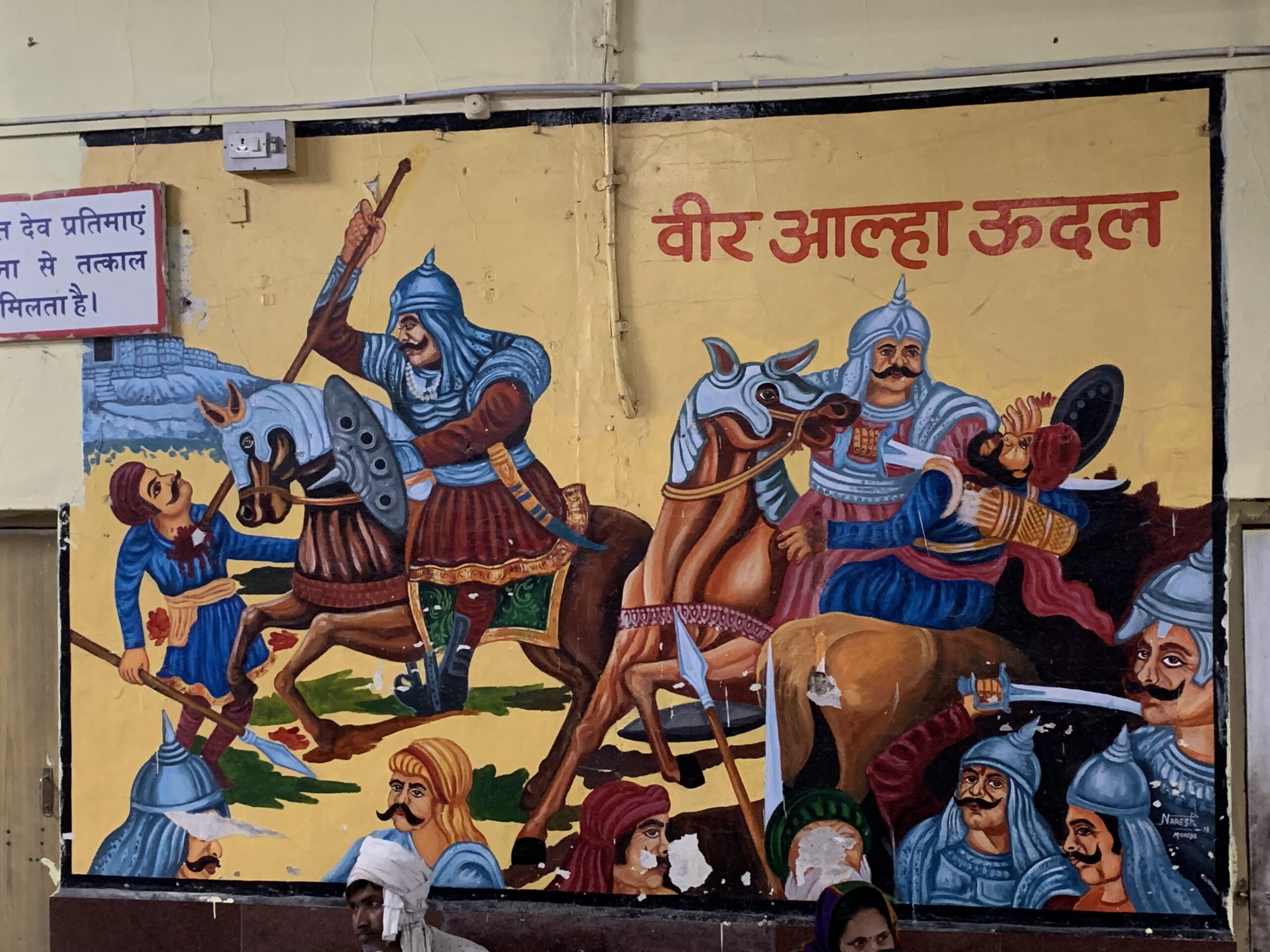
The Alhaets infuse excitement and love for motherland by their Alha singing with a specialised, high-pitched recitative style accompanied by the heavy, insistent thrum (thaap) of the Dholak and Manjira. They bring tears to the eyes of the audience when they remember the martyrdom of Taala Sayeed and Udal at the hands of the imperial aggressors. The Mazar (shrine) of Taala Sayeed on a hill near the historic Kirat Sagar is a special attraction at the Kajli mela.
Mahabali vs. Vamana (Onam)
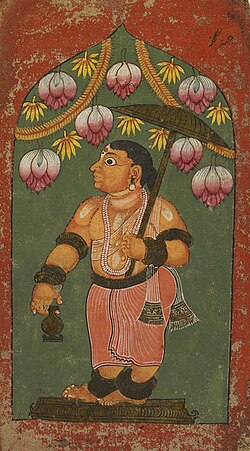
In mainstream Puranic literature, Asuras are depicted as demonic entities, and Vamana (the dwarf avatar of Lord Vishnu) is celebrated for reclaiming the three worlds. However, in Kerala’s living folk tradition, the narrative is flipped. Mahabali—an Asura king—is remembered as a champion of egalitarian rule where “all men were equal, free from deceit and falsehood.”
His banishment to the underworld by cosmic trickery is felt as a tragedy. Onam is not celebrated to honour Vamana’s victory, but to welcome Mahabali back to his kingdom for one day. The folk ethos centres human justice over divine intervention.
While bound by this spirit of subversion, the physical environments that birthed these traditions present a dramatic contrast: granite outcrops, dry ravines, scrub forests and artificial lakes mark Mahoba (Bundelkhand), whereas Kerala homes lush paddy fields, coconut groves, backwaters, and the Western Ghats. While Bundeli, a lingo of Indo-Aryan dialect, is rooted in heroic Alha-Udal folklore, Onam songs are rooted in Malayalam, a Dravidian language with rich classical and folk literature.
The ultimate unifying force across these landscapes is the retreat of the monsoon. In Mahoba, the rising waters of Kirat Sagar become the stage for floating barley sprouts and singing Alha ballads; in Kerala, the swollen backwaters become the arena for Vallam Kali (snake boat races), while homes are decorated with Pookkalam (flower carpets).
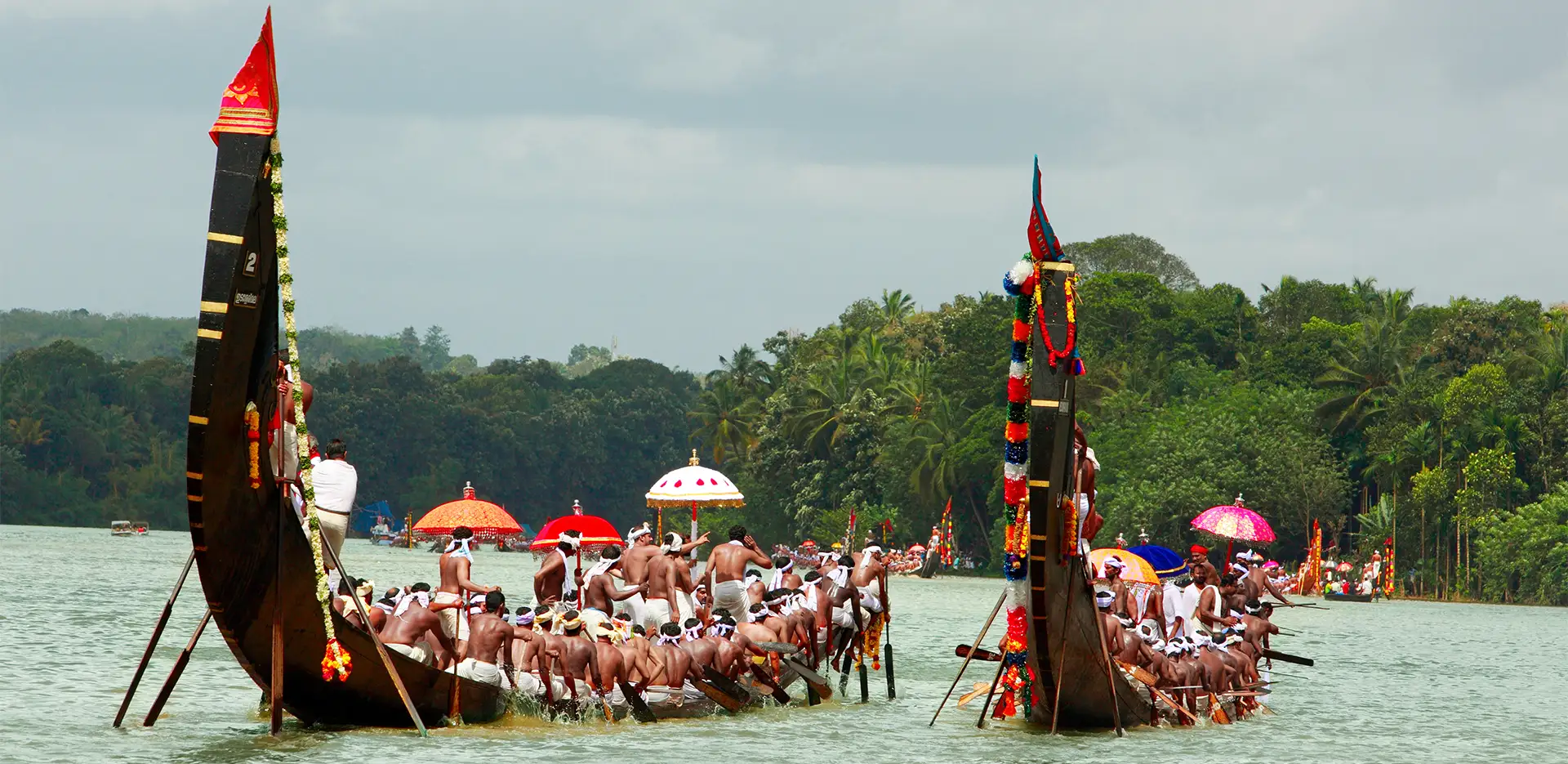
Both Kajli Teej and Onam present a spectacle of love, unity, co-existence, harmony and community life, with people of diverse castes, creeds, faiths and religions celebrating them with gusto and bonhomie.
In both regions, the performance is not merely literary; it is an act of communal renewal—reclaiming through voice and rhythm a space where the marginalised hero reigns supreme.
Disclaimer
The purpose of this column is not to pass judgement either on the acts of the elite and imperial powers, Gods, and demons in our history and mythology and their rival combatants, but to underline the threads of unity behind diversity that has been the hallmark of Indian culture and civilisation for time immemorial.
What has lasted and what will last eventually is the love and respect for diversity. The current air in India is thick with the talks of “one nation, one language, one election, a central command under one ruler, one education system, one tax structure, one colour, all under one umbrella of Hindutva,” so on and so forth.
This is just to apprise a section of the current crop of ruling elites that the “talks of oneness” is antithetical to our identity and is downright outlandish—we have to live in the spirit of unity behind diversity always and ever.
Jai Hind









Nalin Verma beautifully reminds us that India’s strength has never been in enforced uniformity, but in the countless voices, traditions and histories that coexist within it. From Alha-Udal and Taala Sayeed to Mahabali, these living traditions challenge hierarchy and celebrate equality, community and harmony. India does not become stronger by becoming one colour—it becomes stronger when every colour is allowed to shine. This is the true spirit of “unity in diversity.”
The article “Alha‑Udal, Tala Sayeed and Mahabali: A Chorus of India’s Many Voices” by Nalin Verma compares two folk traditions — the Alha‑Udal ballads of Bundelkhand and the Mahabali legend of Kerala’s Onam — to uncover the common ground beneath them. It is undeniable that no society, whether rich or poor, can endure without festivals. As humanity has evolved, so too have festivals, shaped by history, geography, and social dynamics. The survival of a festival across generations depends on its acceptance as a binding force rather than a dividing line. It is commendable that these two traditions have been highlighted for their origins and cultural resonance. Yet, as history is often subjective, its authenticity can never be vouched for with absolute certainty.