
American Accent in Christopher Nolan’s The Odyssey Sparks Debate

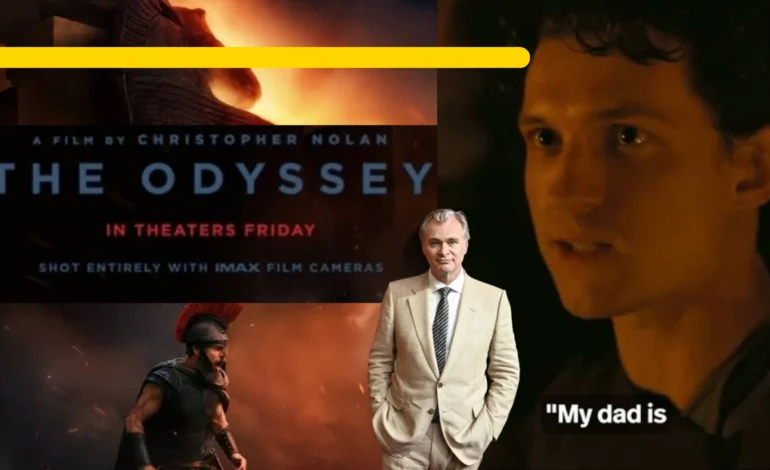
The use of American accents in Christopher Nolan’s The Odyssey has generated considerable attention and controversy. For decades, audiences have grown accustomed to hearing British English in cinematic adaptations of ancient European epics, making Nolan’s choice feel both unexpected and provocative.
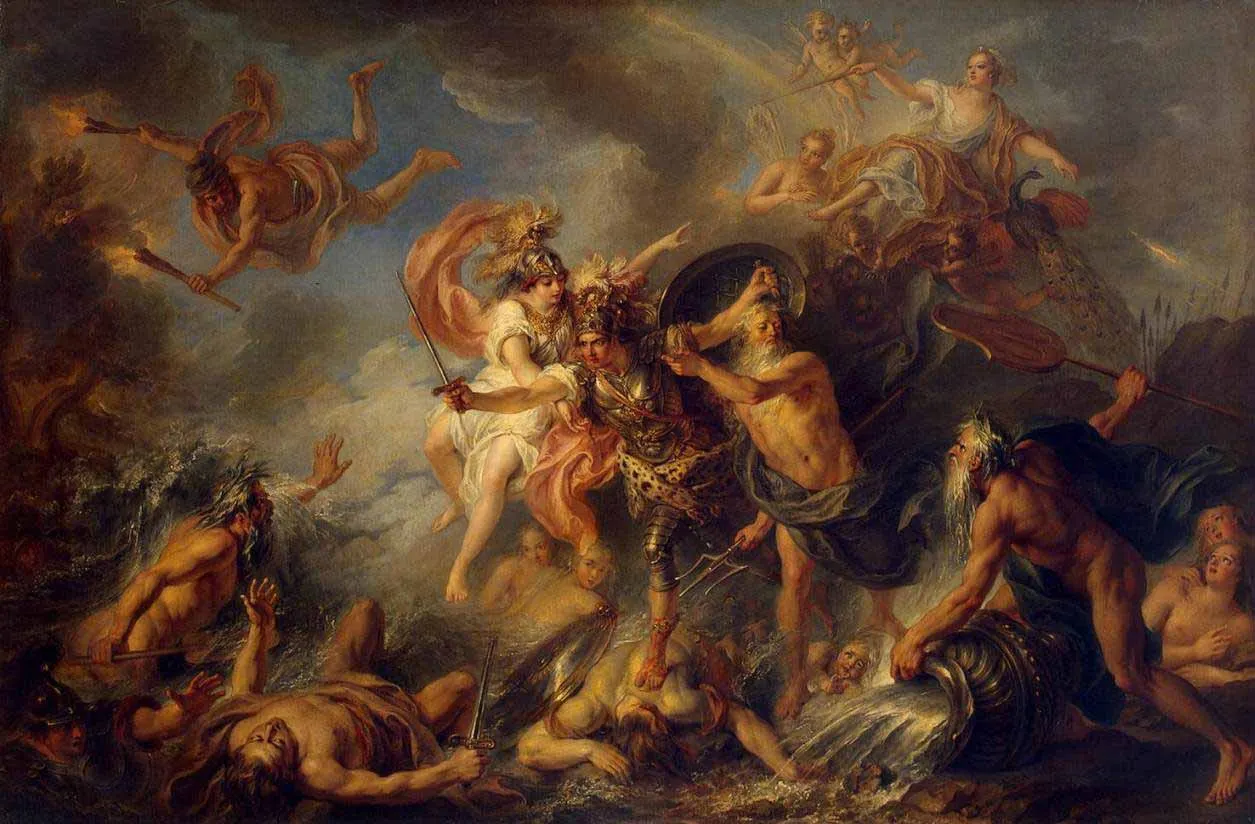
The events of the Iliad are set roughly five centuries before Homer himself. During that period, the Greeks spoke Mycenaean Greek, written in the Linear B script on clay tablets. Across the Aegean, in what is now western Turkey, people spoke Luwian, an Anatolian language. By the time Homer composed the Iliad, however, the language had evolved into Homeric Greek.
Despite this historical reality, virtually every major film adaptation inspired by these epics has been performed in British English. Nolan, however, breaks with that convention. In The Odyssey, characters speak with unmistakably American pronunciations—for example, pronouncing the word “daddy” with a distinctly American accent.
This raises an interesting question: why has Hollywood traditionally relied on British English—or, more specifically, Received Pronunciation (the so-called “BBC accent”)—to represent European antiquity and the world’s great classical literature? Classic Hollywood cinema reveals a recurring pattern: kings, nobles, and aristocrats are typically given refined British accents, while characters intended to represent the lower social strata are often assigned speech influenced by Polish, Romanian, or other Eastern European accents. Accent itself becomes a cinematic shorthand for social hierarchy.
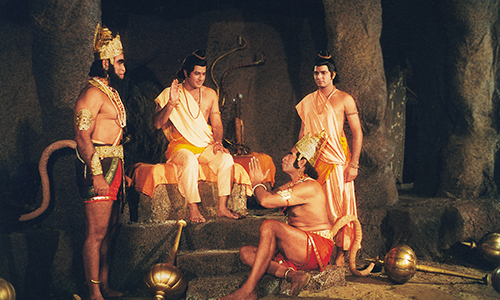
A comparable convention exists in Indian cinema. Films based on the Ramayana, Mahabharata, and other epics frequently employ heavily Sanskritised expressions such as Pithashree and Mathashree to evoke antiquity, nobility, and authority. While these linguistic choices are culturally familiar, they also perpetuate inherited notions of prestige and social hierarchy.
Such hierarchies deserve to be re-examined in the modern world. More importantly, English should not remain confined to the perceived supremacy of any one accent. The notion that British English alone represents the most authentic or prestigious form of the language is, arguably, a lingering legacy of colonial thinking. Today, English is no longer the language of a single nation; it is the world’s lingua franca. American, British, Australian, Indian, Nigerian, Singaporean, Scottish, Irish, and countless other varieties are all legitimate expressions of the language, each capable of conveying grandeur, tragedy, and timeless literature.
Whether one appreciates Nolan’s artistic choice or not, his decision challenges a convention that has remained largely unquestioned for decades. By refusing to equate epic storytelling with Received Pronunciation, The Odyssey invites audiences to reconsider the linguistic assumptions that have long shaped historical and mythological cinema. Authenticity in art need not be tethered to inherited hierarchies of language or accent.




This article raises an interesting question about authenticity in storytelling. Accents are more than just a stylistic choice—they shape how audiences connect with history, culture, and character. Whether one agrees with Nolan’s decision or not, the debate itself highlights how cinema influences our expectations of the past. A thoughtful and engaging read.
Writer made a great examples with comparing Ramayana ,and explains the creative freedom and pop culture …