

Devaki Jain: From Feminist Economics to the Frontlines of Democratic Resistance

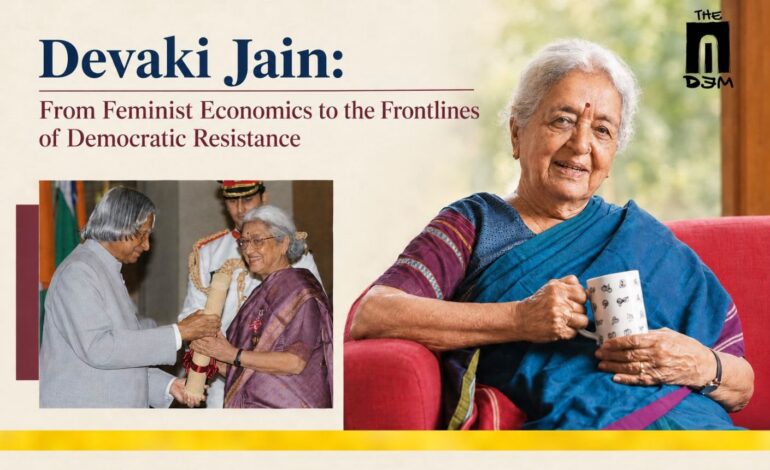
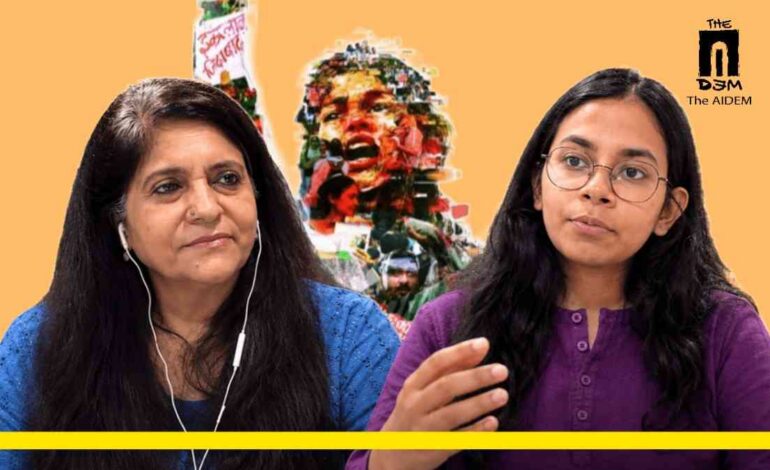
At a recent ‘Tiranga March’ in New Delhi, Dr Devaki Jain, 93, had a characteristically pointed observation for the younger demonstrators. “You’ve all not been arrested, that means our democracy is still working. We used to get arrested in our times,” she remarked. There was humour in the observation, but also the perspective of someone who had witnessed and participated in several decades of democratic struggles.
Jain’s presence at the demonstration was consistent with a lifetime of engagement with questions of social justice, economic inequality and democratic rights. An economist, feminist scholar and activist, she has worked across universities, research institutions, grassroots movements and international organisations. Her intellectual concerns have remained closely connected to the experiences of women, particularly those whose labour and contributions have received little recognition in conventional economic thinking.
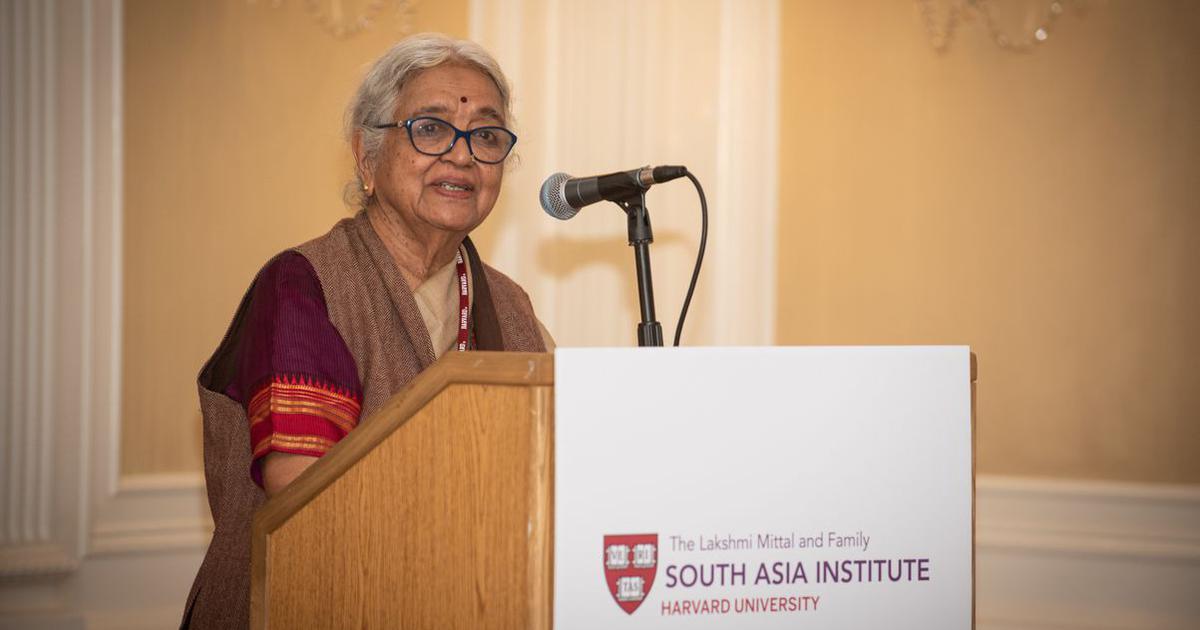
From Oxford University to the Narmada Bachao Andolan, and from establishing research institutions to advising the United Nations, Jain has sought to connect economic research with the everyday realities of people who remain marginalised in public policy.
From Mysore to Oxford and Back
Born in Mysore in 1933, Devaki Jain grew up in a family familiar with public administration and intellectual discussion. Her father, M. A. Sreenivasan, was a civil servant who served as a minister in the princely state of Mysore and later as the Diwan of Gwalior. Jain graduated from Mysore University in 1953, securing three gold medals for ranking first in Mathematics, English and overall academic performance.
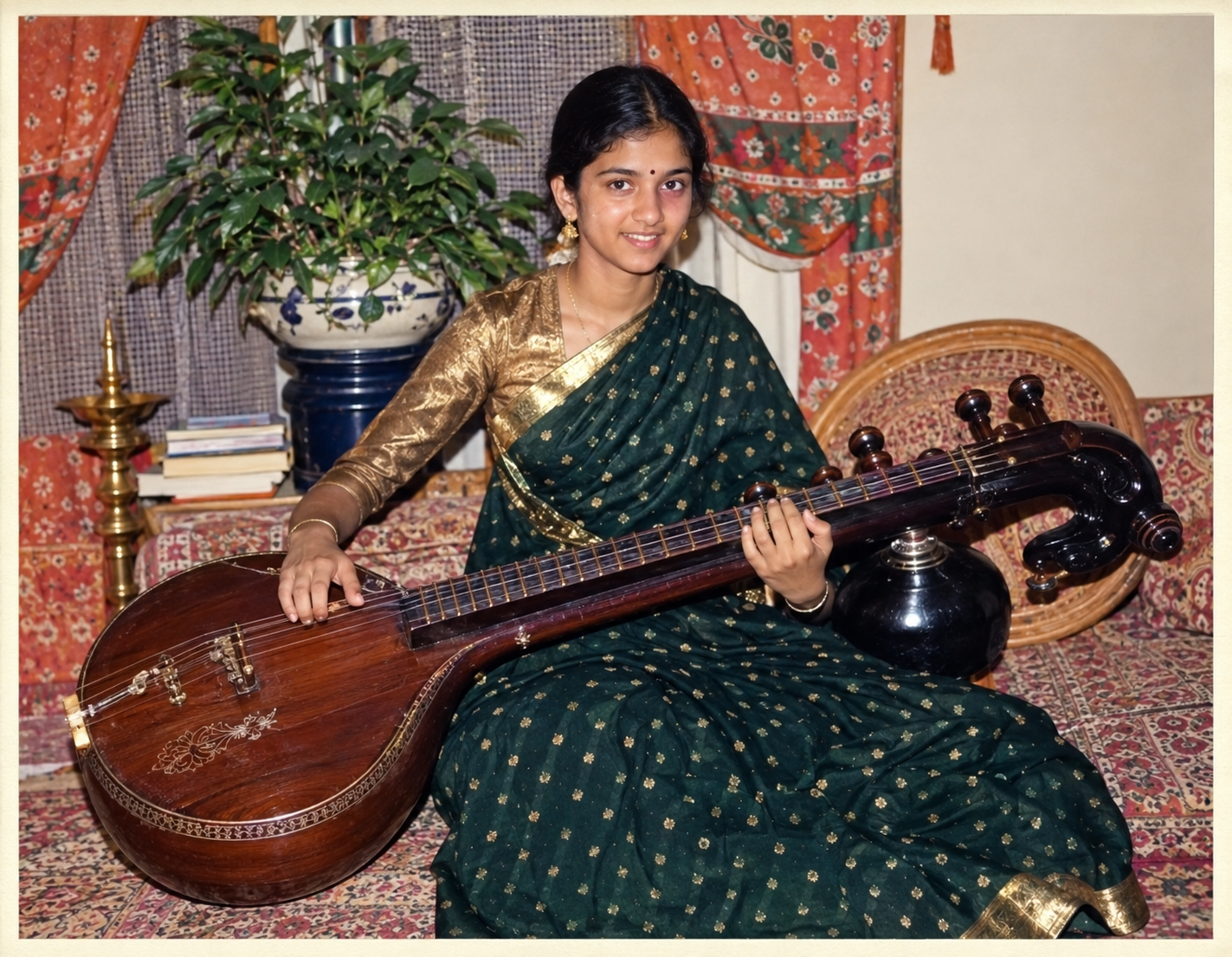
She subsequently studied Philosophy, Politics and Economics (PPE) at St Anne’s College, Oxford. While Oxford provided her with a grounding in economic and political thought, encounters outside the university also contributed to her developing intellectual interests. In 1958, she met the novelist Doris Lessing in London. Lessing, who was working on what would become The Golden Notebook, encouraged Jain to record her experiences and observations. The encounter contributed to Jain’s reflections on gender, power and identity.

After returning to India, Jain taught economics at Miranda House, Delhi University, from 1963 to 1969. Her academic work increasingly brought her into contact with questions that conventional economic models did not adequately address. The frameworks she had studied, largely developed in Western academic settings, offered limited explanations of the unpaid labour, unequal access to resources and economic difficulties experienced by Indian women, particularly in rural communities.
These concerns would become central to her subsequent research.
Feminist Economics and Grassroots Research
One of Devaki Jain’s important contributions was to question the assumptions underlying conventional economic analysis. During the 1960s and 1970s, economic studies frequently treated the household as a single unit, paying insufficient attention to inequalities within families and the considerable unpaid labour performed by women.
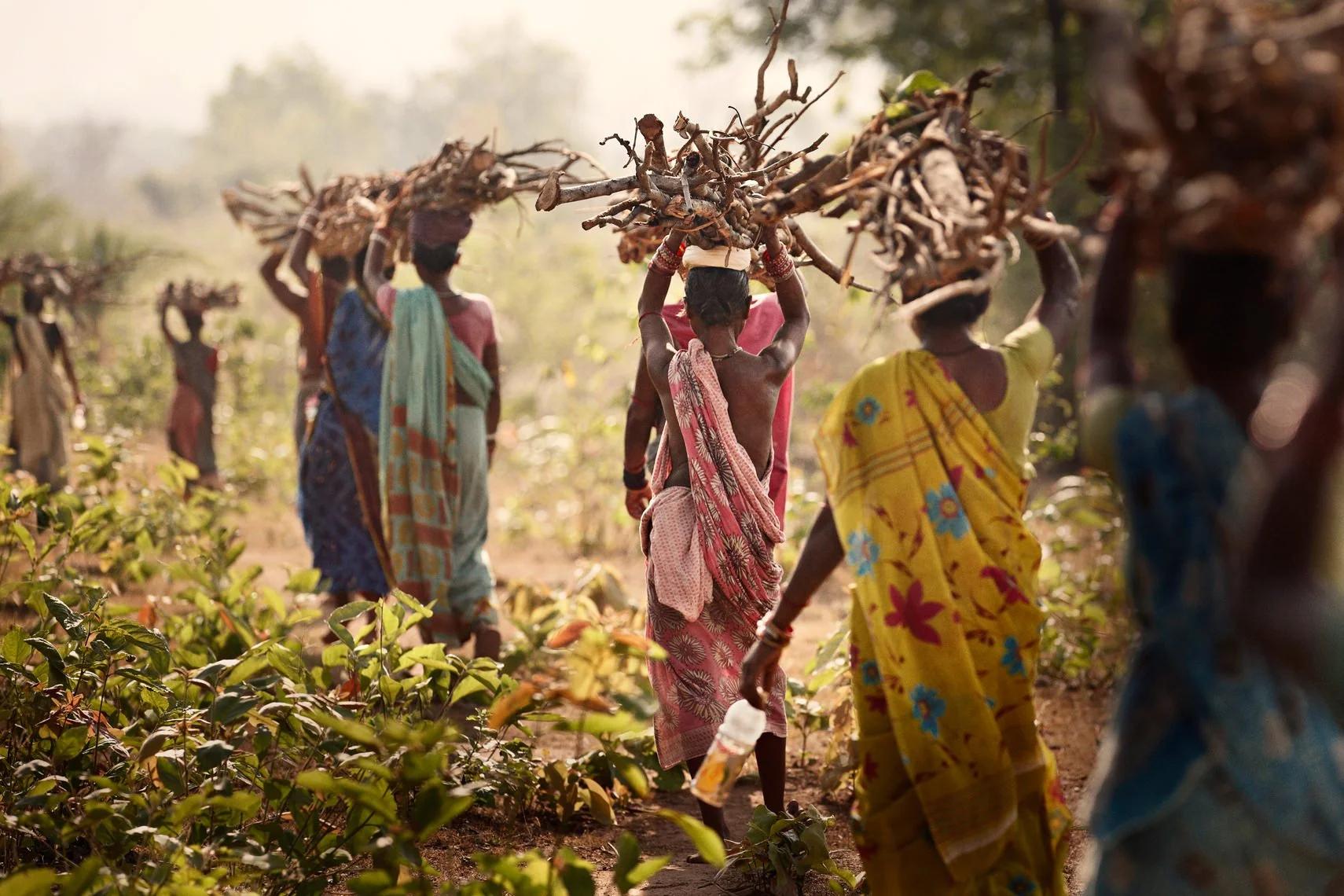
Jain argued that this approach produced an incomplete understanding of economic activity.
Women’s contributions to agriculture, domestic work, childcare and the maintenance of rural households were essential to everyday economic life, yet much of this work remained outside formal systems of measurement.
In 1966, she established the Institute of Social Studies Trust (ISST) in New Delhi and served as its director until 1994. Under her leadership, the institute developed research programmes that examined economic and social questions from women’s perspectives, drawing extensively on field studies.
Her work included time-use studies documenting the hours rural women spent collecting firewood, fetching water, tending livestock and undertaking agricultural and domestic work. Much of this activity was either inadequately recorded or excluded from conventional calculations of national income and Gross Domestic Product (GDP).
The implications extended beyond statistical measurement.
If economic policy failed to recognise women’s labour, it would also fail to address their needs, working conditions and access to resources.
Through her editorial work on Indian Women, published in connection with International Women’s Year in 1975, and her wider research on poverty and development, Jain contributed to a growing body of feminist economic thought in India. She argued that poverty could not be understood adequately without examining the different ways in which it affected women and men.
Her work also emphasised economic decentralisation, local self-governance and development policies shaped by the experiences of the communities they were intended to serve.
Women, in this understanding, were not merely beneficiaries of development programmes but participants in economic production and public decision-making.
International Engagement and the United Nations
Jain’s work gradually acquired an international dimension, particularly through her engagement with development debates in the Global South. She questioned the assumption that economic and social models developed in Western countries could be applied universally without accounting for colonial histories, structural inequalities and the specific conditions of poorer societies.
Her criticism also extended to strands of Western feminist thought that, in her assessment, paid insufficient attention to the relationship between gender inequality, poverty and international economic structures.
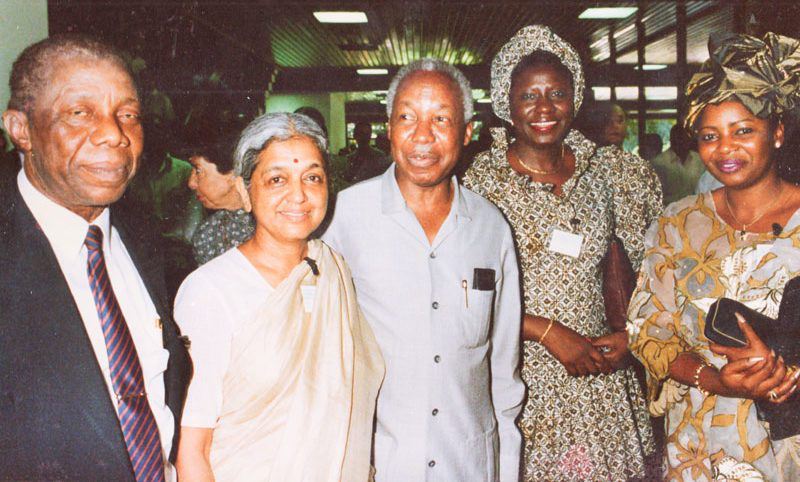
She served as Chair of the Advisory Committee on Gender for the UN Centre in Asia-Pacific and was a member of the South Commission, working alongside figures such as former Tanzanian President Julius Nyerere.
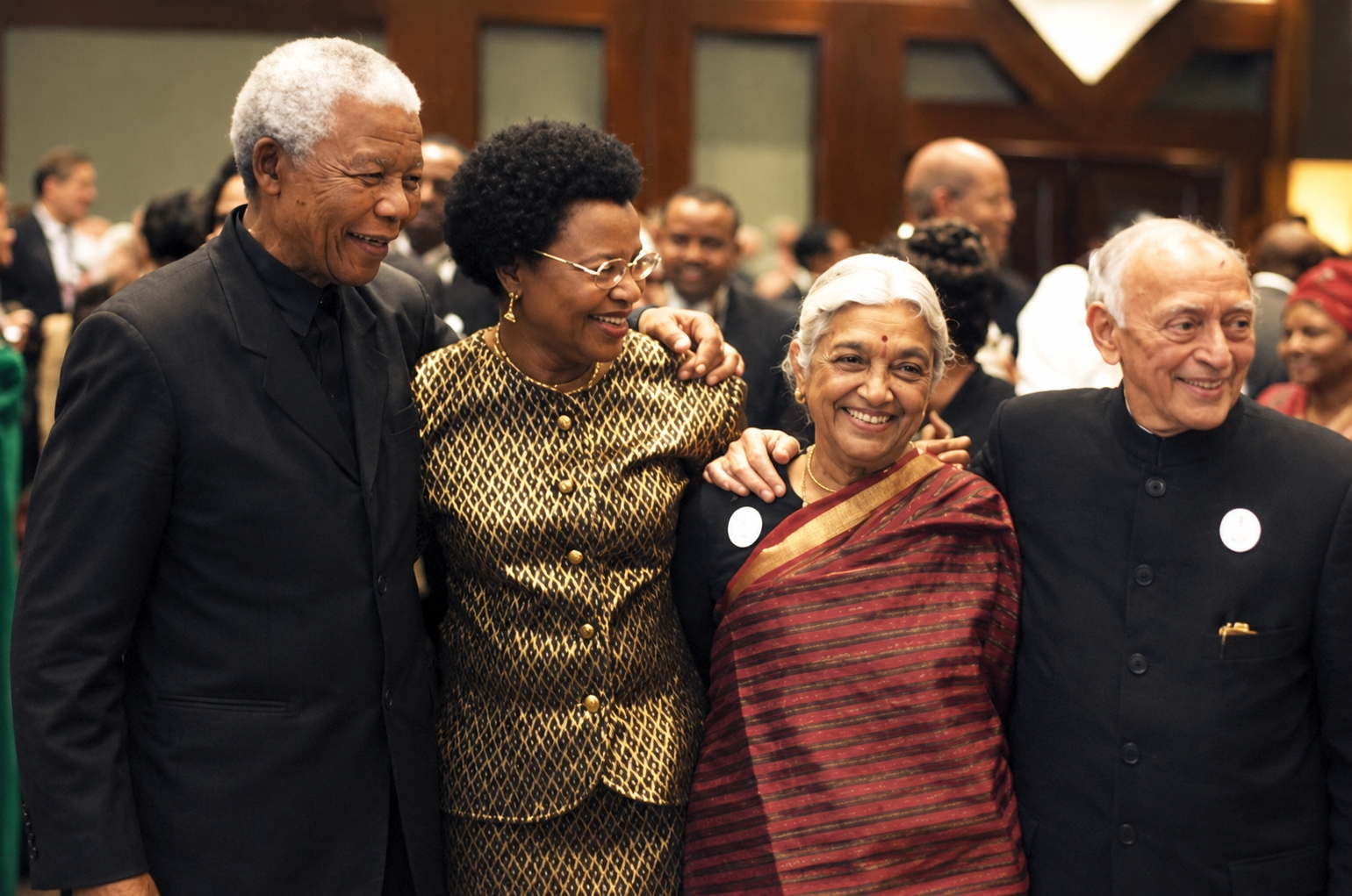
Jain also contributed to advisory panels associated with the United Nations Development Programme’s 1997 Human Development Report on poverty and its 2002 report on governance. She was a member of the Graça Machel Study Group, appointed by the United Nations to examine the impact of armed conflict on children.
These assignments provided opportunities to bring perspectives from developing countries, particularly those of economically disadvantaged women, into international policy discussions.
In Women, Development, and the UN: A Sixty-Year Quest for Equality and Justice (2005), Jain examined the relationship between women’s movements and the evolution of international development policy.
The book documented the struggles through which questions of gender equality entered institutional debates and the limitations that continued to affect their implementation.
Her international work was informed by the same concerns that shaped her research in India: the need to understand inequality through the experiences of those who bore its consequences.
Direct Action, Activism and Democratic Engagement
Devaki Jain’s involvement in public movements developed alongside her academic and institutional work. Influenced by Gandhian ideas, she regarded non-violent public action as an important means of addressing social and political injustice.
During the 1980s, Jain became associated with the Narmada Bachao Andolan, supporting communities and farmers affected by large dam projects. The movement raised questions about displacement, environmental damage, rehabilitation and the distribution of the benefits and costs of development.
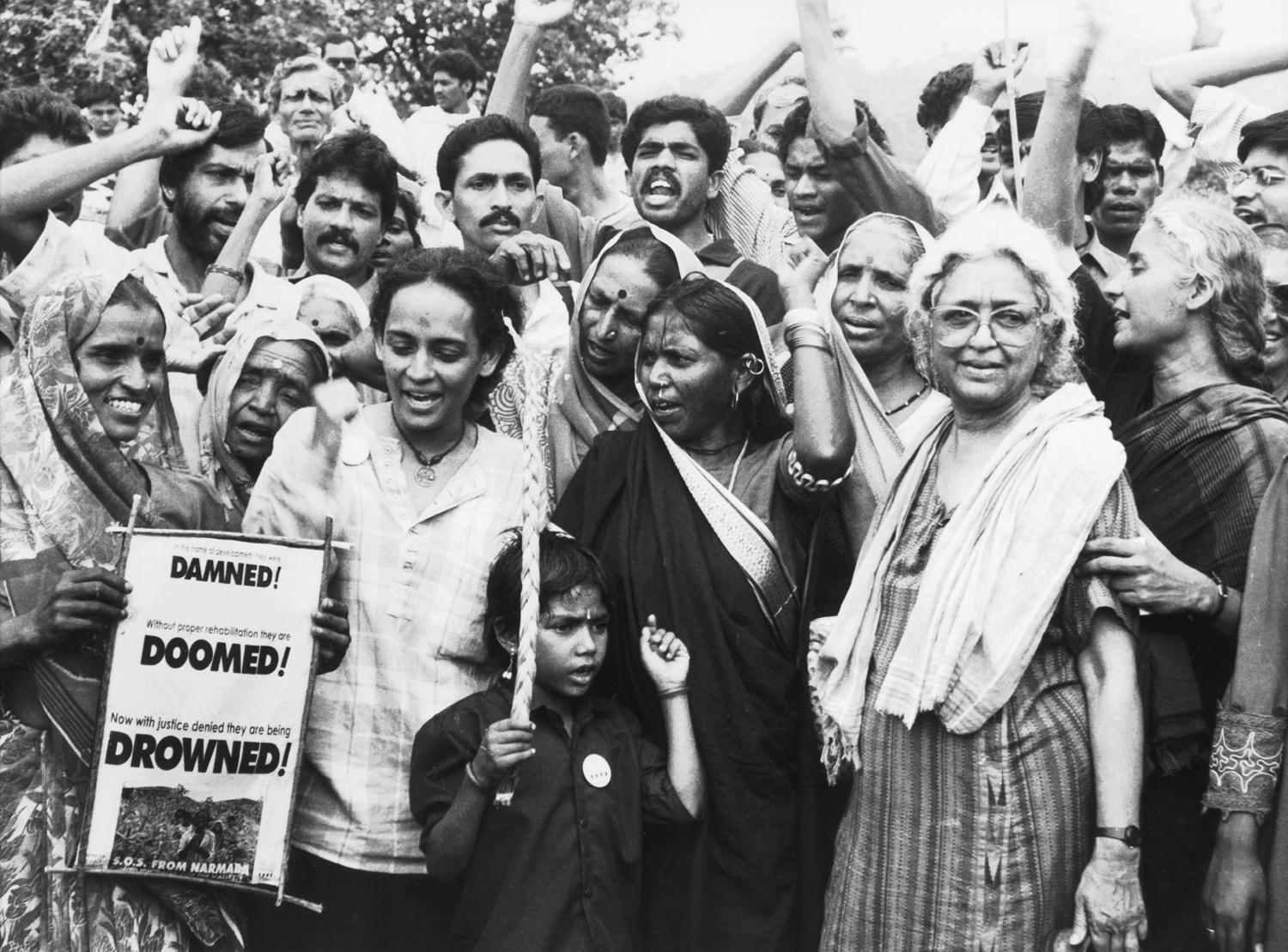
For Jain, these concerns were connected to the broader question of whose interests determined development policy and whose experiences were excluded from the decision-making process.
In the 1990s, she also supported the grassroots movement for the Right to Information (RTI), recognising access to information as an important requirement for public accountability. The campaign sought to make government decisions and the use of public resources more transparent and accessible to citizens.
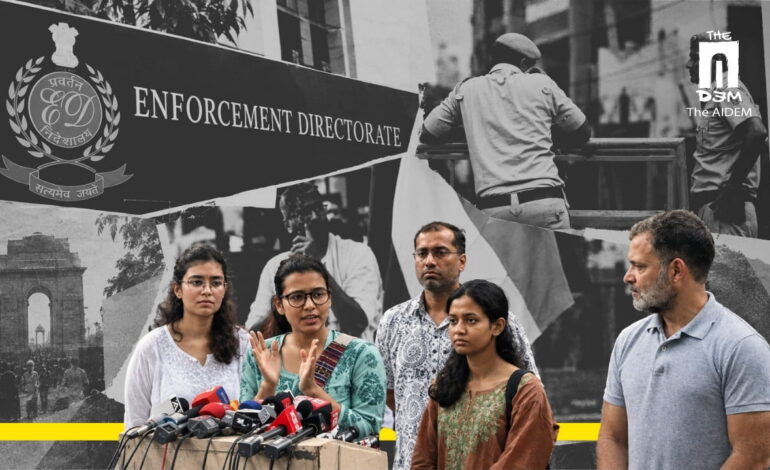
Her participation in the recent CJP ‘Tiranga March’ in Delhi belongs to this history of public engagement. Standing alongside students and civil rights activists, Jain brought the experience of earlier political struggles into a contemporary discussion about democratic freedoms.
#PeekOnGround: Devaki Jain, a 93-year-old retired economist, joined the CJP’s ‘Tiranga March’ on Friday. Jain, who was a part of several protests such as the Narmada Bachao Andolan in the 1980s and the RTI protests in the 1990s, said https://t.co/B3BY8ze94f
— Peek TV (@PeekTV_in) October 16, 2026
Her remark about arrests was more than a recollection of the past. It offered a comparison between different periods of political mobilisation, while drawing attention to the relationship between dissent, state authority and democratic rights.
The Personal and Political in The Brass Notebook
In 2020, Devaki Jain published her memoir, The Brass Notebook: A Memoir. The title makes a deliberate reference to Doris Lessing’s The Golden Notebook, a novel that had influenced Jain’s thinking about women’s lives and the relationship between personal experience and social structures.
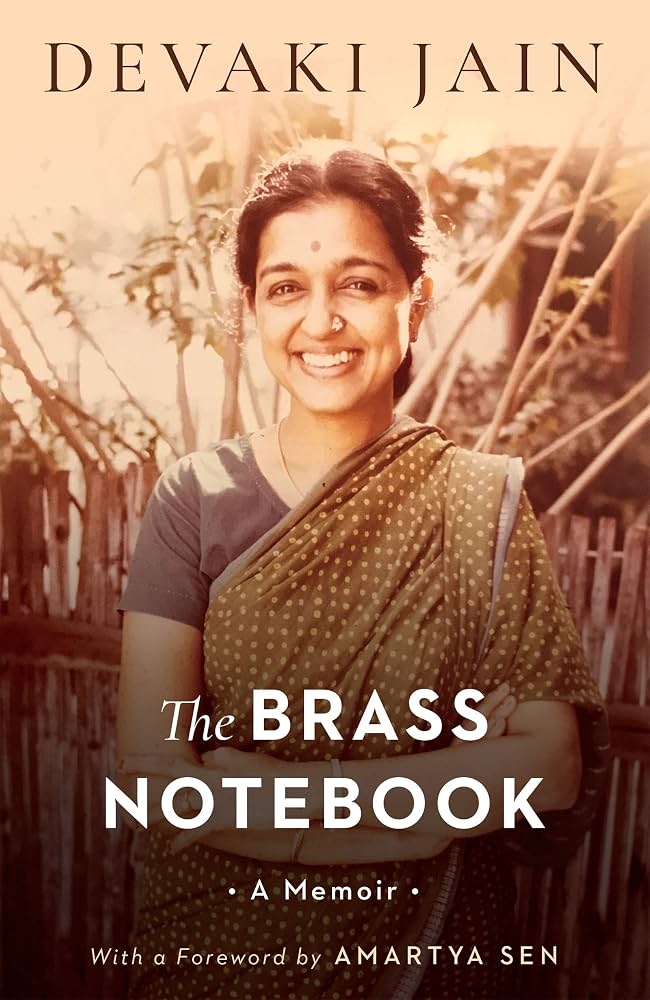
Jain’s choice of brass rather than gold is significant. Brass is an ordinary, durable metal associated with everyday life. The contrast suggests an interest in experience as it is lived, with its imperfections, contradictions and limitations, rather than an idealised account of personal achievement.
The memoir brings together her personal and professional experiences, examining the social expectations and institutional constraints she encountered within her family, workplace and wider society.
Jain writes about discrimination, professional condescension and the difficulties women faced in asserting their independence within established institutions. Her account also reflects on the relationships, encounters and political developments that influenced her understanding of society.
The book attracted international attention, with responses from figures including Gloria Steinem and Amartya Sen, who contributed a foreword. Archbishop Desmond Tutu also commented on the memoir, recognising its account of a life spent questioning established conventions.
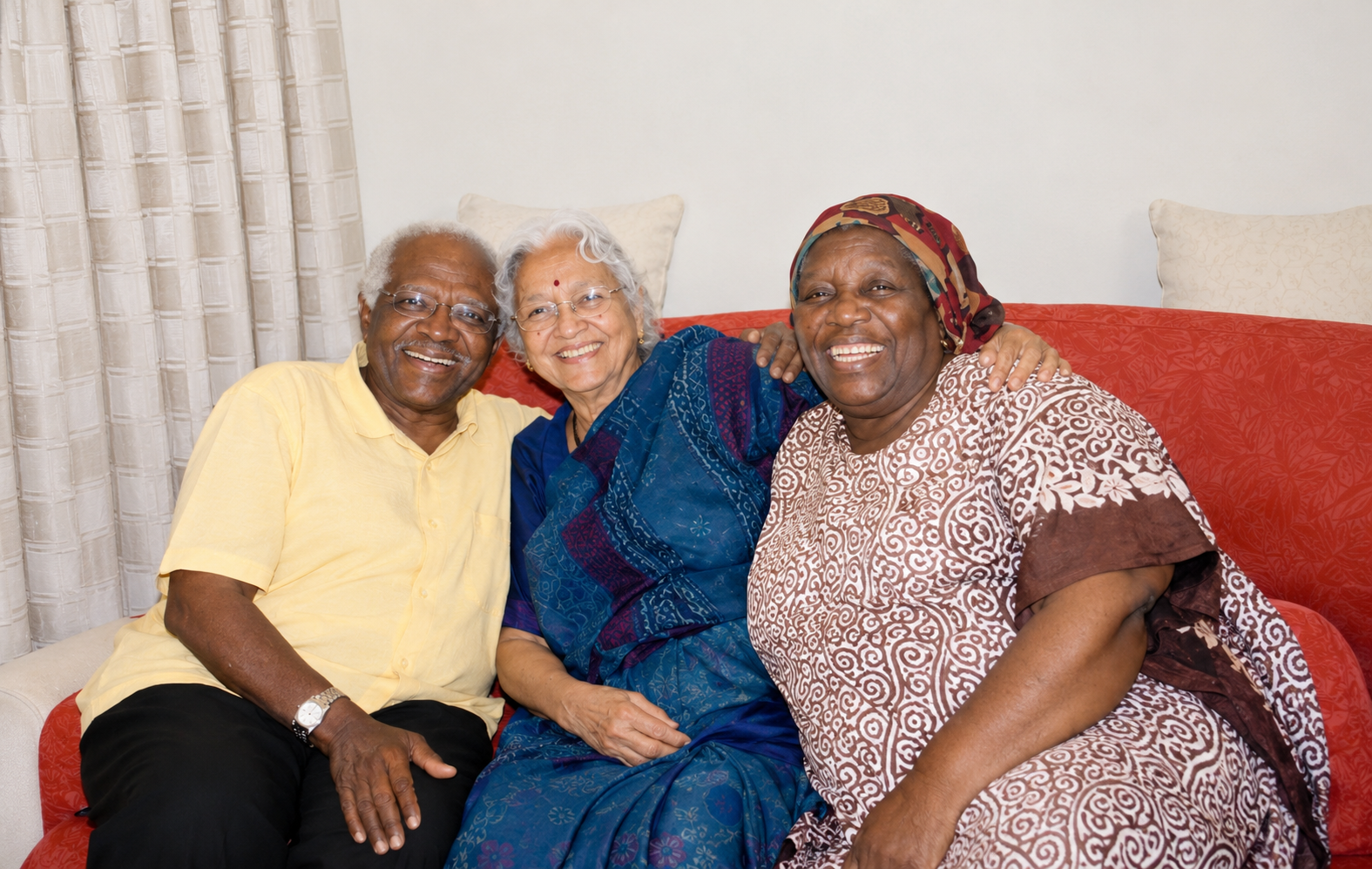
Beyond its autobiographical significance, The Brass Notebook offers a perspective on the changing position of women in post-independence India, particularly among those who entered academic, professional and public institutions during the decades following Independence.
Recognition and Continuing Relevance
Devaki Jain’s contributions to economics, gender studies and public life have received recognition in India and abroad. In 2006, she was awarded the Padma Bhushan, India’s third-highest civilian honour, for her work in social justice and women’s empowerment.
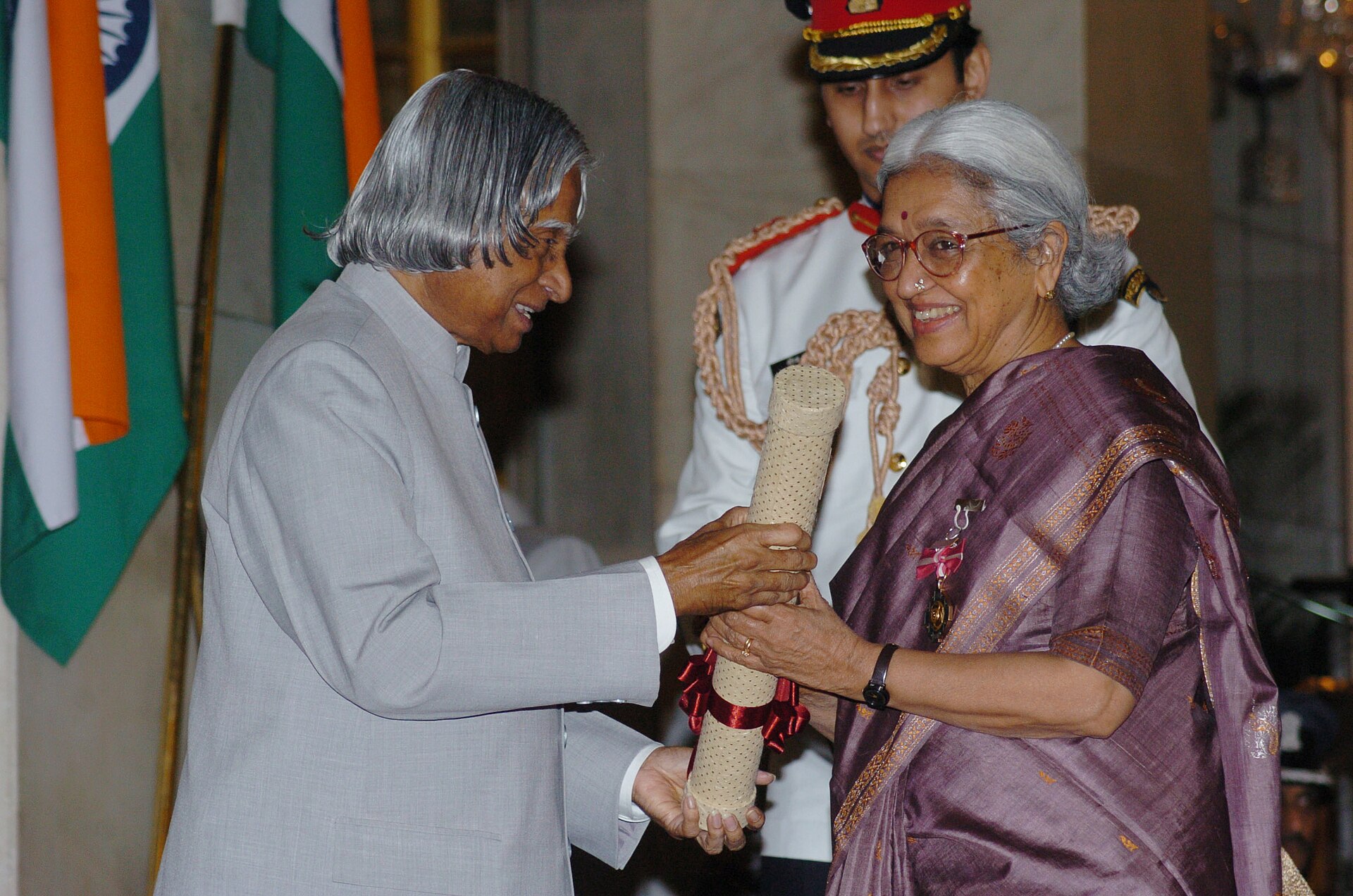
She has also received honorary doctorates, including one from the University of Westville in Durban, South Africa, and holds an Honorary Fellowship at St Anne’s College, Oxford.
Yet the significance of Jain’s work is not confined to institutional recognition. Her research contributed to a wider reconsideration of how economic activity is defined, how women’s labour is measured and how development policies are formulated.
The institutions and research initiatives with which she has been associated have provided space for scholars, activists and policymakers to examine questions that were often marginal to mainstream economic discussion.
Her insistence on recognising women’s unpaid labour also belongs to a continuing debate about the limitations of conventional economic statistics. Although these questions have gained greater attention over the decades, inequalities in the distribution of paid and unpaid work remain central to discussions of gender and development.
Jain’s work is also notable for its refusal to separate economic inquiry from political and social questions. Her involvement in movements concerning displacement, transparency and civil liberties reflects an understanding that public policy cannot be examined independently of the people affected by it.
The same perspective is evident in her continuing participation in democratic protests. At the CJP march, Jain was not merely recalling an earlier period of activism. She was participating in a contemporary struggle while drawing on her experience of previous ones.
View this post on Instagram
Across more than six decades, Devaki Jain has moved between research, institution-building, writing and public action. Her work has consistently questioned the exclusion of women and economically disadvantaged communities from the processes through which economic priorities and public policies are determined. That concern continues to inform both her intellectual contributions and her presence in movements for democratic rights.





Devaki Jain’s life proves that true feminism is not just about economic equality but about justice, dignity and the courage to challenge power. Even at 93, her solidarity with democratic resistance sends a powerful message: democracy survives only when people refuse to remain silent in the face of injustice. Her legacy is an inspiration to every generation fighting for equality, constitutional rights and a more just India.