

Dialogue Conversation Part 1 : BJP Under Modi Could Win 120-150 Seats if Polls are Held Today : Parakala Prabhakar
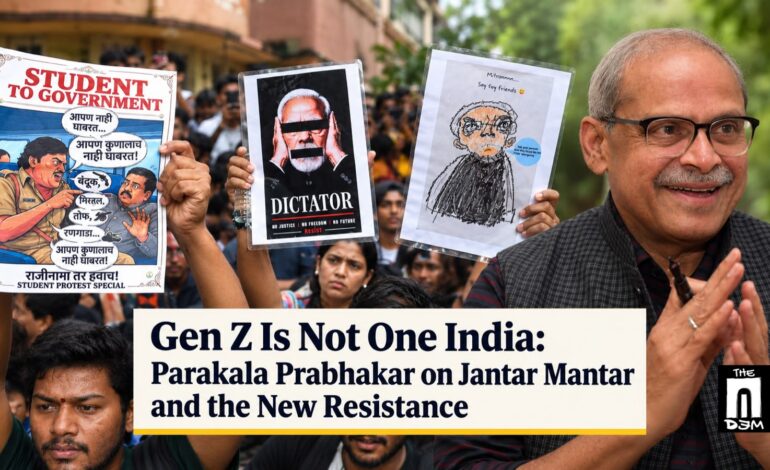
In the second part of this wide ranging conversation with Sujit Nair, author and socio-political analyst, Parakala Prabhakar delves deeper into the phenomenon of Gen Z resistance in India. Dismissing conspiracy theories of foreign funding as“nonsense”, Prabhakar unpacks the dual and complex reality of India’s youth. While he praises the political awareness and fearless idealism of the middle-class protesters at Jantar Mantar, he offers a sobering reality check: for every progressive, English-speaking youth pushing back against the establishment, a significantly larger segment of Gen Z is actively recruited into the Hindutva fold.
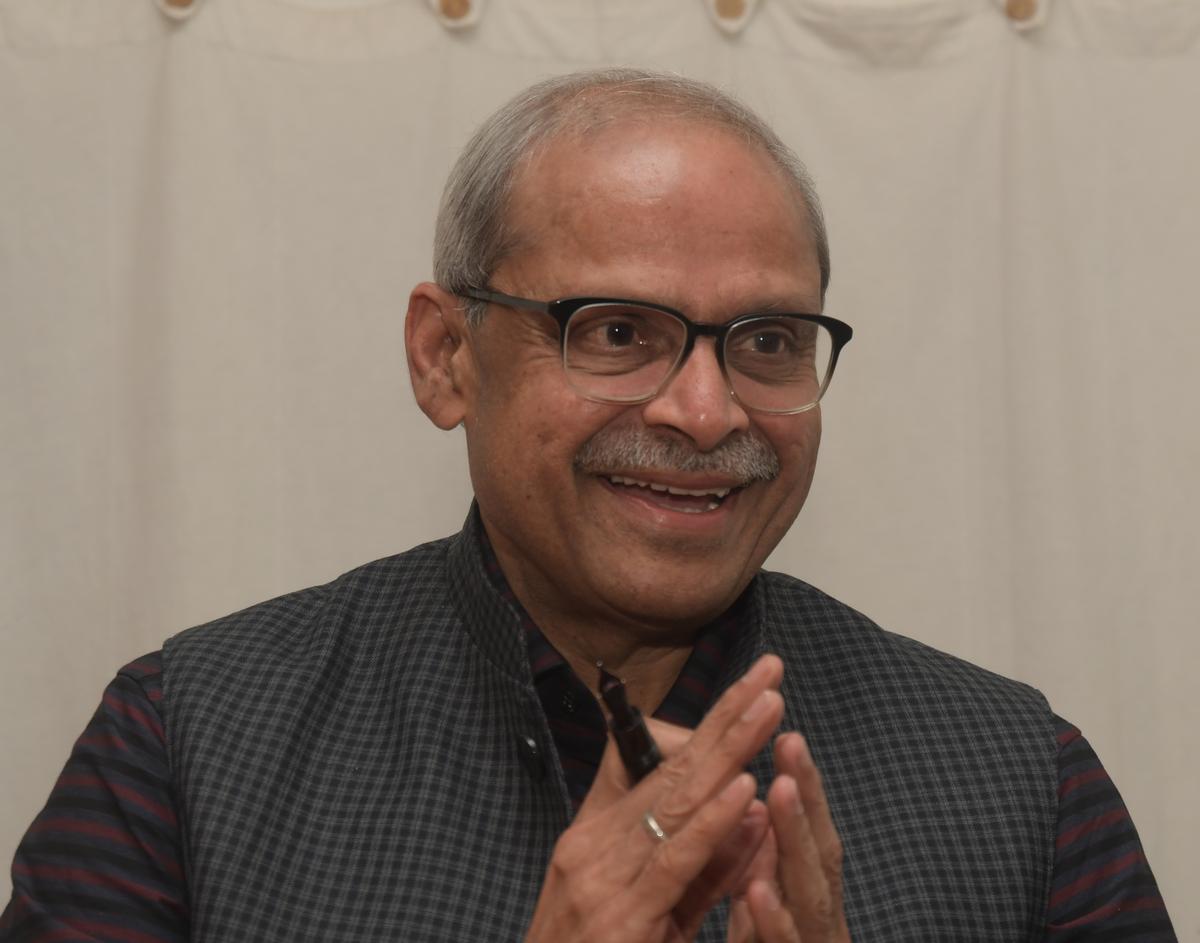
Drawing historical parallels with Bhagat Singh and the Quit India Movement, Prabhakar contextualises the natural fearlessness of the youth but cautions against placing the entire burden of democratic resistance on their shoulders. Instead, he argues for a broader, united front—urging the public to look at the Gen Z protests in tandem with other powerful, legitimate struggles, from the historic farmers’ agitation and environmental movements to the ongoing plight of gig workers.
This conversation was originally published in audiovisual format in the“Dialogue” programme of YouTube channel @HW NewsEnglish. The link to watch the audiovisual conversation is also given below.
Sujit Nair: But I want to ask you my third section and then we’ll get into the SIR part. My third section is the youth, the Gen Z.
All of a sudden, everybody is trying to ape Gen Z. They are trying to talk their language and all of that. I mean, it sounds funny, actually; it actually looks funny too. But that being said, according to you, do you think this just happened or it was foreign-induced and, you know, conspiracy theory and all that, or was it something that—yeah?
Parakala Prabhakar: That is nonsense. That is nonsense. You know, this is Soros and, you know, tomorrow it can also be said that Sujit Nair is funded by Soros.
Sujit Nair: I’m already, I’m already, I’m already—I already get that every day.
Parakala Prabhakar: Congratulations. You know, pass on my number also. That’s nonsense. You know, you can see some uneducated people, you know, doing this kind of thing. Things don’t work like that. Never worked like that.
You know, in India, an intelligent person like you, the people with, you know, commitments, obligations, understanding—and you see, just because, you know, just because you don’t agree with the Prime Minister doesn’t mean that you are anti-India. Anti-government is not anti-country. In fact, sometimes being anti-government is a patriotic act, a patriotic act it is.
But Gen Z, you know, I have some ideas about it. I have an analysis of my own. You know, I have been, as you know, I’ve been going around many parts of the country, many towns, many cities, and people call me to speak on this or that for a long time now.
And I used to insist to the organisers: I’ll come, provided, either before or after your meeting, you organise one talk for me in the local university or a college. Okay. And, you know, generally, the impression is that our youngsters are indifferent to what’s happening around them, and they don’t care. And this was the impression, and they don’t even understand. This is the impression that we had.
But you know, those kinds of forays of mine, Sujit, they told me a different story. And I’ve been—I used to share this with a lot of people. I’m not trying to cook it up now, I’m not trying to say it now. You can talk—I think probably I said it in many programmes also.
You know, whenever I went, whenever I spoke about the economy and the political economy, you know, what’s happening in the country, etc., you know, they were there in good numbers. Very keen. Then I used to also say that, look, I did not come here to give you a one-way talk. I want to have at least about half an hour to 45 minutes, if not more, of discussion. I want you to, I want you to say something about what I said, on what I said. You will not believe the kind of engagement.
So, you know, one more thing, I used to say that very often, even earlier, more than boys, girls were very alive to the situation. And when Jantar Mantar happened, that was the reason why I was not at all surprised. Okay.
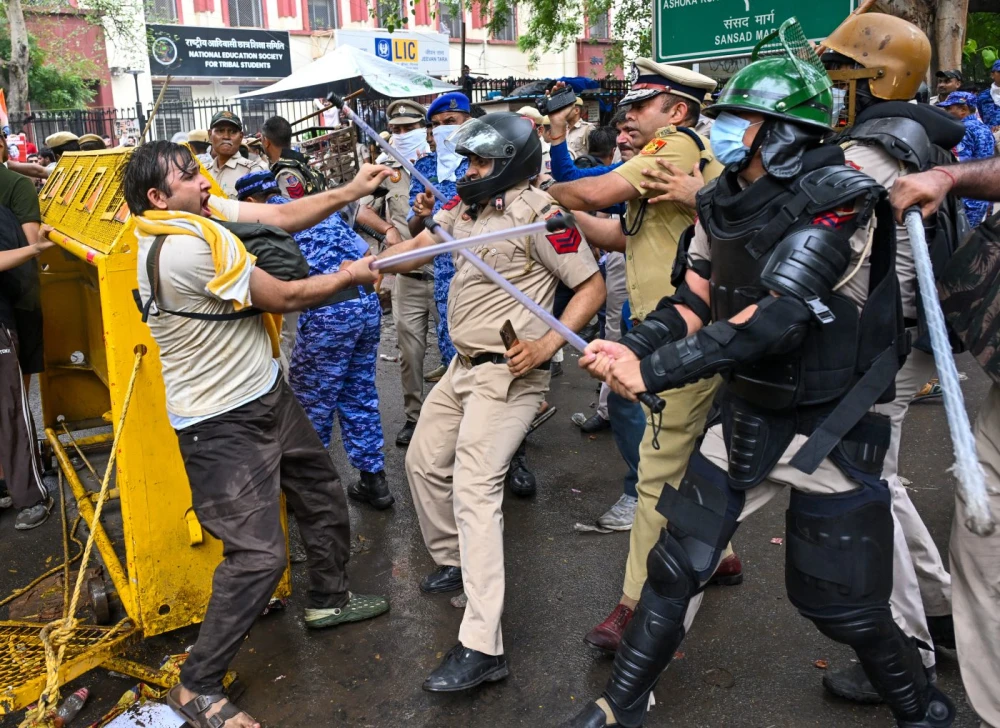
Having said that, they are, you know, they are alive to the situation. They know what is happening in their own way. They have an understanding, etc. All that is there. But let us not, you know, look at them as larger than life.
Because they are looking at it from their education point of view, their examination point of view, their career point of view, their job opportunities point of view, their commute and, you know, their availability of Wi-Fi, facilities, library, you know, these things, because they are their concerns.
You can’t expect them to, you know, talk about SIR, talk about electoral issues, talk about something else, talk about tariffs. If they talk about it, fine, it’s good. But you can’t put all your concerns onto their heads and say, no, no, you do this. What are you doing? This is one.
Not that, you know, people don’t know what you are doing. The point is this. There’s one more thing which is a deflator that I want to bring into play here: Sujit, carefully note that the children who gathered at Jantar Mantar are, of course, educated, coming from the middle class and upper middle class.
Sujit Nair: Yes.
Parakala Prabhakar: Very comfortable in English. Comfortable with social media and articulation. So, this is a section. Keep that in mind.
For everyone who was there at Jantar Mantar or from anywhere who resonated with this, for every one of them, there are 10 who were with tilak and, you know, saffron band and trishul and, you know, blaring music playing in front of mosques and churches—one is to 10. If not one is to 10, at least one is to five.
And if you want to define Gen Z as somebody who belongs to this age group, they also belong to the same age group. Gen Z is not college-going, middle and upper middle class, English-speaking, tech-savvy. No.
There is that section, the underbelly, the ugly underbelly, which has been recruited, which is actively recruited, playing an active part in the Hindutva, you know, crusade, whatever. So, don’t say Gen Z.
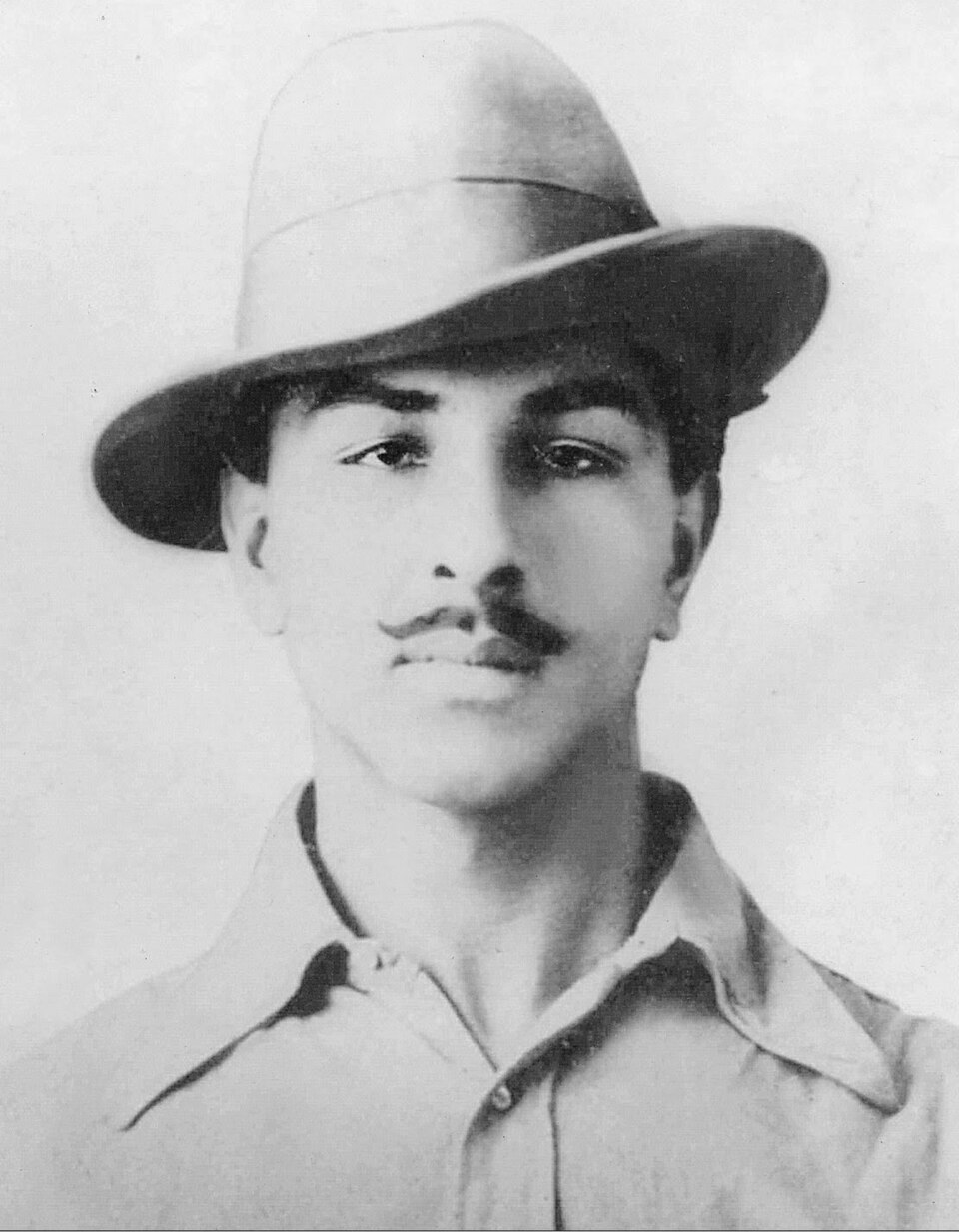
Now, you see, what was the age of Bhagat Singh when he died, when he was executed? 23, 24?
Sujit Nair: 24.
Parakala Prabhakar: Gen Z, I mean, age-wise?
Sujit Nair: Absolutely, absolutely. Very, very, very, very, very valid point. Yes, yes, yes, yes.
Parakala Prabhakar: You know, Sujit, I’ll tell you my own experience, my own personal life. You know, my father was jailed for his participation in the Quit India Movement. He was a freedom fighter.
You know, when he went to prison—’43, I mean, ’42 is when the Quit India Movement call was given. But when, you know, those days, the communications—when the movement reached, it was 1943 in Andhra.
Sujit Nair: Correct.
Parakala Prabhakar: He was 18 years old. What was he? Tell me.
Sujit Nair: Gen Z.
Parakala Prabhakar: Gen Z. Correct. I mean, if you take the age group, I mean, if you tell me.
Sujit Nair: Yeah, yeah, yeah, of course, I understand.
Parakala Prabhakar: And you can say that, you know, this technology is different, that technology—but that technology at that time was the technology, isn’t it?
So, therefore, young people are usually idealistic. They don’t care. You care whether, if you’re arrested and taken to a police station, you might be released. But when, you know, you have to come back and make a show or, you know, talk to somebody, etc., etc., you have your own health issues, maybe, you know, but they don’t care. They don’t have to care. They don’t fear. They don’t have to fear.
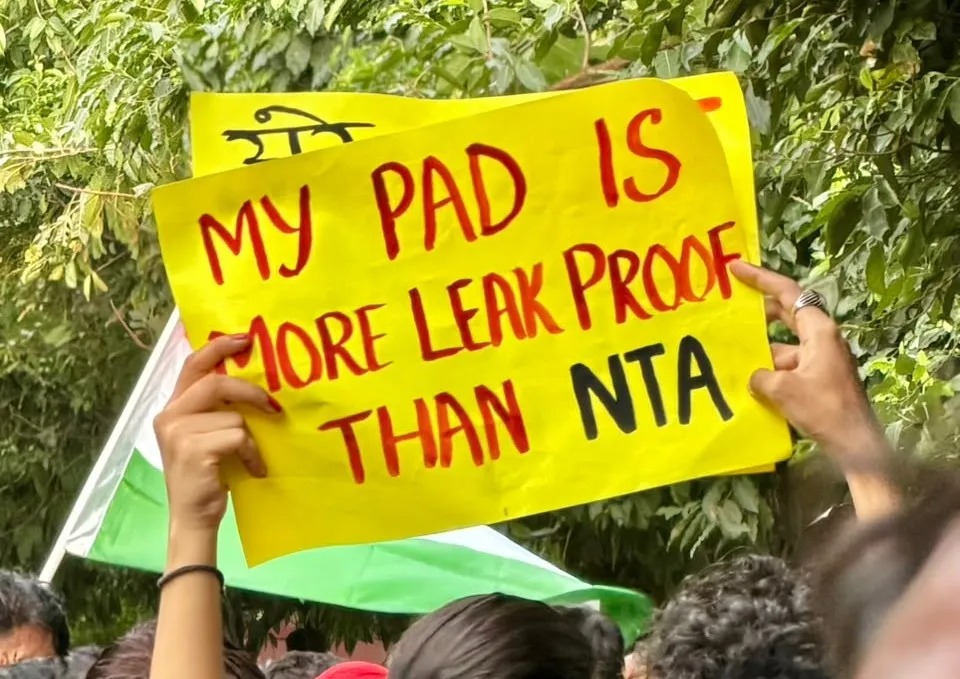
You see, that is the reason why, when people started saying that, you know, the first thing that the Jantar Mantar and Gen Z movement had done is that they said, look, they gave a message that you don’t have to fear. But that’s very natural for them. You probably were there, in the same fearless state of mind in your 20s and that kind of thing.
So, I’m not—I mean, all this doesn’t go towards making the entire Gen Z, Jantar Mantar, less important. But I want you to, you know, bring in the deflators also. So, this is the general understanding that I have.
So, and that is the reason why I feel that, you know, they need to be told—not given a burden: Oh, you do everything and we’ll sit at home. But help them to enlarge and expand the agenda. Now, let me bring in one or two more, if you have time.
Sujit Nair: Please.
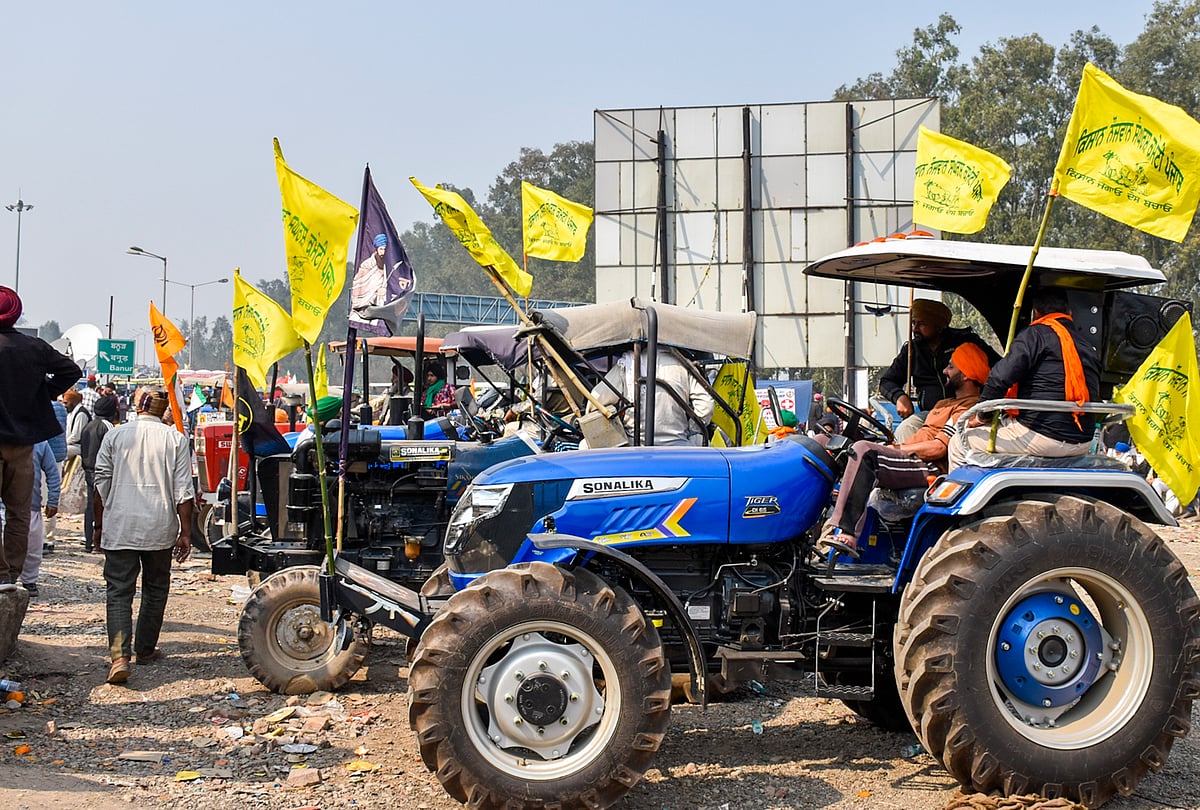
Parakala Prabhakar: Look at the farmers’ agitation. The farmers’ agitation was a prolonged agitation, slightly over a year.
Sujit Nair: Yes.
Parakala Prabhakar: Which lost about 650 to 700 lives, minimum.
Sujit Nair: Yes.
Parakala Prabhakar: Then, unbelievable violence was unleashed against them. Our Delhi had—what is that fence called?—razor wire.
Sujit Nair: Yes, yes.
Parakala Prabhakar: It made, it made—please recall—it made the government withdraw three laws which were passed.
Sujit Nair: Yes.
Parakala Prabhakar: Not only that, that movement also made the Prime Minister go on national television and apologise. You think that is less?
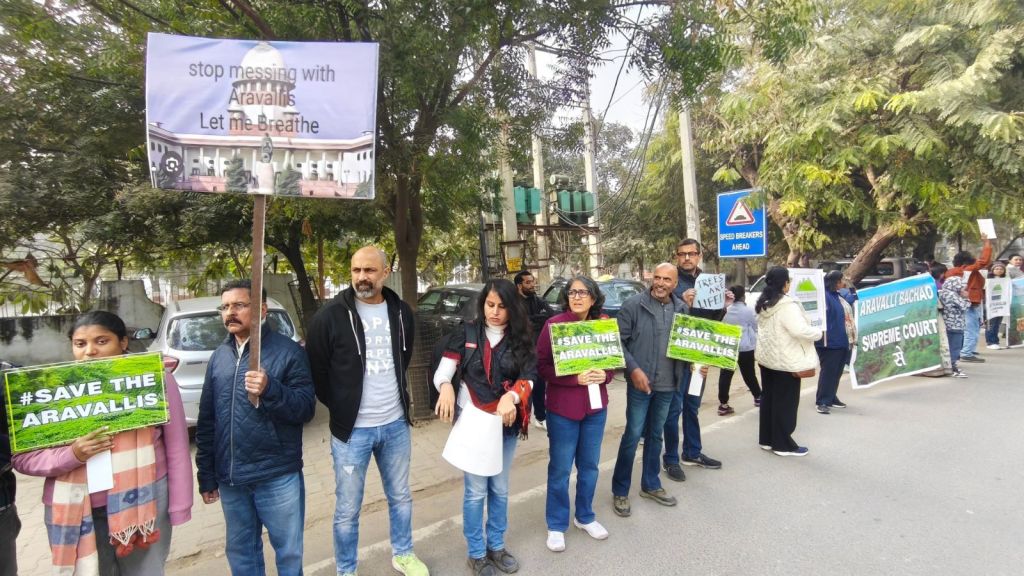
You see, the overlay over them, because it’s today, it’s yesterday. But don’t forget Aravalli. Who was the leader of Aravalli? Tell me. The Supreme Court had to take back, the government had to take back.
Sujit Nair: Correct.
Parakala Prabhakar: So, these—and you know, you have Devanahalli near Bangalore.
Sujit Nair: Yeah, yeah.
Parakala Prabhakar: So, these are the movements that are—and in addition, our youngsters have joined. So, what I want, Sujit, these are all very legitimate concerns. These are all very legitimate points in nature.
So, I want the farmers, the young people, the environmentalists and the, you know, people who are—and you know, what happened to those gig workers in Noida and Manesar, those workers. That was a huge, huge thing. Even today, they’re facing harassment.
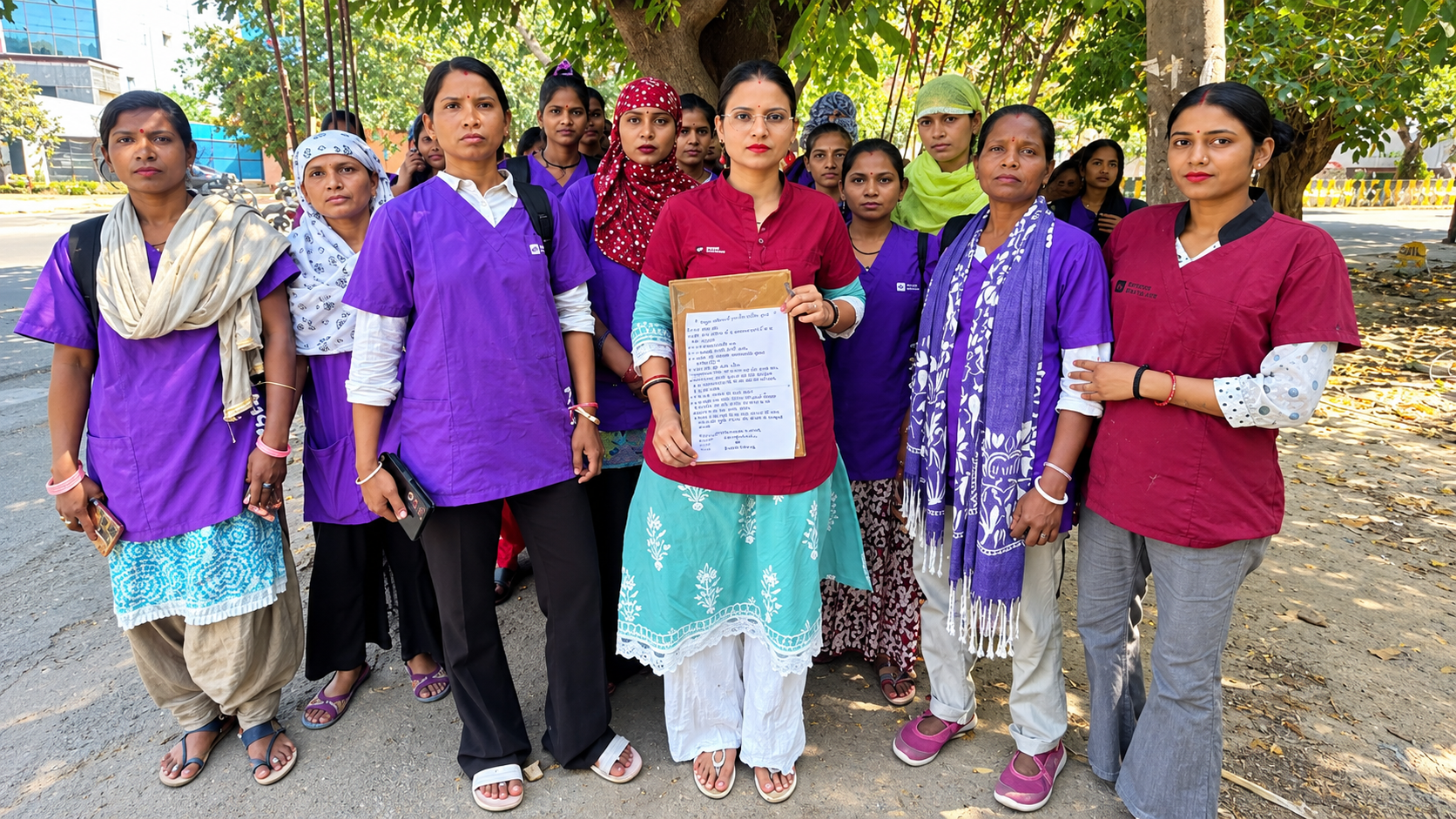
Even our youngsters, Gen Z, are also facing a lot of harassment in spite of, in spite of the Prime Minister and the ministers and the government giving a lot of assurances that cases will be withdrawn and all that. But they’ve not really done anything.
So, let us look at all these together. Not just get carried away by one narrative. That’s what I want to say about the recent developments.
Link to watch the audiovisual of this conversation: