


Dialogue Conversation Part 2: Gen Z Is Not One India: Parakala Prabhakar on Jantar Mantar and the New Resistance
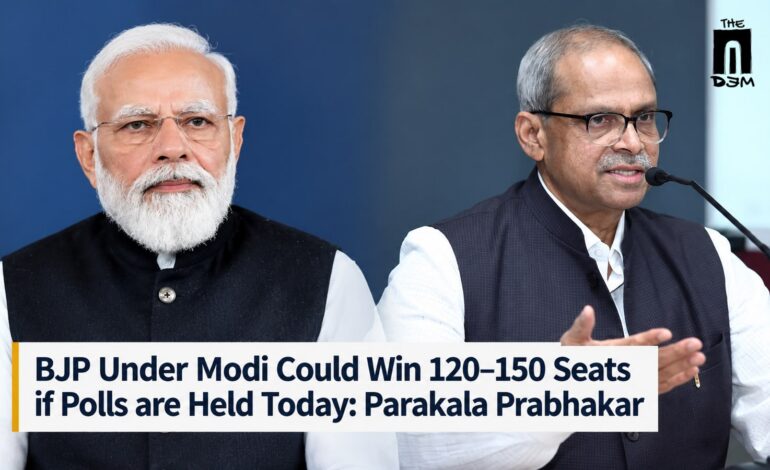
In this wide-ranging conversation with Sujit Nair , author and socio-political analyst Parakala Prabhakar decodes the waning popularity of Prime Minister Narendra Modi and the rise of Gen Z resistance as also the political pressure mounted by opposition leader Rahul Gandhi. Prabhakar argues that the BJP’s political position has weakened amid unemployment, inflation, rural distress and growing public discontent, and says the party could win only 120–150 seats if elections were held today.
Prabhakar also examines the significance of the Gen Z protests at Jantar Mantar, seeing their fearlessness and challenge to authority as part of a wider landscape of resistance that includes farmers, workers and environmental movements. This conversation was originally published in audiovisual format in the “ Dialogue “ programme of YouTube channel @HW NewsEnglish . The link to watch the audiovisual conversation is also given below .
Modi’s Political Grip Is Weakening, But Don’t Reduce the Contest to Rahul Gandhi vs Modi
Sujit Nair: Welcome to another episode of Dialog. And today, I don’t actually need to introduce Parakala Prabhakar. So, I’m not going to waste your time and his by introducing him. I’m sure more people know him than they know me. So, here you are. I’ve got the privilege of having Parakala Prabhakar today.
And I want to, before I get into this interview, tell one small story. I know it’s going to be kind of boring, but all the same, I have to tell you this story. You see, 2023 is when I first interviewed Parakala. And I remember when we first spoke, he spoke about the fact that the Bharatiya Janata Party was not going to make 300-plus and all in the 2024 general elections. He was the first person. Let me tell you, he was the first person to have said that.
So, I heard the first interview we had; it was an awesome interview. Again, we did an interview in 2024. By then, there were a lot of pollsters and all who said, 300 paar and 400 paar and 500 paar and all that were happening. And I was scared. And I remember asking him, are we very sure that this time around the BJP will not do too well? And he told me, he said, listen, BJP will not do well.
And you know what? BJP didn’t do well in 2024. And he’s been saying this from 2023. And nothing, no amount of polls, no amount of whatever strategist or whatever, election strategist or not, made him change his decision. He stuck to his decision. And that’s something that I really admire about you, Parakala. Thank you so much for coming down and talking to us.
I want to throw this topic open and chat with you today, because I really want to do that. Tell me, how are you seeing the mood now? How do you see the elections in the future? How do you think the mood is currently?
Parakala Prabhakar: Well, Sujit, first of all, let me thank you for having me once again. And also thank you a lot for such a generous introduction that you have given me. Although you said that you’re not introducing me, you know, you said very generous things about me. I’m very grateful to you.
Sujit, about the political situation and the electoral consequences of the political situation: you know, I still stand by what I have been maintaining since 2023, when we spoke, that the BJP is in a very bad state, politically, electorally.
In fact, the 2024 figure was itself—the 293 or whatever figure that they notched up—an inflated figure because, you know, several studies have shown us that about 79 seats changed hands because of the spurious injection of votes to the extent of five crore votes spread across 15 states, 79 seats. Had 79 seats been taken away from the NDA and added to INDIA, you know, 313 would have been the INDIA Alliance figure and I think 214 or something like that for the NDA. So, therefore, the treasury benches and the opposition benches would have been swapped.
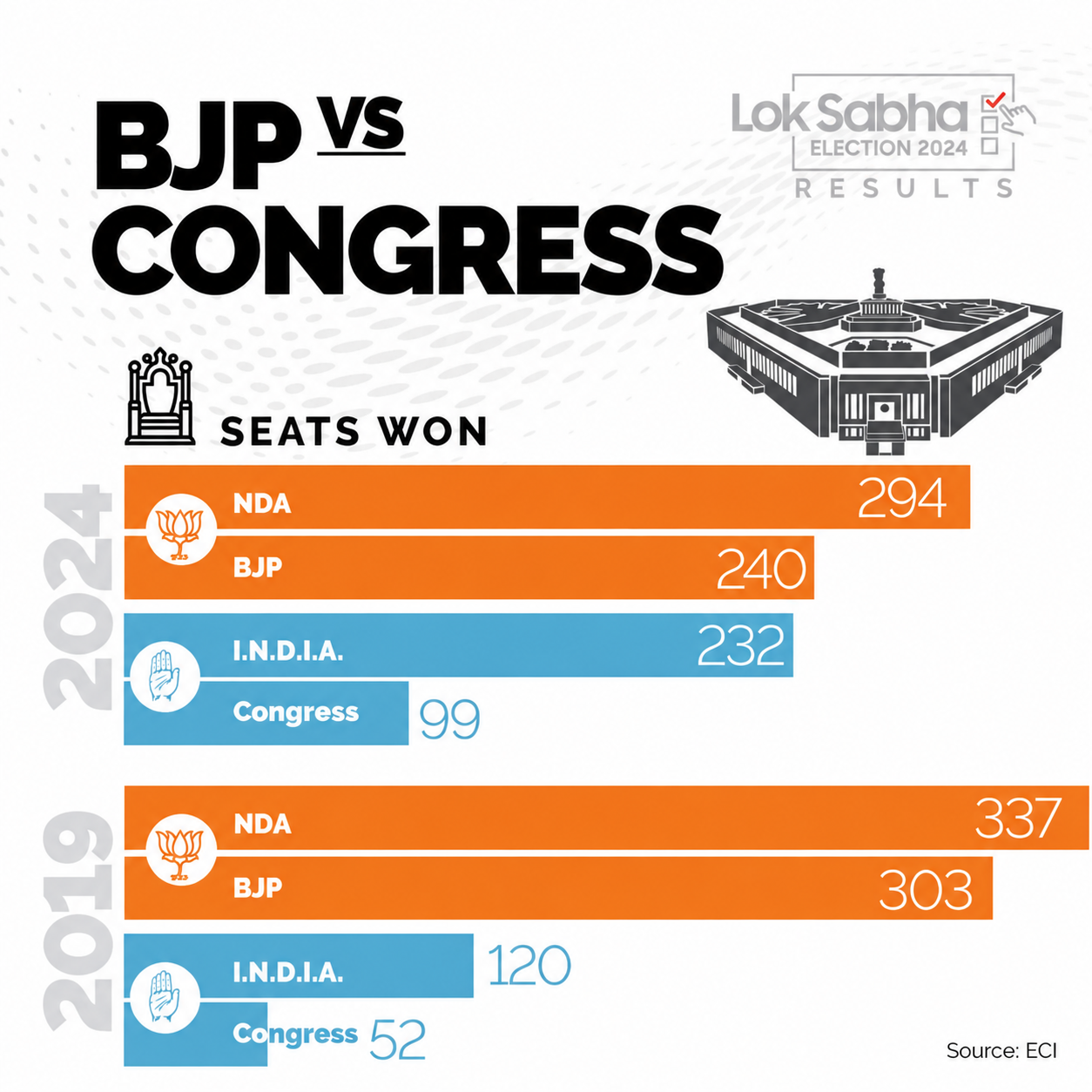
And, you see, that is arrived at on the basis of the polling preliminary figures announced and the final figures announced by the Election Commission. In fact, we’ll have to talk a lot about the Election Commission figures, given what’s happening now. So, you know, the point I wanted to make is that since then, the government has become even more unpopular.
There is nothing to write home about, you know, this government’s achievements or, you know, this government’s quality of governance or delivery of the promises that they made. So, therefore, you know, when I go back to the political history of India in terms of the political economy, Sujit, remember, when the earlier avatar of the BJP, that is the BJS, Bharatiya Jana Sangh, you know, when it took very strident Hindutva positions, even when they had stalwart leaders—like, you know, those days, Guru Golwalkar was around.
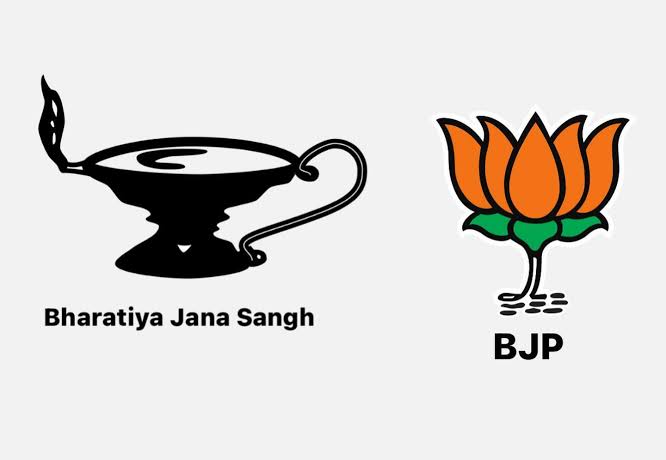
And the Hindutva platform had stalwarts like Karpatri Maharaj and other people. You know, compared to those people, the leadership that we have today of the BJP and the Hindutva forces all put together are very small. I won’t say pygmies—I mean, it doesn’t sound very well—but that’s what I had in mind. Today, you have Narsinghanand and, you know, the BJP leadership. That’s the comparison.
But even with that kind of leadership, a strident Hindutva position was never entertained by this country. You know, Sujit, the peak performance of the BJS was in 1967. And you know what the percentage of the popular vote of the BJS was then? 9.7. They did not pass 10%.
You know, with all that, you know, fresh memory of Partition, the atrocities, the violence and refugees, in spite of all that, you know, they did not. You know, slowly, it started changing tack by saying that, you know, they’re Gandhian socialists—the avatar, the new avatar, Gandhian socialism. And then the three controversial, contested propositions of the BJS and the Hindutva platform—Article 370, Ram Janmabhoomi, Uniform Civil Code—they were put on the back burner.
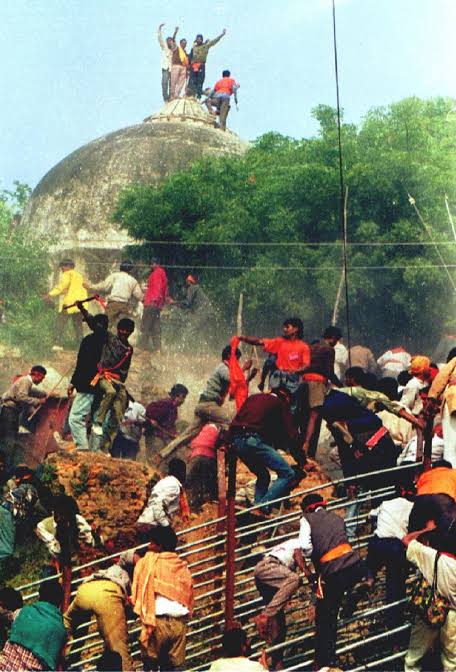
And, you know, they tried to build alliances, etc., etc. That earned them both the vote share as well as alliance partners. That reached a crescendo when the 2014 pitch was—remember, the 2014 pitch was not a Hindutva pitch. The 2014 pitch was purely an economy pitch.
We’ll bring the black money back and create a crore of jobs, no corruption, no policy paralysis, etc., etc., ₹15 lakh in every taxpayer’s account—so many of those, you know it very well. And by 2019, they lost steam and only a war or aggression kind of thing, portrayed that way, saved them, all right? But after that, it deteriorated even further.
Then 2024 came; the very strident Hindutva platform was back in play. The Prime Minister gave, you know, about 110 hate speeches out of 147 rallies, you know, you know, you know. And then even though they resorted to all that, even with the 79 seats changing hands, they ended up, you know, being able to form the government with great difficulty, with the help of Chandrababu Naidu and Nitish ji.
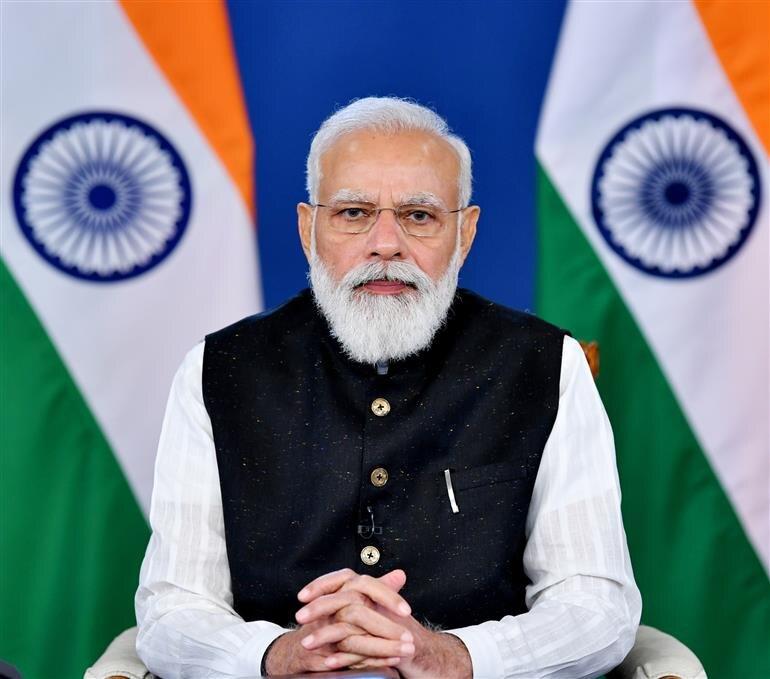
So, you know, this is not going anywhere. That is the reason 2024 had a massive malpractice. I mean, there are people who tell you that, you know, it all started in ’17, ’18, ’19, ’20; you know, they say that. But I can tell you from my own study, I’m not relying on other people. Of course, they are very credible studies. But my own study from 2023 onwards, by close observation, as I shared with you, showed what kind of irregularities there were in the 2024 election.
So, the reason why I’m saying all this is that the current discourse is now heavily overlaid by the ECI revelations. They are important—the rift in the ECI and two commissioners and the leaks that have happened, the Express investigation, all that is very fine. But let us not forget the 2024 irregularities. Without those irregularities, this government would not have been in office.
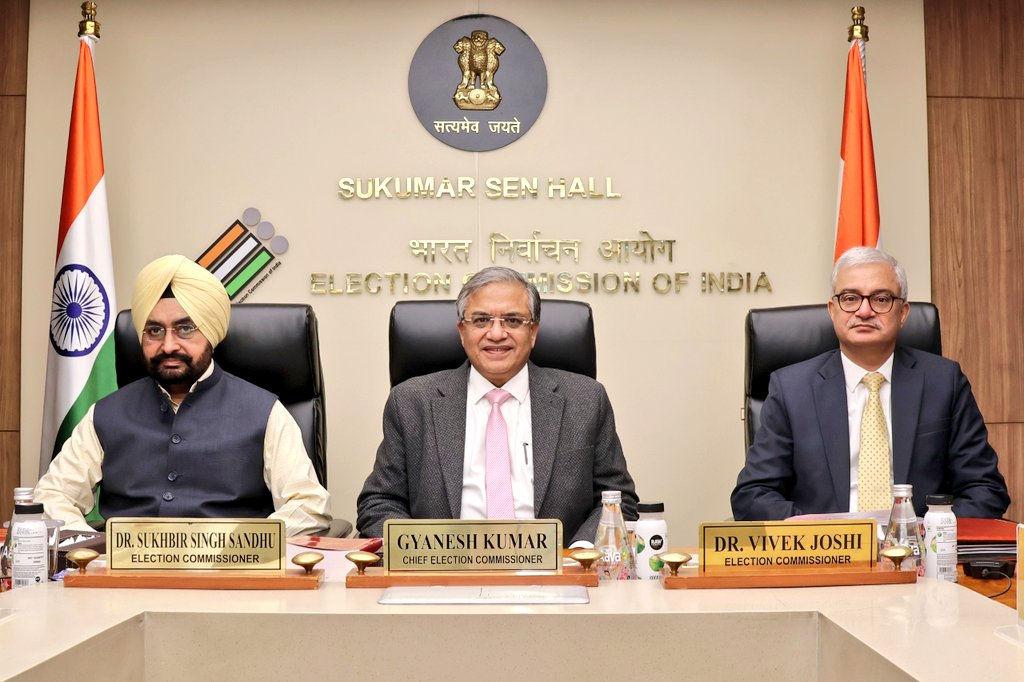
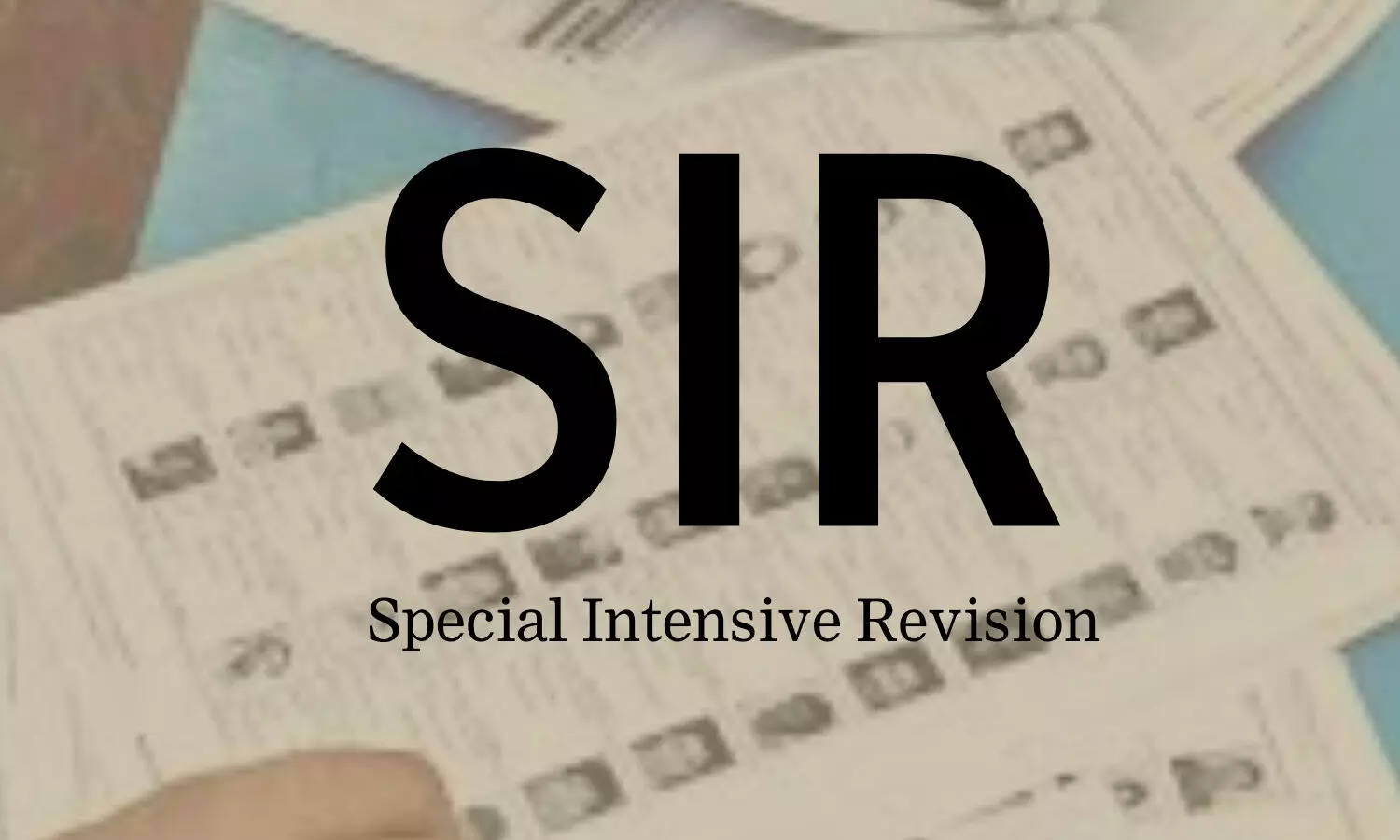
We can go into details if there are any clarifications that you seek. But now, after that, all these elections, starting from Maharashtra to Haryana to Jharkhand, all these elections had massive irregularities. And then comes SIR.
Now, SIR needs at least about 10 minutes of discussion between you and me. Because, you see, SIR, I have been arguing, I have written also that, please do not look at SIR as an electoral issue. Let us not look at SIR and object to it.
Sujit Nair: But I will come to SIR because I want to spend an entire section on SIR with you. I will come to SIR, but I want to take this opportunity to understand some micro analytics from you.
In your mind, what really changed in 2014 from Congress dominance to Bharatiya Janata Party dominance? I want to understand because a layman would say, oh, it was corruption, it was Congress appeasement of Muslims. That is what got the Bharatiya Janata Party the opportunity. I want your expert view.
Parakala Prabhakar: As I said, the 2014 pitch was a completely policy, completely economic pitch. It was not a Hindutva pitch. The prime ministerial candidate in 2014, Mr Narendra Modi, is on record in many election rallies saying that the fight is not between Hindus and Muslims. The fight is between Hindus and Muslims together on the one side and unemployment, poverty, distress and corruption on the other side.
That was the pitch. It was a unity pitch. And then initially, look at his first, second, third addresses from the ramparts of the Red Fort on Independence Day. He mentioned all the prime ministers who had gone before him and what their contribution was: I am standing here because they have built. That was the kind of pitch for three years at least.
And the Prime Minister does away with the Planning Commission, establishes NITI Aayog and calls all the chief ministers for a meeting of the NITI Aayog. And significantly, at that time, the Prime Minister said, we are all Team India. Team India was the Prime Minister and all the chief ministers.
Federalism—unless you are wedded to the ideal of federalism, you would not say the chief ministers and the Prime Minister are Team India.
Today, after that, gradually, he drops the mention of all the other prime ministers, not even his own party’s stalwart like Atal Bihari Vajpayee. So, it is he as Pradhan Sevak and the people of India who are Team India, not the chief ministers, not his Cabinet, not the earlier prime ministers. So, there is a gradual transformation in the discourse.
And then comes, you know, forget about—and the then party president, who is now the Home Minister, said—look at the gradual transformation. The point we must remember is that we have, you know, let’s not, you know, only talk about today’s headlines and forget what has happened. Okay. So, let’s have, if not a long memory like an elephant, at least, you know, a medium-term memory. It’s just about 10 years ago.
Now, after that, gradually after 2019, very strident Hindutva. Okay. And the manipulation of elections, then the use—or you call misuse—of agencies like the ED, IT, CBI, etc., etc., all this has come into play.
The reason why I recount all this, not that you don’t know about these things or your viewers don’t know about these things, but, you know, we have to detect the patterns and where the paradigms shifted and why they shifted. You see, when they did the economy pitch, because of, you know, whatever perception people had about the Manmohan Singh government, UPA II, CWG, etc., well, you know, the marketing was about Vibrant Gujarat, the Gujarat model, decisive leadership and, you know, black money, unemployment, employment—these things had risen.
It’s nothing abnormal. Nothing abnormal. In fact, governments have changed earlier also. It’s not abnormal. But 2019 onwards, the elections have started becoming abnormal. Abnormal in the sense because of the manipulation.
You know, let me—because I said I have first-hand studied the 2024 elections and onwards the other elections because I got interested in it. What is this? Because, you see, Sujit, you know, earlier, you are well aware, even a bad, partially bad monsoon used to unseat governments.
Today, you know, an enormous amount of inflation, unbelievable unemployment, unbelievable youth unemployment within that, unbelievable educated youth unemployment, price rise, you know, rural distress. And for the first time after 2014, for the first time, Sujit, a reverse migration of the labour force from urban to rural had started.
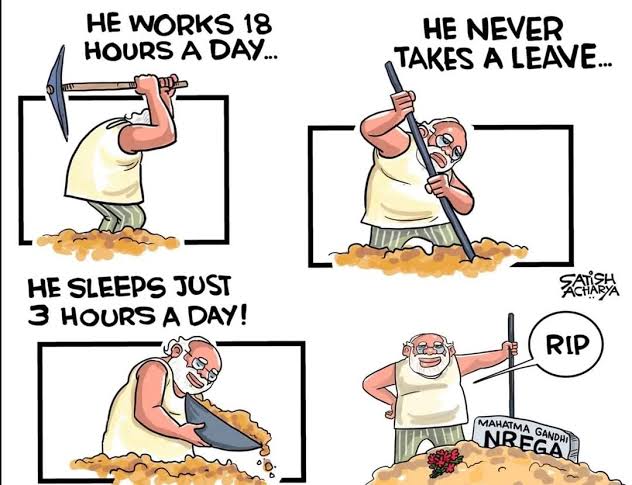
The demand on MGNREGA, which today is called Vijay Ramji, etc.—you see, any economy, structurally, our economy is structurally—it changed and it was changing very gradually; there were no sudden shifts. But one important, very remarkable change that was taking place was the slow decline in the labour force’s dependence on agriculture, the primary sector, and a movement to the other sectors—whether the quality of jobs or, you know, wage levels, that’s a different thing.
But then there was a reversal of that shift. You know, can you imagine, today 45% of our labour force is engaged in agriculture, contributing 15% of the GDP—45% of the labour force contributing to the creation of 15%. What is this?
With that kind of an economy, you know, the government and the state governments of this party, of this leadership, getting elected and re-elected and re-elected—it’s inconceivable. So, if you look at why this was happening, I mean, I can go on giving you a very detailed account of what happened in the 2024 elections, what happened in the 2024 Assembly elections in Andhra Pradesh.
Sujit Nair: But then, if we were to conclude that this government got into power talking about progress and talking about development, and ultimately is staying in power because of Hindutva, would I be right?
Parakala Prabhakar: Ah, yeah, you see, no, no, but there’s a little nuanced argument, Sujit, please let me say this. Because as I said in the initial stage itself, a strident Hindutva platform has never been accepted by the general electorate—the 9.7 with the stalwart kind of leaders on the Hindutva platform, I told you.
Therefore, they are staying in power, when they did not deliver on the economy, they did not deliver any of those anti-corruption promises—even today, their whole agitation was about Lokpal; where is Lokpal? Isn’t it? So, when they didn’t deliver, they are now able to stay in power only because of electoral manipulation; there is no other way.
Electoral manipulation is one, which, of course, like I said, we will discuss. That is definitely there and now it is, I mean, at least that’s what it seems to be.
Sujit Nair: But assuming that there has been a certain popularity wave too for Narendra Modi, there has been a certain number of people who are supporting Narendra Modi—the so-called Bhakts and all. I wouldn’t want to put those terms around that, but all the same, there exists an audience.
What created this audience? Number one. Number two is, in the same question I want to add on, you see, Narendra Modi seems to be graduating from a leader to a top leader to a supreme leader to now a deity. He is almost positioning himself as a deity. The thing is, why is he going that route if that route has not been successful for him?
Parakala Prabhakar: Sujit, you have been in advertising, you are a branding person. So, you can see behind me, you can see through these games; I don’t have to tell you. Transformation from leader to supreme leader to world leader, Vishwaguru, all that is fine. I mean, you understand that; I don’t have to tell you. Let that thing not detain us.
But the point is this: who’s not popular? Was Vajpayee not popular? When he lost the election in 2004, was Manmohan Singh or Sonia Gandhi more popular, more evocative to the Indian masses? No, he was the one. The point is not that.
But, you see, the point is that the actual day-to-day distresses and deprivations and all these, and the resultant resentment, are not allowed to reflect in the ballot box or the machine. You know, there is a disconnect.
I am not suggesting that he would not get a vote, that the party would not get anything. There is, of course, and that particular platform, idea of India, ideology, has always had people subscribing to it. There are people who subscribe to it. And mind you, Sujit, forever there will be people who subscribe to that. It’s not going to go away completely.
The point is, in a democracy, the proportion—how many people want it and how many people want something else—that’s what it is. So, therefore, the distress, the dissatisfaction, the resentment, the agrarian problem, unemployment, price rise, you know, and all the dissatisfactions are somehow not allowed to get reflected in the ballot. That is what’s allowing them to stay in power.
This is one part of the electoral manipulation. Now, with the SIR, there is something else, much more than the electorate. And now, you see, it is a double dhamaka. It is manipulation plus an effort to completely transform the political society of India. So, throwing up very fundamental questions like, Sujit, who does this country belong to? And when we talk about SIR, I want to elaborate on this. This is very important.
Sujit Nair: Yes, we will. Let me just conclude this section and then we will go to the next section. Parakala, today, according to you, if there was a vote, if there was an election—
Parakala Prabhakar: You mean, you have to say a fair election?
Sujit Nair: Fair election, assuming that everything is fair, everything is perfect. If today there is a—this is a very important question, even for me, because I would make—this is where I will end this section.
Now I want to go to the next section before we go to SIR. There is no alternative. This myth—or this, why myth, I thought it was a fact too—has this fact been busted? Is Rahul Gandhi coming through as an alternative?
Parakala Prabhakar: You see, was there an alternative in 2004 to Vajpayee? No. No. No. How did he lose? Correct. It was the undercurrent, like Vinod ji used to say, Vinod Dua used to say, you know, there was a—yeah, absolutely. Exactly.
You know, this false binary of, you know, you are not happy with what’s happening now. Do you want Rahul Gandhi to be the Prime Minister? You know, probably Sujit would be the Prime Minister. How would anybody know? You know, that’s not the point.

The point is when, you know, Winston Churchill lost, was Attlee the alternative? So, please, let’s not be prisoners of these binaries. It doesn’t work like that. It can never work like that. You know, for Mrs Gandhi, who was the alternative? Nobody was. And Morarji Desai was the least expected alternative of all.
Sujit Nair: Let me rephrase my question then, Parakala. My question then again is, how do you—what do you—how do you rate Rahul Gandhi? As a leader and as a—
Parakala Prabhakar: Well, you know, he’s raising some fundamental questions. But you see, people would say that, you know, he is not manipulative enough, he’s not that enough, he’s not, you know—I’m—but you see, Sujit, I do not want to get into this.
But I would say this: today the fight, if you want to call it, call that election, the contest, is not between one alliance and another alliance, not between one party and another party, not between one leader and another leader.
It has now reached a stage where the contest and the fight is between the regime and the people of India.
And the people of India can throw up anybody as a leader, like, like, like the entire process threw up Morarji or Attlee as a leader in Great Britain.
Sujit Nair: But there is one thing I want to ask then, Parakala. Whenever we had leaders that were brought in, swooped in by the janata, as they say, except for Manmohan Singh—Dr Manmohan Singh, of course, was a different situation altogether—but people like Morarji Desai, people like V.P. Singh, people like H.D. Deve Gowda, so on and so forth, when the people got these prime ministers in, they never lasted. Do you think that if there is no clear alternative, we may again have a problem in the future?
Parakala Prabhakar: You know, if it is a fair fight, without these interferences at all, it doesn’t matter. It doesn’t matter at all. You see, why do you want any party or any leader to last? Why do you want it? What do you want? You want policy stability.
Italy, very close to us now these days, because, you know, Italy had how many governments and how many ministries. You know, when you go there, you have a government; when you come out, that government has disappeared. Many, many tourists tell us that. But that’s not the point. Democracy—that’s not the point.
You want to worship somebody, well, you can do that. You see, I’m telling you, Sujit, today we have some gods. Let’s take Hindu mythology, Hindu scriptures and all. You know, in the Vedas, those names, you don’t find them. After that, there are so many other gods. They also disappeared. In Greece, so many gods disappeared. In India, so many gods disappeared. In China, so many gods disappeared.
You know, these are all, you know, there are fleeting gods. Let’s not lose sight of that. But one more thing I want to make—I mean, because you’re a branding person, you’ve seen how a brand could be built and how a brand goes down, you know that.
But as long as it lasts, as long as it lasts, a brand—Nokia, for instance—did you think that Nokia would have an alternative, you know, which would completely wipe it out? Yes.
As long as a brand or a leadership or some aura lasts, it lasts as long as you’re in power, as long as you are holding the market.
Today, after it falls, a leader—it’s like Ozymandias, you know, there was, you know, somebody found a statue, probably of a great emperor, you know, who ruled. They’re all lying here and there. So, as long as they are in power, they’re reigning, they look smart, they look, you know, elegant, their voice is wonderful, they can even sing well, they write poetry, they publish poetry. Mao Zedong did it.
So, please don’t get carried away by this and don’t get into these artificial binaries.
Sujit Nair: What do you think? You think Rahul Gandhi is a good leader, Rahul Gandhi has got potential? Let me just ask you that.
Parakala Prabhakar: You know, I didn’t, I didn’t suspect Manmohan Singh ji to really, you know—did you, did you suspect or did you expect Manmohan Singh would turn around the economy? No.
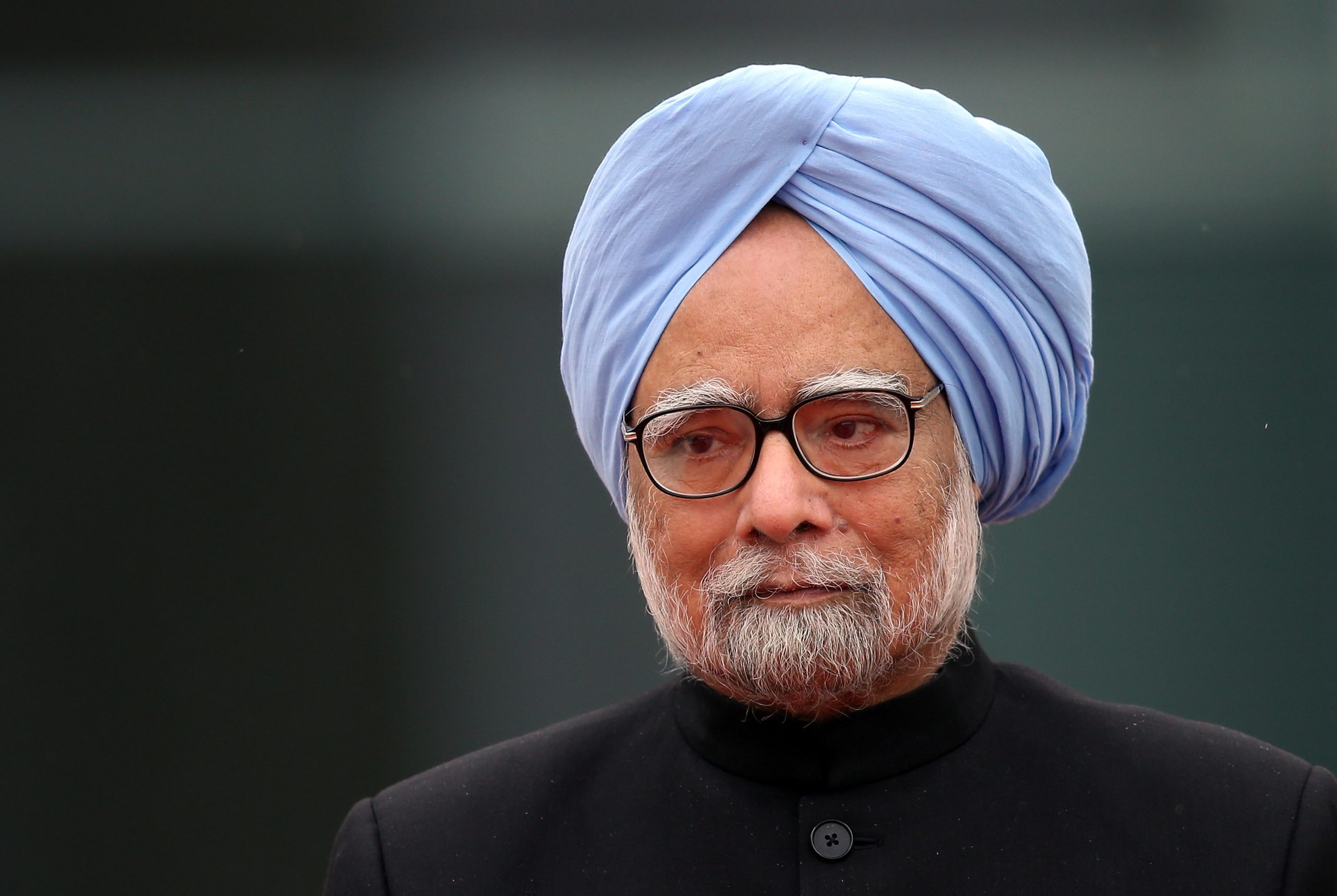
Sujit Nair: Economy, I didn’t know that. I thought he could. I thought he could, but I didn’t know that he would be a good Prime Minister, which he was. I believe he was a good Prime Minister.
Parakala Prabhakar: Absolutely. You see, the point is this: the country today is burning on various fronts. I do not want anybody to be detained by what is the alternative.
For instance, I’ll give you, I’ll give you a metaphorical thing. The house is burning. Anybody would, should, would think about how to get out. Now people don’t sit when the house is burning and say: Where do we go? Tell me the alternative. Where is the alternative? That’s not the way things work and that’s not the way things worked.
So, if, suppose, if, suppose, you know, the NDA loses and INDIA, the INDIA bloc, is brought to power, voted in, I don’t know whether Rahul Gandhi would become the Prime Minister or not. And even if he becomes Prime Minister, whether he can really come up to the expectations, it’s all—who expected anybody to be a great, you know—you, you, you, you, you had “Gungi Gudiya”.
Sujit Nair: Yes.
Parakala Prabhakar: After Shastri died. So, let’s, let’s not, you know, get bogged down by this.
Part 2 follows tomorrow.
Link to watch the audiovisual of this conversation

The BJP’s journey under Narendra Modi shows how electoral politics can change even when a party remains at the centre of power. The fall from 303 Lok Sabha seats in 2019 to 240 in 2024, while the NDA retained a majority, is an important reminder that votes, seats and political dominance are not always the same thing. The real question is what these changing numbers reveal about public expectations, regional politics and the evolving relationship between voters and power.