

Inclusive Democracy or Incomplete Struggle? Why Adivasi Participation Matters

The growing youth-led mobilisation against electoral manipulation and the erosion of democratic rights has brought together an increasingly broad spectrum of political and social forces.
Yet, amid this expanding solidarity, a troubling absence demands attention: that of India’s Adivasi communities, who have waged some of the country’s longest and most determined struggles for democratic rights, dignity and survival. Why do these struggles remain largely disconnected from the movement now gathering momentum at Jantar Mantar and elsewhere?
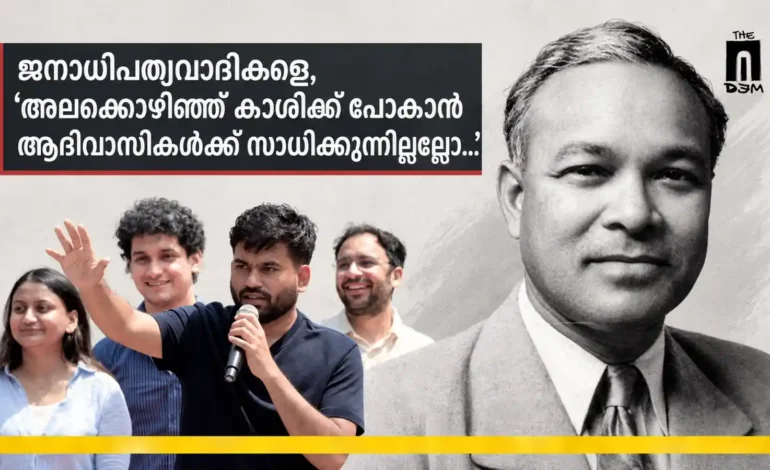
Writer and social activist K. Sahadevan, himself a participant in the ongoing protests, raises this uncomfortable but essential question from within the movement.
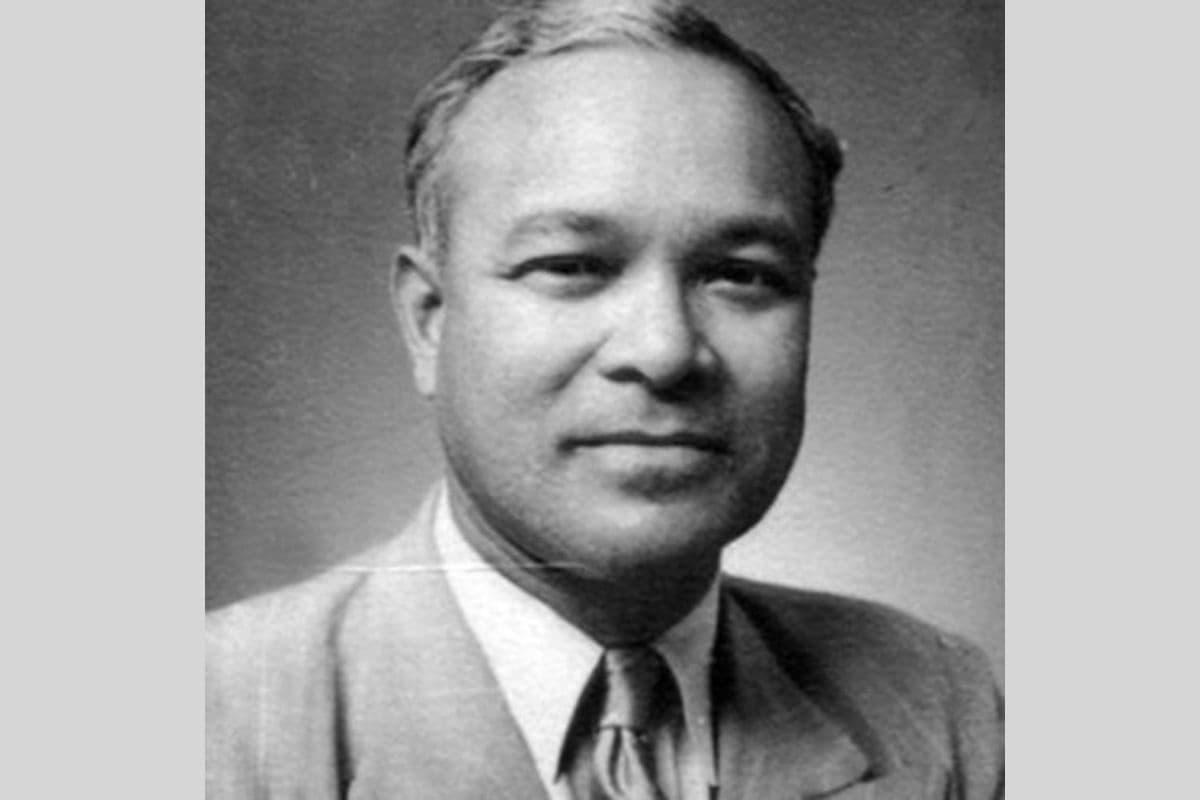
Drawing on the historic intervention of Adivasi leader Jaipal Singh Munda in the Constituent Assembly, he examines the contradictions of a democratic mobilisation that has yet to meaningfully engage with the struggles of nearly nine per cent of India’s population. His perceptive intervention is both a critique and a call for introspection.
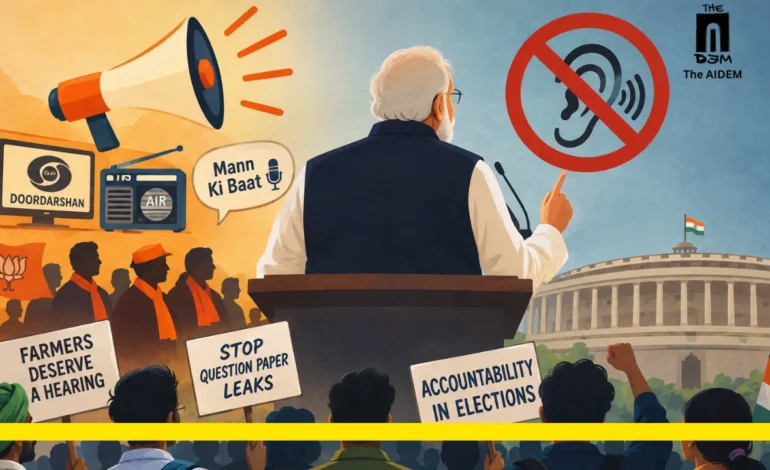
A renewed awakening among those who cherish democracy is clearly visible across India. The flame of struggle, ignited by students and the youth, is spreading day by day to various social segments. An extraordinary unity is emerging within the opposition ranks; farmers’ organizations are expressing solidarity with the youth-led movement; and lawyers, professionals, trade unions, and cultural leaders are all playing their respective roles in this agitation.
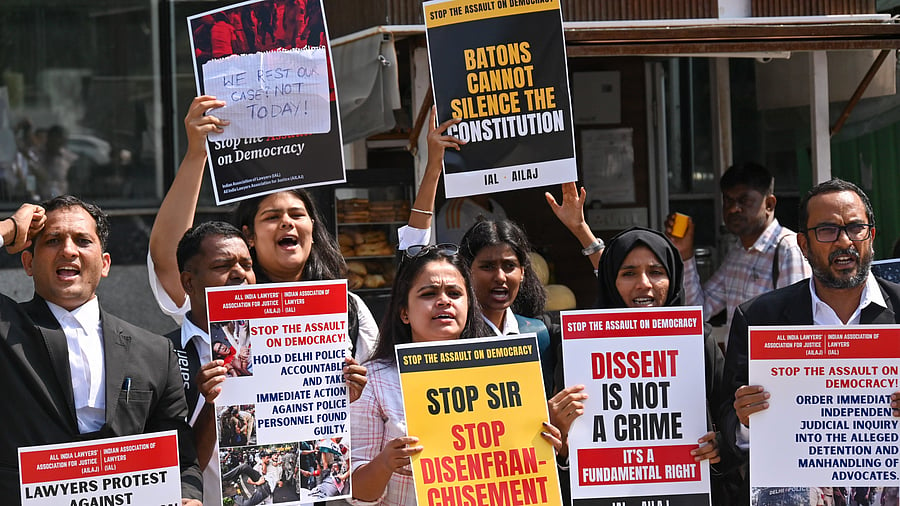
As someone who has supported this struggle aimed at preventing the theft of votes and restoring democracy from its very inception, and who has also participated directly in the protests taking place in the national capital, I feel compelled to share certain doubts and concerns with the movements and organizations currently engaged in this fight for democracy.
It is deeply disheartening to note the conspicuous absence of the country’s Adivasi (tribal) communities from the protests currently unfolding in the national capital and across various parts of the nation.
It is the duty of us all to reflect upon the reasons behind this absence. This movement can attain moral stature only when those of us in the mainstream as well as those on the margins come to realize that any agitation which excludes a segment of the population comprising nearly 9 percent of the nation and proceeds without their representation, runs counter to the very concept of democracy.
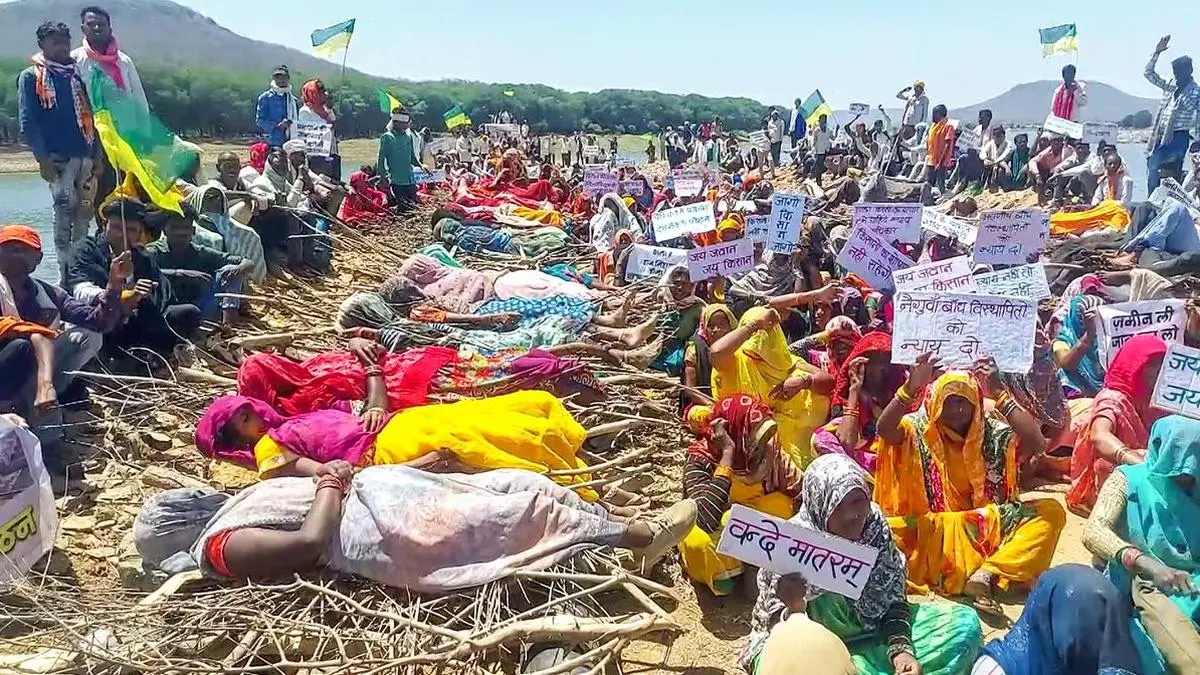
The fact that India’s Adivasi communities are not participants in the current democratic struggle is not because they lack faith in democracy, nor because they trust the Sangh Parivar-led regime; rather, the reality is that they have been engaged in persistent, long-standing struggles within India’s ‘Adivasi corridors.’
For decades, they have been fighting for the survival of their people and the protection of their ancestral lands and forests. They are currently in the midst of agitation across states such as Chhattisgarh, Jharkhand, Odisha, Bihar, Madhya Pradesh, and Gujarat. The reality is that, in this struggle, they often find themselves in opposition to governments led by the very mainstream political parties that are currently championing the cause of democracy.
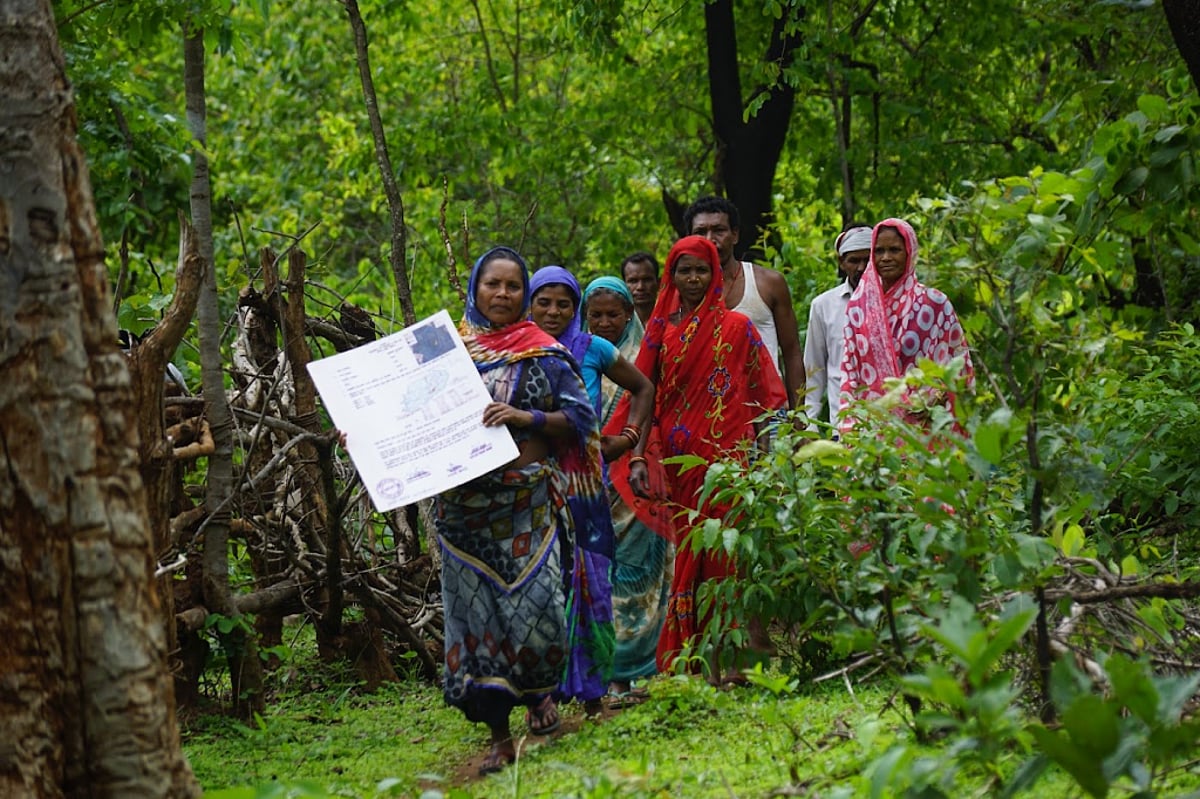
This is a moment to recognize that any movement which overlooks or excludes the democratic rights of Adivasi communities, who are fighting for their very survival and their ancestral lands is inherently weak. It would be appropriate here to quote a few lines from a speech delivered eight decades ago (on December 19, 1946) by Jaipal Singh Munda, a tribal leader and parliamentarian from Jharkhand during the proceedings of India’s Constituent Assembly:
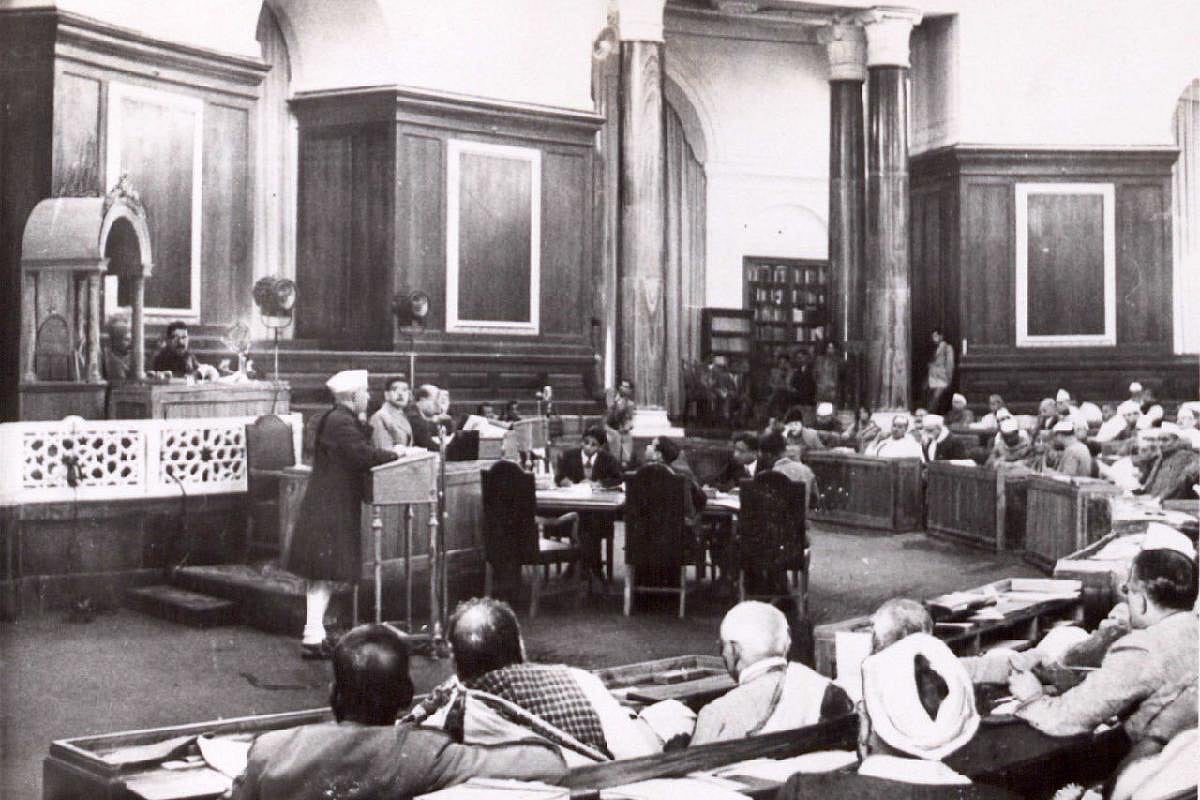
“As a ‘savage’ as a tribal one might not expect me to grasp the complexities of this resolution. Yet, my common sense tells me that we must move forward along the path toward freedom and stand together in this struggle. Sir, if any section of the Indian population has been treated poorly, it is my people. They have been subjected to demeaning treatment and have been neglected for the past 6,000 years… The history of my people is one of constant exploitation and displacement, resulting from upheavals and disorder instigated by those who migrated here. And yet, I choose to believe the words of Pandit Jawaharlal Nehru. I believe the words of each one of you that we are beginning a new chapter. A new chapter for an independent India, where there are equal opportunities for all, and where no one is left neglected…” (Constituent Assembly Debates, Vol. 1, page 9).
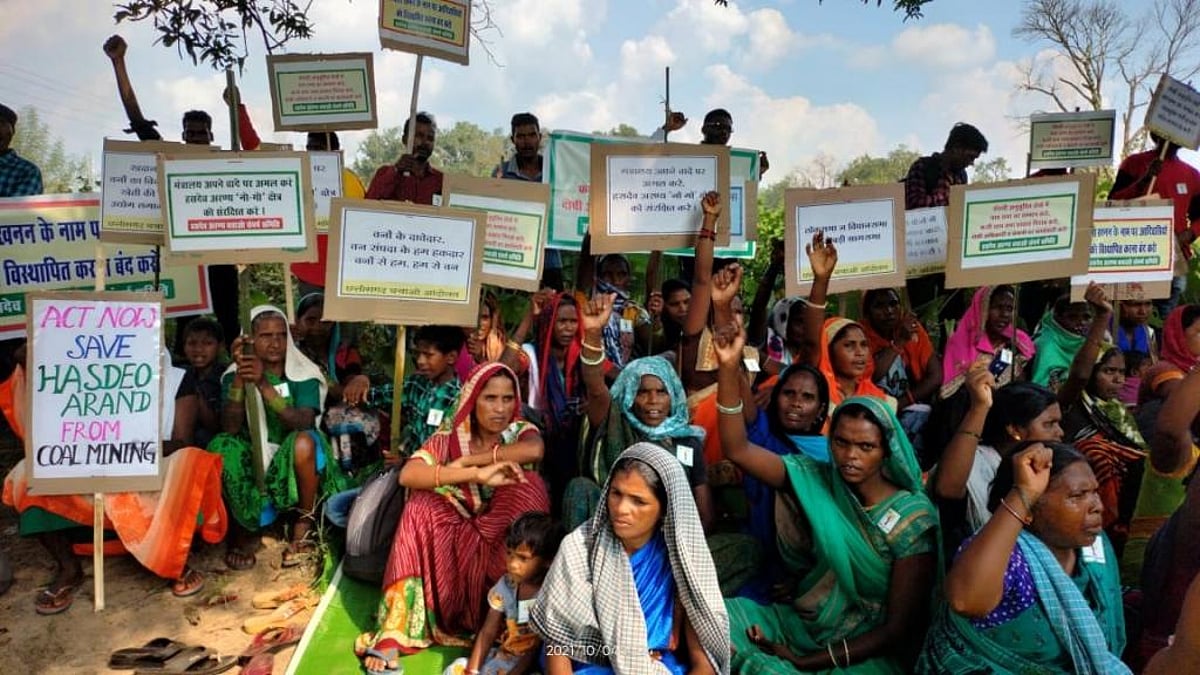
It is simply not possible for us to move forward while completely overlooking or sidelining an entire segment of the population people who are engaged in a continuous struggle to secure the equal opportunity and equal justice promised by the Constitution.
We ourselves need to delve deeper into a nuanced understanding of democracy.





A democracy that excludes Adivasi voices from decision-making is a democracy incomplete in both spirit and practice. Adivasi communities have fought for generations to protect their land, forests, livelihoods and constitutional rights, yet their struggles are too often ignored or pushed to the margins. Their participation must go beyond token representation to real political power, dignity and justice. There can be no truly inclusive democracy until Adivasi communities are not merely heard, but empowered to shape the decisions that determine their future.