

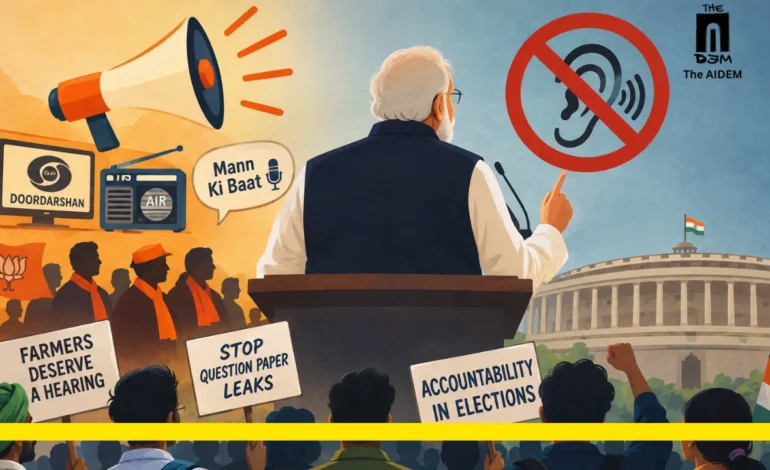
The Bharatiya Janata Party (BJP) and its leaders have, over the years, mastered the art of communication but have somehow failed to demonstrate the same ability to listen to the voices and grievances of the people.
The party has built a strong network down to the booth level to convey whatever it wants to its workers and supporters.
The Rashtriya Swayamsevak Sangh (RSS) has also been instrumental in expanding its reach, as has the army of Bhakts who appear to have been so thoroughly influenced that they cannot see Modi and other leaders doing anything wrong.
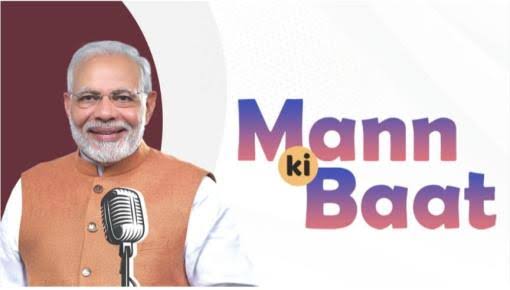
The government led by Modi, too, has reached new heights in its unabashed use of government machinery to convey its message across the country. This is done through government-owned Doordarshan and All India Radio. Programmes like Mann Ki Baat are designed to put forward the government’s viewpoint.
Parliament and the Media: A Reluctance to Listen
In Parliament, too, the government has been providing little leeway to the Opposition to have its say. Perhaps the parliamentary sessions have proved to be the least productive in over a decade. The main point of contention is the Opposition’s demand that the Prime Minister or the Home Minister reply to its queries, but to no avail.
Prime Minister Modi has already created a record of sorts by not addressing a press conference or taking questions from the media since he took over a dozen years ago.
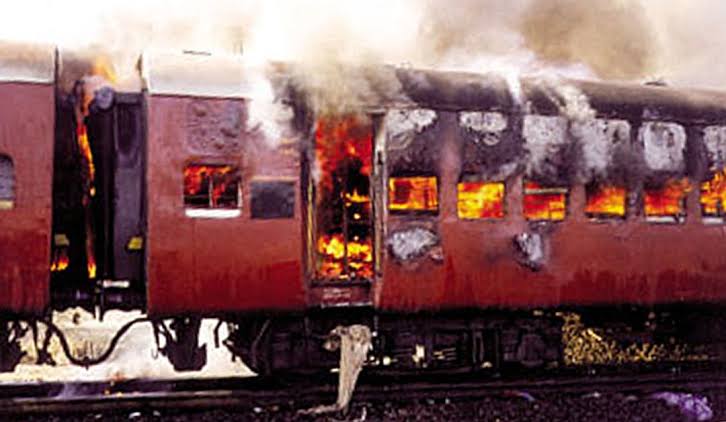
One can only presume that this is because of his “bad experience” with some journalists before his appointment as Prime Minister, particularly over questions related to the 2002 Gujarat riots.
The tendency to ignore what people or agitators want, simply because the party has been on a winning streak, is evident in its stand on various issues from time to time.
Farmers, Examination Paper Leaks and Public Protests
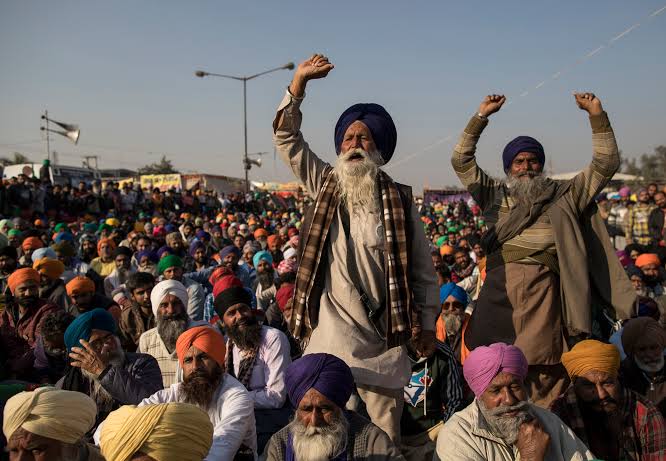
The government refused to listen to farmers for over a year before deciding to withdraw the contentious farm laws. It did not engage in serious dialogue with farm leaders, leading to deep resentment among farmers. To make matters worse, some party leaders aggravated the situation by calling the farmers extremists and anti-nationals.
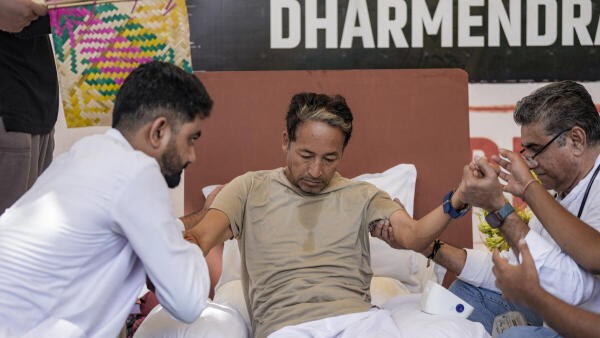
Empty exam hall with abandoned answer sheet and lone student silhouette. Again, despite repeated leaks of competitive examination question papers and the mishandling of the education sector, the government remained adamant and failed to take effective steps to prevent such leaks. This led to a massive agitation by the Cockroach Janta Party.
It took the government nearly a month to act, and that too only after the use of brutal force, including lathi charges, tear gas and even the firing of pellet guns. The resignation of Dharmendra Pradhan should have come much earlier.
Election Commission Controversy and the Demand for Accountability
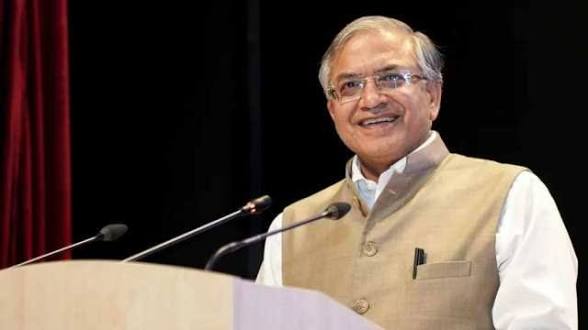
The government has once again adopted a stubborn stand following the revelations about the Election Commission in an investigation by The Indian Express. The demand for the removal of Chief Election Commissioner Gyanesh Kumar has been gaining ground.
Besides political parties led by the Congress, students led by the Cockroach Janta Party have been demanding accountability for the deletion of 13 crore voters and innumerable irregularities in the functioning of the Commission.
The government, however, has maintained complete silence on the issue. It has made absolutely no effort to reach out to the protesters, nor has it even bothered to present its viewpoint on the matter.
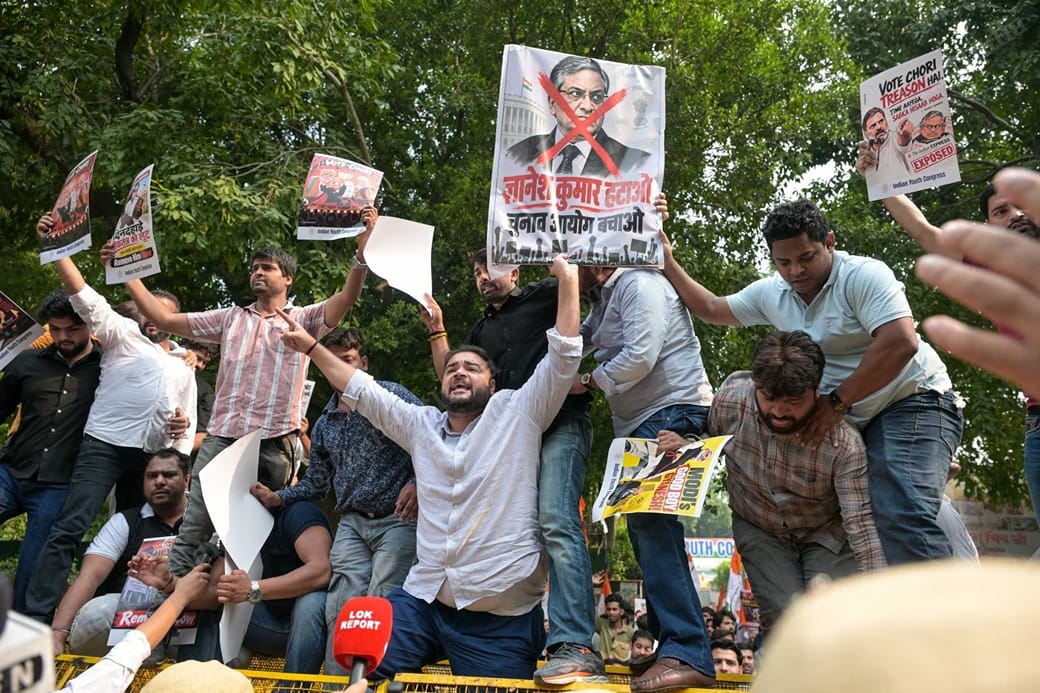
On the other hand, it is using heavy-handed tactics to suppress dissenting voices. Given the evidence and the circumstances, it would be better for Gyanesh Kumar to tender his resignation. There is absolutely no doubt that the powers that be can nudge him to do so, helping restore at least some legitimacy to our electoral system.
Originally published in Punjab Today news and can be read here.





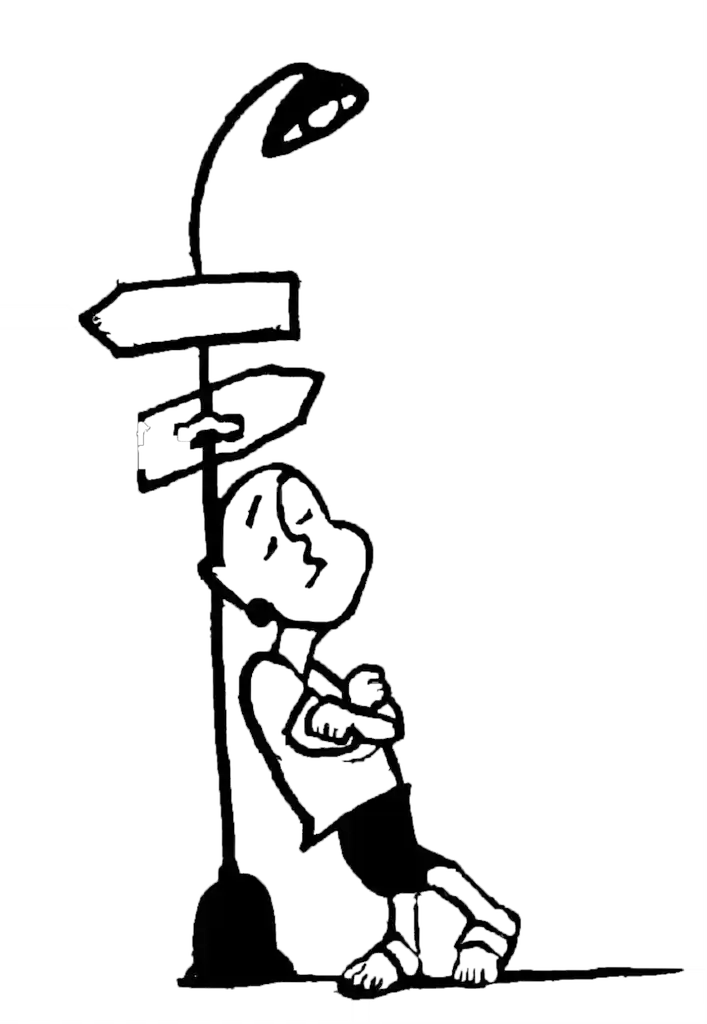
The BJP may know how to speak, but democracy demands the courage to listen. A government that expects applause but refuses to hear criticism, public anger and the struggles of ordinary people is undermining the very spirit of democracy. Power is not a licence to silence dissent, and an electoral victory is not a mandate to ignore the people. True leadership is measured not by how loudly it speaks, but by how honestly it listens and how responsibly it acts.