

The Many Faces of Longing: Four Poems by Roshni Kainikkara

In these four poems, Roshni Kainikkara, who has previously contributed to The AIDEM, explores the many forms of human longing and the contradictions that shape our lives.
In ‘Kathputli,’ the splendour of puppetry stands in poignant contrast to the toil and anonymity of its creators. ‘The Paradox’ turns to the dilemmas of human existence, where the pursuit of freedom and fulfilment can coexist with an inability to discover one’s true self. In ‘The Sea Within,’ the ceaseless turbulence of the ocean echoes an inner world of anguish, restlessness and elusive desires. ‘Kusal,’ by contrast, captures the delicate stirrings of romance, where hesitation and silence become a language of their own.
Moving from the social world of labour and recognition to the intimate landscapes of identity, anguish and affection, Roshni’s poems are bound by a recurring tension between aspiration and circumstance, desire and fulfilment. Whether it is the puppet-maker’s unacknowledged labour, the individual’s search for selfhood, the sea’s restless yearning or the hesitant tenderness of young love, each poem dwells on the distance between what life offers and what the heart seeks.
Kathputli
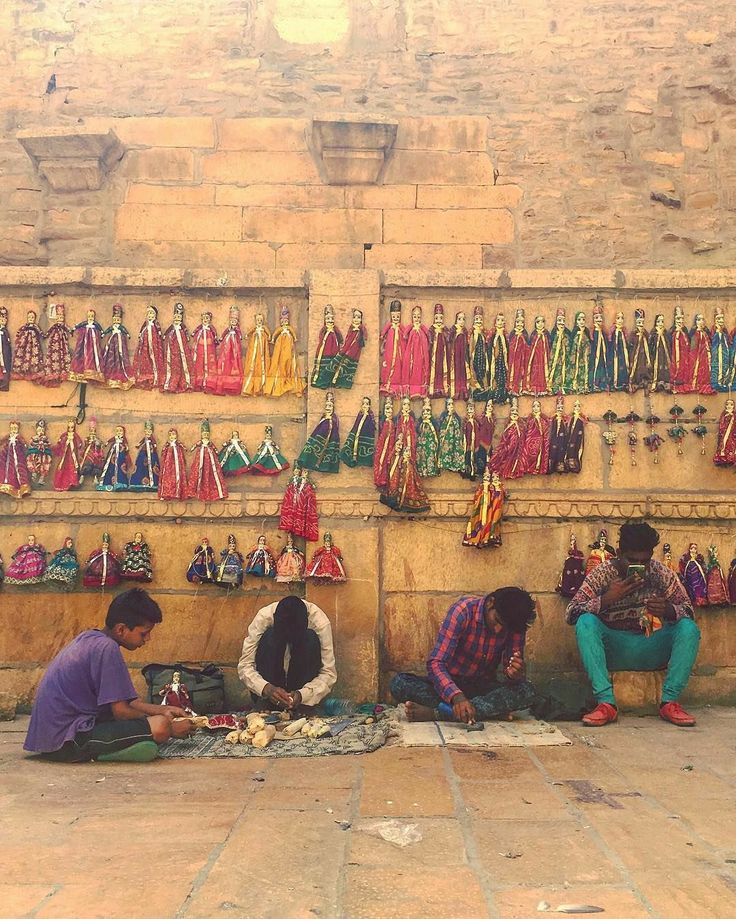
In shrunken rooms,
where the air
hardly moves –
they bend,
stitching colour
into lifeless forms.
Kings are born.
Warriors.
Folk heroes –
carved from wood,
gathered in cloth,
held together
by strings
and silence.
Through bustling markets,
village squares,
festival grounds,
and dazzling stages
across the world –
applause rises.
Lights bloom.
Fingers ache.
Eyes grow dim.
The room
remains unchanged.
They remain –
unseen,
unheard,
giving life
to lives
never their own.
Again –
applause.
Again –
light.
Kathputli –
just puppetry.
Kathputli (Hindi) : A traditional wooden string puppet of India, especially associated with the folk puppetry of Rajasthan.
The Paradox

To speak of all,
leaving ourselves unspoken?
To hear the world,
with nothing left to question?
To journey endlessly,
never transcending
the place where we began?
To dream of skies,
to ache to fly,
never finding
the wings to rise?
To live so vividly
in the eyes of the world,
while remaining strangers
to ourselves?
To exist,
never becoming
who we truly are?
Freedom?
Liberty?
Sovereignty?
The Sea Within
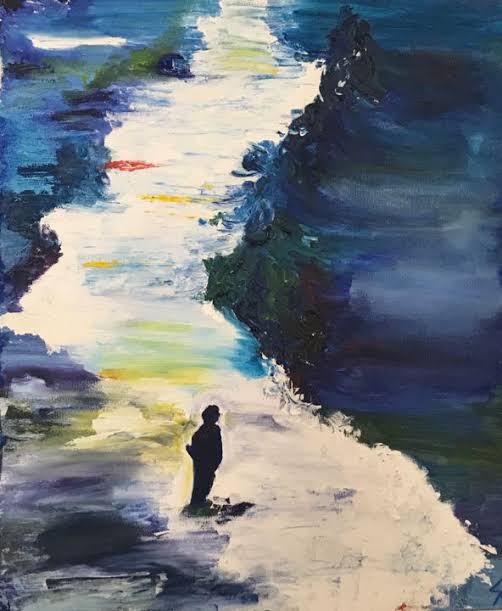
What aches within you
that you hurl yourself,
again and again,
against the deafened rocks?
What wounds you so deeply
that you rise in wrath,
a thousand waves heaving,
only to shatter
into unheard silences?
What is it you pine for
beyond the horizon,
in this boundless blue,
forever beyond your reach?
Tell me,
what is it you carry
in your deepest depths
that you cannot contain,
yet cannot let go?
Kusal
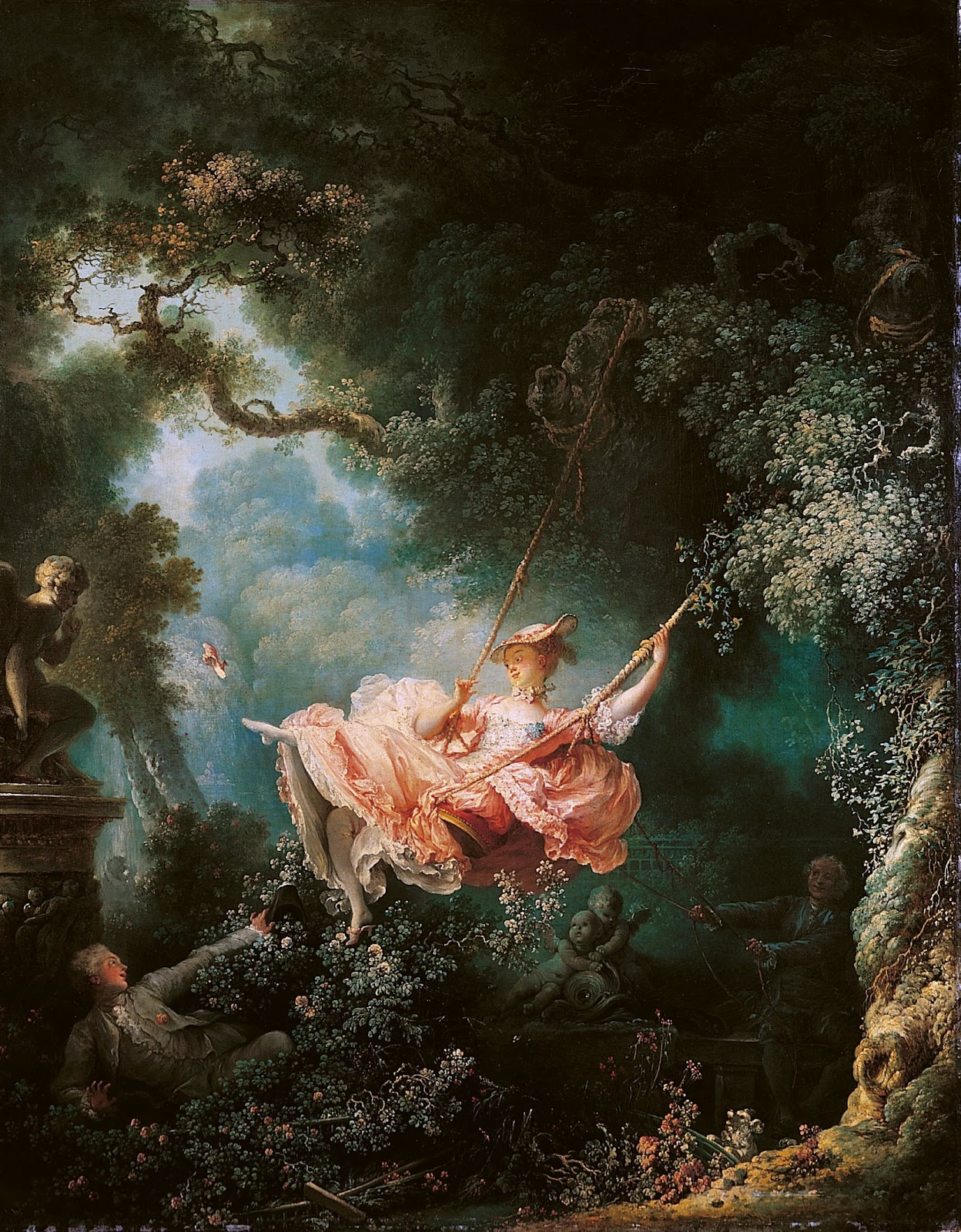
Between
heart and hush,
love and longing,
the seen and the unseen,
the said and the unsaid –
a thin veil:
so dreamy,
so delicate,
softly doting.
She longed to ask,
yet never did.
He wished to tell,
yet never did.
Love has a way
of crossing
even the softest borders.
Kusal — A unique word from my college, passed down through generations of students, for romance.






Longing is one of the most deeply human emotions, and poetry gives it a voice that words alone often cannot express. Roshni Kainikkara’s poems beautifully capture the tenderness of unspoken feelings, the ache of absence, and the quiet complexities of the human heart. A soulful reminder that some emotions are too profound to explain—they can only be felt.
Introspective and lucid style of writing. Emotions are depicted with simplicity and honesty.
Beautifully evocative! Rosh, your poetry reminds us that even in silence, the heart has countless stories to tell, and each verse gives one of them a voice. Longing has its own language, woven from memories, silences, and unspoken dreams. Roshni’s poems beautifully bring that language to life.
Beautiful poems. Carefully chosen phrases, elegenty woven metaphors. In the silence behind them is a heart beating for recognition
and life.