

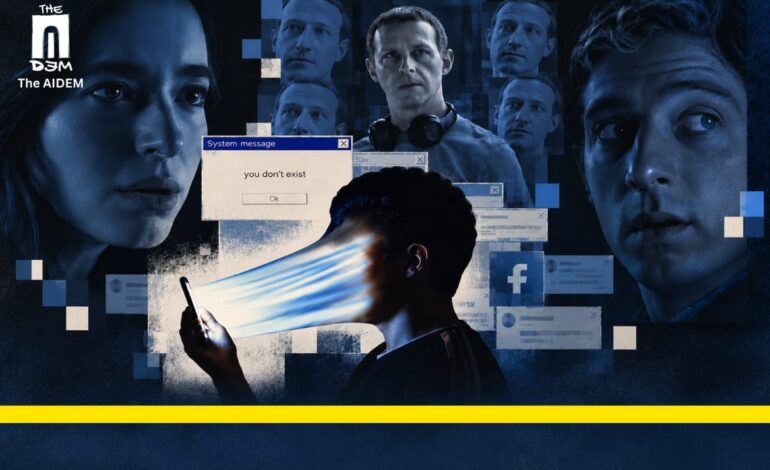
Aaron Sorkin’s The Social Network (2010), directed by David Fincher, is widely regarded as the origin story of Facebook, told through a tale of friendship, ambition and betrayal. His new film, The Social Reckoning (2026), which Sorkin has both written and directed, is a necessary film for our times. Few audiences have greater reason to watch it than Indians.
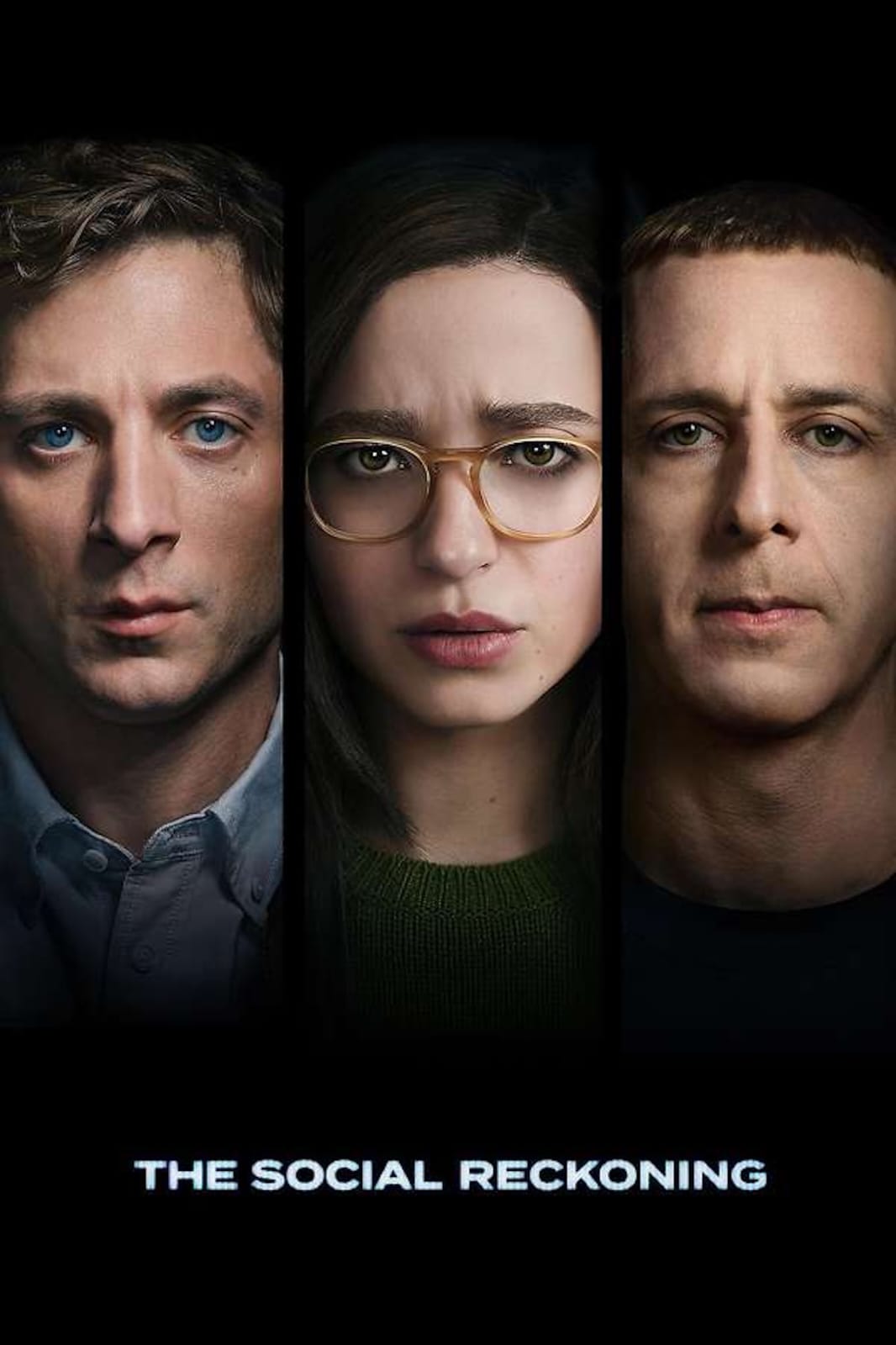
The film dramatises the story behind The Wall Street Journal’s 2021 investigative series, The Facebook Files. It recounts how Frances Haugen, a Facebook data engineer, and journalist Jeff Horwitz came together to expose how Facebook knew about the harm its products were causing to people’s lives and thought processes.
The narrative structure of The Social Reckoning is non-linear. The film moves back and forth between Horwitz’s reporting and a sequence built around Zuckerberg on a historic date, which, going by the reviews and visuals, points towards the events of 6 January 2021 at the US Capitol. Sorkin is not merely telling us that Facebook concealed its research. He is arguing that the hidden research and the mob at the Capitol belong to one chain of cause and effect triggered by Facebook’s feed. This is a chain of events that Indian viewers will recognise immediately.
The film’s drama is American, unfolding between Washington and Menlo Park in the San Francisco Bay Area. But the documents behind it are global, and India occupies a significant place in them. India is Facebook’s biggest market by number of users, and Haugen’s disclosures to the US Securities and Exchange Commission, along with documents provided to the US Congress, were reported by a consortium of news organisations in October 2021.

Hatred in India long predates any platform, and platforms did not invent communal suspicion. What they did was give it speed, scale and a revenue model. Facebook’s defenders are right to point out that content moderation is difficult in a diverse country like India, particularly across more than twenty languages. But the documents leaked during The Wall Street Journal investigations show that the question was never merely one of difficulty. It was also one of priorities, and who was willing to pay for the safeguards that had not been built.
The Associated Press (AP) reported that the leaked documents showed Facebook had been selective in curbing hate speech, misinformation and inflammatory posts in India, particularly anti-Muslim content. The New York Times described internal documents revealing the company’s struggle with misinformation, hate speech and celebrations of violence, with Facebook’s own researchers pointing to groups and pages filled with inflammatory and misleading anti-Muslim material.
The film underlines a disturbing psychological reality: people tend to regard a statement they have heard repeatedly as more likely to be true, regardless of whether it is true. Social media platforms industrialise that effect. They reward content that holds attention, repeatedly show it to the same users and their friends, and allow a falsehood to arrive from ten apparently independent sources within an hour. Sorkin’s film dramatises the arrival of this hate machine in American life. India is one of the places where it has operated on an enormous scale.
The 2014 general election was probably the first in India in which social media-driven narratives played such a central role. The campaign was well-funded, tightly organised and built on an understanding that a message repeated in a thousand forms could outpace almost any correction. Every major party has since developed its own digital apparatus, and the opposition’s IT cells are no more noble than anyone else’s. The real question is not who started it. It is what this apparatus does to its followers and the wider public.
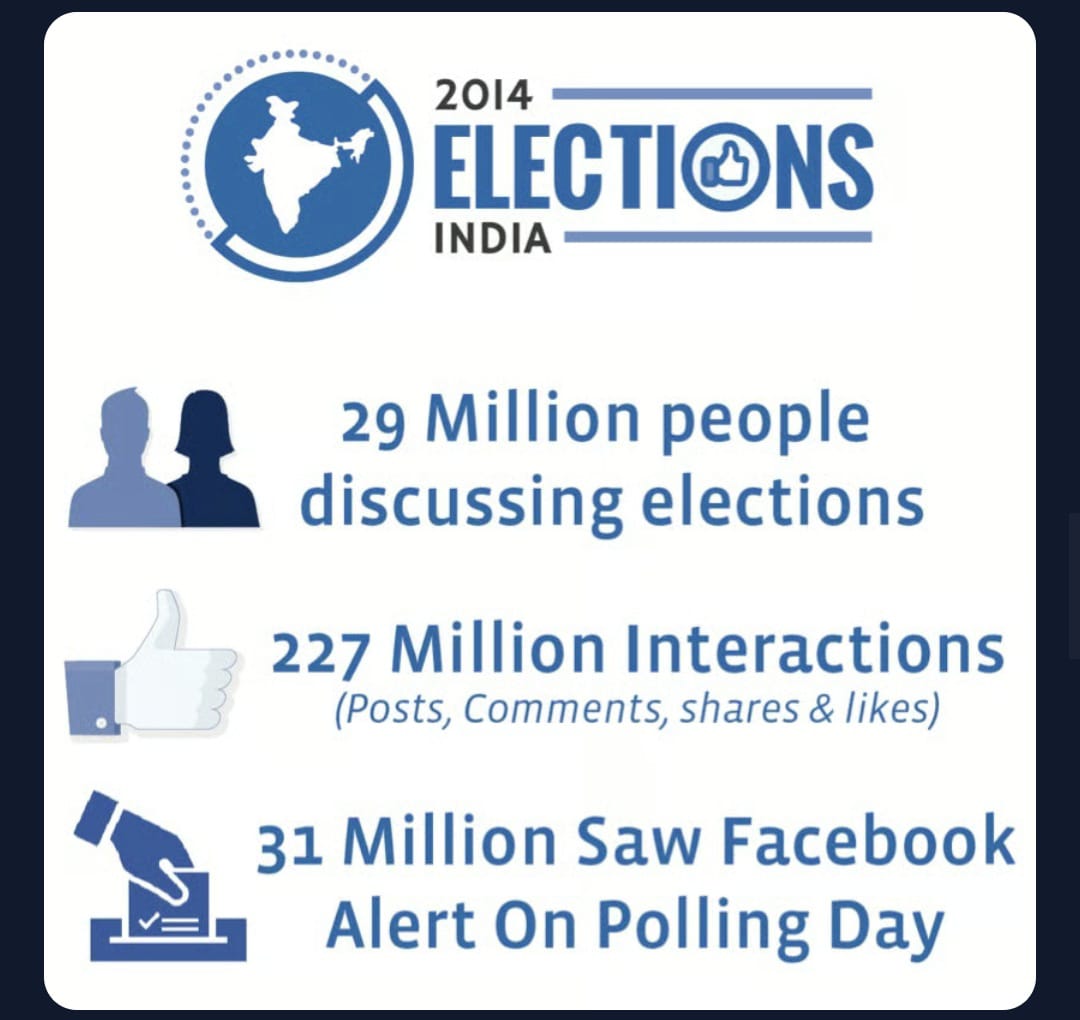
The film brings a painful open secret back into focus for Indian audiences. A young person who joins a party’s digital army quickly learns what the platform rewards. A reasoned post earns a handful of likes. A humiliating meme about a minority community, a doctored clip or a rumour framed as an alarm earns thousands. Reward shapes behaviour, and behaviour becomes character. What begins as the task of forwarding messages ends as a habit of contempt for a neighbour one has never even met. Facebook’s own researchers, according to the leaked documents, saw this happening in Indian groups and pages.
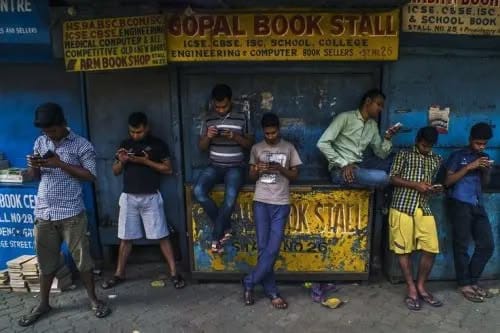
That is how majoritarianism turns into hooliganism. Anonymity, the audience and the algorithm reduce the cost of cruelty while multiplying its rewards. When the screen is switched off, the habit remains. India has seen what rumours spread through messaging apps can do on the ground, including the lynchings of 2018 triggered by false child-abduction messages, after which WhatsApp limited how widely messages could be forwarded in India. The lesson was clear then and remains clear. The feed does not stay in the feed.
According to another AP report, some of these problems appeared to have been intensified by Facebook’s own recommendation features and algorithms. Seemingly harmless groups suggested to users quickly became spaces where hate speech, unverified rumours and inflammatory content proliferated. The same documents show that Facebook classified India among its most at-risk countries and identified Hindi and Bengali as priority languages for automated detection of hostile speech. They also revealed that the company lacked sufficient local-language moderators to prevent the spread of misinformation.
Facebook told the AP that it had invested heavily in detection technology for languages including Hindi and Bengali, and that the amount of hate speech users encountered had fallen by half in 2021. The company had extended its hate-speech classifiers to four Indian languages, even as its own staff continued to flag gaps in the system.
On 14 August 2020, The Wall Street Journal reported that Ankhi Das, Facebook’s top public-policy executive in India, had opposed applying the company’s hate-speech rules to a radical BJP legislator from Telangana, as well as to at least three other individuals and groups internally flagged for promoting or participating in violence.

According to current and former employees quoted by the Journal, Das told staff that penalising politicians from the ruling party for violating Facebook’s rules would damage the company’s business prospects in India. Following the publication of the report, Facebook denied any political bias, maintaining that it enforced its rules regardless of political position or party affiliation. A political storm followed in India. The opposition demanded investigations, a parliamentary panel questioned Facebook India’s managing director, and the company subsequently banned the BJP legislator from the platform. Amid these developments, Ankhi Das also filed a police complaint over death threats she had received.
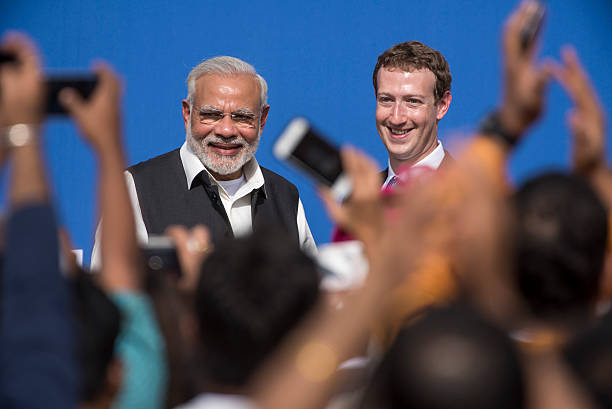
The central claim of The Social Reckoning is that a platform’s commercial interests and political relationships can shape not only what a society sees, but also what it comes to believe. The 2015 image of Zuckerberg embracing Prime Minister Narendra Modi at Facebook’s headquarters takes on a different significance in the light of the revelations examined in the film. It appears, in retrospect, as a moment when two forms of power recognised each other.
As a work of cinema, The Social Reckoning is not an easy film to watch. Its visual treatment is restrained, offering little in the way of conventional entertainment. Some of its most telling scenes are those that expose the quiet failure of institutions: a meeting that ends before difficult questions can be asked, a boardroom that no longer fears regulatory scrutiny or feels accountable to the people affected by its decisions. It is an American drama, but its implications extend to corporate giants everywhere, particularly those that have come to regard themselves as being beyond public accountability. The reckoning in the title is not Facebook’s alone. It is ours.
Watch the Trailer here: The Social Reckoning


This makes me connect to the past dots and the realisation that it’s so much true. We lived through this all and eventually reached here.
The social reckoning unfolding in America is also a powerful warning for India. When inequality deepens, institutions lose credibility and political power escapes public accountability, democracy becomes a hollow promise. The real test of any government is not how fiercely it protects its power, but how honestly it protects the rights, dignity and freedoms of its people. What is unfolding in America should compel India to confront its own democratic failures before they become irreversible.
Revealing article