

Social revolutions often throw up symbols that remain fresh in the socio-cultural and political imagination, even though they may not play a direct role in revolutionary acts.
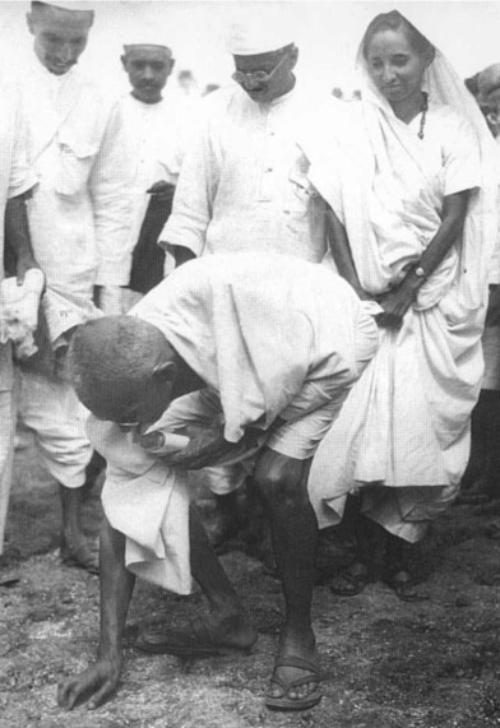
In 1930, Mahatma Gandhi picked up a mundane object like salt and transformed it into a powerful political symbol through an unprecedented combination of creative imagination and practical philosophy. He made salt from seawater, openly defying the draconian British laws governing its production and sale.
In 2013, the Aam Aadmi Party picked up the broom as its election symbol, promising to clean society of bribery and other forms of corruption. Later, when the Chief Justice of India condescendingly described Indian youth as “cockroaches,” an Indian student, Abhijit Deepke, then studying at Boston University, created a satirical Instagram platform. The image of a creature that had hitherto been considered despicable was transformed into a lasting symbol of organisation, protest and agitation.

While the cockroach grew in stature through its many avatars, shaped by the imagination of millions of young Indian content creators, another mundane object emerged as a powerful symbol of the educated, rejected, frustrated, dispossessed, betrayed and job-seeking youth of India: the backpack.
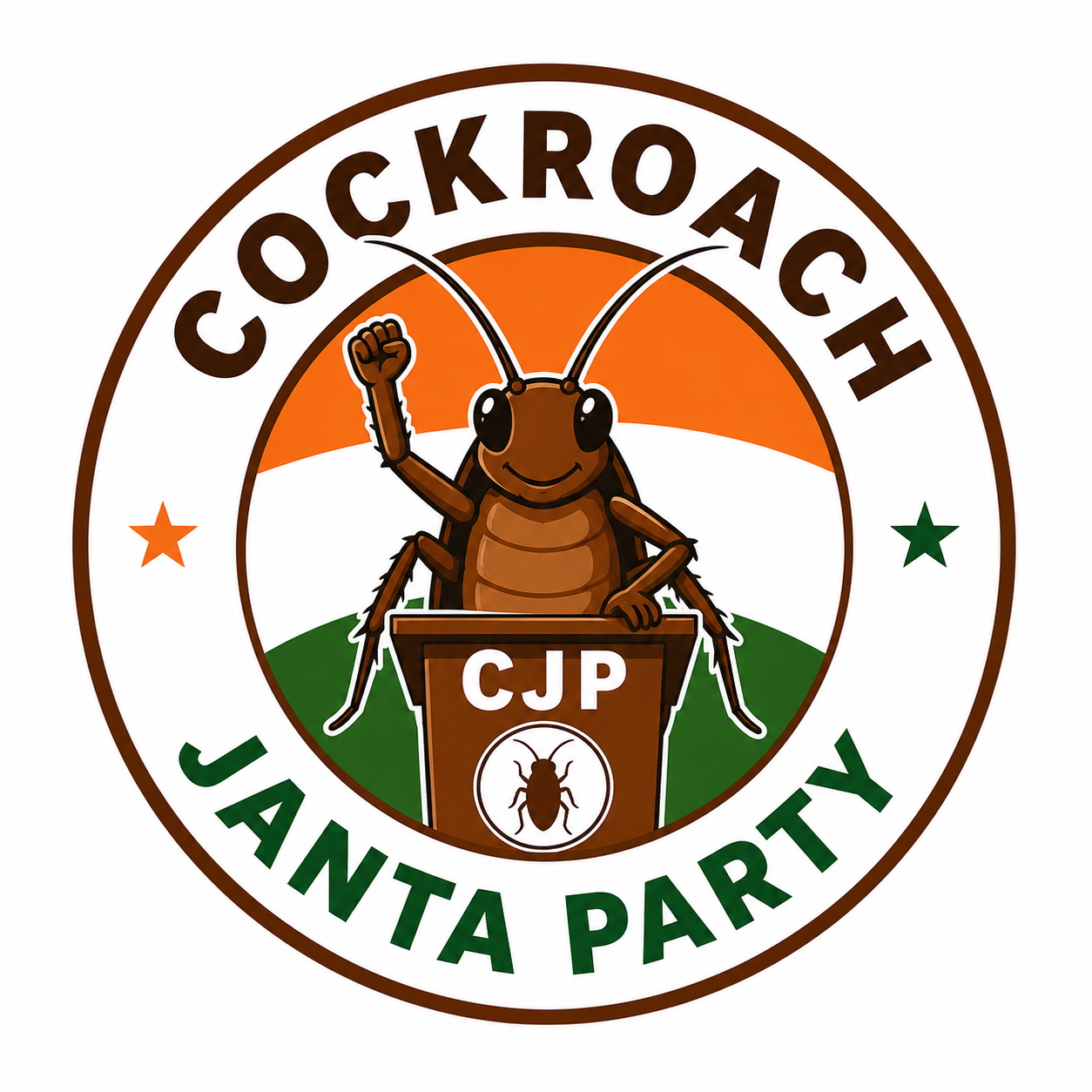
Alongside the dominant cockroach symbol, the backpack became an enduring marker of the Gen-Z generation that spearheaded the agitation on the ground and brought about a series of changes in the government’s attitude. A minister resigned, the Prime Minister began making reels, and parliamentarians started adopting Gen-Z expressions and language. Meanwhile, the cascading effect of the protests began to spread across the country.
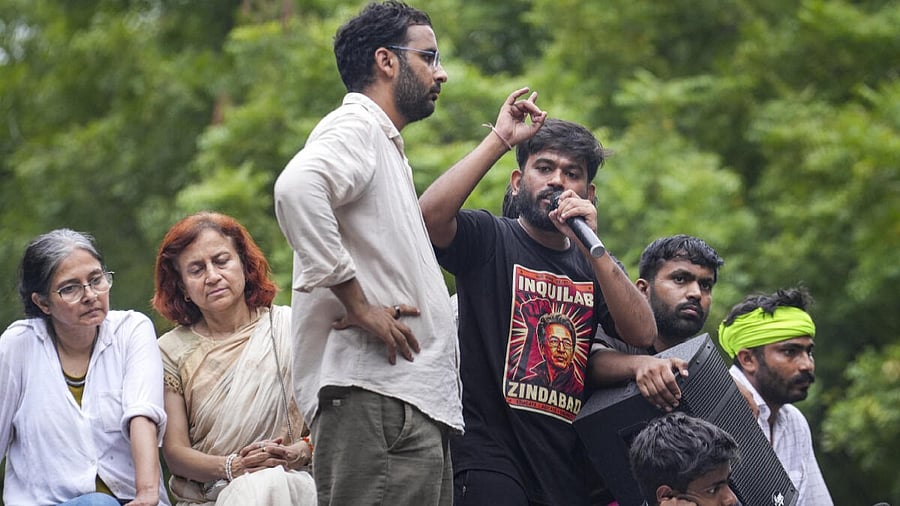
Irrespective of gender or class—and regardless of the brand or price of the bag—most young people use backpacks for their convenience. They can carry their dreams as well as their worldly possessions in them. Unlike many other kinds of bags, backpacks leave the carrier’s hands free, allowing greater freedom of movement. The shoulders and back together can support the weight while travelling, and most backpacks are relatively inexpensive and affordable.
For a young person, a backpack can contain a miniature version of their room, their work, their aspirations and, in a sense, their life. When thousands of young people arrived at Jantar Mantar in July this year, demanding the resignation of the Union Education Minister, none of them knew how long the struggle would last. They came prepared with backpacks containing spare clothes, snacks, laptops, mobile chargers, books, water bottles, sanitary napkins and, above all, hope and determination.
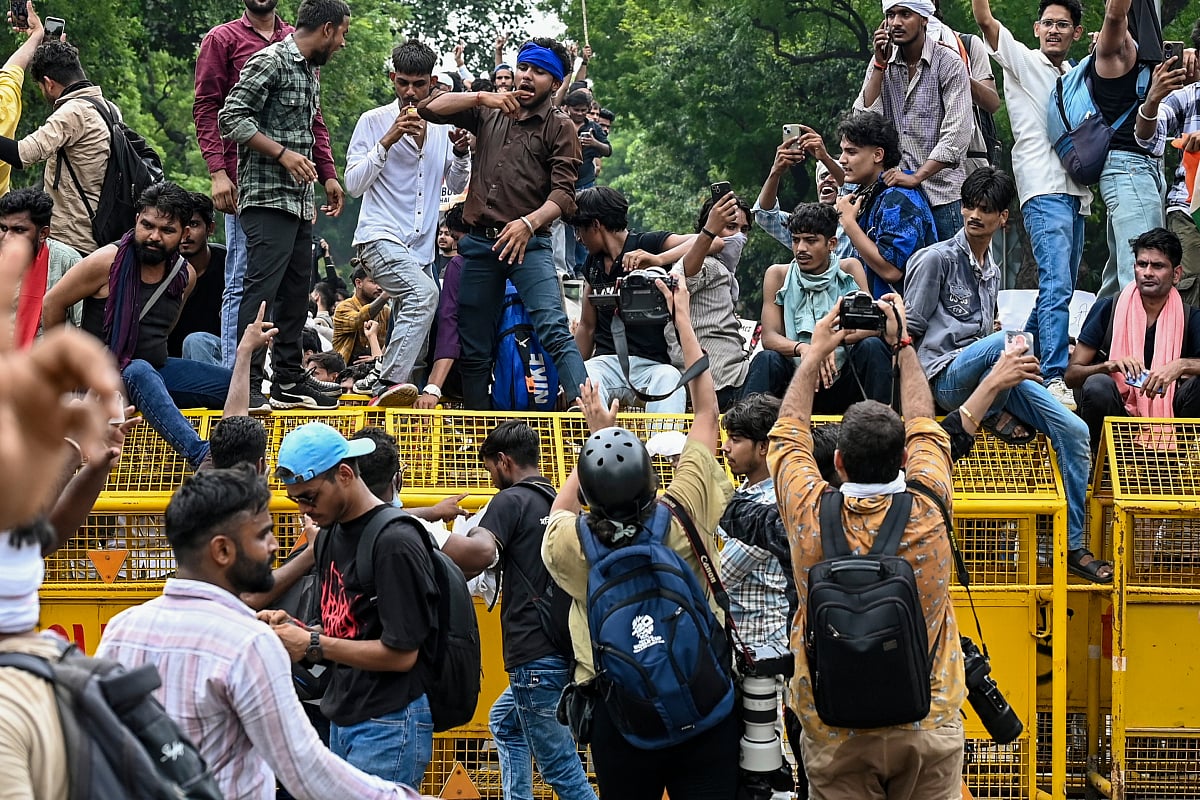
The protest continued for a month, accompanied by the state’s increasingly ruthless resistance, which went to the extent of using brutal pellet guns against unarmed students demanding their rights.
Backpacks were everywhere.
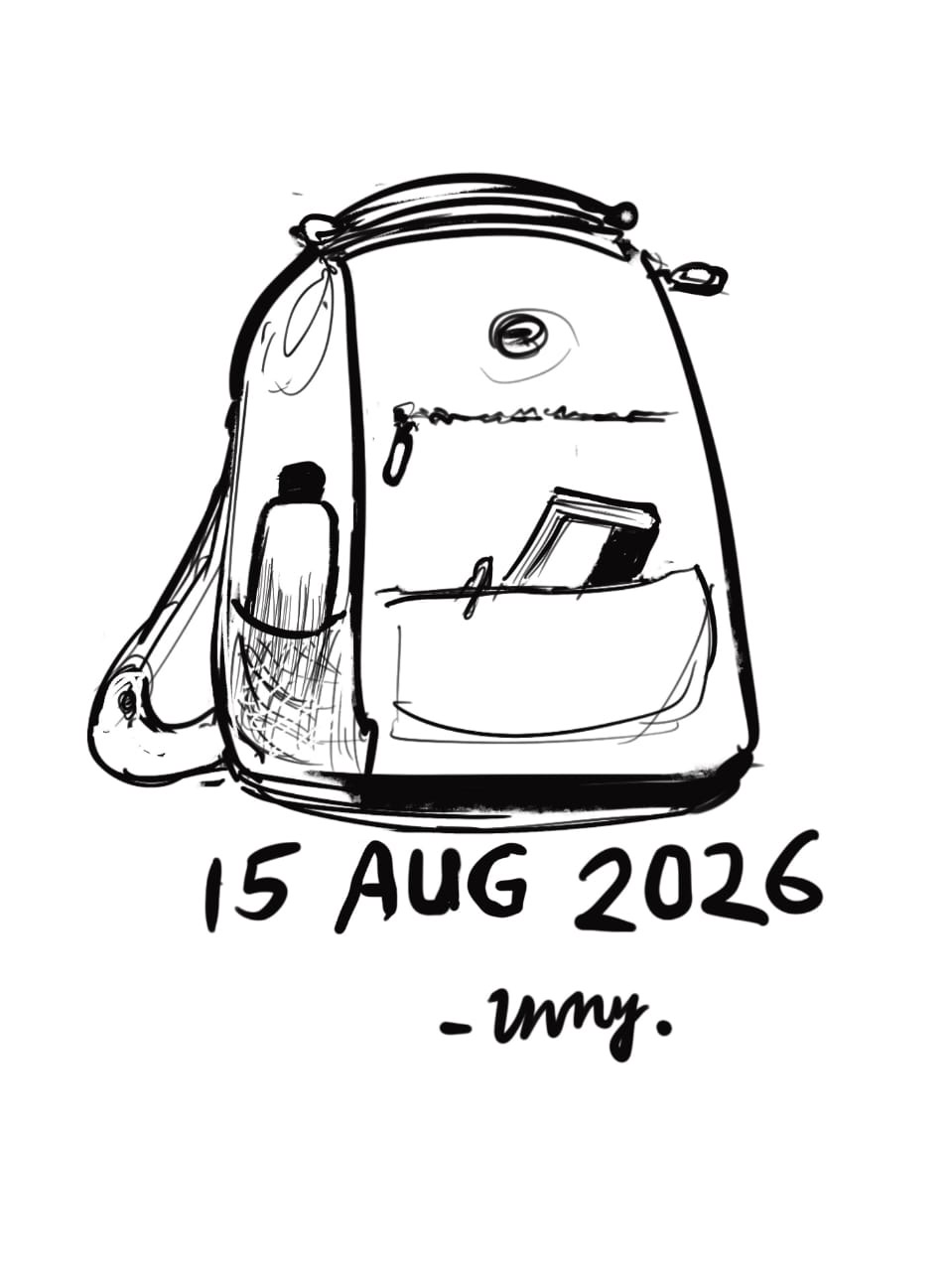
Today, I came across a cartoon by the veteran intellectual cartoonist E. P. Unny of The Indian Express. It contained nothing but the image of a backpack, complete with a water bottle tucked into the side net and a book and pen in the outer pocket. The caption simply read: “15 Aug 2026.”
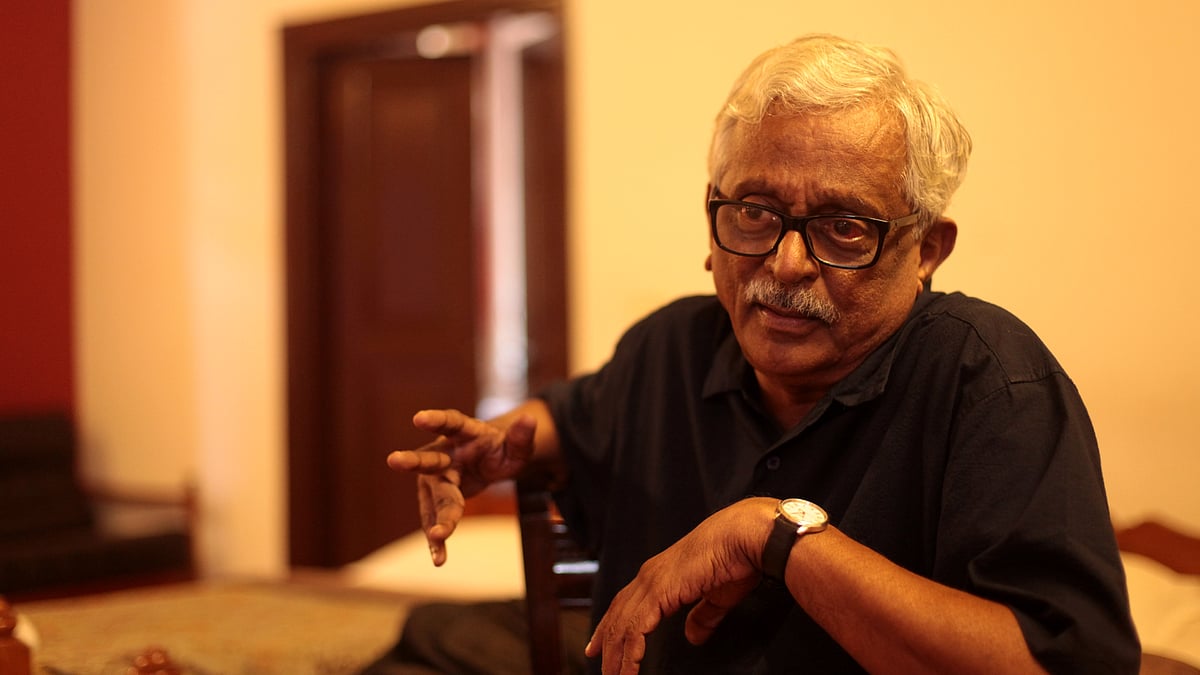
What a befitting cartoon for the 80th anniversary of Indian Independence.
This minimalist cartoon transforms the Gen-Z symbol of an ordinary backpack into a lasting icon of an ongoing socio-cultural resistance. From Delhi, the Gen-Z protests have spread to different parts of India, and now even Gen-Alpha has begun raising its voice for better educational facilities and teaching. They are supported by Gen-Z leaders who have chosen to function as a pressure group rather than convert the momentum of the movement into a political party.
Unny is not alone in transforming the backpack into a cultural and political symbol.
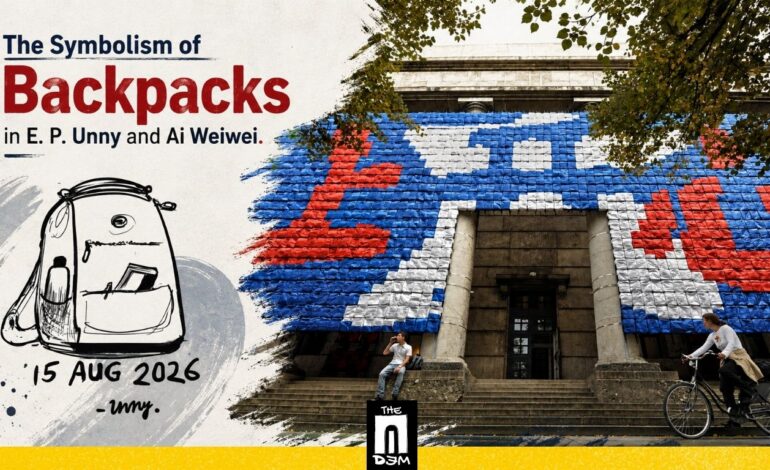
In a very different context, the prominent Chinese conceptual artist Ai Weiwei created an installation using thousands of backpacks. Titled Remembering, the installation was a response to the devastating 2008 earthquake in Sichuan, China, in which more than 80,000 people lost their lives, many of them schoolchildren.
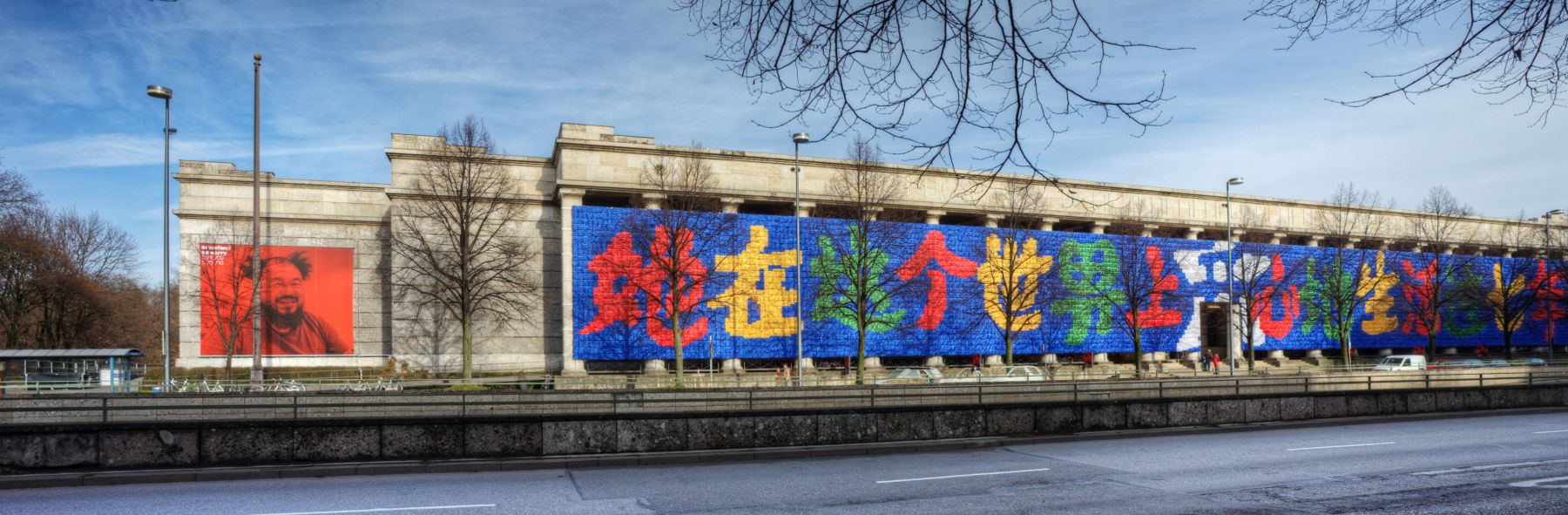
Weiwei investigated why the death toll among schoolchildren was so high. He discovered that many school buildings had collapsed because they had been constructed with cheap materials, amid rampant institutional corruption and the alleged siphoning of funds by politically influential building contractors.
For Remembering, Weiwei used 9,000 school backpacks. Arranged on the façade of the Haus der Kunst in Munich, the backpacks formed the sentence “She lived happily for seven years in this world” in Mandarin. The words were made up of backpacks, each associated with a child whose name his team of researchers had identified through grieving parents and government records.
The backpacks in Weiwei’s installation carry the weight of children who are no longer there. Unny’s backpack, on the other hand, carries the presence of a generation that refuses to disappear into silence.
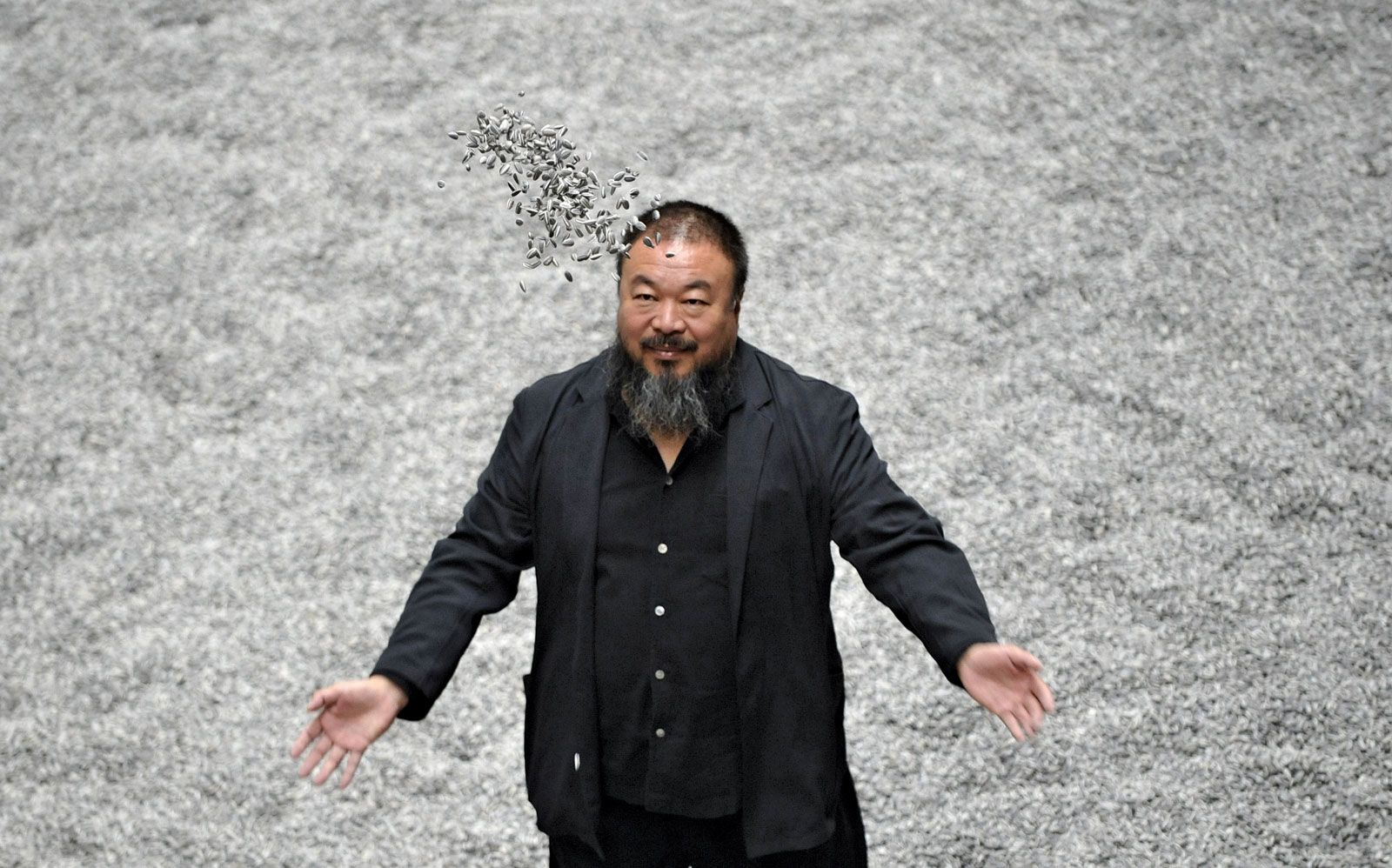
E. P. Unny’s untitled cartoon and Ai Weiwei’s Remembering thus symbolise two different tragedies of our times. One speaks of a generation fighting to protect its future; the other remembers children whose future was brutally taken away.
Yet both works ultimately speak to the same human imperative: the fight against forgetting.
A backpack can carry books, clothes, food, technology and the small necessities of everyday life. But in the hands of an artist—or in the hands of a generation in revolt—it can carry something much larger: memory, resistance, grief, aspiration and hope.

A powerful and deeply moving piece by Johny ML. The backpack becomes much more than an everyday object—it carries the aspirations, resistance, memory and hope of a generation. The connection between E. P. Unny and Ai Weiwei beautifully shows how art can turn ordinary objects into powerful symbols of social struggle and collective memory