

Wages or the Womb: How Labour Exploitation Is Driving Maharashtra’s Sugarcane Women to Hysterectomies

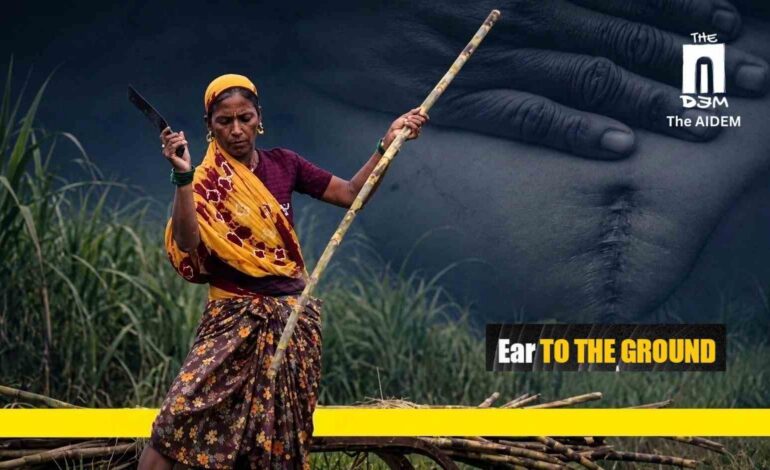
The story of Maharashtra’s sugar industry is usually told through factory chimneys, crushing-season figures and sugar prices. Behind that sweetness, however, lies the bitter reality of the lives of lakhs of men and women who enter the fields with sickles in their hands. A recent incident from Jalna district offers disturbing evidence of this reality. As many as 107 sugarcane-cutting women, 63 from Ghansawangi taluka and 44 from Partur taluka, reportedly underwent hysterectomies, having their uteruses removed so that menstrual pain would not cost them their wages.
These surgeries reportedly took place between 1 August 2025 and 25 October 2026, a period of nearly fifteen months.. The revelations raise an urgent question: how could the health department remain unaware while such procedures were being performed on women from village after village? This is not a tragedy confined to one family or one village. It exposes a shameful failure of the entire system.
The Economics of Exploitation: When Menstruation Means Lost Wages
To understand what drives these women to such decisions, one must examine the economics of sugarcane cutting. Before the harvesting season begins, the mukadam, or labour contractor, gives a working couple an advance ranging from a few thousand rupees to a lakh or more. Far from being financial assistance, this advance binds the workers for the entire season. Husband and wife are counted as a single jodi, or labour unit, and together they are expected to cut a fixed tonnage of sugarcane every day.
If the wife cannot work for a day, the labour unit is considered incomplete, and the shortfall is deducted from their wages. A couple is expected to cut two to three tonnes of cane daily. Under such conditions, menstruation becomes more than a period of physical discomfort. It means lost earnings and mounting debt.
Conditions in the fields compound this ordeal. Workers camp near cane fields or on factory premises, living in tents or makeshift huts, often without toilets or bathing facilities. Scarcity of drinking water, limited access to sanitary pads, fourteen to fifteen hours of work and the burden of carrying sugarcane bundles weighing twenty to forty kilograms make menstruation particularly difficult.
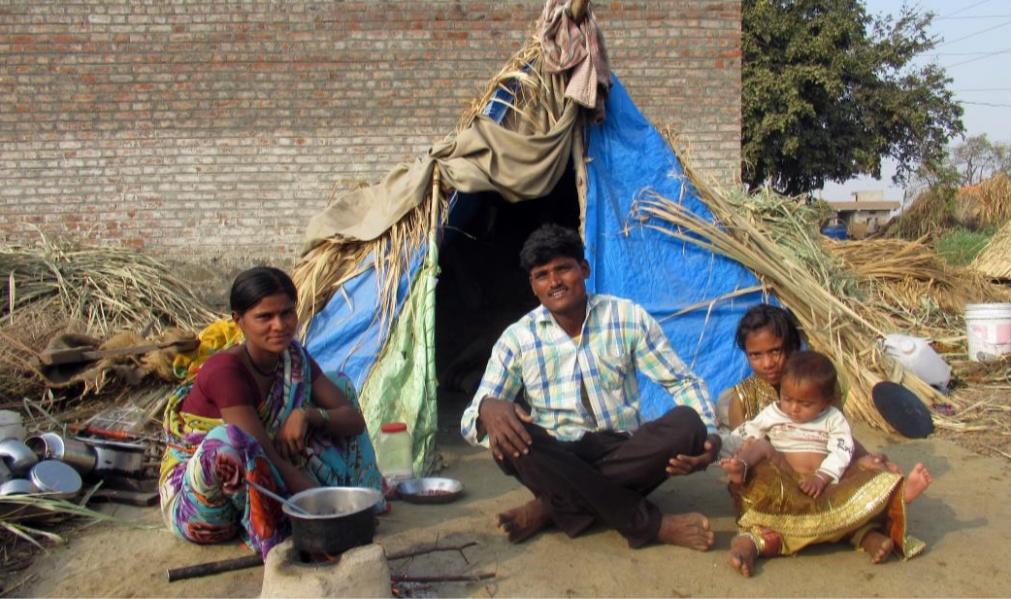 A migrant sugarcane worker couple and their family living in a temporary makeshift hut during the harvesting season.
Women who underwent hysterectomies because of abdominal pain say they were losing eight to ten days of wages during their menstrual cycles. To escape the pain and financial losses, they underwent surgery in private hospitals, reportedly on doctors’ advice. These were decisions made by the women themselves, but the circumstances raise a fundamental question about how freely those decisions were made. When hunger and debt leave a woman with seemingly no alternative, the distinction between choice and compulsion becomes dangerously blurred.
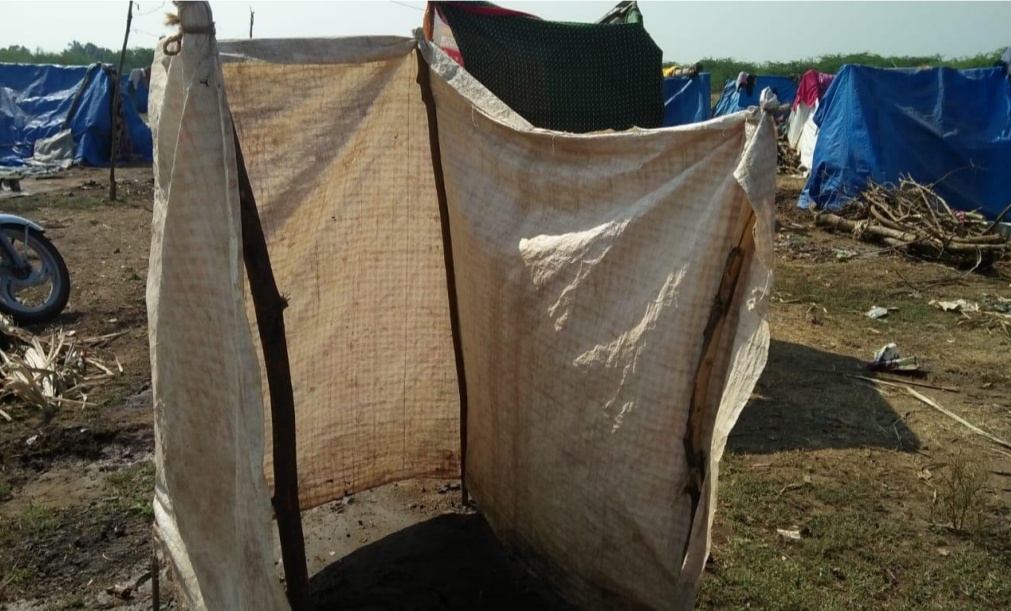 A temporary toilet constructed by a worker in the sugarcane field. This is a rare thing to see as most of the workers defecate in the open.
From Beed to Jalna: A Tragedy That Refuses to End
The Jalna incident is another link in a tragic chain that has stretched across neighbouring Beed district for years. An estimated ten lakh sugarcane workers migrate from Marathwada annually, nearly half of them from Beed. In 2019, the issue attracted statewide attention when a government report revealed that more than 13,800 of approximately 82,300 sugarcane-cutting women in Beed had undergone hysterectomies over the preceding decade, representing nearly 17 per cent of the total.
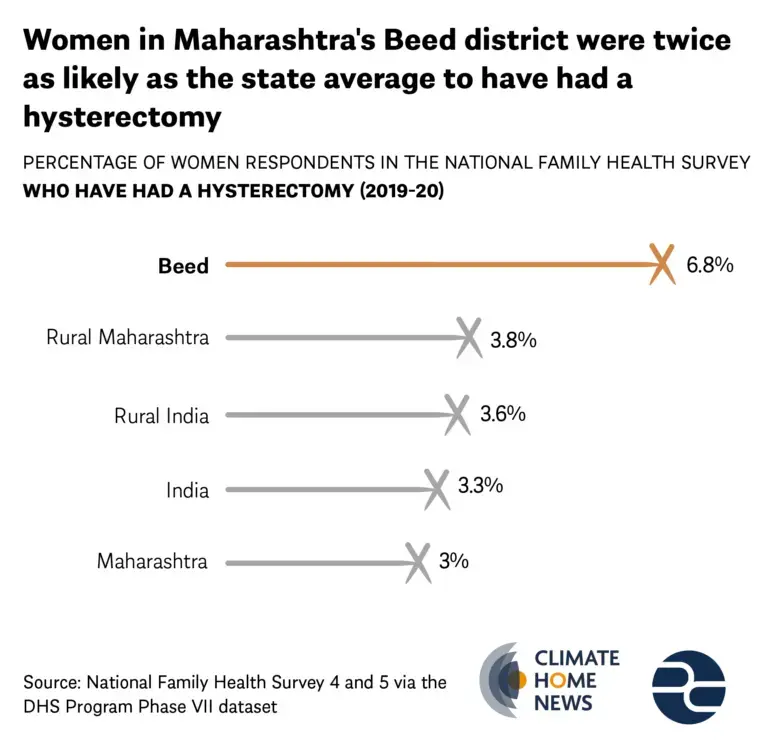 Hysterectomy prevalence among women in Beed was 6.8 per cent in 2019–20, nearly twice the rate recorded across rural Maharashtra and rural India, according to NFHS data. (Source: Climate Home News).
Many were between thirty and thirty-five years old. The National Commission for Women issued a notice to Maharashtra’s Chief Secretary, and the matter was debated in the Legislative Council. The then Health Minister announced that permission from the District Surgeon would be mandatory before a hysterectomy could be performed. Yet more than six hundred additional surgeries subsequently came to light.
More recently, MLC Uma Khapre raised the issue in the Legislative Council, stating that approximately 843 women in Beed had undergone hysterectomies between 2019 and 2025. The High Court has also issued directions against sending pregnant women for sugarcane cutting. Despite repeated discussions, committees and official assurances, the emergence of another 107 cases in Jalna reveals the gulf between government declarations and implementation.
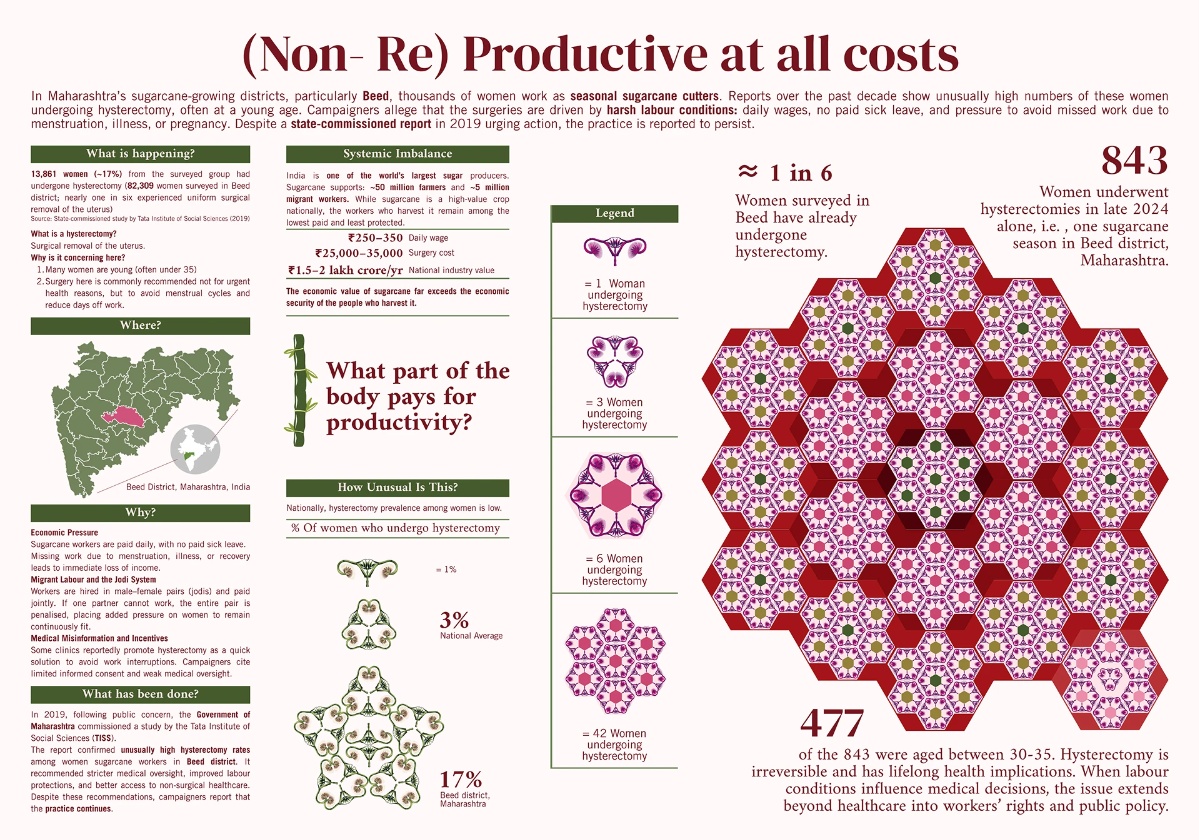 In 2024, 843 women in Beed reportedly underwent hysterectomies during the sugarcane season, despite the state’s 2019 recommendations for stronger oversight and labour protections.
When Healthcare Becomes Another Trap
The role of private hospitals deserves particular scrutiny. Scholars, journalists and rural health workers have reported that women with limited education who seek treatment for abdominal pain, back pain or occasional bleeding are sometimes frightened with warnings about cancer and advised to undergo hysterectomies. The head of one health organisation has observed that some doctors appear to attribute almost every complaint to the uterus.
Such practices can deny women appropriate treatment for their underlying conditions while exposing them to the risks of major surgery. Some even borrow further advances from the mukadam to pay for the operation, deepening the very indebtedness they hope to escape. This arrangement can benefit both labour contractors and sections of the private healthcare system at the expense of vulnerable workers.
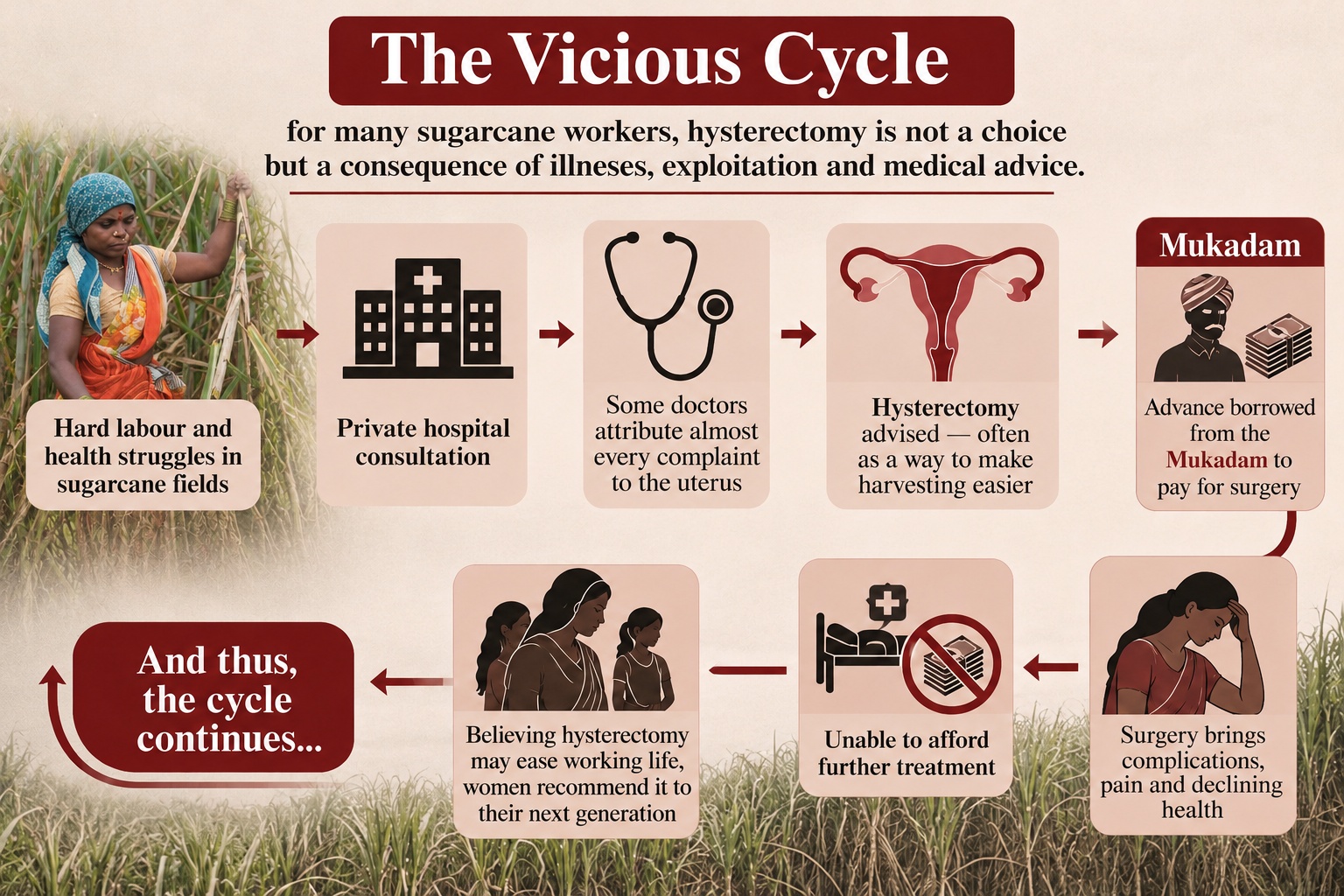 A cycle of exploitation: when gruelling sugarcane work, medical advice and mounting debt push women towards hysterectomy.
The consequences of surgery can also be serious. Removal of both ovaries before natural menopause causes surgical menopause, while hysterectomy itself may have longer-term health implications. Depending on the procedure and individual circumstances, these can include hormonal changes, bone-health problems, cardiovascular risks, joint pain, fatigue and psychological distress.
Some women in Beed have described persistent pain and deteriorating health after surgery, often without the financial means to obtain further treatment. Having undergone hysterectomies in the hope of improving their working lives, they now advise their daughters and daughters-in-law against following the same path. Their testimonies are as important as official statistics.
A National Pattern of Medical Exploitation
The problem extends beyond Marathwada. According to the National Family Health Survey (NFHS-5), approximately three per cent of Indian women aged fifteen to forty-nine have undergone hysterectomies. Prevalence varies considerably between states, reaching approximately nine per cent in Andhra Pradesh and eight per cent in Telangana, compared with around one per cent in several north-eastern states.
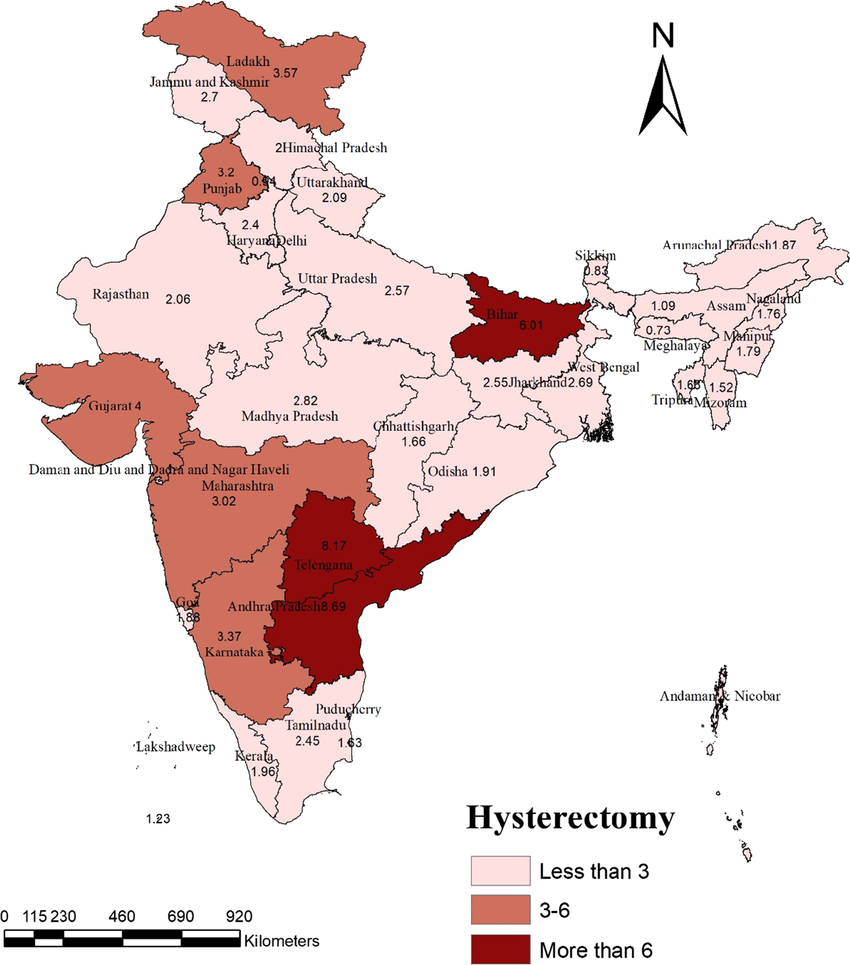 A state-wise map of hysterectomy prevalence across India, based on NFHS-5 data (2019–21), showing higher rates in Telangana, Andhra Pradesh and Bihar, and generally lower prevalence across the northeastern states.
These differences warrant closer examination of economic vulnerability, healthcare access, labour migration and private medical services. Approximately seventy per cent of the women surveyed who had undergone hysterectomies received the surgery in private hospitals. There have also been allegations of unnecessary operations being performed to obtain payments under government health insurance schemes.
Dr Narendra Gupta filed a public interest petition before the Supreme Court alleging such practices in Bihar, Rajasthan and Chhattisgarh. In 2023, the Court directed all states to implement the Central government’s guidelines within three months. These provide for district-level monitoring committees, monthly reporting of hysterectomies by hospitals, documentation of the medical reasons for procedures performed on women under forty, and consideration of alternative treatments.
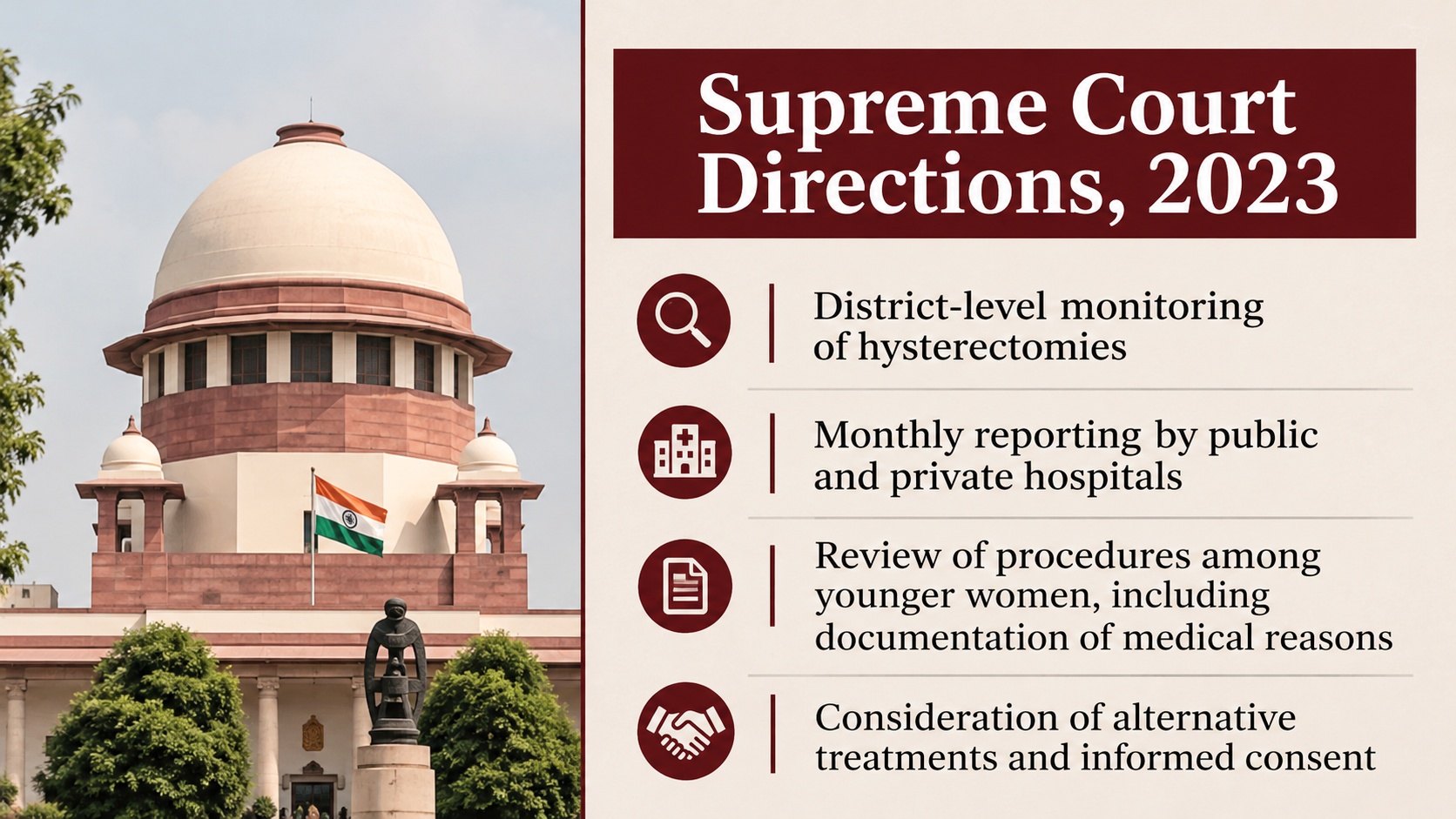 Supreme Court Directions, 2023: Key measures to regulate hysterectomies and prevent unnecessary surgical procedures.
In Karnataka, a case emerged in 2015 involving allegations that approximately 2,200 women from marginalised communities had undergone hysterectomies, with four hospitals implicated. These cases point to wider failures of medical regulation and accountability.
Judicial proceedings have also drawn attention to the age at which hysterectomies are performed. While such procedures are more common among women approaching menopause in many developed countries, Indian studies have documented them among women aged twenty-eight to thirty-six.
Hysterectomy is a major surgical intervention that requires clinical justification, informed consent and consideration of appropriate alternatives, including medication, hormonal treatment or less invasive procedures. In the circumstances described here, however, it appears to have become a supposed remedy for economic hardship. Medical regulation alone cannot resolve a problem rooted partly in exploitative labour conditions.
The Global Dimensions of an Invisible Labour Crisis
The plight of sugarcane-cutting women in Beed has attracted international attention. Publications such as Britain’s The Guardian have reported on the issue, while a social media post by a French outlet reportedly reached several crore viewers. Climate Home News documented the lives of workers in Maharashtra and Uttar Pradesh, highlighting the links between seasonal migration, climate change, erratic rainfall and drought.
With agriculture providing little or no employment for eight or nine months of the year, and alternative livelihoods scarce, families migrate for sugarcane cutting. Rising temperatures and prolonged exposure to heat further endanger women working ten to twelve hours under the sun. A 2020 study by researchers at Symbiosis University in Pune concluded that their living and working conditions violated basic human rights.
India is a party to the United Nations Convention on the Elimination of All Forms of Discrimination against Women (CEDAW), which obliges states to address discrimination in employment and healthcare. The International Labour Organization’s concept of decent work similarly emphasises safe working conditions, fair remuneration and freedom from discrimination.
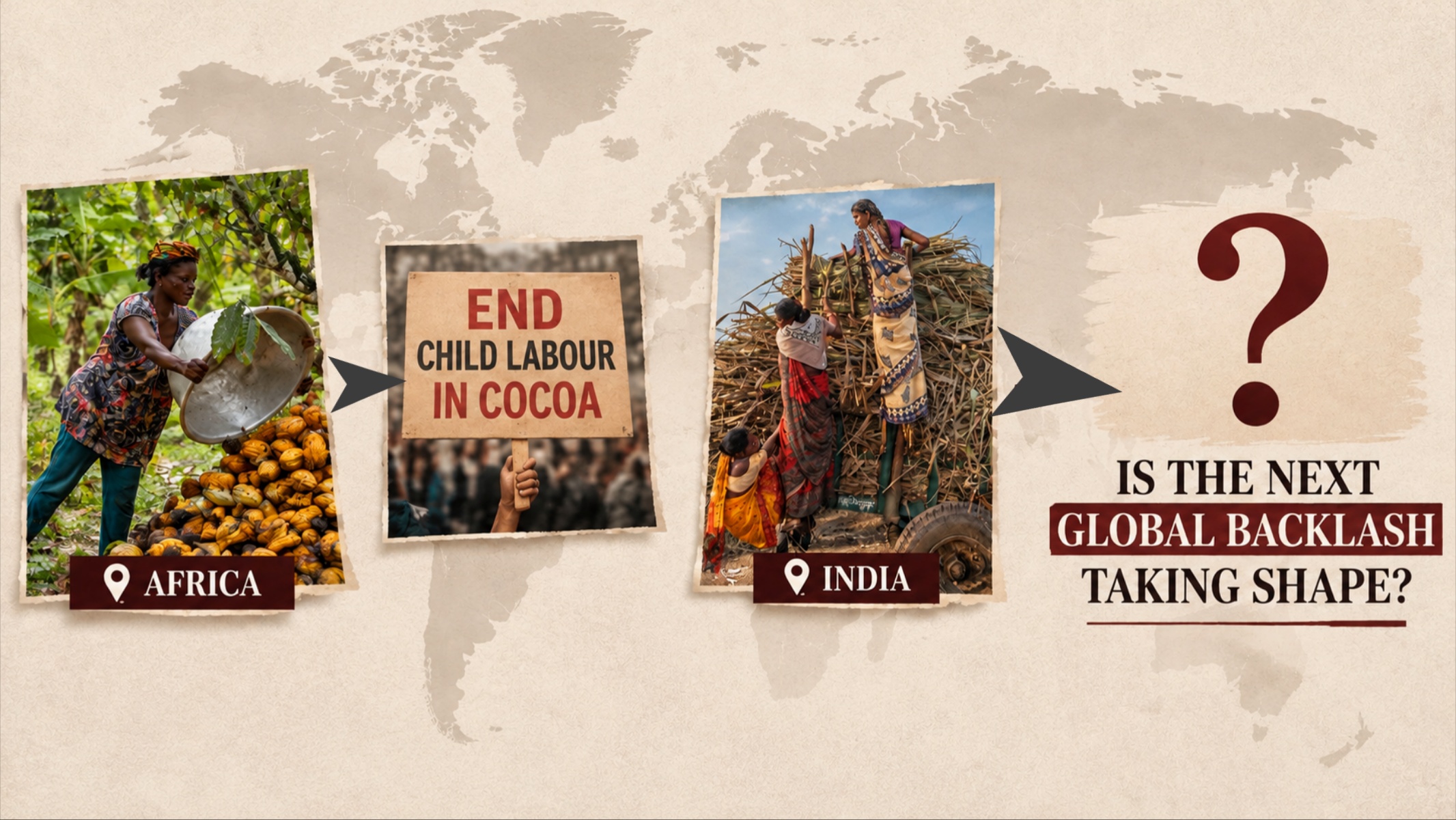 From Africa’s cocoa fields to India’s sugarcane farms, labour exploitation is increasingly drawing global scrutiny. Could India’s sugar industry face its own international backlash?
Measured against these principles, conditions in Maharashtra’s sugarcane fields raise serious questions. They could also affect India’s reputation in international sugar markets as consumers and investors increasingly scrutinise labour practices within supply chains. From cocoa plantations to garment factories, concerns about exploitation have influenced commercial decisions and public debate. The Indian sugar industry cannot assume immunity from similar scrutiny.
Breaking the Chains of Debt and Medical Exploitation
Addressing this crisis requires action on several fronts, beginning with labour rights. The longstanding demand for a separate law governing sugarcane-cutting labour and mandatory written agreements between factory owners, mukadams and workers deserves urgent consideration. Such agreements should guarantee protection against wage losses during menstruation, sick leave, maternity leave, minimum wages, interest-free advances and safe accommodation.
The government has indicated that it may consider a compensation mechanism to prevent women from losing earnings during menstruation. If implemented effectively, this could reduce one of the principal economic pressures driving women towards unnecessary surgery.
Healthcare accountability is equally essential. The district-level monitoring committees envisaged under the Supreme Court’s directions must function effectively rather than exist merely on paper. Medical justifications for hysterectomies performed on women under forty should be documented, private hospitals subjected to clinical audits, and insurance claims scrutinised.
Investigations into the 107 Jalna surgeries must establish whether patients were informed of alternative treatments, whether written consent was obtained and whether that consent was genuinely informed and freely given.
Preventive healthcare and basic facilities must accompany these measures. ASHA workers and other frontline health personnel should maintain contact with women during seasonal migration. Mobile healthcare teams, toilets, adequate water supplies and free sanitary pads should be provided at sugarcane-cutting sites. Initiatives in which women workers serve as health ambassadors, supporting and guiding others, should also be expanded.
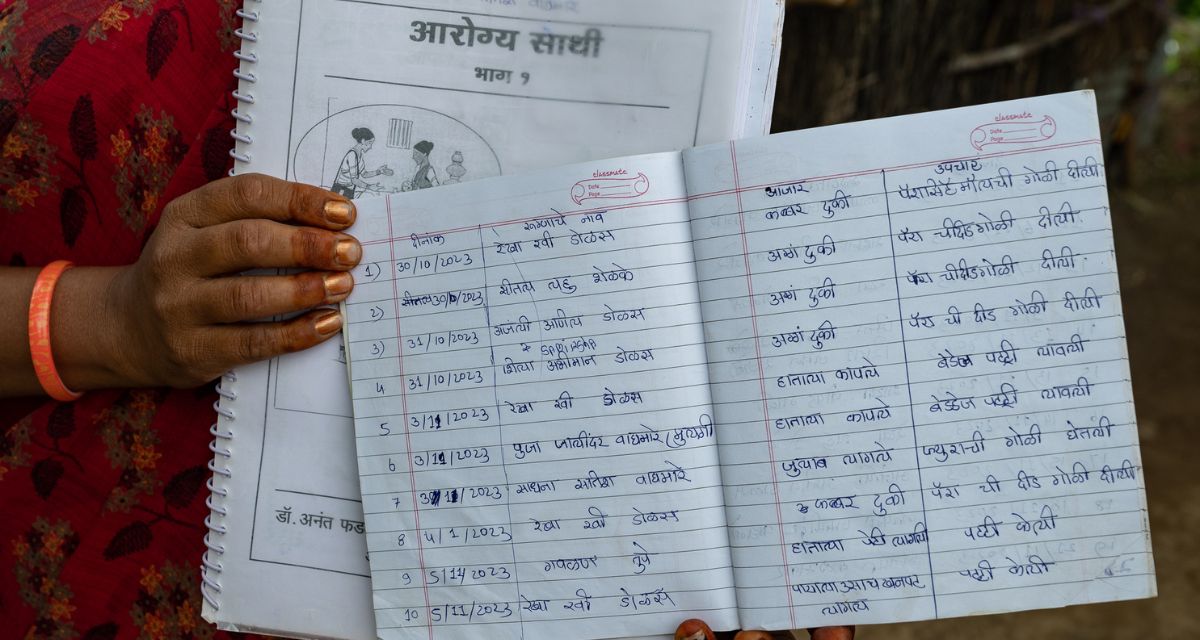 Record book maintained by an Arogya Sakhi, documenting women receiving healthcare support in remote migrant sugarcane-cutting communities in Maharashtra. Sadhana Waghmare, an Arogya Sakhi from Kathoda, served more than 40 patients during the 2024–25 season.
Education and awareness are the other essential components. Women need reliable information, in their own languages and from trusted sources, about treatments for menstrual pain, heavy bleeding, fibroids and related conditions. They must have access to medical professionals who explain the risks and alternatives without coercion.
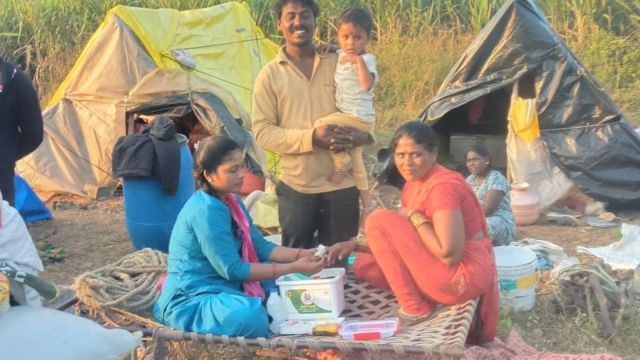 Maharashtra’s sugarcane cutters become ‘doctor tai’ in fields far from healthcare: A sugarcane cutter is giving the first-aid treatment to another worker who had an accidental cut during the work.
Equally important is breaking the cycle of interrupted education, early marriage and economic dependence. Better educational opportunities and alternative employment can help ensure that the next generation does not inherit the sickle and the labour contractor’s advance as an inescapable legacy of debt.
The Bitter Truth Behind the Sweetness
Ultimately, this is a moral test for society. Sugar is part of everyday life, from the tea we drink to the sweets prepared for festivals. Yet behind that sweetness lies the labour of women whose bodies are subjected to extraordinary pressures in the struggle to protect their livelihoods. The experiences of the 107 women of Jalna expose a human cost that remains largely invisible to those who consume the industry’s products.
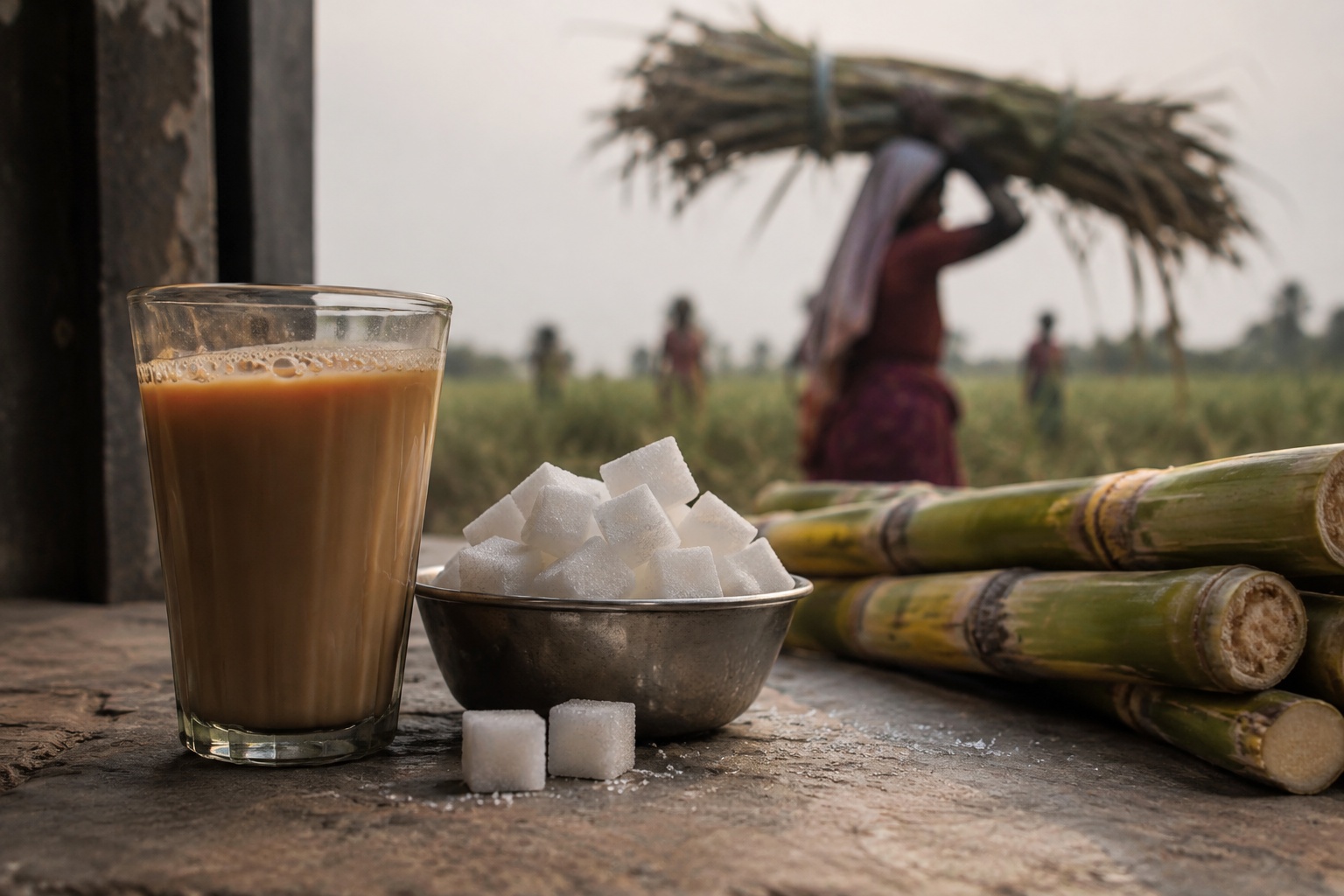 The sweetness of sugar reaches millions of tables. The human cost borne by the women who harvest it remains largely invisible.
The revelations from Beed in 2019 prompted official responses, but the measures proved inadequate. Jalna has now delivered another warning. This time, concrete and coordinated action is needed on four fronts: investigation, legislation, compensation and basic facilities in the fields. Menstruation is a natural biological process, not a reason for the loss of livelihood. No civilised society should allow women to be driven by economic desperation towards irreversible surgery simply to protect their wages.








The exploitation of Maharashtra’s sugarcane workers has reached a deeply disturbing level, where women are forced to choose between their health and their livelihoods. When 107 women in Jalna reportedly undergo hysterectomies to avoid losing wages during menstruation, it exposes a brutal failure of labour protection, healthcare and governance. No woman should have to undergo an irreversible medical procedure simply to earn her daily wages. The government must ensure fair wages, proper healthcare, safe working conditions and strict accountability for labour contractors and private hospitals. A woman’s body is not the price she should have to pay for survival.